Rotator Cuff Tear - Symptoms, Diagnosis, And Treatment Options
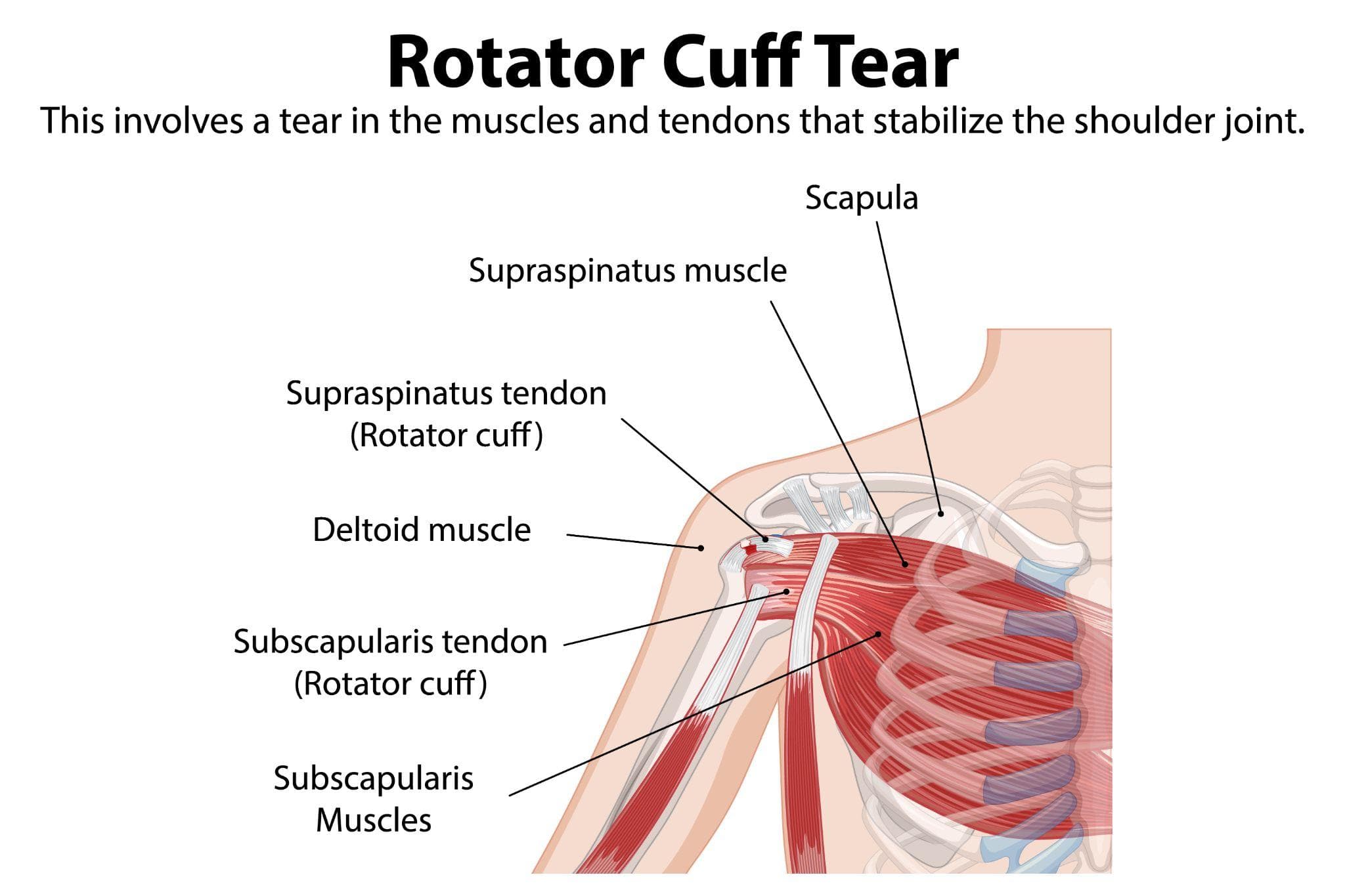
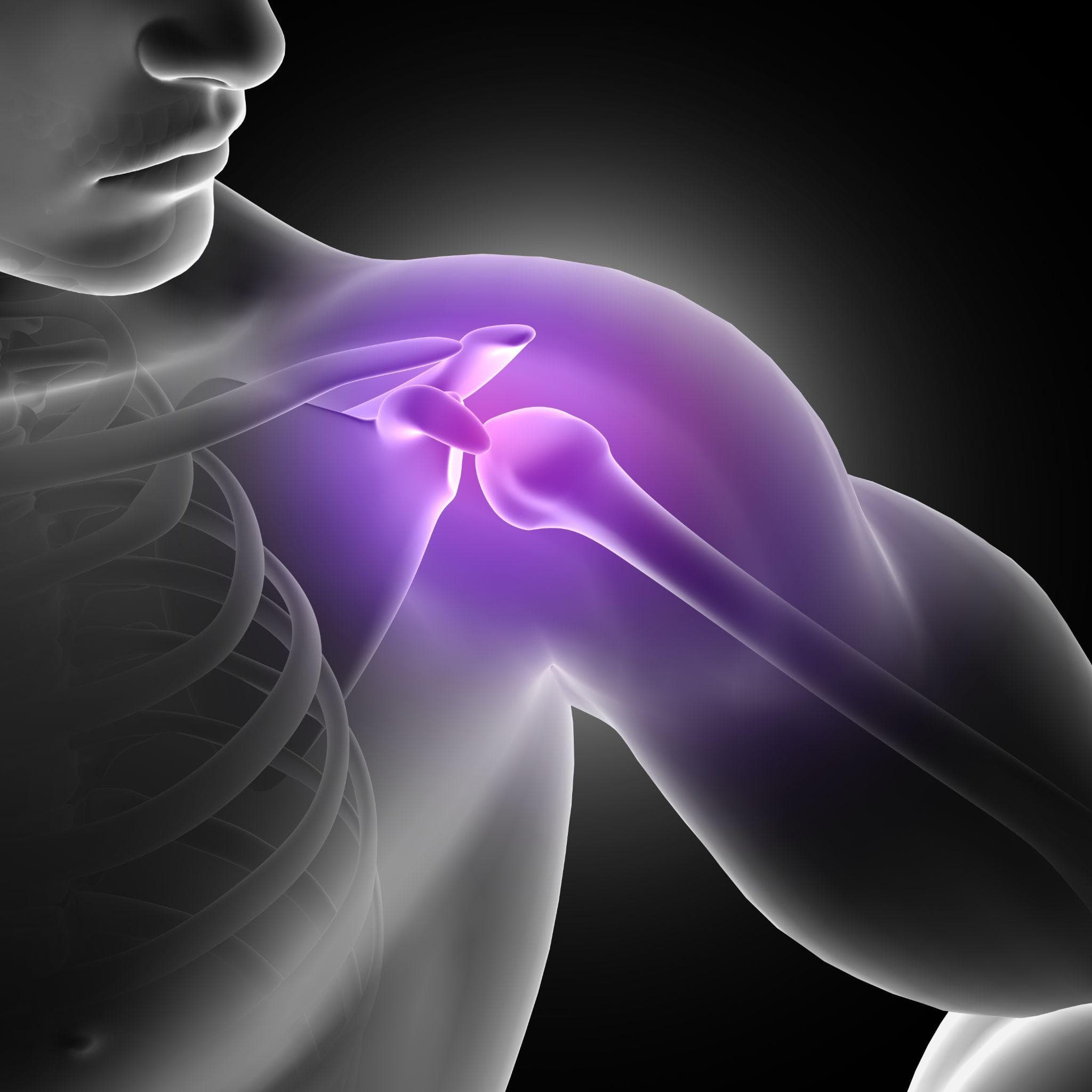
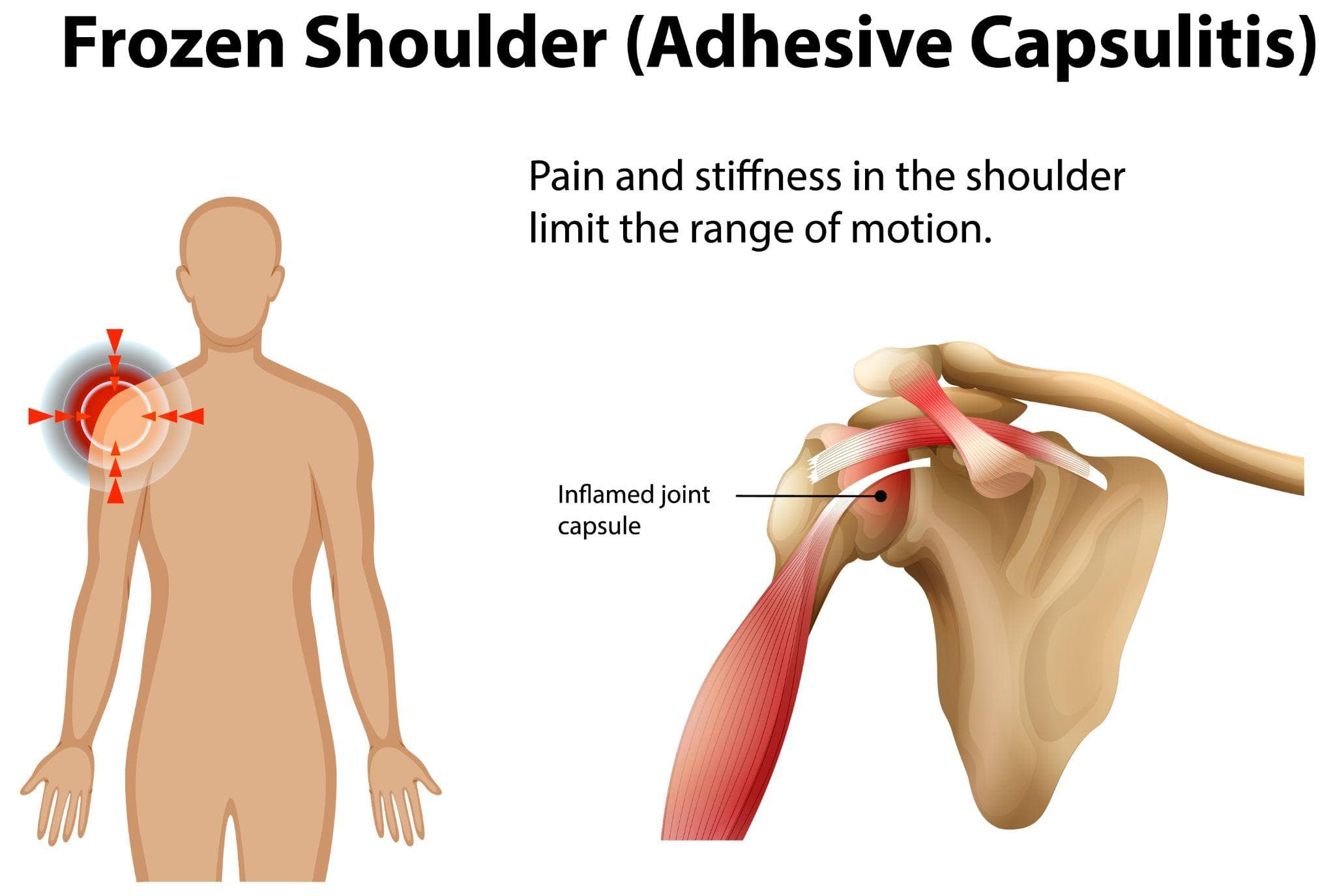
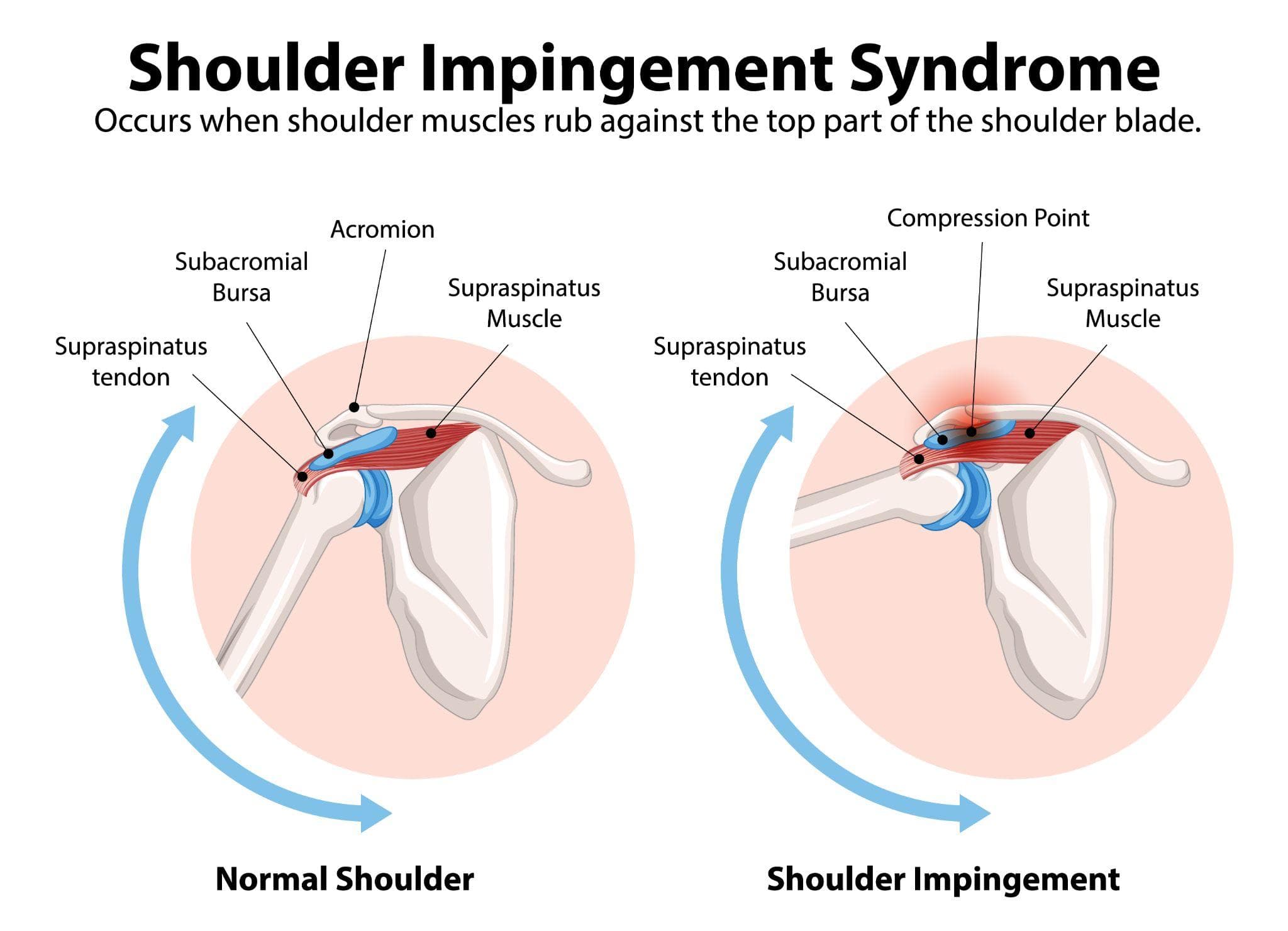
Medical illustration of a rotator cuff tear showing shoulder anatomy with labeled muscles and tendons.
Shoulder pain is one of the most common musculoskeletal complaints after back and knee pain. And within shoulder pathology, rotator cuff disease, ranging from inflammation through partial tears to complete ruptures, accounts for a very large proportion of cases.
In Noida and Delhi NCR, rotator cuff tears are increasingly common across a wide age range. Not just in the elderly, where degenerative tears are expected, but in desk workers who never warm up before suddenly carrying heavy boxes, in recreational sportspeople who play badminton and cricket without adequate conditioning, and in manual workers whose shoulders bear repetitive overhead loads for decades.
Understanding what the rotator cuff is, what a tear feels like, and what the treatment pathway actually looks like is essential for anyone dealing with persistent shoulder pain.
What Is The Rotator Cuff?
The rotator cuff is a group of four muscles and their tendons that surround the shoulder joint, connecting the upper arm bone (humerus) to the shoulder blade (scapula). These four muscles, the supraspinatus, infraspinatus, teres minor, and subscapularis, work together to:
- Rotate the arm in and out
- Elevate the arm overhead
- Stabilise the humeral head (ball) within the glenoid socket (socket), preventing it from sliding upward when the arm is raised
The shoulder joint, by design, sacrifices stability for mobility. Unlike the hip, where the socket is deep and inherently stable, the shoulder socket is shallow. The rotator cuff provides most of the active stability that keeps the ball centred during movement. When one or more of these tendons tears, the balance of forces in the shoulder is disrupted, producing pain, weakness, and ultimately joint damage if left untreated.
Types Of Rotator Cuff Tears
By thickness:
- Partial thickness tear: The tendon is torn but not completely through. The remaining fibres are still intact and connected. Partial tears can be on the bursal side (top), the articular side (bottom), or intratendinous (within the substance of the tendon).
- Full-thickness tear: The tendon is completely torn through from top to bottom, and there is a gap in the tendon. This can range from a small hole to a massive tear where the tendon has fully retracted away from the bone.
By mechanism:
- Acute traumatic tear: A sudden injury, a fall, a forceful pull, or lifting something unexpectedly heavy can tear a previously healthy tendon, particularly in younger patients. These are often associated with shoulder dislocations.
- Degenerative tear: The tendon gradually degenerates over the years, blood supply decreases, the collagen structure weakens, micro-tears accumulate, and eventually the tendon gives way under relatively minor stress. This is the predominant mechanism in patients over 50.
By extent:
- Small tear: Less than 1 cm in its largest dimension.
- Medium tear: 1–3 cm.
- Large tear: 3–5 cm.
- Massive tear: More than 5 cm or involving two or more tendons.
The size and pattern of the tear significantly influence treatment recommendations.
Symptoms - What A Rotator Cuff Tear Feels Like
Rotator cuff tears produce a characteristic symptom pattern, though the specific presentation varies by the tendon involved and the severity of the tear.
Pain:
- Typically felt at the front and side of the shoulder over the deltoid muscle region.
- Aching quality at rest, sharp with specific movements (particularly overhead reach and internal/external rotation).
- Night pain is characteristic as many patients are woken from sleep by shoulder pain, particularly when lying on the affected side or when the arm falls in a certain position during sleep.
- Pain with specific activities: reaching behind the back (putting on a coat, fastening a bra), reaching forward and upward, carrying objects with the arm extended.
Weakness:
- Difficulty lifting the arm overhead or maintaining it raised, "cannot lift the arm above shoulder height," is a classic complaint with large supraspinatus tears.
- Weakness pressing the arm to the side of the body (infraspinatus and teres minor tears) or tucking the arm behind the back (subscapularis tears).
- Difficulty carrying moderate-weight things that previously felt manageable feels much harder.
Reduced Range of Motion: Limitation in raising the arm, rotating it, or reaching behind the back.
Important note: Not all rotator cuff tears are symptomatic. Studies using MRI on asymptomatic adults over 60 find partial or full-thickness tears in a significant proportion the tear is present but not causing pain. This is why the clinical picture must match the imaging findings for the diagnosis to be actionable.
How Are Rotator Cuff Tears Diagnosed?
1. Clinical Examination
An experienced orthopedic surgeon can often diagnose a rotator cuff tear from physical examination before any imaging.
Key tests:
- Painful arc test: Pain is felt in the middle range of elevation (typically 60–120 degrees) characteristic of supraspinatus impingement and tears.
- Empty can test / Jobe's test: The arm is held at 90 degrees elevation in the plane of the shoulder blade, angled slightly downward (thumb down, like emptying a can). Weakness or pain = supraspinatus involvement.
- Drop arm test: The arm is raised to 90 degrees, and the patient attempts to slowly lower it. Inability to control the descent = large supraspinatus tear.
- External rotation lag test: Inability to maintain passive external rotation against gravity = infraspinatus tear.
- Belly press/bear hug test: Tests subscapularis integrity.
2. Imaging
X-ray: Does not show tendons but is useful for context, can show a high-riding humerus (sign of chronic massive cuff tear), calcific deposits, acromial shape, and arthritis.
Ultrasound: A dynamic investigation that shows the tendons in real time. An experienced ultrasonographer can identify partial and full-thickness tears with good accuracy. The advantage is real-time dynamic assessment, bilateral comparison, and lower cost than MRI. The limitation is operator dependence.
MRI: The gold standard. Shows the full extent of the tear, the degree of tendon retraction, the quality of the remaining muscle (fatty infiltration is an important factor in surgical planning), and associated findings (labral pathology, biceps involvement, bone abnormalities). For any patient being considered for surgical repair, an MRI is essential.
Conservative (Non-Surgical) Treatment
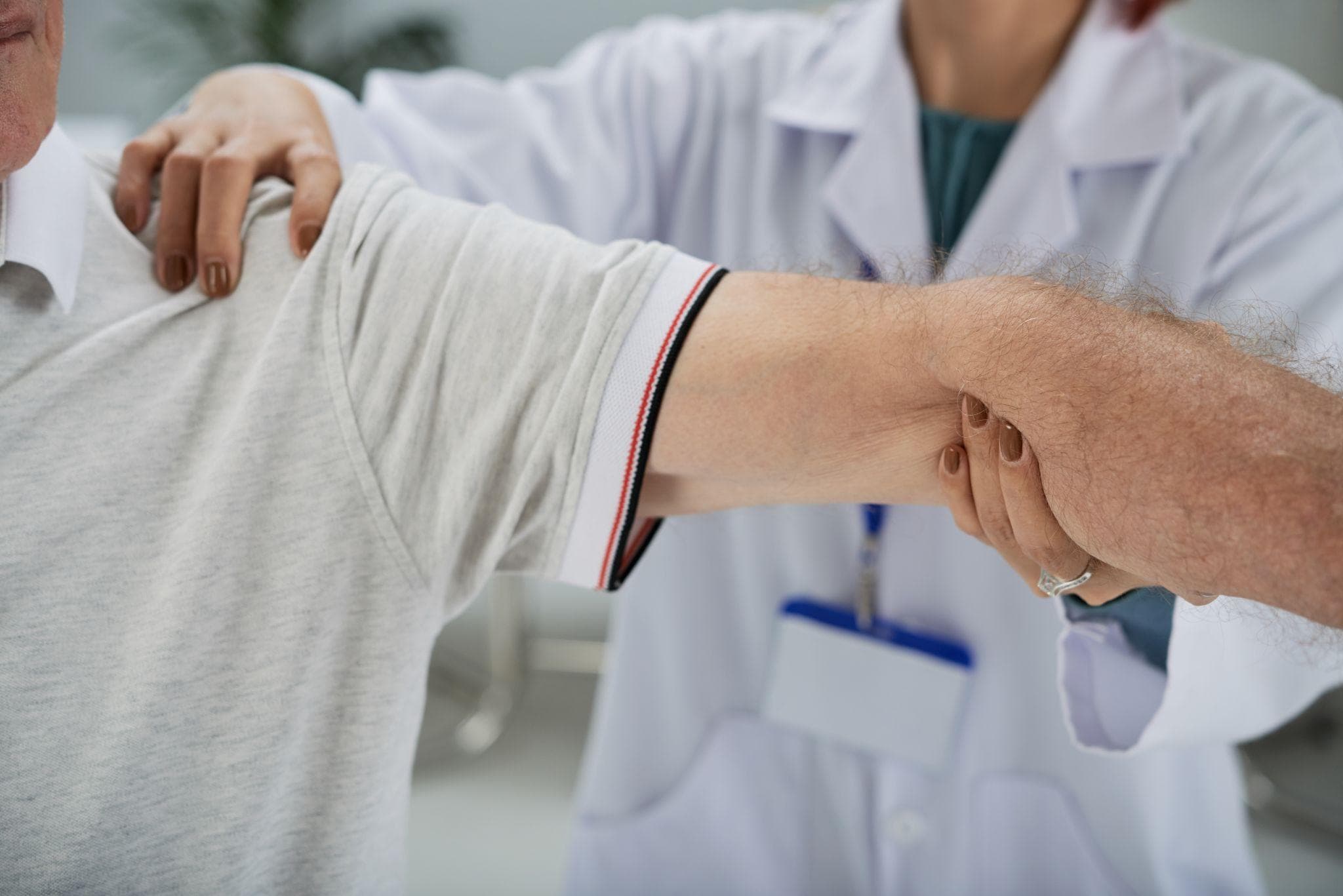
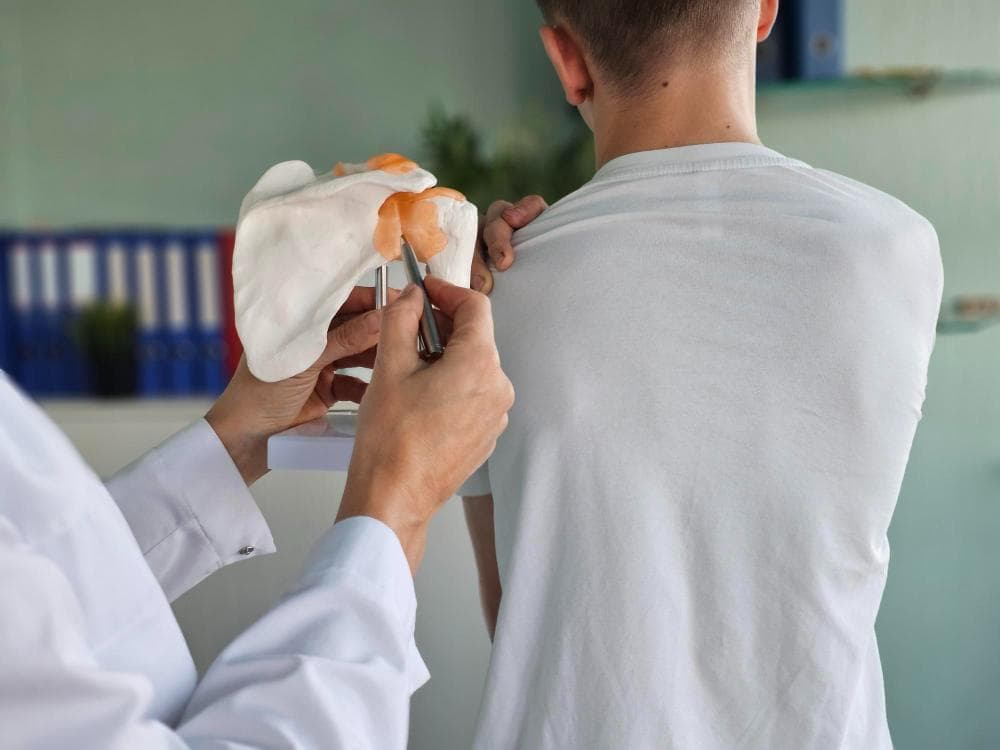
Orthopedic doctor examining a male patient’s shoulder joint in the clinic.
Who is suitable for conservative management?
- Small and medium partial-thickness tears, particularly in older, less active patients
- Full-thickness small tears in older patients with modest functional demands.
- Degenerative tears where the primary problem is pain, and where the patient's activity level does not require full rotator cuff strength.
Conservative treatment involves:
Rest and activity modification: Avoiding the specific movements that provoke pain. For working patients in Noida, this often means ergonomic adjustments to avoid sustained overhead work.
Physiotherapy: The cornerstone. Focused on:
- Rotator cuff strengthening (the intact muscle fibres around a partial tear can be significantly strengthened to compensate).
- Periscapular muscle strengthening, the muscles that control the position of the shoulder blade, is critical for shoulder function and pain reduction.
- Range of motion maintenance
- Posture correction
A consistent 12-week physiotherapy programme is the standard trial before surgical discussion.
Corticosteroid injections: A steroid injection into the subacromial space (the area just above the rotator cuff) reduces inflammation and provides significant pain relief, typically for 3–6 months. Important caveat: repeated steroid injections into an already-torn tendon are associated with further tendon damage. Most guidelines recommend a maximum of 3 injections total.
PRP (Platelet-Rich Plasma): For partial-thickness tears in younger patients, PRP injections are increasingly used as an alternative or complement to steroid injections with potential biological benefit to the healing process.
Surgical Treatment - Rotator Cuff Repair
Surgery is recommended when:
- Conservative treatment (12+ weeks of physiotherapy, appropriate injections) has not provided adequate pain relief and functional improvement.
- Acute traumatic full-thickness tears in younger, active patients, early repair produces better outcomes than delayed repair for these tears.
- Large or massive tears where conservative management is unlikely to succeed.
- Progressive weakness or functional deterioration despite conservative treatment.
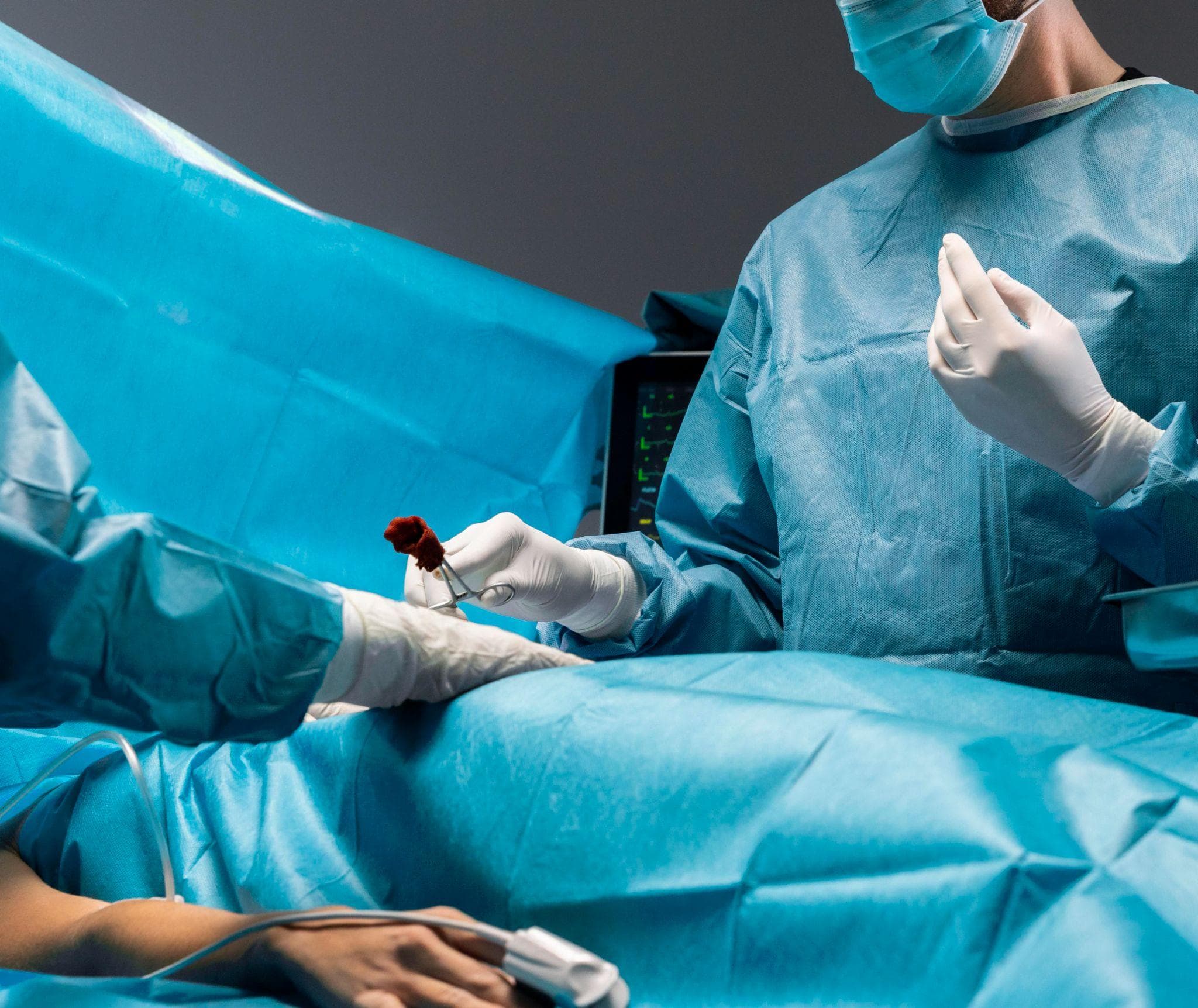
Arthroscopic Rotator Cuff Repair: Modern rotator cuff repair is almost entirely arthroscopic, performed through 3–4 small incisions (under 1 cm each) using a camera and small instruments, without opening the shoulder.
The procedure:
- The shoulder is examined arthroscopically, and all structures are assessed.
- Diseased bursa tissue is removed (bursectomy).
- Bone spurs on the underside of the acromion are removed if present (acromioplasty) to prevent the repaired tendon from being impinged.
- The torn tendon edges are prepared.
- Small metal anchors with strong sutures are placed into the greater tuberosity (bone where the tendon attaches).
- The tendon is pulled back to the bone and secured with sutures, restoring the original attachment point.
Double-row repair: For large and medium tears, a double-row technique uses two rows of anchors to create a broader, stronger contact between tendon and bone associated with lower re-tear rates.
Duration: 60–90 minutes. Most procedures are done as day surgery or 1-night admission.
Healing: The repaired tendon needs 4–6 months to fully heal to bone (the process of tendon-to-bone healing is much slower than soft tissue-to-soft tissue). This is why the rehabilitation timeline is measured in months, not weeks.
Important: Large and massive tears have higher re-tear rates after repair compared to small tears. The quality of the muscle (assessed on MRI by fatty infiltration grade) significantly affects whether a repair holds long-term. Surgeons discuss these factors with patients before recommending surgery.
Recovery After Rotator Cuff Repair
Week 1–6: The arm is in a sling to protect the repair. Only pendulum exercises and gentle passive movement with the physiotherapist. The sling cannot come off earlier; regardless of pain levels, the tendon is still attached to the bone.
Week 6–12: The sling comes off. Active-assisted range-of-motion exercises begin. Strengthening starts very gradually.
Month 3–6: Progressive strengthening. Return to light overhead activities. Most daily activities restored.
Month 6–12: Full return to sport and demanding activities for appropriate patients.
The "difficult 3 months": The period from surgery to month 3, when the arm is limited, and progress feels slow, is the hardest part of rotator cuff recovery psychologically. Understanding that healing takes this long and that the exercises are building toward a significant improvement helps patients stay committed.
Rotator Cuff Treatment In Noida - Dr. Mayank Chauhan At Prakash Hospital
Dr. Mayank Chauhan, Senior Orthopedic Surgeon at Prakash Hospital, Sector 33, Noida, evaluates and treats the full spectrum of rotator cuff disease from subacromial bursitis and partial tears managed with physiotherapy and injections, to full-thickness tears requiring arthroscopic repair.
For patients in Noida and Greater Noida with persistent shoulder pain, night pain, or shoulder weakness that has not improved with basic physiotherapy, a proper shoulder evaluation, including ultrasound or MRI, will determine the diagnosis and the appropriate treatment. To book a consultation, call the number listed on the website.
The Bottom Line
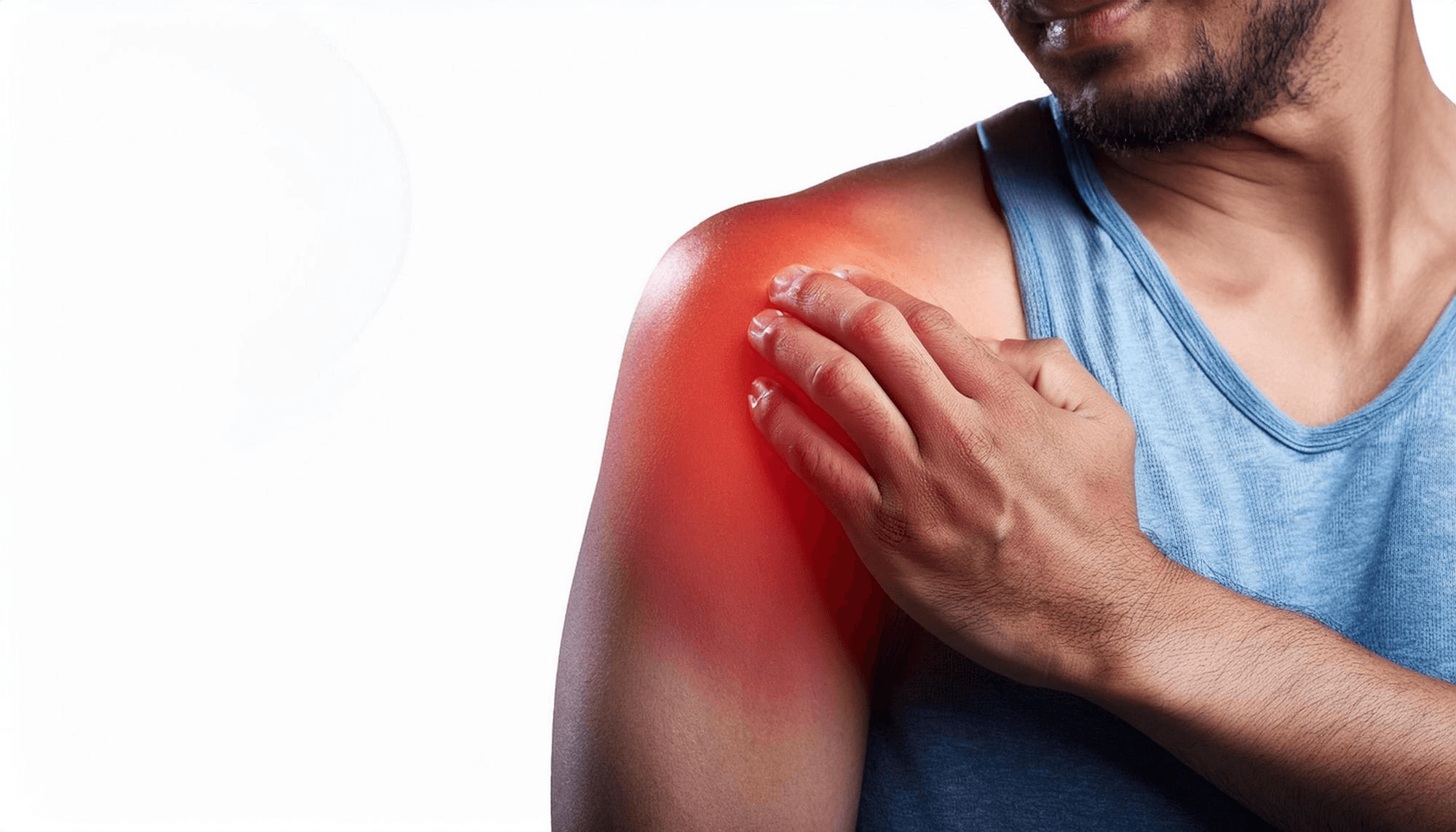
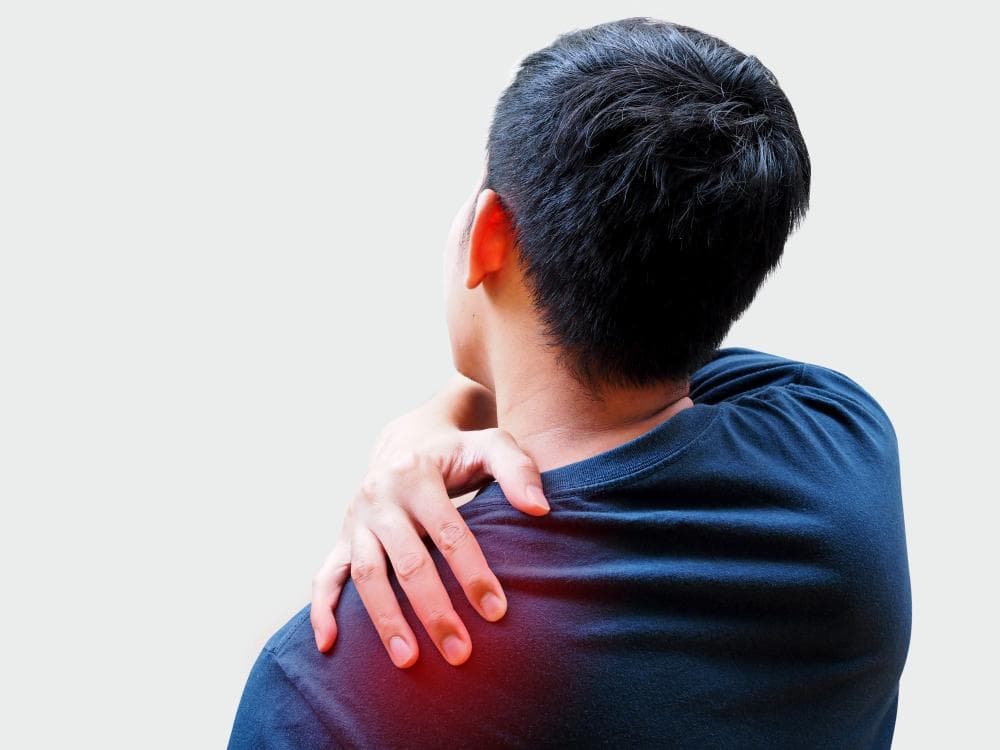
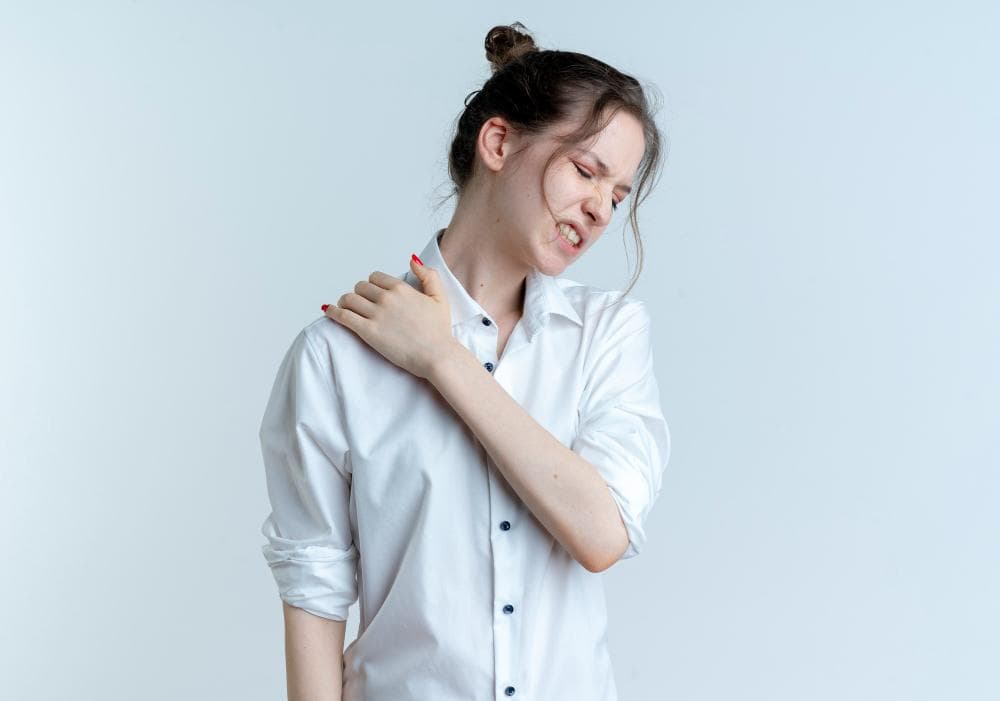
Person with rotator cuff pain.
Rotator cuff tears range from small partial-thickness lesions that respond well to physiotherapy and a single steroid injection to massive full-thickness tears in active patients that need prompt arthroscopic repair for the best chance of full function.
The treatment decision depends on the size and type of tear, the patient's age and activity demands, and the degree of functional limitation. Getting the diagnosis right with appropriate imaging and matching the treatment to the specific tear is what produces good outcomes.
To consult Dr. Mayank Chauhan, Senior Orthopedic Surgeon in Noida, call the number listed on the website.