Top Signs Your Knee Pain Is More Than Just Aging
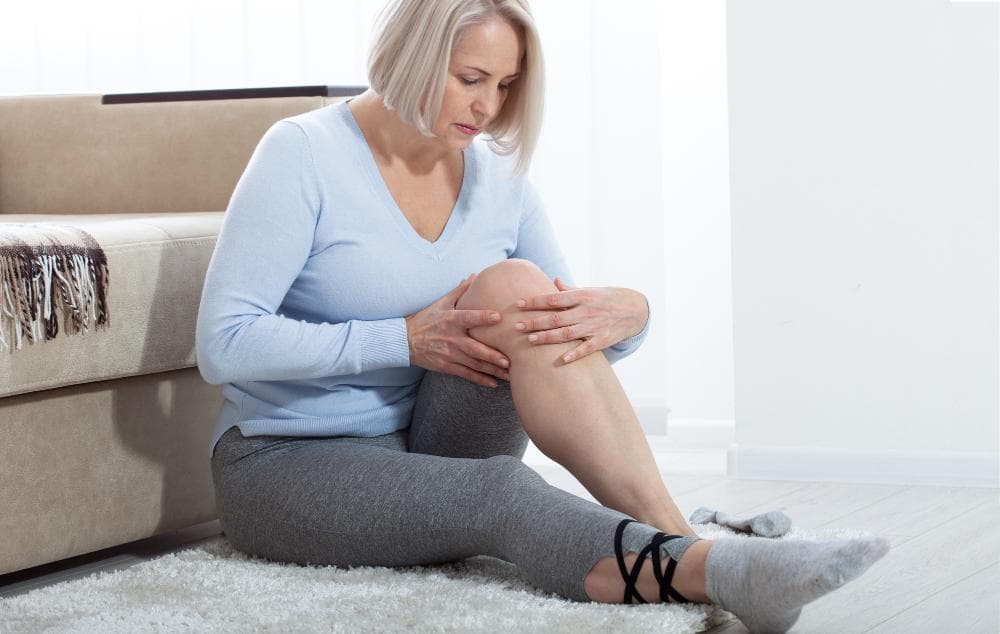
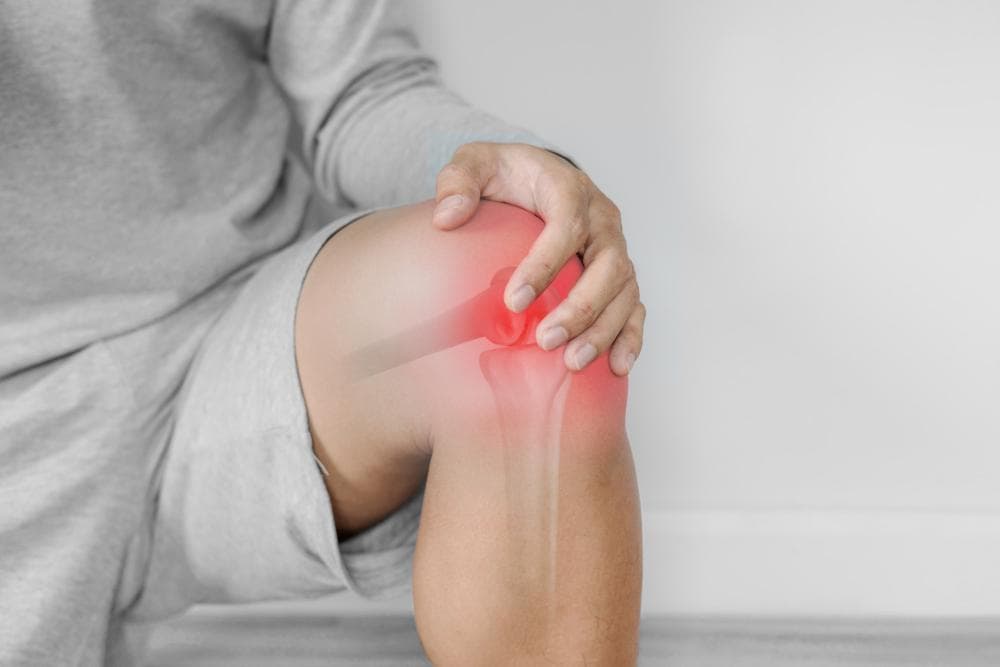
A woman is holding her knee in pain.
Knee pain is sometimes thought of as simply "another thing that happens when you get older." Although wear and tear from the aging process can be a cause of pain, there are many situations where knee pain is something to be considered more carefully than simply to be endured or accepted as "normal." Many instances of knee pain may indeed be indicative of an underlying condition requiring treatment.
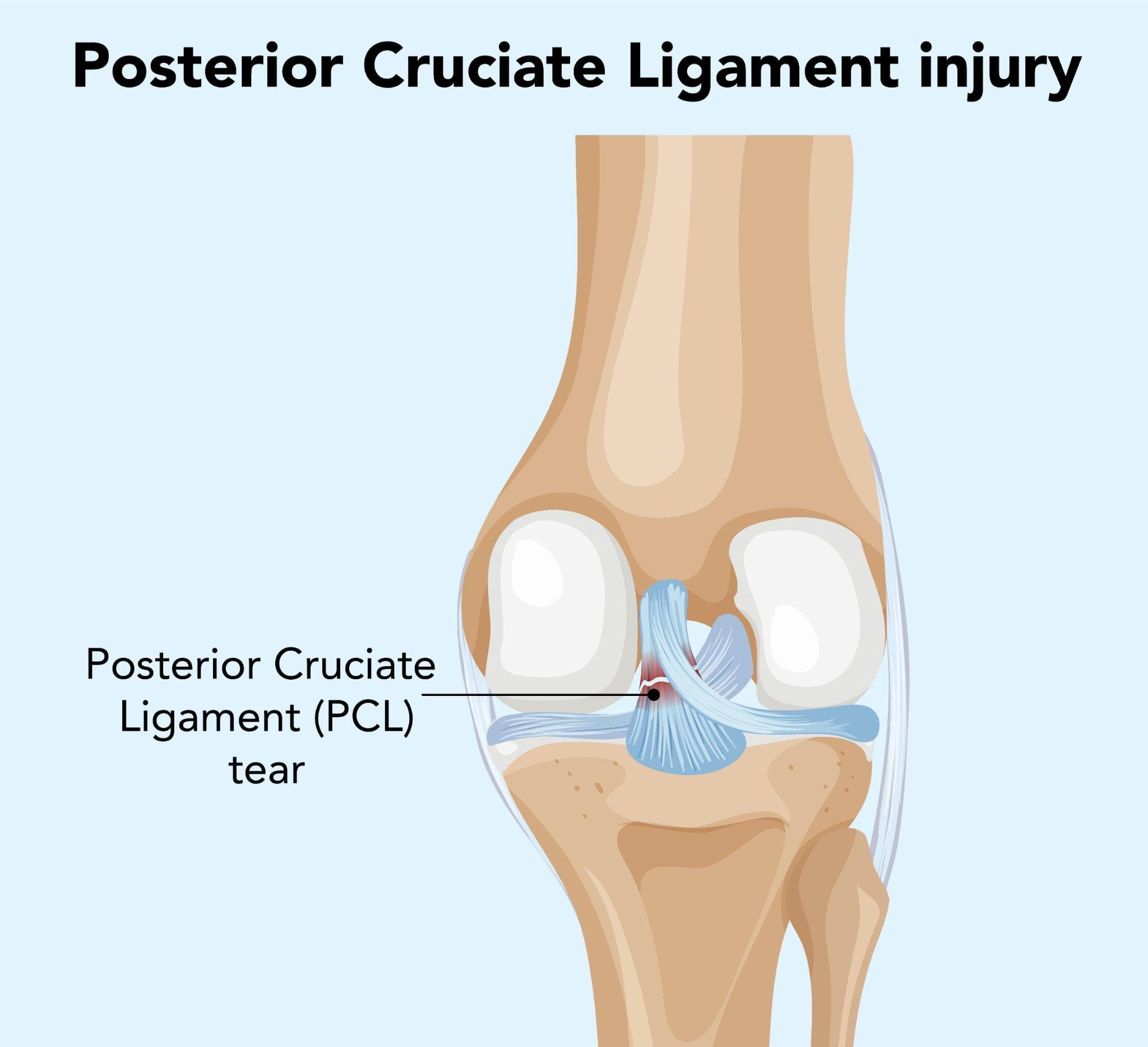
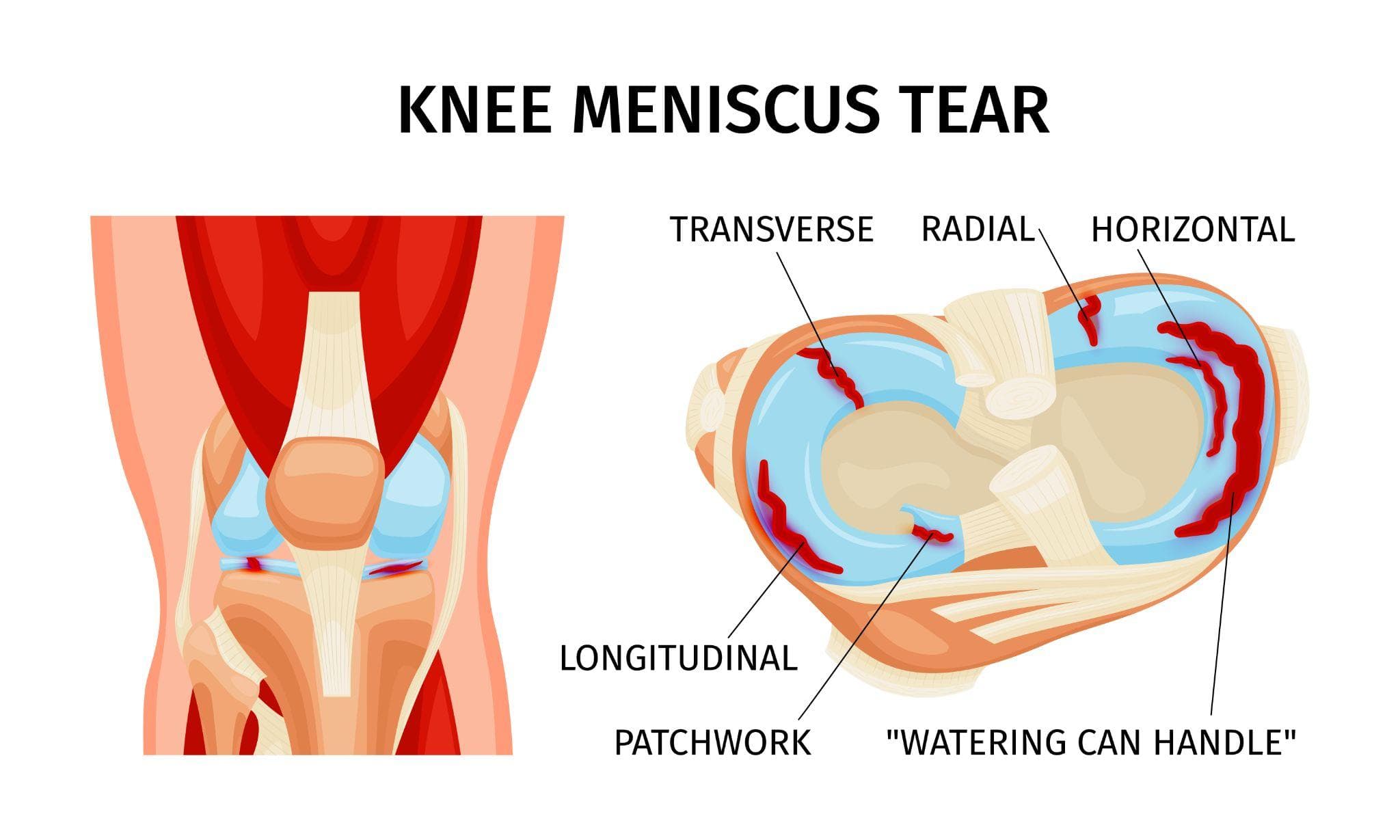
Knee pain that affects a person's ability to perform daily activities or that progressively worsens may be indicative of a condition that would benefit from evaluation by an orthopedic doctor. In addition, knee pain that is accompanied by other symptoms may be indicative of conditions like torn ligaments, worn or torn cartilage, or early arthritis.
In this guide, we will discuss how to identify signs that may mean knee pain is more than just part of the aging process and when it may be prudent to see an orthopedic specialist.
Difference Between Normal Aging Pain And Serious Knee Problems
Being able to distinguish this difference can also assist in discerning whether your knee pain requires medical attention.
1. Normal Aging Pain
- Slight ache, occurring intermittently, particularly following physical activity.
- Symptoms alleviate with rest or light movement.
- No noticeable swelling or redness.
- Stiffness typically resolves after movement.
- Does not generally affect activities of daily living to a significant degree.
2. Significant Knee Problems
- Pain is chronic or progressing in nature.
- Noticeable swelling, redness, or heat (warmth).
- Pain occurs at rest and/or at night.
- Significant difficulty ambulating, bending, or bearing weight.
- Knee feels unstable, locks, or pops out of position.
Risk Factors That Increase Knee Problems
There are many day-to-day actions or physical conditions that can raise the chance of developing knee complaints.
- Being overweight and fat adds further pressure to the knee joint, causing wear.
- Less movement makes for weakness of the leg muscles surrounding the knee, which do not support the joint.
- Repetitive stress on the knee from jumping, running, and training hard causes an increase in injuries.
- Ligaments and cartilage can remain problematic even after long-term treatment.
- The incorrect way of walking or posture puts undue strain on the knee joint.
- Cartilage on joint begins to wear away and causes painful stiffness of the knee joint as age increases.
- Weak quadriceps or hamstring muscles allow instability of the knee joint.
- An ill-fitting or unsuitable pair of shoes will cause strain on the knee joint.
Role Of Early Diagnosis In Preventing Knee Damage
Early diagnosis of a knee condition will prevent a minor problem from becoming something that will affect you significantly long-term.
- Treatment at an early stage of the problem is more likely to prevent permanent joint damage.
- Helps relieve symptoms before they become a chronic condition.
- Minimizes the chance of stiffness or instability and subsequent restricted mobility.
- Minor problems have a success rate of non-operative treatment.
- Early treatment promotes speedier healing and return to the pre-injury state of health.
- Decreases reliance on operative treatment.
Diagnostic Tests For Knee Pain
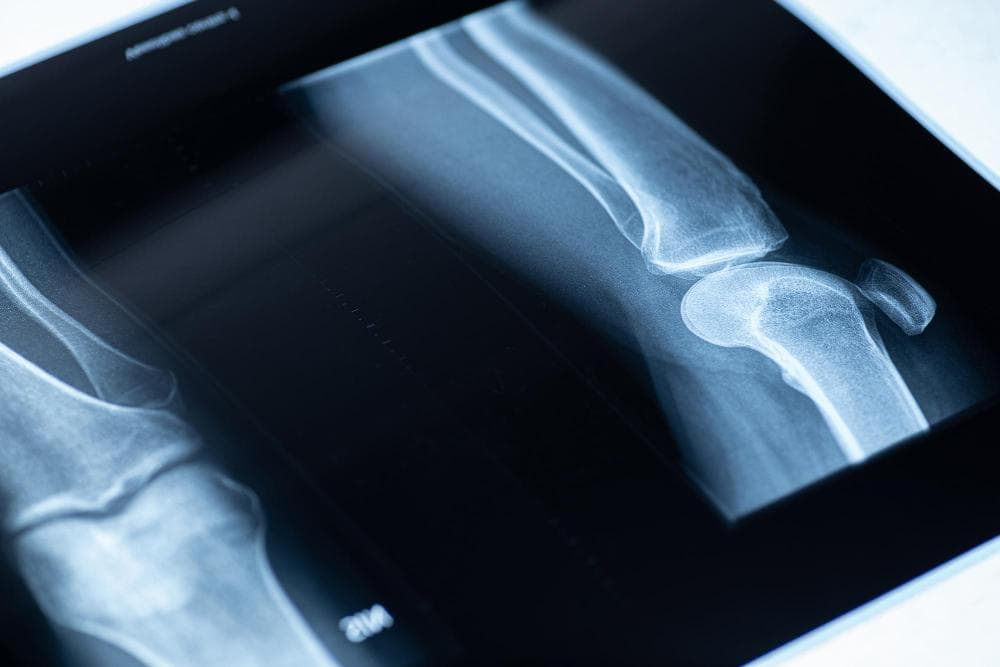
X-ray of the knee joint.
Accurate diagnosis leads to the precise cause of knee pain, so appropriate treatment can be chosen.
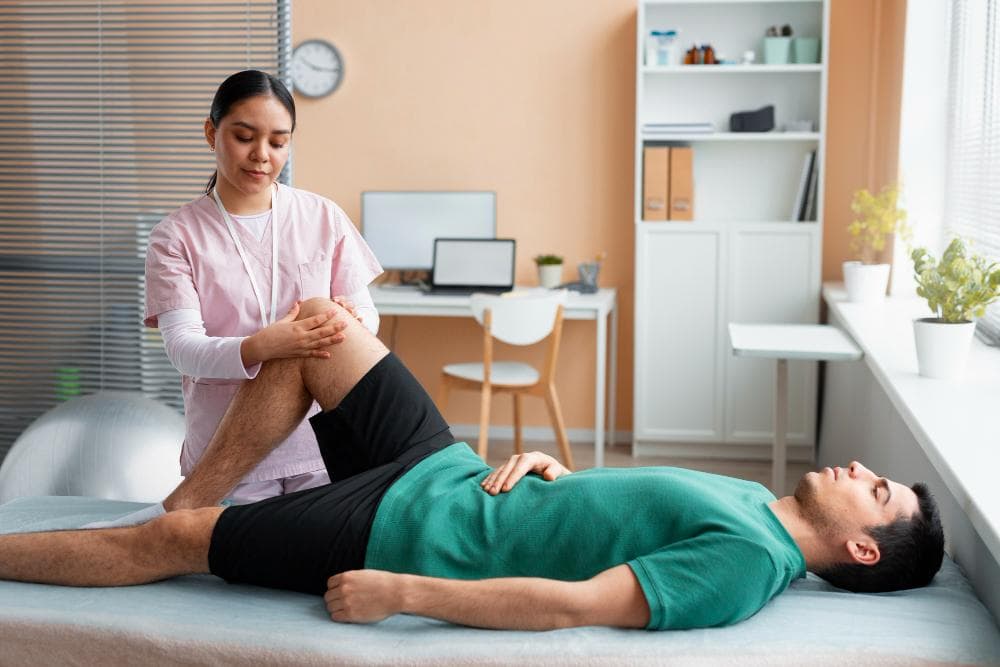
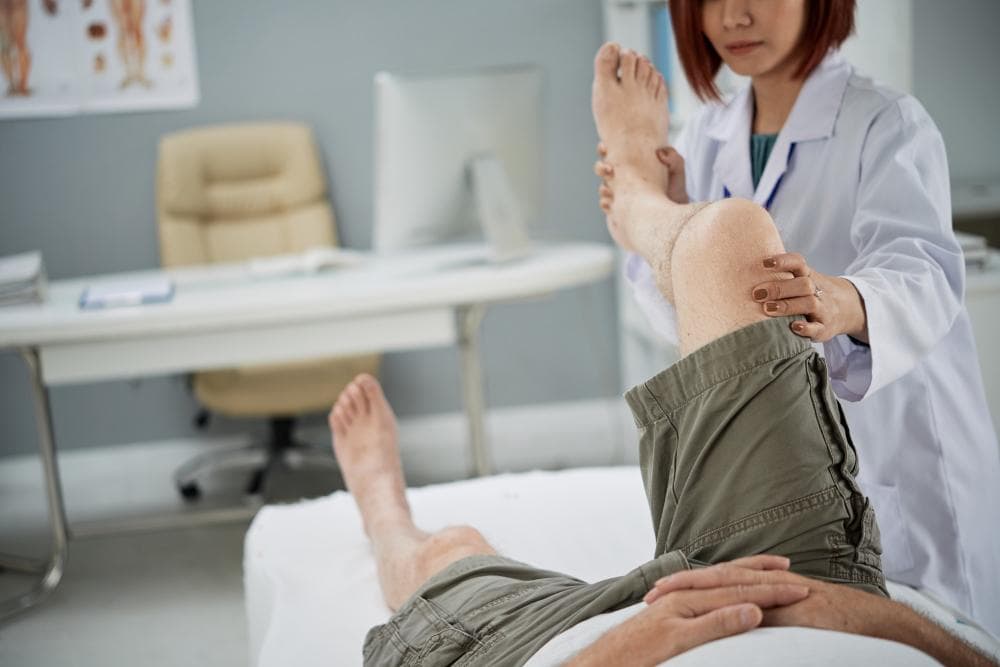
Physical examination: A physical assessment of the knee, including range of motion, swelling, stability, and painful sites.
X-rays: A means to identify a fracture or conditions involving bones, such as osteoarthritis and loss of joint space.
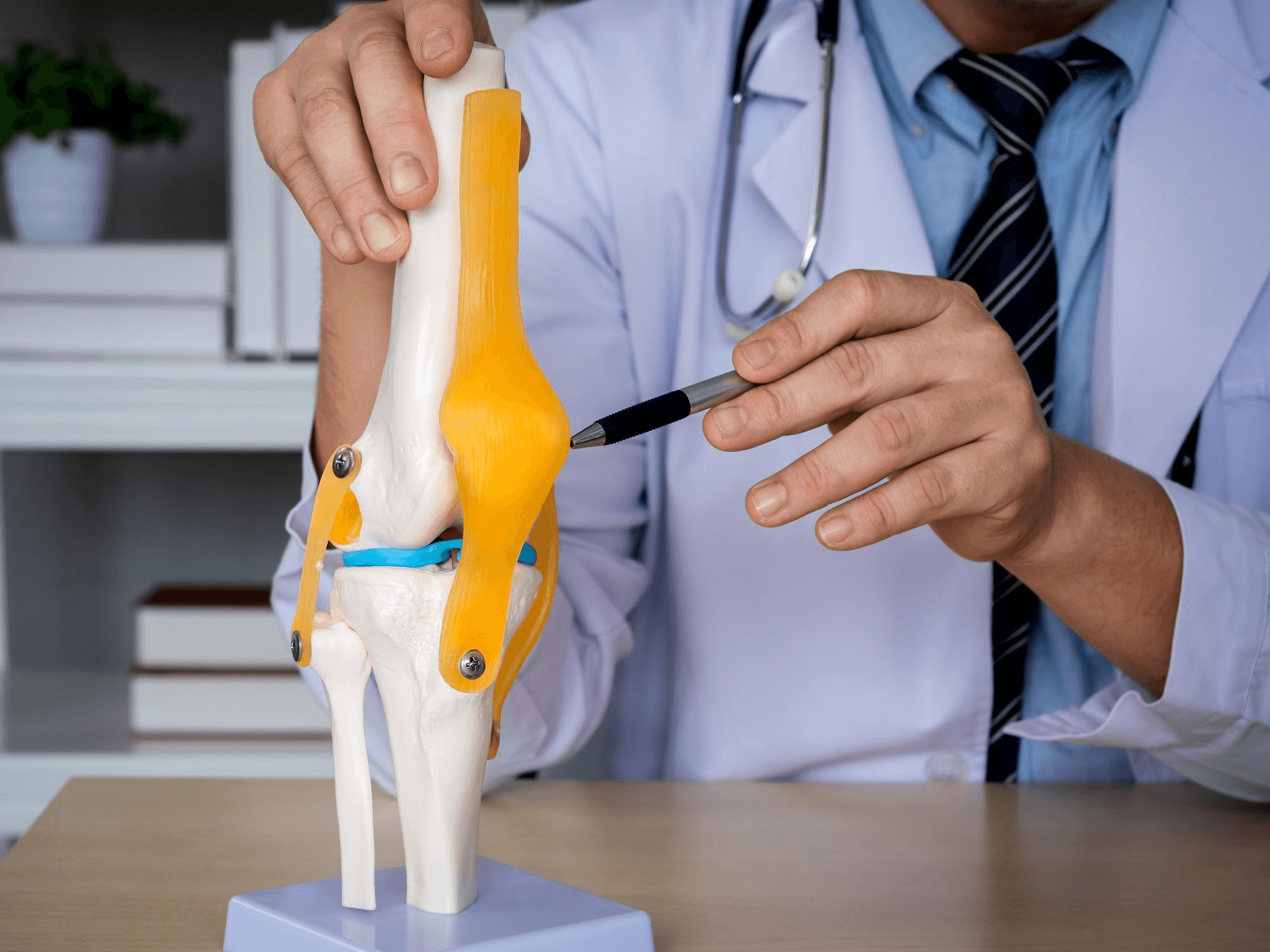
MRI: Excellent for imaging of soft tissues, including ligaments, cartilage, and meniscus.
CT scan: May be used if bone abnormalities are complex.
Ultrasound: Allows visualization of fluid in the joint or soft tissue injuries and inflammation.
Blood tests: In some situations, blood tests may be used to detect infections and conditions such as rheumatoid arthritis.
Signs Knee Pain Is Beyond Aging
The presence of some or all of the following signals suggests that your knee pain may not be caused by mere aging.
1. Persistent Ache With No Relief
At some point, you may have to deal with a minor ache in your knees, and sometimes with regular exercise. However, if the pain persists for weeks or recurs repeatedly, then this does not correspond to the normal signs of aging. If it doesn’t get better with simple care and over-the-counter medication, you may be facing issues of wear and tear in cartilage, a strained ligament, inflammation in the knee joint, or other issues with the joint.
2. Swelling And Inflammation
The swelling is clear evidence that something serious is happening within the joint space. It may arise from accumulated fluids within the joint or could be an internal injury within the joint, and if it persists or recurs frequently, it must not be taken lightly.
3. Difficulty In Walking Or Bearing Weight
When you are unable to walk, stand, or bear your weight on your knee, it may be a result of a problem in the structure of your knee, and it could be related to ligament tears, meniscus problems, or degenerative joint changes that may need to be addressed medically.
4. Range Of Motion And Stiffness
If your knee is unable to bend and straighten properly, you are unable to bend it beyond a certain angle, and there is significant stiffness in the knee joint, then this indicates something serious is going on. Stiffness in the joint can be a result of inflammatory conditions within the knee joint, wear and tear in cartilage, or the early signs of arthritis, rather than just old age.
5. Clicking Or Grinding Noises
Although these noises might be present sometimes, they can also indicate wear and tear in cartilage. These could also be a result of dislocation or misalignment of the knee structures.
6. Unstable Knee
This is often an indication of ligament damage and weakness within the knee, which can lead to painful episodes and increased risk of a fall and further injury to the joint structure.
7. Pain That Increases After Physical Activity
In many cases, if you don’t push your knee beyond its limits while exercising, you may not have problems with old-age pain in the knees. However, if the pain is worse even after resting after an activity, then you may be causing additional stress or strain on the knee structure.
8. Pain In The Night
Constant pain that does not let you sleep peacefully is often a clear indication that your knee is suffering from a serious problem or arthritis and requires medical attention.
9. Obvious Deformity
Changes in the shape of the knee joint, such as becoming noticeably crooked, may indicate more advanced bone damage and deformity requiring investigation.
10. Previous History Of Injury
If you have had an injury in your knee in the past and it did not heal well, and it’s still causing pain, it could turn out to be a more chronic problem in the future, and it is worthwhile to seek medical advice to prevent this.
Treatment Options For Knee Pain

A bottle of medicine pills.
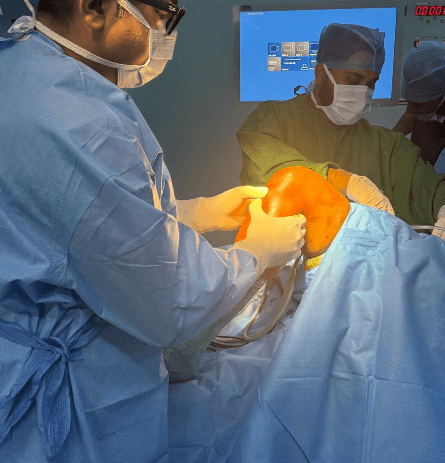
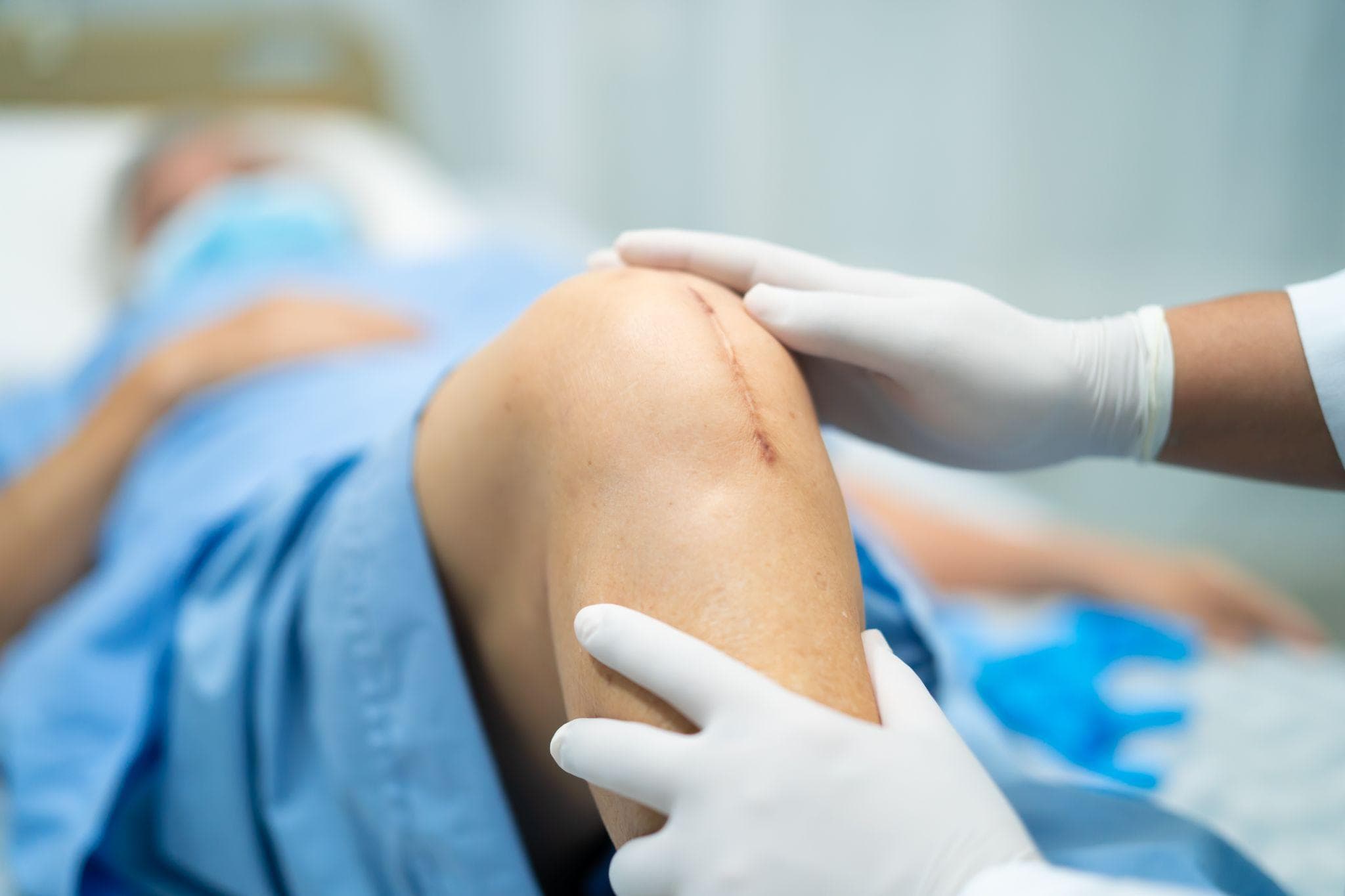
An individual can manage their knee pain either by medication or, if the pain is more serious, by surgery.
1. Non-Surgical Remedies
- Physiotherapy: Assists with muscle strengthening, enhanced movement, and alleviates pains
- Medications: Painkillers and anti-inflammatory drugs.
- Lifestyle changes: Weight control, activity modifications, and good body mechanics lessen stress on the knee.
- Support and stabilization: Helps prevent re-injury and can allow immobilization.
- Injections ( if necessary): Injecting either a steroid or a lubricant will decrease swelling and, if so, may have some effect on joint function.
2. Indications For Surgery
- Severe joint damage: The wearing away or deformity of the cartilage within a joint has become problematic to a severe degree.
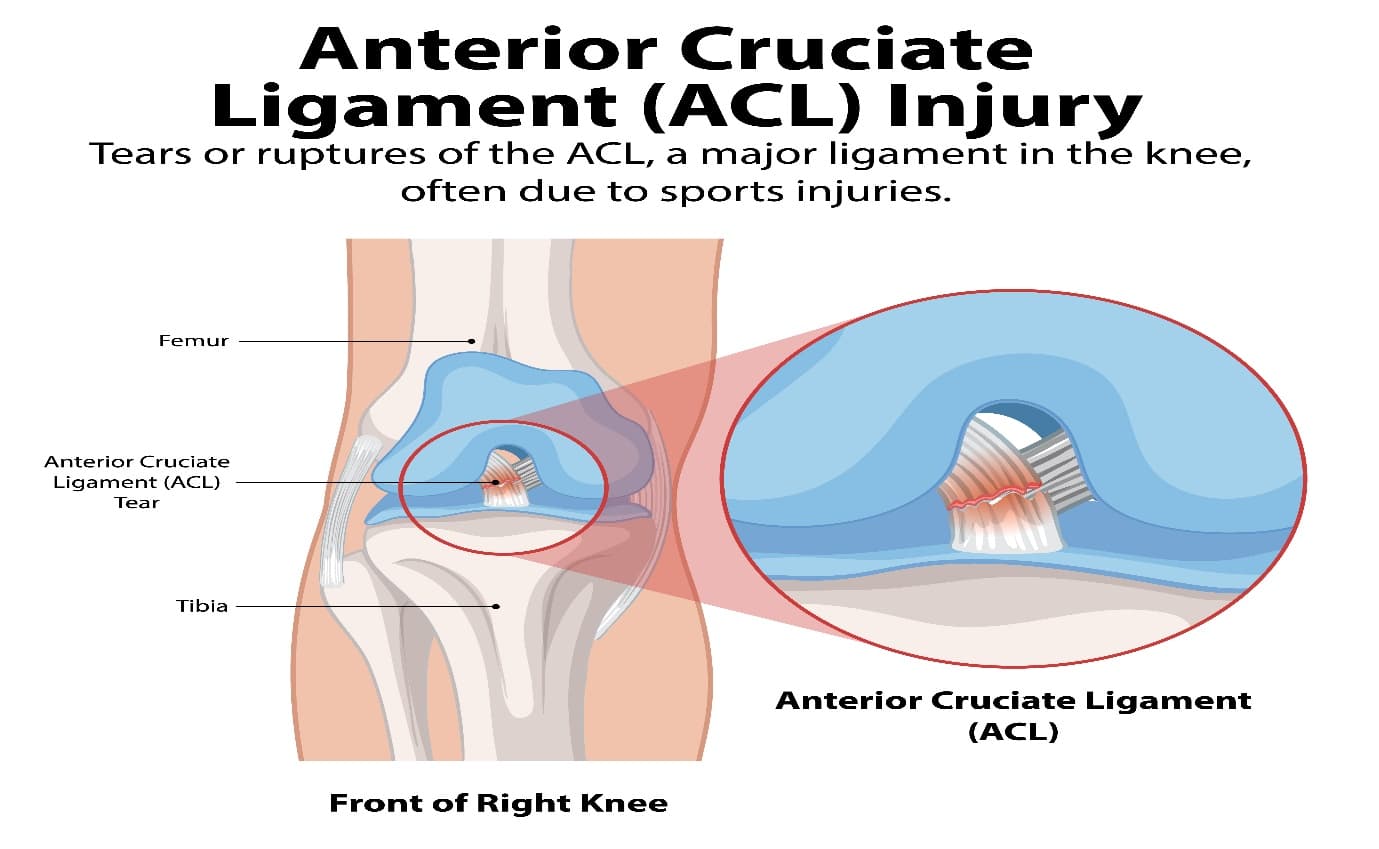
- Tears to the ligaments: There are major tears, which usually involve a torn ACL, that require surgery if they are repairable.
- Unrelenting pain that does not improve: None of the non-surgical treatment methods has produced positive results.
- Limited range of movement: There is a significant degree of stiffness that interferes with normal activities.
- Structural defects: Can generally only be corrected surgically.
When Should You See An Orthopedic Specialist
A doctor or orthopedic specialist should be consulted if the patient is experiencing:
- Pain lasting longer than 1 to 2 weeks.
- Repeated swelling in the knee joint.
- Reduced ability to move the knee.
- The patient's knee feels weak and unstable.
- Every day tasks become significantly more difficult to perform.
In such situations orthopedic specialist, such as Dr. Mayank Chauhan at Noida, should be seen to see why the person has pain and the treatment course that should be followed.
Final Thoughts
Knee pain should not be seen as an inherent part of ageing if it causes such trouble to one's daily routine and lifestyle. Knee pain early treated, would surely save patients from future chronic complications.
With treatment from orthopedicians like Dr. Mayank Chauhan at Noida, patients will be able to lead a better and more active pain-free life without any future complications.
Frequently Asked Questions (FAQs)
1. When is knee pain an issue?
Knee pain should be taken seriously if it persists for more than a few days and if swelling, instability, and inability to bear weight occur.
2. Will knee pain improve by itself?
Minor knee pain may heal spontaneously; if it is persistent and causes the above problems, then see a health professional.
3. What are the main reasons for knee pain?
The main causes of knee pain may include a traumatic injury, osteoarthritis, mechanical problems, and other conditions of ligaments and cartilage.
4. Is knee pain always related to age?
No, knee pain is not related only to age but can be caused by other medical conditions, such as physical injury and overwork.