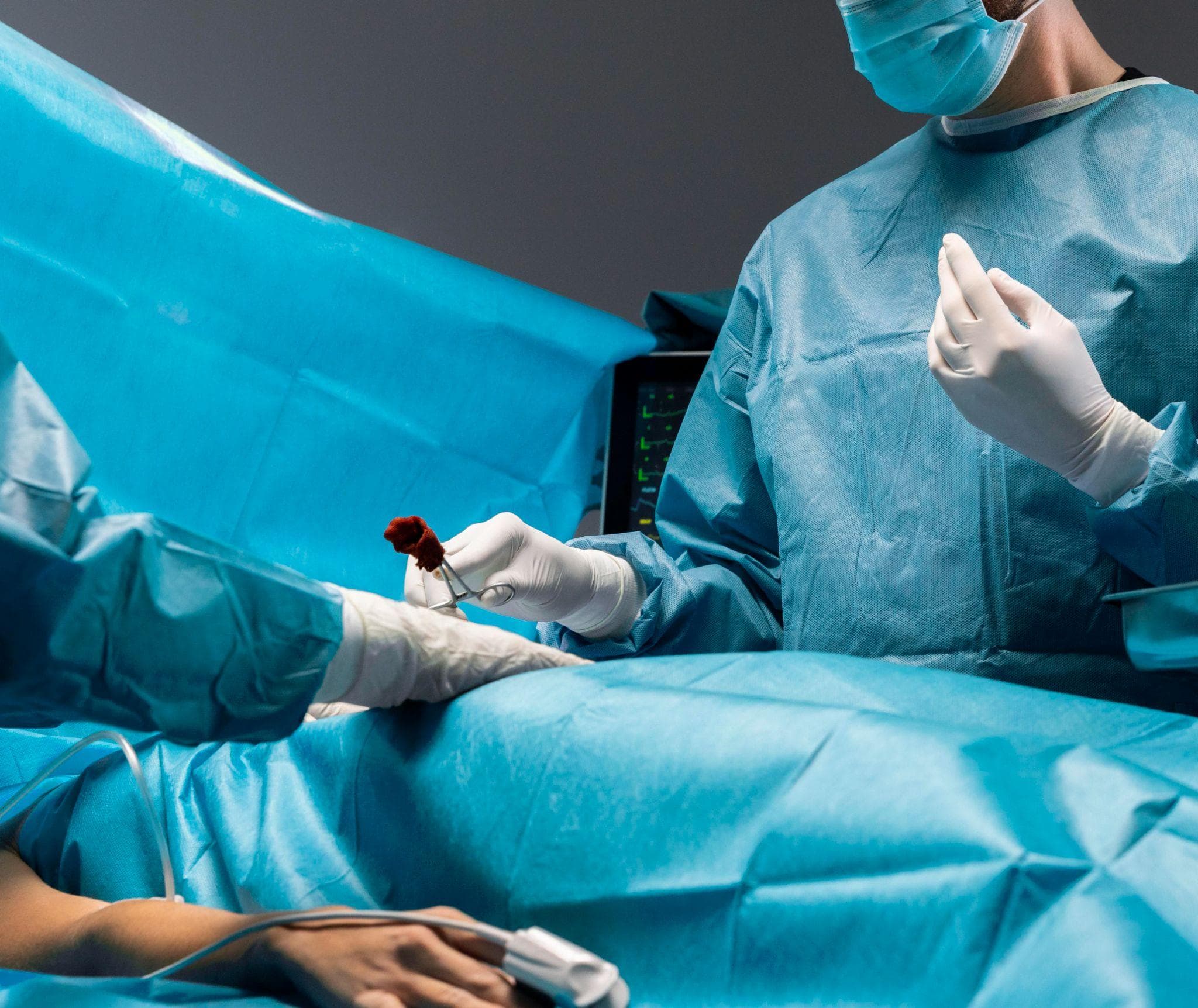
Complex Shoulder Fractures: When Surgery Becomes Necessary

People often assume that all fractures heal with rest and a sling, but complex shoulder fractures are a different story. These injuries can disrupt joint alignment, damage surrounding tissues, and severely affect arm movement. While some fractures heal without surgery, others require precise medical intervention to restore function and prevent long-term complications.
Complex shoulder fractures are not just about broken bones; they involve multiple fragments, displacement, or damage to the joint surface. In such cases, timely surgical care can make a significant difference in recovery, mobility, and overall quality of life. In this guide, let’s explore what complex shoulder fractures are, when surgery becomes necessary, and how proper treatment helps regain strength and movement.
What Are Complex Shoulder Fractures?
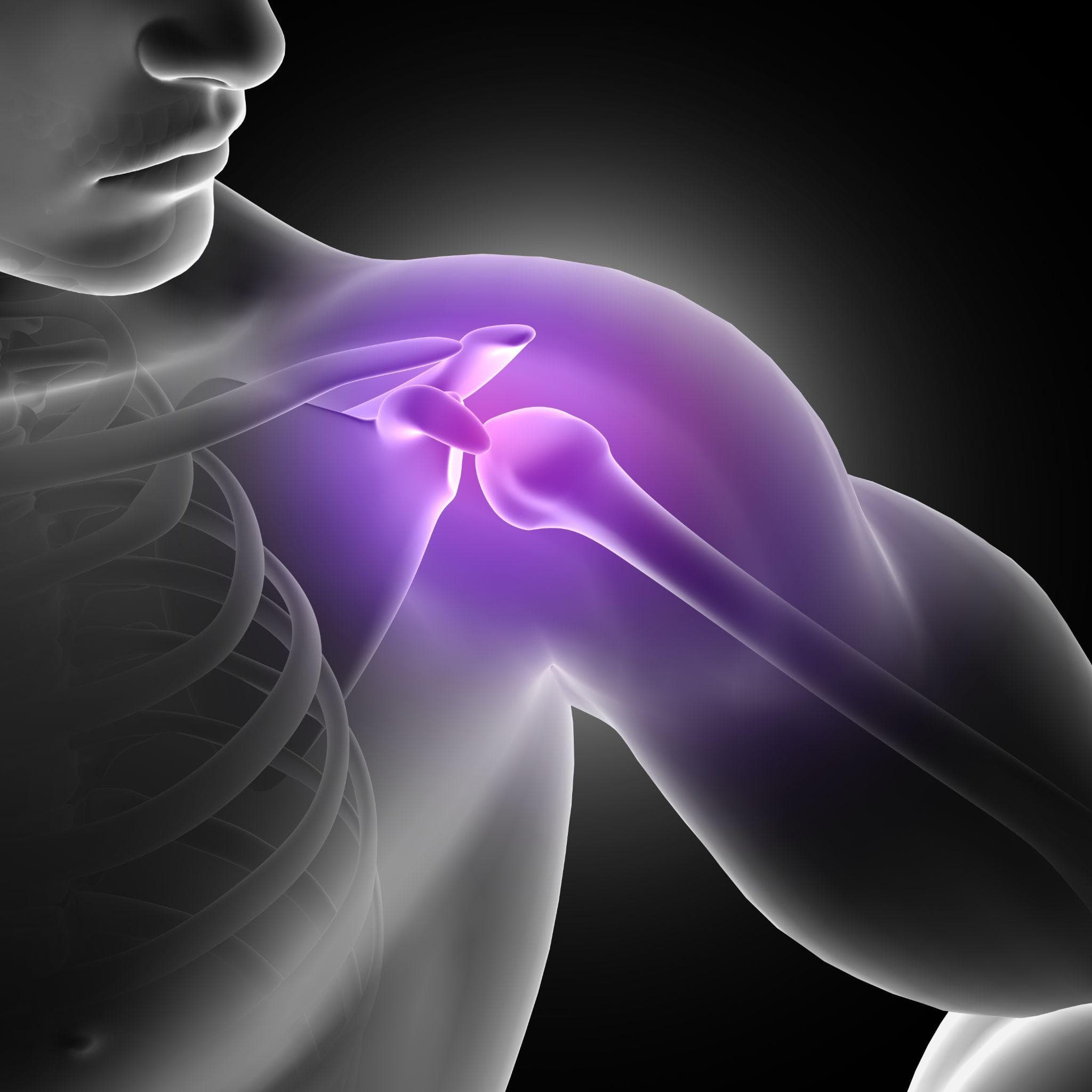
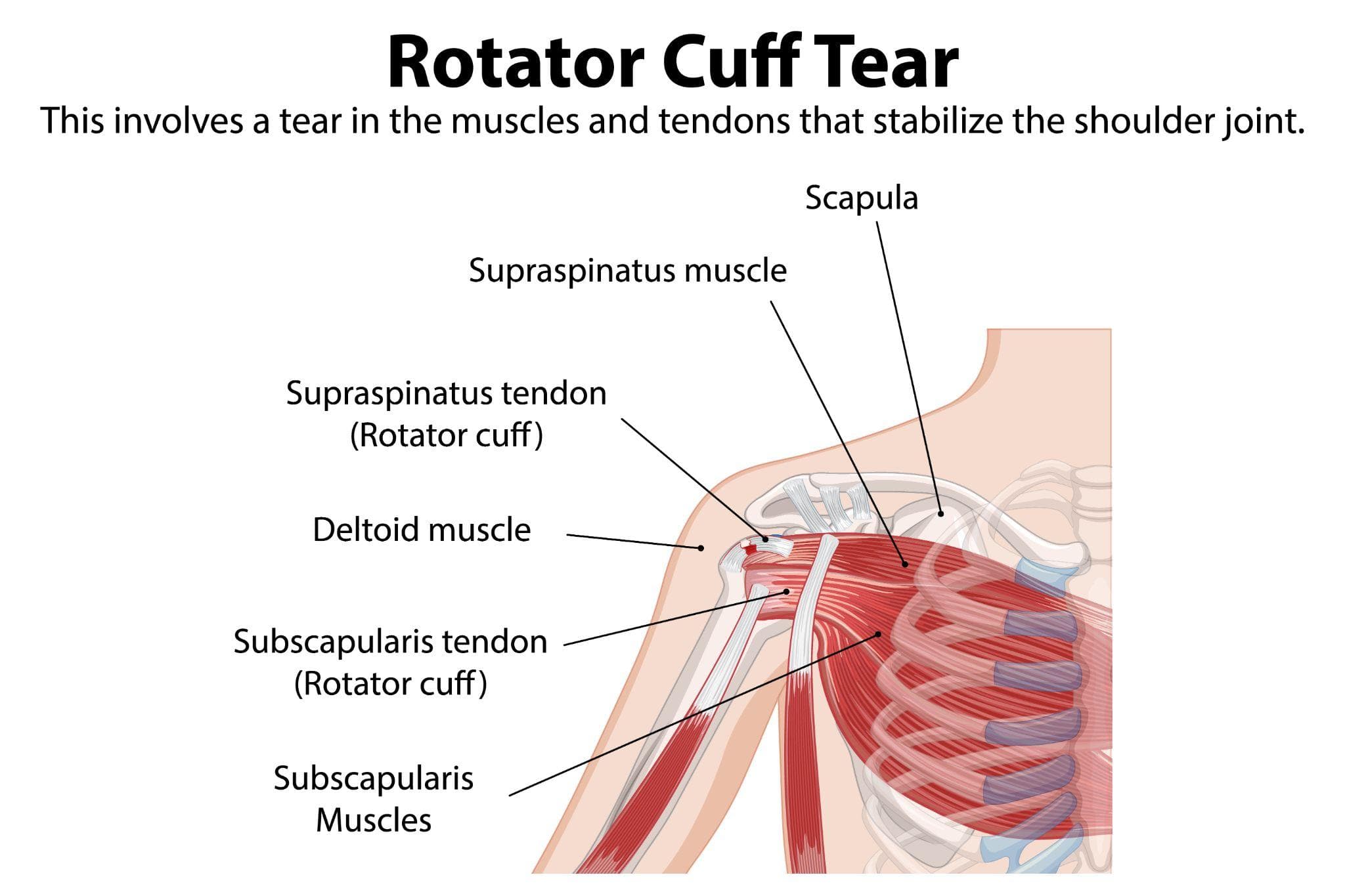
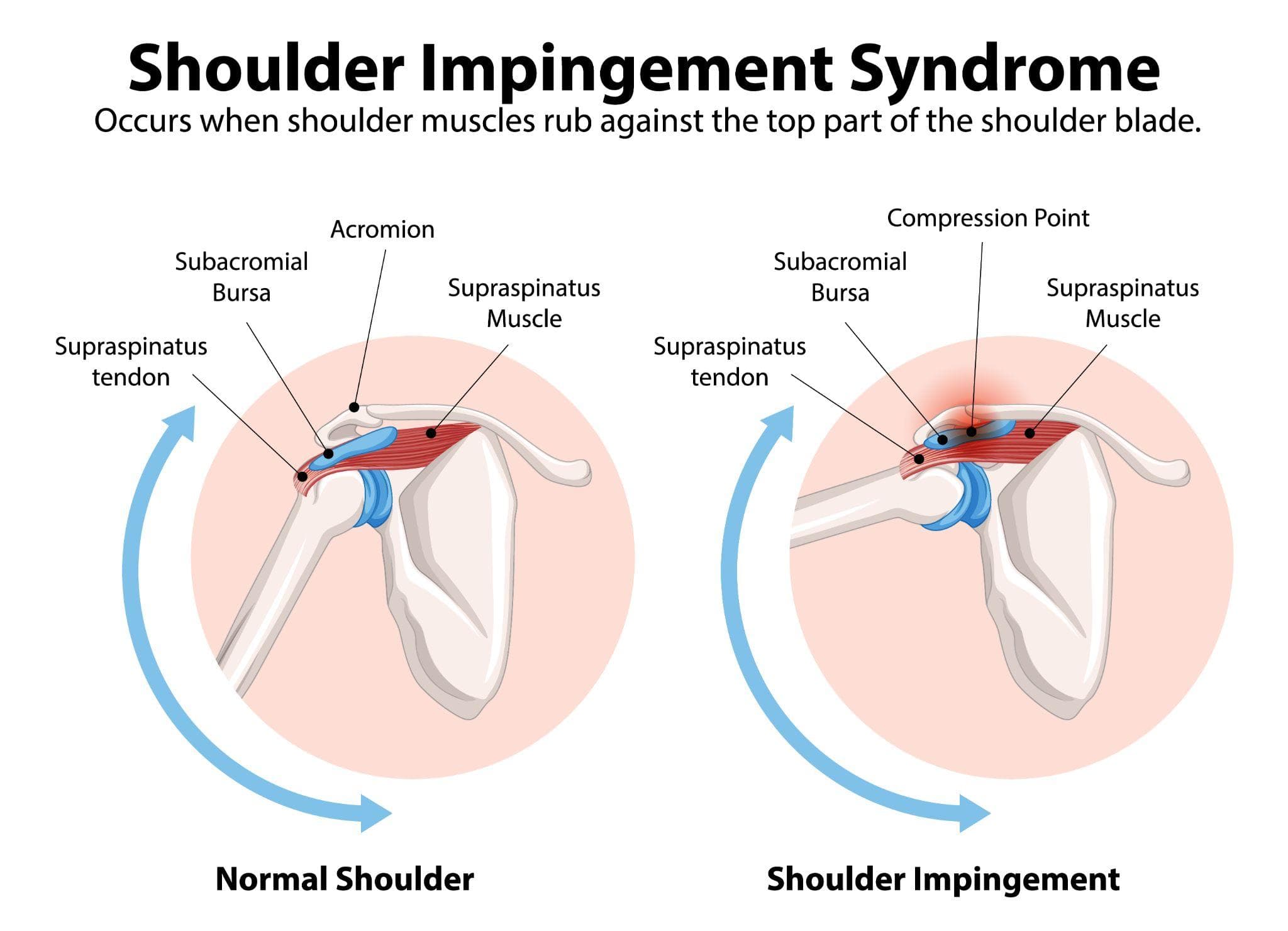
A complex shoulder fracture typically involves the proximal humerus (upper arm bone near the shoulder joint) and may include multiple broken pieces or misalignment. These fractures often occur due to high-impact injuries like falls, road accidents, or sports trauma.
Unlike simple fractures, complex ones may affect the joint surface, ligaments, and surrounding muscles, making healing more challenging and increasing the need for surgical correction.
When Does Surgery Become Necessary?
Not all shoulder fractures need surgery, but certain conditions make it essential for proper healing.
1. Severely Displaced Fractures
When bone fragments move significantly out of their normal position, they may not heal correctly on their own. This can lead to improper joint mechanics, reduced strength, and visible deformity. Surgery helps realign the bones precisely and secures them using plates, screws, or rods to restore normal shoulder movement.
2. Multiple Bone Fragments (Comminuted Fractures)
In cases where the bone breaks into several pieces, the natural healing process may not be able to reconstruct the original structure. Surgical intervention is needed to piece the fragments together and stabilize them, ensuring the shoulder regains its strength and function.
3. Joint Involvement
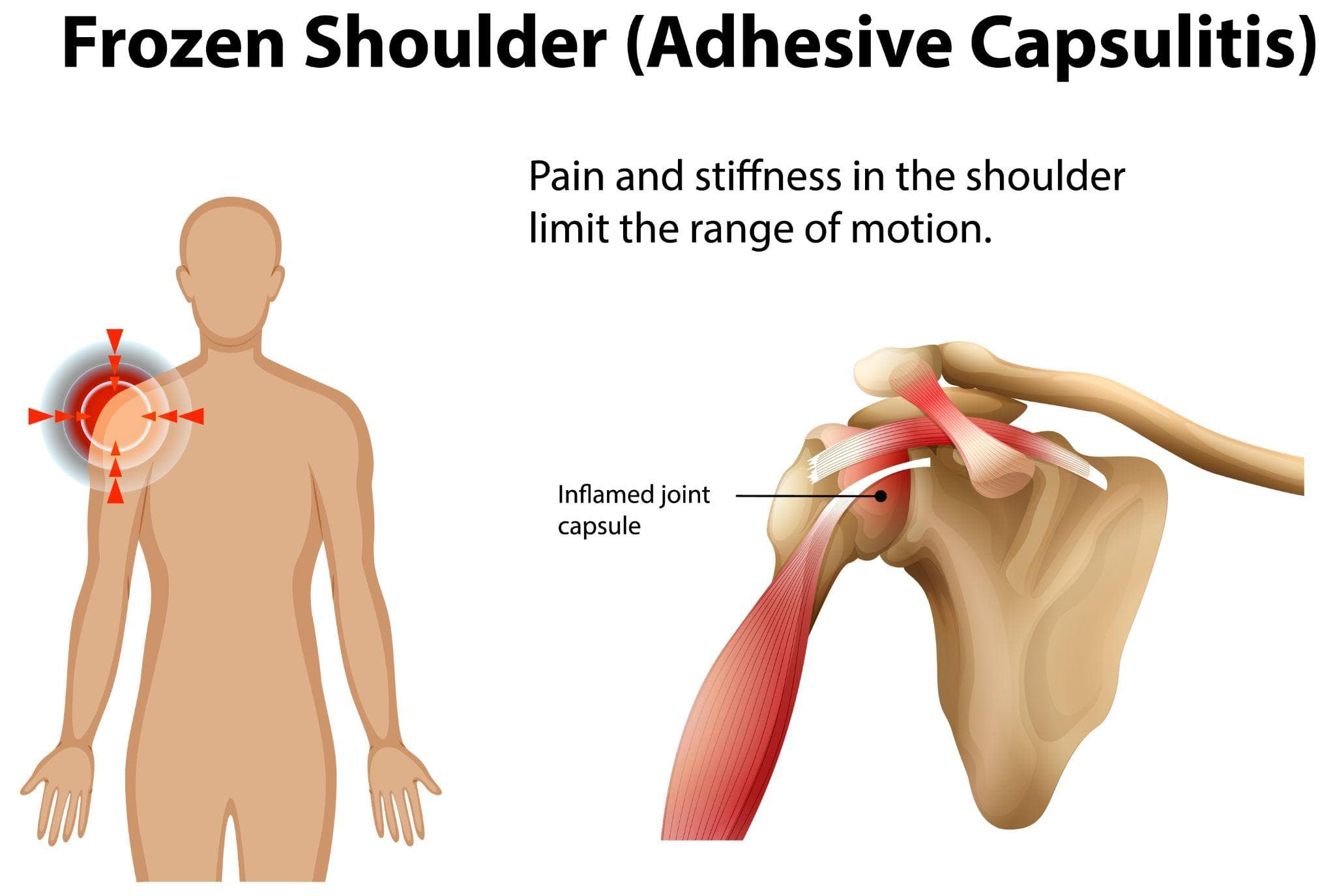
If the fracture extends into the shoulder joint, it can disrupt the smooth surface required for movement. Without proper alignment, this may lead to stiffness, chronic pain, or early arthritis. Surgery ensures the joint surface is restored as accurately as possible, reducing long-term complications.
4. Open Fractures
When the broken bone pierces through the skin, it becomes a medical emergency due to the high risk of infection. Immediate surgery is required to clean the wound, prevent contamination, and stabilize the fracture safely.
5. Failed Non-Surgical Treatment
Sometimes, fractures initially treated with rest, immobilization, or physiotherapy do not heal as expected. Persistent pain, instability, or limited mobility may indicate improper healing. In such cases, surgery is considered to correct alignment and improve function.
6. Nerve Or Blood Vessel Involvement
If the fracture affects nearby nerves or blood vessels, it can lead to numbness, weakness, or reduced blood supply to the arm. Surgical intervention becomes necessary to repair and protect these vital structures.
7. High Activity Demands
For individuals with physically demanding lifestyles, such as athletes or manual workers, even moderately displaced fractures may require surgery. This helps restore full strength and stability, allowing a safe return to daily activities.
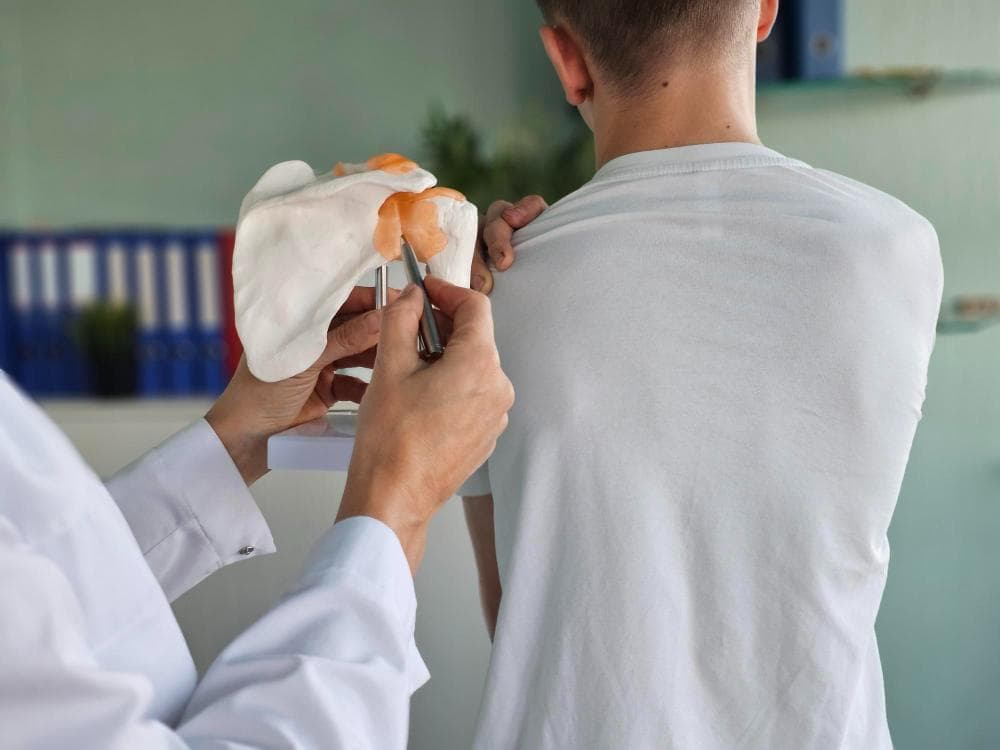
Overall, the goal of surgery is not just to heal the bone, but to restore shoulder function, reduce pain, and prevent long-term complications. Early evaluation by an orthopedic specialist ensures the most appropriate treatment approach.

Patient walking with leg brace and crutches during rehabilitation.
Types Of Surgical Treatments
The choice of surgery depends on how severe the fracture is, how many bone fragments are involved, and whether the shoulder joint is affected. Each technique is designed to restore alignment, stability, and function as effectively as possible.
1. Open Reduction And Internal Fixation (ORIF)
This is one of the most commonly used procedures for complex shoulder fractures. In ORIF, the surgeon makes an incision to access the broken bones (open reduction) and carefully repositions them into their normal alignment. Once aligned, metal plates, screws, or rods are used (internal fixation) to hold the fragments securely in place.
This method allows the bone to heal correctly while maintaining joint structure, making it ideal for displaced or multi-fragment fractures. It also helps in preserving the patient’s natural shoulder joint.
2. Shoulder Replacement Surgery
When the fracture is too severe to repair, especially if the bone is shattered or the blood supply to the bone is compromised, shoulder replacement may be recommended. In this procedure, the damaged parts of the shoulder joint are replaced with artificial components.
There are two main types: partial replacement (hemiarthroplasty), where only the head of the humerus is replaced, and total shoulder replacement, where both the ball and socket are replaced. This option is often considered for older adults or cases where reconstruction is not possible, as it helps restore pain-free movement and improves quality of life.
3. Minimally Invasive Techniques
For selected fractures, surgeons may use minimally invasive approaches such as arthroscopy or small-incision fixation. These techniques involve smaller cuts, less disruption to surrounding tissues, and the use of specialized instruments and cameras.
The advantages include reduced pain after surgery, lower risk of infection, minimal scarring, and faster recovery. However, not all fractures are suitable for this approach, and it is typically used in less complex or specific fracture patterns.
Each surgical option is chosen after careful evaluation, ensuring that the treatment not only fixes the fracture but also supports long-term shoulder function and mobility.
Recovery After Surgery
Recovery from shoulder fracture surgery is a gradual process that focuses on restoring mobility and strength.
-
Immobilization Phase - The shoulder is supported with a sling to allow initial healing.
-
Physiotherapy and Rehabilitation - Guided exercises help regain range of motion, strength, and stability.
-
Gradual Return To Activities - Daily activities are resumed step by step under medical supervision to avoid complications.
Risks Of Delaying Surgery

A young man with a shoulder injury is holding his shoulder while wearing a sling.

Elbow joint pain and bone inflammation shown in medical X-ray
Ignoring or delaying surgical treatment in complex cases can lead to
-
Chronic pain and stiffness
-
Improper bone healing (malunion)
-
Reduced shoulder function
-
Development of arthritis
-
Long-term disability
Early diagnosis and timely intervention significantly improve outcomes and reduce complications.
Final Thoughts
Complex shoulder fractures require careful evaluation and a personalized treatment approach. While non-surgical methods work for simpler injuries, surgery becomes crucial when the fracture affects alignment, joint function, or stability.
With the right surgical care and rehabilitation, patients can regain strength, restore movement, and return to their normal routines. Consulting an experienced orthopedic specialist ensures accurate diagnosis and the most effective treatment plan for long-term recovery.
Frequently Asked Questions (FAQs)
1. Do all complex shoulder fractures need surgery?
No, only fractures with displacement, multiple fragments, or joint involvement usually require surgery.
2. How long does recovery take after shoulder fracture surgery?
Recovery typically takes 3–6 months, depending on the severity and rehabilitation.
3. Is shoulder surgery risky?
Like any procedure, it has risks, but modern techniques make it safe and highly effective.
4. Can physiotherapy help after shoulder fracture surgery?
Yes, physiotherapy is essential to restore movement, strength, and overall shoulder function.

Bandaged foot injury showing pain and fracture risk at home