Understanding Frozen Shoulder And Its Modern Treatment
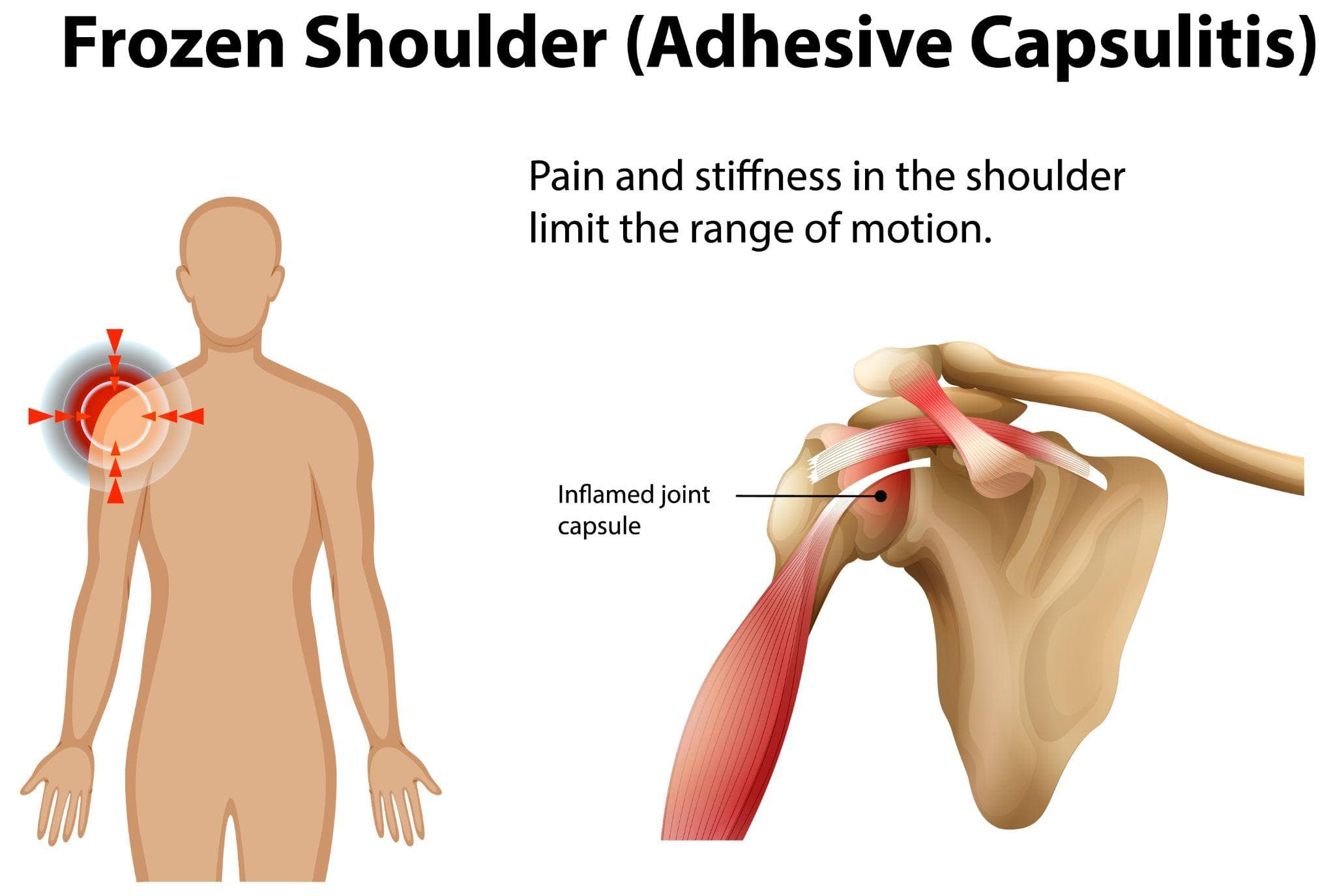
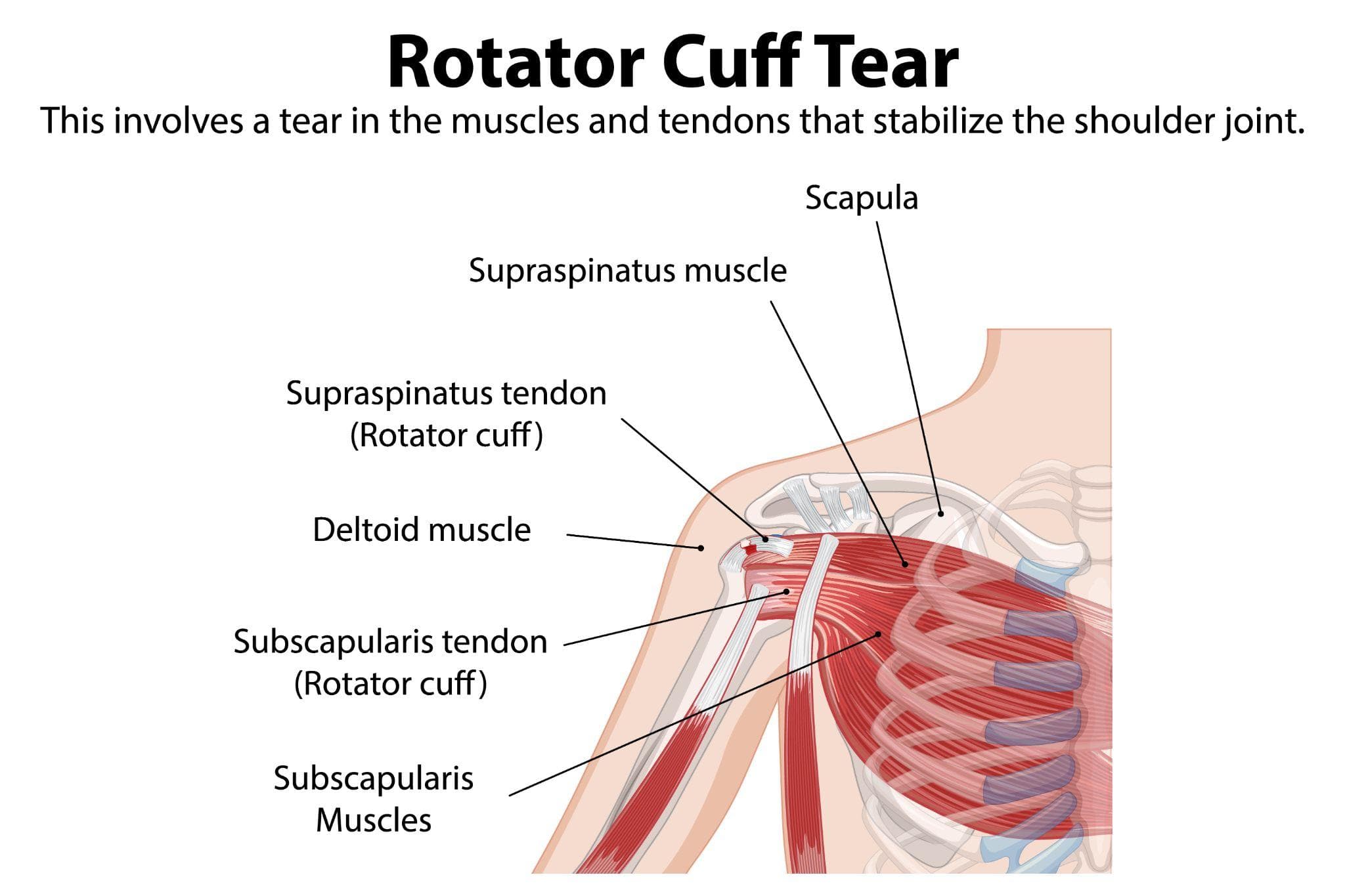
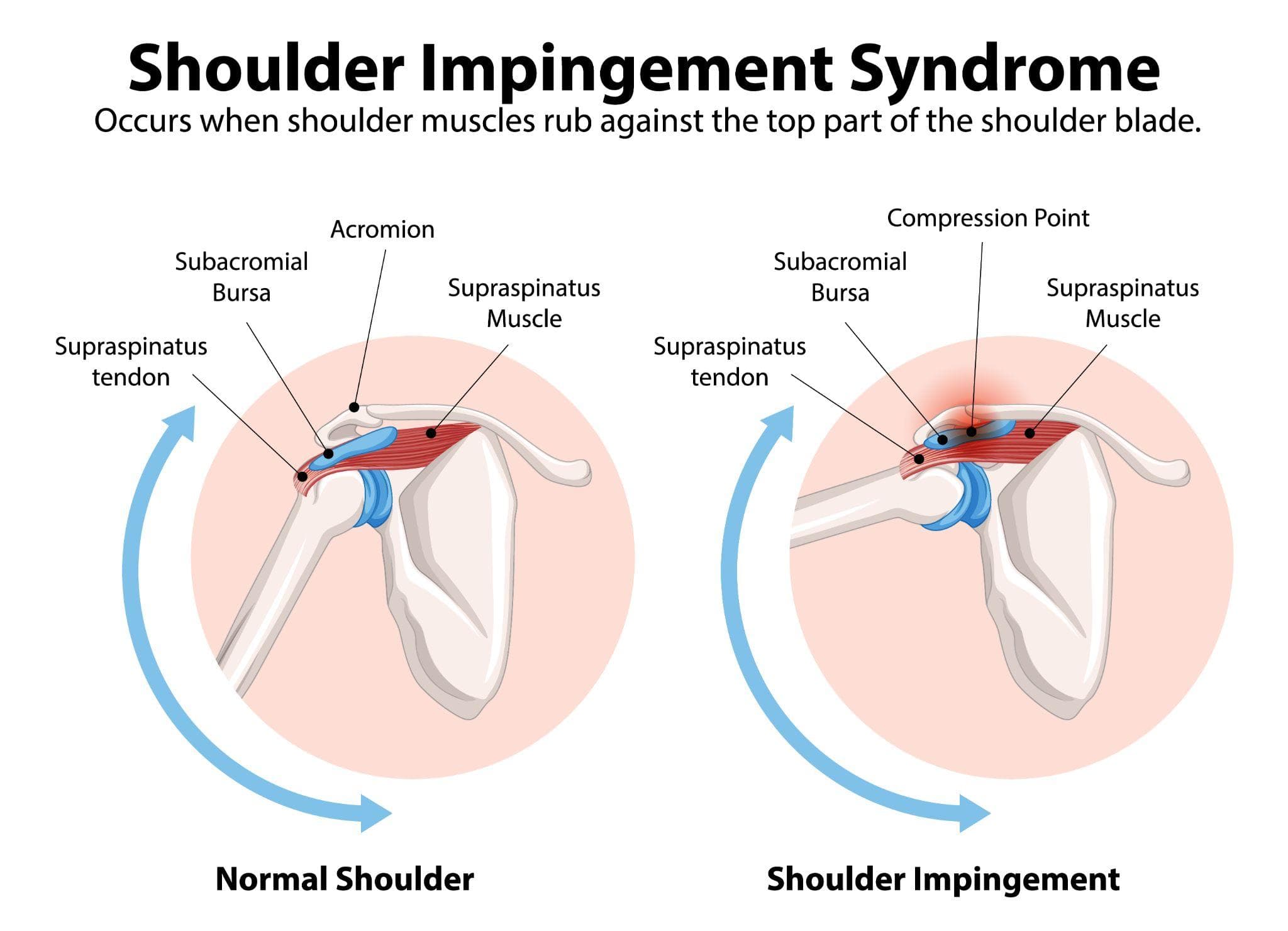
Anatomy of a frozen shoulder.
Frozen shoulder isn’t just some nagging ache; it’s when the shoulder stiffens up so much that just reaching for a shelf or putting on a jacket feels almost impossible. The pain creeps in slowly, then sticks around, making everyday stuff tough. A lot of people think it’ll just disappear if they wait long enough, but honestly, frozen shoulder can drag on for years if one doesn’t do something about it. It can really mess with the daily routine.
Here, you’ll find out what’s actually going on with frozen shoulder, what causes it, and how today’s treatments, especially physiotherapy, get the shoulders moving again and ease that pain.
What Is A Frozen Shoulder
Frozen shoulder occurs when the capsule around the shoulder joint becomes thickened, tight, and irritated. The shoulder starts to stiffen, and moving it becomes harder over time.
It isn’t something that hits one out of nowhere like an injury. Frozen shoulder sneaks up gradually, and most of the time, one can’t even point to a reason why it started. It occurs most often in people ages 40 to 60, and women experience it more often than men.
There are three stages to frozen shoulder, and each one brings its own set of problems.
Stages Of Frozen Shoulder
Frozen shoulder develops gradually. It builds slowly, moving through clear stages. As it goes, the pain shifts, and the shoulder just doesn’t move the way it used to.
1. Freezing Stage
At first, you notice pain creeping in, and it just keeps getting worse. Moving the shoulder hurts, especially when one is trying to sleep. As the pain ramps up, one realizes they can’t move their shoulder like they used to.
2. Frozen Stage
The pain eases a little, but now the shoulder feels as stiff as a board. Simple things like brushing your hair or reaching behind you suddenly seem impossible. It’s like the shoulder just won’t budge.
3. Thawing Stage
Slowly, things start to get better. Movement comes back bit by bit. Stick with treatment and exercises, and the shoulder will get stronger and more flexible.
If you don’t treat it, this whole thing can drag on for one to three years.
Causes Of Frozen Shoulder
There’s usually no obvious reason it shows up, but some things make it a lot more likely:
- If one has diabetes, then the risk goes up.
- Thyroid problems play a crucial role, too.
- Keeping the shoulder still for a long time doesn’t help.
- Stiffness after surgery or a fracture can trigger it.
- Bad posture and repetitive movements can set the stage.
- Old shoulder injuries can come back to haunt you.
Additionally, any medical condition that disrupts blood flow or causes inflammation increases the risk of frozen shoulder.
Frozen Shoulder Symptoms

A woman is holding her shoulder in pain.
- It usually starts with a nagging feeling that just won’t quit.
- Stiffness creeps in, making it tough to move the arm like one used to.
- Lifting or turning the arm gets tricky.
- Nights can be rough as pain often feels worse when someone is trying to sleep.
- If one stops using their shoulder because it hurts, weakness sets in.
Ignoring these early warning signs just drags out the whole recovery process.
Diagnosing Frozen Shoulder
A specialist takes a close look at how the shoulder moves, asks about the pain, and checks the medical history. They’ll run you through a physical exam, which is crucial. Sometimes, they order an X-ray or MRI to rule out other conditions, such as a rotator cuff tear or arthritis.
If you want answers and real help, talk to Dr. Mayank Chauhan in Noida. He’ll give you advice that fits your situation and get you started on the right treatment.
Modern Treatment Options For Frozen Shoulder
If one is dealing with a frozen shoulder, the main goal is to relieve pain and restore movement to prevent long-term stiffness.
1. Physiotherapy
Physiotherapy is where most people start, and for a good reason. It’s all about getting the shoulder moving again, reducing stiffness, and strengthening the muscles around it. You’ll see a lot of targeted stretches, mobility work, and strengthening exercises. These help break up those tough spots in the joint capsule and slowly bring the arm back to life.
2. Pain Management
Nobody wants to move a shoulder that hurts. That’s why short-term pain relief, like medication, heat, or ice, makes a big difference.
3. Manual Therapy
Sometimes, one needs a more hands-on approach. Manual therapy uses different techniques to loosen up tight tissues and help the joint move more smoothly. This way, the exercises you do actually work better.
4. Corticosteroid Injections
In some cases, especially early on when pain and inflammation are at their worst, the doctor might use corticosteroid injections. They calm things down fast and make it easier to start moving again.
5. Advanced Treatments
Now and then, a frozen shoulder just won’t budge. If nothing else works, an orthopedic specialist might suggest procedures such as like hydrodilatatioeven a minimally invasive surgical release. These are more advanced options, but they can really help in stubborn cases.
Why Physiotherapy Matters For Frozen Shoulder
Physiotherapy really shines when it comes to frozen shoulder. It takes the edge off the pain, helps the arm move again, and stops that awful stiffness from sticking around. Plus, it gets you back on track without needing surgery.
1. Pain Relief - No Surgery Needed
Physical therapy targets the source of the stiffness and inflammation. That means less pain, and you won’t have to lean on pain meds forever.
2. Improved Shoulder Mobility
The stretching might feel slow at first, but it works. One starts to regain range of motion and doesn’t have to worry about the shoulder locking up for good. Stick with the therapy plan, and one will notice they recover way faster.
3. Getting The Strength Back
Physiotherapy isn’t just about flexibility. You'll build up the muscles around the shoulder, which helps keep the joint steady and lets you use your arm as you want.
4. Keeping It From Coming Back
Once they know how to move properly and maintain good posture, they are less likely to experience frozen shoulder again. The right exercises make all the difference.
When to See An Orthopedic Specialist

A doctor is examining the shoulder of a patient.
- Shoulder pain that sticks around for more than two weeks.
- Stiffness that just keeps getting worse.
- Struggling with basic, everyday tasks.
- Pain that wakes you up at night.
- Not getting your arm moving again, even after plenty of rest.
Catching frozen shoulder early makes treatment a lot smoother and gets you back on track faster.
Final Thoughts
With the right treatment at the right time, one can get back to normal. These days, a mix of physiotherapy and expert orthopedic care can loosen things up, ease the pain, and help one regain independence.
If you’re looking for a thorough diagnosis and a treatment plan that fits you, reach out to Dr. Mayank Chauhan in Noida. He brings real experience and up-to-date methods to the table, always aiming to ease the pain, boost the movement, and get you back to your routine, comfortable and confident.