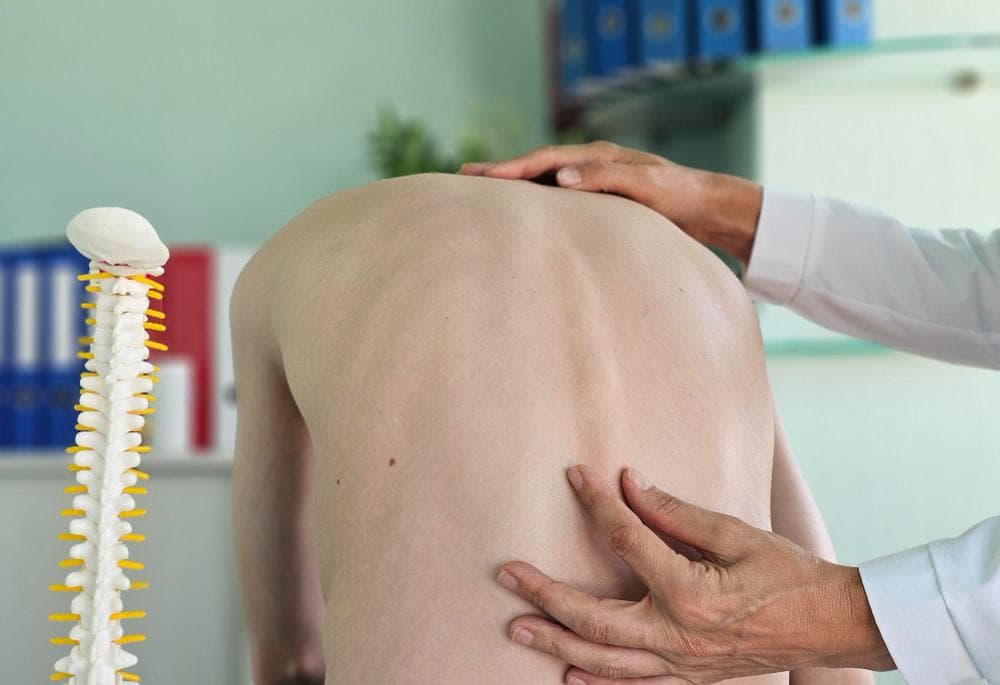
Calcium and Bone Health — Everything Indians Need to Know
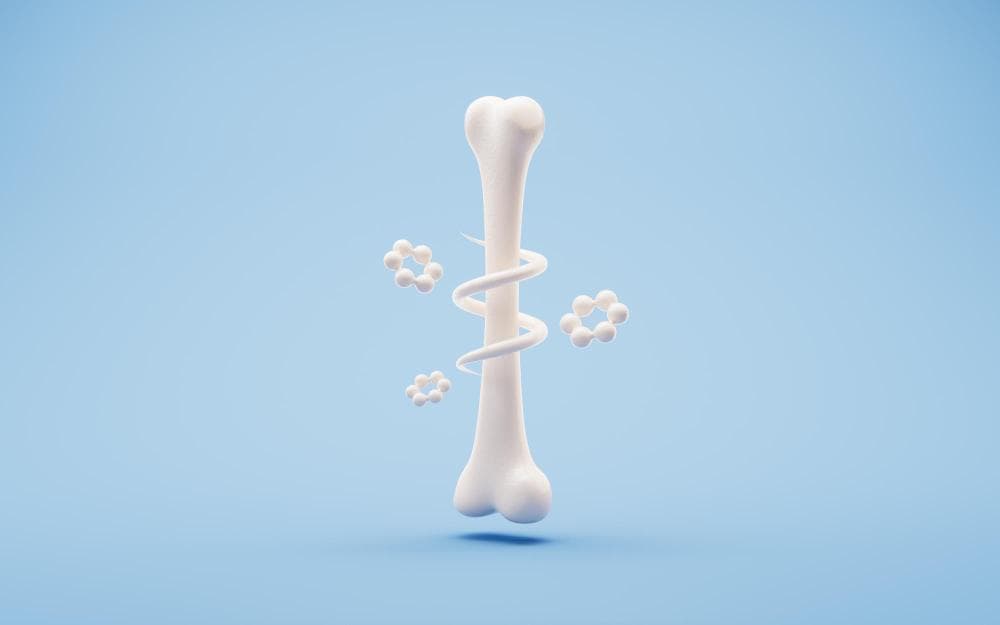
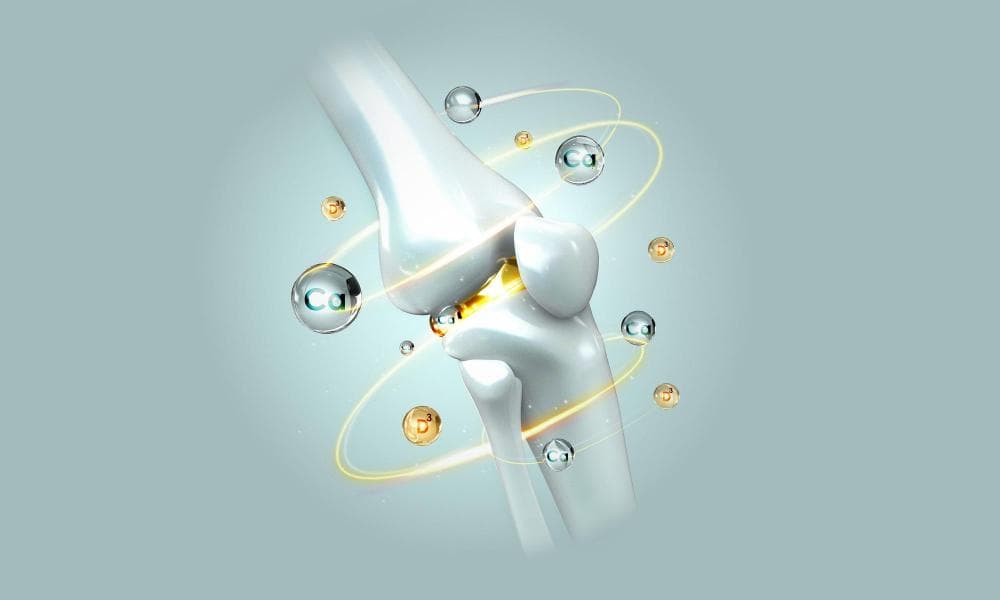
3D illustration of a human bone with calcium molecules around it on a blue background.
India is the world's largest milk producer. And yet, most Indian adults are chronically calcium-deficient.
The numbers are stark. Studies consistently show that the average Indian adult consumes just 300–400 mg of calcium per day. The recommended intake is 1,000 mg. That gap — of 600+ mg every single day — plays out over decades as bones that become progressively thinner, more brittle, and more likely to fracture from a fall that a healthier skeleton would have handled without trouble.
The Endocrine Society of India released its first-ever consensus guidance on calcium earlier this year, with a clear message: most people should be getting calcium from food first, and supplements are a second option when diet genuinely falls short. The problem is that most people don't actually know how much calcium is in what they eat, or which Indian foods are the best sources, or why — despite eating dairy — their bones are still losing density.
This guide answers those questions directly.
Why Calcium Matters for Bones
About 99% of the calcium in the human body is stored in the skeleton. Bone is not a fixed structure — it's living tissue, constantly being broken down by cells called osteoclasts and rebuilt by cells called osteoblasts. This process, called remodelling, happens throughout life.
When calcium intake is adequate, remodelling maintains bone strength. When it isn't, the body doesn't stop needing calcium — it simply takes it from the bones. The skeleton becomes a reserve tank, drawn down whenever blood calcium runs low (which the body cannot tolerate, because calcium is essential for heart function, nerve signalling, and muscle contraction).
The result of years of calcium borrowing from bones is reduced bone mineral density — which, depending on severity, is classified as osteopenia or osteoporosis. Both increase fracture risk. Hip fractures in particular are associated with significant loss of independence, especially in older adults.
Bone mass peaks somewhere between your late 20s and early 30s. After that, the natural trajectory is slow loss. How strong your bones are at their peak determines how much you can afford to lose before fractures become a serious risk.
This is why calcium intake in your 20s, 30s, and 40s matters as much as it does in your 60s.
How Much Calcium Do You Actually Need?
Requirements change across life stages. The Endocrine Society of India and international guidelines are broadly consistent:
| Life Stage | Daily Calcium Requirement |
| Adults (19–50 years) | 1,000 mg/day |
| Adults (51 years and older) | 1,200 mg/day |
| Teenagers (16–18 years) | 1,050 mg/day |
| Pregnant and breastfeeding women | 1,000–1,200 mg/day |
| Upper safe limit | 2,500 mg/day |
The upper limit matters. More calcium is not always better — excess intake (particularly from supplements) has been associated with kidney stones and, in some studies, cardiovascular effects. The goal is adequacy, not excess.
Most Indian adults, as noted, consume around 300–400 mg daily. That's less than half the requirement.
The Best Indian Food Sources of Calcium
The good news is that Indian cuisine contains some of the most calcium-dense foods available — they just need to be eaten regularly and in reasonable quantities.
Dairy
Milk, curd, and paneer remain the most efficient ways to meet calcium needs. A 200 ml glass of milk provides around 240 mg. A 100 g serving of paneer provides roughly 200 mg. Curd (dahi) — which many Indians eat daily — provides about 120 mg per 100 g.
One practical note from recent Indian guidance: milk and yogurt are associated with better bone density outcomes, while cream and cheese (higher in fat, lower in calcium per serving) show less benefit. The more useful dairy foods for bones are the ones consumed most regularly in India already.
1. Ragi (Finger Millet)
This is arguably the most underappreciated bone health food in India. 100 g of ragi contains approximately 350 mg of calcium — more than the same weight of milk. It's particularly valuable for vegetarians and those who are lactose-intolerant. Ragi can be eaten as roti, porridge, or mixed with other flours. In Karnataka and Tamil Nadu, it's a staple. In North India, it's underused.
2. Sesame Seeds (Til)
One tablespoon of sesame seeds contains about 88 mg of calcium. They're easy to add to rotis, salads, stir-fries, or even chutneys. Tahini (sesame paste) is another option. Sesame is one of the most calcium-dense plant foods available.
3. Green Leafy Vegetables
Moringa (drumstick leaves), amaranth (rajgira), and fenugreek (methi) are all good sources. Moringa is exceptional — 100 g provides around 185 mg of calcium and is widely available across India. Spinach also contains calcium but is high in oxalic acid, which reduces absorption. It's a less efficient source than ragi or moringa.
4. Pulses and Legumes
Chana, rajma, and soybean provide moderate amounts of calcium (60–100 mg per serving). They also provide protein, which is important for bone matrix formation.
5. Small Fish with Bones
For those who eat fish, small dried fish eaten whole (with bones) are an excellent calcium source. 100 g can provide over 300 mg of calcium.
The Vitamin D Problem You Can't Ignore
Calcium and vitamin D are inseparable when it comes to bone health. Vitamin D is what allows the gut to absorb calcium from food. Without adequate vitamin D, even a calcium-rich diet may not fully protect bones.
Here's the frustrating reality in India: despite being a sunny country, approximately 85% of Indians are vitamin D deficient. This isn't a dietary problem — it's a combination of melanin (darker skin requires longer sun exposure to produce vitamin D), lifestyle (most Indians spend the majority of their day indoors), and clothing that covers most skin.
The consequence is that even when Indians eat reasonable amounts of calcium, much of it goes unabsorbed because vitamin D levels are too low to facilitate absorption.
If you have risk factors for osteoporosis — family history, early menopause, limited sun exposure, vegetarian diet, history of fractures — getting both calcium and vitamin D levels checked is a reasonable starting point. Your doctor can advise appropriate supplementation if levels are genuinely deficient.
When Do You Actually Need Calcium Supplements?
The Endocrine Society of India is clear on this: supplements are a second option, not a first. Diet should come first because food calcium comes packaged with other nutrients (magnesium, phosphorus, vitamin K) that work alongside calcium for bone health, and because the body absorbs food calcium more efficiently than supplemental calcium.
That said, supplements are genuinely necessary when:
- Dietary calcium is consistently below 600 mg/day despite efforts to eat calcium-rich foods
- Lactose intolerance or milk allergy makes dairy impossible
- Calcium requirements are increased (pregnancy, breastfeeding, post-menopause)
- A bone density scan (DEXA) shows significant loss
When supplements are needed, calcium carbonate is less expensive and works well when taken with food (it needs stomach acid to dissolve). Calcium citrate is better absorbed without food and is preferable for people on acid-reducing medications or those with low stomach acid.
Split the dose if taking more than 500 mg — the gut absorbs smaller amounts more efficiently than a single large dose.
What Reduces Calcium Absorption?
Knowing what blocks calcium is as important as knowing what provides it.
1. Phytic acid: Found in whole grains and legumes, it binds to calcium and reduces absorption. Soaking and sprouting grains and pulses before cooking reduces phytate content significantly.
2. Oxalic acid: Found in spinach, chard, and certain other greens. Makes the calcium in those specific vegetables poorly absorbed, though it doesn't affect absorption from other foods eaten at the same meal.
3. Excess salt: High sodium intake increases calcium excretion through urine. The average Indian diet is high in sodium, which is one underappreciated contributor to calcium losses.
4. Caffeine: Moderate tea and coffee consumption has a small negative effect on calcium retention. Probably not worth worrying about at one or two cups a day, but worth knowing if you're drinking five or six.
5. Alcohol: Regular excessive alcohol consumption reduces calcium absorption and directly impairs bone remodelling.
Diet Is Not the Whole Picture
Even the best calcium intake won't fully protect bones without physical activity. Weight-bearing exercise — walking, jogging, climbing stairs, resistance training — applies mechanical stress to bones, which stimulates them to maintain and build density. Bones respond to load. A sedentary lifestyle, regardless of calcium intake, leads to gradual bone loss.
The combination of adequate calcium, adequate vitamin D, and regular weight-bearing exercise is the foundation of lifelong bone health.
Key Takeaways
- Most Indian adults consume less than half the calcium they need every day
- Ragi, dairy, sesame seeds, moringa, and pulses are among the best Indian food sources
- Vitamin D deficiency is extremely common in India and must be addressed for calcium to be properly absorbed
- Supplements are a genuine option when diet cannot meet needs, but food first is the correct approach
- Physical activity is not optional — bones need mechanical loading, not just nutrients
When to See a Doctor
If you have any of the following, consider a bone health evaluation with a specialist
- Family history of osteoporosis or hip fracture
- Fracture from a fall that should not have caused one (fragility fracture)
- Early menopause (before 45)
- Long-term steroid use
- Significant restriction on dairy or calcium-rich foods
- Height loss of more than 2–3 cm over time
Dr. Mayank Chauhan is a senior orthopedic surgeon at Prakash Hospital, Sector 33, Noida, with extensive experience in bone health, joint replacement, and fracture management.
To book a consultation, call the number listed on the website.