10 Signs You Should See an Orthopedic Doctor — And Why Waiting Usually Makes It Worse
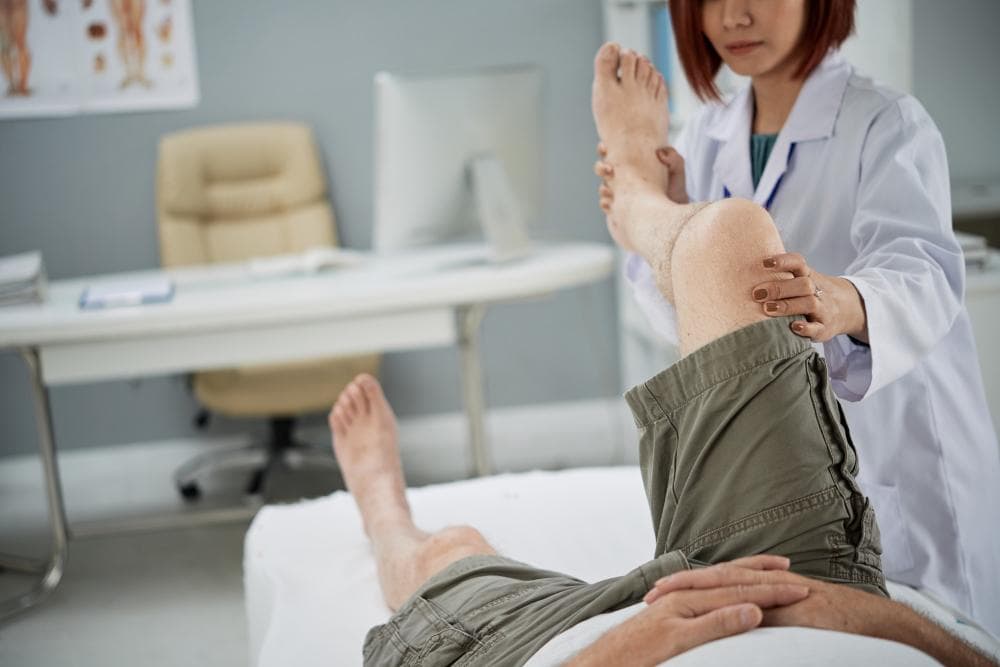
A doctor physically taking part in assessing a patient's knee pain by grasping their leg and manipulating the movement in a doctor's office.
Most people in India wait far too long before seeing an orthopedic specialist.
Not because they don't have pain — they often have a lot of it. But because of something deeply ingrained in how we think about bone and joint problems: the belief that pain will "go away on its own," that joint ache is just part of getting older, that surgery is the only thing an orthopedic surgeon can offer (and surgery is something to avoid), or simply that there are more important things to attend to than a bad knee.
The result is a steady stream of patients arriving with damage that could have been managed easily months ago — but has now progressed to the point where options are fewer and interventions larger.
Here are ten warning signs that tell you it's time to stop waiting and make that appointment. Not because surgery is necessarily coming, but because getting the right diagnosis early almost always leads to better outcomes.
Sign 1: Pain That Has Lasted More Than 3–4 Weeks Without Improving
A muscle strain from heavy lifting, a minor sprain from a misstep — these typically resolve within two to three weeks with rest. If pain in any joint or bone has been present for more than three to four weeks without any clear sign of improvement, it is not a minor strain.
Persistent joint or bone pain that doesn't respond to rest and basic over-the-counter medication suggests something structural is happening — cartilage damage, ligament injury, early arthritis, a stress fracture, or inflammation that needs proper diagnosis.
The mistake people make is assuming that because pain isn't getting dramatically worse, they can keep waiting. Orthopedic conditions that are caught early — particularly early-stage arthritis, stress fractures, and ligament injuries — respond far better to conservative treatment than the same conditions caught late.
Sign 2: Pain That Interrupts Sleep or Daily Activities
Joint or bone pain that is bad enough to wake you up at night is a significant symptom. It suggests the problem is beyond mild inflammation or post-exercise soreness.
Similarly, if you're finding yourself avoiding specific activities — climbing stairs, walking more than a few hundred metres, getting up from a chair, lifting objects, cooking, or working — because of bone or joint pain, that's your body telling you that something functional has been compromised.
Pain that limits your capacity to live your normal life is not something to manage with painkillers indefinitely. Masking the symptom doesn't address what's causing it — and prolonged NSAID use carries its own risks including gastrointestinal and kidney problems.
Sign 3: Swelling, Redness, or Warmth Around a Joint
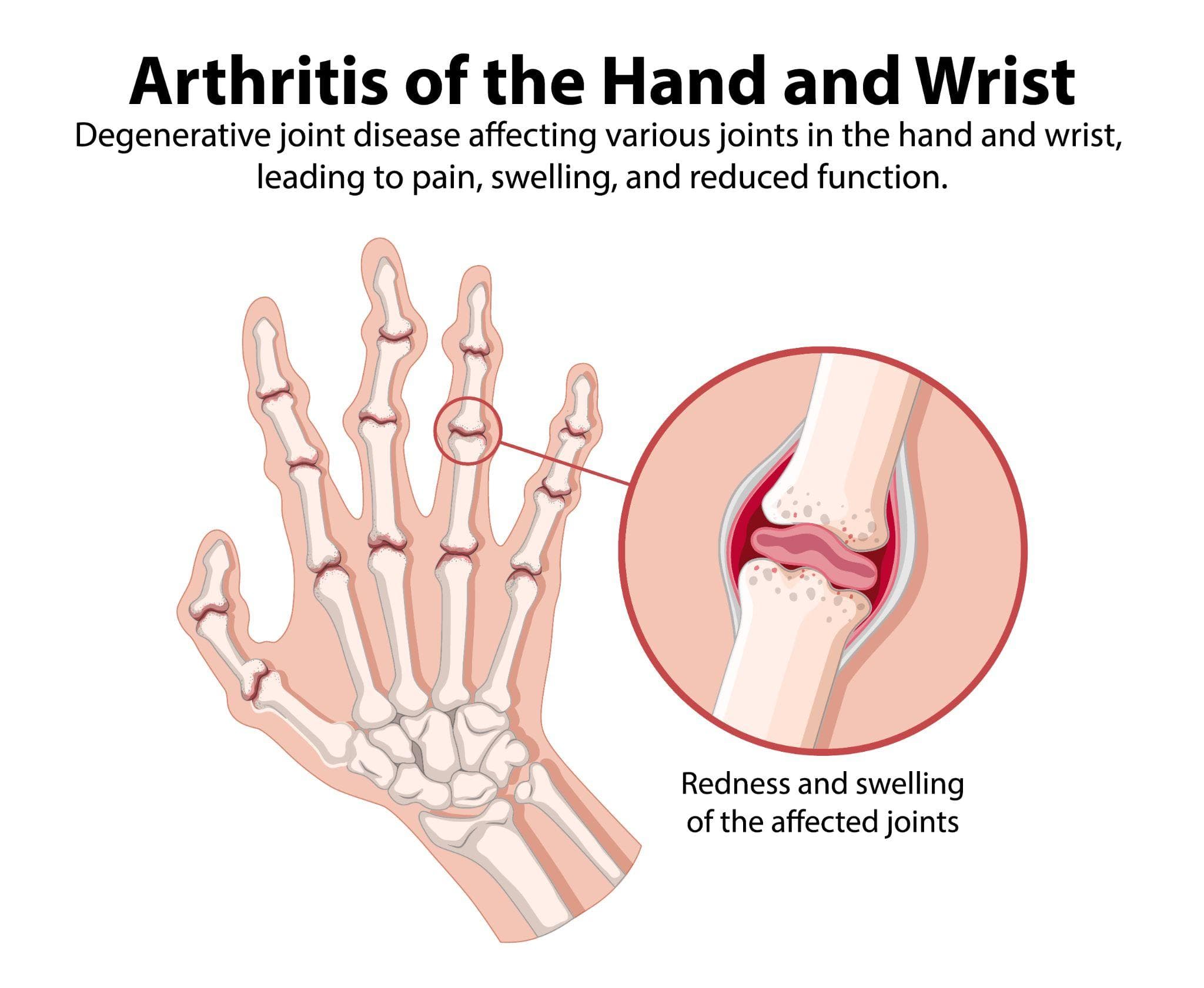
These three signs together indicate joint inflammation — which can arise from injury, infection, gout, or inflammatory arthritis like rheumatoid arthritis. Swelling that persists for more than 48–72 hours after rest and ice therapy is not resolving on its own as it should.
Warm, red, swollen joints — particularly if accompanied by fever — can indicate septic arthritis (joint infection), which is an emergency. This condition can destroy a joint within days if not treated promptly with drainage and antibiotics.
Even without fever, persistent joint swelling should be assessed. The type of swelling, its location, and associated symptoms help an orthopedic surgeon narrow down whether you're dealing with a mechanical problem, an inflammatory condition, or something that needs immediate intervention.
Sign 4: Reduced Range of Motion in Any Joint
If you can't lift your arm above shoulder height. If bending your knee fully has become impossible. If turning your neck causes pain and stiffness that limits how far you can look sideways. If getting off the floor from a cross-legged position now requires significant effort because of hip stiffness.
Reduced range of motion is one of the clearest signs of progressive joint damage — and it tends to worsen steadily if the underlying cause isn't addressed. Conditions like frozen shoulder, osteoarthritis, and spinal stenosis all present with reduced range of motion as a key feature.
The earlier this is assessed, the more options exist for restoring mobility — physiotherapy, injections, and targeted exercises work best when the joint hasn't yet reached the stage of severe structural damage.
Sign 5: Numbness, Tingling, or Weakness in the Hands, Legs, or Feet
These symptoms suggest nerve involvement — which moves the situation from a purely musculoskeletal problem to one involving the nervous system as well. Common orthopedic causes include:
- Cervical disc herniation — pressing on nerves in the neck, causing tingling or weakness down the arm and into the hand
- Lumbar disc herniation or sciatica — nerve compression in the lower back causing pain, numbness, or weakness radiating down the leg
- Spinal stenosis — narrowing of the spinal canal compressing multiple nerve roots
- Carpal tunnel syndrome — compression of the median nerve at the wrist causing hand numbness
Nerve symptoms that are intermittent and mild can sometimes be managed conservatively. However, progressive weakness, persistent numbness, or loss of fine motor function (difficulty buttoning a shirt, dropping objects) require prompt assessment. Nerve damage that is left compressed for too long may not fully recover even after the compression is relieved.
Sign 6: A Previous Injury That Never Properly Healed
This is extremely common — and extremely consequential. A sprained ankle from five years ago that was never properly rehabilitated. An ACL tear that was treated with rest rather than surgery or structured physiotherapy. A fracture that was managed with a plaster but never followed up on adequately.
Improperly healed injuries are one of the primary contributors to post-traumatic arthritis — arthritis that develops in a joint that was previously injured. The joint surface was damaged, didn't heal in the right alignment, or developed scar tissue that changed how the joint moves — and years later, arthritis develops where it wouldn't have otherwise.
If you have a joint or limb that has been symptomatic on and off since a previous injury, getting it properly assessed is worth doing. Sometimes a late intervention can still correct the problem. At minimum, it tells you what you're managing and gives you a realistic picture of the future.
Sign 7: Clicking, Grinding, or Locking of a Joint
Crepitus — the clicking or grinding sensation within a joint — is often dismissed as normal. Sometimes it is, particularly if it's painless and occasional. But grinding that is accompanied by pain, that has recently worsened, or that is followed by stiffness or reduced movement, suggests cartilage damage.
Locking — where a joint gets stuck and cannot be moved through its full range without manipulating it — is more serious. In the knee, this often indicates a torn meniscus with a displaced fragment blocking the joint. This needs orthopedic assessment because locking joints can worsen and may require arthroscopic treatment.
Sign 8: Difficulty Bearing Weight on a Leg or Using an Arm Normally
If walking has become painful enough that you're limping, avoiding putting full weight on one leg, or altering your gait to compensate — that's significant. Altered gait patterns put abnormal stress on the compensating leg, the opposite hip, and the lower back, creating a cascade of secondary problems over time.
Similarly, if using an arm for routine tasks — reaching overhead, carrying bags, turning a steering wheel — has become limited or painful, something in the shoulder, elbow, or wrist joint deserves assessment rather than continued avoidance.
Sign 9: Visible Deformity — Something That Looks Wrong
A bone or joint that looks visibly different from how it should — a knuckle that appears swollen and deviated, a knee that curves inward (valgus, "knock knee") or outward (varus, "bow leg") more than it used to, a finger that is bent and cannot be straightened, a bump on the heel or spine that has appeared over time — these are signs that structural changes are happening.
Some deformities develop slowly over years and can be managed conservatively if caught early. Others — like sudden deformity after an injury — need immediate assessment. Either way, visible skeletal change is something an orthopedic specialist should evaluate rather than something to observe indefinitely without professional input.
Sign 10: Severe, Sudden Pain After a Trauma — Especially in Elderly Patients
A fall, a road accident, a sports collision — if severe pain follows immediately, particularly with any of the other signs above (inability to move the limb, visible deformity, unusual position of a joint), this needs emergency orthopedic attention.
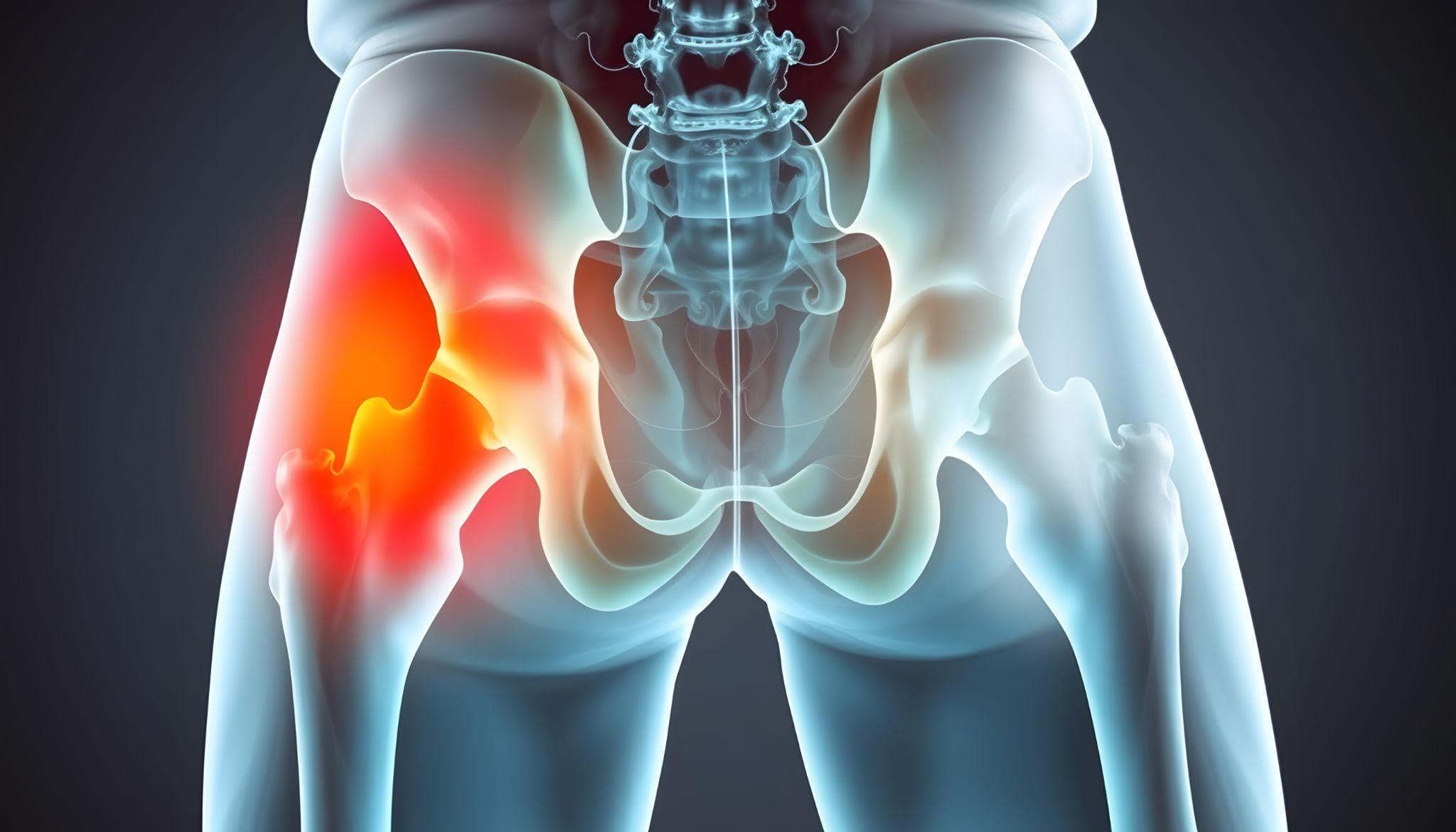
Elderly patients deserve special mention here. A senior citizen who falls and complains of hip pain or groin pain — even if they can still move their leg — may have a hip fracture. Hip fractures in older adults with osteoporosis can occur with surprisingly minor trauma. Delaying assessment risks converting a manageable fracture into a surgical emergency. Any elderly person who falls and has pain around the hip, pelvis, or back should be seen by an orthopedic surgeon promptly.

A female doctor is examining the back of the elderly patient, who seems in visible pain, in her clinic.
Why People in India Delay — and Why That Needs to Change
Studies consistently show that patients in India delay orthopedic care for several reasons:
- Fear of surgery — many people assume that seeing a bone doctor means an operation is inevitable
- Cost concerns — the assumption that orthopedic care is expensive, without knowing that the majority of conditions are managed non-surgically
- Cultural normalization of pain — the widespread belief that joint pain is just what happens with age
- Reliance on home remedies — oils, heat, over-the-counter painkillers, and herbal formulations that provide temporary relief without addressing the underlying cause
- Misinformation — concerns that surgery will make things worse, or that physiotherapy alone can fix structural damage
The reality is that early orthopedic consultation usually leads to less intervention, not more. A mild arthritis caught early can be managed for years with physiotherapy and lifestyle changes. The same arthritis ignored for five years often needs joint replacement. The earlier you know what you're dealing with, the more options you have.
Orthopedic Consultation in Noida and Greater Noida
If any of the signs described above sound familiar — for yourself or someone in your family — the right step is a consultation with an experienced orthopedic specialist rather than continued self-management.
Dr. Mayank Chauhan, Senior Orthopedic Surgeon at Prakash Hospital, Sector 33, Noida, has over 15 years of clinical experience managing the full range of orthopedic conditions — from arthritis and sports injuries to complex fractures and joint replacement surgery. His approach starts with an accurate diagnosis and explores all conservative options before any surgical recommendation — which is exactly the right way to practice orthopedics.
He serves patients from across Noida, Greater Noida, Ghaziabad, and the wider Delhi NCR region.
To book a consultation, call +91 7303245544.
Clinic hours: Monday to Saturday, 10 AM to 8 PM | Sunday, 10 AM to 2 PM
Location: D-12, 12A, 12B, Sector 33, Noida (next to ISKCON Temple)
24/7 emergency care available at Prakash Hospital.
Frequently Asked Questions (FAQs) — When to See an Orthopedic Doctor
Q1. Can I manage joint pain at home before seeing an orthopedic doctor?
Mild joint discomfort after physical activity that resolves within a day or two is usually fine to manage at home with rest and basic care. But if pain lasts more than 3–4 weeks, significantly limits function, involves swelling or deformity, or follows an injury — professional assessment is the right next step. Home management of serious orthopedic conditions can delay diagnosis and allow further damage.
Q2. Is it normal for joints to click and crack?
Occasional, painless clicking is common in healthy joints and usually benign — particularly in the knuckles or ankles. Clicking that is associated with pain, stiffness, or reduced movement suggests cartilage damage or other joint pathology and warrants evaluation.
Q3. I've been taking painkillers for months for my knee. Should I stop and see a doctor instead?
Prolonged use of NSAIDs (like ibuprofen or diclofenac) for joint pain masks symptoms without treating the underlying problem. Long-term NSAID use also carries real risks — gastric ulcers, kidney strain, and cardiovascular effects. If you've been relying on painkillers for more than 4–6 weeks for joint pain, seeing an orthopedic specialist to understand what's actually happening is strongly advisable.
Q4. My elderly parent fell and seems fine but is complaining of hip pain. Should we go to A&E immediately?
Yes. Hip pain in an elderly person after a fall should be assessed promptly — ideally at an emergency department or urgent orthopedic clinic. Hip fractures in older adults can be present even when the patient can still move their leg, and they can deteriorate rapidly. Don't wait to see if the pain resolves.
Q5. My child is limping but says there was no injury. Should I be concerned?
Yes — a child who develops a limp without a clear injury should be assessed by a doctor. Unexplained limping in children can indicate conditions ranging from irritable hip (a transient inflammatory condition) to more serious problems including septic arthritis (joint infection), Perthes disease, or a slipped capital femoral epiphysis — all of which need prompt evaluation.
Q6. How quickly can I expect a diagnosis when I see an orthopedic surgeon?
In many cases, a thorough history and physical examination, combined with X-rays taken at the clinic, allows a diagnosis to be made on the same day. For conditions requiring MRI or blood tests, results may take a few days. The goal is always to have a clear diagnosis before beginning any treatment.
Q7. I've been told by my family doctor that my pain is just arthritis and I should "live with it." Should I get a second opinion?
Yes, getting an orthopedic specialist's opinion is entirely appropriate. Arthritis is a spectrum — early arthritis is very different from advanced arthritis, and there are many interventions available that can significantly improve quality of life at various stages. "Live with it" is rarely the complete picture.
Q8. Can back pain be treated by an orthopedic surgeon, or do I need a neurologist?
Most spine-related back pain — including disc herniation, sciatica, spinal stenosis, and vertebral fractures — is managed by orthopedic spine surgeons. Neurologists typically focus on conditions affecting the nervous system itself (epilepsy, multiple sclerosis, Parkinson's disease). For back pain with or without leg symptoms, an orthopedic consultation is usually the right starting point.
The information in this blog is for general educational purposes and does not constitute medical advice. Always consult a qualified orthopedic surgeon for accurate assessment and treatment appropriate to your specific condition.