What Is Orthopedics? A Complete Guide — Explained in English and Hindi
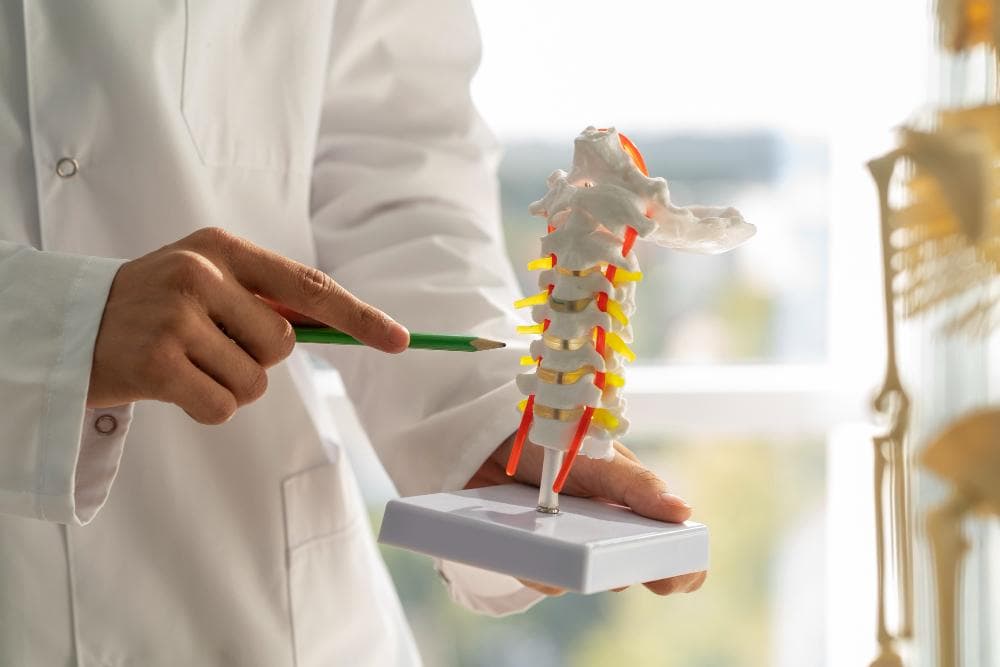
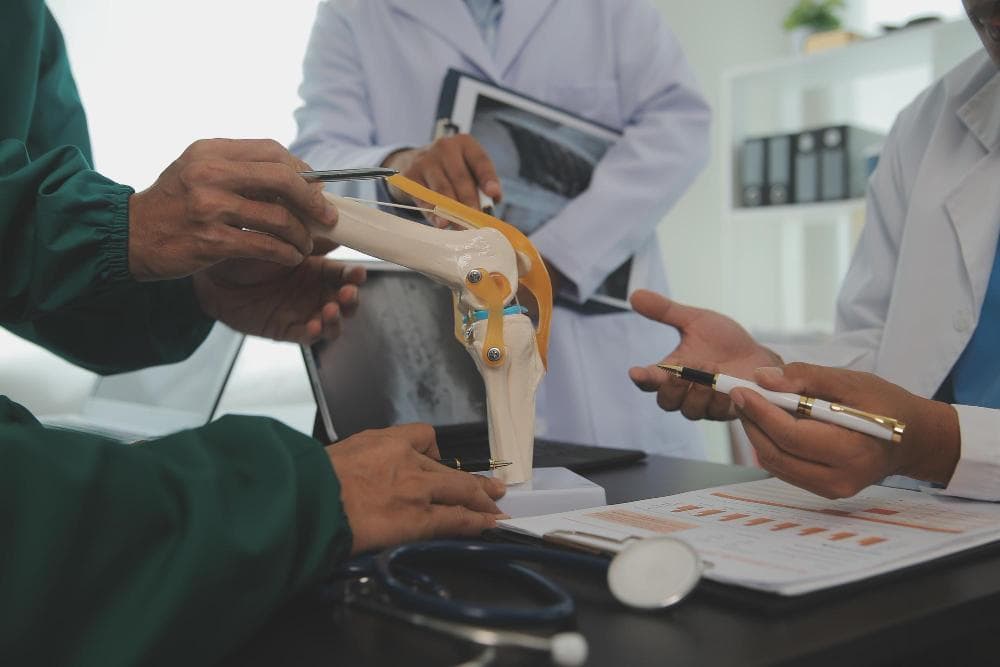
Orthopedic specialist demonstrating spinal anatomy using a spine model, highlighting affected vertebrae and nerves related to back pain conditions.
If someone in your family has been told to "see an orthopedic doctor," your first reaction might be confusion. Is it for bones? Joints? Muscles? And what exactly does an orthopedic surgeon do that a regular doctor doesn't?
These are fair questions — and in India, where many people look up medical terms in Hindi before anything else, there's even more confusion around what words like orthopedic, orthopaedic, and haddi doctor actually mean and whether they're the same thing.
They are. Let's clear all of it up.
Orthopedic Meaning in Hindi — सरल भाषा में समझें
ऑर्थोपेडिक (Orthopedic) का मतलब है — हड्डियों, जोड़ों, मांसपेशियों और शरीर की हरकत से जुड़ी चिकित्सा।
In everyday Hindi, people commonly refer to an orthopedic doctor as:
- हड्डी रोग विशेषज्ञ (Haddi Rog Visheshagya) — Bone disease specialist
- अस्थि चिकित्सक (Asthi Chikitsak) — Bone doctor
- हड्डी का डॉक्टर (Haddi ka Doctor) — The common, everyday term used across Delhi NCR, UP, and most of North India
But the actual scope of orthopedics goes well beyond just bones. An orthopedic surgeon treats your entire musculoskeletal system — which includes bones, joints, cartilage, ligaments, tendons, and muscles. So if someone tells you to see a haddi doctor for your knee pain, your slipped disc, your torn ligament, or your sports injury — they're not wrong, but they're also only giving you half the picture.
What Is Orthopedics? The Full Definition
The word orthopedics comes from two Greek words:
- Orthos — meaning "straight" or "correct"
- Paidion — meaning "child"
In 1741, a French physician named Nicolas Andry wrote a book specifically about correcting bone deformities in children — particularly conditions like scoliosis and clubfoot. He called this new practice Orthopédie. Over the next two centuries, the field expanded dramatically. Today, orthopedics covers people of all ages — from newborns with congenital limb differences to elderly patients with severe joint arthritis.
In simple terms: Orthopedics is the branch of medicine that diagnoses, treats, and rehabilitates conditions affecting your bones, joints, muscles, ligaments, tendons, and cartilage — everything that allows your body to move and function.
What Does an Orthopedic Surgeon Actually Do?
A lot of people assume orthopedic surgeons only operate. That's not accurate. Surgery is one tool among many. Here's what an orthopedic specialist's work actually looks like:
1. Diagnosis
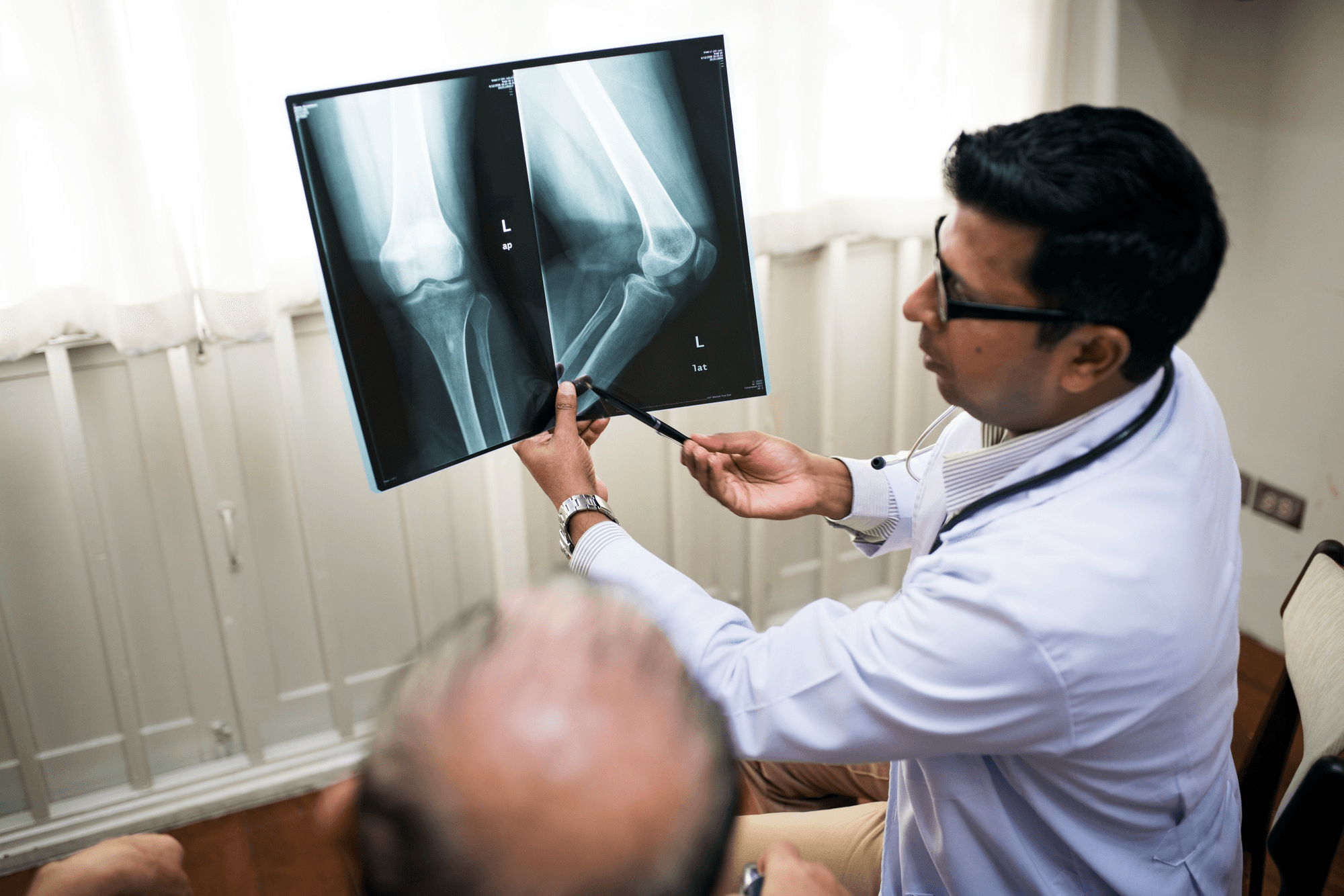
An orthopedic surgeon identifies what's wrong — through clinical examination, X-rays, MRI scans, CT scans, blood tests, and in some cases nerve conduction studies. Getting the diagnosis right is the foundation of everything else.
2. Non-Surgical Treatment
The majority of orthopedic conditions are managed without surgery. This includes:
- Prescription medications (anti-inflammatories, disease-modifying drugs)
- Corticosteroid injections into affected joints
- Physiotherapy and rehabilitation programs
- Braces, splints, and supportive devices
- Lifestyle changes (weight management, activity modification)
- Platelet-rich plasma (PRP) or other biological treatments
3. Surgical Treatment
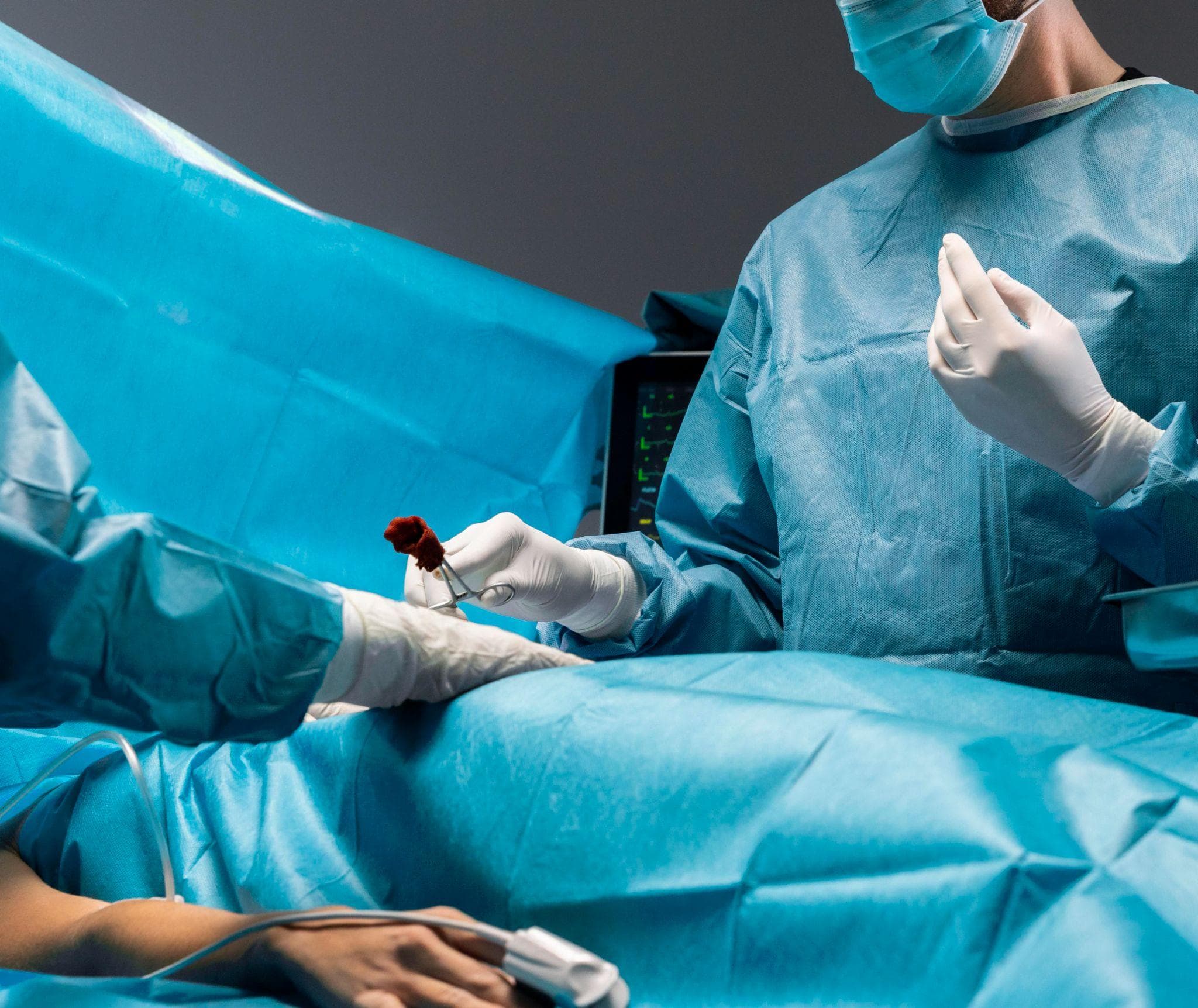
When non-surgical methods don't provide adequate relief, or when the structural damage is severe enough to require correction, surgery becomes the right option. Common orthopedic surgeries include:
- Joint replacement (knee, hip, shoulder)
- Fracture repair (internal fixation with plates, rods, and screws)
- Arthroscopy (keyhole surgery for joints)
- Ligament reconstruction (ACL repair, rotator cuff repair)
- Spinal surgery (discectomy, laminectomy, spinal fusion)
- Joint reconstruction for damaged joints that don't yet need full replacement
4. Rehabilitation
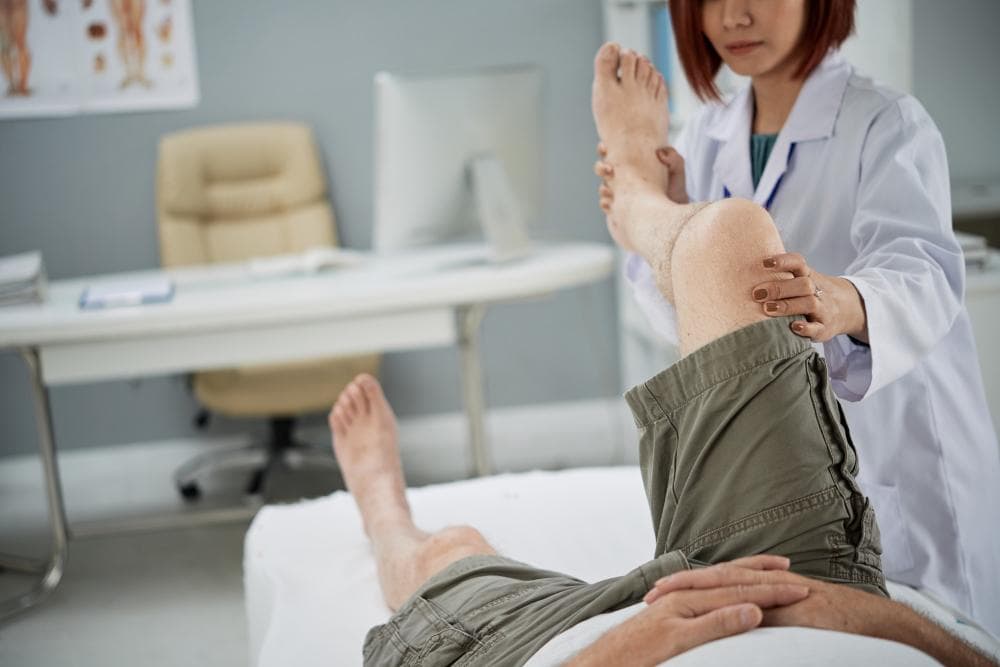
Recovery doesn't end at discharge. Orthopedic surgeons work alongside physiotherapists to design rehabilitation programs that help patients regain full strength, mobility, and function after injury or surgery.
What Conditions Does an Orthopedic Surgeon Treat?
The range is wider than most people expect. Here's a practical breakdown
1. Joint Conditions
- Osteoarthritis — The most common joint condition in India; cartilage breakdown in the knees, hips, and hands
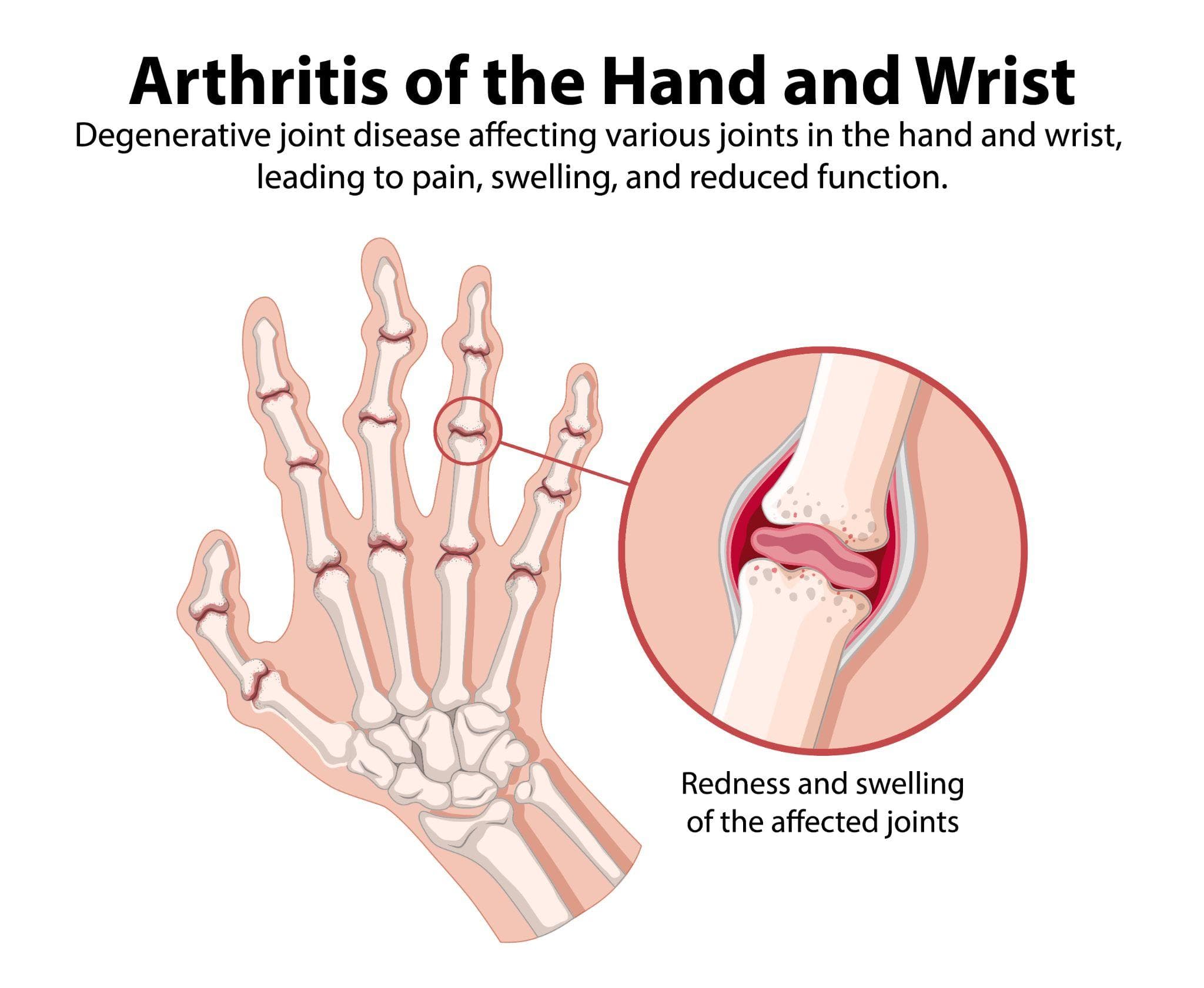
- Rheumatoid Arthritis — Autoimmune joint inflammation, commonly affecting the hands, wrists, and feet
- Gout — Uric acid crystal deposits in joints, causing severe pain flare-ups
- Frozen Shoulder — Stiffness and pain that severely limits shoulder movement
2. Bone Conditions
- Fractures — All types of broken bones, from hairline stress fractures to complex compound fractures
- Osteoporosis — Reduced bone density that significantly raises fracture risk
- Bone Tumors — Both benign and malignant growths in bone tissue
- Osteomyelitis — Bone infections
3. Spine Conditions
- Disc herniation (Slipped Disc) — When a spinal disc bulges and presses on nerves
- Spinal Stenosis — Narrowing of the spinal canal, causing nerve compression
- Scoliosis — Abnormal curvature of the spine
- Cervical Spondylosis — Degenerative changes in the neck vertebrae
4. Soft Tissue Conditions
- Ligament Tears — ACL, PCL, MCL tears in the knee; rotator cuff tears in the shoulder
- Tendinitis — Tendon inflammation from overuse (tennis elbow, Achilles tendinitis)
- Bursitis — Inflammation of fluid sacs (bursae) that cushion joints
- Carpal Tunnel Syndrome — Nerve compression at the wrist causing hand numbness
5. Sports Injuries
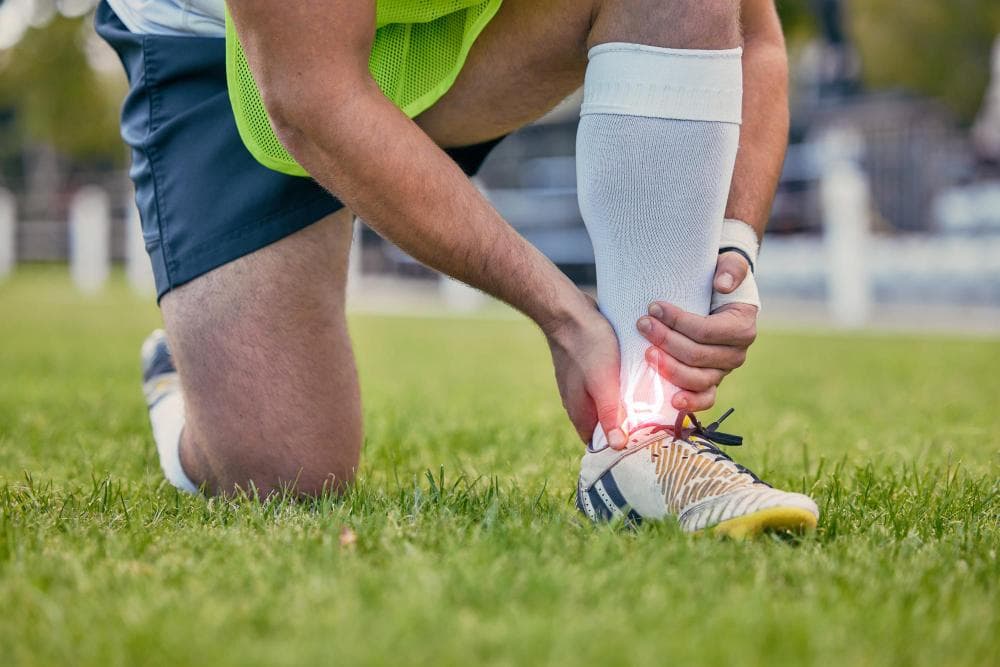
- ACL and meniscal tears from football, cricket, and gym injuries
- Stress fractures from running and repetitive training
- Shoulder dislocations and rotator cuff injuries
6. Pediatric Orthopedic Conditions
- Clubfoot (Talipes Equinovarus)
- Developmental Dysplasia of the Hip (DDH)
- Growth plate fractures
- Scoliosis in adolescents
Orthopedics in India — Why It Matters More Than You Think
India carries one of the highest burdens of musculoskeletal disease in the world. Over 180 million Indians live with some form of arthritis. Knee osteoarthritis affects 15 million adults annually. Road traffic accidents account for a massive proportion of fracture cases — India reports among the highest rates of road injury globally, and orthopedic care is at the frontline of managing that fallout.
Despite this scale, a large percentage of people with joint pain, fractures, or spine problems in India delay seeking orthopedic care — often for months or years — due to fear of surgery, cost concerns, or the mistaken belief that joint pain is "just part of getting older."
The result is predictable: conditions that could have been resolved with conservative care end up requiring surgery because too much damage has occurred. Early orthopedic consultation consistently leads to better outcomes, less intervention, and faster return to normal life.
Orthopedics vs. Physiotherapy — What's the Difference?
This is a very common question in India, where physiotherapy clinics are often the first port of call for musculoskeletal pain. The two disciplines are complementary, not competing:
Orthopedic Surgeon:
- Provides medical diagnosis
- Prescribes medications and injections
- Performs surgery when required
- Oversees the overall treatment plan
- Interprets imaging (X-ray, MRI, CT)
Physiotherapist:
- Designs and delivers exercise and movement-based rehabilitation
- Works on strengthening, flexibility, and pain management
- Cannot prescribe medication or perform surgery
- Works under the orthopedic surgeon's guidance in post-operative recovery

A physiotherapy session to help relieve lower back pain and improve mobility.
In practice, the best outcomes happen when both work together. Dr. Mayank Chauhan at Prakash Hospital, Noida coordinates closely with physiotherapy teams to ensure that surgery is always followed by structured rehabilitation — because the surgery itself is only half the recovery.
When Should You See an Orthopedic Doctor?
Many people wait far too long. Here's a practical guide to when an orthopedic consultation is warranted:
See an orthopedic specialist if:
- Joint pain has lasted more than 3–4 weeks and isn't improving with rest
- You have pain that wakes you at night or stops you from daily activities
- There is visible swelling, deformity, or limited range of motion in any joint
- You've had a fall, accident, or sports injury involving bones or joints
- You have morning stiffness lasting more than 30 minutes
- Numbness, tingling, or weakness is present in your arms or legs
- You've been told you have a slipped disc, torn ligament, or fracture
- You are over 50 and have never been assessed for bone density
If you're in Noida, Greater Noida, or anywhere across Delhi NCR and experiencing any of these symptoms, consulting Dr. Mayank Chauhan at Prakash Hospital, Sector 33, Noida is a sensible first step. With over 15 years of clinical experience, international fellowship training in South Korea, and SICOT Fellowship in joint reconstruction from Mumbai, he provides a thorough assessment and a clear, practical treatment plan — without defaulting to surgery unless it's genuinely the right option.
To book a consultation, call +91 7303245544.
Clinic hours: Monday to Saturday, 10 AM to 8 PM | Sunday, 10 AM to 2 PM
Location: D-12, 12A, 12B, Sector 33, Noida (next to ISKCON Temple)
Frequently Asked Questions (FAQs) — Orthopedics in Hindi and English
Q1. Orthopedic doctor kya karta hai? (What does an orthopedic doctor do?)
An orthopedic doctor — or haddi ka doctor as commonly called in Hindi — diagnoses and treats all conditions related to bones, joints, muscles, ligaments, and tendons. This includes fractures, arthritis, sports injuries, spine problems, and joint replacement surgery. They use both surgical and non-surgical methods depending on what the condition needs.
Q2. Orthopedic aur general surgeon mein kya fark hai? (What is the difference between an orthopedic and a general surgeon?)
A general surgeon performs a wide range of operations across multiple body systems — abdomen, intestines, glands, and more. An orthopedic surgeon specializes exclusively in the musculoskeletal system — bones, joints, ligaments, tendons, and muscles. The training, tools, and techniques are entirely different. For any bone or joint problem, an orthopedic specialist is the right choice.
Q3. Kya har orthopedic condition mein surgery hoti hai? (Does every orthopedic condition need surgery?)
No — and this is one of the biggest myths. The majority of orthopedic conditions are successfully managed without surgery through physiotherapy, medications, injections, and lifestyle changes. Surgery is considered when conservative treatment has been tried adequately and hasn't provided sufficient relief, or when the structural problem is too advanced to respond to non-surgical care.
Q4. Orthopedic doctor se milne se pehle kya karna chahiye? (What should you do before seeing an orthopedic doctor?)
Gather any previous X-rays, MRI reports, or blood tests you've had done. Write down when the pain started, what makes it better or worse, and what medications you're currently taking. This information helps the doctor assess your condition more accurately and efficiently during the consultation.
Q5. Kya bacho ko bhi orthopedic doctor ki zaroorat pad sakti hai? (Can children need an orthopedic doctor?)
Yes. Pediatric orthopedics is a recognized subspecialty. Children can have fractures, growth plate injuries, congenital conditions like clubfoot, scoliosis, and joint infections that all require specialized orthopedic care. Children's bones respond differently from adult bones, which is why age-appropriate assessment matters.
Q6. Orthopedic treatment kitna successful hota hai India mein? (How successful is orthopedic treatment in India?)
India has some outstanding orthopedic surgeons with international training, and outcomes for conditions like knee replacement, hip replacement, and fracture surgery are comparable to global standards at well-equipped centers. The key is choosing a surgeon with the right training and experience, and following through with post-operative rehabilitation.
Q7. Kya main seedha orthopedic doctor ke paas ja sakta hoon, ya pehle general physician se milna zaroori hai? (Can I go directly to an orthopedic doctor, or do I need a referral?)
In India, you can generally consult an orthopedic specialist directly without a referral. If you have a clear musculoskeletal problem — joint pain, a fracture, a sports injury — going straight to an orthopedic specialist saves time and gets you to the right diagnosis faster.
Q8. Back pain ke liye orthopedic doctor se milna chahiye ya neurologist se? (For back pain, should I see an orthopedic doctor or a neurologist?)
Most back pain — including slipped discs, sciatica, and spinal stenosis — falls within the scope of an orthopedic spine surgeon. If the symptoms are primarily neurological (seizures, weakness throughout the body, severe balance issues), a neurologist may be more appropriate. For most cases of neck and back pain, an orthopedic consultation is the right starting point.
The information in this blog is for general educational purposes and does not constitute medical advice. Always consult a qualified orthopedic surgeon for accurate diagnosis and treatment tailored to your specific condition.