Calcific Tendinitis: Why Your Shoulder Pain Isn’t Going Away?

A woman is holding her shoulder in pain.
Persistent shoulder pain is quite annoying, and even though most people will attribute it to simple strain or overuse, sometimes there's a different, more persistent issue occurring. Calcific tendinitis is a frequently underdiagnosed and surprisingly common cause of such pain.
The onset of calcific tendinitis is often subtle. It may start as just a dull ache in the shoulder that intensifies over time to the point of severely affecting your range of motion or ability to perform routine daily tasks, such as sleeping, getting dressed, or even raising your arm. Pain in these cases often appears, disappears, and then re-emerges, making you easily dismiss it until it becomes debilitating.
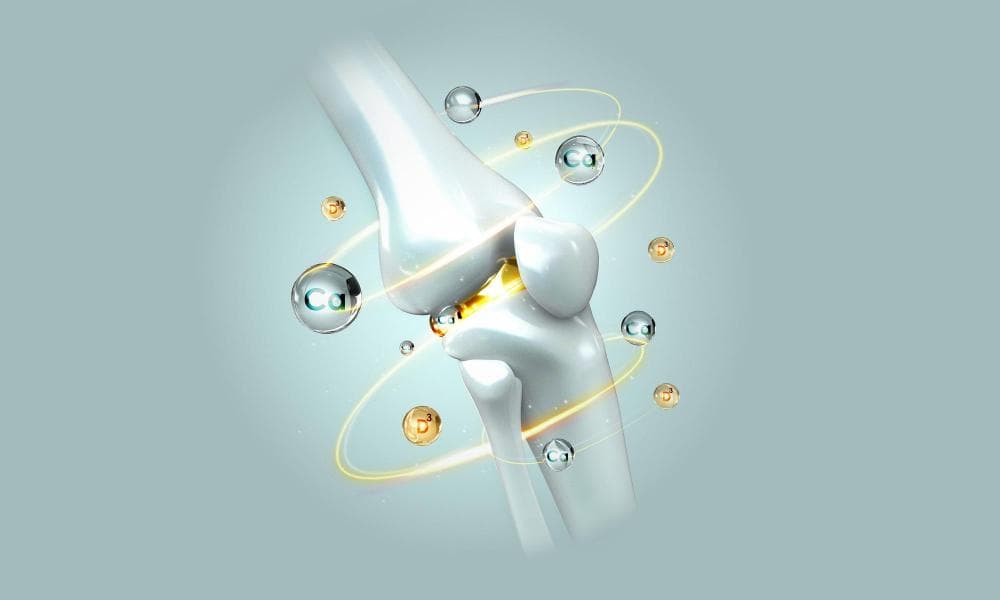
The reason behind calcific tendinitis is the formation of calcium deposits within the shoulder's tendons, resulting in a painful inflammatory condition. Rather than only managing the symptoms of your shoulder pain, we hope to educate you on the nature of this underlying cause and how you can best approach treatment for the condition.
This article will guide you through calcific tendinitis: what it is, why it causes constant shoulder pain, and when you should seek help from an orthopedist.
What Is Calcific Tendinitis?
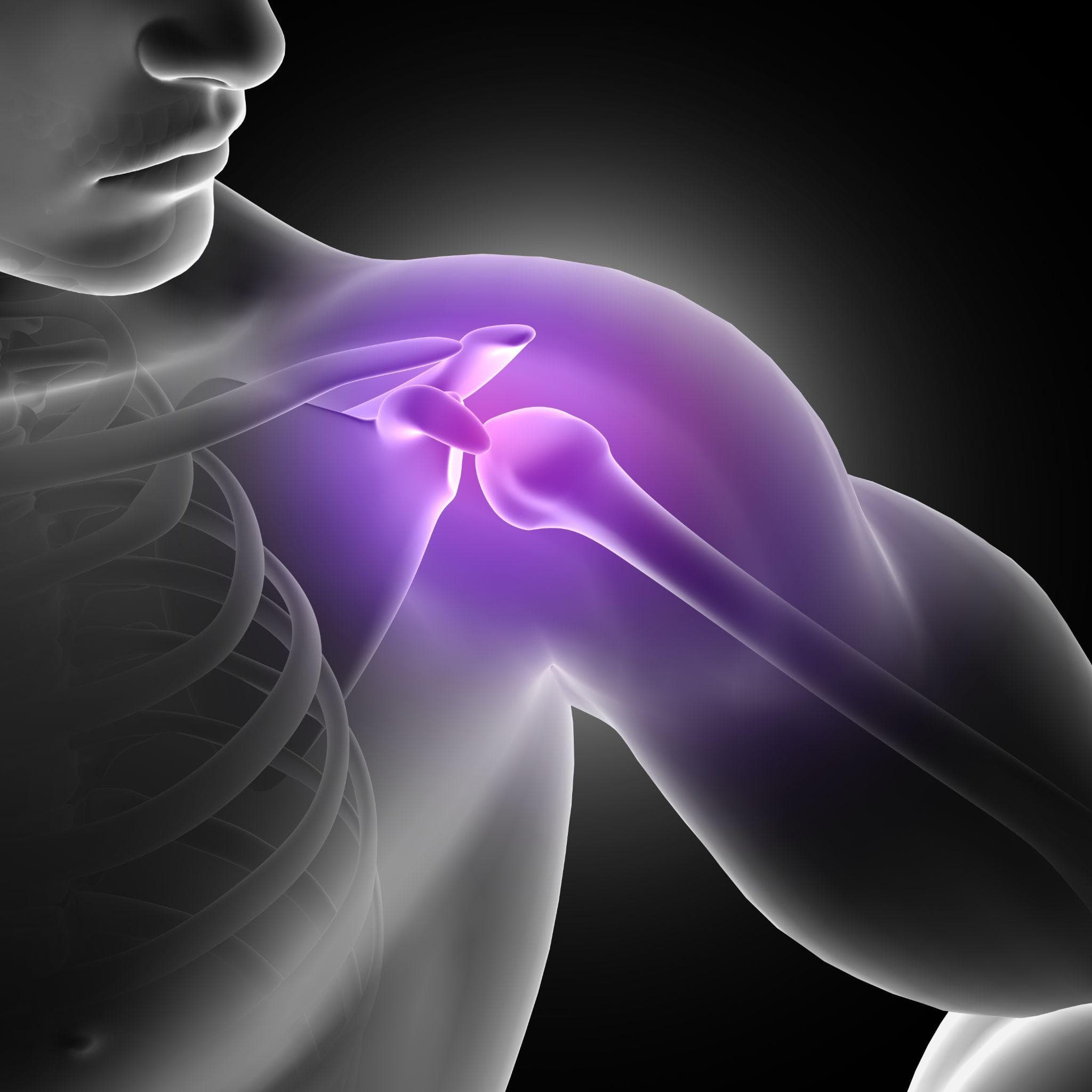
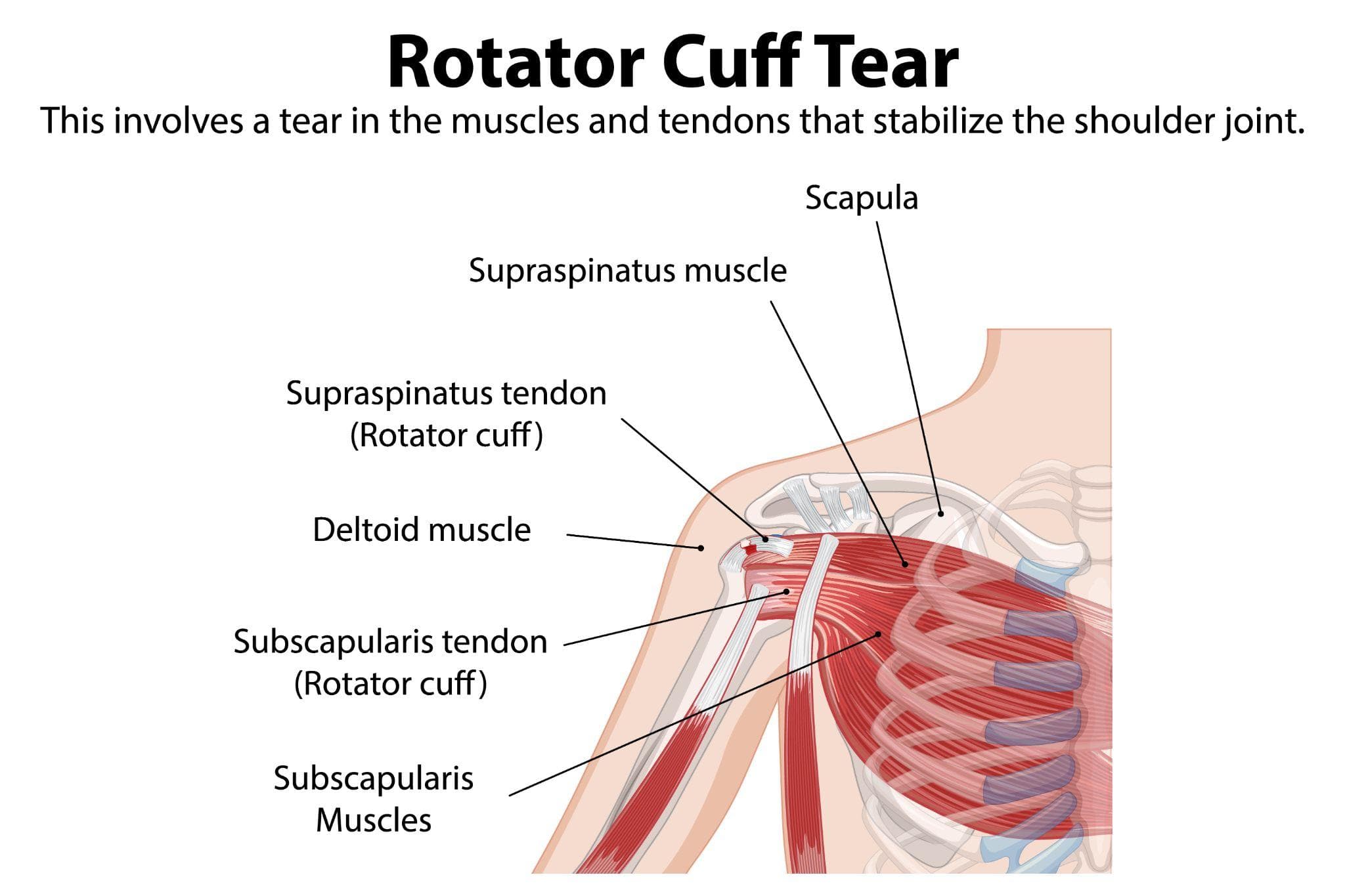
Calcific tendinitis is a condition that is a buildup of calcium within tendons, most commonly the rotator cuff tendons within the shoulder. As the calcium deposit is produced, it can begin to irritate surrounding structures, causing them to become inflamed, painful, and tender.
The strange thing about calcific tendinitis is that it seems to progress in stages.
Initially, the calcium deposits occur without causing pain, followed by stages of reaction to the deposit, causing inflammation and sharp pain, until the calcium may attempt to be reabsorbed by the body, causing the painful stages. Treatment aims at managing pain and increasing the range of movement so the body can heal itself naturally.
Why Shoulder Pain Doesn’t Go Away?
Calcific tendinitis is a major cause of prolonged shoulder pain:
- Calcium deposits lead to prolonged irritation. The calcium deposits constantly irritate the tendon, leading to repeated bouts of inflammation and pain.
- Inflammation can cause pain with a limited range of motion. Inflammatory tissue causes the shoulder joint to become stiff, and the movement of the shoulder may be accompanied by pain, limiting the range of motion.
- Pain can progress with time. From a mild discomfort at its initial onset, the condition may progress to significant and debilitating pain on lifting the arm or sleeping on the side with the affected shoulder.
- Late diagnosis allows the condition to progress further. Mimicking shoulder pain due to other conditions may lead to delayed diagnosis.
How Calcific Tendinitis Is Related To Other Shoulder Problems?
Calcific tendinitis may have an impact on surrounding tissues within the shoulder, which can give rise to, or aggravate, other shoulder conditions:
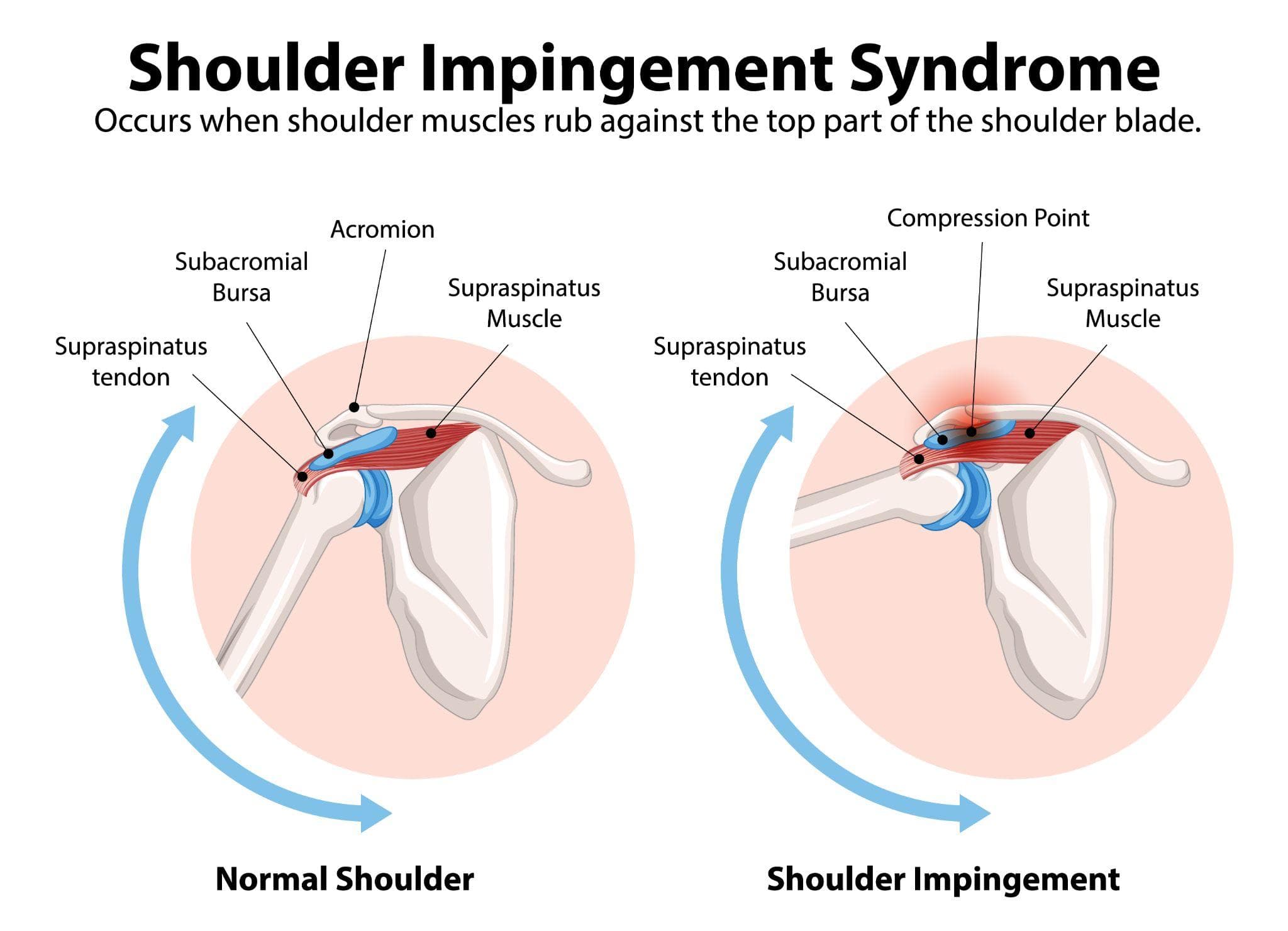
- Shoulder impingement - It is possible that the calcium deposits may cause friction in the shoulder, which may make arm movement painful.
- Rotator cuff tendinitis - The rotator cuff can become more inflamed and weakened due to the calcific tendinitis, therefore becoming painful.
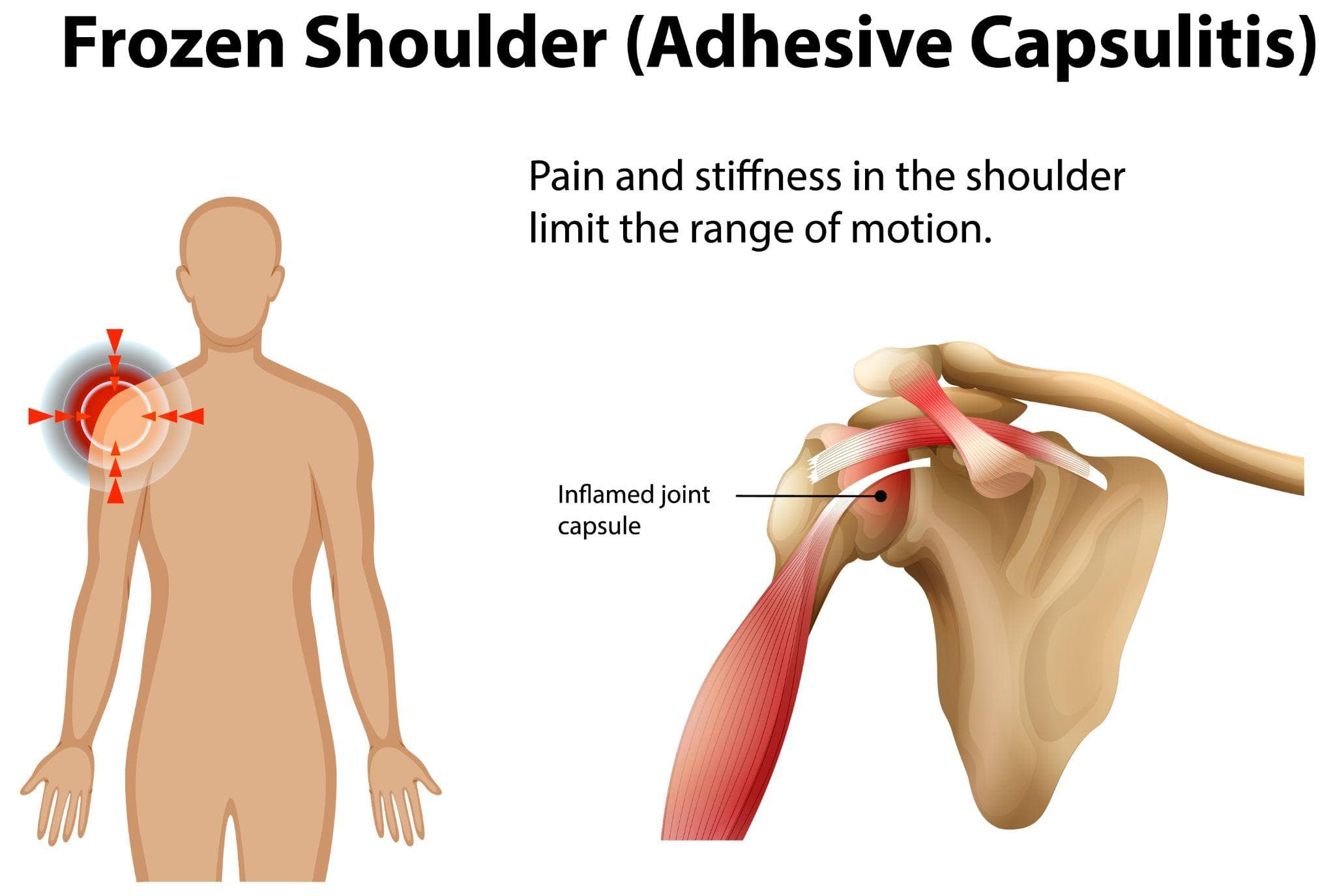
- Frozen shoulder - Over time, the increased pain could cause limitations in movement. If movement is not encouraged, this could lead to a frozen shoulder.
- Bursitis - The inflammation can easily spread to the bursa in the shoulder, causing it to be inflamed and painful.
In essence, Calcific Tendinitis begins in the tendon but could have the potential to involve the whole shoulder if left unchecked.
Common Symptoms Of Calcific Tendinitis
Although the symptoms will vary, some of the signs are quite common.
- Chronic shoulder pain - Pain that lasts for weeks or even months, which can sometimes get worse when carrying out an activity.
- Restricted range of shoulder movement - This may be accompanied by an inability to lift the arm high or to move the arm fully.
- A tight, restricted feeling in the shoulder - This may feel tighter or stiffer after lying down.
- Episodes of severe acute pain - These can come on when the body is attempting to absorb the calcified deposit.
- The pain wakes you during the night - Aching when sleeping on the affected shoulder is often exacerbated.
Causes And Risk Factors
The underlying cause of calcific tendinitis is not always identifiable, but several predisposing factors are well known. Generally, these factors all contribute, over time, to tendon degeneration with eventual deposition of calcium.
1. Age And Tendon Degeneration

A man is holding his shoulder in pain while working.
The condition typically occurs in the 30-60 age group. As we age, the tendons naturally undergo some degeneration and lose their elasticity and tensile strength, which puts them more at risk of damage, and degeneration is more likely to have already occurred in the tendons.
2. Repetitive Movements Of The Shoulder
Overuse of the arm, involving frequent overhead and repetitive shoulder movements, such as working at heights or any job that involves throwing, lifting, or reaching, will continually strain the tendons. Microscopic tears in the tendons will heal, and calcium will deposit during the healing process.
3. Reduced Tendon Blood Supply
Tendons of the shoulder, particularly the rotator cuff, have a relatively poor blood supply to them. Reducing the supply will limit the ability of the tendons to recover efficiently from repeated strain. This results in tissue damage and calcification of the affected area.
4. Sedentary Habits And Poor Posture
Lack of exercise will weaken the muscles in the shoulder region, and poor posture, such as shoulders forward or rounded with slouching, will strain the tendons more.
Other Predisposing Factors
In addition to the generally recognized causes, there are several additional factors that may predispose to the development of calcific tendinitis.
1. Hormonal And Metabolic Abnormalities
Several hormonal imbalances or metabolic disorders may contribute to abnormal processing of calcium within the body, which can sometimes precipitate calcium deposition in soft tissues such as tendons.
2. Prior Shoulder Injury
Previous injury to the shoulder could potentially compromise tendon structure. Following healing, the damaged area is then subject to damage from future calcification.
3. Genetic Factors
An inherent tendency to develop tendon problems may exist for some individuals as a result of genetic factors. This is often difficult to identify directly, although family history may be relevant.
4. Muscle Weakness And Imbalance
Insufficient strength or poor balance within the muscles around the shoulder would inevitably cause overstress on certain parts of the tendon, leading to damage.
Treatment Options For Calcific Tendinitis
The options for treating calcific tendinitis depend on the phase of calcific tendinitis, the amount of pain, and the limitation of shoulder movement. The excellent thing is that most patients are cured with non-surgical care if the condition is detected in time. Most patients suffering from calcific tendinitis are cured non-surgically.
Treatment for calcific tendinitis aims to reduce pain and inflammation and increase mobility of the shoulder. Surgery is typically only considered as a last resort or when the condition seriously impacts the ability to function.
1. Rest And Modification Of Activities
Allowing the shoulder time to heal is beneficial in such cases. Activities such as overhead movement of the shoulder, lifting heavy weights, etc., are to be avoided, that tends to increase the irritation. Completely avoiding any kind of shoulder movement is not good; it leads to stiffness.
2. Medication
Doctors recommend using painkillers or NSAIDs to alleviate the pain and swelling. These drugs generally offer temporary comfort and allow patients to perform the rehabilitation exercises easily.
3. Physiotherapy
Physiotherapy helps improve the range of motion of the shoulder, the strength of surrounding muscles, and increases flexibility. Through well-guided exercises, it decreases the stress on the tendon, thus preventing recurrence.
4. Shockwave Therapy
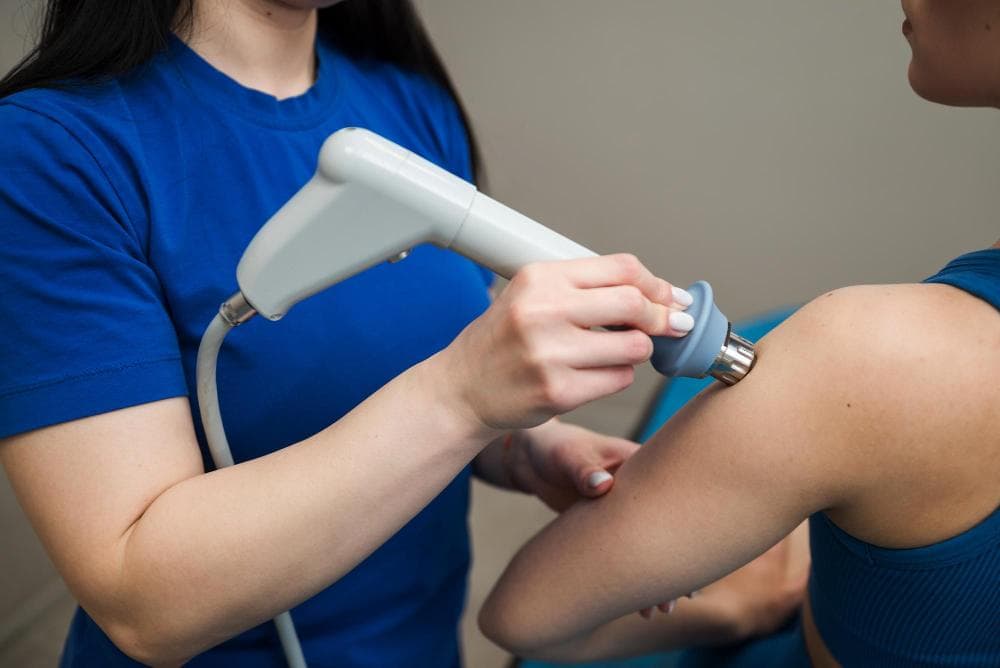
Shockwave therapy being applied to a patient’s shoulder.
This non-invasive therapy utilizes high-energy sound waves, which are directed towards the calcific deposit. This helps in breaking down the deposit into smaller particles that are absorbed by the body over a period of time. Shockwave therapy also helps in increasing blood flow and helps in healing the affected area.
5. Ultrasound Guided Procedure
In this method, the deposit is located with the use of an ultrasound and a needle, which helps in either aspirating out the deposits or injecting the fluid to flush the deposits out of the tendon.
6. Surgery
Surgery is usually only recommended in patients when the non-operative treatments have not worked or when symptoms severely affect daily functioning. It can be recommended in situations where:
- Pain is severe and chronic despite treatment.
- The range of motion is extremely restricted.
- The size of the calcium deposit is substantial, or it is not responding to treatment.
The procedure is usually performed as a minimally invasive (arthroscopic) procedure. Small instruments and a camera are used to identify and remove the calcium deposit, and any damaged tissue can be repaired at the same time.
Recovery from surgery generally involves rest and physiotherapy. Strength and range of movement are regained slowly over several weeks and months. It is generally possible for people to return to their normal activities in the weeks following recovery.
Consult with Dr. Mayank Chauhan in Noida for expert medical care of calcific tendinitis and get a well-directed orthopedic plan for the recovery.
When To See An Orthopedic Specialist
Some causes of shoulder pain are more significant than others.
- Persistent pain indicates that something more may need to be addressed.
- Pain is preventing movement that would otherwise seem effortless. Examples include reaching overhead to grasp a dish or putting on clothing.
- A very sudden and sharp pain may warrant a consultation with an orthopedic doctor. This pain is often worsening.
- The shoulder is stiff and can no longer move through a normal range.
Final Thoughts
Calcific tendinitis is no ordinary shoulder pain; it is a problem that often progresses silently and can have a debilitating effect if neglected. An early diagnosis, combined with the correct form of treatment, is crucial in managing this condition.
With prompt and correct treatment, a good prognosis is expected, and the patients regain full shoulder function without the risk of the condition recurring in the long run. Early management of calcific tendinitis, thus, not only serves to relieve the patient of pain but also prevents permanent complications and ensures that the full functionality of the shoulder joint is retained.
If you have a long-standing shoulder pain, visiting Dr. Mayank Chauhan in Noida would be a great relief, and would ensure the patient recovers faster, moves better, and leads a normal pain-free life again with adequate assessment and use of advanced treatment techniques.
Frequently Asked Questions (FAQs)
How long does calcific tendinitis persist?
This condition may persist for between a few weeks and a few months, depending upon the condition and any treatments.
Can calcific tendinitis be cured?
In some circumstances, yes, as the calcium deposits will eventually reabsorb into the body naturally.
Is calcific tendinitis very painful?
Yes, in some cases, this condition can result in sudden and very severe shoulder pain.
Is calcific tendinitis the same condition as a frozen shoulder?
No, this condition does not involve deposits of calcium, but a stiffening and tightening of the shoulder capsule.