A Complete Guide To Shoulder Impingement
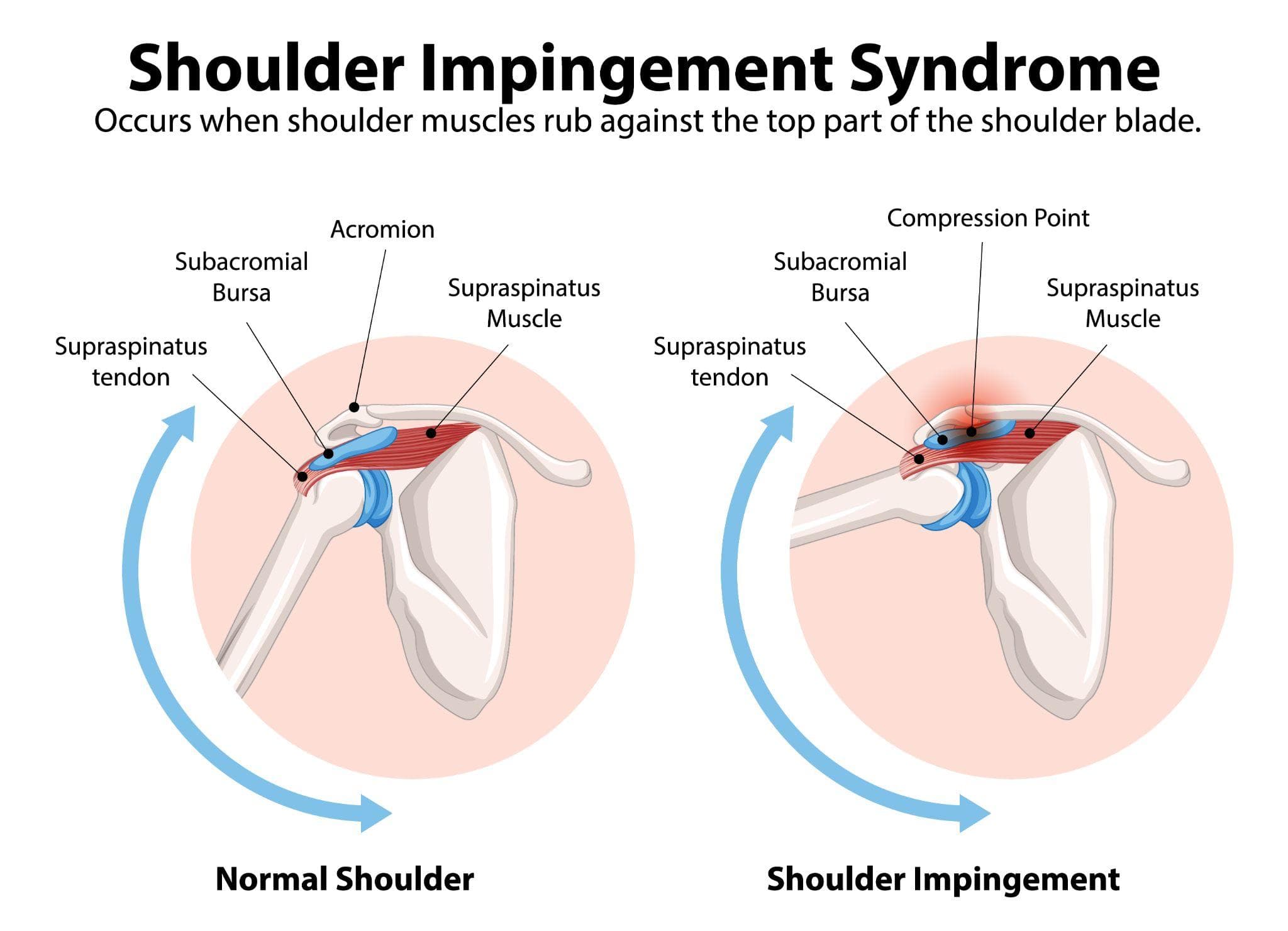
A diagram of comparison between a normal and impinged shoulder.
If your shoulder starts hurting when you lift your arm, there’s a good chance you’re dealing with shoulder impingement. It’s actually one of the top reasons adults end up with nagging shoulder pain, especially if you’re someone who spends a lot of time reaching overhead.
The rotator cuff tendons get squeezed between the bones in your shoulder. Do that over and over, and those tendons get inflamed and irritated. That’s when the pain kicks in. Ignore it, and things get worse. Suddenly, simple stuff like brushing your hair, grabbing something off a high shelf, or trying to sleep on your side turns into a real challenge. Your shoulder can even get weaker and stiffer.
So, let’s dig into what shoulder impingement actually is, why it happens, the signs to watch for, how you can treat it, and when it’s time to see an orthopedic specialist.
What Is Shoulder Impingement?
Shoulder impingement, or subacromial impingement syndrome, kicks in when the rotator cuff tendons get squeezed between the top of your upper arm bone and the acromion, which is part of your shoulder blade. Your shoulder’s built for movement, but that flexibility comes at a price. It’s easier to injure or destabilize this joint than you might think.
When the space between these bones tightens up thanks to things like inflammation, lousy posture, repetitive motions, or even just the way your bones are built, the tendons start rubbing against the bone every time you move your arm. That’s when you get:
- Pain
- Swelling
- Less mobility
- Sometimes your arm just feels weak
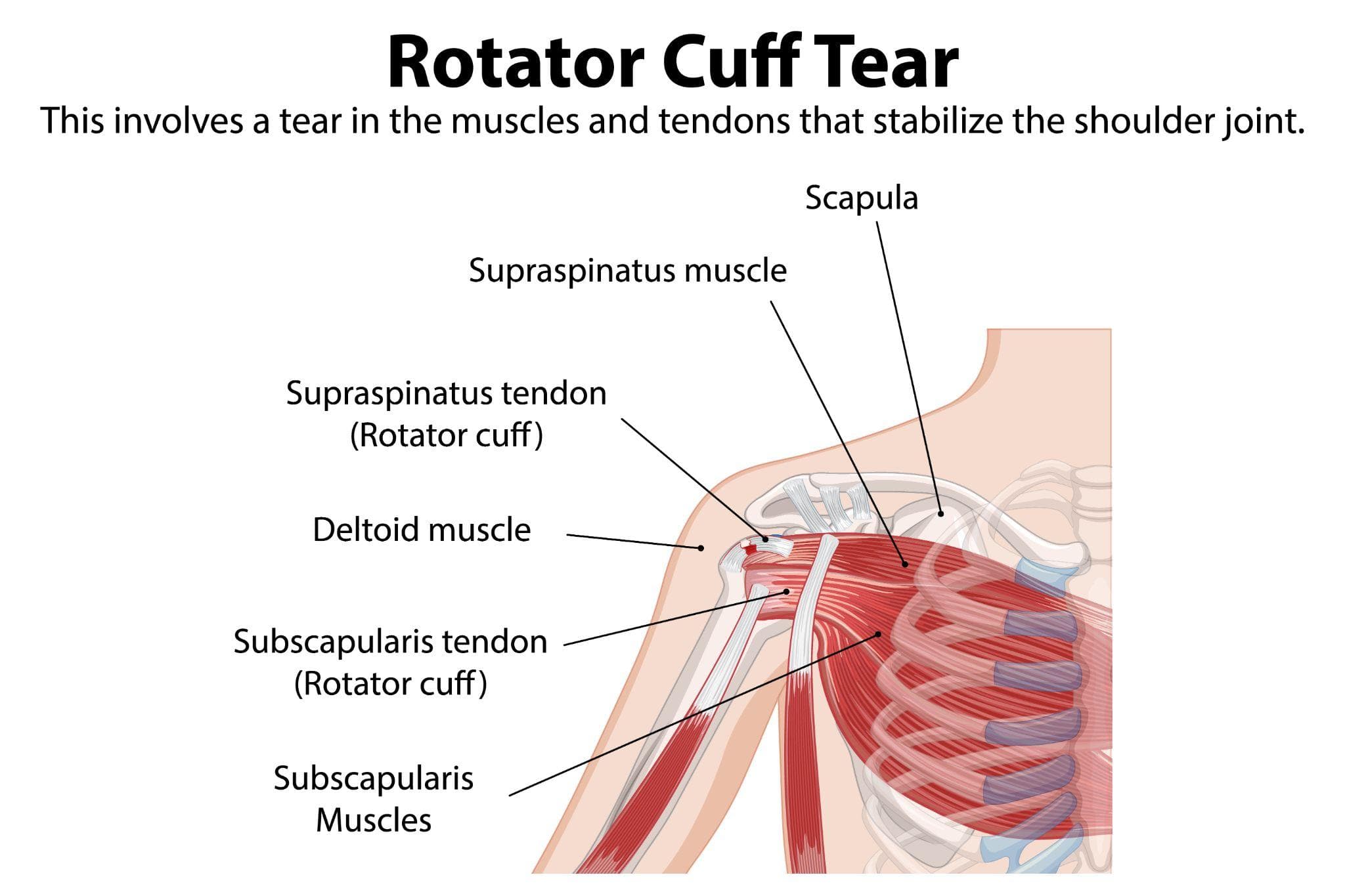
Leave it alone for too long, and it doesn’t just stay annoying. It can turn into a full-blown rotator cuff tear.
Causes Of Shoulder Impingement
Shoulder impingement doesn’t happen overnight and rarely just appears out of nowhere. It’s more of a slow build, often because of repeated strain or moving your arm the wrong way over and over.
1. Repetitive Overhead Activities
If you’re always reaching overhead, you’re in the danger zone. Swimmers, cricketers, tennis players, or anyone who’s lifting things above their head a lot are at risk.
2. Poor Posture
Posture plays a big part, too. If you tend to slump or let your shoulders round forward, you squeeze the space inside the joint, which means your tendons can get pinched.
3. Age-Related Changes
Getting older doesn’t help either. Over time, little bone spurs can form and crowd the area even more.
4. Muscle Imbalance
Muscle balance matters. When your rotator cuff or shoulder blade muscles are weak, your shoulder just doesn't move the way it should. That sets the stage for problems.
5. Previous Shoulder Injury
And if you’ve hurt your shoulder before, maybe a bad fall or a dislocation, that history bumps up your risk for impingement down the line.
Common Symptoms
Shoulder impingement usually sneaks up on you. At first, the pain feels mild, but it gets worse as time goes on.
- You might notice pain when you lift your arm out to the side or reach overhead.
- There’s a sharp jolt if you try to reach behind your back.
- The shoulder can feel weak, and sleeping on that side turns into a struggle.
- A dull ache often lingers in the front or side of the shoulder, and moving your arm gets harder.
If the pain sticks around for more than a week or two, don’t brush it off. It’s time to get it checked out.
How It Is Diagnosed?

A man is holding his shoulder in pain.
When you see an orthopedic specialist, they’ll start by checking:
- How does your shoulder look and feel?
- Then test your range of motion and strength.
- There are a few simple impingement tests they do in the office, these help narrow things down.
- Most of the time, you’ll get an X-ray, especially if they want to check for bone spurs.
- If there’s a chance you’ve torn your rotator cuff, they’ll order an MRI.
Getting a clear diagnosis means you’ll get the treatment that actually works.
Treatment Options For Shoulder Impingement
Treatment really depends on how bad things are and how long you’ve been dealing with symptoms. The good news is, most people get better with simple steps when they start early and stick with it.
1. Rest and Adjusting Activity
First off, cut back on anything that sets off the pain, like overhead reaching, heavy lifting, or sports that involve throwing. You don’t have to totally stop moving your shoulder, but giving it a break helps those irritated tendons calm down. Ice helps too. Just 15 to 20 minutes a few times a day can keep swelling in check, especially early on.
2. Physiotherapy
This is the heart of treatment. Physiotherapy isn’t just about easing pain; it gets to the root of what’s causing the problem in the first place. A good rehab plan usually covers:
- Strengthening your rotator cuff muscles
- Fixing your posture and upper back alignment
- Making your shoulder more stable
- Teaching your shoulder to move the right way again
Some exercises you’ll probably see:
- Pendulum swings for gentle movement
- Resistance band rotations
- Wall slides
- Scapular retraction
- Sleeper stretch
- Wall push-ups for safe strengthening
These moves take pressure off the joint and help keep the problem from coming back.
3. Pain Relief Medication
Short-term anti-inflammatories can take the edge off pain and swelling, which makes it easier to keep up with physio. Just keep in mind, they’re not a cure, more like a temporary boost.
4. Corticosteroid Injections
If the pain’s not letting up and swelling is a real issue, a steroid injection might be on the table. It gives short-term relief and helps rehab go more smoothly. Doctors usually avoid doing these too often.
5. Surgery (Rarely Needed)
Most people never need surgery, but if nothing’s working after three to six months of solid rehab, arthroscopic surgery is an option. That could mean clearing out bone spurs, making more room in the joint, or fixing torn tendons.
Getting checked out early and sticking with the right treatment goes a long way. It helps you avoid bigger issues like rotator cuff tears. For expert help and a plan tailored to you, reach out to Dr. Mayank Chauhan in Noida.
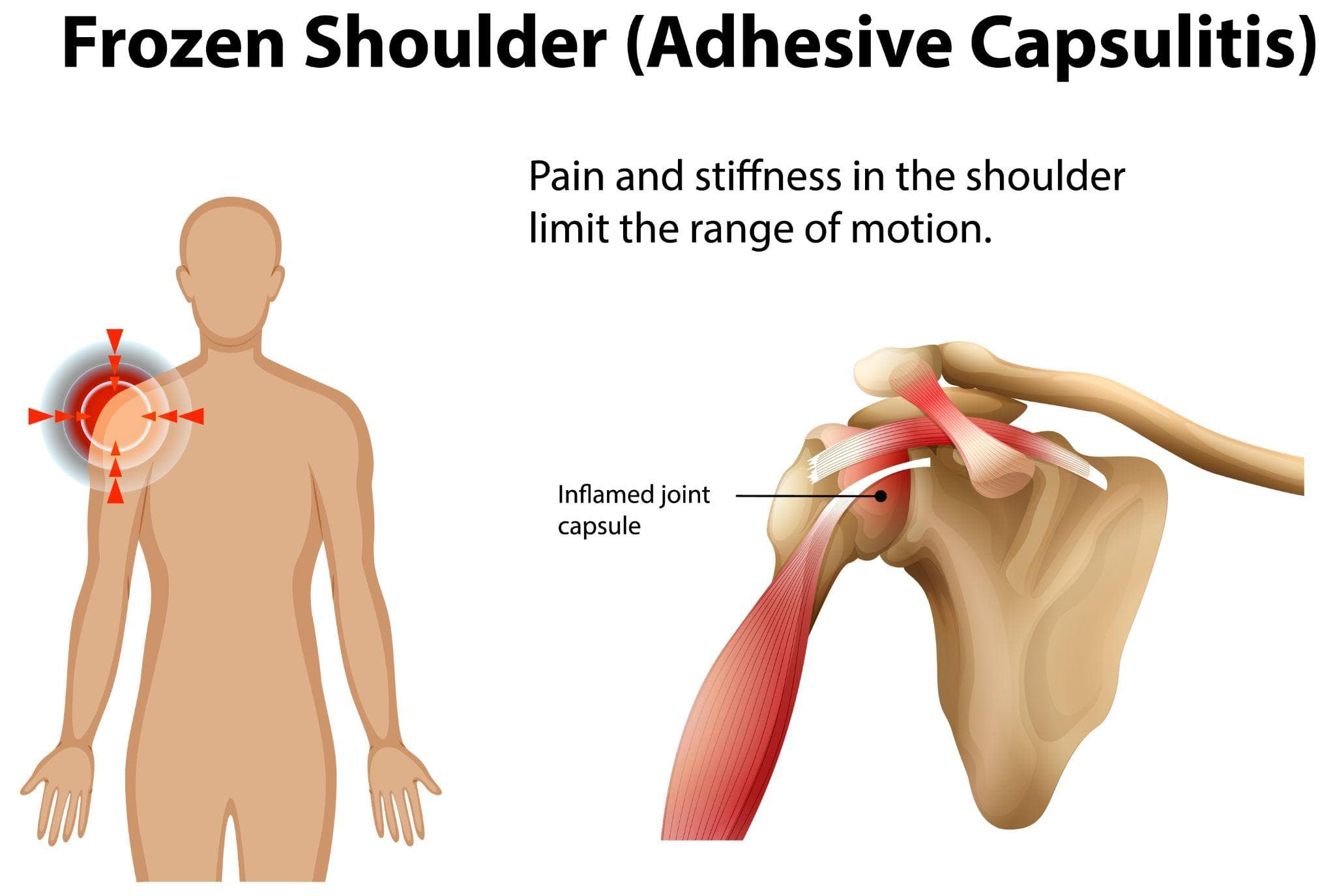
Shoulder Impingement Vs Frozen Shoulder
A lot of people mix up shoulder impingement and frozen shoulder, but they’re pretty different.
With shoulder impingement, the pain usually shows up when you move your arm. Frozen shoulder, on the other hand, locks up your whole shoulder, it's not just painful, it's stiff and hard to move in any direction.
Since they need different treatments, it’s important to see a professional and get the right diagnosis.
When To See An Orthopedic Specialist

A doctor is examining the shoulder of an elderly patient.
Don’t wait things out if:
- Your pain sticks around for more than two weeks.
- You notice your shoulder feels weak.
- Moving your arm gets tough or limited.
- The pain keeps you up at night.
- You’ve hurt your shoulder before.
Getting checked out early helps you avoid bigger problems, like rotator cuff tears or frozen shoulder.
Final Thoughts
Shoulder impingement might just feel like a little ache at first, but brushing it off can turn a small problem into ongoing pain or even real damage. Getting treatment early, doing the right physiotherapy, and working on your posture really pays off. Painkillers aren’t a real fix on their own. Tackling what’s actually causing the pain is what gets you true relief and helps your shoulder work as it should.
If shoulder pain is making daily life harder, don’t just put up with it. Reach out to Dr. Mayank Chauhan in Noida. You’ll get a clear diagnosis, a treatment plan that works, and real help getting your strength and movement back, so you can get back to living your life confidently.