Hip Replacement Surgery in Noida

Surgery to replace a worn or damaged hip joint with an implant, relieving pain and restoring movement for everyday life.

Hip Replacement Surgery in Noida

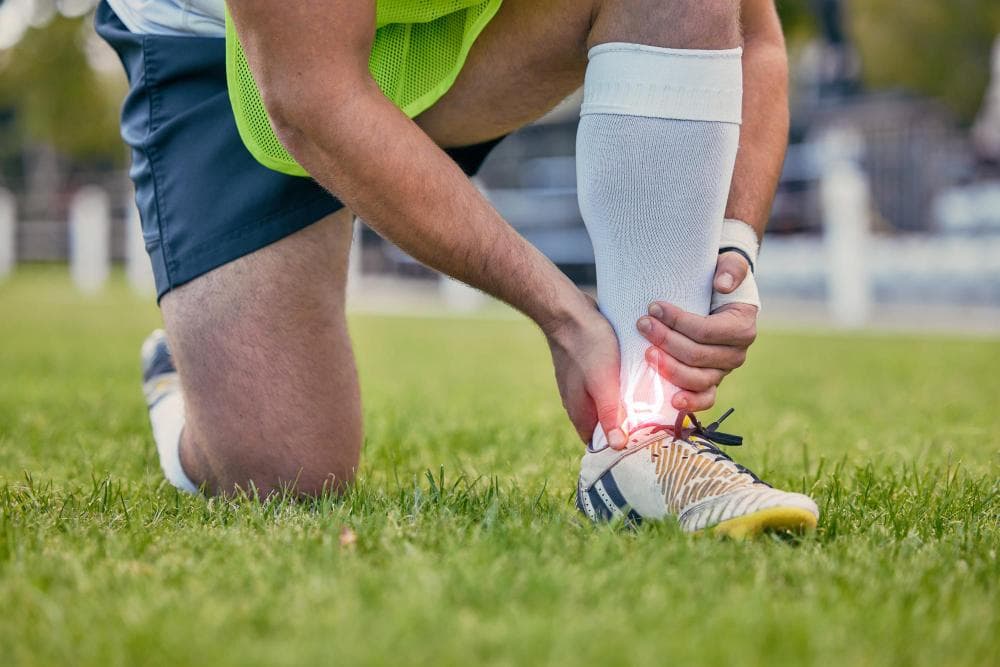
Hip replacement is a surgical procedure in which the damaged ball-and-socket of the hip joint is replaced with an artificial implant made of metal, ceramic, or high-grade polyethylene. It is usually recommended when chronic hip pain, stiffness, or limping no longer responds to medicines, physiotherapy, or lifestyle changes. The most common reasons are osteoarthritis, rheumatoid arthritis, avascular necrosis, and certain hip fractures, especially in older adults.

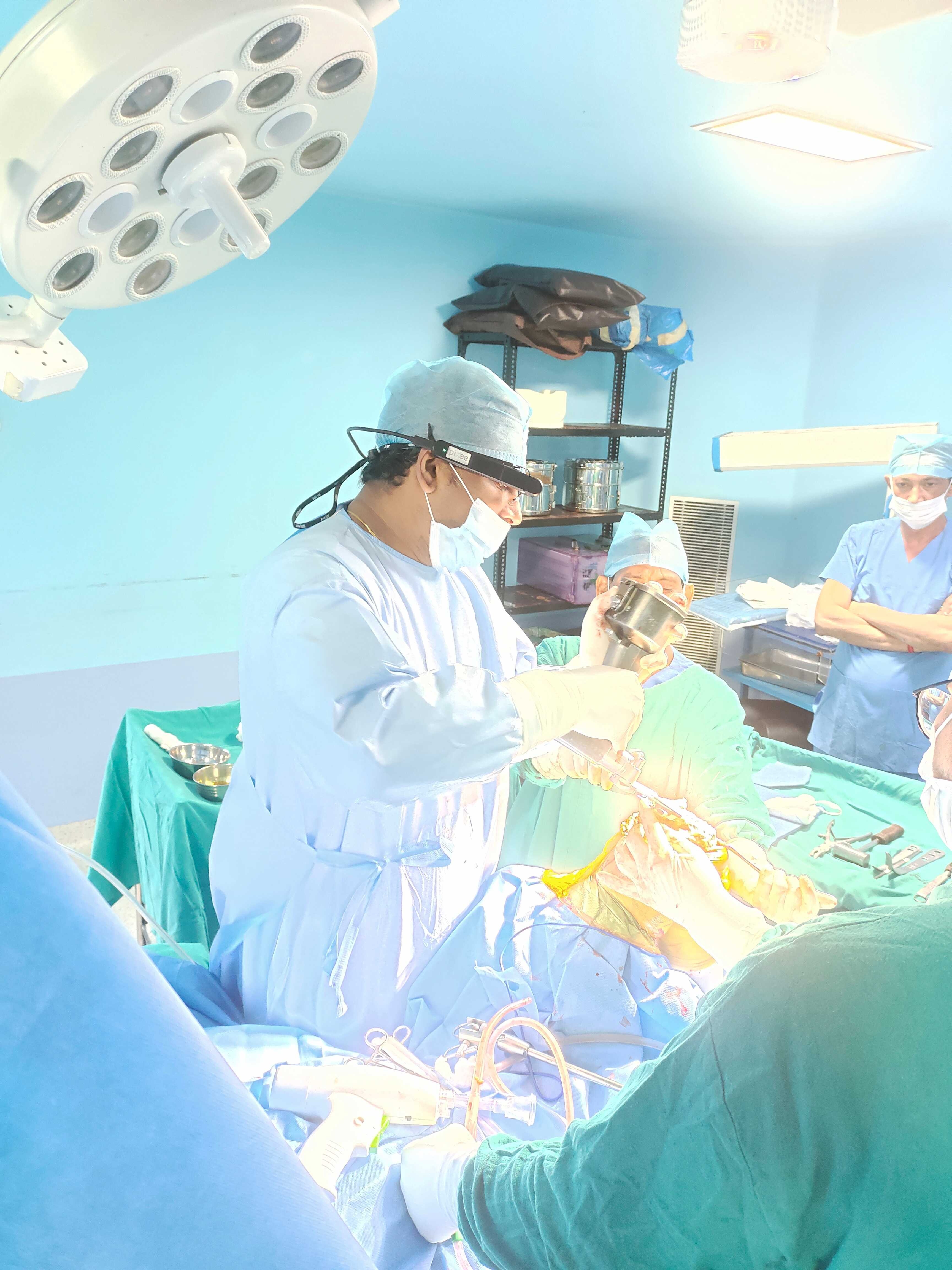
At Prakash Hospital, Noida, Dr. Mayank Chauhan begins with a detailed clinical examination and imaging to confirm whether surgery is genuinely needed and which implant suits your bone quality and activity level. Drawing on more than 15 years of experience and international fellowship training, he uses standard total hip replacement as well as tissue-sparing techniques where appropriate, with careful attention to implant positioning and leg-length balance. Each plan is tailored to the patient's age, weight, occupation, and how active they wish to stay after recovery.

Most patients are able to stand and take a few steps with support within a day or two of surgery, and pain from the worn joint typically settles soon after. A well-performed hip replacement can restore comfortable walking, sitting, and sleep, and modern implants are designed to last many years. Acting before the joint deteriorates further often makes surgery and rehabilitation smoother, which is why an early consultation is worthwhile if hip pain is limiting your daily life.


Hip Replacement treatment by Dr. Mayank Chauhan in Noida

Hip Replacement: Key Highlights

  • Hip replacement relieves long-standing hip pain when non-surgical treatment stops working.

  • Dr. Mayank Chauhan plans each surgery around your bone quality, age, and activity goals.

  • Most patients walk with support within a day or two and return to routine over a few weeks.

  • Performed at Prakash Hospital, Noida, with over 15 years of joint replacement experience.

Conditions We Treat

Hip replacement helps with a range of conditions that damage the hip joint and limit movement.

Osteoarthritis of the Hip

Age-related wear gradually thins the cartilage cushioning the hip joint. This causes deep groin or buttock pain, stiffness, and difficulty walking long distances.

Rheumatoid Arthritis

An autoimmune condition in which the body attacks the joint lining, leading to inflammation and erosion. Over time it can destroy the hip joint and reduce its range of motion.

Avascular Necrosis (AVN)

The blood supply to the femoral head is interrupted, causing the bone to weaken and collapse. It often affects younger adults and may follow steroid use, alcohol intake, or injury.

Hip Fractures

Fractures around the hip are common in older adults after a fall and may not heal with the natural joint intact. Replacement allows early movement and reduces complications from prolonged bed rest.

Post-Traumatic Arthritis

An old hip injury or fracture can damage the joint surface and lead to arthritis years later. The result is persistent pain and stiffness despite the original injury having healed.

Developmental Hip Conditions

Childhood hip problems such as dysplasia can leave the joint poorly shaped and prone to early wear. These patients often develop arthritis and pain in adulthood.

Types of Hip Replacement

Total Hip Replacement

Both the ball (femoral head) and the socket are replaced with artificial components. This is the most common option for advanced arthritis and severe joint damage.

Partial Hip Replacement

Only the ball portion of the joint is replaced while the natural socket is kept. It is often used for certain hip fractures in older patients.

Cemented Hip Replacement

The implant is fixed to the bone using a special surgical cement for immediate, secure hold. This approach often suits older patients or those with softer bone.

Uncemented Hip Replacement

A specially coated implant allows the patient's own bone to grow onto its surface for fixation. It is commonly chosen for younger, more active patients with strong bone.

Bilateral Hip Replacement

Both hips are replaced, either during the same operation or in two staged sessions. It is considered when arthritis significantly affects both sides.

Revision Hip Replacement

An earlier hip implant that has worn, loosened, or become infected is removed and replaced. This is a more detailed procedure planned around each patient's specific situation.

The Hip Replacement Procedure: Step by Step

Here is what to expect during a typical hip replacement surgery.

  1. 1

    A thorough evaluation with examination, X-rays, and blood tests confirms that surgery is appropriate and helps plan the implant.

  2. 2

    Anaesthesia is given, usually spinal or general, after a discussion with the anaesthetist about the safest option for you.

  3. 3

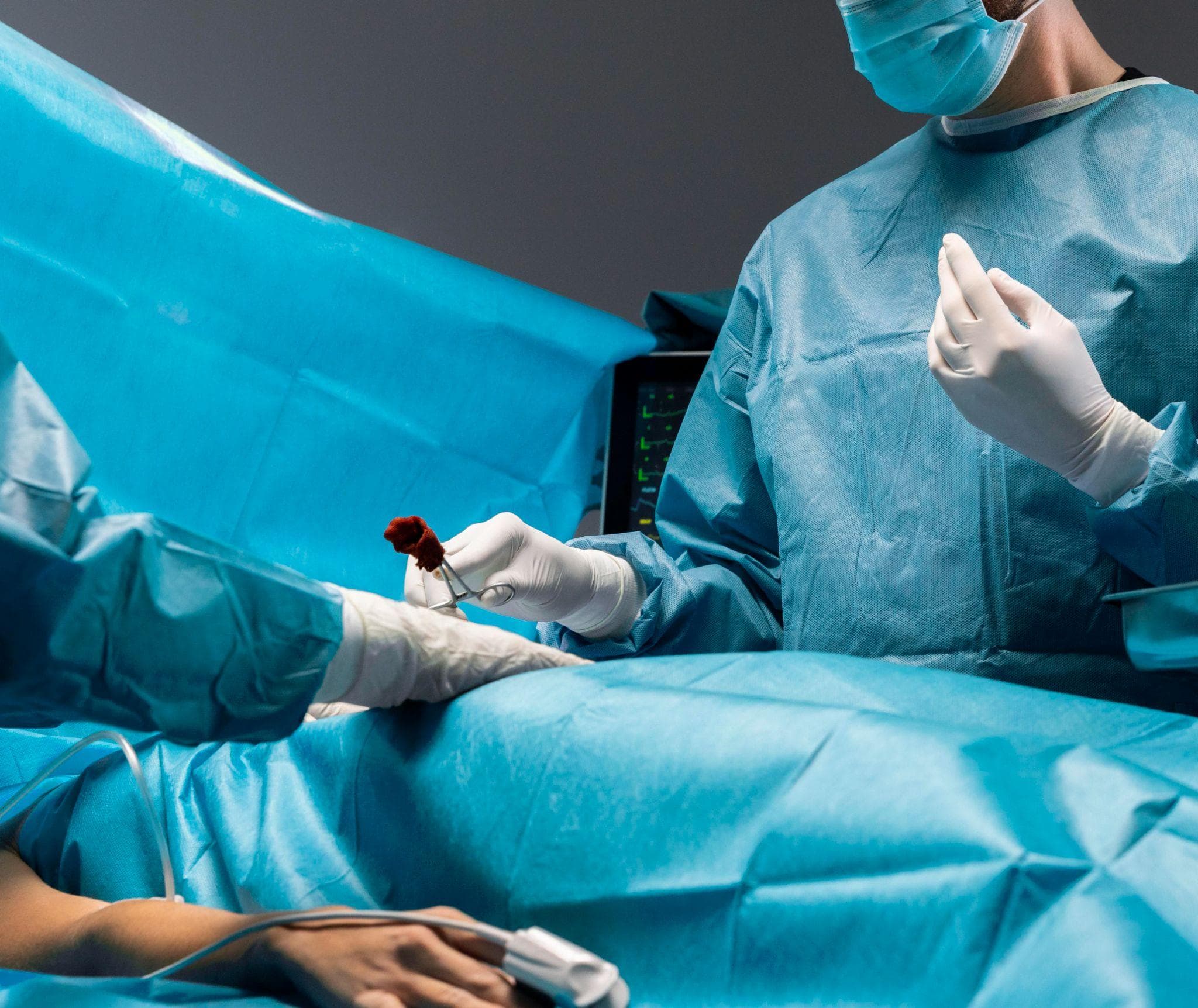
    Dr. Mayank Chauhan makes a measured incision to reach the hip joint while protecting the surrounding muscles and tissues.

  4. 4

    The damaged ball and the worn socket surfaces are carefully removed and prepared for the new components.

  5. 5

    The artificial socket and ball implant are positioned and secured, with leg length and stability checked before closing.

  6. 6

    The incision is closed in layers and dressed, and you are moved to recovery for close monitoring.

Recovery & Rehabilitation Timeline

  1. 1

    Day 1 to 2: Most patients begin standing and taking a few steps with a walker under guidance from the physiotherapy team.

  2. 2

    Week 1 to 2: You are usually discharged home, walking short distances with support and managing daily activities with care.

  3. 3

    Week 3 to 6: Walking distance and confidence improve, support is gradually reduced, and guided exercises strengthen the hip.

  4. 4

    Week 6 to 12: Many patients return to light routine work and comfortable daily movement, following precautions advised by Dr. Mayank Chauhan.

  5. 5

    3 to 6 months: Strength and stamina continue to build, and most people resume their normal active lifestyle with regular follow-up.

Why Choose Dr. Mayank Chauhan

  • More than 15 years of dedicated experience in orthopaedics and joint replacement surgery.

  • International fellowship training that informs his surgical technique and implant selection.

  • Thousands of orthopaedic procedures performed with a focus on safe, predictable outcomes.

  • Honest counselling on whether surgery is truly needed and which approach suits each patient.

  • Comprehensive care at Prakash Hospital, Noida, with structured physiotherapy and follow-up.

  • A reassuring, patient-first approach that explains every step in clear, simple language.

Success Highlights

  • Patients with long-standing arthritis regularly regain comfortable, pain-free walking after surgery.

  • Early mobilisation helps most patients take supported steps within a day or two of the operation.

  • Careful implant planning and follow-up support long-term function for everyday and work activities.

  • Consistent, individualised care delivered to patients across Noida and the surrounding region.

Expert Orthopaedic Care at Prakash Hospital, Noida

Dr. Mayank Chauhan brings over 15 years of clinical expertise to every procedure, combining advanced surgical techniques with a patient-centred approach. Each treatment plan is tailored to the individual's condition, lifestyle, and recovery goals to ensure the best possible outcomes.

At Prakash Hospital, Noida, we use the latest minimally invasive procedures and modern technology to reduce recovery time and improve surgical precision, supported by dedicated rehabilitation from diagnosis through complete recovery.

Frequently Asked Questions

How do I know if I need a hip replacement?

If you have persistent hip pain, stiffness, or a limp that limits walking, sleep, or daily tasks despite medicines and physiotherapy, it may be time to consider surgery. Dr. Mayank Chauhan will examine you and review your X-rays at Prakash Hospital, Noida, to advise whether replacement is the right step.

Is hip replacement surgery painful?

The surgery itself is done under anaesthesia, so you do not feel pain during the operation. Some discomfort afterwards is normal and is managed with medication, and most patients find it far less than the chronic pain they had before.

How long will my hip implant last?

Modern hip implants are designed to last many years, and a large number of patients enjoy good function for well over a decade or more. The exact lifespan depends on your age, weight, activity level, and how closely you follow the advised precautions.

How soon can I walk after hip replacement?

Most patients are helped to stand and take a few supported steps within a day or two of surgery. Walking distance and confidence then improve steadily over the following weeks with guided physiotherapy.

When can I return to normal activities and work?

Many patients resume light routine activities and desk-based work within about six weeks, depending on their recovery. More physically demanding work and full activity usually return over three to six months, following Dr. Mayank Chauhan's guidance.

Is hip replacement safe for older patients?

Hip replacement is commonly and safely performed in older adults, including after hip fractures, and often improves quality of life significantly. A careful pre-surgery assessment helps manage any other health conditions and keep the procedure as safe as possible.

Medical Health Tips & Info

Essential tips for joint care, injury prevention, and post-surgery recovery

Joint Care

Maintaining healthy joints requires regular low-impact exercise, proper nutrition, and weight management. Strengthening the muscles around your joints provides better support and reduces wear over time.

Injury Prevention

Warm up before physical activities, use proper form during exercise, and wear appropriate protective gear. Early attention to minor aches can prevent them from becoming serious orthopaedic conditions.

Post-Surgery Recovery

Follow your rehabilitation plan consistently, attend all follow-up appointments, and communicate any concerns with your doctor. Patience and commitment to physical therapy are key to optimal recovery outcomes.

Contact Information

Multiple ways to reach out and begin your journey to wellness

Emaildrmayank_06@yahoo.co.in
Prakash Hospital, NoidaD-12, 12A, 12B, next to ISKCON Temple Noida, Block D, Sector 33, Noida, Uttar Pradesh 201301
Consultation Hours10:00 AM to 08:00 PM (Mon - Sat) 10:00 AM to 02:00 PM (Sun)

Book an appointment

Fill out the form below and we'll get back to you within 24 hours

Latest Blogs

Insights and updates on orthopaedic health and wellness.

WhatsApp