Failed Previous Shoulder Surgeries: What Are Your Next Options?
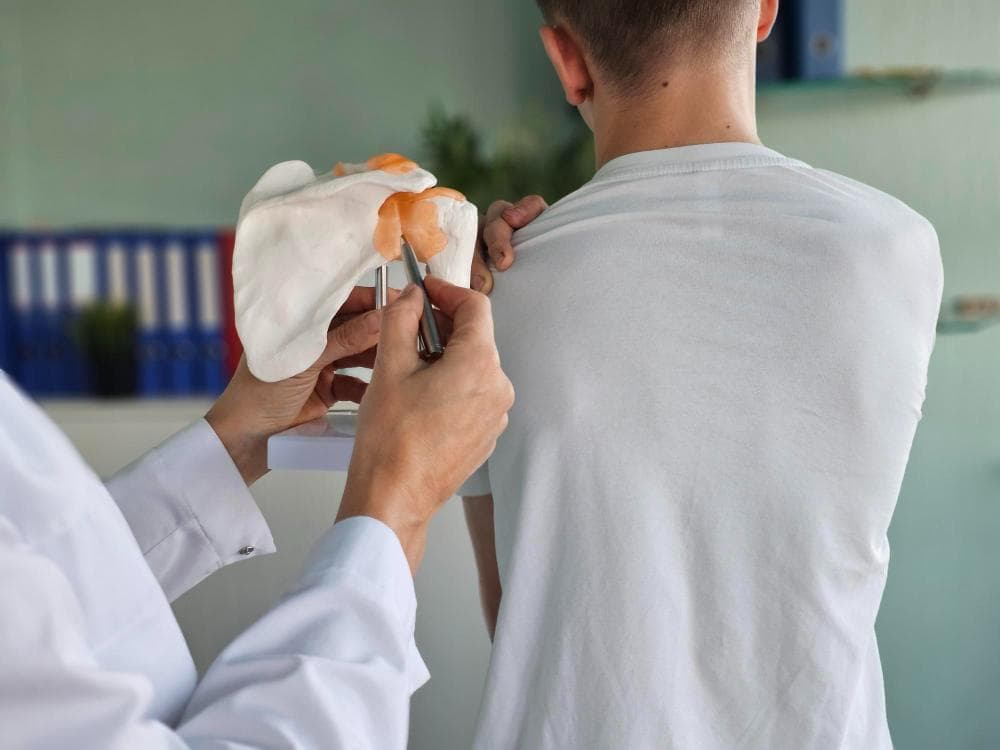
A doctor explains shoulder anatomy using a 3D model to a patient in a clinic setting.
Shoulder surgery is usually seen as the final step toward pain relief and better movement. But sometimes, things don’t go as planned. Even after surgery, some patients continue to deal with pain, stiffness, or weakness. That’s when it becomes a case of a failed shoulder surgery. It’s frustrating, no doubt. But the important thing to understand is that this isn’t the end of the road. There are still effective options available to fix the issue and restore function.
Failed shoulder surgeries can happen for different reasons, like improper healing, infection, implant issues, or even incorrect diagnosis in the first place. The key is identifying what went wrong and choosing the right next step. In this guide, let’s break down why shoulder surgeries fail, what signs to watch for, and what treatment options are available to get things back on track.
What Is A Failed Shoulder Surgery?
A failed shoulder surgery refers to a situation where the expected outcome of the procedure isn’t achieved. Instead of relief, the patient continues to experience pain, limited mobility, instability, or other complications. It doesn’t always mean the surgery itself was done incorrectly. Sometimes, the body doesn’t heal as expected, or new issues develop over time.
Common Reasons Why Shoulder Surgeries Fail?
Understanding the cause is the first step toward choosing the right treatment and avoiding repeat complications. Shoulder surgeries can fail due to a combination of biological, surgical, and lifestyle-related factors.
1. Incomplete Healing
Healing after shoulder surgery, especially in procedures like rotator cuff repair, depends heavily on tissue quality and blood supply. In some cases, the repaired tendon does not fully reattach to the bone or heals weakly. This is more common in older patients or those with large tears. As a result, pain and weakness may persist even after surgery.
2. Infection
Although relatively uncommon, infections can significantly impact surgical outcomes. Even a low-grade infection can cause ongoing pain, swelling, and stiffness. In severe cases, it may damage surrounding tissues or affect implants, requiring further treatment or revision surgery.
3. Implant Or Hardware Failure
In shoulder replacement or fixation procedures, the implanted components are designed to restore function. However, over time, these implants can loosen, shift, or wear out. Factors like excessive use, poor bone quality, or incorrect placement can increase the risk of failure, leading to pain and instability.
4. Scar Tissue Formation
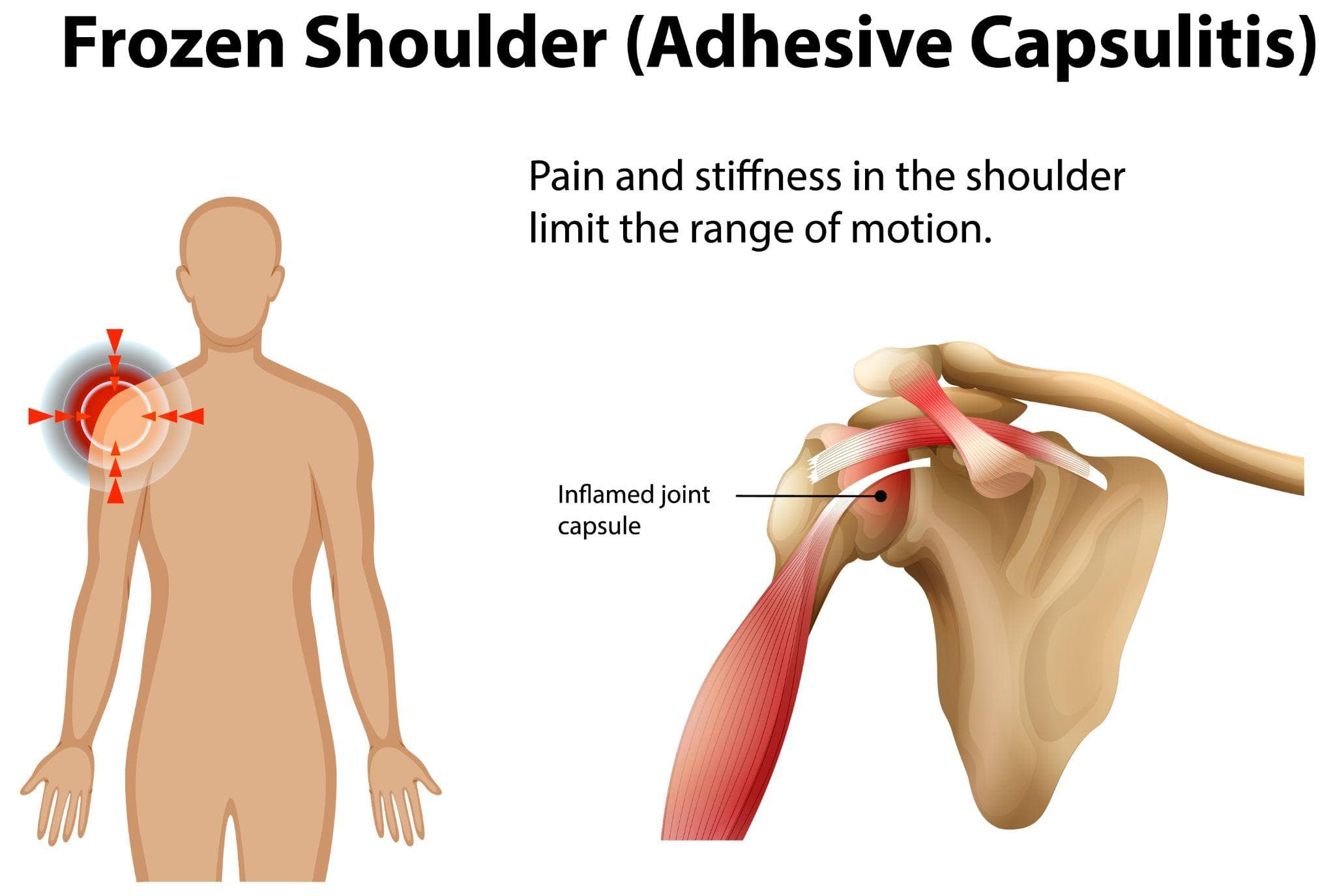
After surgery, the body naturally forms scar tissue as part of healing. But in some cases, excessive scar tissue builds up around the joint, limiting movement. This can lead to stiffness and a condition commonly referred to as frozen shoulder, where even simple movements become difficult and painful.
5. Incorrect Diagnosis Or Technique
If the initial diagnosis doesn’t fully capture the root cause of the problem, the surgery may not address the actual issue. Similarly, technical errors during surgery, such as improper tendon repair or implant positioning, can affect the outcome. This highlights the importance of accurate evaluation and surgical expertise.
6. Re-Injury Or Overuse
Recovery doesn’t end after surgery, as it heavily depends on proper rehabilitation. Returning to physical activity too soon or not following physiotherapy protocols can strain the healing tissues. This may cause the repair to fail or lead to new injuries, setting back recovery.
Signs That A Shoulder Surgery Has Failed
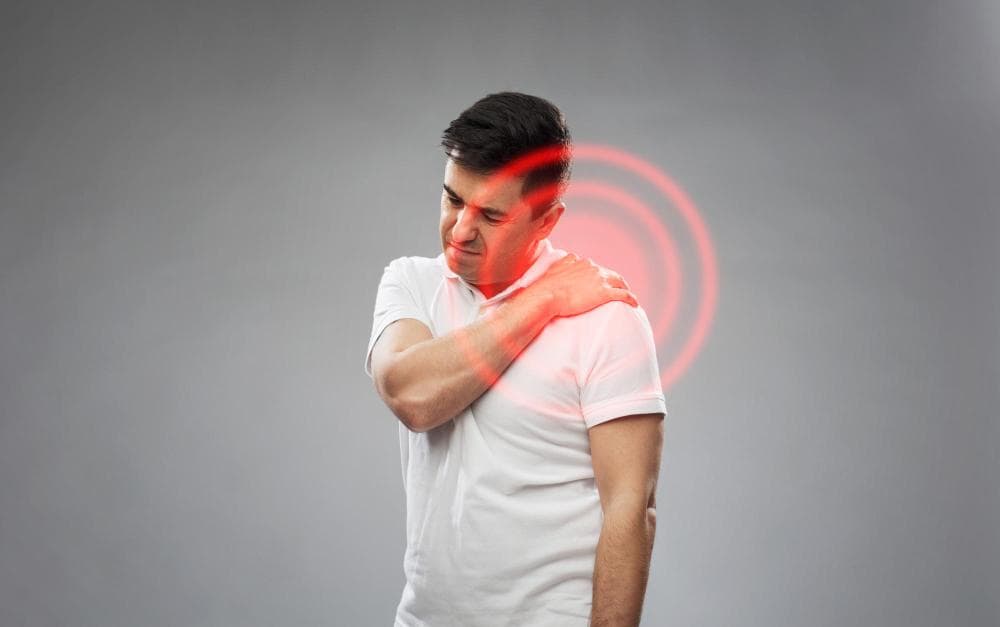
A man touches his shoulder in pain, with a red highlight indicating discomfort.
The body usually gives clear warning signs when something isn’t right.
- Persistent or increasing pain - Pain that doesn’t improve or worsens after recovery is a major red flag.
- Limited range of motion - If the shoulder feels stiff or movement is restricted, it indicates an underlying issue.
- Weakness in the arm - Loss of strength can suggest tendon failure or nerve involvement.
- Instability or clicking sensation - Feeling like the shoulder might slip out or hearing unusual sounds can point to structural problems.
- Swelling or redness - These could signal infection or inflammation that needs immediate attention.
Diagnostic Evaluation After Failed Surgery
Before deciding on treatment, a thorough evaluation is essential. Doctors typically use:
- Physical examination to assess movement and strength.
- Imaging tests like X-rays, MRI, or CT scans.
- Blood tests to rule out infection.
This helps pinpoint the exact cause of failure and guides the next step.
Non-Surgical Treatment Options
Not every failed shoulder surgery needs another operation. In many cases, the condition can still be managed effectively with conservative treatments that focus on reducing pain, improving movement, and restoring strength.
1. Physiotherapy And Rehabilitation
A structured physiotherapy program is often the backbone of recovery. It focuses on rebuilding shoulder strength, improving flexibility, and restoring proper joint mechanics. Therapists also correct movement patterns and posture, which helps reduce stress on the joint and prevents further damage. Consistency in rehab plays a major role in long-term success.
2. Medications
Anti-inflammatory medications and pain relievers are commonly used to control discomfort and swelling. These help patients stay active during recovery and participate more effectively in rehabilitation. In some cases, muscle relaxants may also be prescribed if there is significant stiffness.
3. Injections
Targeted injections can provide significant relief, especially when inflammation is a major concern. Corticosteroid injections help reduce swelling and pain, while regenerative options like PRP (Platelet-Rich Plasma) may support tissue healing in certain cases. These are usually recommended when symptoms don’t improve with basic treatment.
4. Activity Modification
Avoiding movements that strain the shoulder is crucial during recovery. This may include limiting overhead activities, heavy lifting, or repetitive motions. Simple changes in daily habits can prevent further irritation and give the joint time to heal properly.
5. Pain Management Therapies
Advanced pain management techniques like heat therapy, cold therapy, or ultrasound therapy can help reduce inflammation and improve blood circulation. These therapies are often used alongside physiotherapy to enhance recovery.
6. Strengthening Surrounding Muscles
Sometimes the issue isn’t just the shoulder joint but the muscles around it. Strengthening the rotator cuff and scapular (shoulder blade) muscles improves joint stability and reduces pressure on the injured area, leading to better function.
7. Posture Correction And Ergonomic Adjustments
Poor posture, especially in people who sit for long hours, can worsen shoulder problems. Correcting posture and making ergonomic changes at work or home helps reduce unnecessary strain and supports recovery.
8. Lifestyle Modifications
Maintaining a healthy weight, staying active within limits, and following a balanced diet can support healing. Good overall health improves the body’s ability to recover and respond to treatment.
Surgical Options (Revision Surgery)
If non-surgical treatments don’t provide relief, revision surgery may be the next step. The goal is to correct the underlying problem, reduce pain, and restore shoulder function as much as possible.
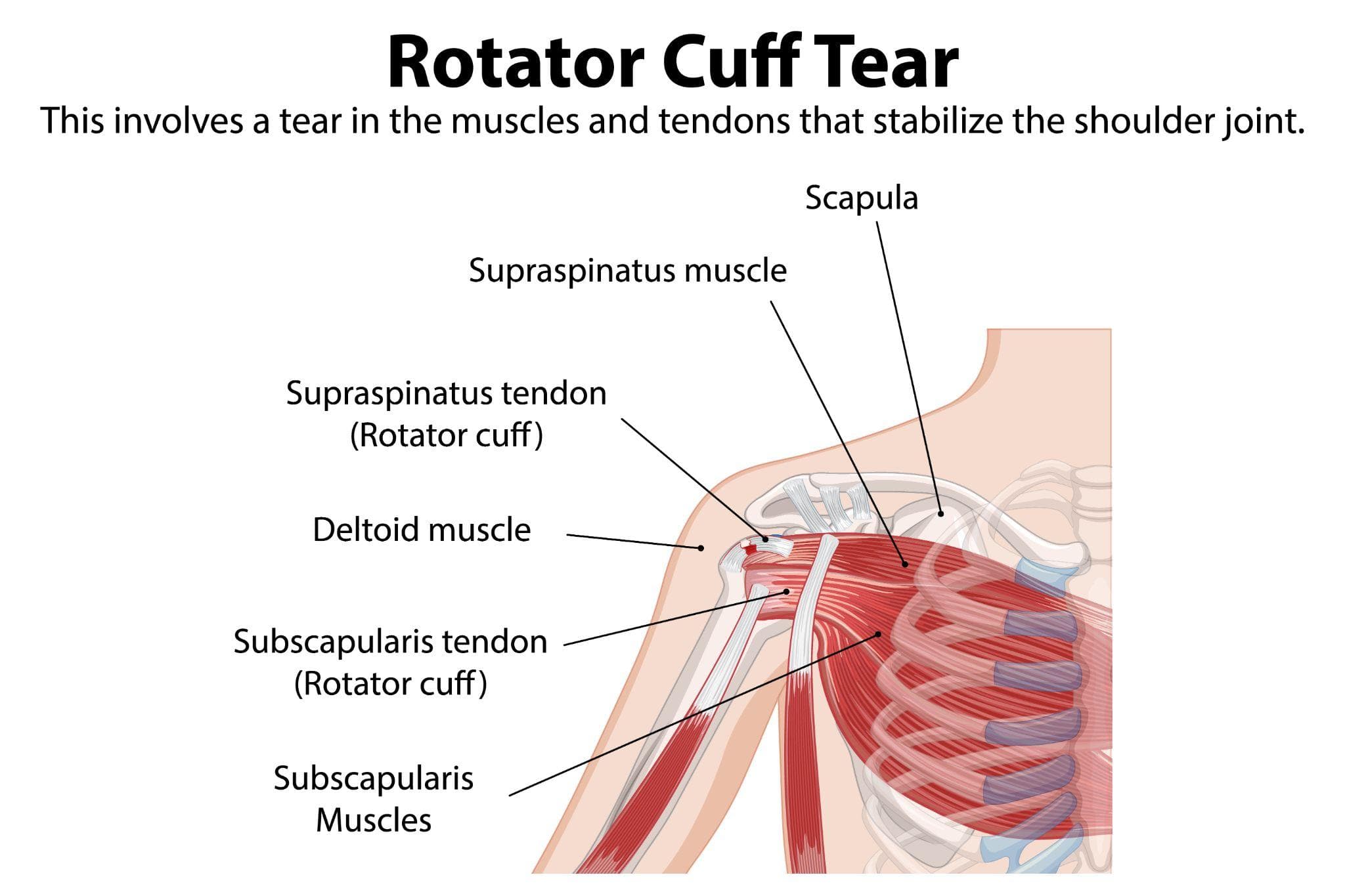
1. Revision Rotator Cuff Repair
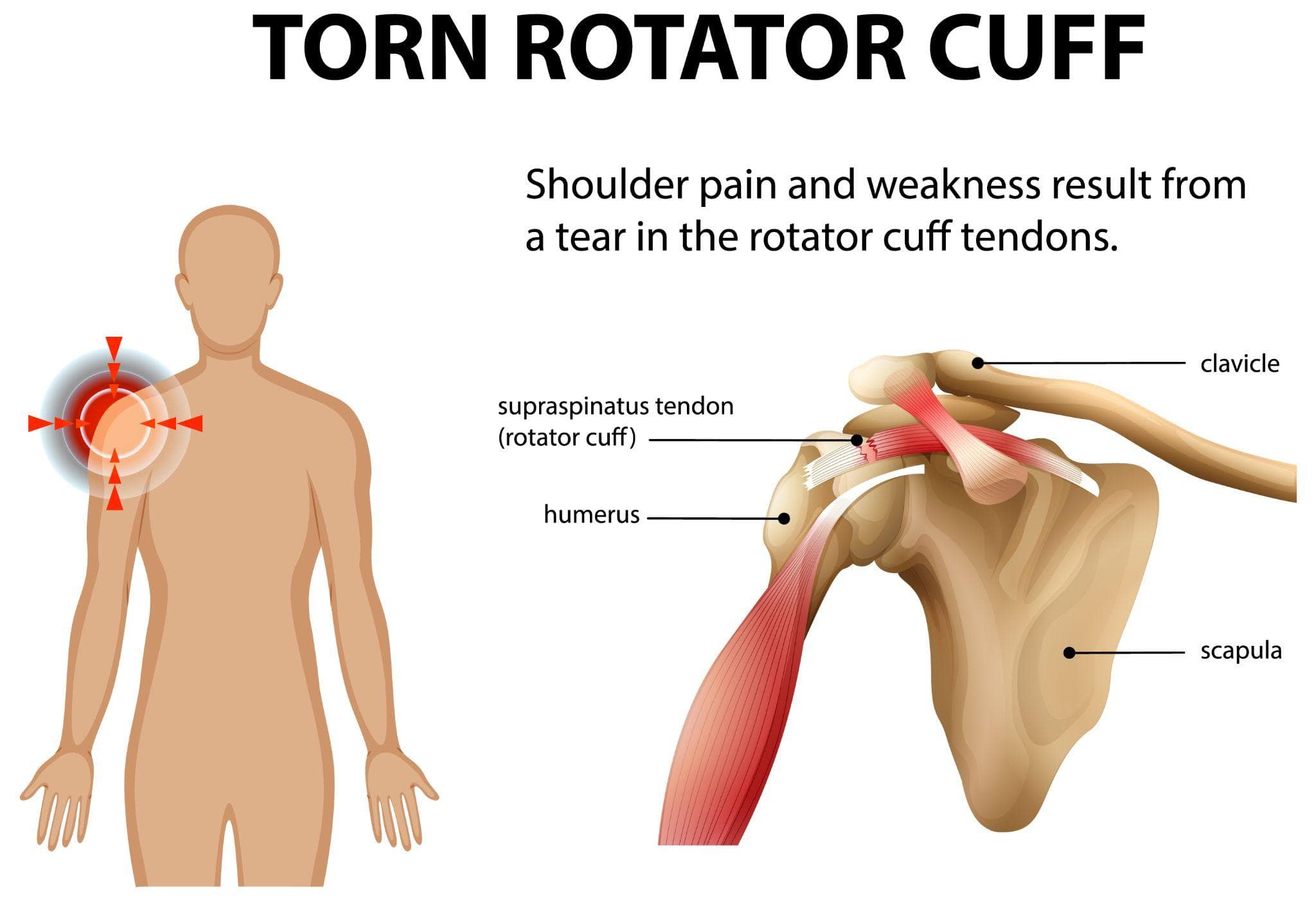
An illustration showing a torn rotator cuff, depicting the shoulder anatomy and areas of pain.
This involves reattaching or repairing the torn tendon. It is considered when the initial repair hasn’t healed properly. The success often depends on tendon quality and how much damage is present.
2. Shoulder Replacement Revision
In cases where a previous shoulder replacement has failed, the implant may need to be adjusted or replaced. This surgery focuses on restoring joint alignment, stability, and reducing pain caused by loosening or wear of the implant.
3. Arthroscopic Surgery
A minimally invasive approach using small incisions and a camera. It is often used to remove scar tissue, clean the joint, or address minor structural issues, leading to quicker recovery compared to open surgery.
4. Tendon Transfer Surgery
When the original tendon is too damaged to repair, nearby tendons are repositioned to take over its function. This helps restore movement and strength, especially in complex cases.
5. Capsular Release Surgery
This procedure is used when excessive stiffness or frozen shoulder limits movement. Tight joint capsules are released to improve the range of motion and reduce pain.
6. Bone Grafting (If Required)
In cases of bone loss or implant loosening, bone grafts may be used to rebuild and strengthen the joint structure before or during revision surgery.
7. Reverse Shoulder Replacement
In certain complex cases, especially when rotator cuff muscles are severely damaged, a reverse shoulder replacement may be recommended. It changes the mechanics of the joint to allow better movement using different muscles.
Revision surgeries are more complex than primary procedures, but with proper planning and rehabilitation, they can significantly improve pain, mobility, and overall quality of life. For the right outcome, expert evaluation is key. Dr. Mayank Chauhan in Noida offers advanced care for complex and failed shoulder surgeries, focusing on accurate diagnosis and personalised treatment plans.
With a patient-centric approach and evidence-based techniques, the goal is simple: to help patients regain strength, restore movement, and return to a pain-free life with confidence.
Factors That Affect Recovery After Revision
Recovery depends on multiple factors:
- Age and overall health
- Severity of damage
- Type of revision surgery
- Commitment to rehabilitation
A well-planned rehab program plays a huge role in successful recovery.
When To Consult An Orthopedic Specialist
It’s important not to ignore ongoing symptoms.
- If discomfort continues for months, it needs evaluation.
- Lack of progress despite rehab is a concern.
- Simple tasks like lifting or reaching becoming difficult are a sign to seek help.
- Previous surgery resulted in unsatisfactory results, so a second opinion can help identify what went wrong.
Final Thoughts
A failed shoulder surgery can feel like a setback, but it’s not the end of recovery. With the right diagnosis and treatment plan, patients can still regain strength, mobility, and comfort. Early intervention makes a big difference. The sooner the issue is addressed, the better the chances of recovery.
For expert evaluation and personalized treatment, consulting an experienced orthopedic specialist is crucial. Dr. Mayank Chauhan in Noida offers advanced care for complex shoulder conditions, focusing on accurate diagnosis, effective treatment, and long-term recovery, and helping patients get back to pain-free movement with confidence.
Frequently Asked Questions (FAQs)
1. What causes shoulder surgery to fail?
Shoulder surgery can fail due to poor healing, infection, implant issues, or incorrect diagnosis.
2. Can a failed shoulder surgery be corrected?
Yes, both non-surgical treatments and revision surgeries can help fix failed outcomes.
3. How do I know if my shoulder surgery failed?
Persistent pain, stiffness, weakness, or instability are common warning signs.
4. Is revision shoulder surgery successful?
Yes, with proper diagnosis and rehabilitation, revision surgery can significantly improve outcomes.