Total Shoulder Replacement Explained: When Is It Needed?

A man holds his shoulder in discomfort, viewed from behind against a gray background.
Shoulder pain can go from something occasional to something that makes even simple movements feel difficult. When medications, rest, and physiotherapy stop working, surgical options may come into the picture. One of the most effective solutions for severe joint damage is total shoulder replacement.
Many people assume surgery is the first option, but that’s not the case. It is usually considered only when the joint is significantly damaged, and the quality of life is affected. Total shoulder replacement helps reduce pain, restore function, and improve overall mobility.
In this guide, let’s understand what total shoulder replacement is, when it becomes necessary, and what one can expect from the procedure and recovery.
What Is Total Shoulder Replacement?
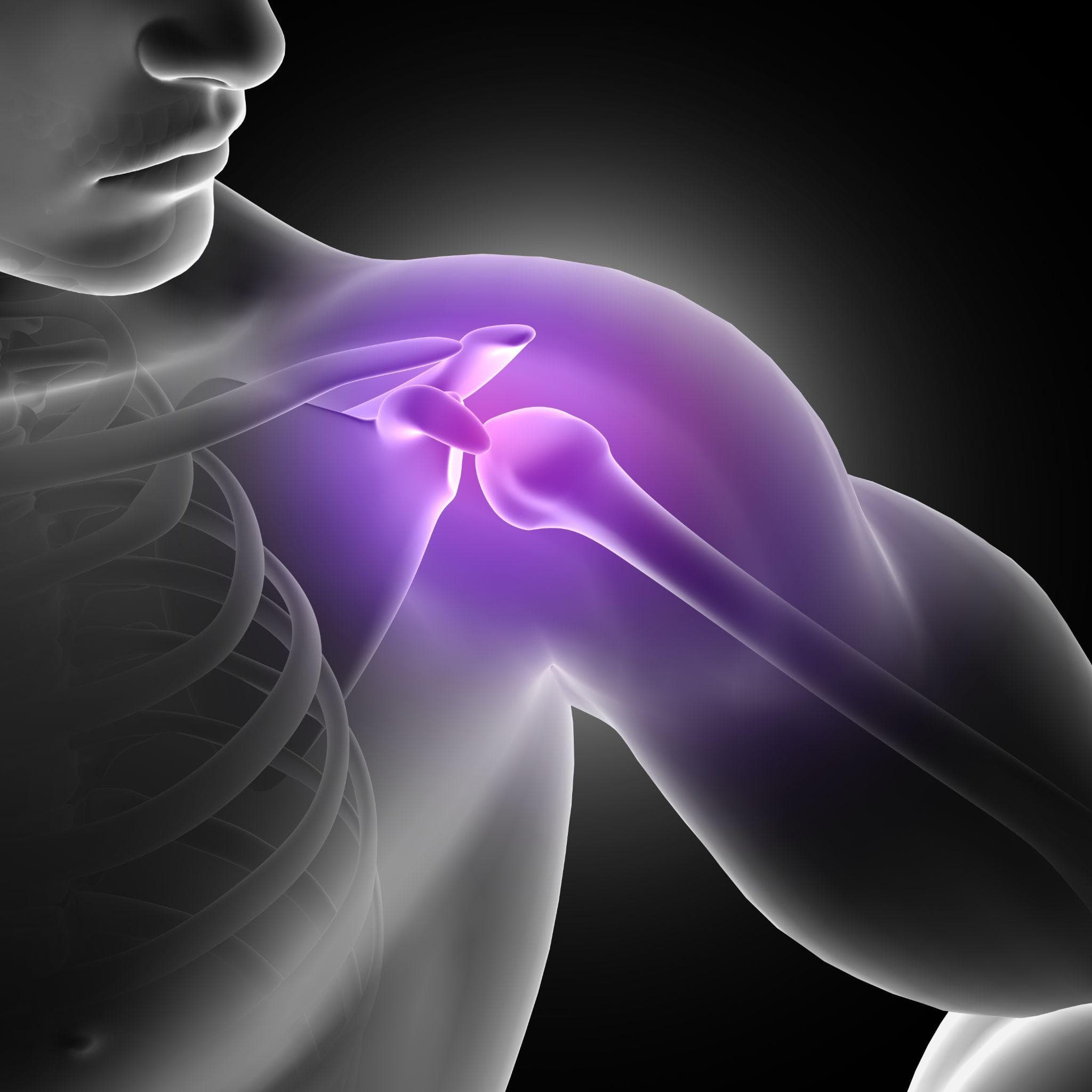
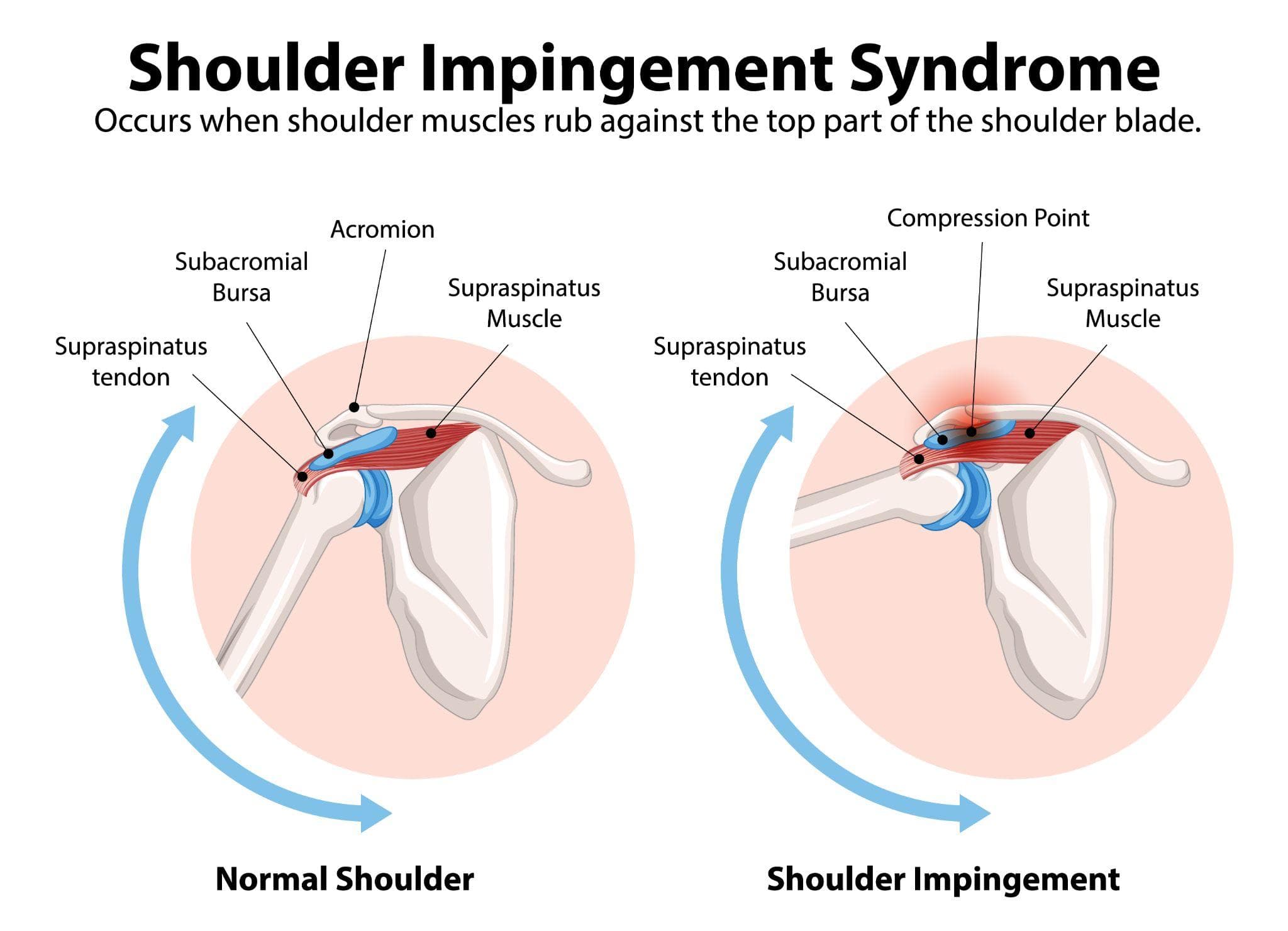
Total shoulder replacement, also known as shoulder arthroplasty, is a surgical procedure where damaged parts of the shoulder joint are replaced with artificial components. The shoulder is a ball-and-socket joint. In this surgery:
- The damaged ball (humeral head) is replaced with a metal ball
- The socket (glenoid) is replaced with a smooth plastic surface
This artificial joint helps restore smooth movement and significantly reduces pain caused by friction and joint damage.
When Is Total Shoulder Replacement Needed?
Doctors usually recommend this procedure when non-surgical treatments fail to provide relief. It is not the first line of treatment, but it becomes necessary in advanced conditions.
1. Severe Osteoarthritis
Wear and tear over time can damage cartilage, leading to bone-on-bone friction, stiffness, and chronic pain.
2. Rheumatoid Arthritis
An autoimmune condition that causes inflammation and joint destruction, making movement painful and limited.
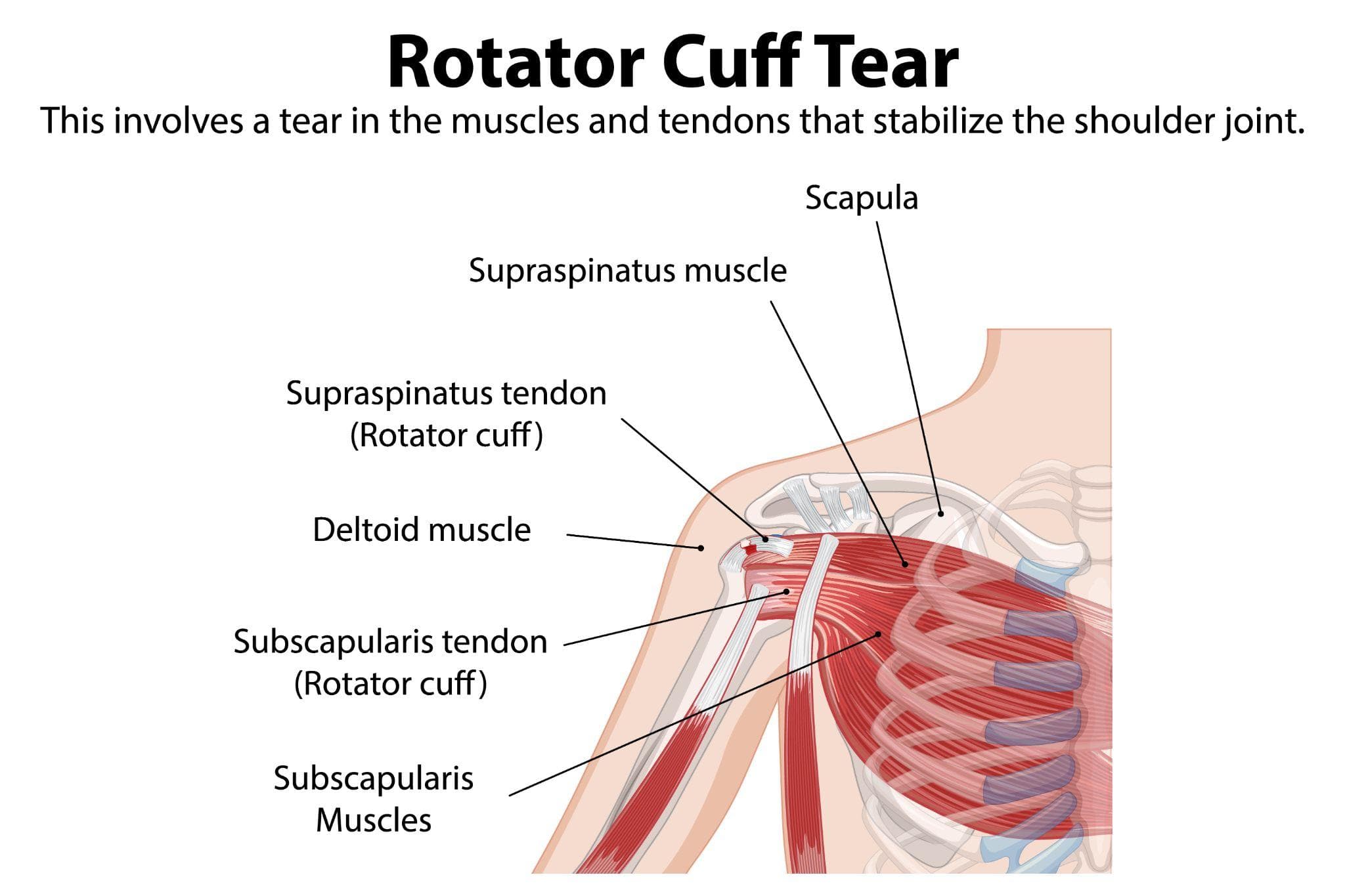
3. Rotator Cuff Tear Arthropathy
A combination of rotator cuff damage and arthritis that leads to joint instability and weakness.
4. Complex Fractures
Severe shoulder fractures, especially in older adults, may not heal properly and require joint replacement.
5. Avascular Necrosis
Loss of blood supply to the bone leads to bone collapse and joint damage.
6. Persistent Pain And Limited Mobility

A man in a suit sits at a desk, grasping his shoulder in pain.
When pain interferes with daily activities like dressing, lifting, or even sleeping, and other treatments fail, surgery may be considered.
Signs That Indicate You May Need Surgery
The body often gives clear signals when the joint condition is serious.
- Chronic shoulder pain that does not improve with medication
- Difficulty in lifting the arm or performing overhead activities
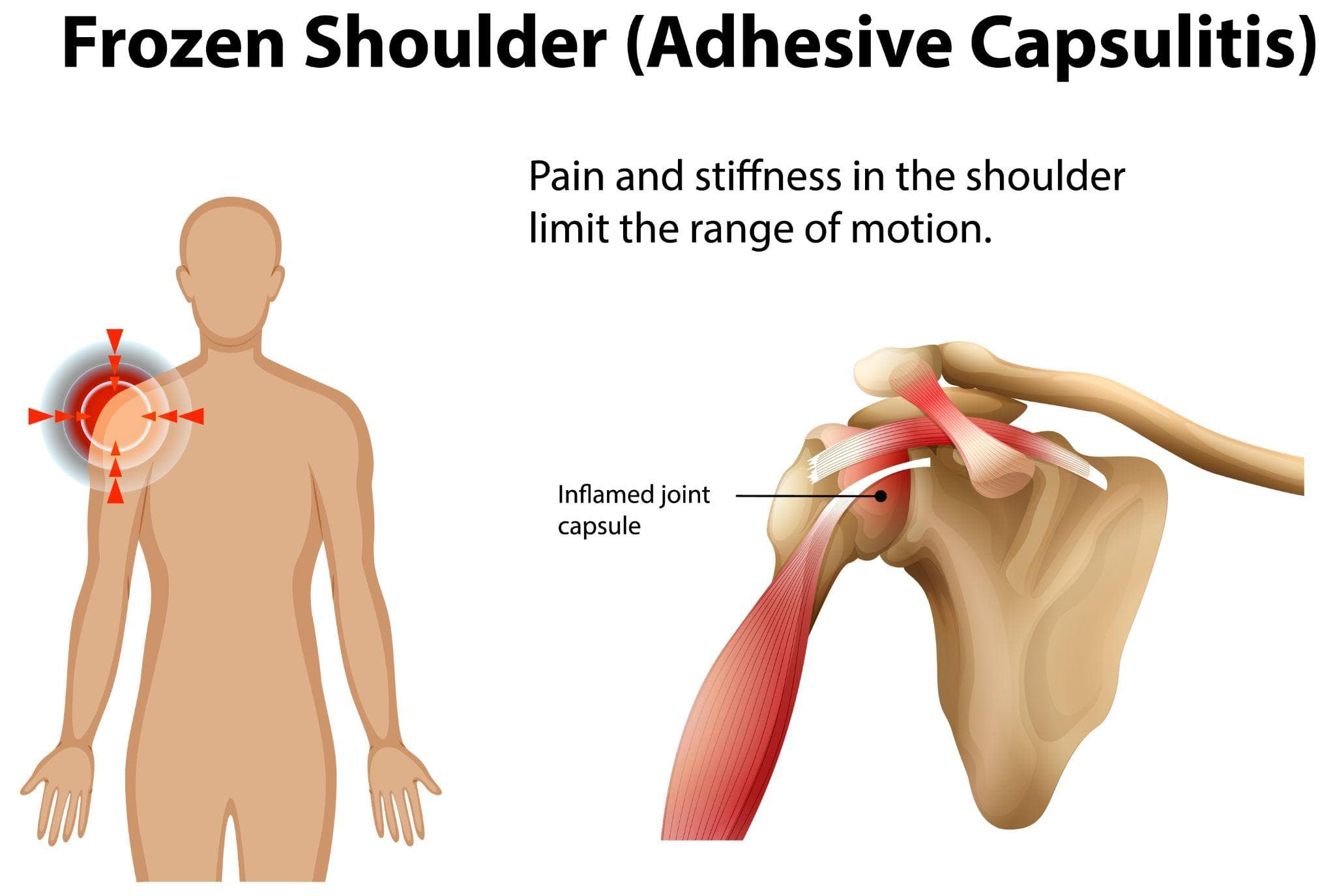
- Stiffness and reduced range of motion
- Pain even during rest or sleep
- Weakness in the shoulder joint
Ignoring these signs can lead to further deterioration and reduced quality of life.
How Total Shoulder Replacement Works?
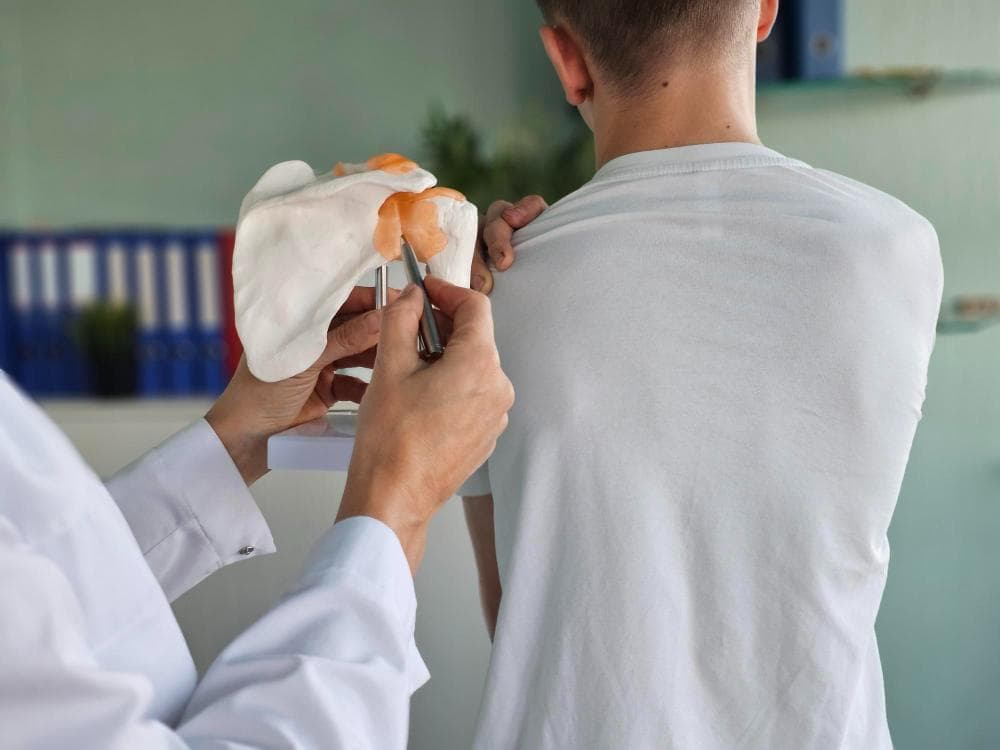
Before surgery, a detailed evaluation is done, including physical examination and imaging tests like X-rays or MRI. During the procedure:
- The damaged joint surfaces are removed
- Artificial components are placed to recreate the joint
- The new joint is aligned for smooth movement
The surgery usually takes a few hours and is performed under anesthesia.
Recovery After Shoulder Replacement
Recovery is a gradual process and plays a major role in the success of the surgery.
1. Initial Phase
The arm may be supported in a sling, and movements are limited to allow healing.
2. Physiotherapy
Rehabilitation begins soon after surgery. It helps:
- Restore movement
- Build strength
- Improve flexibility
3. Return To Daily Activities
Most people can return to basic activities within a few weeks, but full recovery may take a few months, depending on individual progress. Consistency in rehabilitation is key to achieving the best outcome.
Benefits Of Total Shoulder Replacement
This procedure can significantly improve the quality of life when done at the right time.
- Pain Relief - Reduces or eliminates chronic joint pain.
- Improved Mobility - Allows a smoother and wider range of motion.
- Better Sleep and Daily Function - Pain-free movement makes everyday tasks easier.
- Long-Term Results - Modern implants are durable and designed to last for many years.
Risks And Considerations
Like any surgery, total shoulder replacement carries some risks, although complications are uncommon.
- Infection
- Implant loosening over time
- Nerve injury
- Stiffness if rehabilitation is not followed properly
A proper evaluation and expert care can minimize these risks.
Non-Surgical Alternatives To Consider First

A healthcare worker massages a man's shoulder in a treatment room.
Before recommending surgery, doctors usually explore conservative treatments such as:
- Physiotherapy to improve strength and mobility
- Medications to reduce pain and inflammation
- Lifestyle modifications to reduce joint strain
- Injections (like corticosteroids) for temporary relief
Surgery is only advised when these options no longer provide sufficient relief.
Final Thoughts
Total shoulder replacement is not just about replacing a joint; it’s about restoring comfort, movement, and independence. When shoulder pain starts affecting everyday life and other treatments no longer help, this procedure can be a reliable solution.
Early diagnosis and the right guidance make a significant difference in outcomes. Consulting an experienced orthopedic specialist ensures the right treatment approach based on the condition and lifestyle needs.
For accurate diagnosis and advanced care, visit Dr. Mayank Chauhan in Noida. With a patient-focused approach and proven treatment methods, the goal is to reduce pain, restore movement, and help individuals return to their daily lives with confidence.
Frequently Asked Questions (FAQs)
1. How long does a total shoulder replacement last?
A total shoulder replacement typically lasts 15–20 years or more with proper care and activity management.
2. Is total shoulder replacement a major surgery?
Yes, it is a major procedure, but it is commonly performed and considered safe with modern techniques.
3. How painful is recovery after shoulder replacement?
Pain is manageable with medications and improves gradually as healing and physiotherapy progress.
4. When can one return to normal activities after shoulder replacement?
Most daily activities can be resumed within 4–6 weeks, while full recovery may take a few months.