Reverse Shoulder Replacement - Who Needs It and How Is It Different?
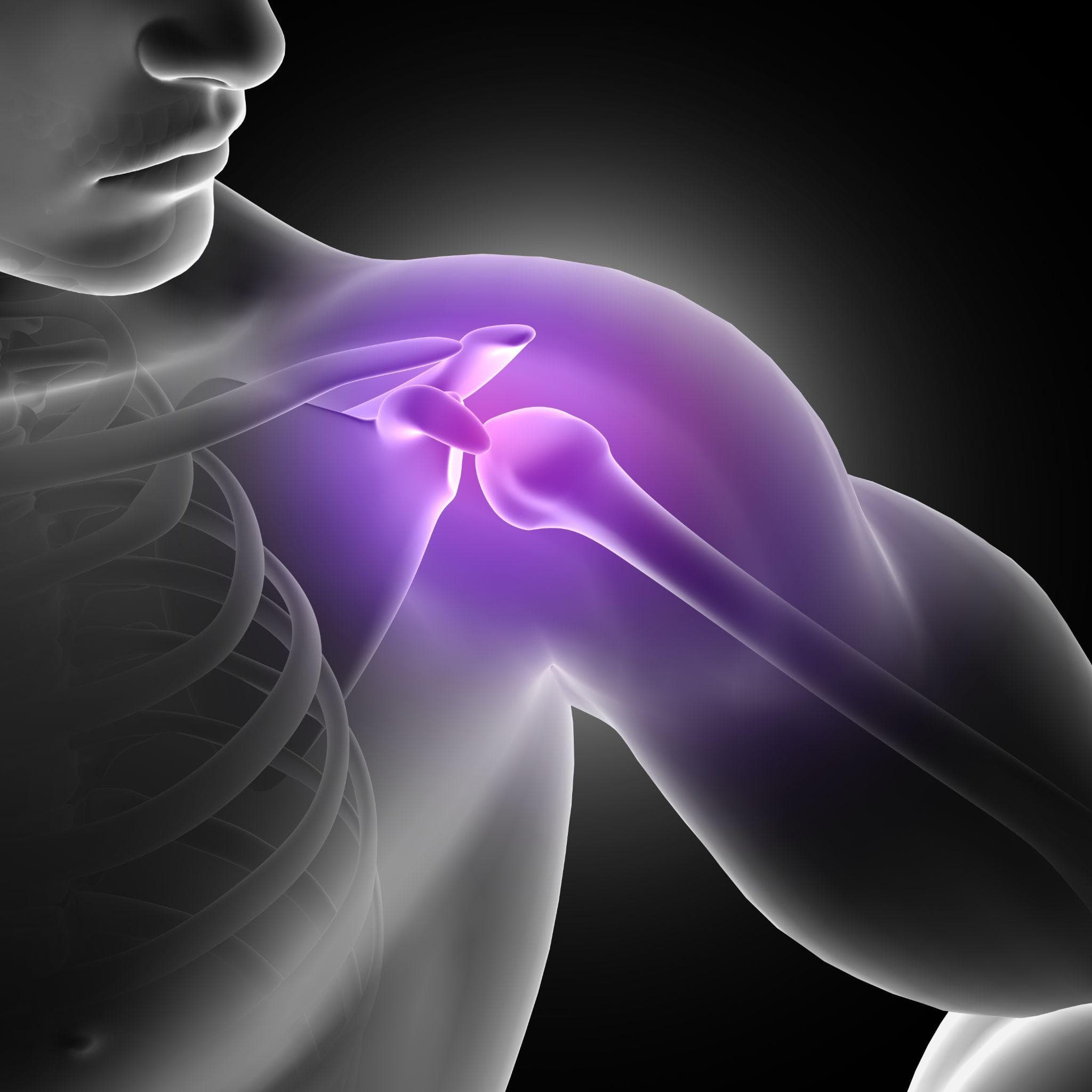
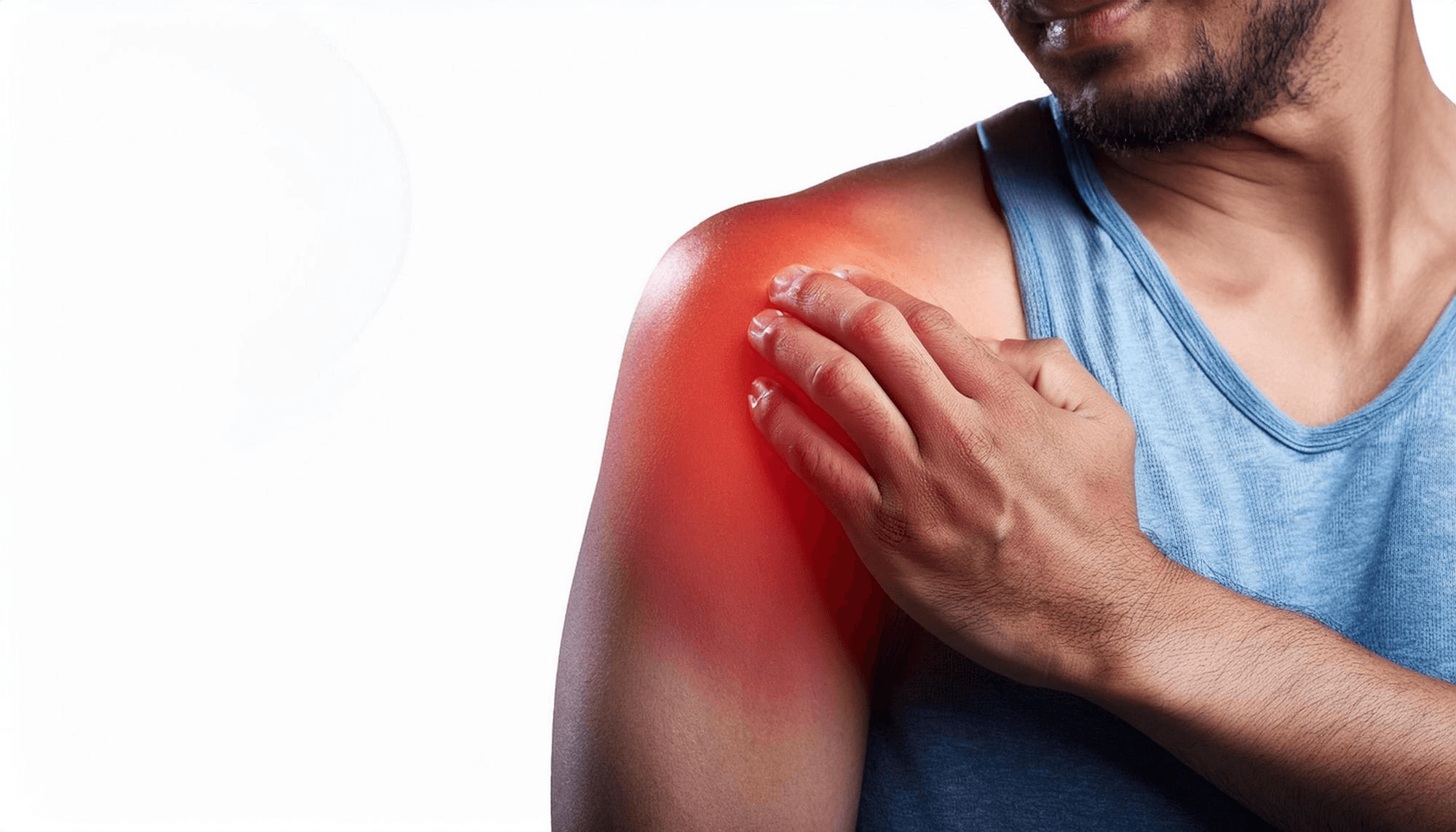
3D illustration showing shoulder joint pain and inflammation
When most people think of joint replacement, they imagine a straightforward exchange — the damaged joint is replaced with an artificial equivalent that recreates the original anatomy. A conventional total shoulder replacement does exactly this: a metal ball replaces the humeral head, a plastic socket replaces the glenoid, and the reconstructed joint relies on the surrounding rotator cuff muscles to move the arm.
The problem is that a significant proportion of patients needing shoulder replacement cannot benefit from conventional replacement — because their rotator cuff is severely damaged or completely absent. A conventional total shoulder replacement in a patient without a functioning rotator cuff produces a painful, non-functional result. The ball sits in the socket but cannot be moved by the muscles that are supposed to control it.
This is where reverse shoulder replacement becomes not just an option but the only surgical solution. Understanding what it does, who it is designed for, and what outcomes are realistic is important for any patient being evaluated for shoulder surgery.
The Biomechanics — Why Conventional Replacement Fails Without a Rotator Cuff
To understand why reverse shoulder replacement exists, it helps to understand what the rotator cuff does.
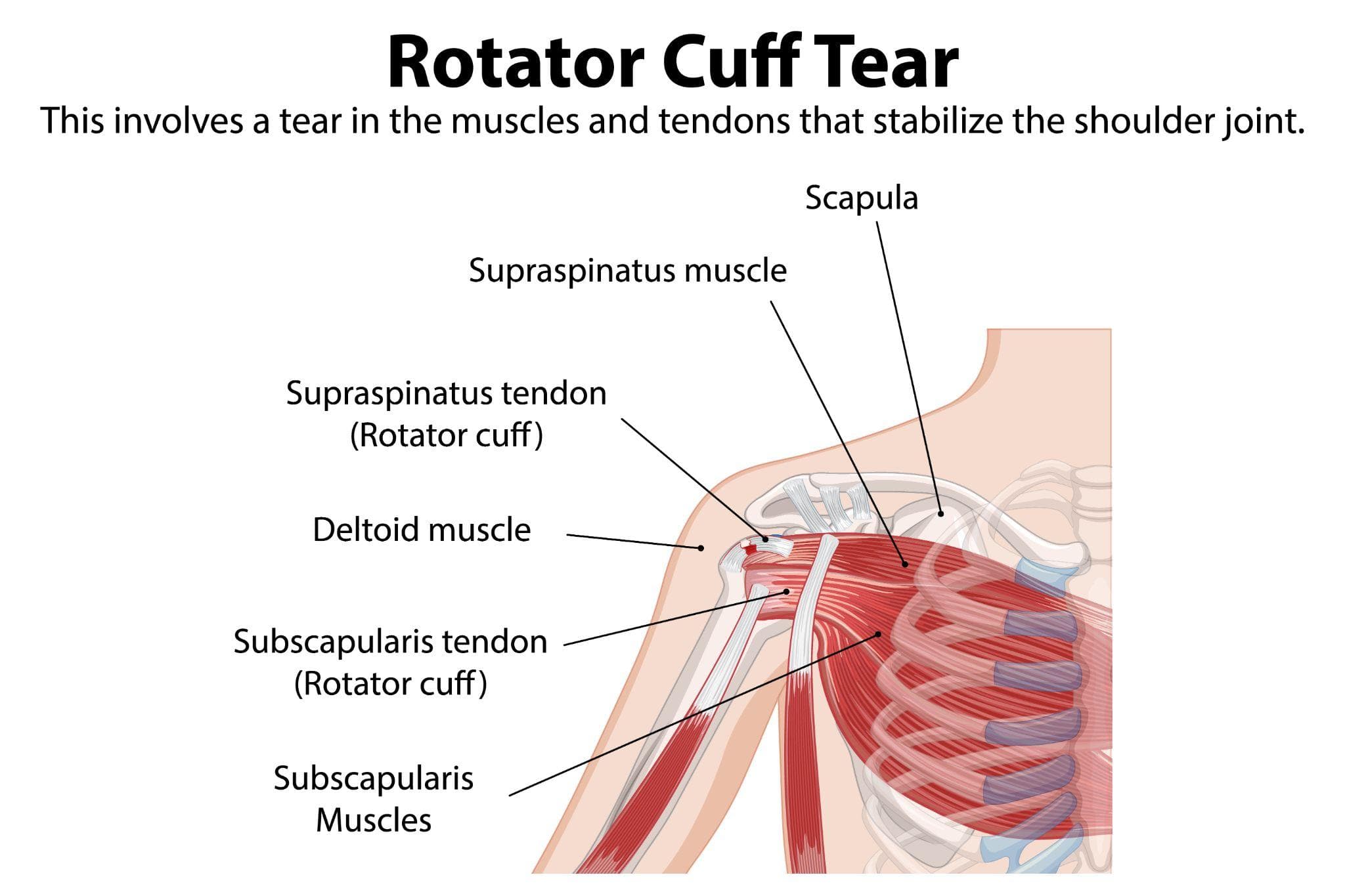
The rotator cuff is a group of four muscles and tendons (supraspinatus, infraspinatus, teres minor, subscapularis) that:
- Actively move the arm through its various ranges — forward flexion, abduction, internal and external rotation
- Dynamically compress and centralise the humeral head within the glenoid socket during movement — preventing the ball from riding upward on the socket with arm elevation
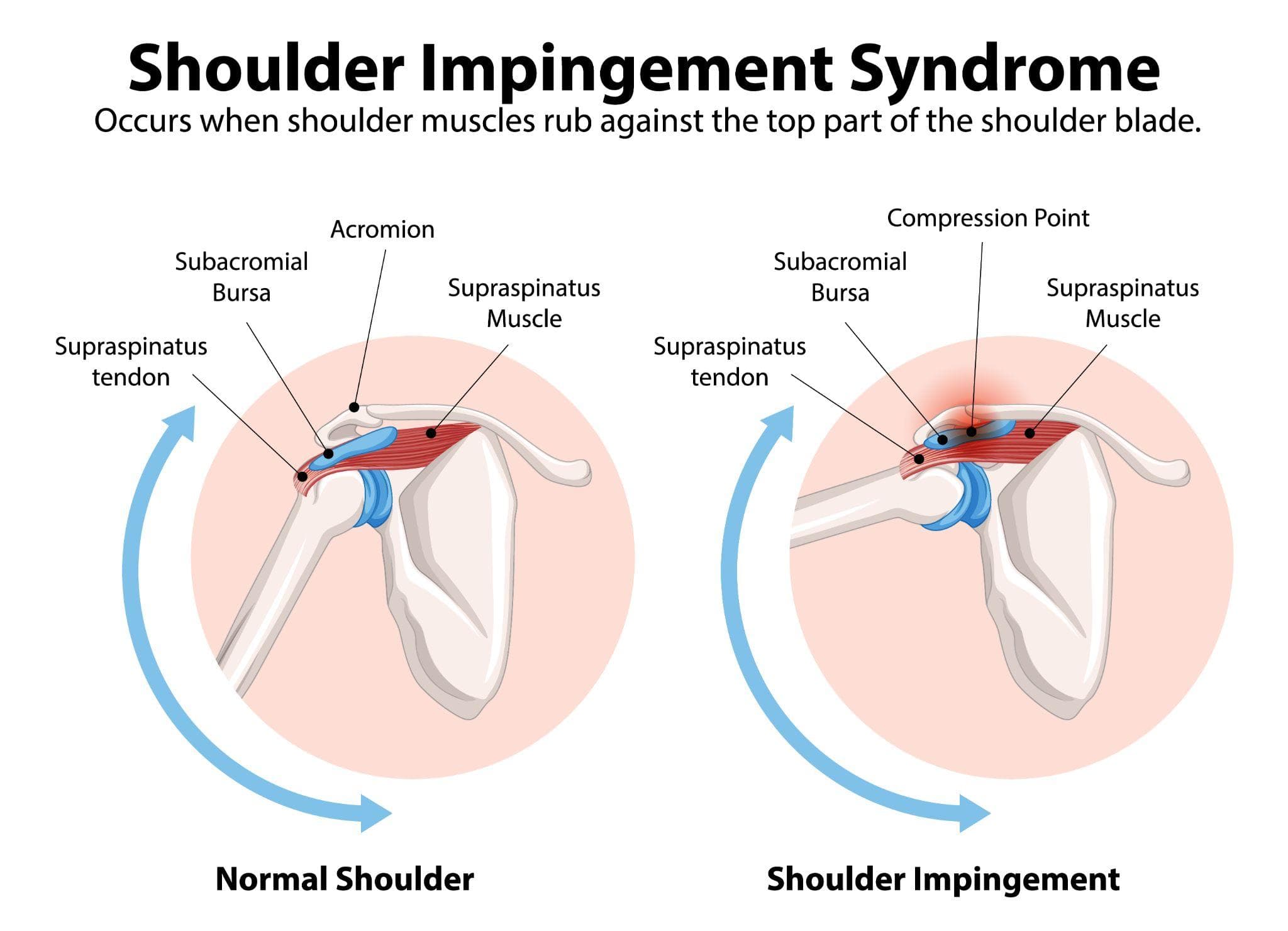
Point 2 is the critical mechanical function. When the cuff is absent, the deltoid muscle — the large muscle wrapping around the shoulder — contracts to elevate the arm, but instead of moving it upward and outward (abduction), it pulls the humeral head superiorly (upward), causing it to ride up against the underside of the acromion (the bony roof of the shoulder). The shoulder cannot be elevated effectively. This is called pseudo-paralysis — the arm hangs at the side and cannot be raised despite the deltoid and other muscles being intact.
A conventional total shoulder replacement in this situation produces the same result — the ball and socket are new, but without cuff function, the deltoid's mechanical disadvantage makes elevation impossible.
What reverse shoulder replacement does:
It reverses the geometry of the joint. The ball (glenosphere) is placed on the glenoid (socket side), and the socket (polyethylene cup) is placed on the humerus (arm bone side). This reversal changes the entire mechanical relationship:
- The centre of rotation is moved medially and inferiorly — increasing the mechanical advantage of the deltoid
- The deltoid's line of action is now oriented to produce abduction (the desired movement) rather than superior translation
- The rotator cuff is no longer required to stabilise the joint during elevation — the reversed geometry provides inherent stability
In patients with a massively torn or absent rotator cuff, reverse shoulder replacement restores the ability to raise the arm — something conventional replacement cannot do. This is the fundamental clinical purpose of the reverse design.
The History and Design of Reverse Shoulder Replacement
The concept of reversing shoulder geometry was developed by French orthopedic surgeon Paul Grammont in the 1980s, with the first commercially available reverse shoulder prosthesis introduced in Europe in the 1990s. The Grammont design shifted the centre of rotation medially to the glenoid face and inferiorly — creating the deltoid tension and mechanical advantage that make the procedure effective.
Early reverse shoulder replacements were associated with high complication rates — particularly notching (erosion of the inferior scapular neck by the polyethylene cup), high dislocation rates, and nerve injury. Implant design has evolved significantly over the past 30 years, with modern prostheses producing substantially better outcomes and lower complication rates.
As of 2025, reverse shoulder arthroplasty now accounts for approximately 75% of all shoulder arthroplasties performed in high-volume centres globally — a dramatic shift from its original narrow indication of rotator cuff arthropathy. The indications have expanded significantly as outcomes have improved.
Who Needs Reverse Shoulder Replacement?
The Classic Indication — Rotator Cuff Tear Arthropathy (Cuff Tear Arthropathy / CTA)
This remains the original and most established indication. It occurs in older patients (typically over 65–70) who have had a long-standing massive rotator cuff tear. The combination of cuff deficiency and arthritis produces:
- Inability to elevate the arm (pseudo-paralysis)
- Severe shoulder pain
- Loss of rotational function
- X-ray or MRI showing superior migration of the humeral head and acetabularisation of the acromion (the glenoid socket has become the new roof of the joint)
This is the patient for whom conventional total shoulder replacement would be futile. Reverse shoulder replacement routinely restores arm elevation to 120–140 degrees and provides excellent pain relief.
Massive Irreparable Rotator Cuff Tears Without Arthritis
In patients with a massive rotator cuff tear that cannot be repaired arthroscopically — either because the tear is too large, the tendon has retracted too far, or the muscle has significantly atrophied and fatty infiltrated — and who have significant functional limitation (pseudo-paralysis or severely limited elevation), reverse shoulder replacement is increasingly indicated even without established arthritis.
The key criterion is whether the cuff tear is truly irreparable. If arthroscopic repair is still possible (even partial repair), it should be attempted first. Reverse replacement in younger patients with an irreparable tear is a growing area of clinical practice — with the understanding that revision may be needed in later decades.
Proximal Humerus Fractures — Complex Cases in Elderly Patients
In elderly patients with complex, displaced proximal humerus fractures (Neer 3-part and 4-part fractures) — where ORIF (open reduction and internal fixation) is unlikely to succeed due to poor bone quality, complex fracture geometry, or associated rotator cuff compromise — reverse shoulder replacement provides an immediate stable reconstruction. This avoids the 30–40% failure rate of hemiarthroplasty for complex fractures in elderly patients and eliminates the need for tuberosity healing that hemiarthroplasty depends upon.
Reverse replacement for acute fractures produces superior functional outcomes (particularly in forward elevation) compared to hemiarthroplasty for these complex fracture patterns in elderly patients.
Failed Conventional Total Shoulder Replacement
When a conventional total shoulder arthroplasty fails — from glenoid component loosening, rotator cuff failure developing after replacement, or instability — revision to reverse shoulder replacement is the most common and most reliable revision strategy. The reverse design compensates for the absent or deficient cuff that has often contributed to the conventional replacement's failure.
Shoulder OA with Significant Rotator Cuff Pathology
An important nuance in 2025 practice: a patient with glenohumeral OA and a significantly compromised (but not absent) rotator cuff is increasingly being treated with reverse replacement rather than conventional anatomic replacement — because the reverse design provides better function if the cuff is unable to reliably support the conventional replacement. This represents an expansion of the indication from the original rotator cuff arthropathy scenario.
Who Is NOT an Ideal Candidate
- Younger patients with an intact rotator cuff and primary OA: These patients are best served by conventional anatomic total shoulder replacement, which produces a superior range of motion (particularly external rotation) and better implant longevity in appropriate anatomy.
- Active infection: Shoulder infection must be eradicated before any elective replacement.
- Severe bone loss of the glenoid: Without adequate glenoid bone to fix the baseplate component, reverse replacement is technically not possible without bone grafting.
- Deltoid dysfunction: The entire premise of reverse replacement is that the deltoid replaces the cuff's function. If the deltoid itself is non-functional (axillary nerve injury, deltoid detachment), reverse replacement will not restore elevation.
Outcomes — What Reverse Shoulder Replacement Achieves
In appropriately selected patients
Forward elevation: Typically improves from 30–60 degrees pre-operatively to 120–140 degrees post-operatively — the ability to raise the arm above shoulder height, which pseudo-paralytic patients cannot do before surgery.
Pain relief: Excellent — comparable to conventional total shoulder replacement. The arthritis-related and cuff-related pain is relieved.
Limitations — external rotation:
This is the key limitation of reverse shoulder replacement compared to conventional replacement. External rotation (rotating the arm outward from the body) depends significantly on the posterior rotator cuff muscles (infraspinatus, teres minor). When these are absent or severely atrophied, external rotation after reverse replacement is limited — typically to neutral or slightly beyond. For many activities of daily living, this is acceptable. For activities requiring full external rotation (throwing, certain sports), it is a meaningful limitation.
Complication rates:
Modern reverse shoulder replacement has a complication profile that, while higher than conventional hip or knee replacement, is acceptable given the patient population and the severity of the condition being treated. Major complications include:
- Instability/dislocation (3–5% in modern series)
- Infection (1–2%)
- Scapular notching (glenoid baseplate erosion — rates vary by implant design)
- Periprosthetic fracture
- Neurological injury (axillary nerve — typically transient)
Recovery After Reverse Shoulder Replacement
The recovery trajectory differs from knee or hip replacement — the shoulder is not a weight-bearing joint, and the rehabilitation involves restoring controlled active movement rather than walking:
Weeks 1–6: Immobilisation in a sling. Passive pendulum exercises from Weeks 2–3 (leaning forward, letting the arm hang and circle by momentum). Active use of the hand and wrist.
Weeks 6–12: Active-assisted and then active forward elevation exercises. Occupational therapy for daily activities. Most patients regain functional elevation (enough to comb hair, reach overhead cupboards) in this period.
Month 3–6: Progressive strengthening. Return to most daily activities. Return to light sport.
Maximum recovery: At 9–12 months. Most patients achieve 90–95% of their maximum outcome by this point.
Shoulder Replacement in Noida — Dr. Mayank Chauhan at Prakash Hospital
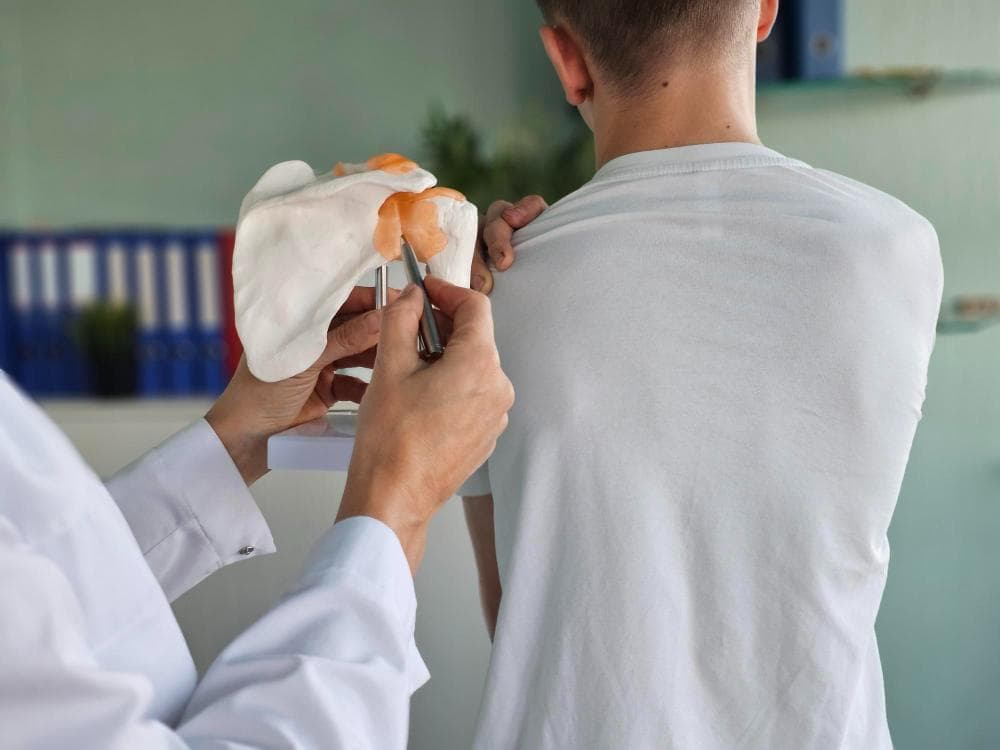
Dr. Mayank Chauhan, Senior Orthopedic Surgeon at Prakash Hospital, Sector 33, Noida, evaluates shoulder patients for both conventional anatomic and reverse total shoulder replacement — selecting between them based on the specific rotator cuff status, articular anatomy, patient age and activity level, and functional goals.
For patients in Noida and Greater Noida with shoulder pain, a failed rotator cuff repair, or a diagnosis of rotator cuff arthropathy who are considering shoulder replacement, a consultation provides the specific assessment needed to determine which procedure is appropriate. To book a consultation, call the number listed on the website.
The Bottom Line
Reverse shoulder replacement is not a last resort — it is the right first choice for patients with massively torn, irreparable rotator cuffs, rotator cuff arthropathy, complex proximal humerus fractures in the elderly, and failed conventional shoulder replacements. Changing the geometry of the joint, it gives the deltoid the mechanical advantage to elevate the arm — restoring function that no other procedure can provide for these patients.
To consult Dr. Mayank Chauhan, Senior Orthopedic Surgeon in Noida, call the number listed on the website.