Reverse Shoulder Replacement For Rotator Cuff Tears
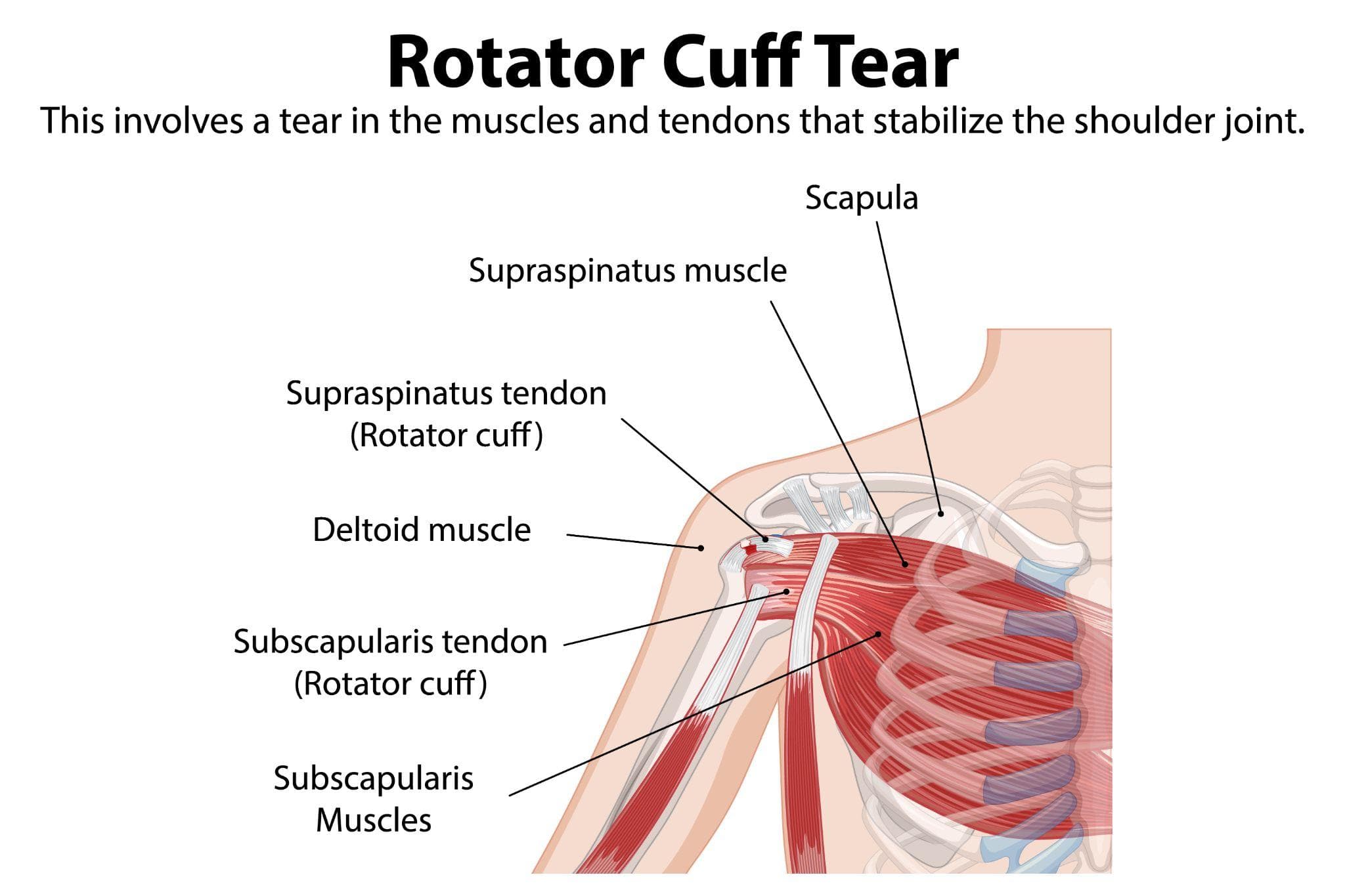
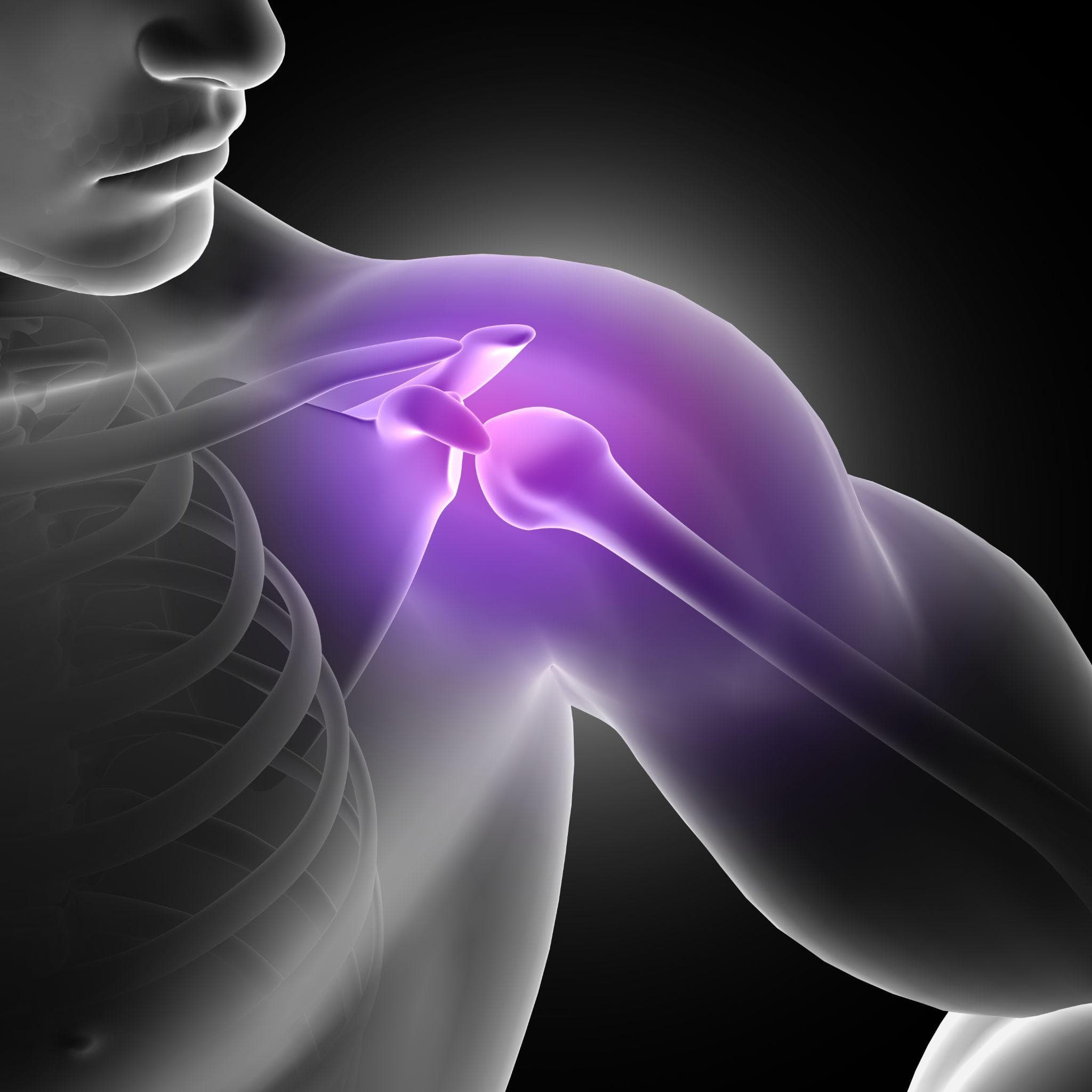
Diagram showing a rotator cuff tear.
Reverse shoulder replacement gives people with serious rotator cuff tears a real chance to get their lives back. When your shoulder hurts all the time, and you can’t lift your arm, brush your hair, or even reach for a mug on a shelf, it’s more than annoying, it’s exhausting. Some people chalk it up to getting older or think it’s just overuse. However, sometimes the damage is too severe for basic treatments or regular surgeries to repair.
That’s where reverse shoulder replacement steps in. It’s not just the usual shoulder replacement flipped around. This surgery is made for those tough cases when the rotator cuff is beyond repair. The main idea? It takes the pressure off those damaged tendons and lets other muscles do the heavy lifting. Pain goes down, strength and movement come back, and daily life gets a whole lot easier.
If you’re dealing with constant shoulder pain and nothing else has worked, it’s probably time to talk to an orthopedic specialist. This guide walks through what reverse shoulder replacement is, who needs it, and what to expect if you’re thinking about taking that step.
What Is Reverse Shoulder Replacement?
It’s a pretty unique surgery where doctors flip the normal setup of your shoulder joint. Usually, the ball sits on top of your arm bone and fits into a socket that’s part of your shoulder blade. But in this surgery, they actually switch those spots - now the ball goes where the socket was, and vice versa.
It lets your deltoid muscle do the heavy lifting instead of your rotator cuff, which is probably too damaged to help anymore. People who get this surgery can actually lift and move their arm again, even when their rotator cuff just can’t keep up.
Why Reverse Shoulder Replacement Is Used?
When someone’s had a big tear in their rotator cuff for a while, things can get messy, like pain, weakness, and even arthritis can all show up together. At that point, a standard shoulder replacement just doesn’t cut it, because it still needs a working rotator cuff to move the joint.
Reverse shoulder replacement changes the way the shoulder works. It gives the joint stability and lets you move your arm again, all without relying on the rotator cuff. That’s why it works so well when other options just don’t.
Who Is An Ideal Candidate?
Doctors usually suggest reverse shoulder replacement for people dealing with a few tough problems:
- A badly torn or destroyed rotator cuff.
- Constant shoulder pain that just won’t go away with meds or physical therapy.
- A big drop in shoulder strength or movement.
- Arthritis that’s mixed with rotator cuff trouble.
- Shoulder surgeries in the past that didn’t work out.
In the end, you need an orthopedic specialist to really figure out if this surgery will work out for you or not.
How Reverse Shoulder Replacement Works?
First, the orthopedic specialist checks out how your shoulder moves, how strong it is, and reviews your scans. In the operating room, they swap out the damaged parts of your shoulder for artificial ones, but here’s the twist they put them in backwards compared to a regular shoulder replacement.
This switch changes how your shoulder moves. Now, your deltoid muscle does more of the heavy lifting, making it much easier to raise your arm. That’s really the secret for people whose rotator cuff isn’t working, this surgery gives them back that lost movement.
Key Benefits Of Reverse Shoulder Replacement
Reverse shoulder replacement has changed the way severe rotator cuff tears are treated. It not only relieves pain but also restores strength, stability, and everyday shoulder function.
1. Significant Pain Relief
Reverse shoulder replacement really cuts down on pain. Most people start to feel better not long after they begin to heal.
2. Improved Shoulder Function
Your shoulder might not be exactly like it was before, but you’ll get back a good amount of movement. Daily tasks like getting dressed, reaching up, and even brushing your hair get a lot easier.
3. Better Stability
This design actually makes the joint more stable. People with damaged shoulders don’t have to worry as much about it popping out or dislocating.
4. Works When Other Treatments Fall Short
If things like physical therapy, injections, or even earlier surgeries didn’t help, reverse shoulder replacement usually does the trick. It gives people reliable results when nothing else has worked.
Recovery And Rehabilitation
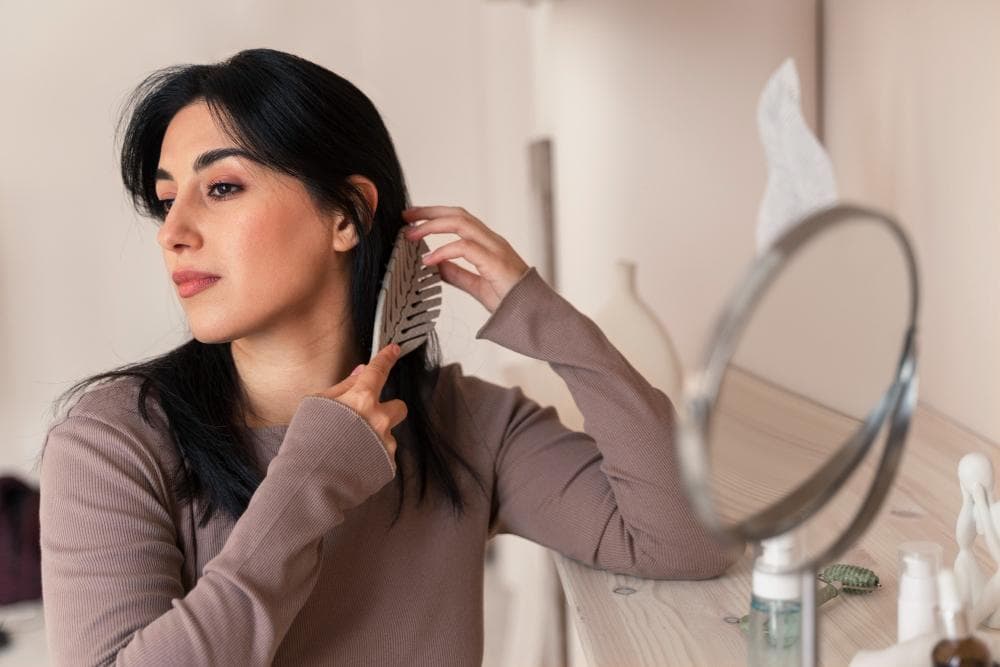
A woman is combing her hair.
Recovery isn’t just about the surgery, it’s what happens afterward that really matters. Once the operation’s done, rehab takes over.
1. Early Recovery Phase
Right after surgery, you’ll probably wear a sling for a few weeks. It keeps your arm safe while everything starts to heal.
2. Physiotherapy And Strength Building
Then comes physiotherapy. You’ll work with a therapist to get your shoulder moving again and start building up the deltoid muscle. This part really makes a difference in the long run.
3. Return To Daily Activities
Most people get back to simple daily tasks like combing their hair after a few months. Progress keeps coming, bit by bit, as one sticks with the rehab.
Possible Risks And Considerations
You might face things like infection, stiffness, nerve damage, blood clots, or issues with the implant - sometimes it loosens or pops out of place. Once in a while, even after healing up, some people find their shoulder doesn’t move as well as they hoped.
But here’s the good news: when a skilled orthopedic surgeon handles the operation, and you stick with your rehab, problems are pretty rare. Most people end up with way less pain and a shoulder that works much better. For anyone struggling with a severe rotator cuff tear, this surgery usually delivers real results.
If constant shoulder pain keeps getting in the way, it’s time to see Dr. Mayank Chauhan in Noida. He’ll take a close look and walk you through the best treatment for you. Getting the right advice early on makes a huge difference in how you recover and how well your shoulder works down the line.
Reverse Shoulder Replacement Vs Other Treatments
If you catch a rotator cuff injury early, things like physiotherapy or pain meds usually do the trick. But when the tear gets worse, those options mostly just take the edge off for a while, but they don’t really fix the problem.
Now, when you look at regular shoulder replacement versus the reverse technique, the big difference is how they handle bad rotator cuff damage. The reverse shoulder replacement doesn’t depend on worn-out tissues; it actually solves the underlying mechanical issue, which makes it a better fit for people with serious tears.
When to See an Orthopedic Specialist

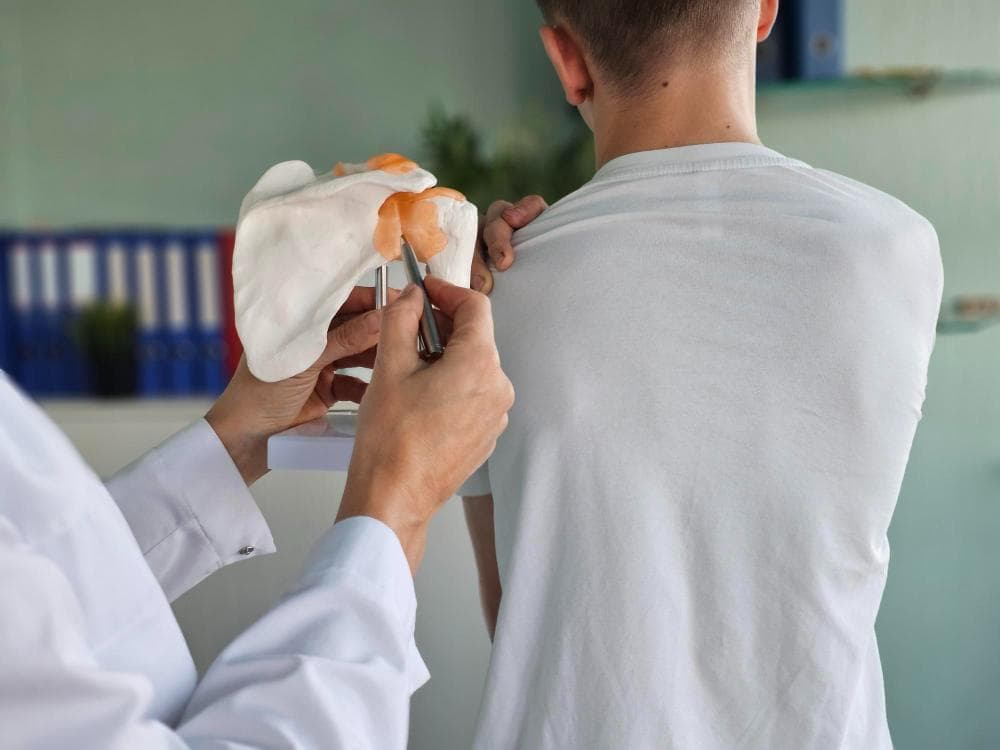
The doctor is checking a patient’s shoulder.
Think about seeing an orthopedic surgeon if your shoulder pain sticks around for months, even after trying other treatments. If you can’t move your arm much, feel too weak to handle daily stuff, or pain keeps you up at night, don’t wait. Getting checked out early can save your joint from more damage and lead to better results down the road.
Final Thoughts
Reverse shoulder replacement has really changed the game for people dealing with tough rotator cuff tears. Now, instead of just living with the pain, patients get real relief, move their shoulders again, and just feel better in daily life.
If you want advice you can trust, Dr. Mayank Chauhan in Noida is an expert in this field. He takes the time to figure out what’s going on and uses proven orthopedic methods to help. The whole goal? Get you moving, ease the pain, and help you get back to living your life the way you want.