Open Surgical Procedures: Best Option For Complex Orthopedic Cases
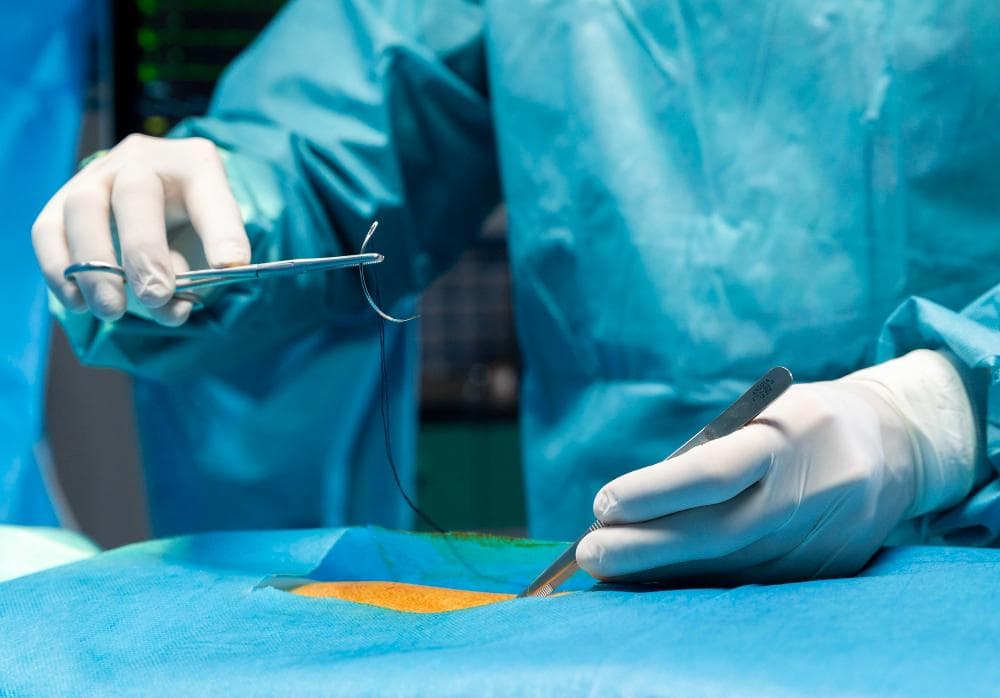
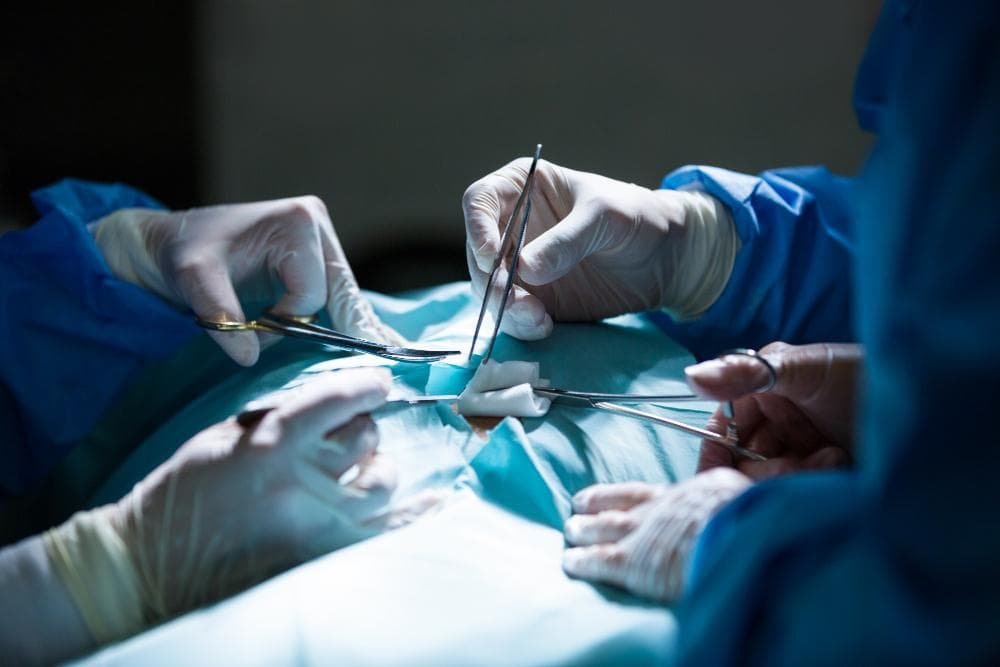
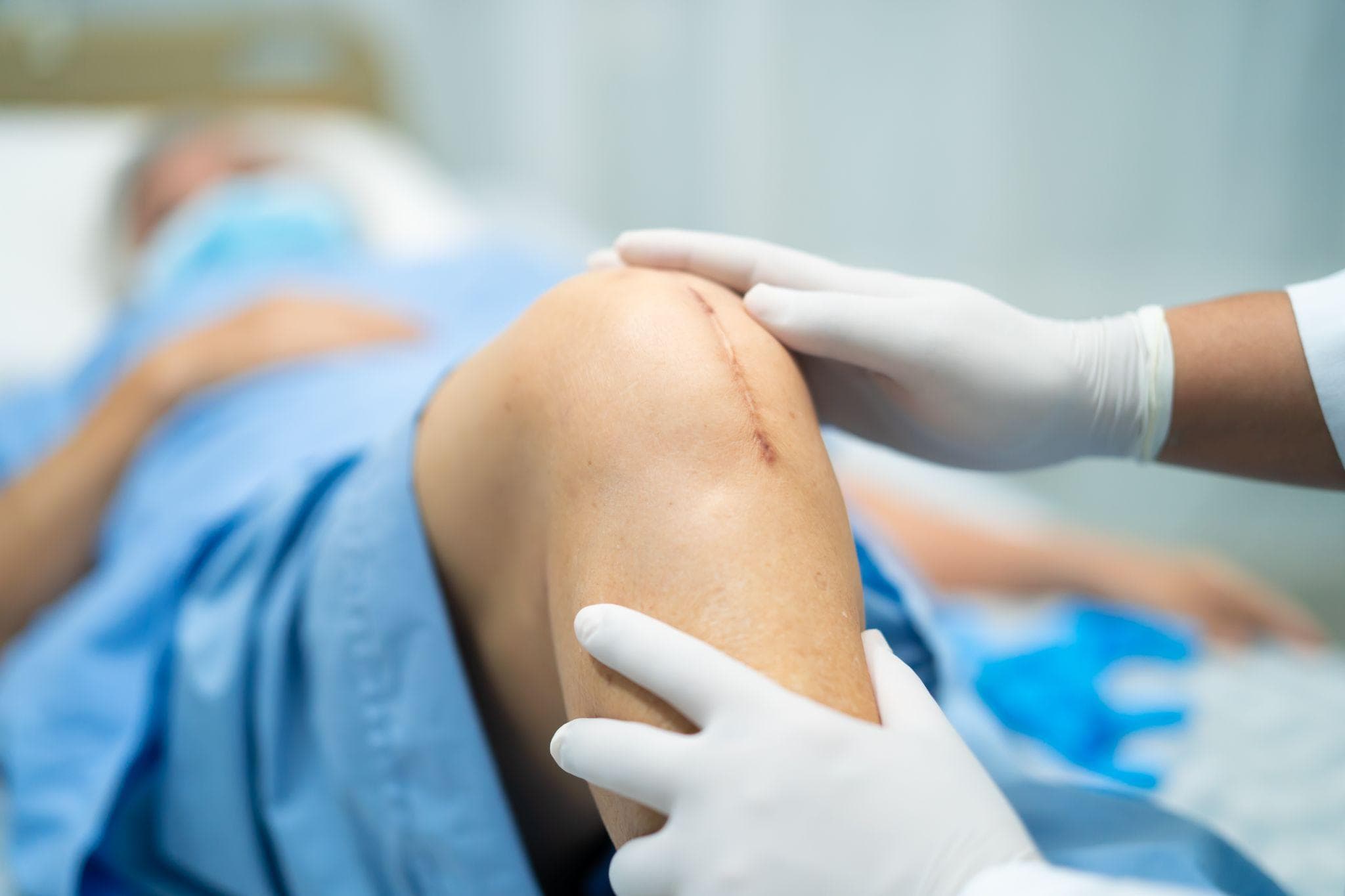
A doctor is performing surgery on a patient.
Drugs or minimally invasive approaches do not simply cure some orthopedic ailments; open surgical procedures provide the ultimate in treatment effectiveness and reliability. This method provides surgeons with direct access to the problem areas to offer accurate correction and durability.
Open surgical procedures are frequently required in cases of catastrophic trauma, chronic disease with degradation, or where visualization and pinpoint precision are important. While this may sound intimidating, current practices and enhanced recovery are now making open surgery more accurate and efficient than before.
Instead of attempting to alleviate symptoms, open surgery seeks to repair the cause of the pathology. They restore function, improve the quality of life, and relieve pain in the more challenging orthopedic conditions. This guide aims to familiarize the reader with open surgery, what they entail, and the reasons one would seek to meet with an orthopedic physician.
What Are Open Surgical Procedures?
Open surgeries in orthopaedics require an incision of a certain length to enable clear visibility and direct exposure of bones, joints, or soft tissues so that precise surgical correction can be undertaken. Open surgeries are indicated when:
- Complex injuries that involve several structures are treated.
- Minimally invasive techniques are inadequate.
- Grafts, implants, or reconstructions need to be performed.
The intention is rather straightforward. Restoration of structure, function, and enduring healing.
How Open Surgical Procedures Work?
During this kind of surgery, the patient undergoes a thorough assessment involving tests such as MRI, CT, or X-rays so that the orthopaedic surgeon determines the precise location and nature of the injury. The patient undergoes surgery, which involves:
- The damaged tissue or joint is approached by means of a controlled incision.
- The damaged tissue, bones, or joints are either corrected or replaced by implants, screws, or plates.
- An incision is then closed after the surgery is done.
Following the surgery, rehabilitation therapy is given to the patient, which includes a rehabilitation program designed to assist in recovery. For precise diagnosis and quality surgery, Dr. Mayank Chauhan at Noida should be consulted.
Key Benefits Of Open Surgical Procedures
Complex orthopedic problems can be adequately addressed with open surgery.
- Accurate management of intricate problems - Complex fractures, deformities, and joint damage can be repaired accurately with open surgery, as access to the site is very direct.
- Better intraoperative visualization - Unlike the methods that are being used for minimally invasive surgery, in open surgery, the surgeon has access to the surgical site, and the issues can be diagnosed accurately, as there is no missed lesion.
- Durable long-term outcome and stabilization - It provides durable and dependable outcomes in many cases of joint replacements, fractures, and their fixations.
- Useful for major injuries - Many high-impact trauma scenarios or severely damaged or degenerate joints would be impossible to treat adequately with any method other than open surgery, though, for repair, they require it.
- Correction of various issues at the same time - One operation could effectively fix ligament injury, bone damage, and mal-alignment, etc.
Conditions Commonly Treated With Open Surgery
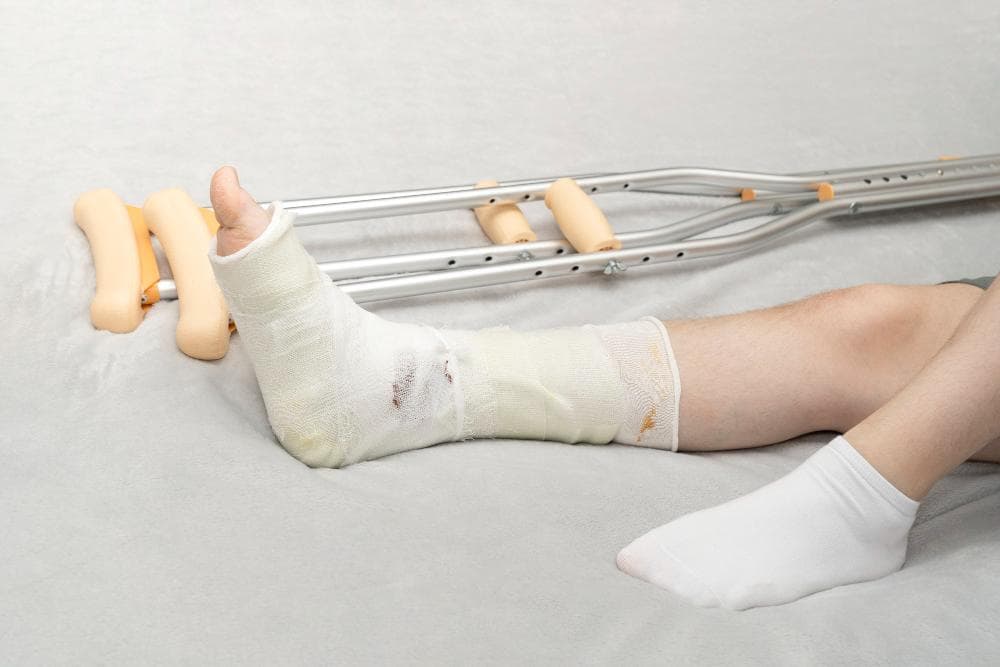
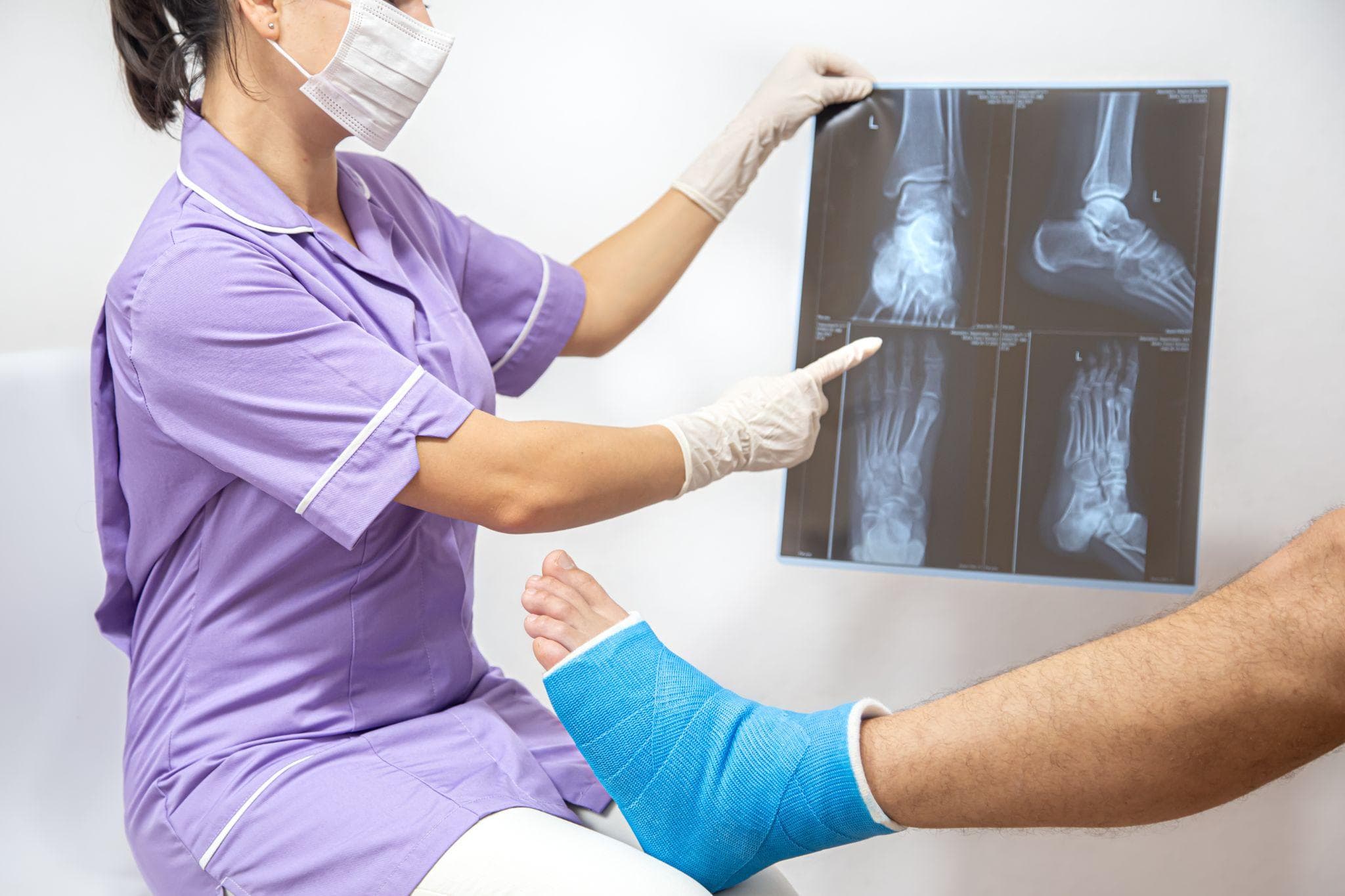
A leg with a casket and clutches beside it.
For complex, advanced, or severe orthopedic problems, where a precise correction and direct access are necessary for achieving lasting results, open surgical interventions are typically recommended.
1. Complex Fractures
Where the bone fragments have shattered, or are misaligned, or extend into a joint (intra-articular fractures), the complex fractures usually require a direct surgical approach. Through this open intervention, the orthopedic surgeon can precisely realign the fragments and fixate them internally with the help of plates, screws, or rods.
This will maintain an anatomical reduction and will achieve optimal healing of bone and restoration of alignment, and prevent subsequent stiffness and deformity.
2. Joint Replacement (Knee, Hip, Shoulder)
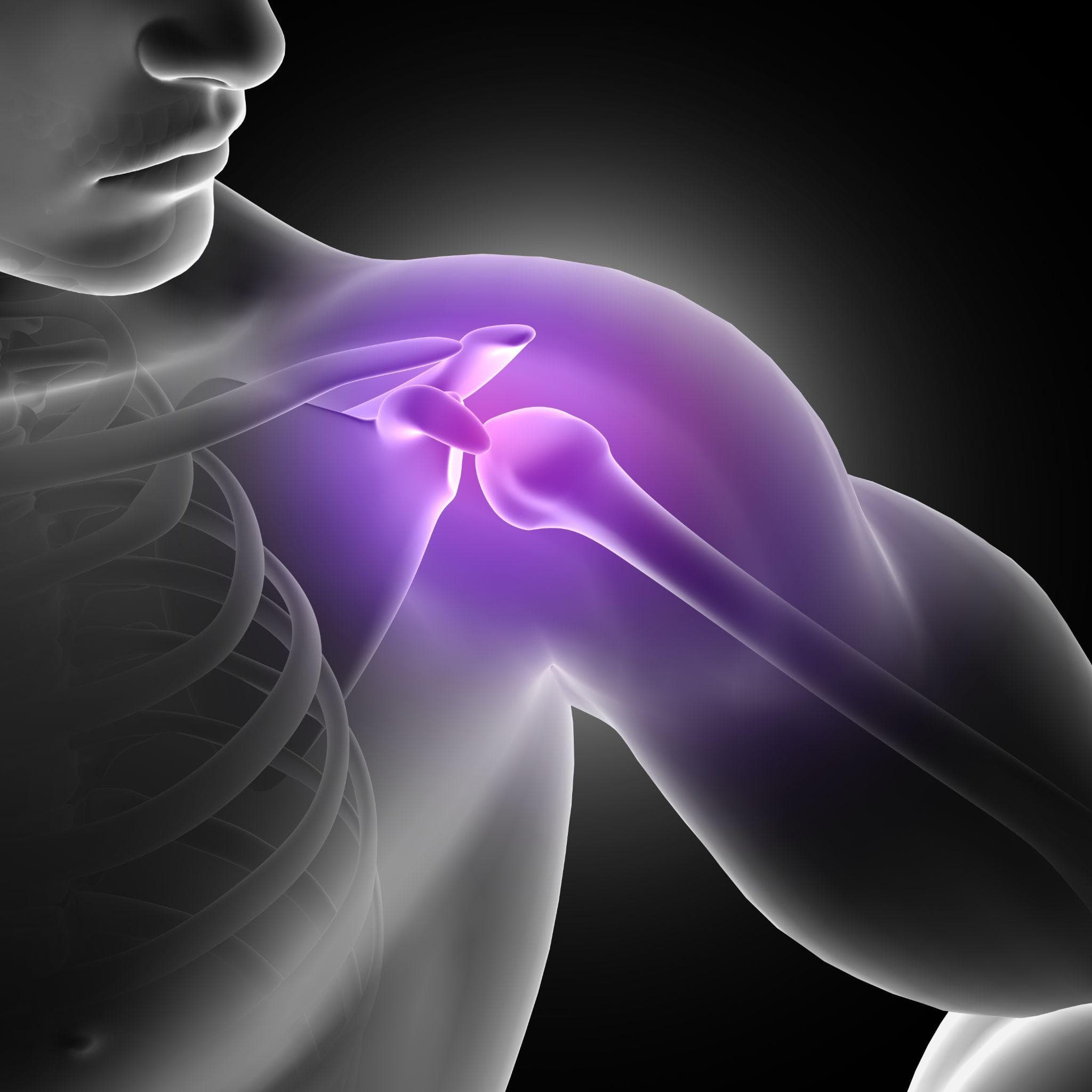
At advanced stages of arthritis, or following severe degenerative changes, the entire surface of a joint (knee, hip, or shoulder) becomes eroded, causing constant pain and limited movement of the joint. An open surgery in the form of joint replacement involves removing the worn-out parts of the joint and replacing them with artificial implants. This not only alleviates the pain but also significantly improves the mobility, strength, and functional ability of the joint.
3. Ligament And Tendon Injuries
When there is a major torn ligament (like ACL injury) or rupture of a tendon that has failed to unite or is in severe condition, open surgical procedures are performed to reconstruct or repair the injured structure. It is particularly important for mobile persons and athletes, as it restores the stability of the joint, strength, and normal range of motion.
4. Spinal Disorders
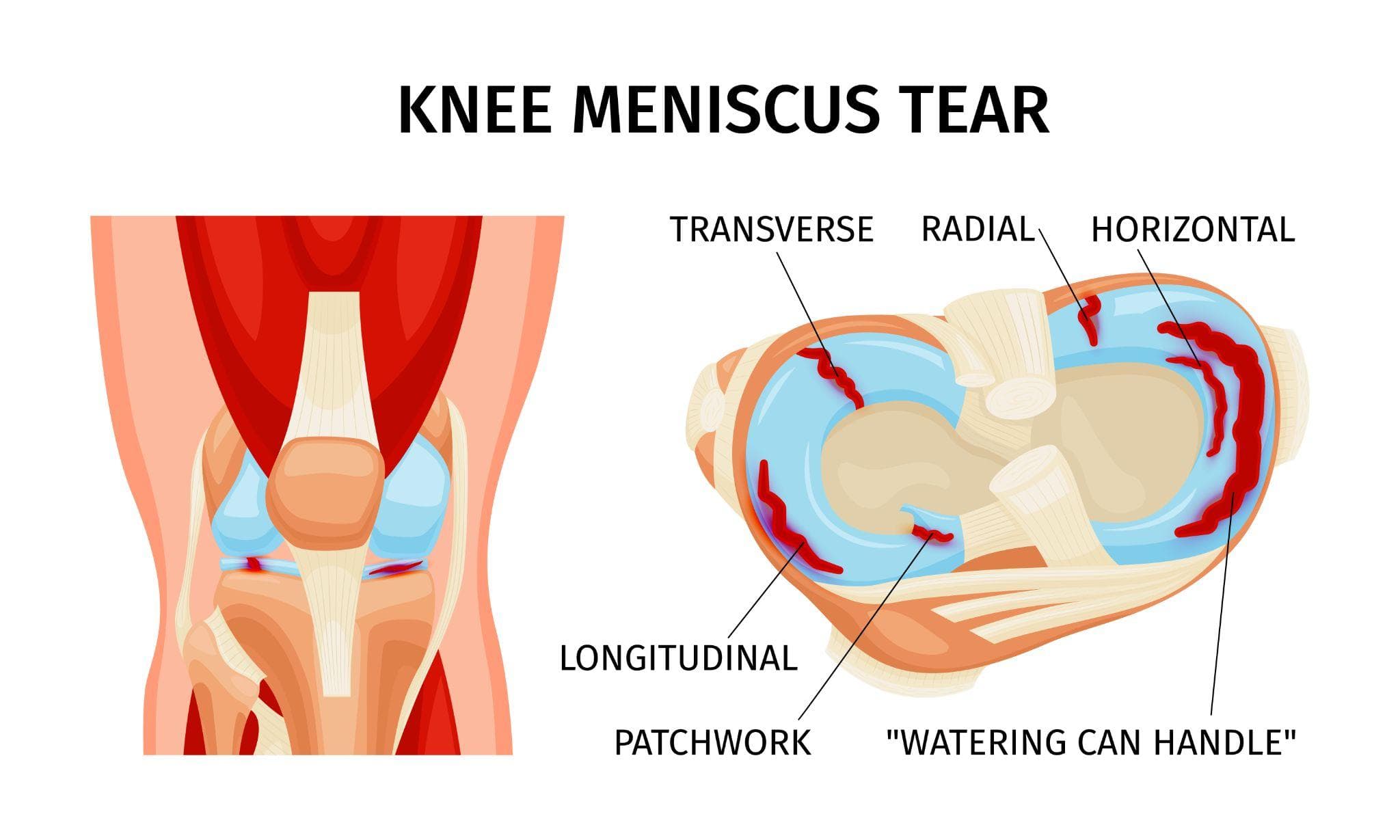
Severe spinal deformities like scoliosis, problems like disc herniation or nerve compression are often operated upon with the open surgical approach, especially if progressive.
Such procedures relieve the pressure on the nerves or correct the alignment and stabilise the spine using rods or implants, thus improving the alignment and preventing further damage to the nervous system, relieving the pain and preventing postural problems.
5. Bone Deformities
Deformities can occur in any bone due to congenital reasons or secondary to an injury or disease. Open surgery helps in correcting bone deformities, to regain alignment, improve the function of the limb, and re-establish good biomechanics, especially where these deformities have an impact on the walking pattern, posture, and joint biomechanics and hence cause long-term difficulties.
Types Of Open Surgical Procedures
Open surgeries vary in technique depending on what is required. The procedures vary to help restore function, stability, and long-term mobility.
1. Open Reduction And Internal Fixation (ORIF)
This is mainly used for severely displaced or comminuted fractures. 'Open reduction' involves the incision to properly realign fragments, and then internal fixation will involve the fixing of fragments together using plates and screws or pins and rods. ORIF can be used when it is difficult to ensure adequate fracture healing with casting and is particularly useful in more severe injuries, allowing early rehabilitation.
2. Joint Replacement Surgery
This procedure uses an artificial prosthetic that is made from metal, plastic, and ceramic and is replacing worn-out joints. It is commonly used in the surgery of the hip, knee, and shoulder when it comes to advanced cases of osteoarthritis or wear-and-tear situations. The objective of surgery like this is to diminish chronic pain and regain joint function, enabling normal movement and life quality to increase.
3. Bone Grafting
Bone grafting is utilized in situations when there is excessive bone loss, in non-union fractured bones, or as an augmentation for other procedures like fusion. It means new bone will be added to the area either from a different part of a patient's own body or from a donor, which stimulates new bone growth.
4. Soft Tissue Repair
These are the repair or reconstruction of ligaments, tendons, and muscles. Open surgery will often be used if there has been a significant tear or if many structures are involved. This may involve simply stitching the tissue back together, or it may require the implantation of a graft if large amounts of tissue have been lost to rebuild the missing component, in joints such as the knee or shoulder.
Recovery After Open Surgery
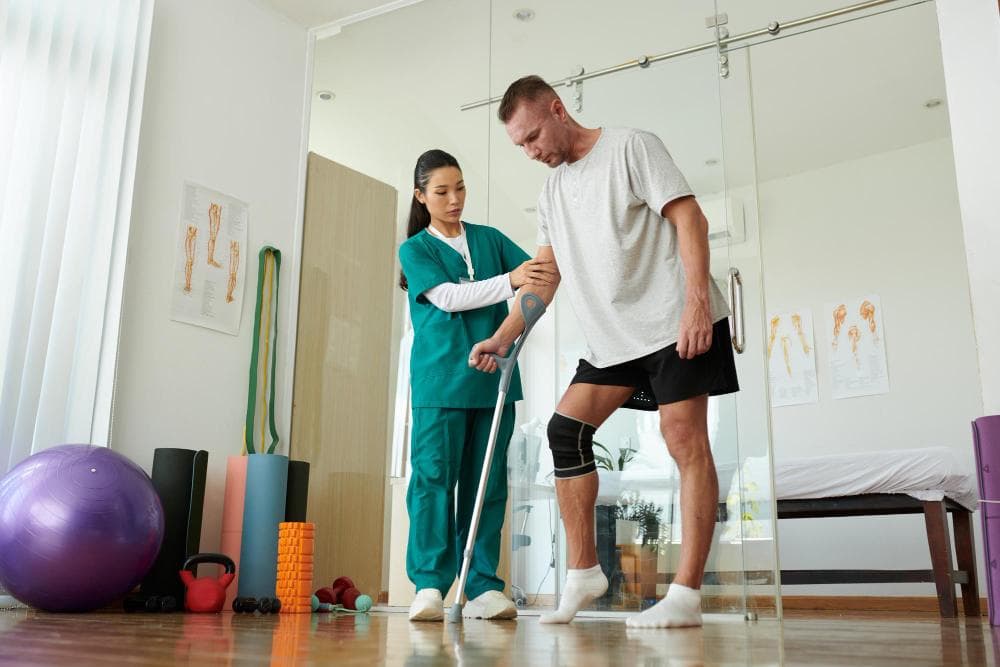
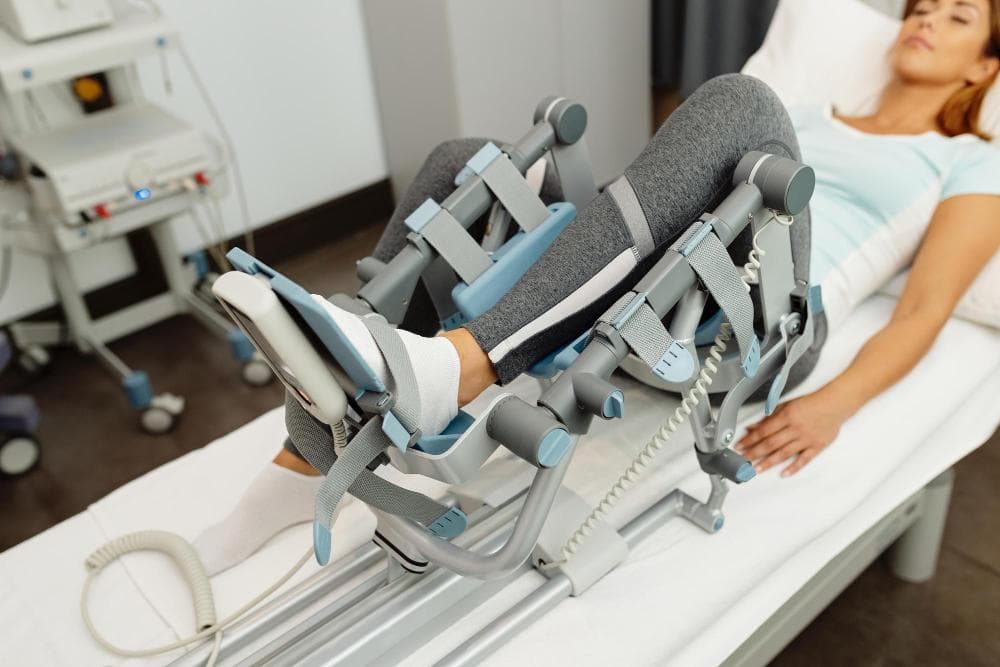
A nurse is helping a patient resume walking after surgery.
The actual recovery process depends on the specific type of surgery and the general health of the patient. Careful follow-up is required to receive adequate benefit from the operation, though.
- Postoperative care - Care of the operation wound by proper medication, dressing, and regular follow-up. This will help keep the operation site from becoming infected.
- Physiotherapy and rehabilitation - Physiotherapy will help to restore strength, flexibility, and joint range. A guided rehabilitative program helps the body recover effectively, minimizing stiffness.
- Return to activity - Return to daily living must be gradual. Avoiding stressful movements will prevent pressure being placed on the surgical site and avoid further problems.
- Follow-up appointments and progress monitoring - Follow-up appointments allow the doctor to monitor the patient's recovery, modify treatment if required, and check how healing is progressing.
When To Consider Open Surgical Procedures?
Certain instances warrant open surgical treatment to achieve the best results.
- Severe or chronic pain - This is when medication or physiotherapy has failed to provide pain relief.
- Restricted movement - When the normal activities of the body become impossible or difficult.
- Unsuccessful conventional management - The last resort when medication and physical therapy can't provide any respite.
- Complex or unstable conditions - Fixation or correction of structurally impaired bone is necessary.
Final Thoughts
Open surgery is the best form of surgical intervention and treatment for musculoskeletal issues. It fixes the mechanical problem, unlike simply managing the pain. Surgical options now are safer, effective, and the recuperation period is lesser than ever due to advancements in medical technology and therapeutic approaches. Early intervention from a specialist ensures effective and long-term recovery for the patient.
Consult the best Orthopaedic specialist, Dr. Mayank Chauhan, in Noida. To receive optimum medical care and to relieve pain and restore mobility is paramount.
Frequently Asked Questions (FAQs)
Is open orthopaedic surgery safe?
Yes, open orthopaedic surgery is safe and well with an experienced surgeon and good pre- and post op care.
When is open surgery required for fractures?
Open surgery is necessary when the fracture is complex and displaced or has no tendency to heal with casting or non-operative treatment.
What is the recovery time for open orthopaedic surgery?
It can vary and may be a few weeks to several months, depending on the procedure and rehabilitation.
Is open surgery preferable to MIS?
Open surgery is preferable in many situations when the condition is more complex, providing better access and a precise correction.