When Is Surgery Required for Slip Disc? Clear Criteria Every Patient Should Know
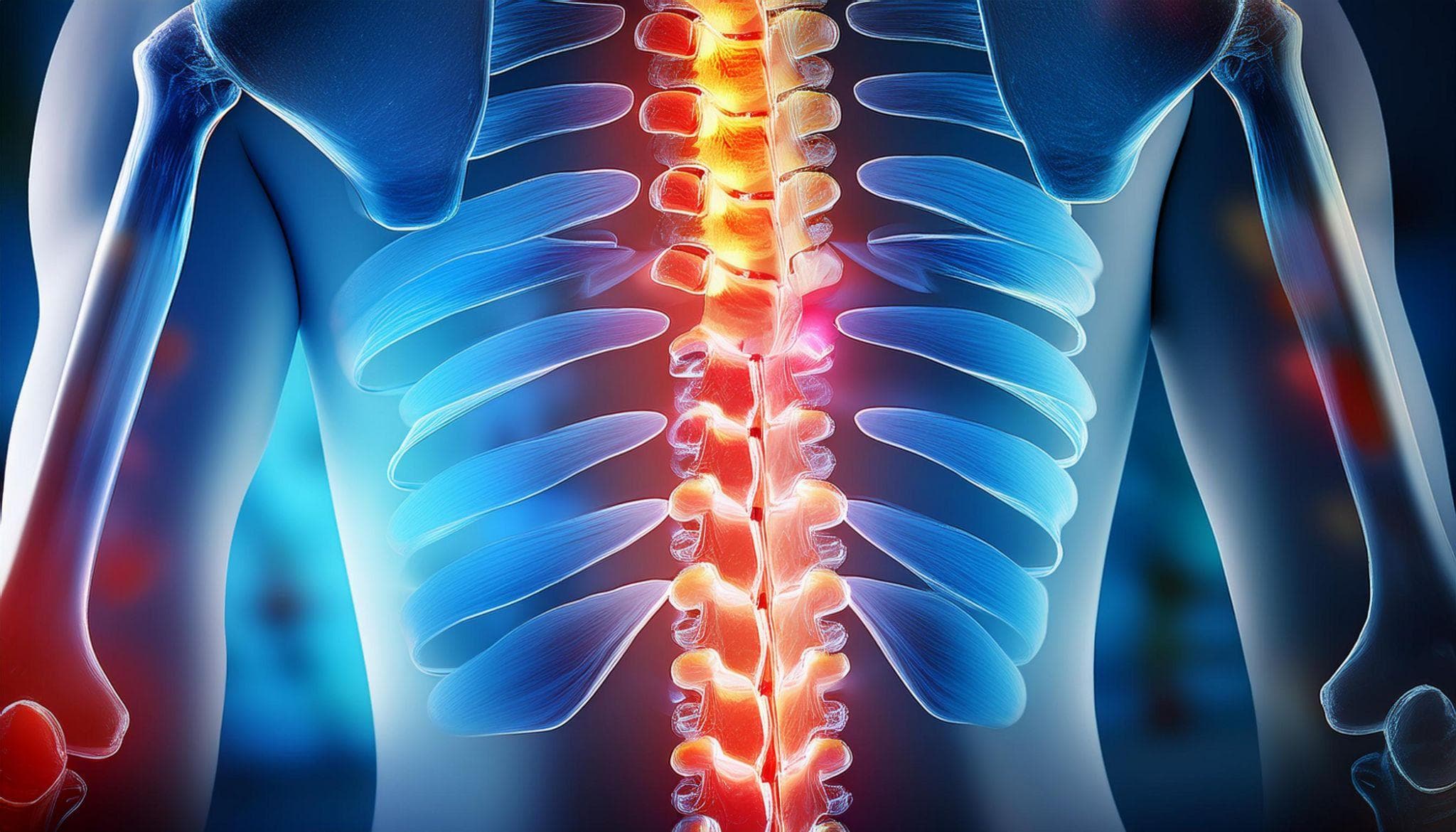
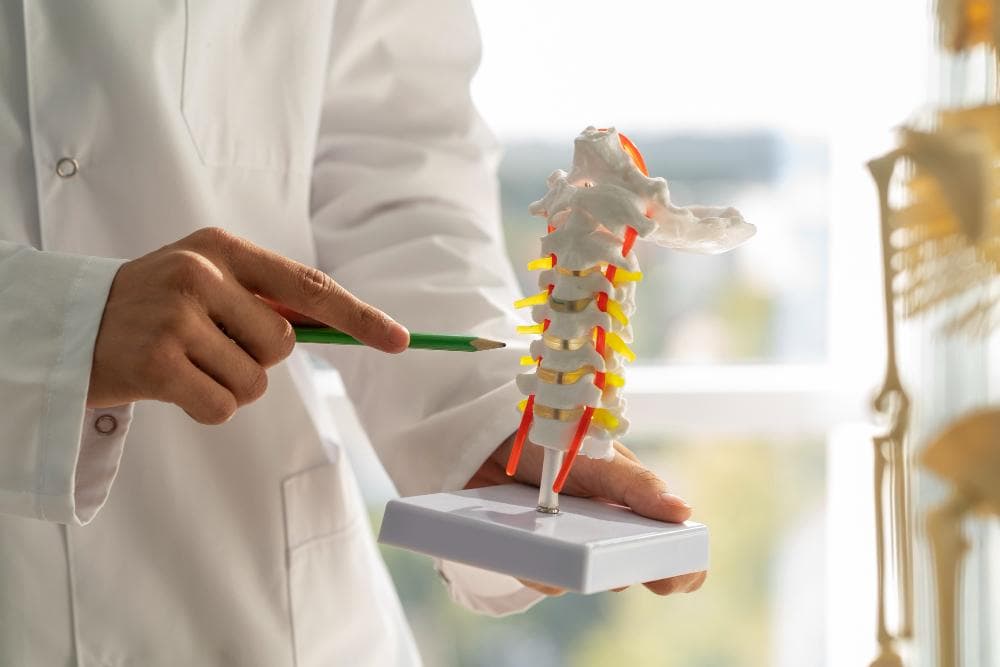
A detailed spine image highlighting a slip disc compressing nerves and causing radiating back pain.
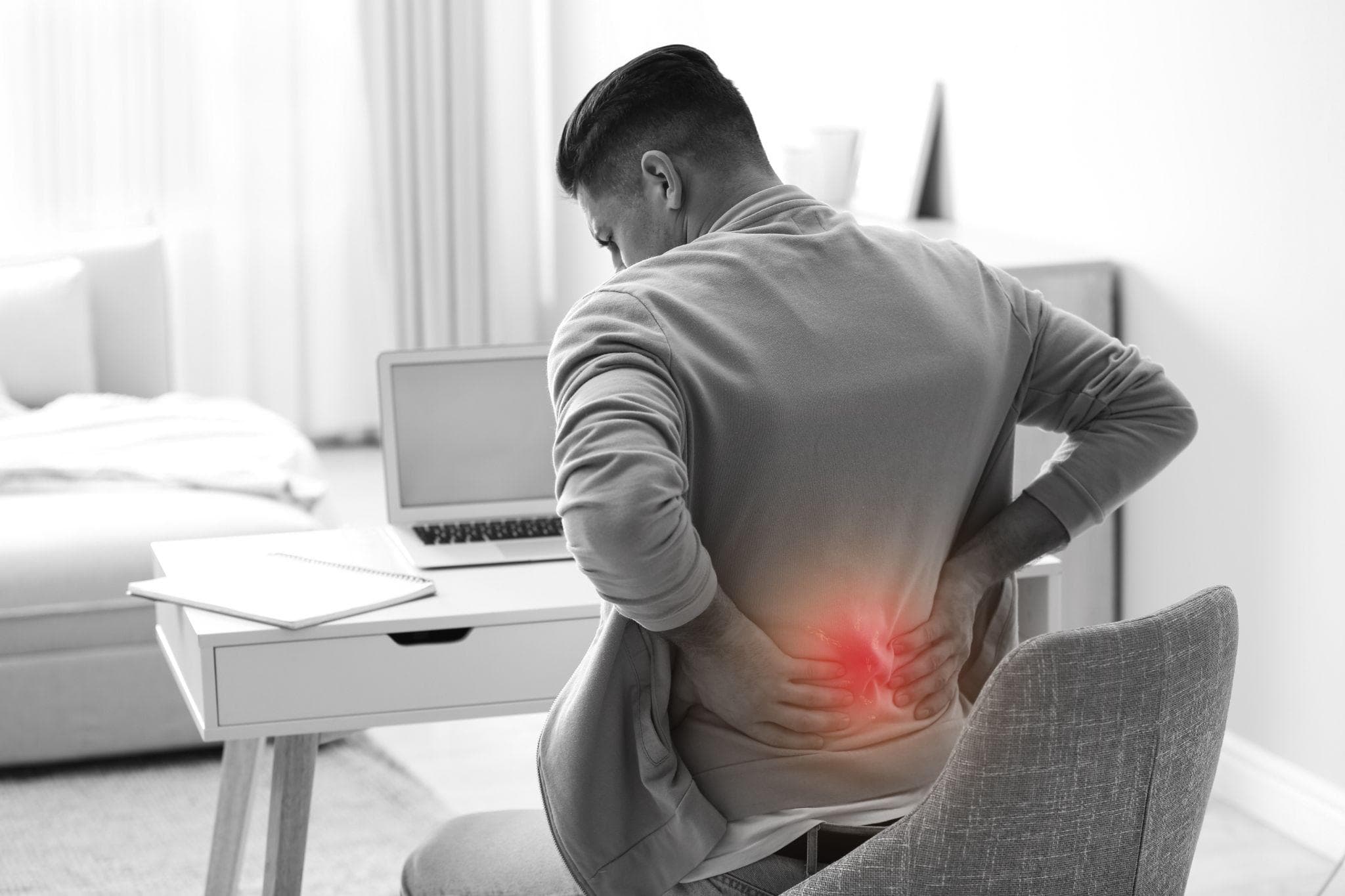
One of the most common and most loaded questions asked in orthopedic clinics in Noida: "Do I need surgery?" For slip disc patients, this question carries enormous weight. Surgery on the spine sounds frightening. Recovery seems long. Friends and family share horror stories. And yet — waiting too long when surgery is genuinely needed can result in permanent nerve damage.
The answer is not simple, and it is not the same for every patient. But there are clear clinical criteria that guide the decision — and patients deserve to understand what those criteria are.
The Starting Principle: 90% of Slip Disc Cases Do Not Need Surgery
Before discussing when surgery is needed, the foundational fact must be restated clearly: the vast majority of lumbar disc herniations resolve with properly structured conservative treatment. Studies consistently show that 80–90% of patients with a slipped disc improve significantly within 6–12 weeks with physiotherapy, appropriate medication, and, in many cases, epidural steroid injections.
This means that for most patients presenting to an orthopedic clinic in Noida with back pain and leg symptoms from a slipped disc, the first conversation is not about surgery — it is about starting the right non-surgical treatment and giving it a genuine chance to work.
Surgery is not the first option. It is the option that comes after conservative management has been properly tried and has either failed or when specific clinical criteria make surgery immediately appropriate.
Category 1 — Absolute Surgical Emergency (Must Operate Within Hours)
Cauda Equina Syndrome
This is the one situation where surgery cannot wait. When a large disc herniation compresses the cauda equina — the bundle of nerve roots below the spinal cord at the lower lumbar levels — the result is cauda equina syndrome (CES).
Symptoms of CES:
- Loss of bladder control — difficulty urinating, urinary retention, or incontinence
- Loss of bowel control — faecal incontinence or inability to pass stool
- Numbness or tingling in the perineum (the saddle area — the inner thighs, genitals, and perianal region)
- Bilateral leg weakness or numbness (both legs simultaneously)
- Profound neurological loss developing rapidly
Why it is an emergency: The cauda equina nerve roots control bladder function, bowel function, and sexual function. When compressed, these nerves begin to die. The window for surgical decompression that will restore function is measured in hours to days — not weeks. Patients who receive surgery within 24–48 hours of onset have the best chance of full recovery. Delays of 48 hours or more significantly worsen prognosis.
If you or a family member has these symptoms — go to an emergency department immediately. Do not wait for a scheduled appointment.
Category 2 — Urgent Surgical Indication (Operate Within Days)
Progressive Neurological Deficit (Motor Weakness Getting Worse)
When a slipped disc is causing progressive weakness in the leg — weakness that is getting worse, not stable — surgical urgency increases significantly.
What this looks like clinically:
- Foot drop — inability to lift the front of the foot (dorsiflexion weakness from L4-L5 disc compression). The patient trips on their toes while walking, cannot walk on their heels, and drags the foot.
- Rapidly worsening leg weakness — a patient who could stand 4 days ago and can barely bear weight today
- Wasting of leg muscles from prolonged nerve compression
Why it is urgent: Peripheral motor nerves, when compressed, have limited capacity to regenerate once they die. A nerve that has been severely compressed for weeks or months may not fully recover even after decompression. Early surgery — when the nerve damage is still reversible — has significantly better outcomes than delayed surgery after nerve death has occurred.
Progressive motor deficit is a serious clinical finding. It does not require 6 weeks of waiting to see if it improves. If weakness is clearly getting worse on serial examination, the surgical conversation should happen now.
Category 3 — Elective Surgery Indicated (Operate After Failed Conservative Treatment)
This is by far the most common surgical indication — and the one that applies to the largest group of patients.
Failed Conservative Management at 6–8 Weeks
When all of the following are true, surgery becomes a reasonable and appropriate discussion
1. Conservative treatment has been genuinely tried:
Not tried half-heartedly. Not "I took some painkillers and rested for 2 weeks." Genuinely tried means:
- A structured physiotherapy programme of at least 6 weeks, done consistently
- Appropriate medication — NSAIDs, nerve pain medication (pregabalin/gabapentin), muscle relaxants
- At least one epidural steroid injection (if the patient's pain level allowed physiotherapy participation)
2. Despite this, the patient remains significantly disabled:
- Severe, disabling pain persisting beyond 6–8 weeks of adequate conservative treatment
- Inability to work, sleep, or carry out daily activities despite treatment
- Radiating leg pain (sciatica) that remains severe and limits walking to short distances
3. Imaging confirms a disc herniation that corresponds to the clinical symptoms:
The MRI finding must match the pattern of symptoms. An MRI showing a disc herniation at L4-L5 should produce symptoms in the L4 or L5 distribution — not random pain that doesn't match any nerve root. Incidental disc changes on MRI that don't correlate with clinical findings are not an indication for surgery.
When these three criteria are met, microdiscectomy — the minimally invasive surgical procedure to remove the herniated disc fragment — can provide rapid, reliable relief that conservative management has failed to achieve.
What Surgery for Slip Disc Involves
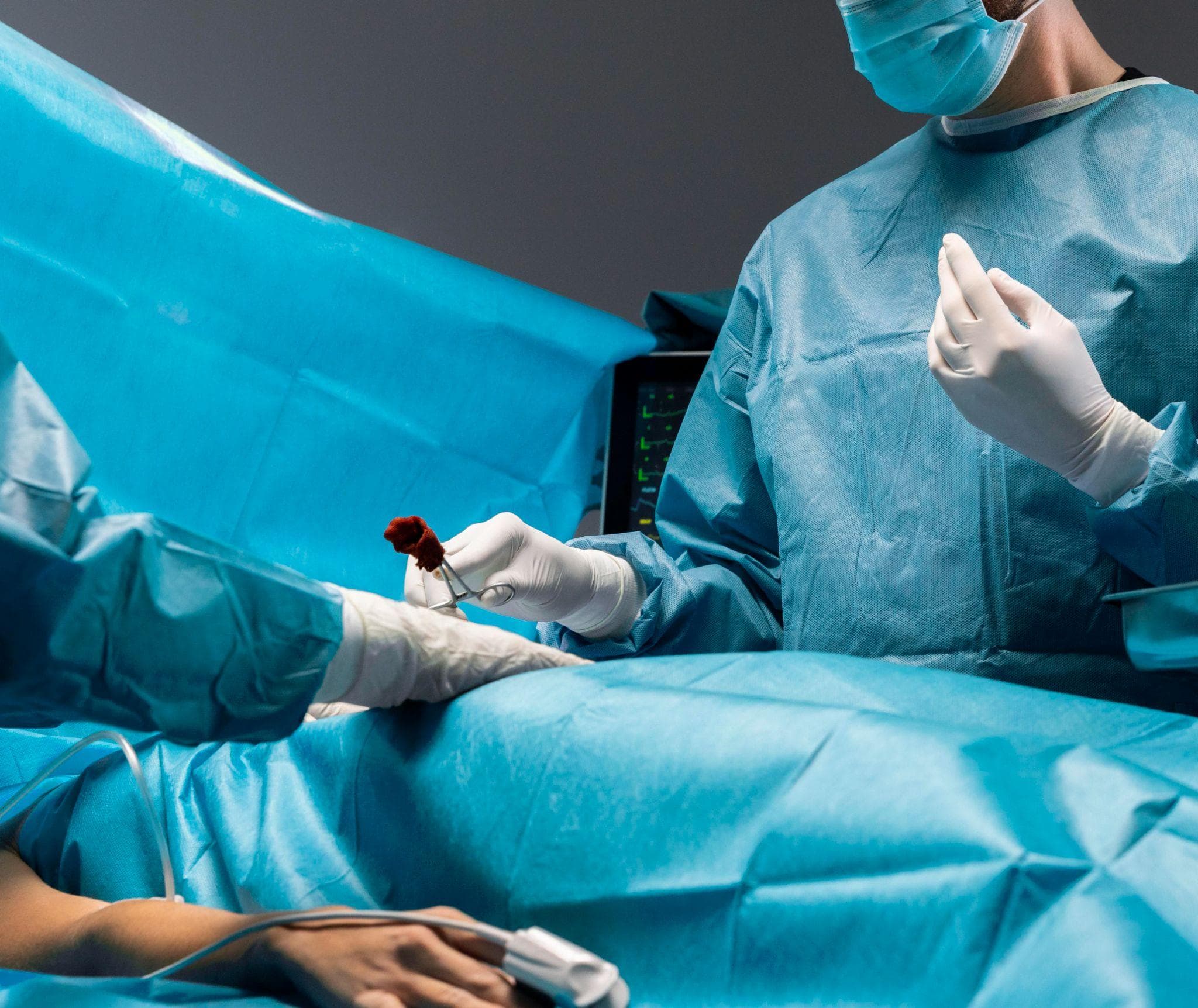
The standard surgical procedure for a lumbar disc herniation is microdiscectomy.
Through a small incision (2–3 cm) in the back, under microscopic magnification, the herniated disc fragment pressing on the nerve root is precisely removed. The nerve root is decompressed. The muscle and surrounding tissue are minimally disturbed.
Duration: 45–75 minutes.
Hospital stay: 1–2 days in most cases.
Return to walking: Day 1 after surgery.
Return to desk work: 2–4 weeks.
Return to physical work: 6–8 weeks.
Success rates: For well-selected patients with clear disc herniation causing corresponding leg symptoms (sciatica), microdiscectomy has an 85–90% success rate for significant or complete relief of leg pain. It is one of the most reliable procedures in spine surgery.
What it does not fix: Microdiscectomy removes the herniated fragment. The underlying disc degeneration remains. The patient still needs physiotherapy and core strengthening after surgery to reduce recurrence risk (estimated at 5–10% over 5 years).
For cervical disc herniation causing arm symptoms (cervical radiculopathy), the equivalent procedure is ACDF (Anterior Cervical Discectomy and Fusion) or cervical disc replacement — covered in the spine surgery blog.
What Surgery for Slip Disc Does NOT Involve
Surgery is NOT indicated for:
- MRI findings of disc herniation alone, without corresponding significant clinical symptoms
- Back pain without leg symptoms (axial back pain alone) — this is not a disc surgery indication in most cases
- Disc herniation that has been present for years without significant neurological deficit or functional impairment
- A patient who has not completed adequate conservative management
- Mild or tolerable symptoms that respond to periodic treatment
Surgery is also not indicated for patients who refuse physiotherapy or lifestyle modifications but want a "quick fix" — microdiscectomy removes the herniated fragment but does not prevent recurrence if the underlying risk factors (weak core muscles, poor posture, sedentary lifestyle) are not addressed.
The Surgeon's Role — Honest Assessment Without Bias
One concern that is entirely legitimate: some patients are pushed toward surgery prematurely. The decision for surgery should always be based on clear clinical criteria — not on a positive MRI report alone, not on impatience, and not on the surgeon's preferences.
Equally, some patients delay necessary surgery out of fear — allowing progressive neurological damage to occur while hoping conservative management will eventually work.
The right answer lies in an honest clinical assessment, with the surgeon explaining clearly:
- What stage is your disc herniation at
- Whether clinical criteria for surgery are met
- What are the realistic outcomes of surgery for your specific case
- What are the consequences of further delay
Slip Disc Evaluation in Noida — Dr. Mayank Chauhan at Prakash Hospital
Dr. Mayank Chauhan, Senior Orthopedic Surgeon at Prakash Hospital, Sector 33, Noida, evaluates slip disc patients with one clear principle: conservative treatment first, surgery when clinically indicated — and never surgery based on an MRI report alone.
For patients in Noida and Greater Noida who have been managing a slipped disc for weeks or months without clear guidance on whether surgery is needed, a proper evaluation will provide an honest answer. To book a spine consultation, call the number listed on the website.
The Bottom Line
Surgery for slip disc is indicated in three situations: cauda equina syndrome (emergency), progressive motor weakness (urgent), and failed conservative treatment over 6–8 weeks (elective). For all other presentations, conservative management is the correct first approach — and it works in the vast majority of cases.
To consult Dr. Mayank Chauhan, Senior Orthopedic Surgeon in Noida, call the number listed on the website.