Slip Disc Vs Muscle Strain: How To Identify The Difference

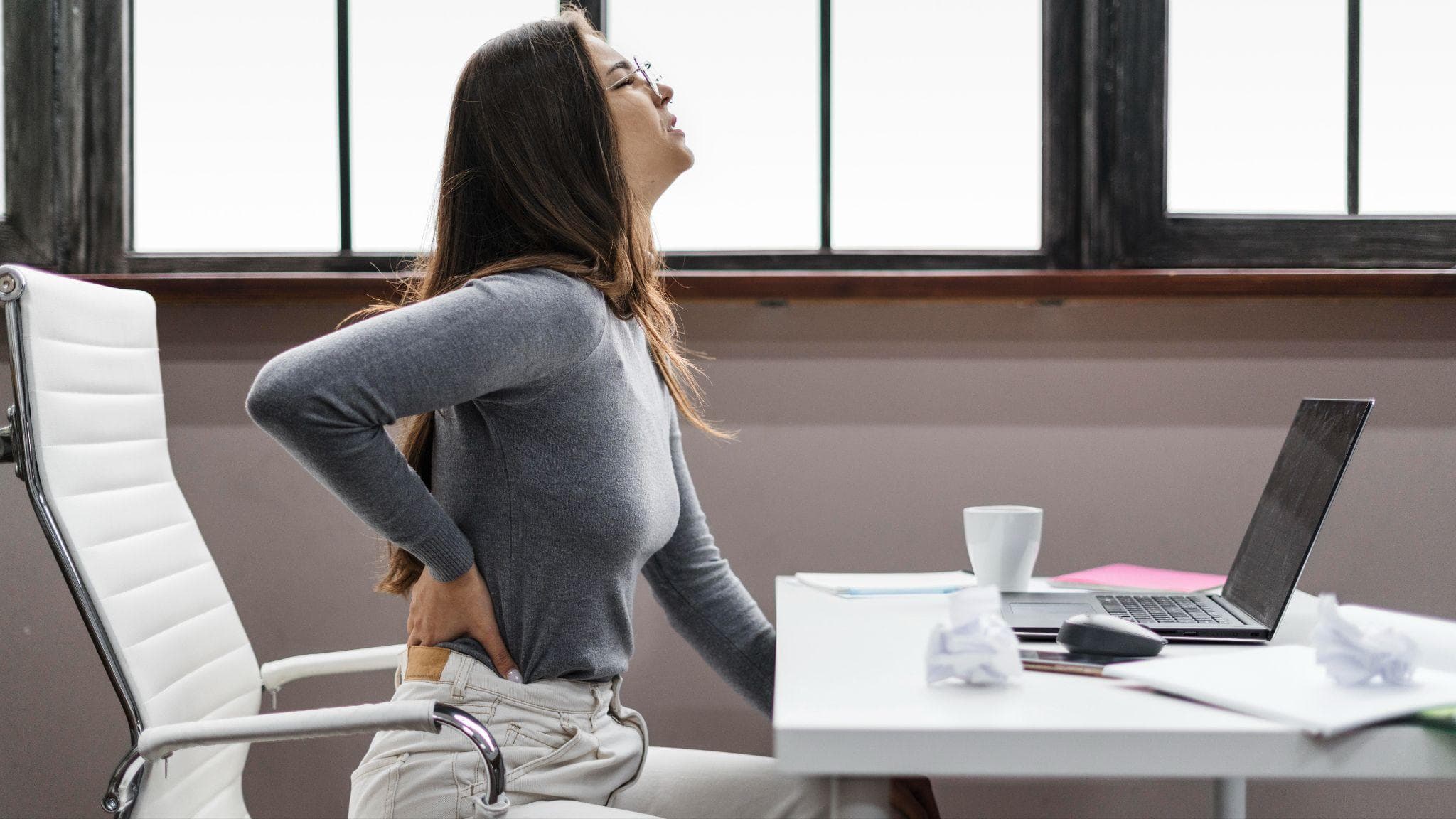
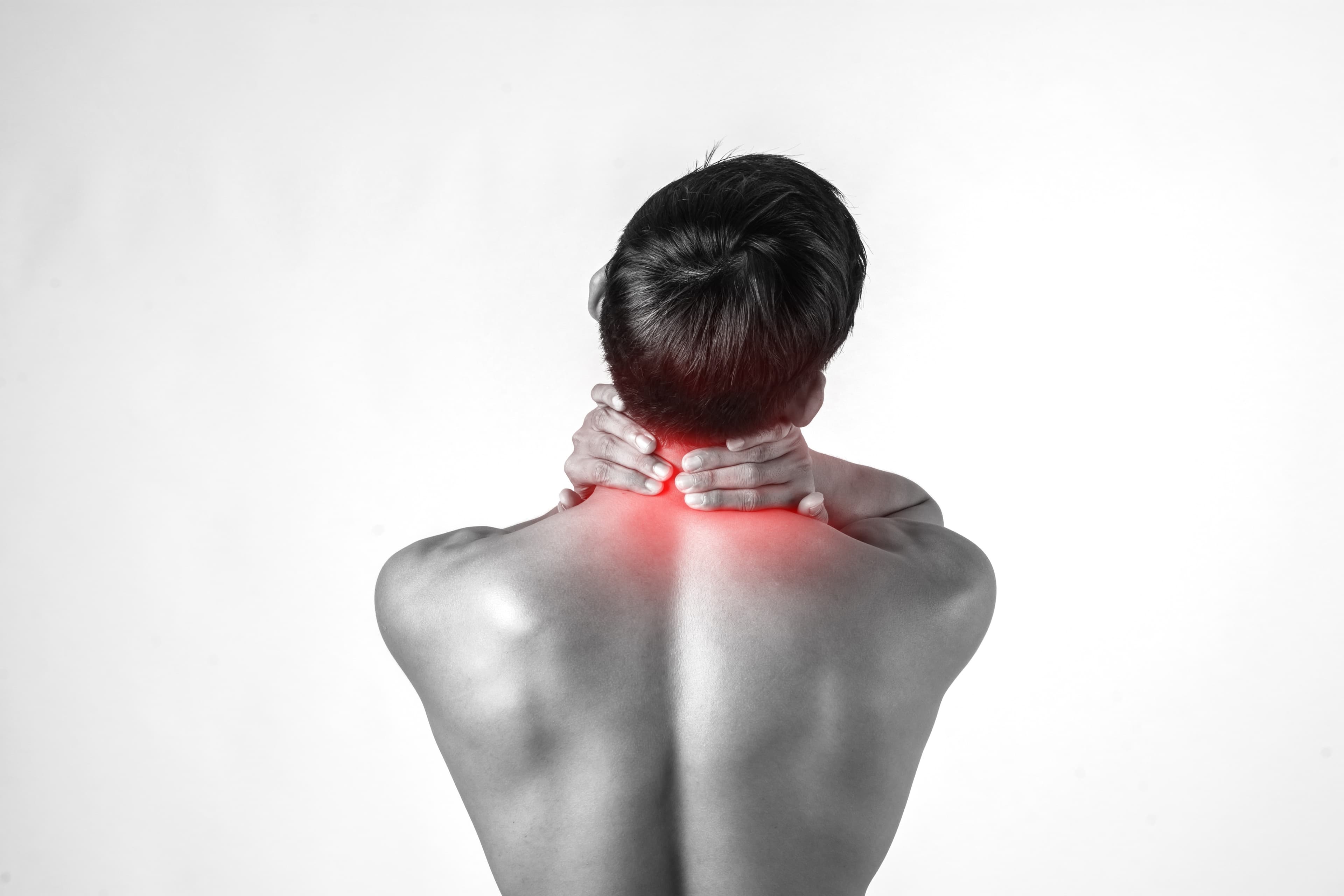
A woman is holding her back in pain.
Back pain is everywhere these days. Maybe you’ve spent all day hunched over a laptop, or you tried to move something way too heavy. No matter how it starts, back pain can really throw you off. The tricky part? Figuring out if you’re just dealing with a muscle strain or something bigger, like a slipped disc.
At first, both can feel pretty similar, aching, maybe some stiffness, but they’re not the same. The causes are different, the pain can hit you harder with one than the other, and the way you treat them changes a lot, too. Spotting what’s actually going on early makes a huge difference. You recover faster and dodge bigger problems down the road.
So, let’s break it down. Here’s how to tell a slipped disc from a muscle strain, what causes them, what symptoms to watch for, and when it’s time to call an orthopedic specialist.
What Is A Slip Disc?
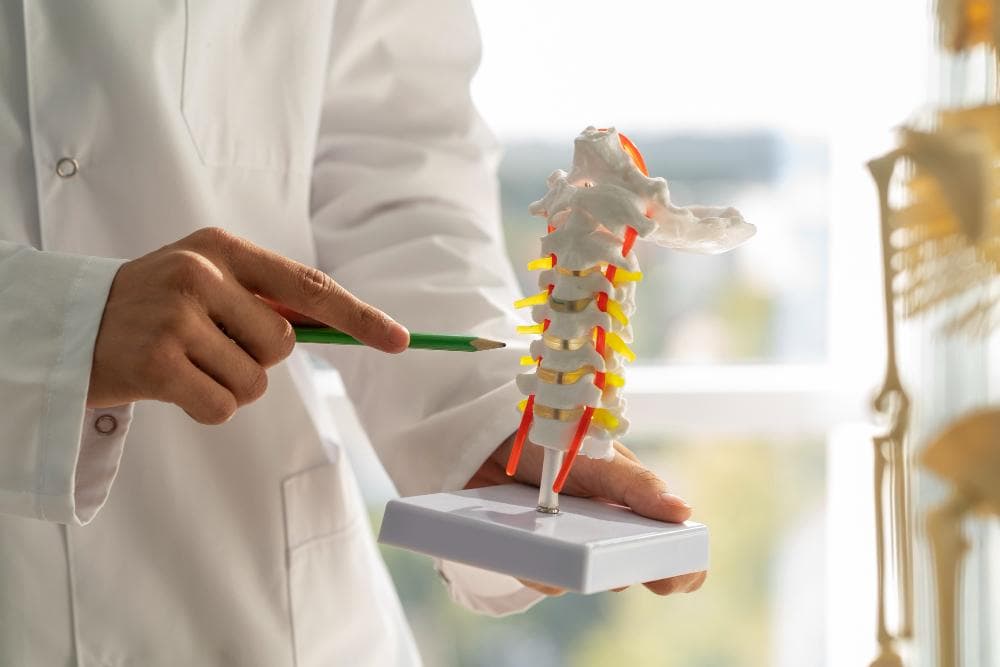
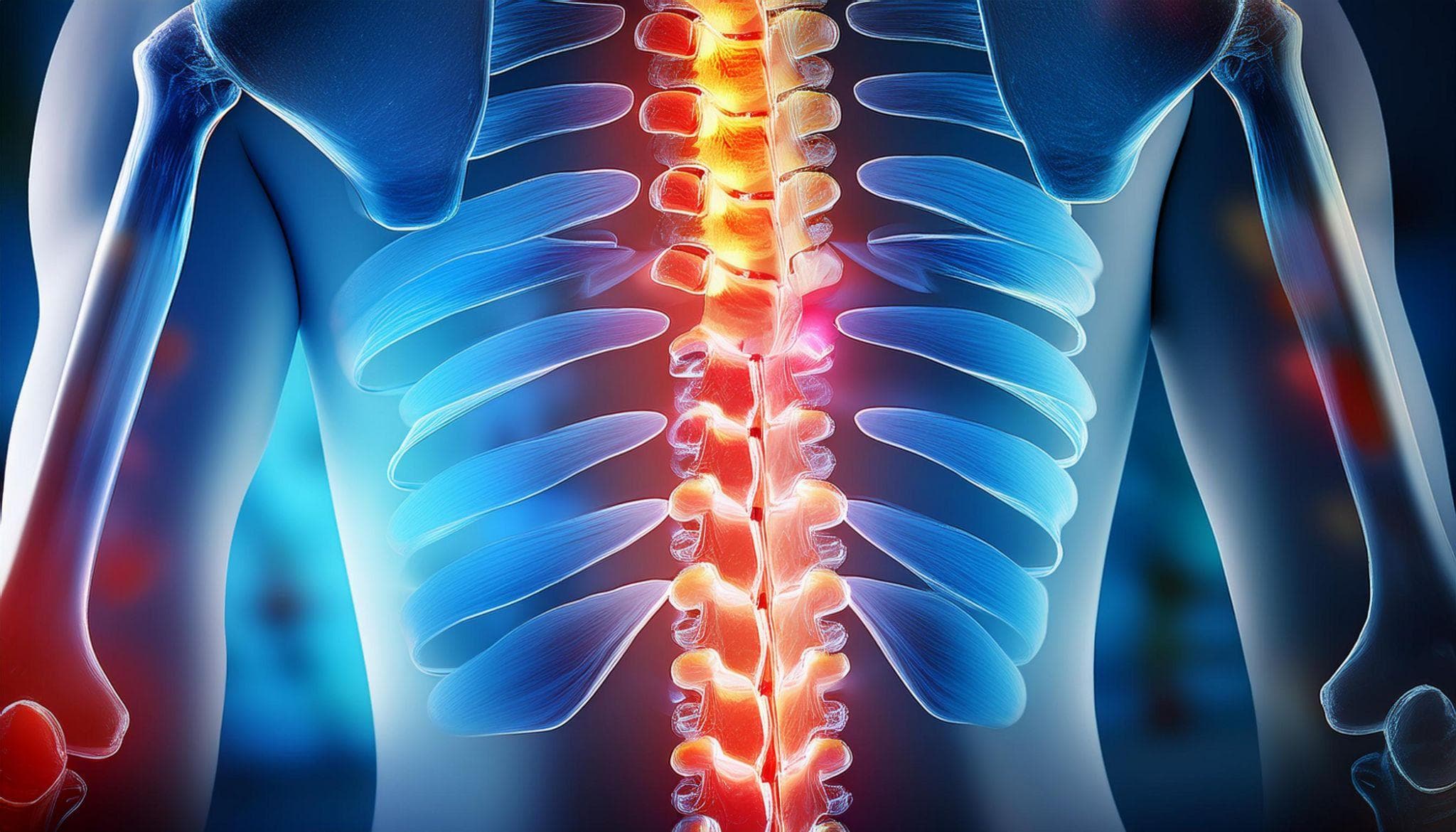
A slipped disc, or herniated disc, happens when that soft, cushiony disc between your spine’s bones slips out of place. These discs are like little shock absorbers for your back. If the tough outer layer gets weak or tears, the squishy center can push out and press on nearby nerves. That’s usually what triggers pain and all those other annoying symptoms. You’ll most often hear about slipped discs in the lower back, but they can mess with your neck, too.
What Is A Muscle Strain?
A muscle strain occurs when you overstretch or tear your muscle fibers. It usually hits after you make a sudden move, lift something the wrong way, have bad posture, or just overdo it. A muscle strain doesn’t mess with your spine’s discs or nerves. It just affects the muscles and soft tissues around your back. Muscle strains are super common. They’re usually not as serious as a slipped disc, but they can still hurt a lot.
Difference Between A Slipped Disc And A Muscle Strain
When back pain hits, the details matter. Both a slipped disc and a muscle strain can leave you hurting, especially in your lower back, but they’re not the same problem. Knowing what sets them apart helps you figure out whether you can just take it easy at home or if it’s time to see a doctor.
1. How The Pain Feels
Slipped Disc: This pain doesn’t mess around. It’s sharp, sometimes electric, and often shoots from your lower back down into your buttocks and leg. That’s what people call sciatica. It usually gets worse if you sit too long, bend forward, sneeze, or cough, basically, anything that puts more pressure on your spine.
Muscle Strain: With a muscle strain, the pain feels different. It’s more of a dull ache or tightness, right in one spot. It doesn’t shoot down your leg. Moving around, twisting, bending, or lifting makes it worse, but resting helps.
2. Nerve Issues
Slipped Disc: A slipped disc can do more than just hurt. If it presses on a nerve, you might feel numbness, tingling (like pins and needles), or even weakness in your leg or foot. Sometimes, your reflexes can take a hit, too.
Muscle Strain: Muscle strains don’t mess with your nerves. You won’t get numbness or tingling, just soreness, stiffness, or maybe a little swelling where the muscle is hurt.
3. How It Starts
Slipped Disc: Sometimes a slipped disc sneaks up on you, getting worse over time thanks to wear and tear. Other times, it comes out of nowhere, lifting something heavy with bad form, a sudden twist, or after an accident. The pain might start mild and then get worse over a few days.
Muscle Strain: Muscle strains usually strike fast. You might feel it right after you lift something heavy, twist the wrong way, push yourself too hard at the gym, or sit with bad posture for ages. Most people notice the pain right away or within a few hours.
4. How Long Does Recovery Take?
Slipped Disc: Getting over a slipped disc often takes a while, sometimes weeks or even months. If it’s not too bad, physical therapy and rest can help. More serious cases might need more hands-on medical treatment.
Muscle Strain: Muscle strains heal up a lot faster. With some rest, a bit of heat, gentle stretching, and better posture, most people feel better in a few days to two weeks. Taking care of yourself keeps it from coming back.
Causes Of A Slipped Disc

A man is holding a heavy parcel in pain.
A few things can set you up for a slipped disc.
- Lifting heavy stuff the wrong way.
- As people get older, their discs wear down too, so age plays a part.
- Not moving much or sitting around all day doesn’t help either.
- If you carry extra weight, that adds even more pressure on your spine.
- Sometimes, all it takes is one bad fall or accident.
Causes Of A Muscle Strain
Muscle strains usually happen:
- When you twist suddenly, or if you sit with poor posture for too long.
- Pushing yourself too hard at the gym is another culprit.
- Weak core muscles make things worse, since they don’t support your back very well.
- Doing the same movement over and over can also leave your muscles tired and sore.
Treatment Approach
1. Muscle Strain
- Take it easy for a while and adjust your daily activities.
- Use ice or heat packs to manage pain, and try some simple physiotherapy exercises once you’re ready.
- Short-term painkillers help, but don’t rely on them for long.
- Pay attention to your posture, small changes make a big difference.
- Most people bounce back without needing anything invasive.
2. Slip Disc
- Stick to a set physiotherapy plan and take anti-inflammatories to reduce pain.
- If nerve pain kicks in, doctors have ways to help manage that.
- You’ll probably need to tweak your lifestyle, maybe changing how you lift things or improving your workspace.
- For tough cases, a surgical consult comes into play. The sooner you start treatment, the better your chances of a strong recovery.
When To See An Orthopedic Specialist

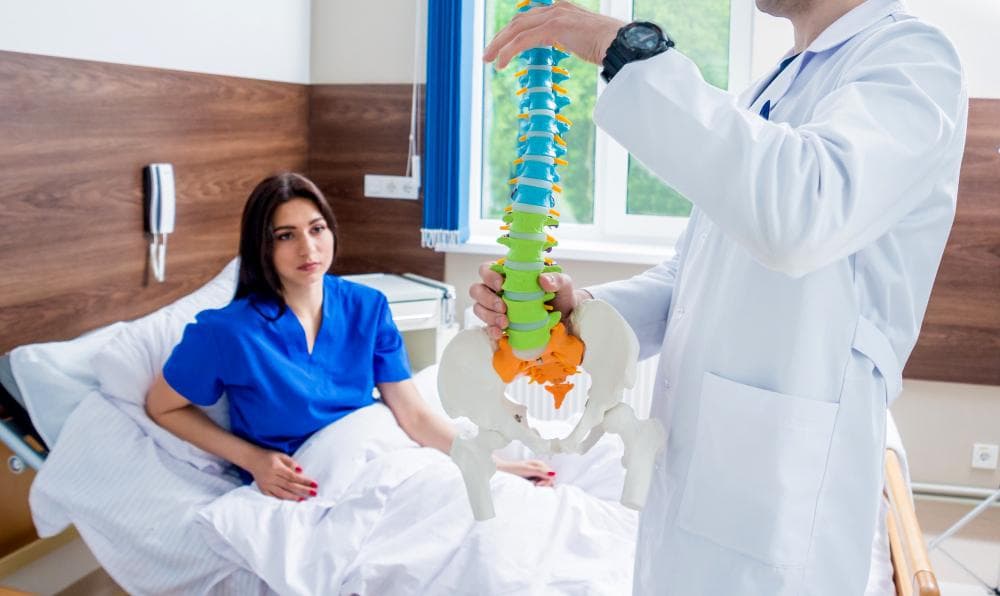
A female doctor is examining her elderly patient.
Don’t brush off symptoms that stick around or feel really intense.
- Your pain hangs on for more than a week or two.
- Pain shoots down your leg.
- You notice tingling or numbness.
- Your muscles feel weak.
- Standing or walking gets tough.
If any of this sounds familiar, it’s time for a real checkup. A doctor can examine you and might order some scans to figure out if it’s a slipped disc, a muscle strain, or something else.
Final Thoughts
Don’t brush off back pain, especially if it just won’t quit or keeps getting worse. Sometimes it’s nothing more than a sore muscle, and that clears up pretty fast. But a slipped disc? That’s a different story and usually needs a doctor’s help.
Catching the difference early matters. The sooner you know what you’re dealing with, the sooner you can get the right care. With a solid assessment, some guided physiotherapy, and an orthopedic expert in your corner, most people bounce back and get back to their routines.
If you’re looking for someone in Noida, Dr. Mayank Chauhan offers thorough orthopedic care and builds treatment plans based on what actually works. You’ll get answers, not guesswork.