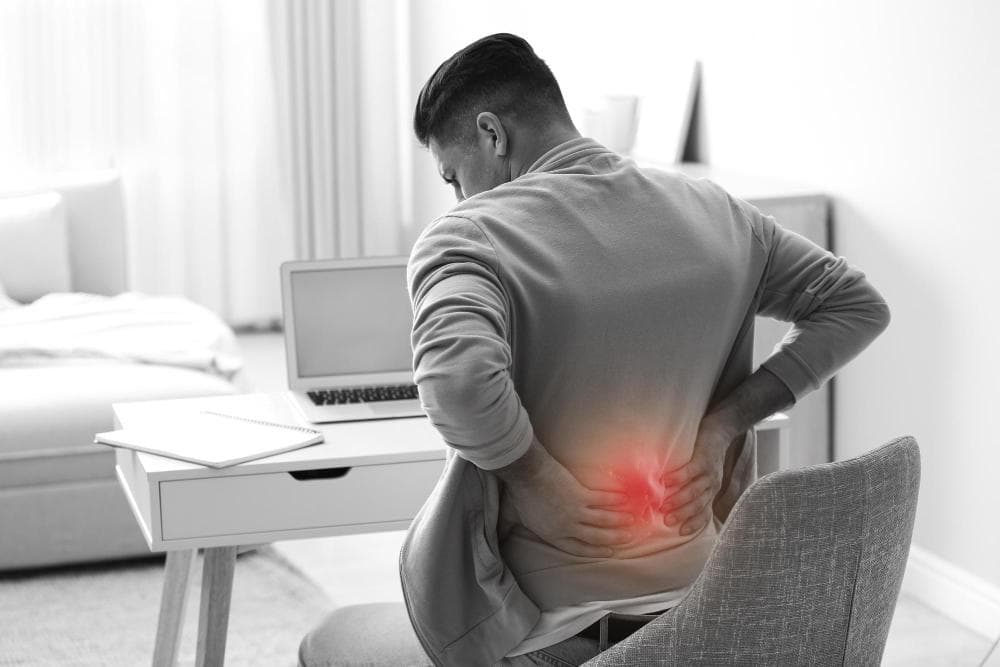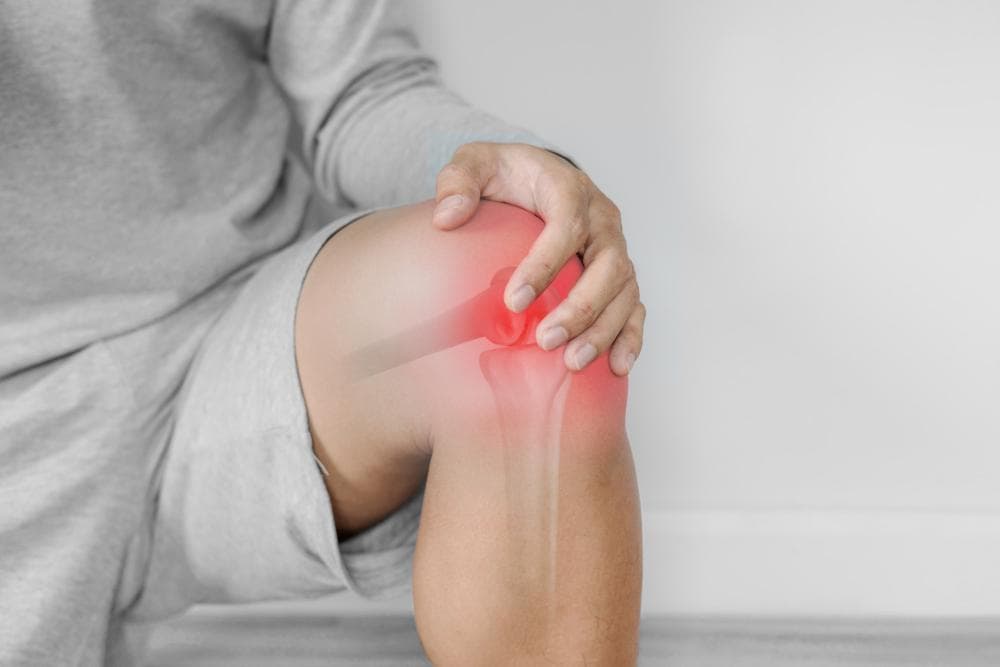
Lumbar Belt For Slipped Disc - Does It Actually Help? An Orthopedic Surgeon's Honest Answer
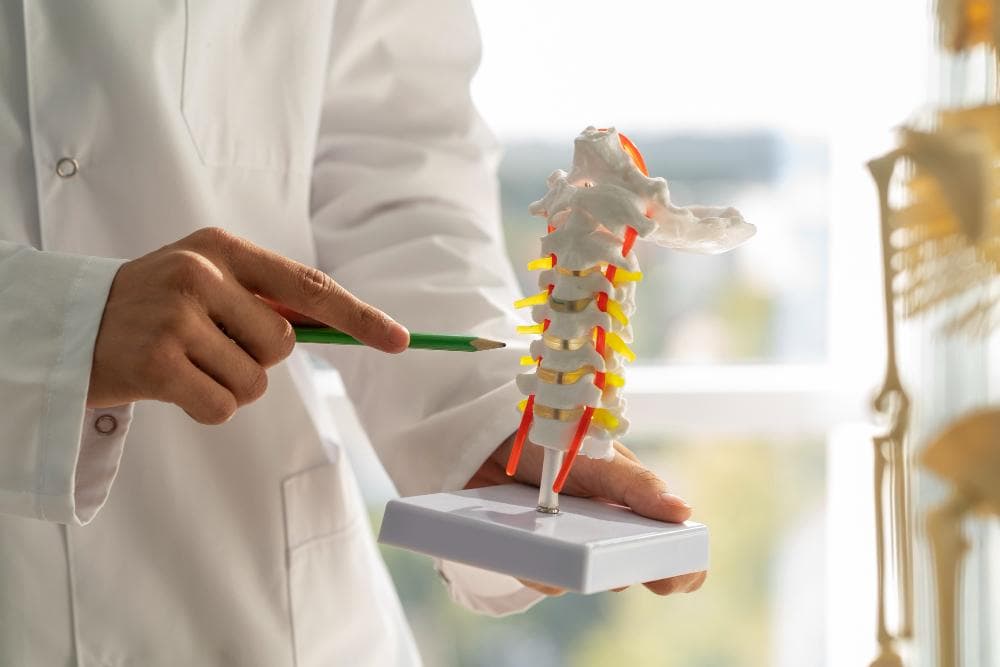
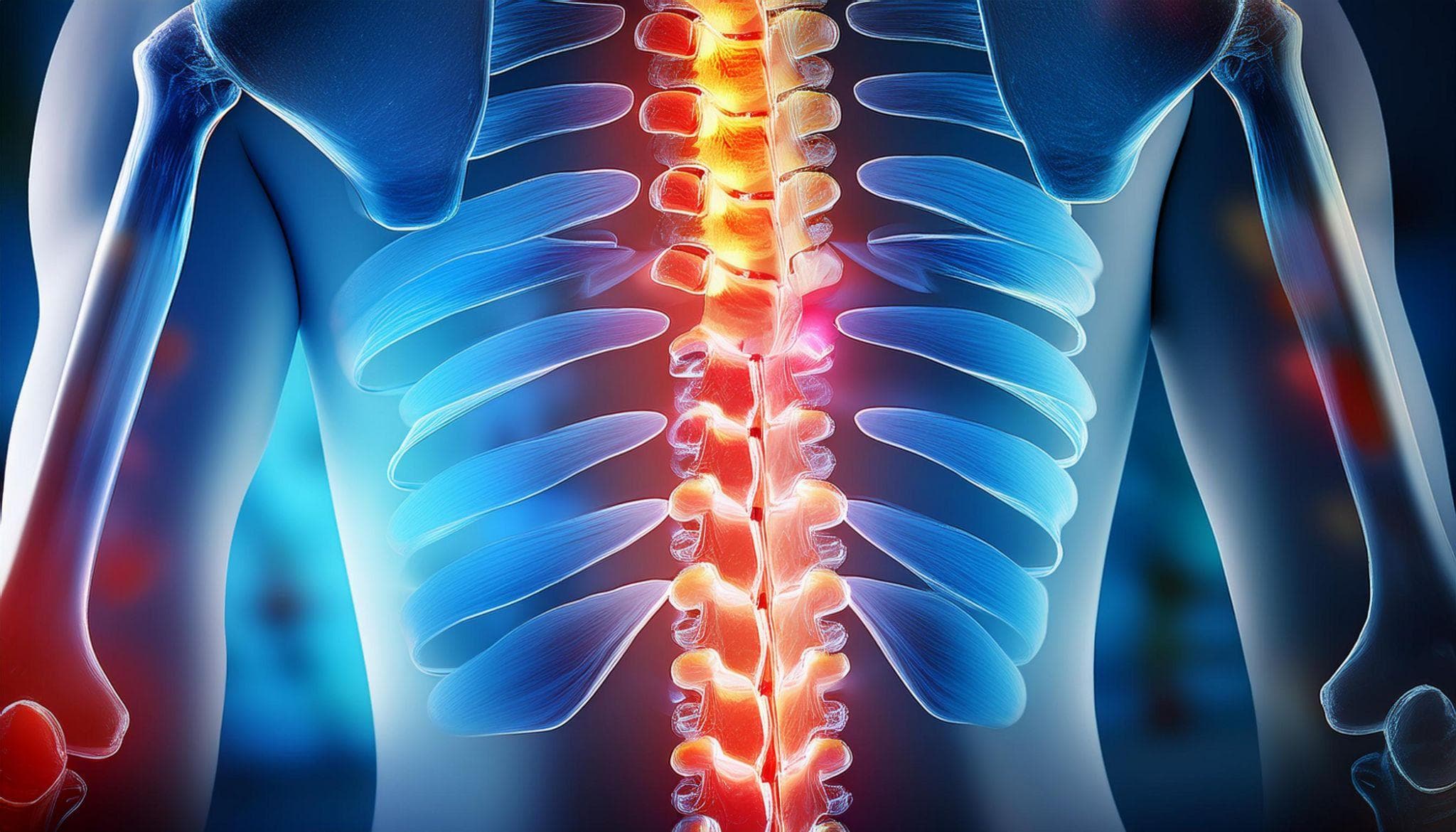
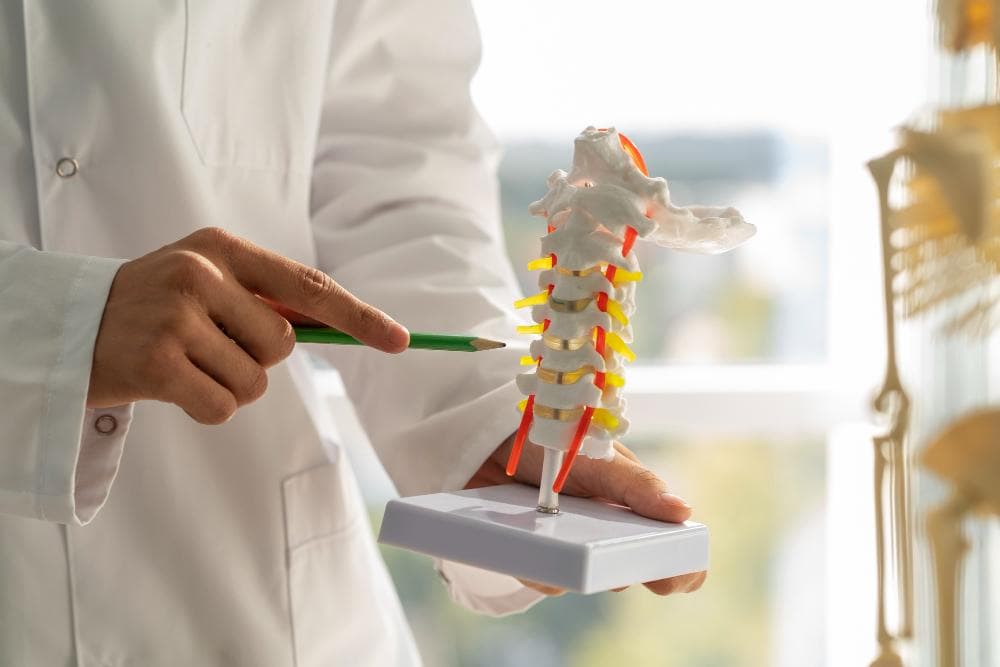
Orthopedic specialist demonstrating spinal anatomy using a spine model, highlighting affected vertebrae and nerves related to back pain conditions.
Walk into any chemist in Noida, and there is an entire shelf of lumbar belts, lumbosacral supports, and back braces. Go to any ortho clinic in the city, and half the patients walking out are carrying one. And then spend five minutes online, and you will find equally passionate arguments for wearing a back belt and against wearing a back belt.
Who is right? The honest answer is: both groups have a point because the benefit of a lumbar belt depends entirely on how you use it, when you use it, and whether you understand what it is actually doing. This guide cuts through the confusion.
What A Lumbar Belt Actually Does?
Before discussing whether it helps, it is worth being clear about what a lumbar belt mechanically does and what it does not do.
What it does:
- Restricts movement: The belt limits excessive forward flexion, lateral bending, and rotation of the lumbar spine. These are the movements most likely to aggravate disc herniation and worsen nerve irritation.
- Increases intra-abdominal pressure: When the belt compresses the abdomen, it raises intra-abdominal pressure, which acts like an internal air cushion, offloading some of the compressive force from the spinal discs. A 2025 study found that modern back support devices can increase intra-abdominal pressure by up to 43% during lifting tasks.
- Proprioceptive feedback: The belt reminds you literally through physical sensation when you are bending or twisting in ways that hurt. This conscious awareness helps patients avoid aggravating positions during the acute phase.
- Psychological reassurance: Not to be dismissed. In the acute phase, feeling supported can reduce the pain-related fear that causes patients to restrict even helpful movement.
What it does NOT do:
- It does not heal the disc
- It does not reduce the actual disc herniation
- It does not strengthen the muscles of the spine
- It does not fix posture long-term
The belt is a tool that provides mechanical support and movement restriction during the period when the disc and nerve are healing. It is not a cure, and wearing it beyond its indicated period actively works against recovery by preventing the muscle strengthening that the spine needs for long-term stability.
Types Of Lumbar Belts Available In India
Walk into any pharmacy in Noida's Sector 18 or 27 market, and you will see three broad categories:
1. Flexible Neoprene / Elastic Belts
Soft, stretchy, provides warmth and light compression. Minimal restriction of movement. Best suited for mild back pain, muscle strain, and mild disc conditions in the latter phase of recovery when activity is being resumed. Not adequate support for acute disc herniation.
2. Semi-Rigid Lumbosacral (LS) Belt
Has vertical stays (rigid plastic or metal inserts) running down the back. Provides moderate restriction of flexion and lateral bending while allowing some movement. This is the type most orthopedic surgeons in India recommend for slip disc. Provides meaningful but not total restriction enough to protect the disc while allowing movement for healing. Most branded LS belts sold by pharmacies in Noida (Flamingo, Dyna, Tynor) fall into this category.
3. Rigid Braces (Taylor Braces / TLSO)
Rigid plastic external support that significantly restricts all lumbar movement. Used post-operatively after spinal surgery, for spinal fractures requiring immobilisation, or for severe instability. Not typically used for disc herniation in otherwise stable patients.
When A Lumbar Belt Helps - The Right Indications
1. During The Acute Phase (Weeks 1–3)
This is the window of maximum benefit. During acute disc herniation with severe pain and leg symptoms, the belt provides:
- A window of pain reduction that allows the patient to start gentle movement (crucial bed rest without any movement worsens outcomes).
- Protection against inadvertent bending or twisting during sleep or with sudden movements.
- Support during necessary activities, such as getting to the toilet and moving around the house.
The right protocol: Wear the semi-rigid LS belt during activity and waking hours. Remove it for sleep (it is uncomfortable and not necessary when supine). Remove it for physiotherapy sessions (the physio needs you to move in ways the belt might restrict).
2. During Specific High-Risk Activities

A man is holding a heavy parcel and seems in visible pain against a red background.
Even during the subacute phase (weeks 3–6) and into recovery, the belt can be used selectively during activities that significantly load the lumbar disc:
- Travelling in a vehicle (vibration is a significant disc stressor; the belt provides protection)
- Prolonged standing (attending a function, working at a counter)
- Any lifting that cannot be avoided
- Returning to work in a standing or walking role before core strength is fully restored
The keyword is selectively. Not all day, every day. Selectively for activities that specifically risk re-aggravation.
When A Lumbar Belt Does Not Help (And May Harm)
1. Long-Term Continuous Wear - The Biggest Mistake
This is the most common error made by patients in Noida: they buy a belt during the acute phase, find that it helps, and then wear it continuously for months or even years. Some patients wear it for years, removing it only to sleep.
This causes active harm. The muscles of the lumbar spine, particularly the multifidus and erector spinae, are load-responsive. They strengthen when they bear a load and weaken when they are offloaded. A belt worn continuously offloads these muscles. Over weeks and months of continuous wear, lumbar muscle weakness increases. The spine becomes dependent on the belt for stability, rather than on its own musculature.
When these patients eventually remove the belt, they find they cannot function without it. The "support" of the belt has, perversely, weakened the very muscles needed for long-term spinal stability.
The correct approach: Use the belt for 2–4 weeks during the acute phase and selectively for high-risk activities during recovery. Simultaneously, begin physiotherapy and core strengthening. Progressively reduce belt use as strength and pain allow.
2. For Pure Back Pain Without Disc Herniation
Not all back pain is disc herniation. Muscle strains, facet joint pain, and sacroiliac joint dysfunction, which together account for a large proportion of non-specific low back pain, do not specifically benefit from lumbar belt use the way disc herniation does. A proper diagnosis should precede any treatment decision, including belt prescription.
3. As A Substitute For Physiotherapy
Some patients use the belt instead of physiotherapy, wearing it for months while avoiding the structured exercise programme that is actually necessary for recovery. This is a common pattern in Noida's self-treating population. The belt provides enough comfort for daily function, but does not drive the healing and strengthening that physiotherapy achieves. The belt should always be used alongside physiotherapy, not instead of it.
Choosing The Right Belt - Practical Guide For Noida Patients
When selecting a lumbar belt from a pharmacy in Noida:
Size: The belt should fit snugly around the waist and hips at the natural waist circumference without restriction. Too-tight cuts the blood supply and are uncomfortable. Too loose provides no support.
Material: In Noida's warm climate, breathability matters. Neoprene belts trap heat and cause rashes when worn throughout the day in summer. Look for cotton lining or mesh-backed designs.
Stays: For disc herniation, choose a belt with vertical back stays (semi-rigid LS type). Not a pure elastic support.
Fit for purpose: For post-operative recovery (after microdiscectomy), follow your surgeon's specific belt recommendation requirements, as after surgery may differ from acute conservative management.
After Spine Surgery - Does The Belt Help?
Yes, with specific instructions. After microdiscectomy or laminectomy, many surgeons recommend a lumbar belt for 4–6 weeks post-operatively during ambulation and activity. It protects the operated level during the initial healing phase and provides reassurance during early mobilisation. The same principle applies: use during activity, remove at rest, and for physiotherapy. Post-operative belt protocols should follow the operating surgeon's specific guidance.
Lumbar Belt And Slip Disc Treatment In Noida - Dr. Mayank Chauhan
Dr. Mayank Chauhan, Senior Orthopedic Surgeon at Prakash Hospital, Sector 33, Noida, provides detailed guidance on belt use as part of each patient's slipped disc management plan, including which type is appropriate, how long to use it, and when to stop. The belt is one tool in a multi-component treatment plan — not a standalone treatment. Physiotherapy, medication, activity modification, and ergonomic correction are all part of the plan. To book a consultation, call the number listed on the website.
The Bottom Line
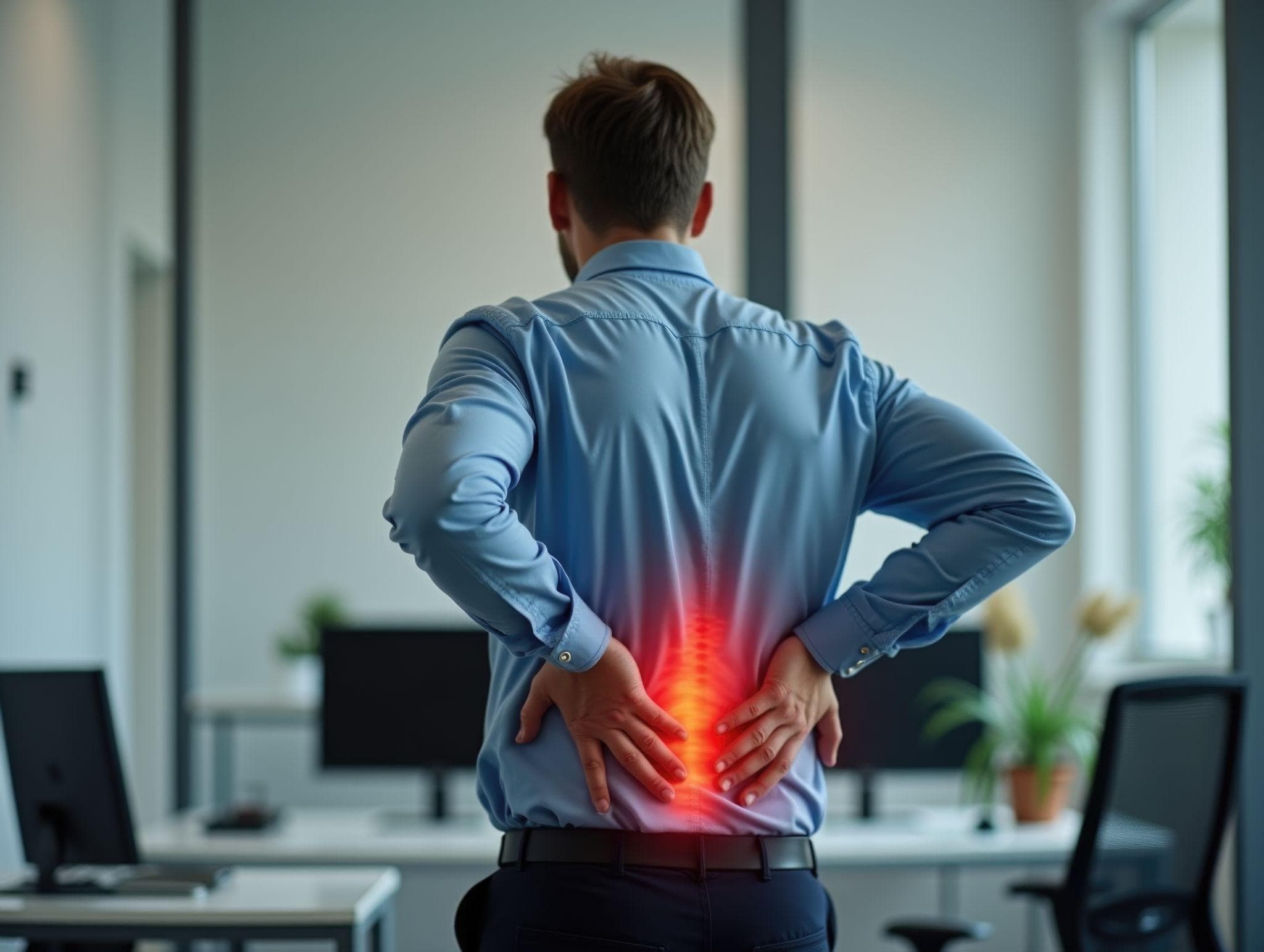
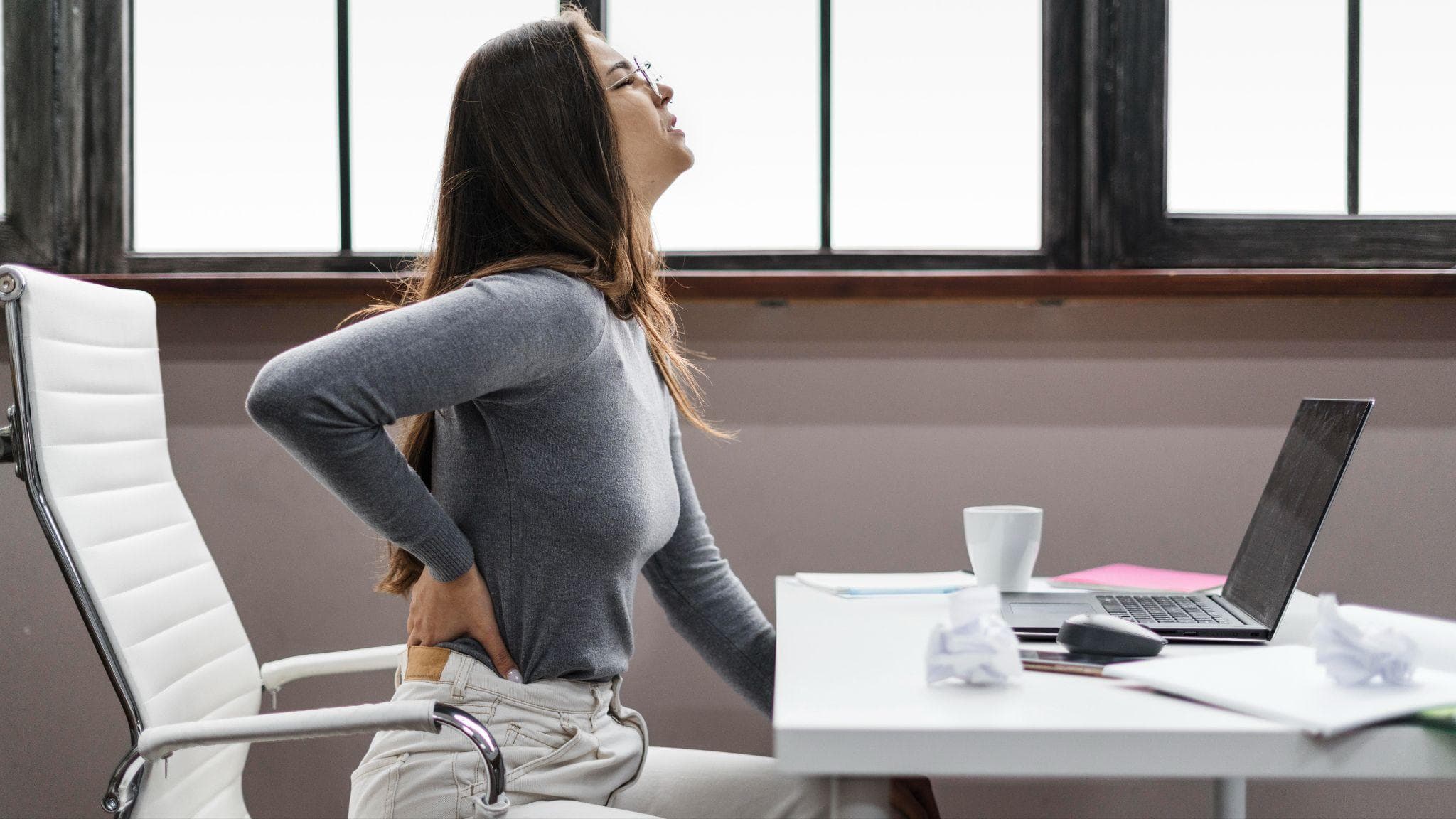
Improper posture causing back pain for a working man
A semi-rigid lumbar belt genuinely helps during the acute phase of a slipped disc, reducing pain, protecting the disc, and allowing the patient to begin gentle movement. Used correctly for 2–4 weeks alongside physiotherapy, it is a valuable adjunct. Used incorrectly, worn continuously for months, without parallel physiotherapy and muscle strengthening, it weakens the spine and creates dependency. Use it as a bridge, not a crutch.
To consult Dr. Mayank Chauhan, Senior Orthopedic Surgeon in Noida, call the number listed on the website.