Back Pain Treatment in Noida - From Diagnosis to Recovery
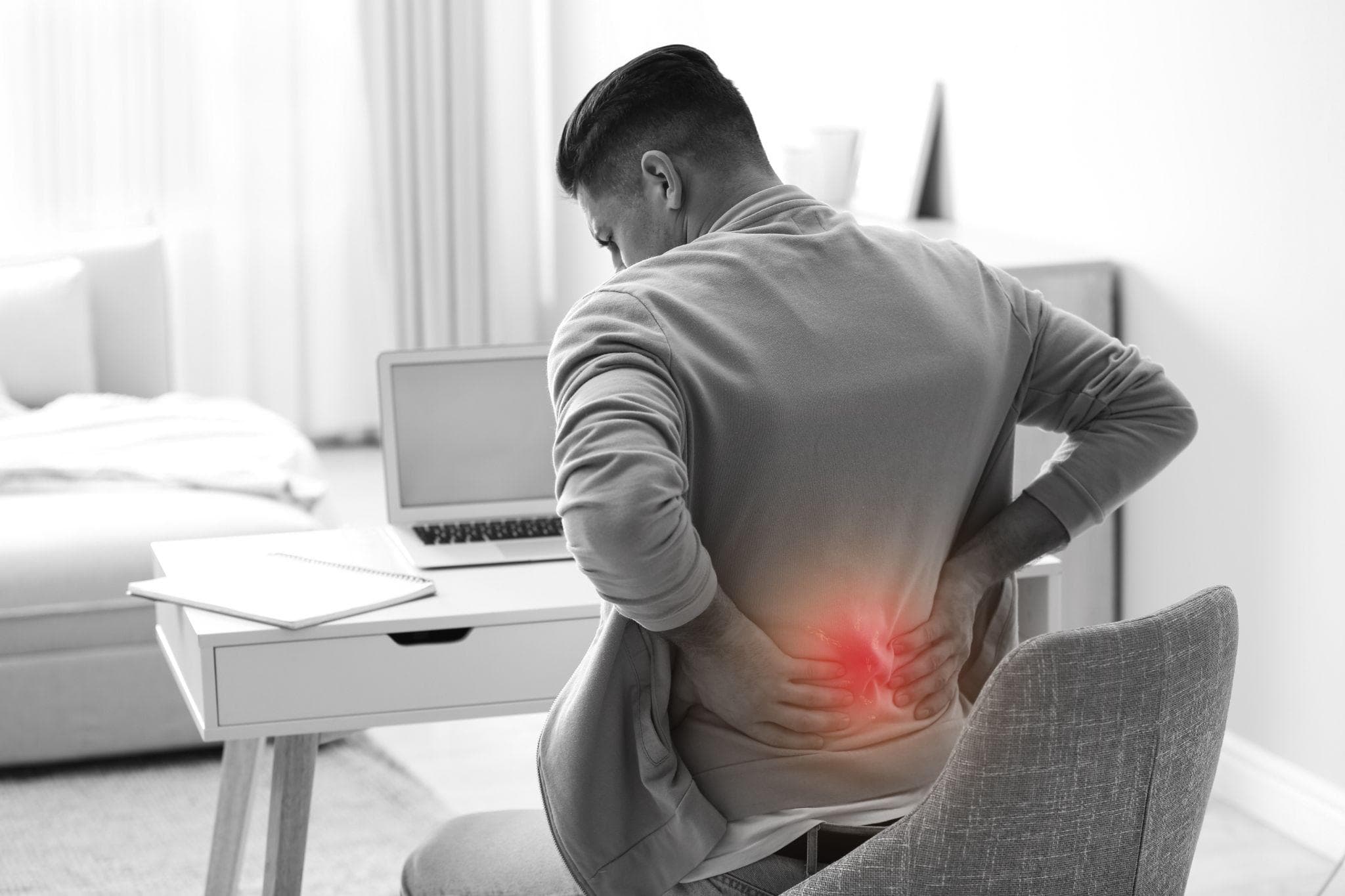
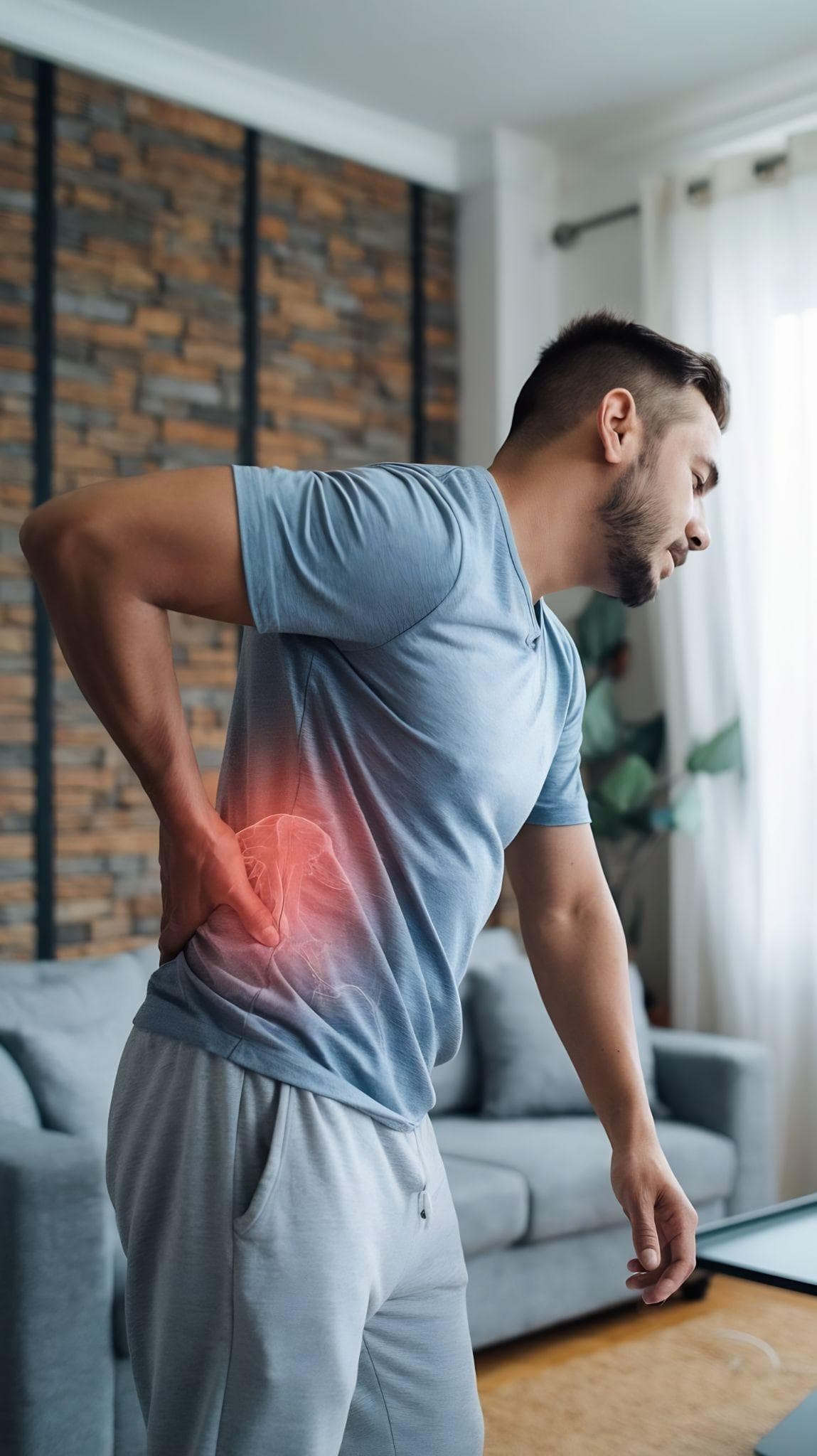
A man suffering from lower back pain while sitting, indicating slip disc due to poor posture.
Back pain is the second most common reason adults visit doctors globally — after the common cold. In Noida, it is the single most common musculoskeletal complaint presenting to orthopedic clinics, driven by the combination of a desk-working professional population, rising rates of obesity, inadequate physical activity, and increasing awareness that back pain that doesn't resolve deserves evaluation.
The challenge with back pain is its heterogeneity. "Back pain" is not one condition — it is a symptom that can arise from dozens of different structures and pathologies. Muscle strain behaves nothing like a disc herniation. Facet arthritis is managed differently from spinal stenosis. Inflammatory arthritis (ankylosing spondylitis) requires a completely different approach from degenerative disc disease.
Getting the treatment right requires getting the diagnosis right. And getting the diagnosis right in back pain requires more than an MRI report — it requires a thorough clinical assessment that interprets imaging in the context of the patient's specific symptoms.
Understanding the Sources of Back Pain
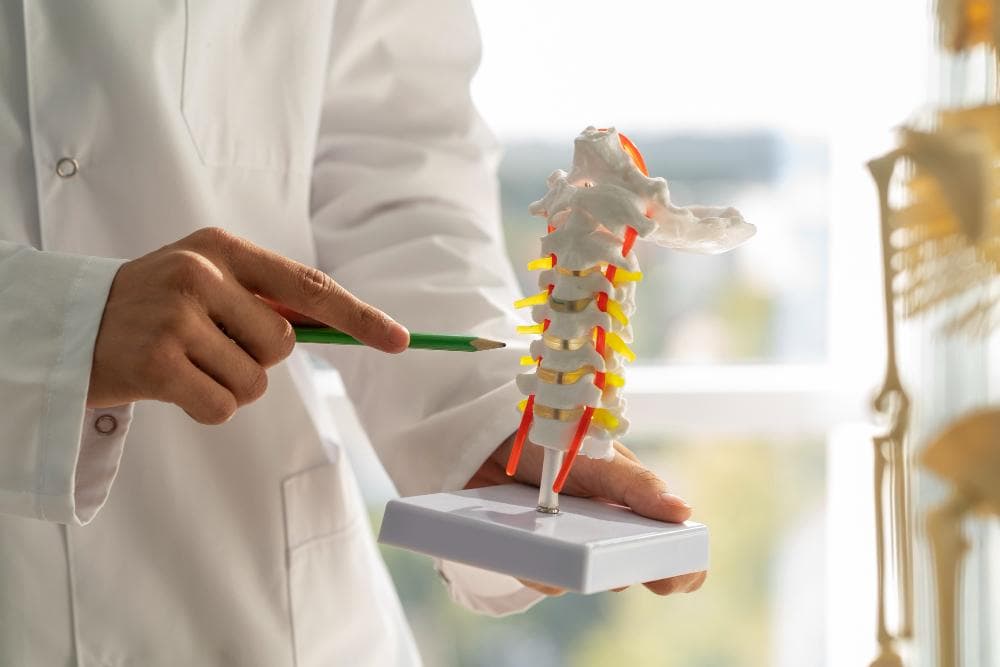
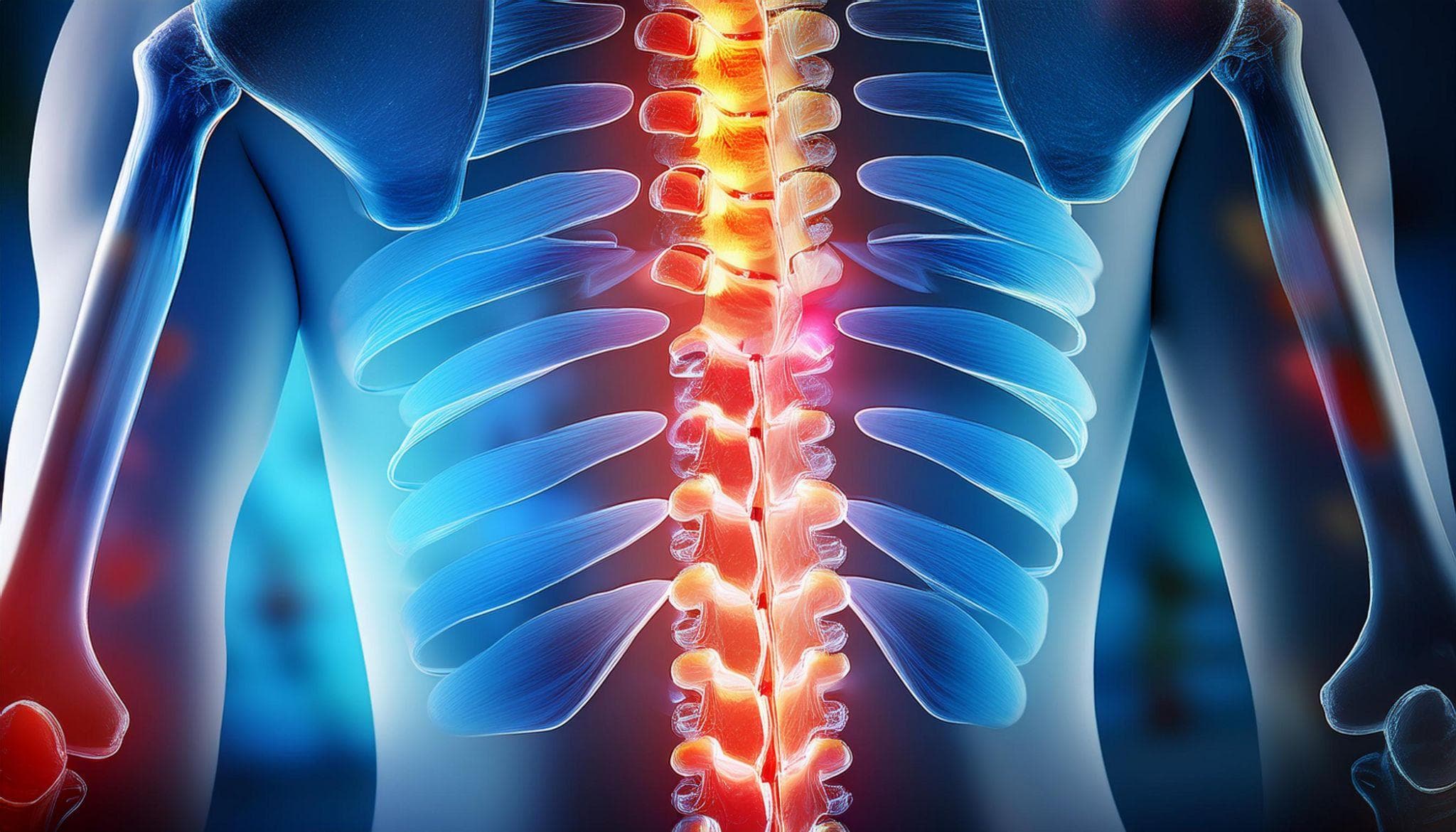
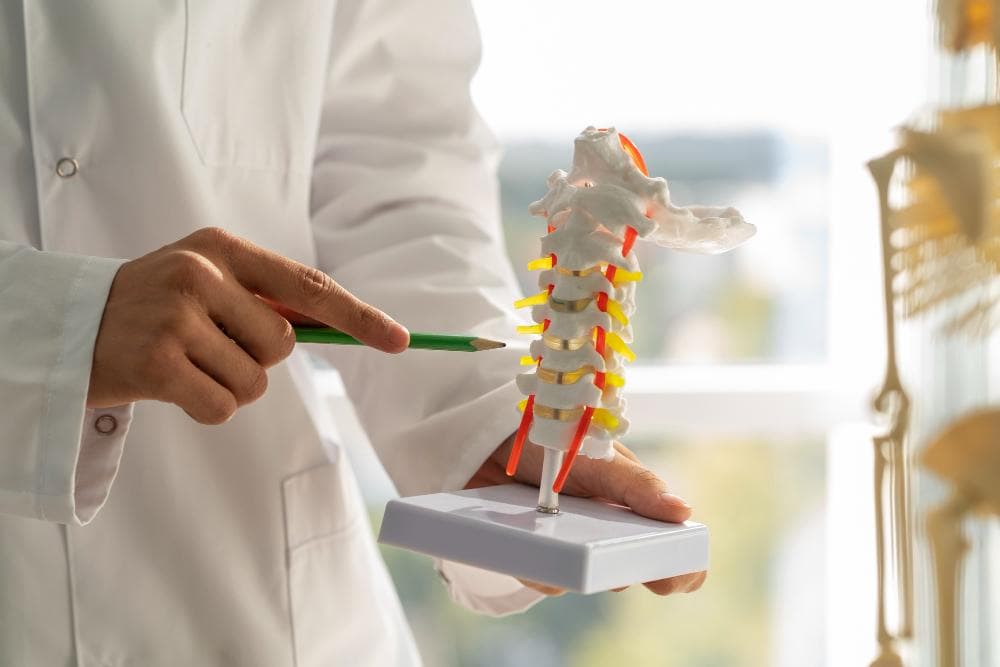
The lumbar spine is a complex structure, and pain can arise from any component of it:
Muscles and ligaments (muscular/mechanical back pain):
The most common cause of acute back pain. Muscle strain, ligament sprain, or muscle spasm from sudden lifting, overexertion, or prolonged abnormal posture. Characteristically:
- Sudden onset with a specific event or posture
- Pain localised to the lower back — does not radiate down the leg
- Worsens with movement, improves with rest
- Resolves within 2–4 weeks with simple management
This is the back pain that does not need specialist evaluation in most cases — provided it follows the expected improvement pattern.
Intervertebral discs (disc pain):
- Disc herniation (slip disc) — the inner disc material protrudes and presses on a nerve root, producing the radiating leg pain (sciatica) discussed in detail in the sciatica and slip disc blog
- Discogenic pain — pain from internal disc disruption without nerve compression; characterised by centralised lower back pain aggravated by sitting
Facet joints:
Small joints at the back of each vertebra. Facet arthritis produces lower back pain that is worse with extension (bending backward) and with prolonged standing. Often confused with disc pain. Responds to facet joint injections.
Spinal canal structures:
Spinal stenosis — narrowing of the spinal canal — produces neurogenic claudication (the walking-induced leg symptoms described in detail in the spinal stenosis blog).
Bone:
Vertebral compression fractures (osteoporosis), spondylolysis (pars stress fracture), and, less commonly, bone tumours or infection.
Sacroiliac joint:
Deep buttock pain from the junction of the sacrum and pelvis. Common in young men with inflammatory arthritis (ankylosing spondylitis) and in post-partum women.
Referred pain from other organs:
Kidney stones, aortic aneurysm, and other abdominal or pelvic conditions can produce back pain. This is why the history must include "red flag" screening questions.
Red Flags — When Back Pain Needs Urgent Evaluation
Most back pain is benign and self-limiting. But certain features indicate serious pathology that requires urgent evaluation:
Neurological red flags:
- Cauda equina syndrome: Loss of bladder control, bowel control, or saddle anaesthesia (numbness in the perineum/inner thighs) — emergency
- Progressive motor weakness: Foot drop, worsening leg weakness
- Bilateral leg symptoms
Systemic red flags:
- Back pain in a patient with known cancer — bone metastasis
- Unexplained weight loss — malignancy or infection
- Fever — vertebral osteomyelitis (bone infection)
- Night pain that is severe and constant — not positional; present at rest and waking from sleep in a way not explained by movement
Trauma:
Back pain after any significant fall or impact — particularly in elderly patients with osteoporosis who may have sustained a vertebral compression fracture from minimal trauma.
If any red flags are present, same-day or next-day specialist evaluation is appropriate.
Diagnosing Back Pain in Noida
The Clinical Assessment — More Than Imaging
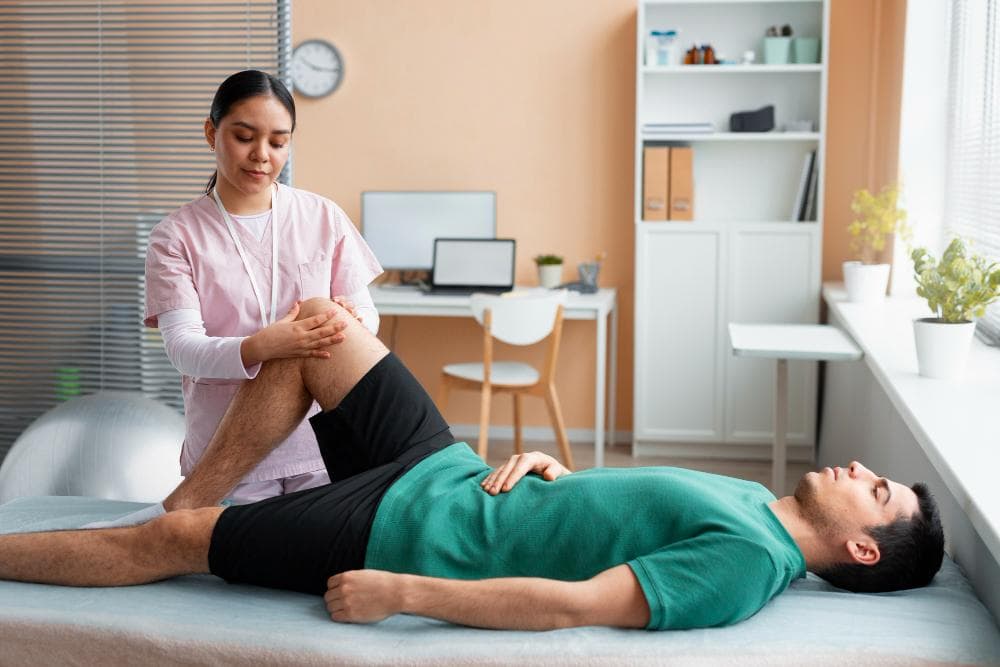
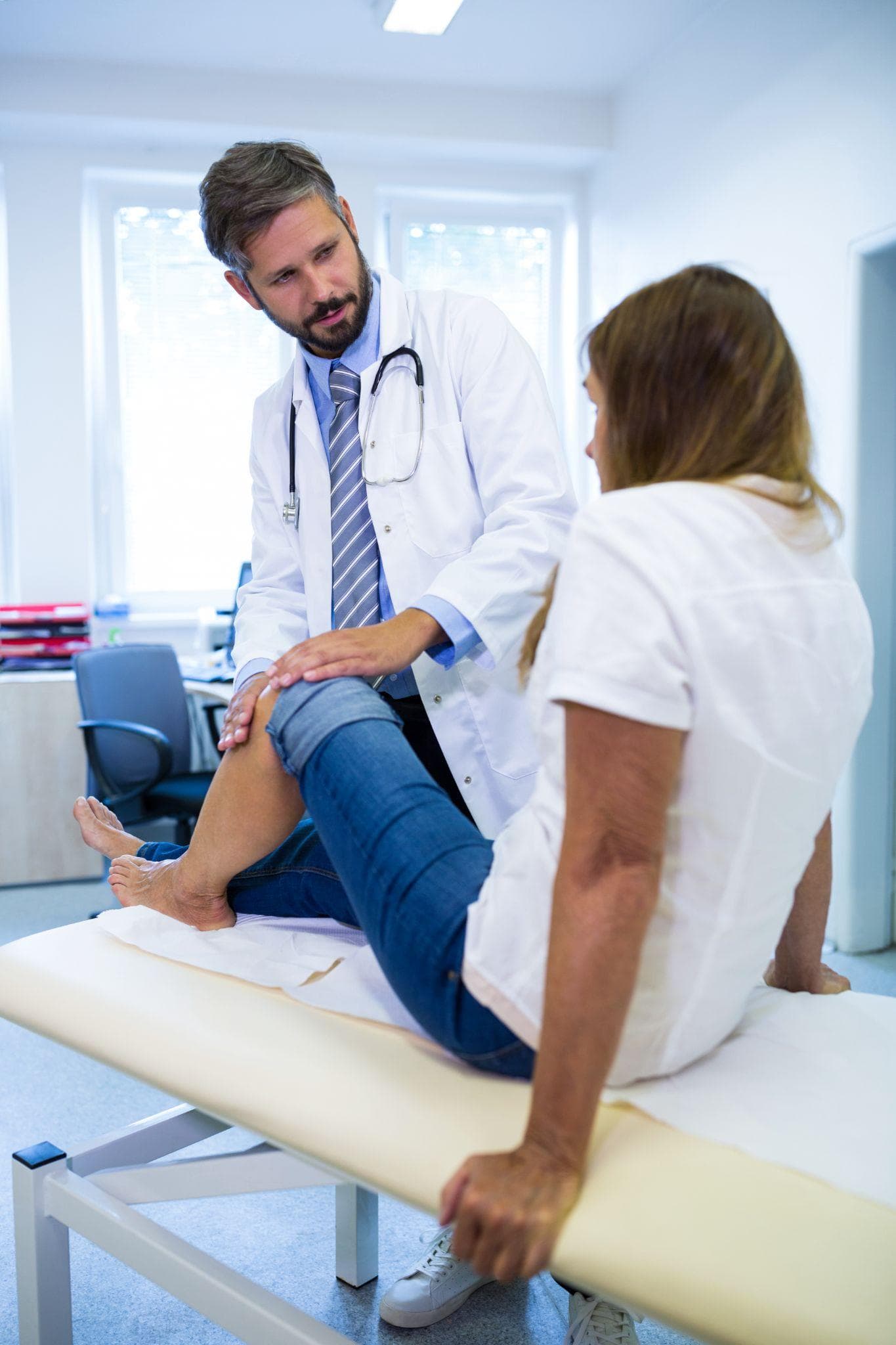
The most important step in diagnosing back pain is a thorough clinical history and examination. This includes:
History:
- Onset (acute, gradual, after specific event)
- Location (central, one-sided, radiating to leg)
- Character (aching, sharp, burning, electric)
- Aggravating and relieving factors
- Neurological symptoms (tingling, numbness, weakness)
- Response to previous treatment
- Red flag screening
Examination:
- Spinal range of motion
- Neurological assessment — reflexes, muscle strength, sensation in dermatomal distribution
- Straight leg raise test (for disc herniation/sciatica)
- Palpation of specific structures (facet joints, paraspinal muscles, sacroiliac joint)
- Gait assessment
The imaging trap:
A common error in Indian back pain management is ordering an MRI before a clinical assessment — and then treating the MRI report rather than the patient. MRI changes — disc degeneration, disc bulging, facet arthritis — are present in a majority of adults over 40 without any back pain. These MRI findings are not necessarily the cause of the patient's symptoms.
An experienced orthopedic surgeon correlates MRI findings with clinical findings — using the imaging to confirm what the examination suggests rather than to drive the diagnosis independently.
Investigations
X-ray (lumbar spine):
Standing X-rays provide important information about alignment, disc space heights, vertebral structure, and gross instability. Always done first.
MRI (lumbar spine):
The most informative investigation for soft tissue detail — disc disease, nerve root compression, stenosis, facet joints, bone marrow abnormalities. Indicated when:
- Neurological symptoms are present
- Pain persists beyond 4–6 weeks without improvement
- Red flags are present
- Surgical planning is being considered
CT scan:
Better for bony anatomy — pars interarticularis fractures, facet joint detail, pre-surgical planning.
Nerve Conduction Studies / EMG:
For cases where the neurological pattern is complex or where peripheral neuropathy needs to be distinguished from nerve root compression.
Blood tests:
When inflammatory arthritis is suspected — HLA-B27 (for ankylosing spondylitis), inflammatory markers, rheumatoid factor. Also, when infection or malignancy is a concern.
Treatment of Back Pain in Noida
Conservative Management — The Starting Point for All Non-Emergency Cases
Education and reassurance:
For most acute back pain, the single most helpful intervention is accurate reassurance — most acute back pain is mechanical, improves within 4–6 weeks, and does not represent serious pathology. Patients who understand this are less anxious, maintain activity levels better, and recover faster.
Staying active:
Bed rest for back pain is counterproductive beyond 1–2 days. Walking, gentle movement, and continuation of daily activities (within pain limits) produce better outcomes than rest. The fear of movement that causes patients to be completely inactive is one of the main factors that convert acute back pain into chronic back pain.
Physiotherapy:
For both acute and subacute/chronic back pain, structured physiotherapy is a fundamental treatment — not an optional extra. Specific approaches:
- McKenzie Method for disc-related symptoms
- Core stabilisation for chronic back pain
- Manual therapy for acute mechanical pain and facet arthritis
- Yoga-based approaches for chronic non-specific back pain
Medications:
- NSAIDs (ibuprofen, diclofenac, naproxen, etoricoxib): Most effective for acute back pain. Use at adequate doses for the first 7–14 days. Not appropriate for long-term use without supervision.
- Muscle relaxants (cyclobenzaprine, methocarbamol): For the muscle spasm that accompanies acute back pain. Short course only.
- Nerve pain medications (pregabalin, gabapentin): For the burning, shooting pain of nerve root irritation (sciatica). Not appropriate for mechanical back pain without nerve involvement.
Heat and cold:
Heat reduces muscle spasm and is effective for muscular back pain. Cold reduces acute inflammation after activity. Both are useful adjuncts — heat is generally preferred for subacute and chronic pain; cold for acute injury phase.
Injection Therapy
Epidural steroid injections:
Highly effective for back pain with nerve root involvement (sciatica from disc herniation). Targeted delivery of corticosteroid to the compressed nerve root reduces nerve inflammation and allows physiotherapy to progress. Most effective when performed within 3 months of disc herniation onset.
Facet joint injections:
For back pain from facet arthritis — corticosteroid injected into the affected facet joints. Diagnostic as well as therapeutic — a positive response confirms the facet joints as the pain source.
Medial branch blocks and radiofrequency ablation:
For confirmed facet joint pain — the nerve supply to the facet joint is ablated with radiofrequency energy, providing long-term pain relief without repeated injections.
Sacroiliac joint injections:
For sacroiliac joint pain — targeted under imaging guidance.
Surgical Treatment
Surgery is appropriate for the minority of back pain patients where:
- Conservative management has been adequately tried (6–8 weeks) and has failed
- Neurological criteria are met (progressive motor weakness, cauda equina)
- Specific surgical indications exist (fractures, instability, tumours, infections)
The specific surgical procedures — microdiscectomy for disc herniation, laminectomy for stenosis, fusion for instability and spondylolisthesis — are covered in detail in the spine surgery blog.
Back Pain Prevention in Noida — Specific Advice for the Working Population
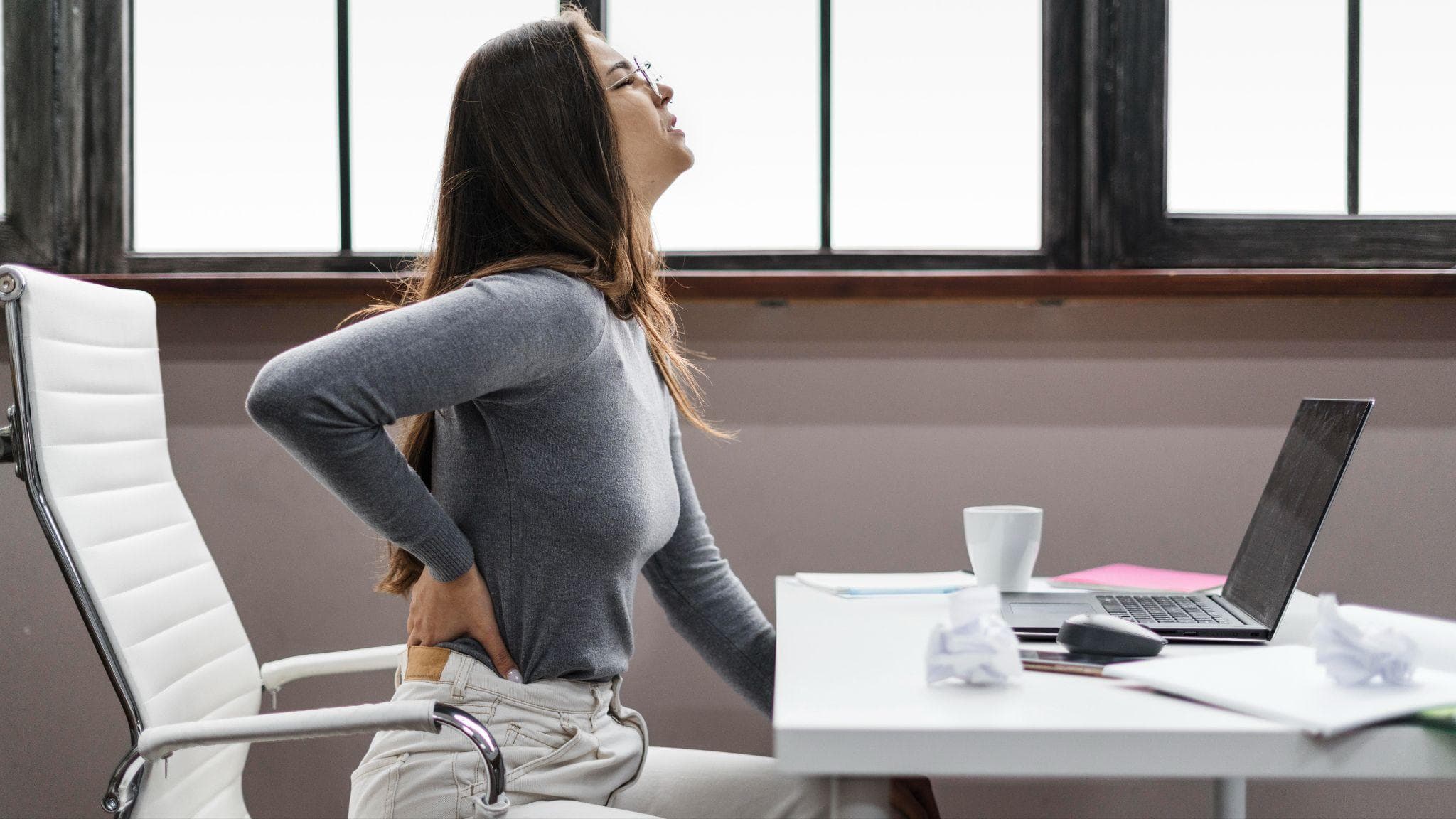
For Noida's desk-working population — the single largest group presenting with back pain — prevention is as important as treatment.
The five essentials for back pain prevention:
-
Movement breaks every 45–60 minutes: Standing up, walking to the printer, a brief walk around the office or apartment. This is not optional wellness advice — it is the minimum dose of postural variation that prevents the disc dehydration and muscle fatigue that drive chronic back pain.
-
Core strengthening — 15 minutes daily: Planks, dead bugs, bird-dogs, bridges. The deep muscles of the lumbar spine protect the discs and facet joints from the loads of sitting and activity. These muscles need specific training — general gym work does not adequately target them.
-
Monitor at eye level: The most impactful single ergonomic change. Head forward to look at a low screen = sustained cervical and upper back loading.
-
Weight management: Every kilogram of excess abdominal weight increases lumbar disc loading through the anterior shift of the centre of mass. This is one of the most underemphasised back pain risk factors in India's increasingly obese urban population.
-
Regular low-impact aerobic exercise: Swimming, cycling, and walking maintain disc nutrition (movement drives fluid exchange in avascular discs), reduce systemic inflammation, and keep the muscular corset of the spine strong.
Back Pain Consultation in Noida — Dr. Mayank Chauhan at Prakash Hospital
Dr. Mayank Chauhan, Senior Orthopedic Surgeon at Prakash Hospital, Sector 33, Noida, evaluates back pain through a structured assessment that combines clinical history, physical examination, and appropriate imaging — arriving at a specific diagnosis rather than a generic "back pain" label.
For patients in Noida and Greater Noida whose back pain has persisted beyond 4–6 weeks, is associated with leg symptoms, or involves any of the red flags described above — a specialist consultation provides the accurate diagnosis and specific management plan that makes the difference between persistent pain and meaningful recovery.
Consultation hours: Monday to Saturday, 10 AM to 8 PM | Sunday, 10 AM to 2 PM.
To book a back pain consultation, call the number listed on the website.
The Bottom Line
Back pain in Noida is almost universal — but most of it is manageable, and most of it responds to the right combination of reassurance, physiotherapy, appropriate medication, and lifestyle modification. The key is a correct diagnosis that matches the treatment to the specific cause.
Surgery is rarely needed. But when it is — when disc herniation is causing progressive neurological symptoms, or when stenosis is severely limiting walking — it should not be delayed.
To consult Dr. Mayank Chauhan, Senior Orthopedic Surgeon in Noida, call the number listed on the website.