Tailbone Pain (Coccydynia): What It Is, Why It Happens, and How to Get Relief

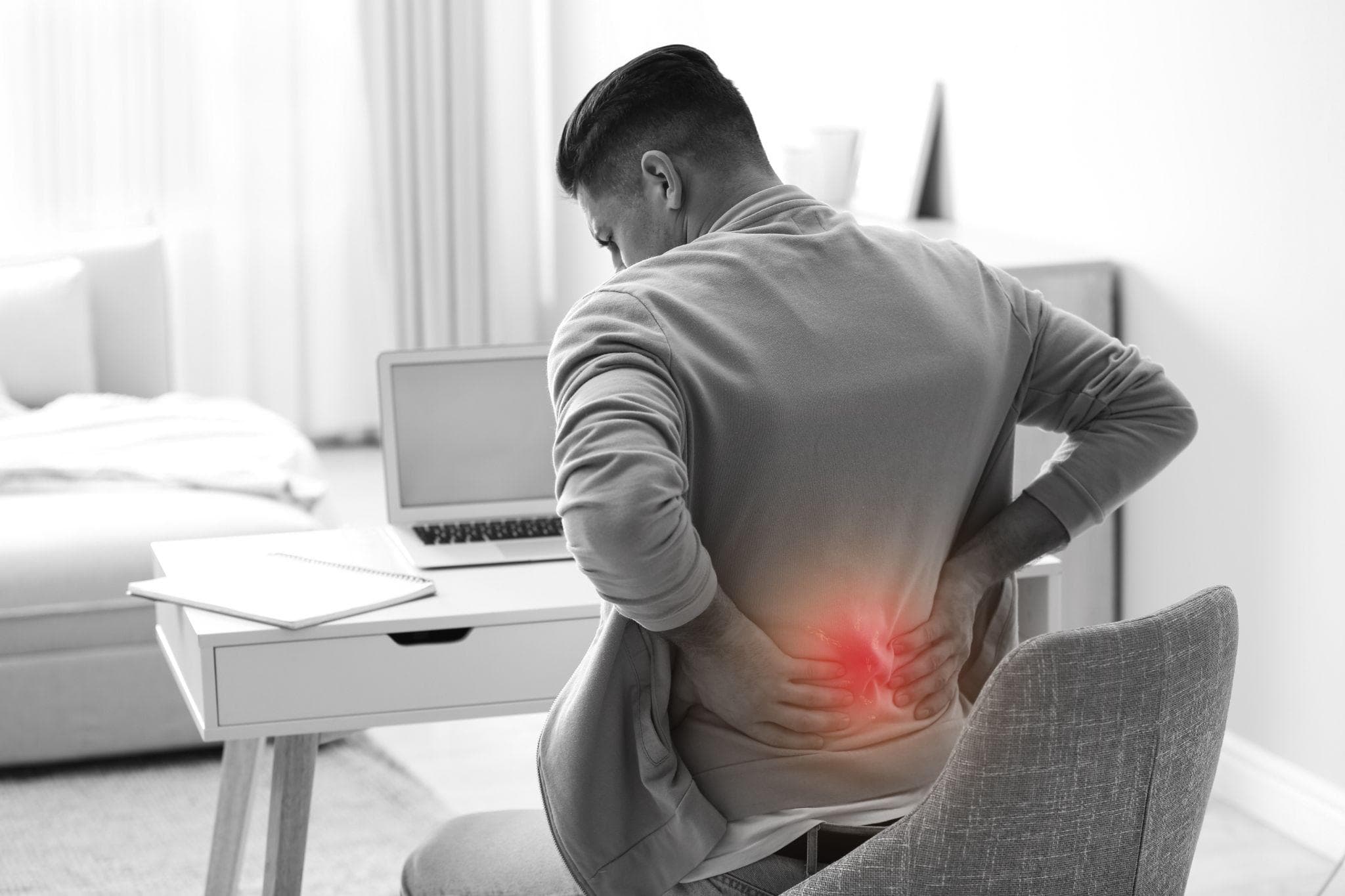
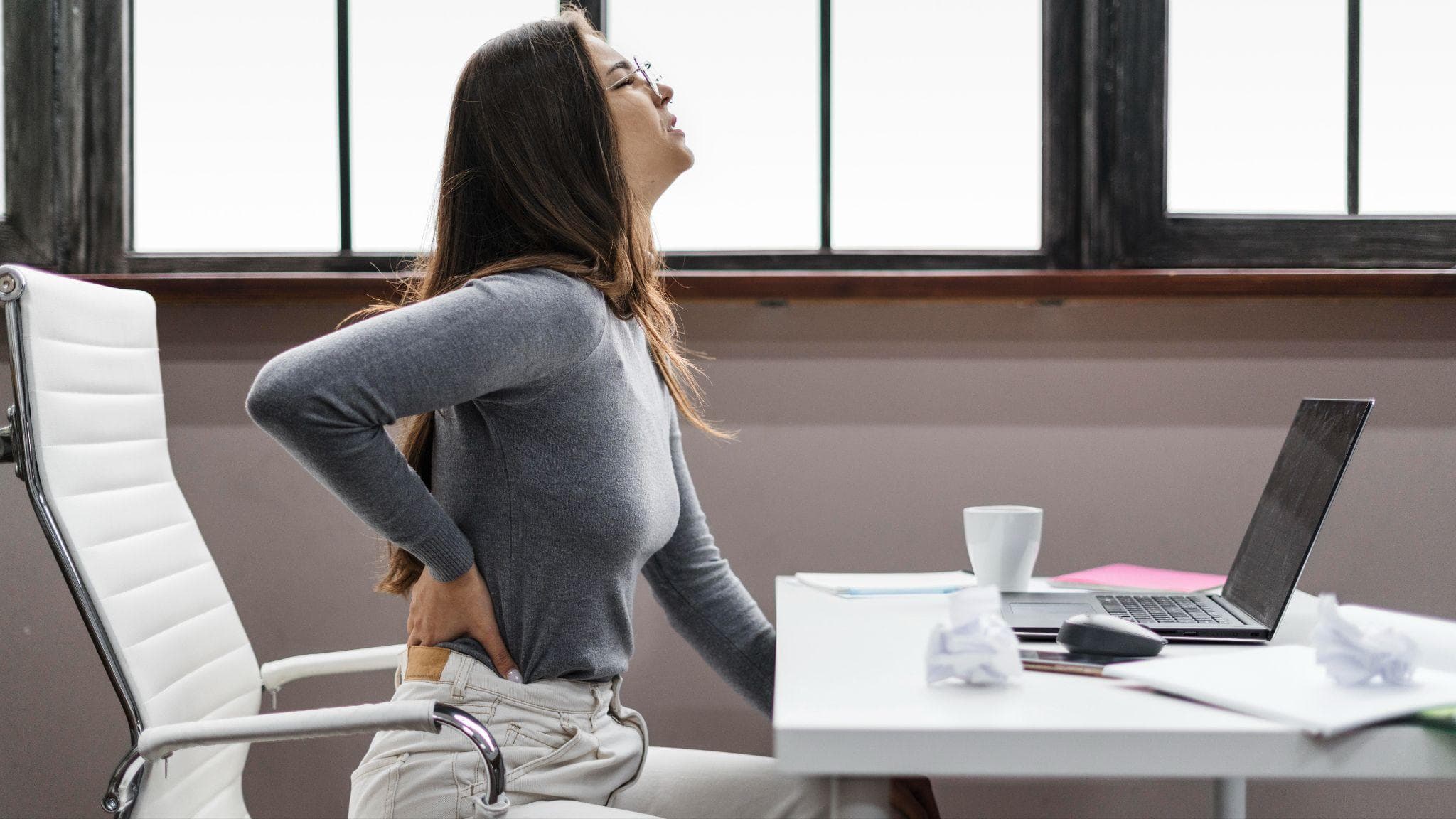
A woman experiencing back pain, a common sign that may require orthopedic evaluation to identify conditions like arthritis, spine disorders or posture-related issues.
There's a particular kind of pain that doesn't get talked about enough — the sharp, nagging ache right at the base of your spine that flares up every time you sit down, stand up, or even try to sleep on your back. It's the tailbone. And for people who have injured or inflamed it, it can make something as simple as a car ride feel absolutely miserable.
Tailbone pain — medically called coccydynia — is more common than most people realize. Women are roughly five times more likely than men to develop it, and it can affect anyone from young adults to the elderly. The frustrating part is that many people put up with it for months without understanding what's actually happening or knowing that effective treatment options exist.
What Is the Tailbone (Coccyx)?
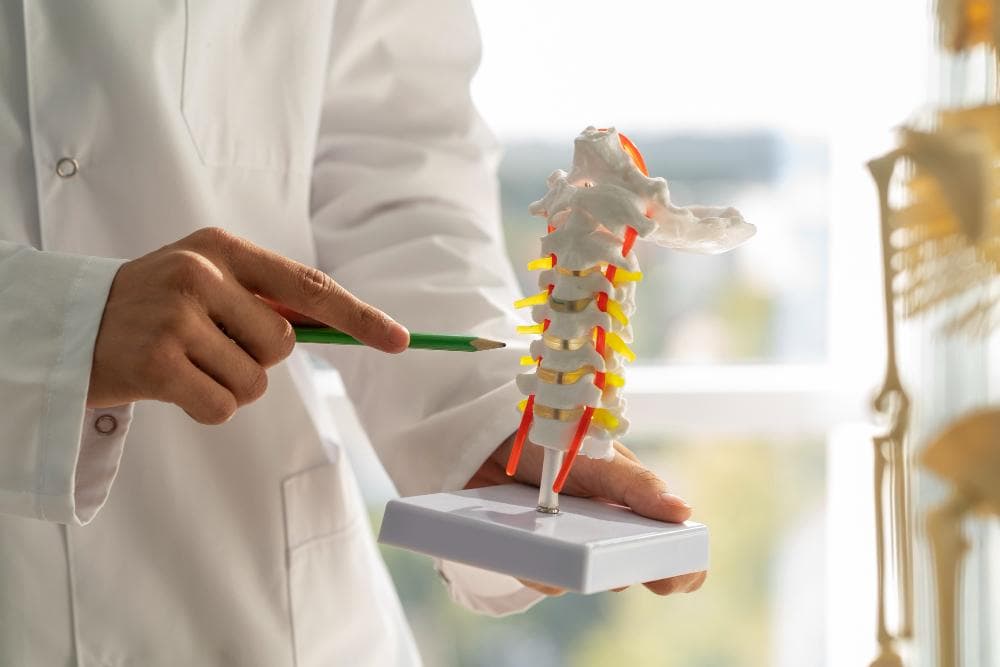
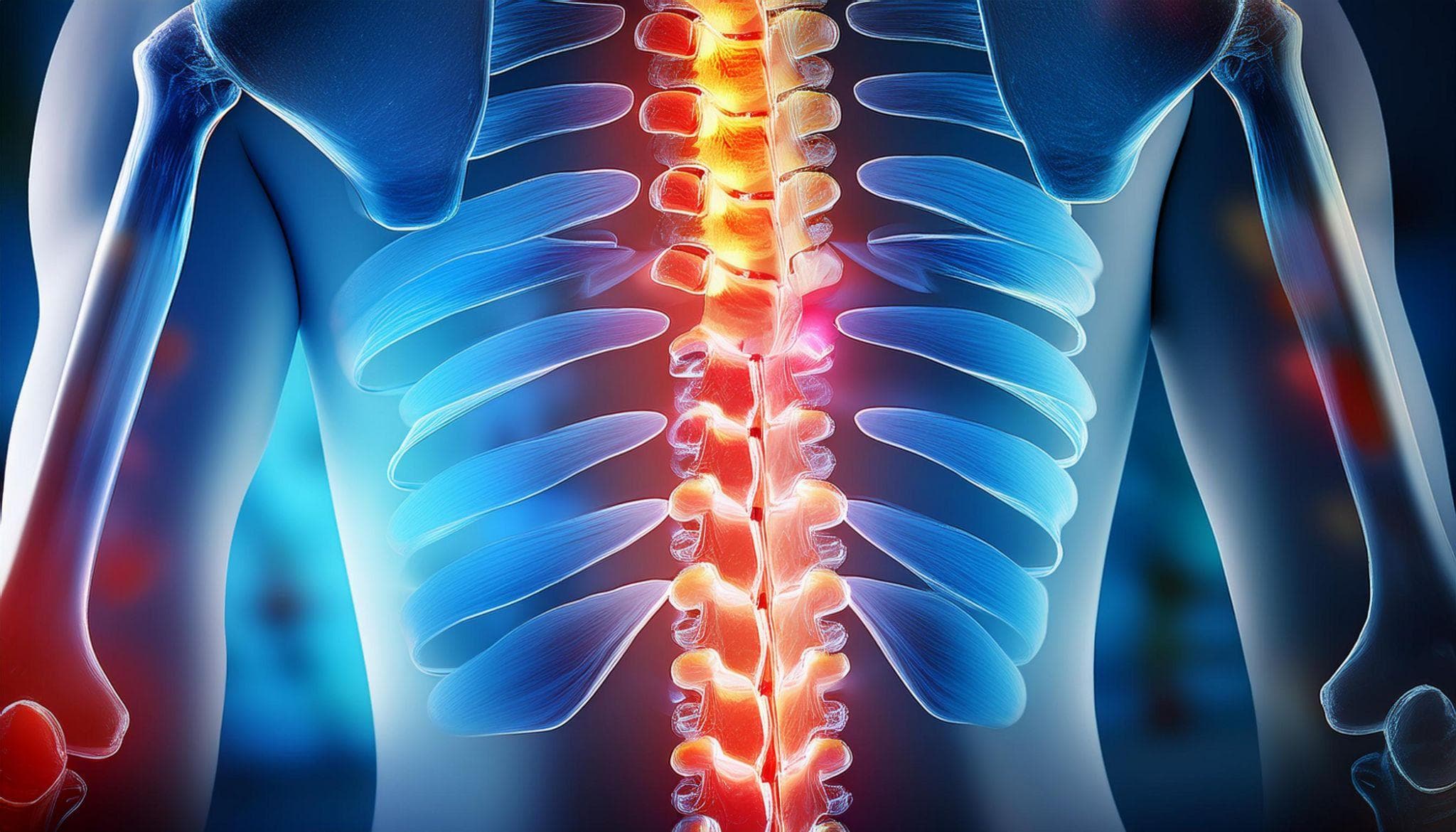
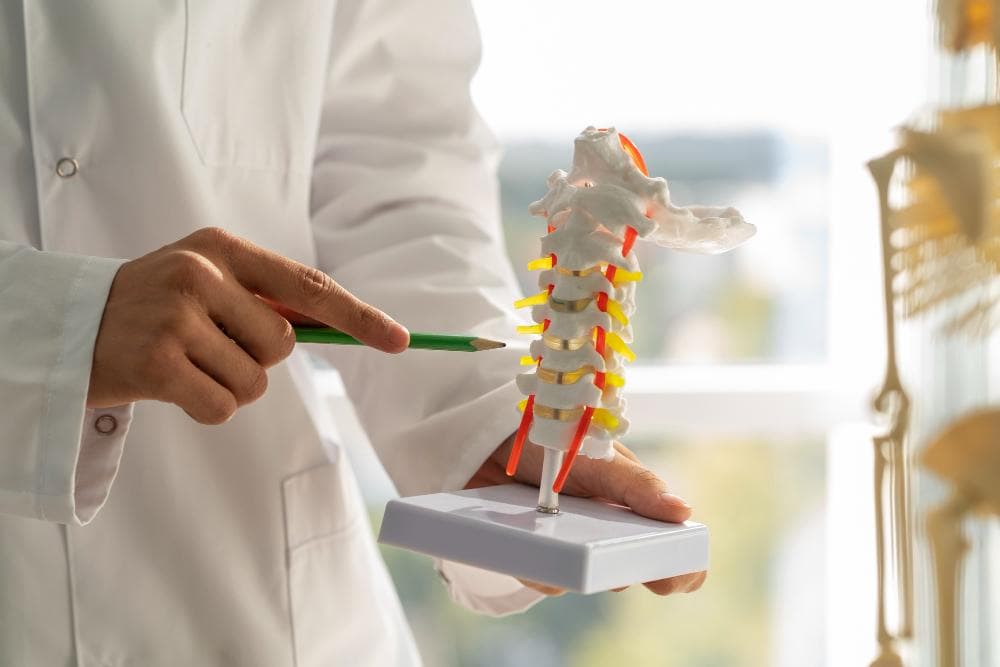
The coccyx is the small, triangular bone at the very bottom of your spinal column. It sits just below the sacrum and is made up of three to five small vertebrae that are fused. Despite its small size, the coccyx serves a real purpose — it acts as an attachment point for several muscles, tendons, and ligaments, and it helps support your body weight when you're seated.
When this bone gets bruised, fractured, dislocated, or simply irritated by surrounding structures, the result is coccydynia — pain and tenderness deep between the buttocks at the base of the spine.
The pain can range from a dull, persistent ache to sharp, stabbing bursts. It tends to be worse when sitting on hard surfaces, transitioning from sitting to standing, during bowel movements, or in some cases, during sexual intercourse. Some people also notice the pain radiating into the hips or thighs.
Common Causes of Tailbone Pain
Trauma and Falls
This is the most straightforward cause. Falling directly onto your tailbone — whether on a hard floor, an icy surface, or even a swimming pool edge — can bruise or fracture the coccyx. The pain from such an injury can last weeks or even months.
Prolonged Sitting on Hard Surfaces
People who spend long hours sitting on hard, narrow, or poorly cushioned seats are at risk. This is particularly relevant for cyclists, office workers using inappropriate chairs, and students during long exam sessions. The repeated pressure gradually irritates the coccyx and surrounding tissue.
Childbirth
During vaginal delivery, the baby's head passes through the birth canal and can put significant pressure on the coccyx, sometimes causing it to fracture or dislocate. Hormones released during pregnancy also soften the ligaments around the sacrum and coccyx — which helps during delivery but can leave the joint more vulnerable to injury.
Repetitive Strain
Activities like rowing, cycling, and prolonged horseback riding involve repeated stress on the tailbone and can lead to inflammation over time without a single obvious injury event.
Being Overweight or Underweight
Both extremes create problems. Excess weight puts more pressure on the coccyx when seated. Being underweight removes some of the natural cushioning (fat padding) from the area, leaving the tailbone more exposed to pressure.
Degenerative Joint Changes
As the body ages, the joints and cartilage around the coccyx can deteriorate, leading to bone spurs or changes in the joint that make it painful. This is similar to arthritis affecting other joints.
Idiopathic Coccydynia
In a significant number of cases, there is no clear identifiable cause. This is called idiopathic coccydynia — the pain simply appears without any obvious trigger. It can be frustrating for patients, but it doesn't make the condition any less real or treatable.
Rarer Causes
In rare instances, tailbone pain can be a sign of something more serious — infection, a pilonidal cyst, tumors in the coccyx area, or cancer that has spread to the bones. This is uncommon, but it's the reason persistent or worsening tailbone pain should always be properly assessed by a doctor rather than dismissed.
Recognizing the Symptoms
The hallmark of coccydynia is localized pain at the very base of the spine, between the buttocks. But the experience varies from person to person:
- Dull, constant ache in the tailbone region, especially when sitting
- Sharp, stabbing pain when moving from sitting to standing
- Tenderness directly over the coccyx when touched
- Pain during bowel movements due to the proximity of the coccyx to the rectum
- Pain during sex, particularly for women
- Radiating pain into the hips, thighs, or lower back in some cases
- Discomfort when sitting on soft surfaces (like sofas) can sometimes be worse than on firm chairs, because soft surfaces cause more lateral pressure
How Is Tailbone Pain Diagnosed?
Getting an accurate diagnosis matters, especially to rule out more serious causes. Here's what typically happens:
Medical History and Physical Examination — A doctor will ask about any history of falls, childbirth injuries, or prolonged sitting habits. They'll also gently feel along the base of the spine to identify the precise location of tenderness.
Rectal Examination — While this sounds uncomfortable, a rectal examination allows the doctor to directly feel the coccyx and assess whether it's mobile (which can indicate dislocation or instability) or fixed. It also helps rule out other causes.
X-Ray — Can show fractures, dislocations, or bony changes in the coccyx. Dynamic X-rays (taken while standing and sitting) can reveal abnormal movement of the coccyx.
MRI or CT Scan — Used when X-rays are inconclusive or when a soft tissue problem, infection, or tumor needs to be ruled out.
Diagnostic Injection — If the exact source of pain is unclear, a local anesthetic injection into the coccyx area can confirm whether the coccyx is actually the source of the pain.
Treatment Options for Coccyx Pain
The good news: around 90% of coccydynia cases resolve without surgery. But that doesn't mean simply waiting it out without any management.
At-Home and Conservative Care
Coccyx (Donut) Cushion — A specially shaped cushion with a cut-out at the back reduces direct pressure on the tailbone when sitting. This is one of the most immediately helpful things someone with coccydynia can do.
Posture Adjustment — Leaning slightly forward when seated transfers weight away from the coccyx to the thighs.
Heat and Cold Therapy — Applying a cold pack in the first few days after an acute injury reduces swelling. Gentle heat can help with chronic pain and muscle tension in the surrounding area.
Over-the-Counter Pain Relief — Non-steroidal anti-inflammatory drugs (NSAIDs) can help manage pain and reduce inflammation. A doctor should be consulted before taking these regularly.
Stool Softeners — If bowel movements are painful, stool softeners reduce straining and pressure on the coccyx.
Physical Therapy
A physiotherapist can work on:
- Stretching the piriformis and iliopsoas muscles, which attach near the coccyx
- Pelvic floor muscle exercises to reduce tension in the surrounding structures
- Teaching posture and movement patterns that protect the tailbone during daily activities
Medical Interventions
Corticosteroid Injections — An injection of a local anesthetic combined with a steroid directly into the coccyx joint can provide significant pain relief lasting several weeks to months. This is particularly useful when conservative measures haven't worked.
Nerve Block — A ganglion impar block targets the nerve cluster just in front of the coccyx and can be very effective in chronic cases.
Manipulation — In some cases, a doctor trained in manual techniques can gently manipulate the coccyx through a rectal approach to improve its position or mobility.
Surgical Treatment — Coccygectomy
Surgery is reserved for cases where all other treatments have failed over an extended period (usually at least six months to a year of conservative management). A coccygectomy involves the partial or complete surgical removal of the coccyx. Results are generally good in properly selected patients, with many reporting significant pain relief — though recovery takes time and the procedure carries risks like infection or wound healing issues.
Surgery is not a first option and is recommended only after thorough evaluation by an experienced orthopedic surgeon.
Tailbone Pain During Pregnancy and After Childbirth
This deserves a specific mention because it's so commonly encountered. During pregnancy, the ligaments around the coccyx relax to prepare for delivery — this is normal, but it can make the tailbone more vulnerable. After delivery, especially a difficult one, the coccyx can be left inflamed, bruised, or fractured.
Postpartum coccydynia typically improves with conservative care — cushions, physiotherapy, and gentle movement. Most women recover fully within a few months. Persistent pain beyond six weeks postpartum warrants assessment.
When Should You See an Orthopedic Specialist?
See a doctor if
- Tailbone pain has persisted for more than a few weeks without improvement
- Pain is severe enough to disrupt sleep, work, or daily activities
- You notice numbness or tingling in the legs
- There is visible swelling, a lump, or a wound in the tailbone area
- Pain followed a significant fall or injury
- You develop difficulty controlling bladder or bowel functions (this needs immediate attention)
Patients in Noida, Greater Noida, and across Delhi NCR who are dealing with persistent tailbone pain can consult Dr. Mayank Chauhan, Senior Orthopedic Surgeon at Prakash Hospital, Sector 33, Noida. With over 15 years of clinical experience and training at premier institutions in India and internationally, Dr. Chauhan provides thorough assessment and a treatment plan tailored to your specific situation — without recommending surgery unless it is genuinely the right option.
To book a consultation, call +91 7303245544.
Clinic hours: Monday to Saturday, 10 AM to 8 PM | Sunday, 10 AM to 2 PM
Location: D-12, 12A, 12B, Sector 33, Noida (next to ISKCON Temple)
Frequently Asked Questions (FAQs) About Tailbone Pain
Q1. How long does tailbone pain typically last?
It depends on the cause. After a minor bruise or fall, coccydynia can last anywhere from a few weeks to a couple of months. In chronic cases — especially those without a clear cause — it can persist for much longer. With proper treatment, most people see significant improvement within three to six months.
Q2. Can I sit with tailbone pain, or should I avoid sitting altogether?
Avoiding sitting completely isn't practical for most people, but modifying how you sit helps enormously. A coccyx cushion (donut or wedge-shaped with a cut-out) reduces direct pressure on the tailbone. When sitting, lean slightly forward and rest your weight on your thighs rather than your tailbone. Hard chairs are sometimes better than soft sofas, which can sink and spread lateral pressure across the coccyx.
Q3. Is tailbone pain a sign of something serious like cancer?
Very rarely. Most cases of coccydynia are caused by injury, prolonged sitting, or degenerative changes — not cancer. That said, if pain is severe, progressively worsening, or accompanied by symptoms like unexplained weight loss, numbness in the groin, or difficulty urinating or defecating, a thorough medical evaluation is important to rule out other causes.
Q4. Can an X-ray always detect a coccyx fracture?
Not always. Standard X-rays sometimes miss hairline fractures of the coccyx. Dynamic X-rays (taken in both sitting and standing positions) are more useful for assessing abnormal movement. MRI is the most detailed option for assessing soft tissue and subtle bone changes.
Q5. Is a coccygectomy (surgery) safe? What is the recovery like?
When performed by an experienced orthopedic surgeon and in appropriately selected patients, coccygectomy has a good track record. Most patients experience significant pain relief. Recovery typically takes two to three months, during which wound care and physiotherapy are important. Risks include infection and wound breakdown, but these are manageable with proper post-operative care.
Q6. Can tailbone pain come back after treatment?
In most cases, once properly treated, coccydynia resolves. However, if the underlying cause isn't addressed — such as returning to habits like prolonged sitting on hard surfaces without a cushion — discomfort can recur. Lifestyle adjustments are an important part of long-term management.
Q7. Is tailbone pain more common in women?
Yes — significantly so. Women are about five times more likely to develop coccydynia than men, largely because of differences in pelvic anatomy and the additional stresses of pregnancy and childbirth. The female coccyx is also positioned slightly differently, making it more exposed to pressure during sitting.
Q8. Can physiotherapy alone fix tailbone pain?
For many patients, yes. Physiotherapy that targets the pelvic floor, piriformis, and iliopsoas muscles can substantially reduce coccyx pain. The key is consistency and working with a therapist who understands pelvic mechanics. Physiotherapy works best alongside postural modifications and appropriate cushioning.
The information in this blog is for general educational purposes only and does not constitute medical advice. Always consult a qualified orthopedic surgeon for an accurate diagnosis and treatment specific to your condition.