Slip Disc vs Muscle Strain - How to Tell the Difference

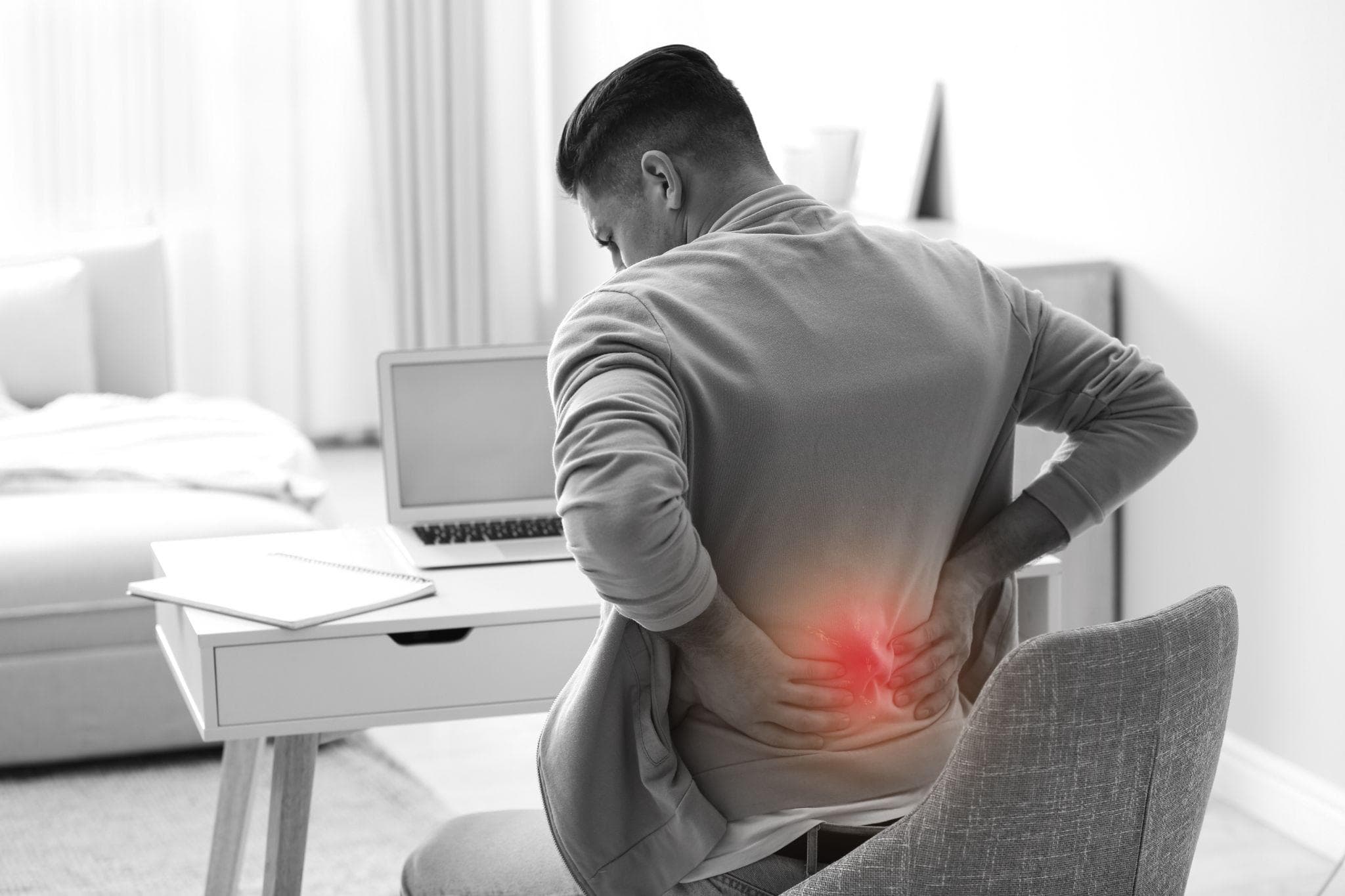
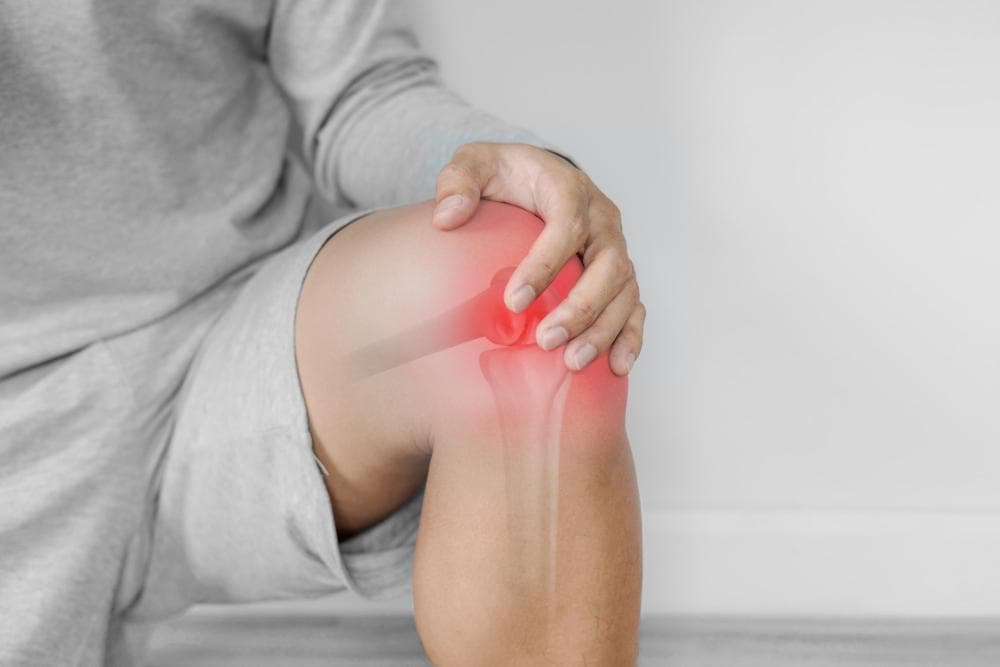
A young man stands indoors pressing his lower back, illustrating acute lumbar pain or muscle strain.
Back pain is the most common musculoskeletal complaint seen at orthopedic clinics across India. But not all back pain is the same — and the two most common causes, muscle strain and slipped disc (disc herniation), are quite different conditions that require different treatment.
The confusion between them is understandable. Both can cause lower back pain. Both can come on after lifting something heavy or making an awkward movement. And both can be severe enough to make movement painful. But they involve completely different structures, they behave differently over time, and the consequences of treating one as if it's the other can delay recovery significantly.
This guide gives you a clear, practical way to understand which one you're more likely dealing with — and when you need to see a doctor promptly.
The Basic Difference
Muscle strain is an injury to the muscles, tendons, or ligaments of the back. The muscle fibres have been overstretched or partially torn. This is a soft tissue injury — painful, sometimes very painful, but ultimately a mechanical injury to the muscular system rather than the spine itself.
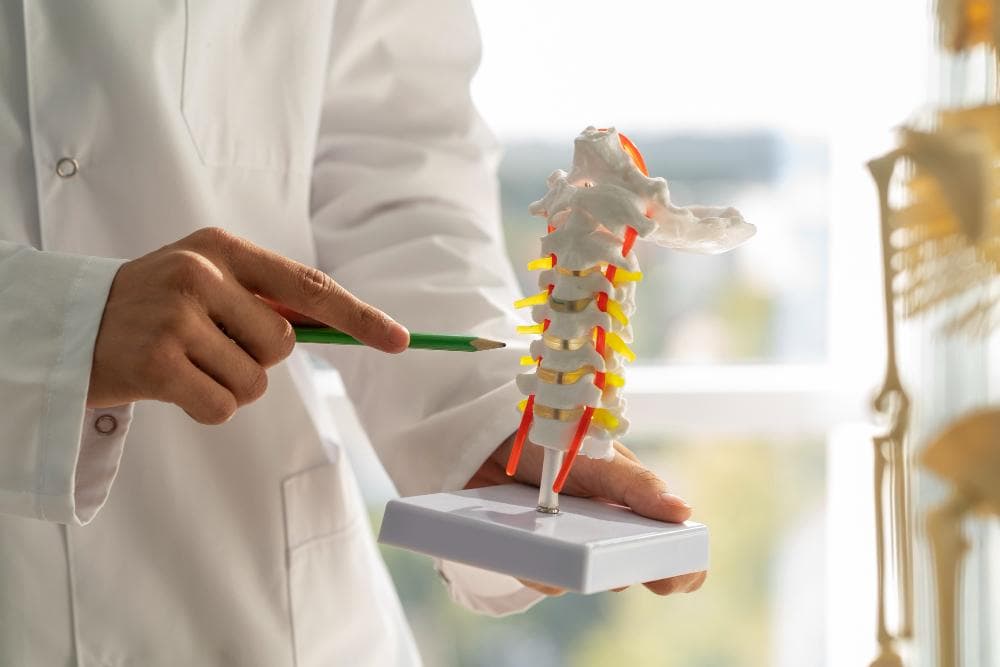
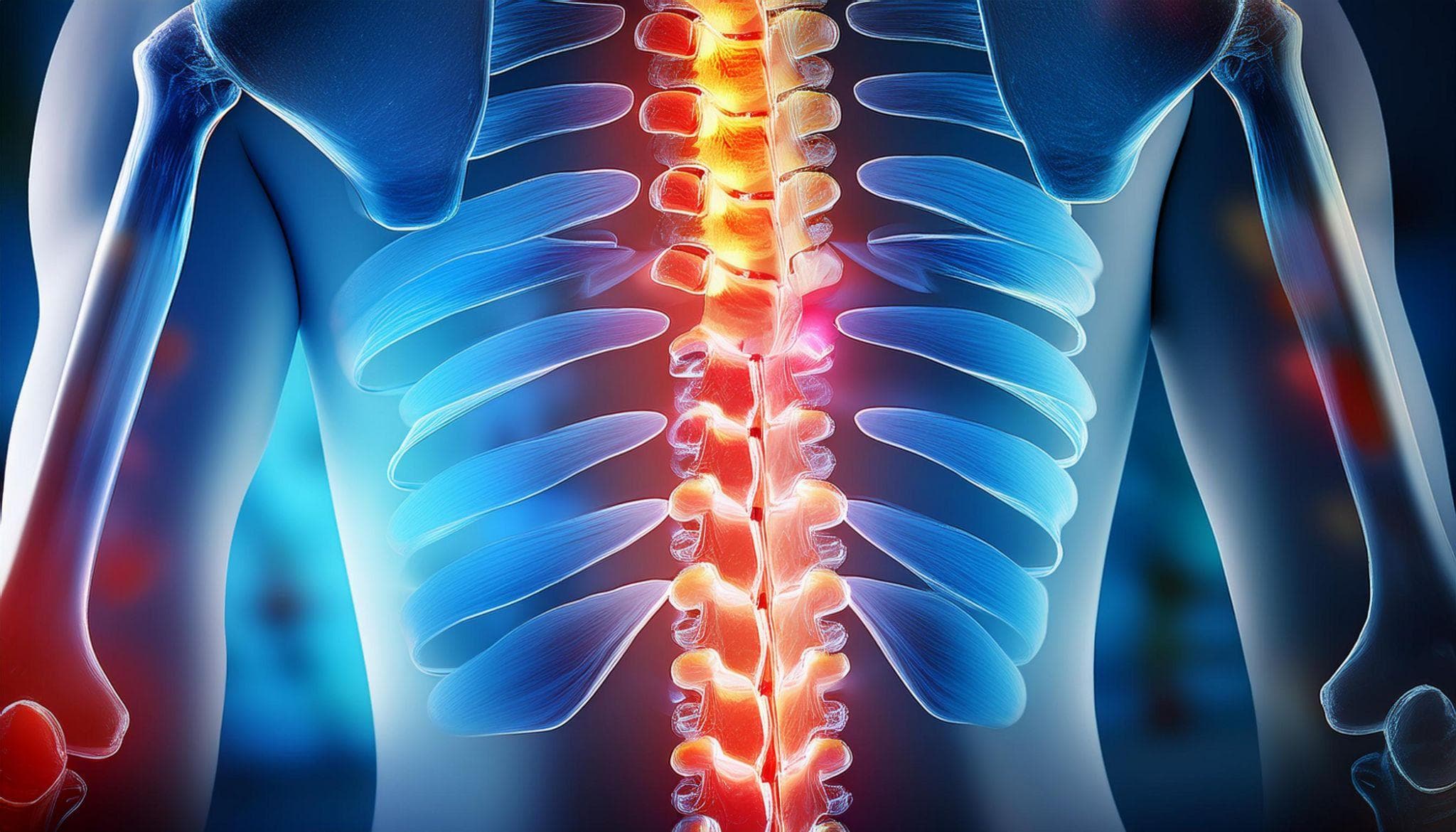
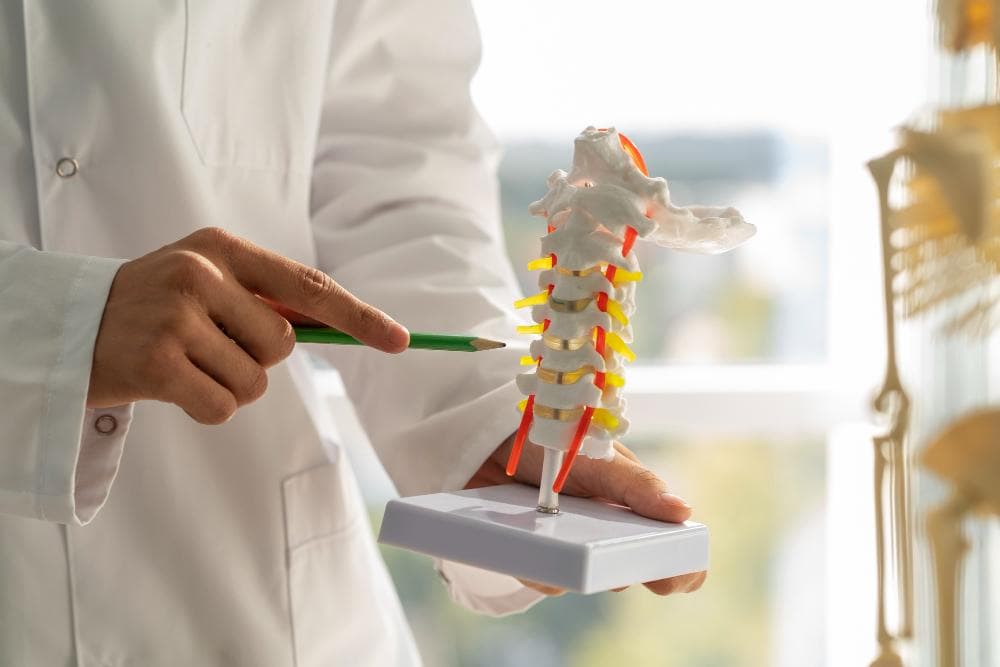
Slip disc (herniated or prolapsed disc) is a structural problem in the spine — the soft inner core of an intervertebral disc has pushed through its outer layer and is pressing on a nearby nerve root. This affects the nervous system, not just the muscles.
The simplest way to distinguish them: muscle strain affects the back; slipped disc affects the back AND the nerve going into the leg.
How Each One Happens
Muscle Strain Causes
- Lifting something heavy with a bent back and no leg involvement
- A sudden awkward twist — getting out of a car, reaching for something
- Sustained poor posture during long car journeys or desk work
- Doing physical activity after prolonged inactivity (the classic example: spending a weekend doing heavy garden or construction work after months of sedentary work)
- A direct fall or impact to the lower back
Muscle strains are the most common cause of acute back pain. Clinical data from India suggest over 70% of emergency back pain visits are due to muscle strain, not disc problems.
Slip Disc Causes
- Lifting with the spine bearing load rather than the legs — often combined with rotation
- Repeated bending and lifting over time cause cumulative disc stress
- A sudden jolt or fall that compresses the spine
- Degenerative changes in the disc (over decades) make it vulnerable to herniation from relatively minor stress
- Prolonged sitting, which increases intradiscal pressure chronically
The Symptoms — A Comparison Table
| Feature | Muscle Strain | Slip Disc |
|---|---|---|
| Location of pain | Localised to back or buttocks | Back, then radiating into leg |
| Radiation to leg | Rarely (and not below the knee) | Classic — down the buttock, thigh, calf, foot |
| Pain character | Dull, aching, "sore muscle" quality | Sharp, electric, burning, shooting |
| Numbness/tingling | No | Common — follows nerve distribution |
| Weakness in leg/foot | No | Possible — foot drop is a red flag |
| Worse with | Movement, getting up, sustained position | Sitting, bending forward, coughing, sneezing |
| Better with | Lying down, heat | Lying flat (often), gentle walking |
| Morning stiffness | Yes, worse in morning | Variable |
| Onset after injury | Within minutes to hours | Can be immediate or days later |
| Recovery time | Days to 2–3 weeks | Weeks to months (with treatment) |
| MRI needed? | Usually not | Yes, if leg symptoms or neurological signs |
The Most Important Distinguishing Feature: Does Pain Go Into the Leg?
This is the single most useful clinical indicator.
Pain that stays in the back: More likely muscle strain. The nerve roots are not significantly compressed — the injury is in the soft tissue.
Pain that radiates from the back into the buttock, thigh, calf, or foot: Much more likely to involve a nerve root — which means a disc, spinal stenosis, or another structural issue compressing the nerve. This is what doctors call "radiculopathy," and it is rarely caused by a muscle strain alone.
If pain travels below the knee, see a doctor. If pain goes into the foot, that's nerve compression until proven otherwise.
Numbness, tingling, or weakness in the leg or foot: These neurological symptoms definitively indicate nerve involvement — not a muscle strain. A strained muscle does not cause numbness in the big toe or weakness in the foot.
The "Cough Test"
Ask yourself: does coughing, sneezing, or straining during a bowel movement make the back or leg pain significantly worse?
This is called the Valsalva manoeuvre — it momentarily increases spinal canal pressure. If it dramatically worsens your symptoms, this suggests nerve root compression from a disc rather than simple muscle strain.
A cough or sneeze that causes intense shooting pain down the leg is one of the most reliable clinical signs of lumbar disc herniation.
Treatment Differences
Treating Muscle Strain
For most muscle strains:
- Short relative rest (1–2 days of reduced activity, not strict bed rest)
- Heat (not ice — heat promotes muscle relaxation better than cold after the first 24 hours)
- NSAIDs (ibuprofen, diclofenac) reduce inflammation and pain
- Gentle movement — staying mobile (gentle walking) is better than complete rest
- Physiotherapy if symptoms persist beyond 10–14 days
- Almost always resolves within 2–6 weeks
What not to do: Aggressive massage directly over the acutely strained muscle — this can worsen the local injury. Wait 48–72 hours before any massage or manual therapy.
Treating a Slip Disc
The treatment for a slipped disc is more structured:
- Modified activity (not complete rest)
- NSAIDs combined with nerve pain medication (pregabalin, gabapentin) if there is radiating leg pain
- A structured physiotherapy programme — McKenzie method, neural mobilisation, core strengthening
- Epidural steroid injection if adequate physiotherapy is not producing sufficient improvement
- Surgery (microdiscectomy) only if conservative treatment fails after 6–8 weeks OR if there is progressive neurological weakness or bladder/bowel involvement
The key difference: A muscle strain will almost always recover with basic home management. A significant disc herniation may not — it requires structured treatment, and in some cases urgent surgical attention.
Serious Warning Signs — When to Seek Urgent Medical Attention
Regardless of whether it's a muscle strain or disc issue, the following symptoms require urgent evaluation:
🔴 Go to an emergency department immediately:
- Loss of bladder or bowel control (cauda equina syndrome — surgical emergency)
- Inability to urinate (urinary retention)
- Rapid progressive weakness in the leg (can't lift the foot — foot drop)
- Bilateral leg symptoms (both legs)
🟡 See a doctor soon (within 48–72 hours):
- Pain radiating below the knee with numbness or tingling
- Back pain after a significant trauma (fall, accident)
- Back pain with fever (could indicate infection)
- Severe pain not responding to simple painkillers
- Pain that wakes you from sleep repeatedly
When Does a Muscle Strain Actually Need Investigation?
Most muscle strains do not need X-rays or MRI. However, imaging is appropriate when:
- Symptoms persist beyond 4–6 weeks without improvement
- There are neurological symptoms (numbness, tingling, weakness)
- There was significant trauma (fall from height, road accident)
- There are systemic symptoms (weight loss, fever) suggesting a different cause
- The patient is over 50 with a first episode of significant back pain (to exclude other causes)
Diagnosis in Noida — Dr. Mayank Chauhan at Prakash Hospital
Dr. Mayank Chauhan, Senior Orthopedic Surgeon at Prakash Hospital, Sector 33, Noida, evaluates back pain of all kinds — distinguishing muscle strain from disc herniation and identifying the small proportion of back pain cases that represent something more serious requiring urgent attention.
For patients in Noida and Greater Noida with back pain that is not resolving as expected, or that has any of the neurological features described above, a proper clinical evaluation is the right next step. To book a consultation, call the number listed on the website.
The Bottom Line
Muscle strain causes back pain. A slipped disc causes back pain plus nerve symptoms — radiating leg pain, numbness, tingling, and sometimes weakness. The two conditions require different treatment approaches, and getting the diagnosis right matters.
Most back pain in India is muscle strain and resolves with simple self-management. But disc-related pain with neurological features needs structured medical treatment and, in some cases, surgery. Knowing the difference is the first step to choosing the right path.
To consult Dr. Mayank Chauhan, Senior Orthopedic Surgeon in Noida, call the number listed on the website.