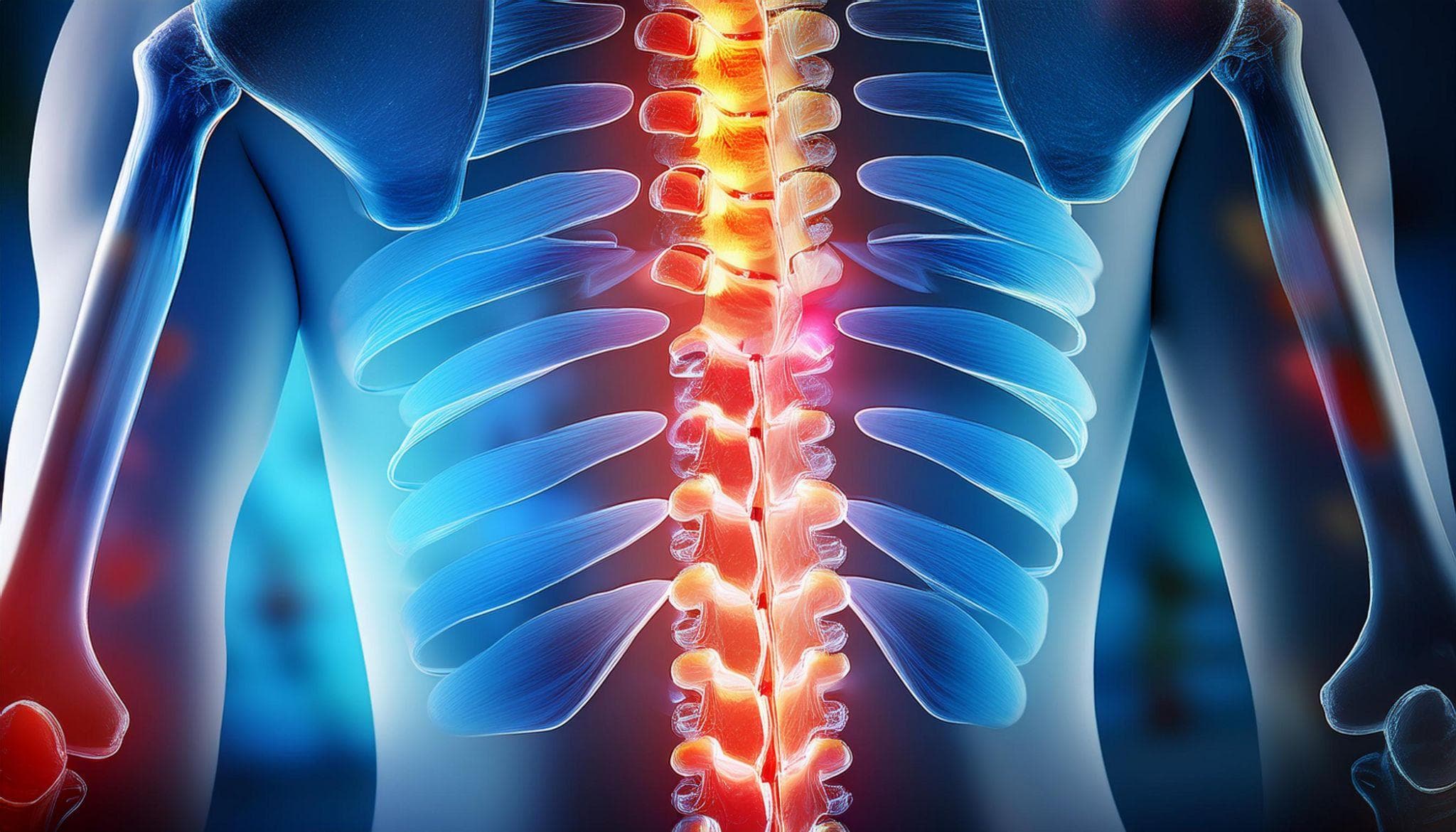
A Complete Guide To Meniscus Tear
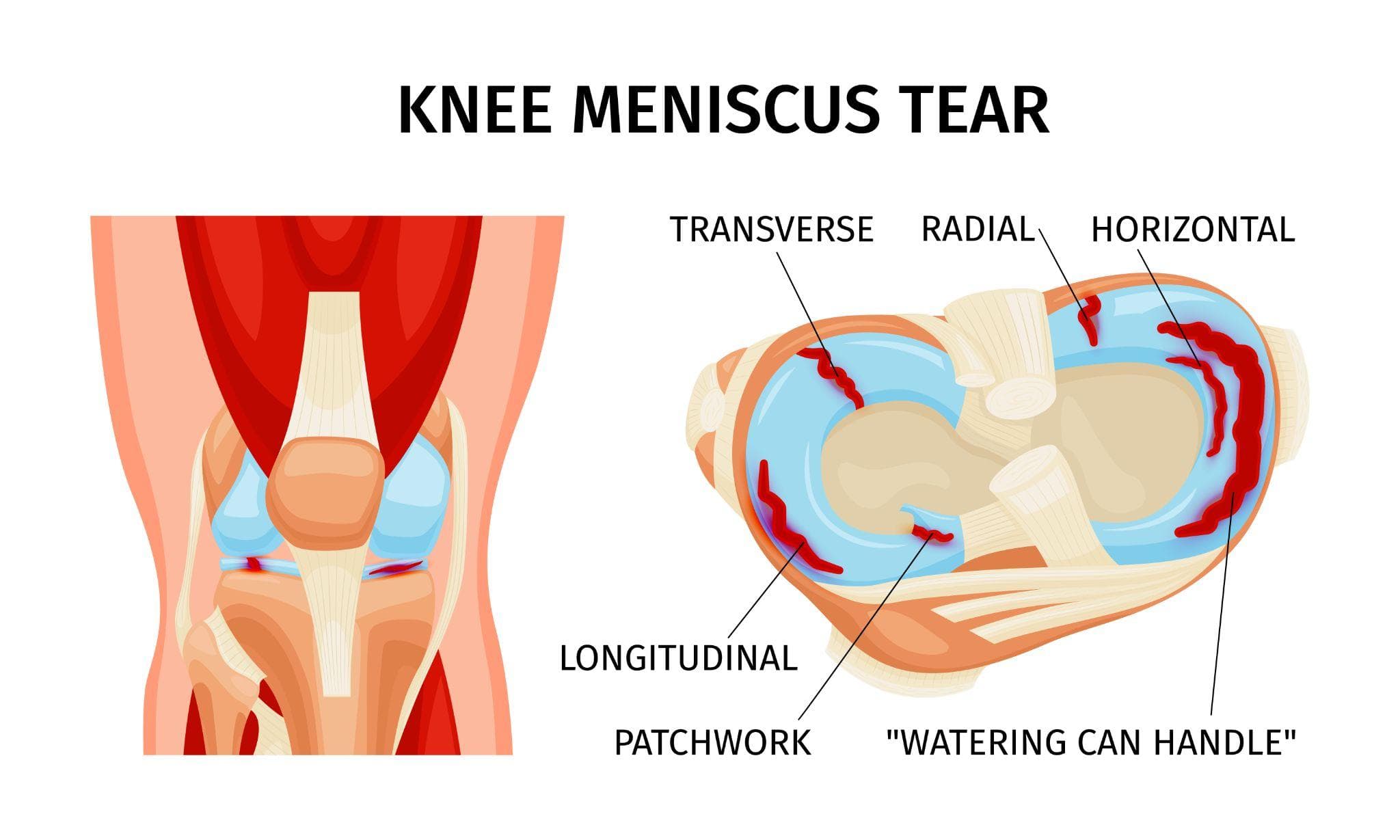
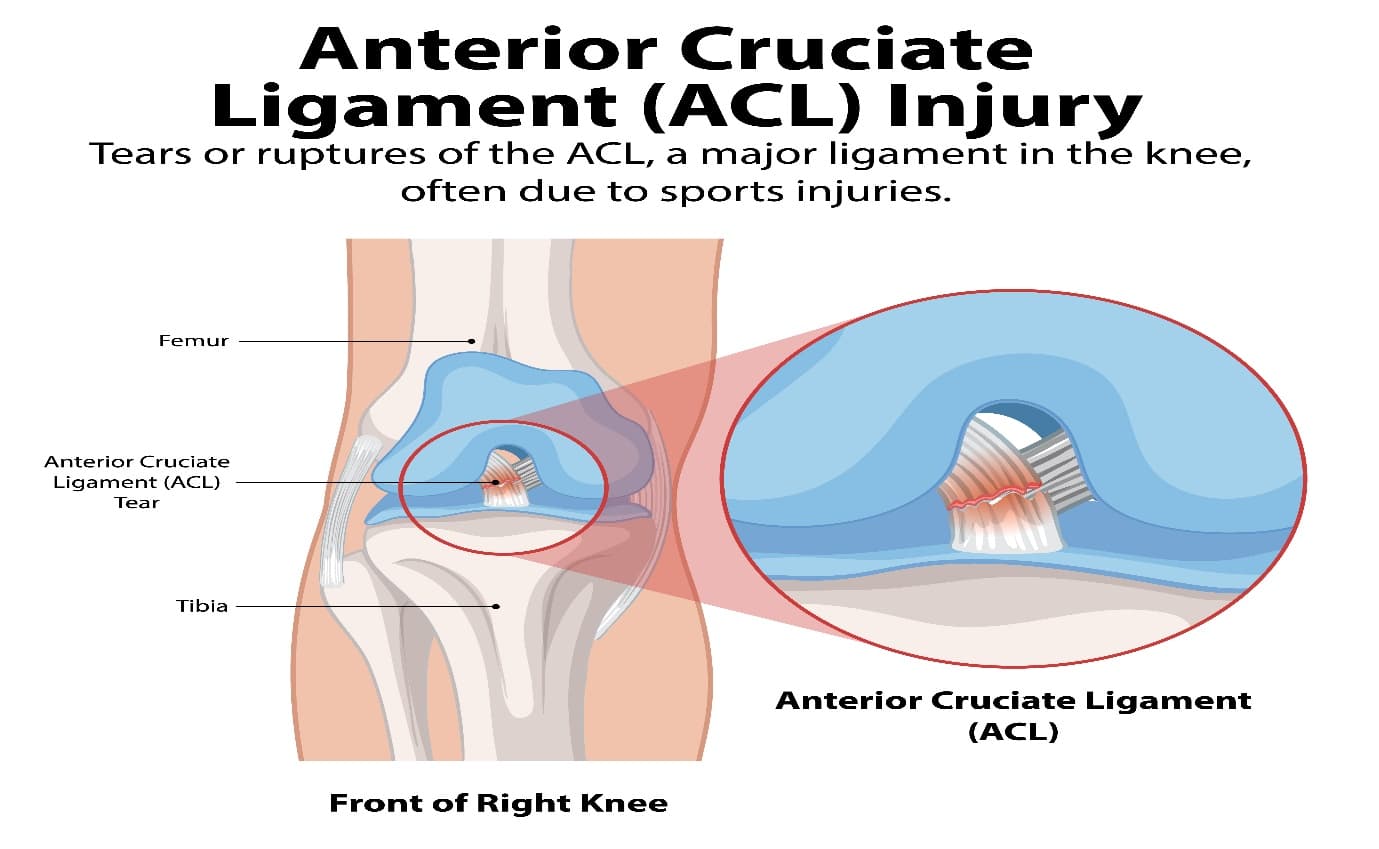
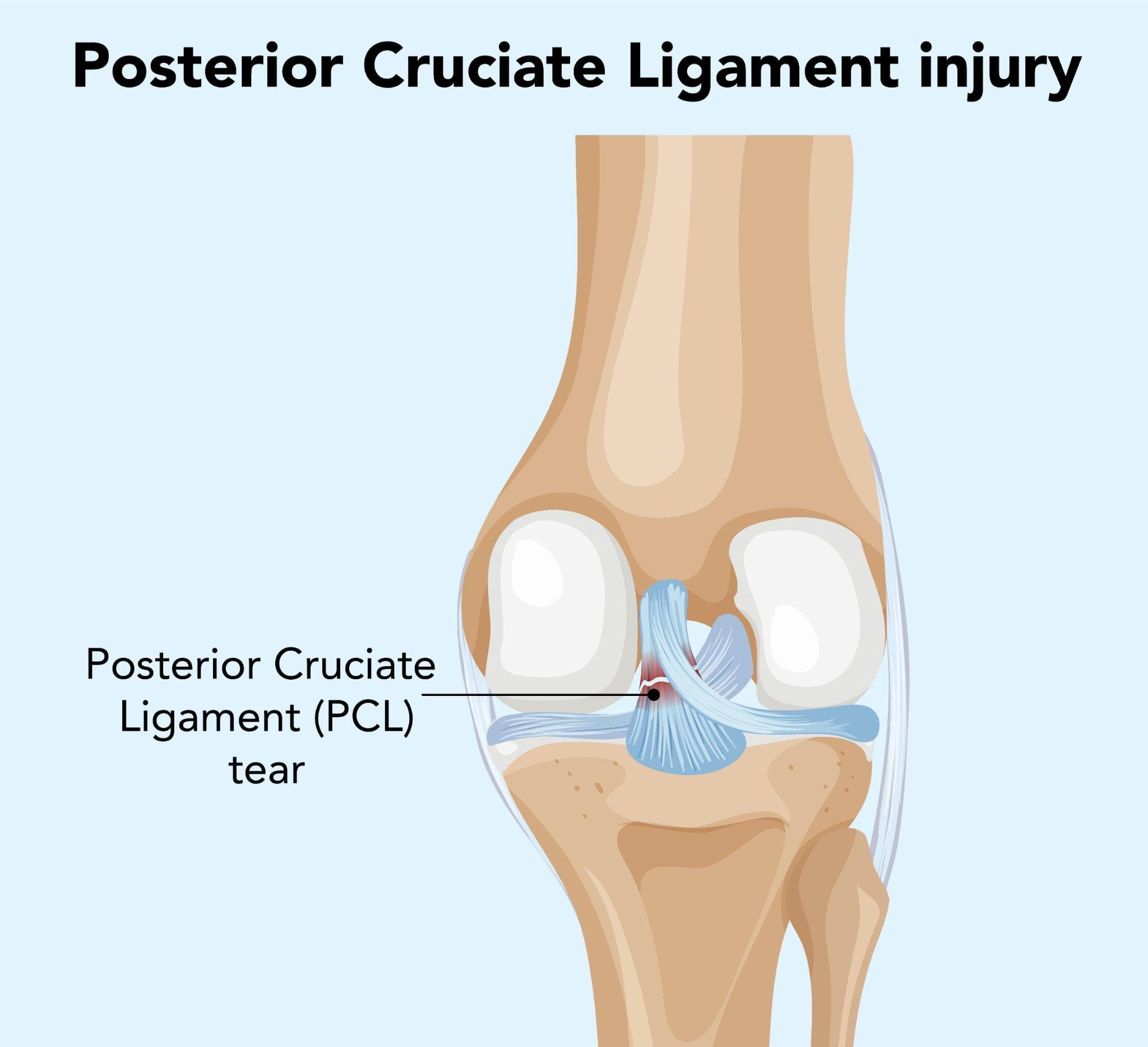
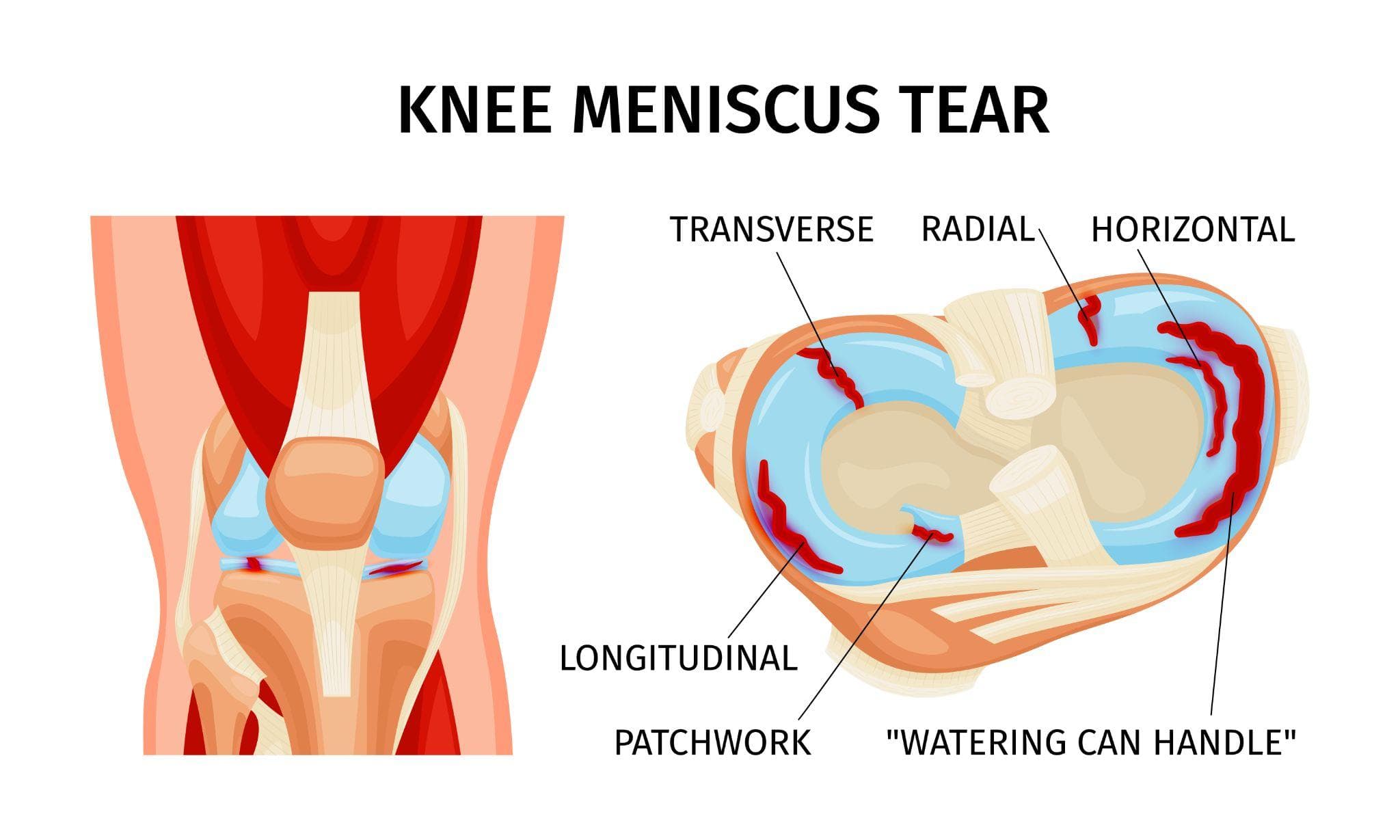
An anatomy of a knee meniscus tear.
Most people brush off knee pain as nothing more than tiredness or overdoing it, but sometimes there's more going on beneath the surface. Meniscus tears are actually one of the most frequent knee injuries, especially if you’re into sports or just generally active.
It might start as a dull ache you barely notice. Then, suddenly, sharp pain kicks in, your knee swells up, and simple movements feel like a chore. Walking, taking the stairs, or even getting up from your seat; these everyday actions can become pretty tough. Ignoring a meniscus tear doesn’t simply limit your movement; it can throw your entire routine off if you let it slide. You can recover, as long as you catch it early and get the right treatment.
Here’s a clear guide to what a meniscus tear actually is, why it happens, and how to tell when it’s time to visit an orthopedic specialist.
What Is A Meniscus Tear?
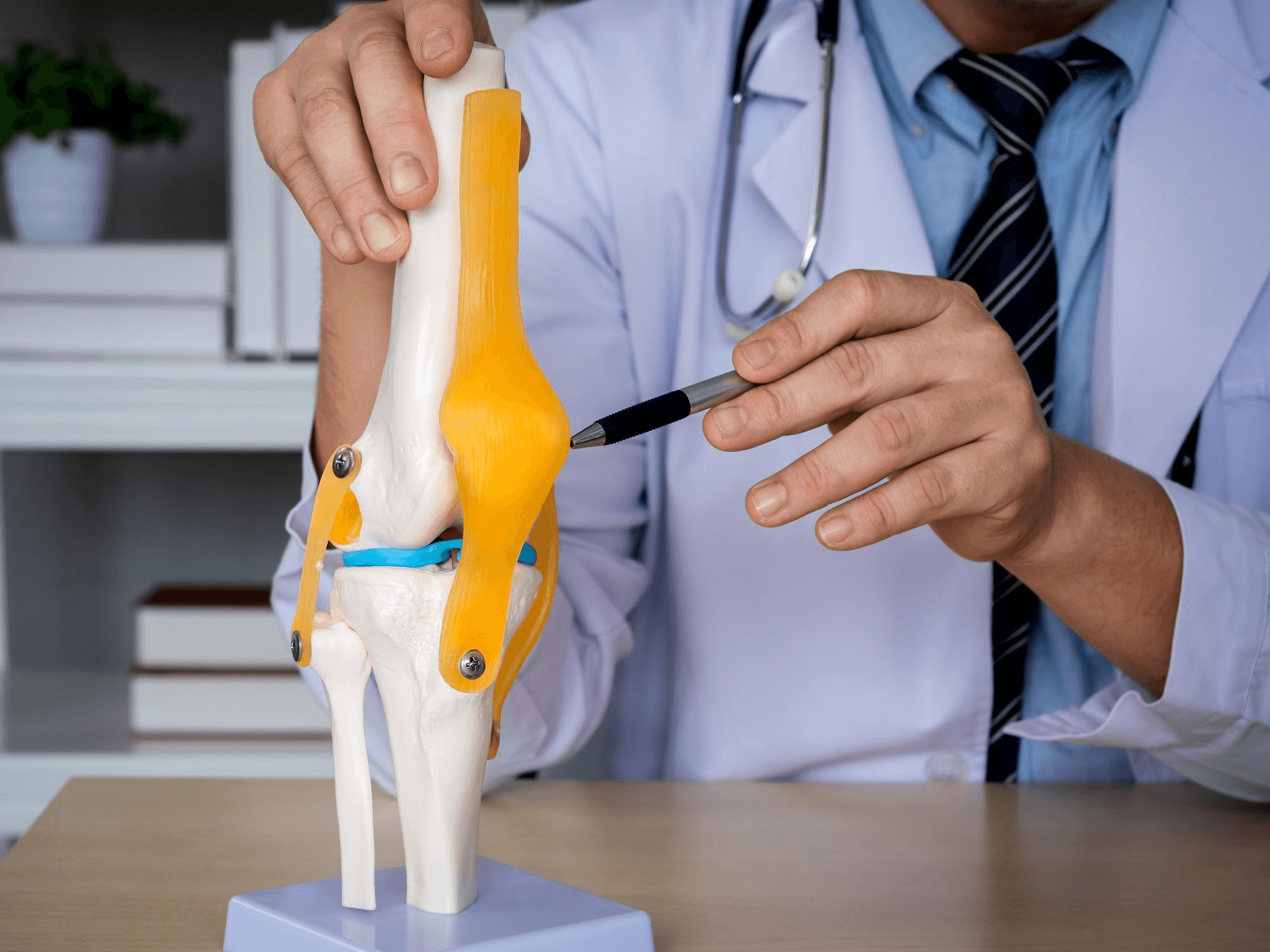
The meniscus is a C-shaped chunk of cartilage sitting inside your knee, wedged between the thigh bone and the shin bone. Each knee actually has two of these - one on the inside and one outside. It’s there to soak up shock, keep the knee steady, and let your leg move smoothly.
A meniscus tear occurs when this cartilage breaks or gets damaged. Sometimes it’s from twisting your knee sharply, maybe during sports or a misstep. Other times, it’s just the slow grind of wear and tear as you age.
How A Meniscus Tear Happens?
Meniscus tears happen for a few reasons, and age and activity level play big roles. Athletes, or anyone who moves fast, are at risk. It’s easy to tear the meniscus with a sudden twist, especially if your foot’s stuck on the ground and your knee turns sharply. That’s a classic injury on the field.
Lifting heavy stuff without paying attention to your posture causes the knee to twist under a load, and it puts a ton of strain on the cartilage, too. Getting older changes things. The meniscus weakens with age, so even simple movements can cause a tear. You don’t need to be doing anything dramatic; sometimes, just standing up the wrong way does it.
Sports crank up the risk. Running, jumping, or quick pivots, anything that pushes your knee to shift directions fast, makes a tear more likely.
Common Symptoms Of Meniscus Tear
Meniscus tears show up in different ways, depending on where the tear is and how bad it gets. Some people barely notice anything at first, like a little discomfort, while others feel sharper pain or struggle to move their knee.
1. Knee Pain
Knee pain tops the list. Usually, it aches on either the inner or outer edge of the joint and tends to get worse if you twist, squat, or put much weight on it. Sometimes, the pain comes and goes in mild cases, but physical activity almost always makes it flare up.
2. Swelling And Stiffness
Swelling is common, too. It might show up within hours or even a day or two later. As fluid builds inside the knee, the joint feels tight and stiff. That stiffness can make bending or moving your knee a lot less comfortable.
3. Difficulty In Movement
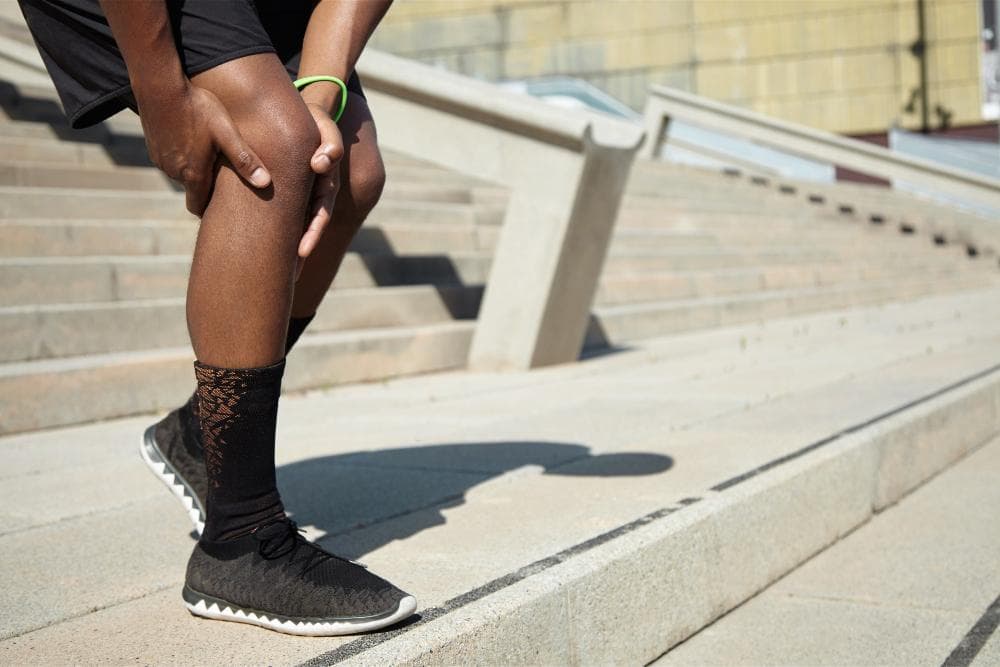
A man holding his knee, showcasing difficulty in moving.
Movement itself gets tricky. You might find you can't bend or straighten your knee all the way. Things like climbing stairs, sitting cross-legged, or getting up from a low chair start feeling awkward or even painful.
4. Locking Or Catching Sensation
One symptom that's hard to ignore: a locking or catching feeling. Your knee might seem to get stuck for a second, or you might sense it clicking as you move. Sometimes, it just won't move smoothly at all, and for a moment, it locks up entirely.
5. Instability
Instability is another issue. The knee feels weak. Walking or standing for any length of time shakes your confidence; you never know when your knee might give out or just feel unreliable.
Some people hear or feel a popping sound when they get hurt. Twisting or turning sharply can trigger a new wave of pain. If these symptoms stick around or start getting in the way of your daily life, it’s smart to see a doctor before things get worse.
Types Of Meniscus Tears
Meniscus tears aren’t one-size-fits-all. They vary a lot, like in shape, size, and where they happen inside the cartilage. Knowing the exact type is crucial; it guides the treatment plan and shapes expectations for recovery.
1. Radial Tear
This is the classic meniscus tear - most people get this one. It usually pops up right in the center of the meniscus. The tear runs from the inner rim outward. The trouble is, blood flow in this spot is weak, so healing drags. Pain often shows up when you move, and your knee loses some of its shock-absorbing power.
2. Bucket Handle Tear
When the meniscus suffers a bucket handle tear, a big chunk gets displaced. Picture a handle flipping inward; it really messes with normal movement. Many people find their knee locks up; suddenly, you can’t fully straighten or bend them. This type is more severe and usually draws extra attention from doctors.
3. Flap Tear
Flap tears mean part of the meniscus loosens and creates a dangling flap inside the joint. It shifts around and triggers catching or clicking sensations, and sometimes, you’ll feel a sharp pain if the flap wedges between the bones. It’s unpredictable, which makes daily activities tough.
4. Degenerative Tear
People over 40 run into degenerative tears more often. Instead of a single injury, age and wear chip away at the meniscus. At first, symptoms are mild, maybe a little stiffness or occasional pain, but things can escalate if you ignore them.
Each tear changes how your knee works, so getting the diagnosis right matters. It’s the first step toward choosing the best treatment and making sure recovery goes as smoothly as possible.
Treatment Options For Meniscus Tear
When it comes to treating a meniscus tear, there's no universal solution. The approach shifts based on the tear’s size, where it’s located, how much it hurts, and even the patient’s age and activity level. Some people recover with basic care. Others need doctors or sometimes surgeons to step in.
1. Non-Surgical Options
A lot of small meniscus tears heal without intervention. The focus here is to knock down pain, ease swelling, and get the knee working again.
- If you’re dealing with a tear, cut out anything that bothers your knee, like running, deep squats, or twisting. These movements strain the knee and risk making the injury worse.
- Icing helps too. A cold compress soothes pain and brings swelling down, especially during those first few days after getting hurt.
- Compression and elevation work hand in hand. Wrap the knee with a brace or a bandage to keep swelling in check. Prop your leg up whenever you can, as this boosts circulation and stops fluid from settling in.
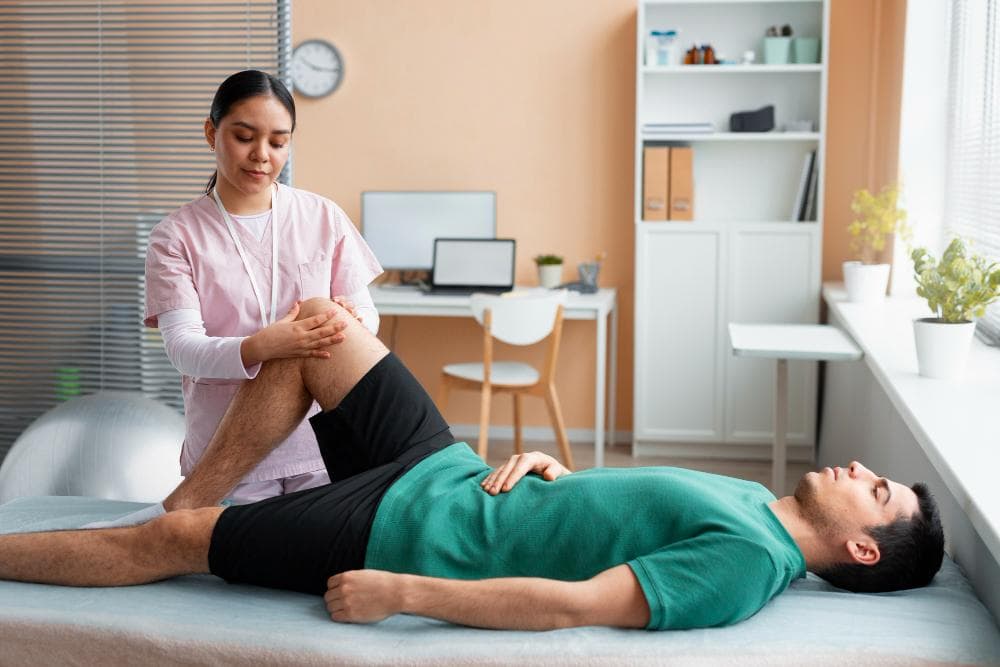
- Physical therapy is essential. Therapists guide you through targeted exercises to build up the muscles that support the knee, stretch things out, and recover range of motion.
Stick with these routines, and not only will you bounce back faster, but you’ll also lower the risk of future injuries.
2. Surgical Options

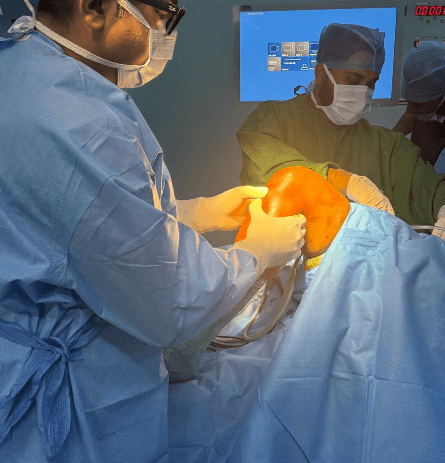
A group of surgeons operating on a patient’s knee.
This enters the picture for bigger tears, or when pain won’t quit, or if your knee keeps locking up. Surgeons have two main choices: repair or removal.
- Meniscus repair means stitching the torn cartilage back together. It works best if the injury sits in a part of the meniscus with good blood flow, as the body heals better there.
- Meniscectomy is different. Here, surgeons cut out the damaged bit if it can’t be fixed. Relief comes quickly, but they always try to preserve as much meniscus as possible, since losing too much can harm the knee in the long run.
- These surgeries usually happen through arthroscopy - a minimally invasive technique. Small cuts, less pain, and a speedier recovery. With solid rehab, most people return to daily life surprisingly fast.
If you suspect a meniscus injury or want personalized advice, don’t guess and reach out to an orthopedic specialist. Dr. Mayank Chauhan in Noida offers expert care, customized treatment, and guidance to help you heal safely and get back on your feet.
Recovery And Rehabilitation
Recovery looks different for everyone as it depends a lot on the treatment you receive.
- Physiotherapy really matters here, helping you build back strength and flexibility.
- It’s best to take things slow. Ease into your daily routine instead of jumping right in, and steer clear of anything high-impact while you heal.
- With the right approach, most people get back to their normal lives without any lasting problems.
When Should You See an Orthopedic Specialist?
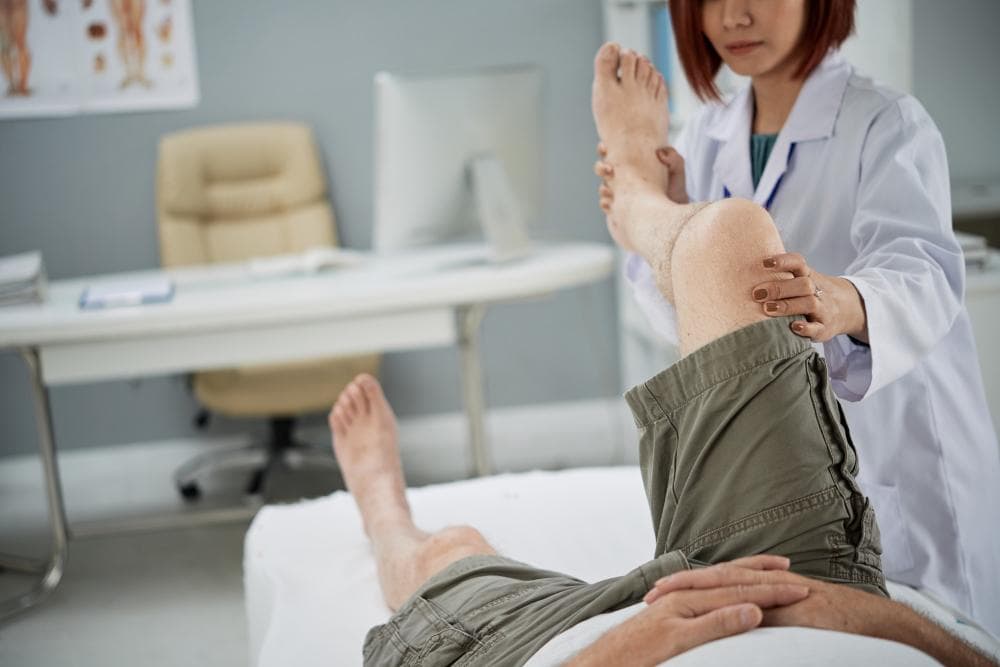
Don’t brush off knee pain, especially if it sticks around. If your pain lasts for more than a few days, or if swelling just won’t go down, it’s time to pay attention. If you are finding it hard to bend or straighten your knee, then that’s a problem. If your knee feels unstable, locks up, or pain starts to interfere with daily life, don’t wait it out and see a specialist.
Final Thoughts
A meniscus tear might seem minor at first, but ignoring it can set you up for much bigger trouble later on. Getting a proper diagnosis and starting the right treatment early gives you the best shot at a full recovery. Physical therapy, surgery, or whatever the plan, the aim stays the same: reduce pain, get your movement back, and help you return to your usual routine.
For expert advice and advanced care, see Dr. Mayank Chauhan in Noida. With the right support, you can recover safely and get back to living your life, pain-free.
Frequently Asked Questions (FAQs)
Can walking worsen a meniscus tear?
Too much walking, especially if you're feeling pain or putting extra strain on the knee, can definitely make the tear worse.
Can you recover 100% from a meniscus tear?
Absolutely. With the right treatment and rehab, a lot of people bounce back and return to their usual routines.
Can a meniscus tear heal in 3 days?
No, that’s unrealistic. Healing takes weeks, sometimes months, depending on how bad the tear is.
Is a meniscus tear life-threatening?
No, it’s not fatal, but ignoring it can mess with your mobility and really impact your daily life.
Can you live normally with a meniscus tear?
Yes, plenty of people do, especially if they follow medical advice, take care of themselves, and adjust their activities when needed.