5 Exercises To Prevent Osteoporosis
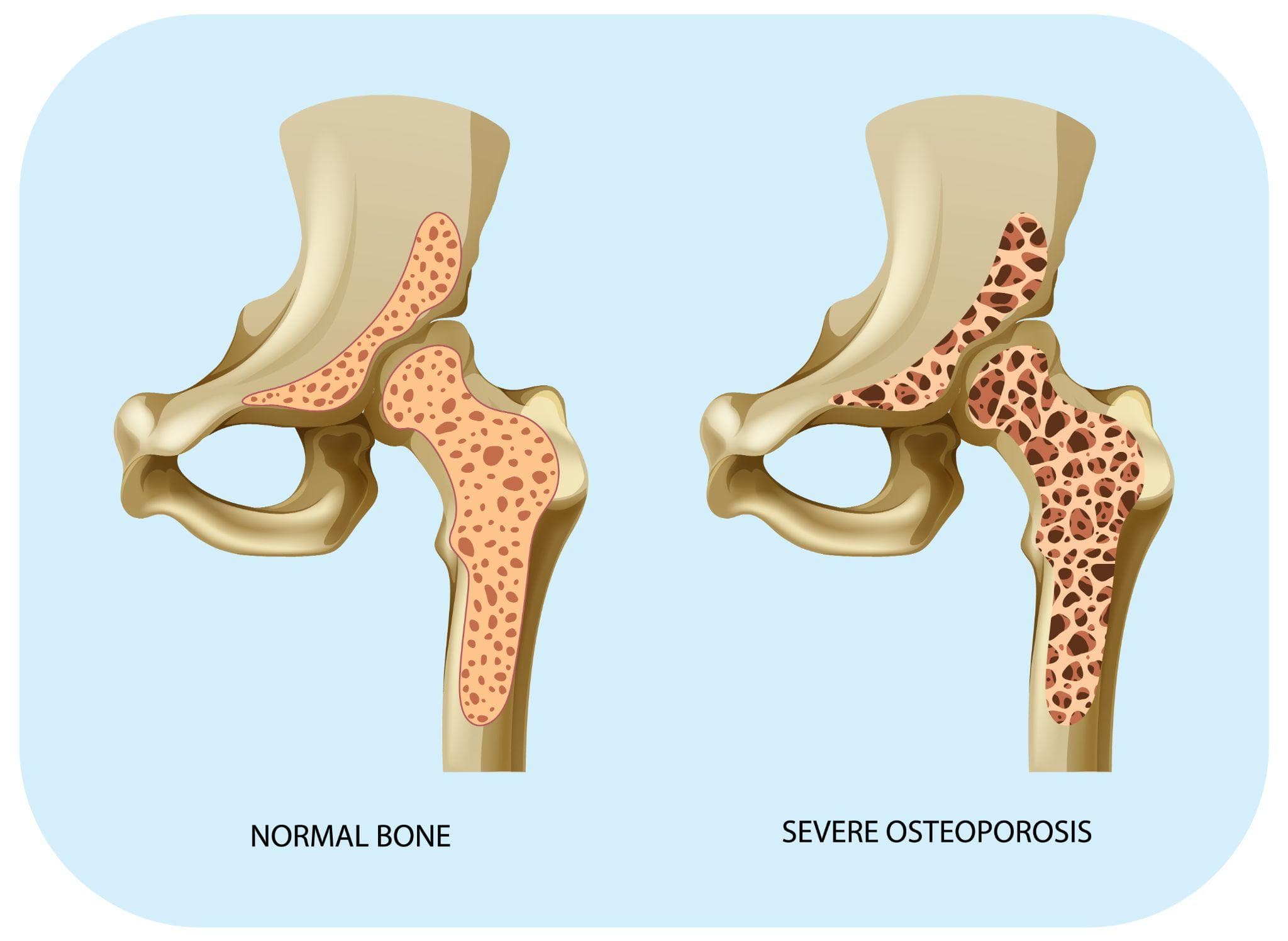
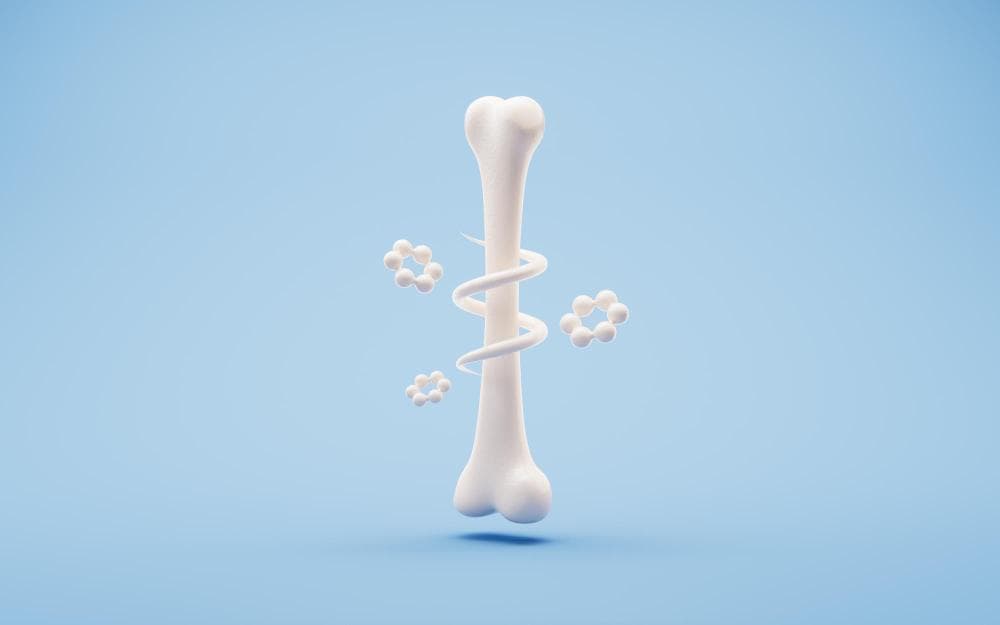
Comparison of two bones showing Osteoporosis.
Osteoporosis sneaks up on people. The person doesn’t feel the bones getting weaker, and most only realize there’s a problem after a fracture. Sure, getting older, hormonal shifts, and genes matter, but sitting around too much really puts the bones at risk.
Engaging in physical activity is one of the most effective ways to combat osteoporosis. The right exercises push the bones to get stronger, build up muscles, and help balance. Stay committed, and this will preserve the bone strength and keep one moving well, no matter the age.
Here are five exercises, backed by research, that make a real difference in preventing osteoporosis and keeping the bones healthy over the long haul.
Who Is At Higher Risk Of Osteoporosis
Some individuals are more prone to bone loss and should be extra cautious.
- If you’re a woman who’s gone through menopause.
- As an adult over 50, the risk for it goes up.
- The same thing if osteoporosis runs in the family.
- People who are underweight or don’t get enough nutrients also need to pay attention.
- Long-term use of steroids or certain medications can make things worse.
- If one barely moves around, then that doesn’t help either.
- If one has already had a fracture, one is at a higher risk.
Bone density loss usually sneaks up when most people don’t notice anything’s wrong at first. That’s why early screening with bone mineral density tests really matters. These tests catch osteoporosis before one breaks a bone, which is a game-changer.
For catching bone loss early, one needs to take precautions. Changes can be made to the daily routine, get the right treatment, and prevent more serious problems down the road.
Visit Dr. Mayank Chauhan in Noida for expert orthopedic guidance. He helps you prevent osteoporosis and lowers the risk of fractures.
Effective Exercises for Preventing Osteoporosis
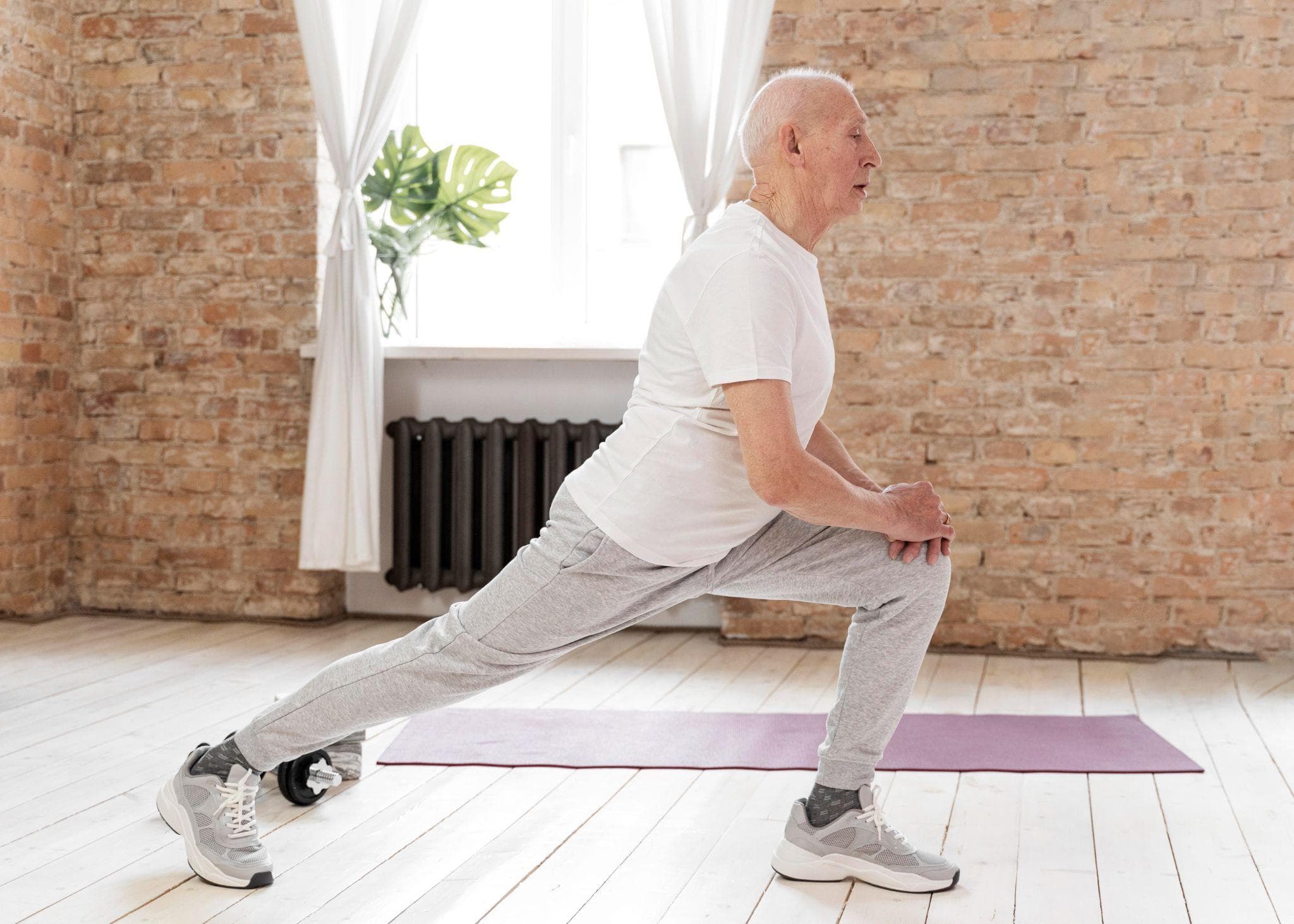
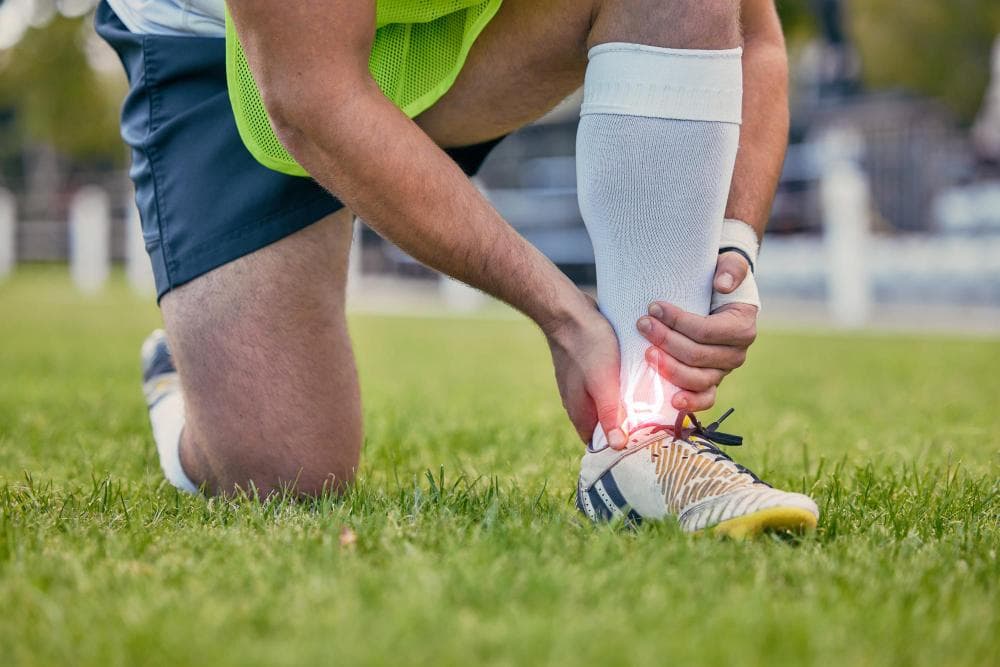
A man is exercising and stretching.
When one does weight-bearing, strength, and balance exercises, they slow down bone loss and lower the chances of breaking a bone. These workouts don’t just help the bones, they also make the posture better and keep one steady on the feet.
1. Weight-Bearing Walking
Walking really is about as simple as it gets, but don’t underestimate it, as it’s a powerhouse for bone health. Do it briskly and often, and there will be a slowdown in bone loss. The blood flows better, joints stay looser, and honestly, it just feels good. If one is older or just starting with exercise, walking is gentle on the body but still gives real benefits.
2. Strength Training Exercises
Strength training does more than just build muscle as the bones get in on the action, too. When one does squats, lunges, wall push-ups, or messes around with resistance bands, they force the bones and muscles to handle a little extra work. That challenge helps them grow stronger over time. On top of that, these exercises help keep stand taller, keep joints steady, and make one less likely to get hurt if takes a tumble.
3. Balance Training Exercises
Bad balance is asking for trouble, especially if the bones are already a bit fragile. Simple balance drills, like standing on one leg or walking heel-to-toe, train the body to keep itself upright. The more one practices, the steadier and more confident one will feel moving around. For older adults, this isn’t just about feeling good, it cuts down the risk of falling and getting hurt.
4. Posture And Back Strengthening Exercises
Osteoporosis is a risk to the spine, which can leave one hunched over and more likely to fracture a vertebra. That’s why it pays to work on the back and posture. Squeeze those shoulder blades together, strengthen the upper back, and add some gentle spinal extensions. These moves keep the spine lined up the way it should be. Better posture means less strain and more protection for the back.
5. Flexibility And Stretching Exercises
Staying flexible keeps the joints happy and lets one move without feeling stiff or awkward. Gentle stretching keeps the muscles long and ready. Just don’t go overboard, skip the deep forward bends or big twists, especially if worried about the spine. Done right, stretching fits perfectly with other exercises and helps one move more freely every day.
How Often These Exercises Should Be Done
If one wants stronger bones, get into weight-bearing and strength exercises most days of the week. Balance and flexibility exercises? Go ahead and do those every day. The trick is to stick with it as bones get stronger little by little, so one really needs to keep at it.
If one already has bone loss or some health issues, talk to a professional before jumping in with something new. It’s always better to be safe.
Safety Tips For Exercising With Osteoporosis Risk
Exercising is great for the bones, but if one is at risk for osteoporosis, they have to be careful. The right approach keeps one moving, protects the bones, and helps one stay healthy in the long run.
- Skip anything high-impact or jerky, no jumping or fast, unpredictable moves.
- Pay attention to the posture while working out, and make sure the shoes give enough support.
- Don't try to do too much, too soon, and have patience.
- If something hurts or just feels off, check in with the doctor before pushing ahead.
Some exercises just aren’t worth the risk. Stay away from deep forward bends or toe touches, anything that twists the spine suddenly, and heavy lifting unless someone’s guiding. It’s not about doing less, but about doing what’s safe.
The best way to stay active is to follow a plan designed. A little guidance goes a long way when it comes to protecting the bones and making the most of the workouts.
When To See An Orthopedic Specialist

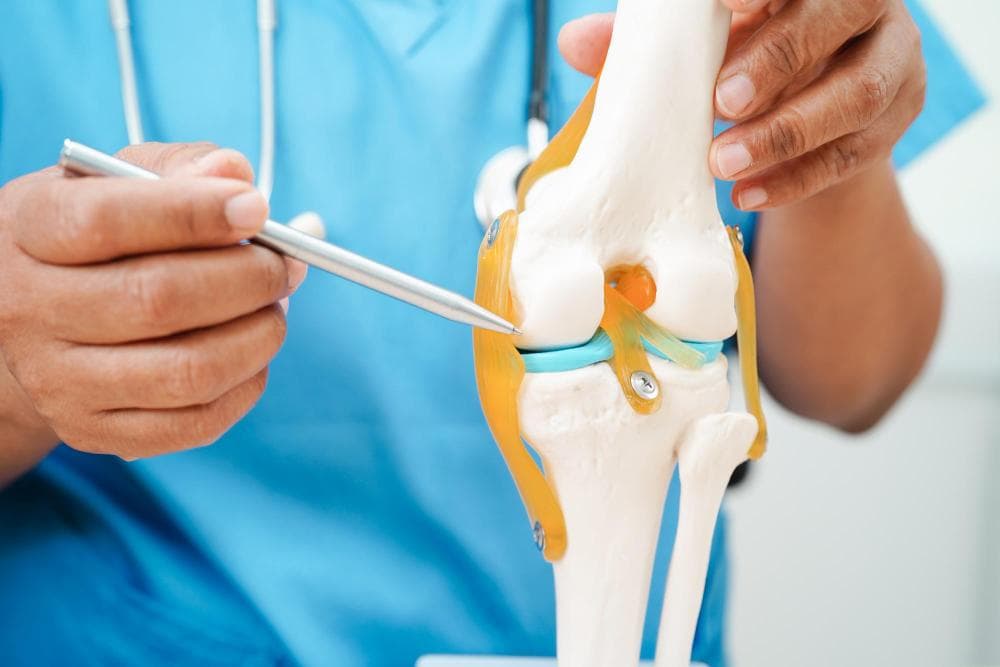
A doctor and a patient are consulting.
Exercise does a lot to keep the bones strong, but sometimes one needs more than a good workout routine. That’s where an orthopedic specialist comes in. They check how healthy the bones really are, spot any fracture risks, and figure out the right treatment or scans if one needs them.
- If one keeps having bone or joint pain that doesn’t go away, even when active.
- If one gets fractures or stress injuries from simple falls or small bumps.
- Start losing height, or the posture gets stooped.
- Back hurts all the time, and can’t point to a clear reason.
- It’s getting harder to do things that put weight on the bones, and it’s not improving.
Don’t wait too long. Getting checked out early can head off bigger problems and keep one moving safely.
Final Thoughts
Exercise does a lot to keep bones strong and fight off osteoporosis. If one mixes in weight-bearing moves, strength training, balance work, and a bit of stretching, it helps slow down bone loss and lower the risk of fractures. Plus, it builds strength, the body moves with more confidence, and it feels better day to day.
Stick with it, do it safely, and one is protecting the bones for the long haul. The sooner one gets active, the better, as it’s one of the best ways to stay ahead of osteoporosis.
Worried about your bones or osteoporosis? Getting the right advice at the right time can change everything. Dr. Mayank Chauhan in Noida is known for this area of expertise. He digs deep into the bone health, figures out exactly what’s going on, and tailors a treatment plan that actually fits the life. He’s all about lowering the fracture risk and keeping one moving for years to come.