Knee Replacement Failure — Signs, Causes, and What Revision Surgery Involves

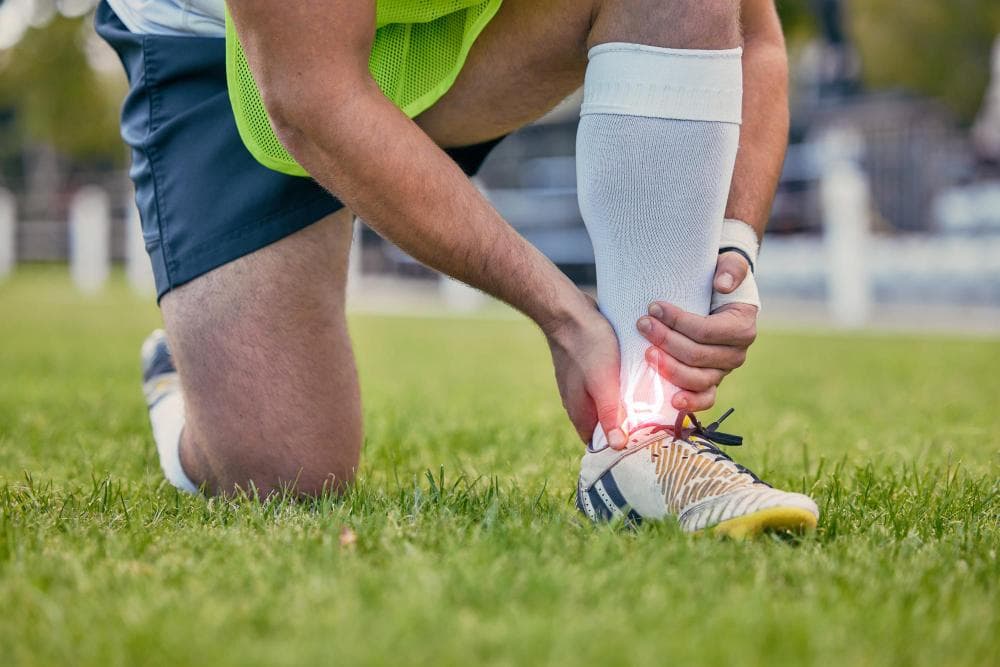
A young athlete clutching their knee in visible pain on a sports field.
Most knee replacements work extremely well for 15–25 years. The surgery has a 90%+ success rate at 15 years in large registry studies, and modern implants and techniques have pushed this figure higher.
But failures do occur. And when they do, they are not always minor — a failing knee replacement can be profoundly limiting, as disabling as the arthritis it replaced. Understanding why replacements fail, what the warning signs are, and what can be done about them is information every knee replacement patient — and every patient considering the surgery — deserves to have.
The Most Common Reasons Knee Replacements Fail
Failure in joint replacement doesn't mean catastrophic mechanical breakdown. It means the implant no longer provides the function and pain relief it was designed to provide. The causes are varied.
Aseptic Loosening
The most common long-term cause of knee replacement failure. Over years or decades, the bond between the implant and bone weakens. This can happen through gradual bone resorption around the cement, or — in cementless implants — through failure of bone ingrowth.
The process is usually slow. The early sign is pain with weight-bearing — particularly the dull, aching pain that returns after a period of pain-free function. X-rays may show a radiolucent line (a gap) developing around the implant's interface with the bone.
Loosening is more common in:
- Patients who are younger and more active (greater mechanical demand on the implant)
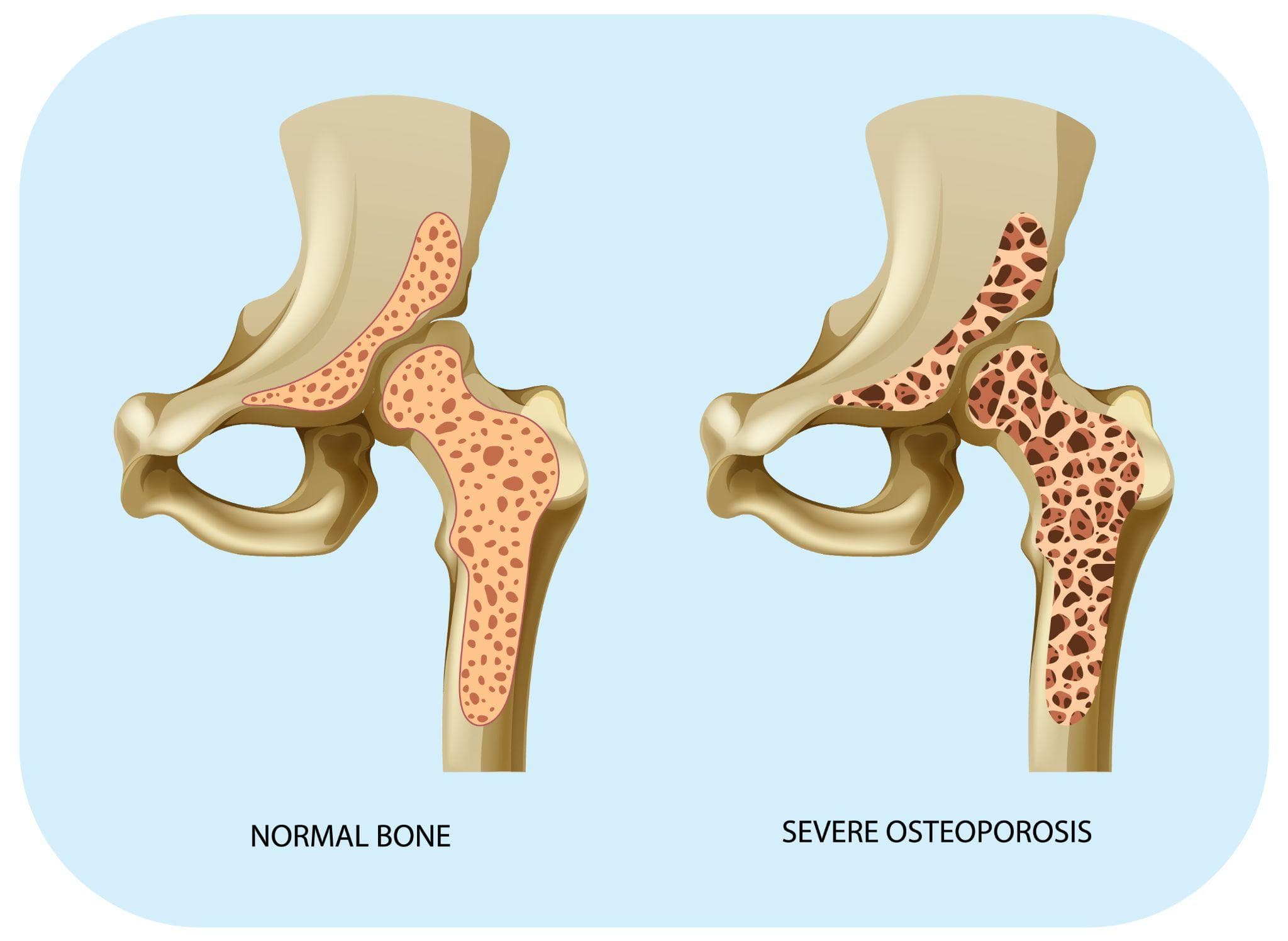
- Patients with osteoporosis (poorer bone quality for fixation)
- Patients with high BMI (greater load through the implant with each step)
- Very long-standing replacements (20+ years out)
Infection (Periprosthetic Joint Infection, PJI)
One of the most serious complications. Bacteria colonise the surface of the implant — either during the original surgery (early infection) or via the bloodstream from a distant source like a dental procedure, urinary infection, or skin infection (late haematogenous infection).
Early infection (within 4–6 weeks of surgery) presents with acute wound changes — redness, swelling, warmth, wound discharge, fever. Late infection may be more subtle — persistent dull pain, stiffness, sometimes no obvious inflammation.
PJI typically requires surgical management. Depending on the timing and organism, options include:
- DAIR (Debridement, Antibiotics, Implant Retention): Washing out the joint thoroughly and replacing the plastic liner, while leaving the metal components, with prolonged antibiotic treatment. Effective for early infections with susceptible organisms.
- Two-stage revision: Removing all implants, placing an antibiotic-loaded cement spacer for 6–12 weeks while the infection is eradicated, then re-implanting new components. The standard for chronic PJI.
- One-stage revision: Removing and reimplanting in a single operation with extended antibiotic coverage. Used in selected cases with favourable conditions.
Infection prevention is critical — this is why pre-operative dental clearance (active dental infections can seed bacteria to the joint), skin care, diabetes control, and antibiotic prophylaxis at the time of surgery all matter.
Instability
A knee replacement that feels unstable — that gives way, buckles, or shifts — may have been incorrectly balanced at the time of surgery. Proper balancing of the knee ligaments during total knee replacement is a critical step. Too loose and the knee is unstable. Too tight and it doesn't bend properly.
Instability can also develop over time if ligament structures around the knee deteriorate, or if the polyethylene insert wears asymmetrically.
Polyethylene Wear
The plastic (polyethylene) insert between the metal components wears down over time with use. Modern highly cross-linked polyethylene has dramatically reduced wear rates compared to older materials — but wear still occurs, particularly in very active patients or those with malaligned implants.
Wear debris from the polyethylene can trigger an inflammatory response (osteolysis) in which the body's immune cells attack the debris particles and inadvertently destroy surrounding bone. This is one pathway to loosening.
In mobile-bearing implants (where the plastic insert can rotate), bearing dislocation (spin-out) is an uncommon but recognised failure mode.
Stiffness (Arthrofibrosis)
Some patients develop excessive scar tissue in and around the joint after surgery, resulting in a knee that does not bend beyond 70–80° despite physiotherapy. This is called arthrofibrosis.
Risk factors include pre-operative stiffness, obesity, inadequate post-operative physiotherapy, complex pain syndromes, and occasionally implant positioning issues.
Management ranges from manipulation under anaesthesia (MUA — a gentle forced bending of the knee under anaesthetic to break adhesions) to surgical arthroscopic release of scar tissue.
Periprosthetic Fracture
A fracture occurring around the implant — in the bone near the components. Can result from a fall or, in osteoporotic bone, from a minor stress. The implant may be intact, loosened, or damaged.
Treatment depends on fracture pattern and implant stability. Some are amenable to plate fixation around the implant. Others require revision surgery.
Malalignment
If implants are placed at incorrect angles — even by a few degrees — the resulting forces across the knee during walking are abnormal. Malaligned implants wear faster, feel less natural, and are associated with higher revision rates. This is a primary reason why robotic and computer-assisted alignment systems have gained traction.
Warning Signs of a Failing Knee Replacement
Patients who have had knee replacement should seek evaluation from an orthopedic surgeon if they experience:
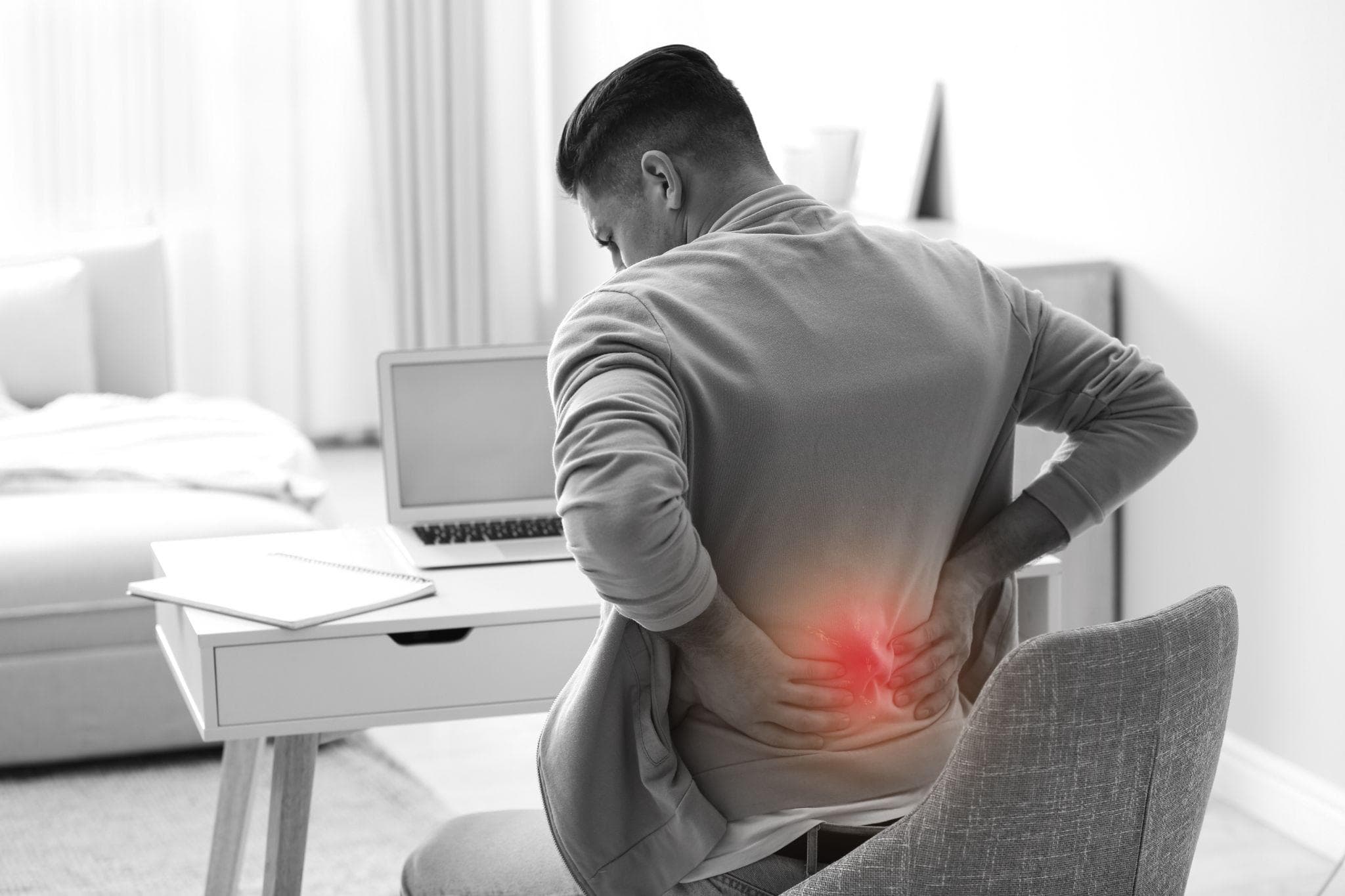
- Pain that returns after a period of complete or near-complete pain relief, particularly if gradually worsening
- Sudden onset of acute pain, swelling, redness, and warmth (suggests infection)
- The knee feeling unstable or giving way
- Progressive loss of motion — difficulty bending or straightening the knee that wasn't present 6 months post-operatively
- A palpable or audible clunk with movement
- Fever alongside knee symptoms
Some persistent mild aching after knee replacement is normal, particularly in the first 6–12 months. What should not happen is a return of significant pain after a good period, or new symptoms developing years after surgery.
Revision Knee Replacement: What It Involves
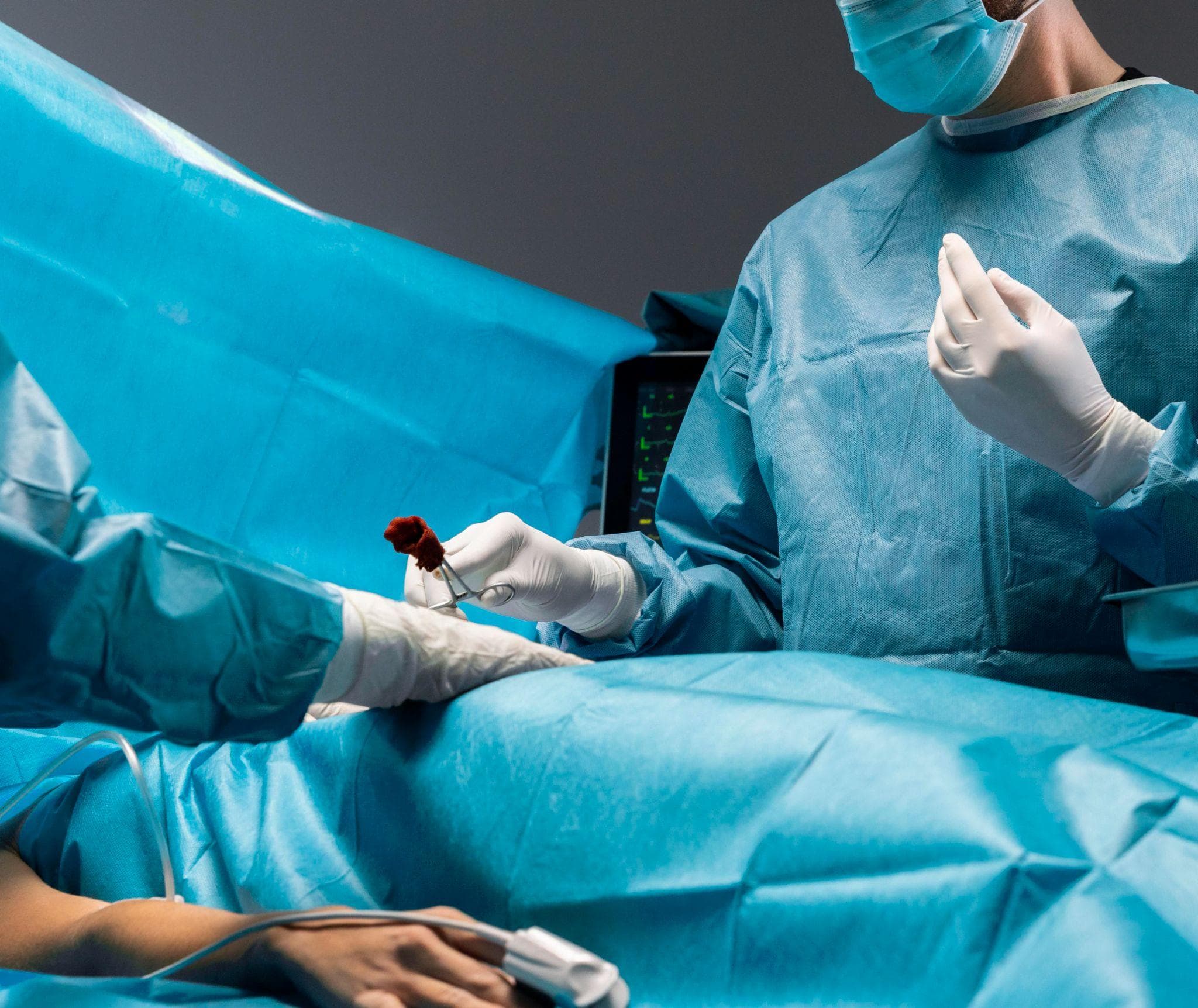
Revision knee replacement — removing and replacing a failed implant — is considerably more complex than primary (first-time) knee replacement. It requires:
Specialised implants: Revision-specific implant systems are designed to manage bone loss, address ligamentous deficiency, and provide stability in compromised situations. They are typically longer-stemmed, larger, and use more metal augments to replace missing bone.
Longer operative time: Removing a well-fixed primary implant — particularly a cemented one — requires careful, methodical work to avoid damaging the remaining bone. The surgery typically takes 2–4 hours.
Greater bone loss: Implant removal always results in some bone loss at the removal site. Managing this bone deficit is one of the central challenges of revision surgery — addressed with bone grafts, metal augments, or trabecular metal (highly porous metal that bone can grow into).
More complex rehabilitation: Recovery from revision surgery is typically longer and more challenging than primary replacement. Patients should expect the recovery arc to be longer.
Best performed at experienced centres: Revision knee surgery should be done by surgeons with specific revision experience at centres that perform it regularly. Volume matters — the complexity of these cases rewards experience.
When Should Revision Be Done?
Revision should be considered when:
- Pain and functional limitation are significant and attributable to the implant (not to other causes)
- Conservative management (physiotherapy, injections, medication) has failed to provide relief
- Imaging or laboratory tests confirm a specific mechanical cause
- The patient's health is adequate for a major revision operation
Revision should not be rushed on the basis of radiological findings alone. A radiolucent line on X-ray around an implant does not necessarily mean revision is imminent — the clinical picture and symptom burden drive the decision.
Dr. Mayank Chauhan at Prakash Hospital, Noida
Dr. Mayank Chauhan evaluates patients with concerns about existing knee replacements — whether from another surgeon or from prior surgery at Prakash Hospital. Assessment includes clinical examination, weight-bearing X-rays, and where indicated, CT, bone scan, or joint aspiration for infection workup.
To book a consultation, call the number listed on the website.