Stress Fractures In Athletes

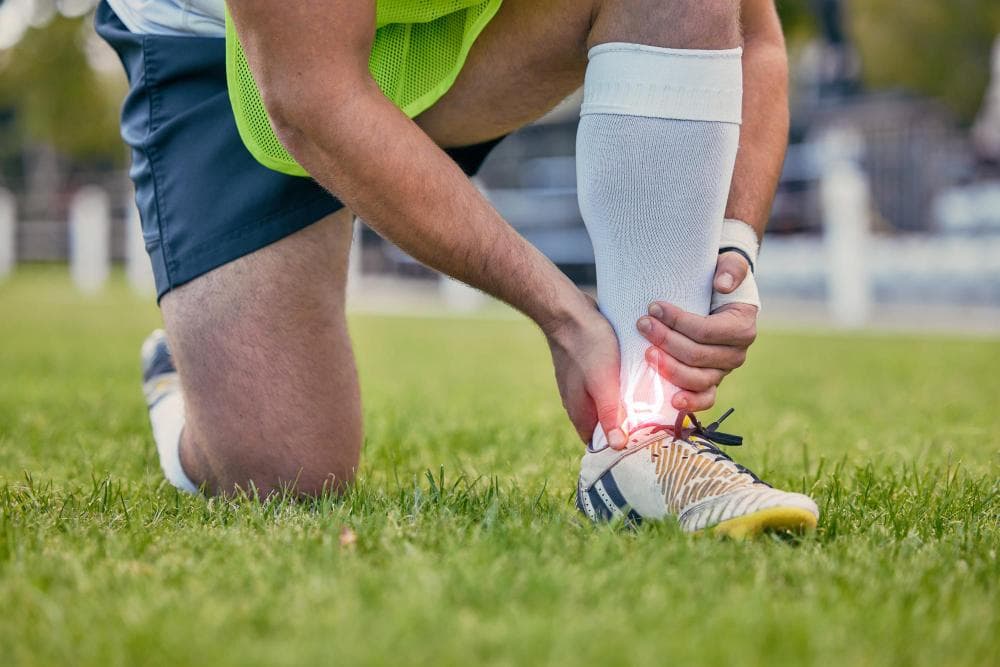
An athlete is holding his ankle in pain.
Athletes put their bodies through a lot, sometimes more than they realize. All that constant pounding adds up, and then injuries show up that weren’t obvious at first. Stress fractures are a classic example. You don’t get them from one bad fall. They sneak in, bit by bit, from repeating the same movement over and over, especially in high-impact sports like running or football.
Ignore those early aches, and you’re asking for a longer recovery. The trouble isn’t just the pain; it’s your body waving a red flag, signaling overtraining, sloppy technique, or maybe just not resting enough. Stress fractures aren’t a career-ender. With smarter training, solid recovery strategies, and a watchful eye on warning signs, you can bounce back.
This guide breaks down what stress fractures really are, what sets them off, and when it’s time to see an orthopedic specialist.
What Is A Stress Fracture?
A stress fracture isn’t the result of one dramatic fall or collision; it’s your bone giving in after taking the same hit over and over again. Imagine your muscles so tired that they stop acting as shock absorbers. Now, your bones have to take the full force every time you run or jump, and after a while, that’s enough to cause small cracks. These fractures show up a lot in weight-bearing spots, like your shin, foot, or ankle.
Causes Of Stress Fractures In Athletes
You usually see stress fractures in athletes who don’t ease up and work hard all the time, without enough breaks. That constant pounding in high-impact sports wears the bone down, and eventually, those tiny cracks start to show.
1. Overtraining
When you suddenly ramp up your workouts, whether it’s running longer distances or adding more practices, your bones can’t keep up. They need time to rebuild after taking a beating. If you skip rest days, the pressure just piles on until those cracks appear.
2. Improper Footwear
The shoes you wear matter a lot, too. Running in old sneakers, or ones without proper cushioning, means all that shock from pounding pavement gets transferred right to your bones. Good footwear spreads out the impact, but worn-out shoes let it hit the same spots over and over. The feet and lower legs are most affected, as stress fractures love to show up there.
3. Poor Training Technique
Technique plays a huge role. If your form is off, like your running stride is uneven or your posture isn’t right, you end up stressing certain bones while others barely get used. That imbalance breaks down those targeted areas, leading to injuries.
4. Weak Muscles And Low Bone Density
Muscle strength is another piece of the puzzle. Strong muscles act as shock absorbers during movement, but if you’re tired or haven’t built up strength, they’re not much help. Weaker muscles mean bones take the brunt of every impact. If your bone density is already low, you’re even more vulnerable to fractures, sometimes from activities that wouldn’t bother others.
5. Hard Training Surfaces
Finally, training surface matters. Running or jumping on concrete or asphalt sends much harder shocks through your body than softer ground like grass or a padded track. Those unyielding surfaces can wear down your bones pretty quickly if you train on them all the time.
If athletes understand how stress fractures happen, they can do something about them. Spacing out workouts, strengthening muscles, picking the right shoes, and mixing up surfaces make a big difference. It’s about finding a balance; push yourself, but give your body a chance to catch up and stay strong.
Symptoms Of Stress Fractures
Stress fractures often sneak up on you. At first, you might feel a bit of discomfort, nothing too serious. But as you keep moving:
- The pain grows and refuses to go away.
- You’ll usually notice it in one spot; it’s tender, sometimes swollen.
- That area hurts more whenever you try to put weight on it.
- If you rest, the pain might fade, but as soon as you get active again, it’s back.
- When things get worse, even standing or walking can be tough.
Common Areas Affected

A foot with a plaster for an ankle fracture.
Athletes usually get stress fractures where their bodies take the most pounding:
- The shin bone
- The foot’s metatarsals
- The heel
- The ankle
These spots feel the brunt of running, jumping, and constant movement.
Diagnosis Of Stress Fractures
When doctors suspect a stress fracture, they start by checking your body and talking through your recent activities. Then comes the imaging, like X-rays, though sometimes they miss fractures early on. MRI gives a clearer picture sooner, and bone scans can help too. Catching a stress fracture early matters. It stops things from getting worse, plain and simple.
Treatment Options
Treating stress fractures starts with figuring out how bad the injury is and what kind of activity the athlete wants to get back to. Letting the bone heal while steering clear of anything that might make it worse. Usually, you’re looking at a mix of rest, careful support, and some rehab.
1. Rest And Activity Modification
Athletes absolutely need to cut out high-impact stuff like running and jumping since that’s what stresses the injured bone. But stopping everything isn’t always necessary. Swimming or cycling are okay as both keep you moving, but don’t hammer your bones. Giving the injury time is what prevents things from taking a turn for the worse.
2. Ice And Pain Management
Ice is good for swelling and pain, especially early on. Most people use it for 15–20 minutes, a few times a day. If that’s not enough, doctors might recommend some mild pain relief, but they tend to avoid long-term medication.
3. Supportive Devices
Supportive devices come into play depending on where the fracture is and how severe it feels. Braces, crutches, and special shoes help take the weight off and give your bone space to heal. Sometimes a walking boot is best, just to keep everything stable and prevent further strain.
4. Physiotherapy
Physiotherapy really makes a difference, especially once the initial pain fades. Rehab is all about getting your strength and flexibility back, and fixing the kinds of muscle weaknesses or bad movement habits that might’ve caused the injury to begin with. It actually helps you heal faster and keeps you from winding up hurt again.
5. Gradual Return To Activity
When it’s time to get back to your sport, take it slow. Pushing too hard, too soon, just isn’t worth the risk. Start with some light exercises, then build up gradually. Keep an eye on how you feel and track your pain, notice if anything feels off, and don’t jump back into full training until you know for sure your body can handle it.
Having the right recovery plan makes all the difference. Dr. Mayank Chauhan in Noida can work with you on a treatment plan that’s made just for you. That’s really the best way to steer clear of setbacks and get back in the game safely.
When To See An Orthopedic Specialist
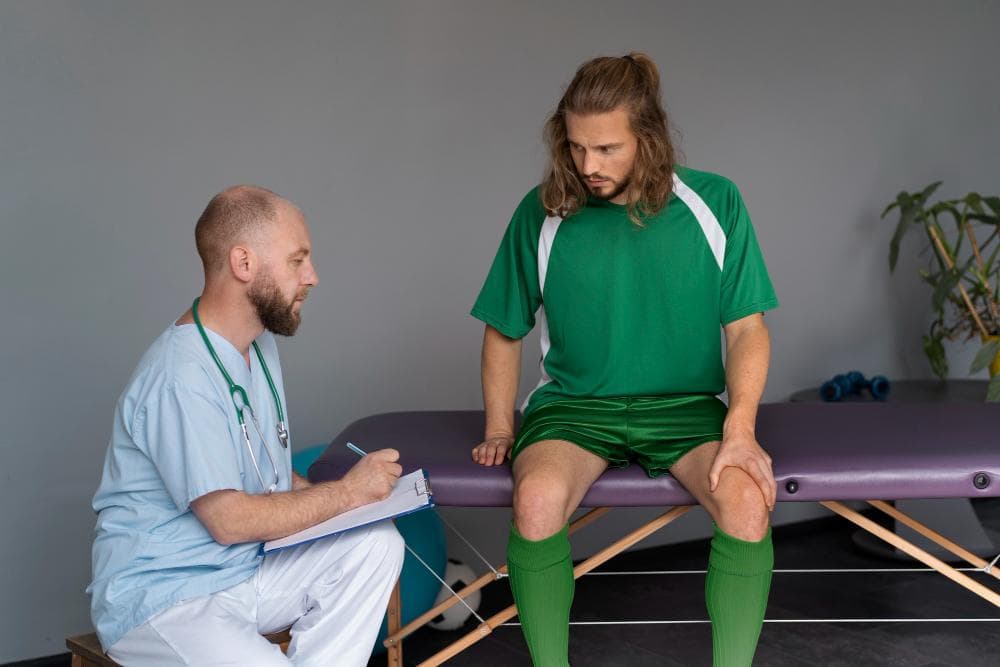
An athlete is consulting with a doctor.
You should go see a doctor if:
- Your pain sticks around for more than a few days.
- The swelling keeps getting worse.
- You feel pain even when you’re just resting.
- You can’t walk or put weight on your legs.
Ignoring these problems can turn a bad situation into a fracture, which means you’ll spend even more time healing.
Final Thoughts
Stress fractures are a problem for athletes. They can happen without you even realizing it. They can really hurt your performance if you do not take care of them right away. Athletes can get better and can go back to playing their sport if they train properly and get enough rest.
Athletes can visit Dr. Mayank Chauhan in Noida for expert consultation on stress fractures. He will make sure what is wrong with your health and will help you get the right treatment. He will come up with a plan to get better and stay healthy, and will focus on helping athletes have healthy bones and perform well in their sport.
Frequently Asked Questions (FAQs)
How long does it take for a stress fracture to heal?
Usually, most stress fractures heal up in about 6 to 8 weeks if you rest and take care of yourself.
Is it okay to walk on a stress fracture?
It depends on how bad it is. If it’s a mild case, you might manage short walks, but you really shouldn’t push it. Putting more weight on it can slow down the healing or even make things worse.
Are stress fractures common in athletes?
Yes, they’re pretty common, especially if you play sports that involve a lot of running or jumping.
Which sports see the most fractures?
You see the most in sports like running, basketball, and football. Lots of repetitive pounding on hard surfaces leads to a higher chance of stress fractures.