Why Knee Pain Gets Worse At Night & What To Do?

A woman with knee pain at night.
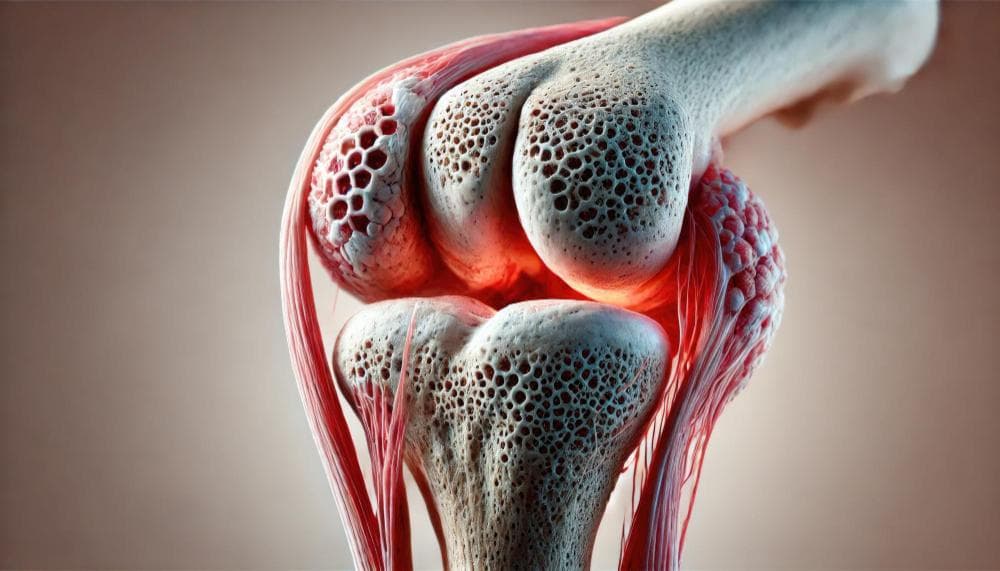
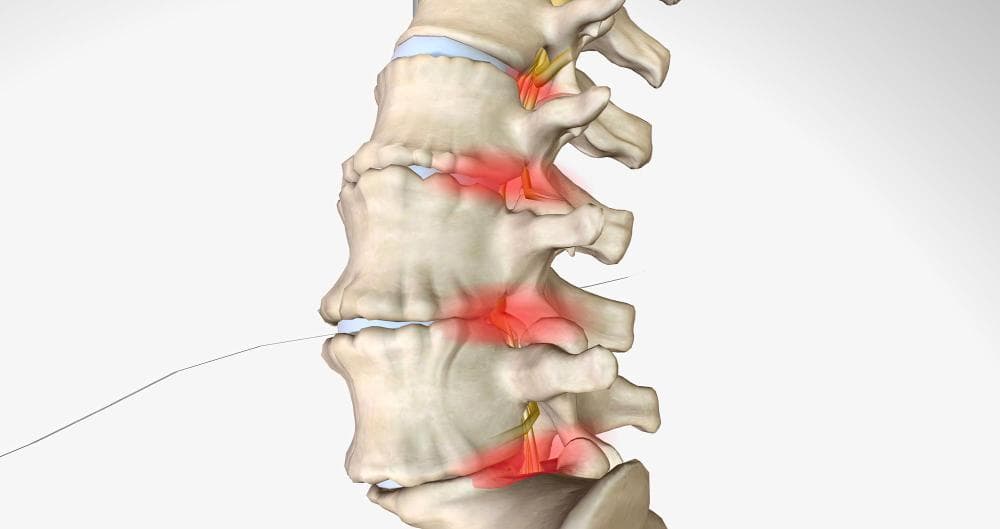
Knee pain is not pleasant to experience at any time, but for a great number of people, it is at night that the pain gets worse. This is often a time when the body should be relaxing and recovering, but instead, the level of discomfort may be at its highest, preventing a person from being able to fall asleep and perhaps causing them to wake up.
There are several reasons why pain is more likely to develop at night: during the day the action of moving around helps to keep the muscles working and the joints working to some extent, whereas when lying still in bed at night the stiffness and inflammation within the joint can begin to show, especially as there is a distinct lack of other stimuli to think about.
Nighttime knee pain is not just a nuisance, but is also an indication that something in your knee or surrounding area needs to be investigated and perhaps treated.
The Role Of Sleep In Joint Pain
Sleep affects the body's ability to cope with both pain and inflammation. The concentration of cortisol naturally falls during the nighttime. Cortisol regulates inflammation, and when it falls, inflammation and thus joint pain will be experienced more, especially in conditions such as Arthritis.
Immobility in bed can also cause stiffness in the joints during the night. Stagnant conditions over long periods will cause reduced circulation around the joints and discomfort when attempting to move after sleep.
\When a person sleeps poorly, pain is worse. Lack of sleep is also thought to lower the tolerance for pain so that small levels of joint pain are perceived as significant, and this may lead to a vicious cycle of lack of sleep producing more pain, and more pain leading to even poorer quality sleep.
Can Nighttime Knee Pain Be Serious?
In many instances, nighttime knee pain is not a cause for major concern; however, sometimes the condition is a symptom of a condition that needs professional medical attention. If you experience temporary nighttime pain as a result of a long day, physical exertion, or injury, then it may resolve on its own; chronic, ongoing, or increasingly severe pain in your knees at night should never be ignored.
Osteoarthritis and Rheumatoid Arthritis are two of the main chronic conditions that cause nighttime pain in the knees, leading to inflammation, immobility, and deterioration of the knee joint. Joint degradation is often most apparent when the joint has been resting for a period of time.
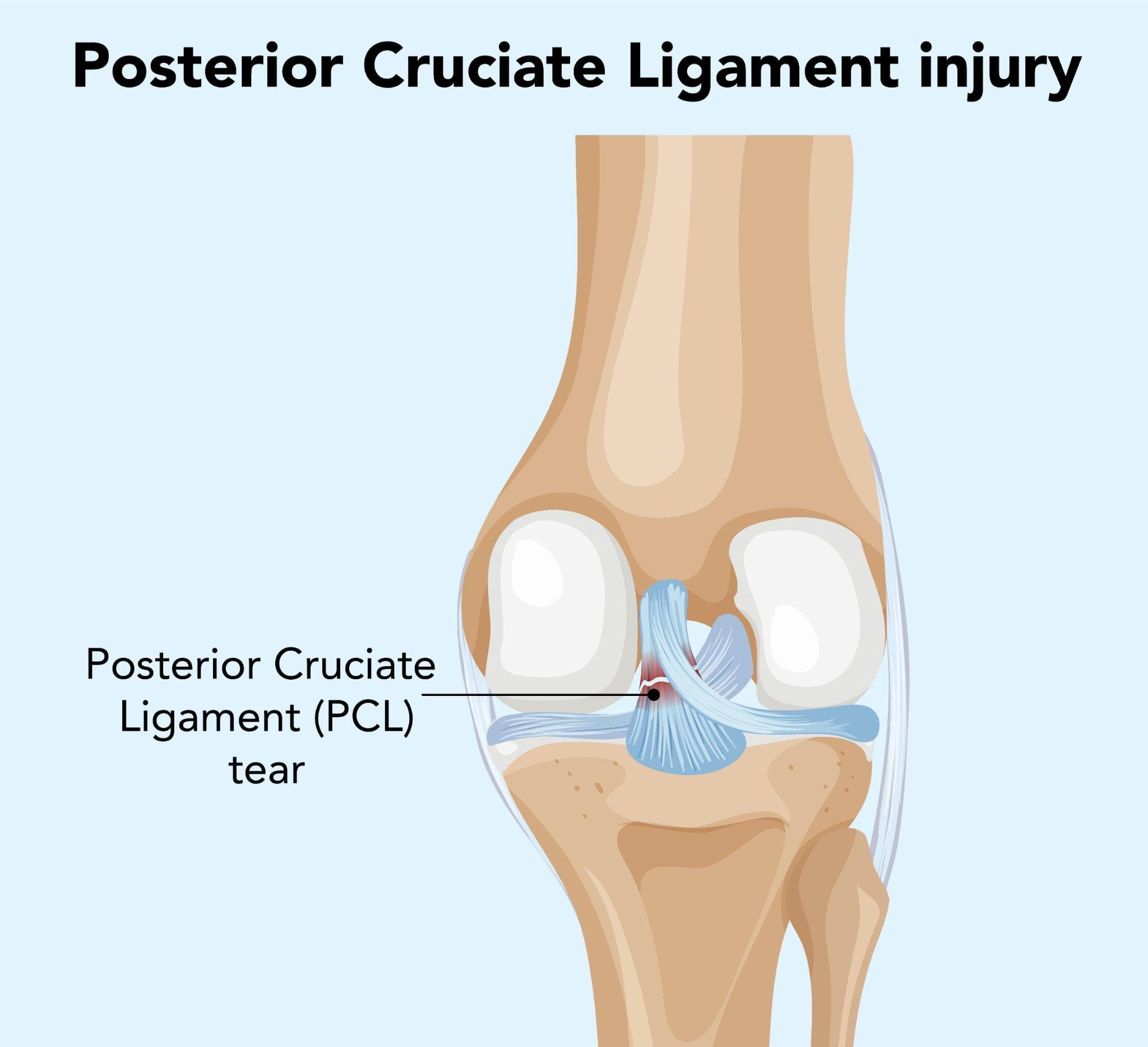
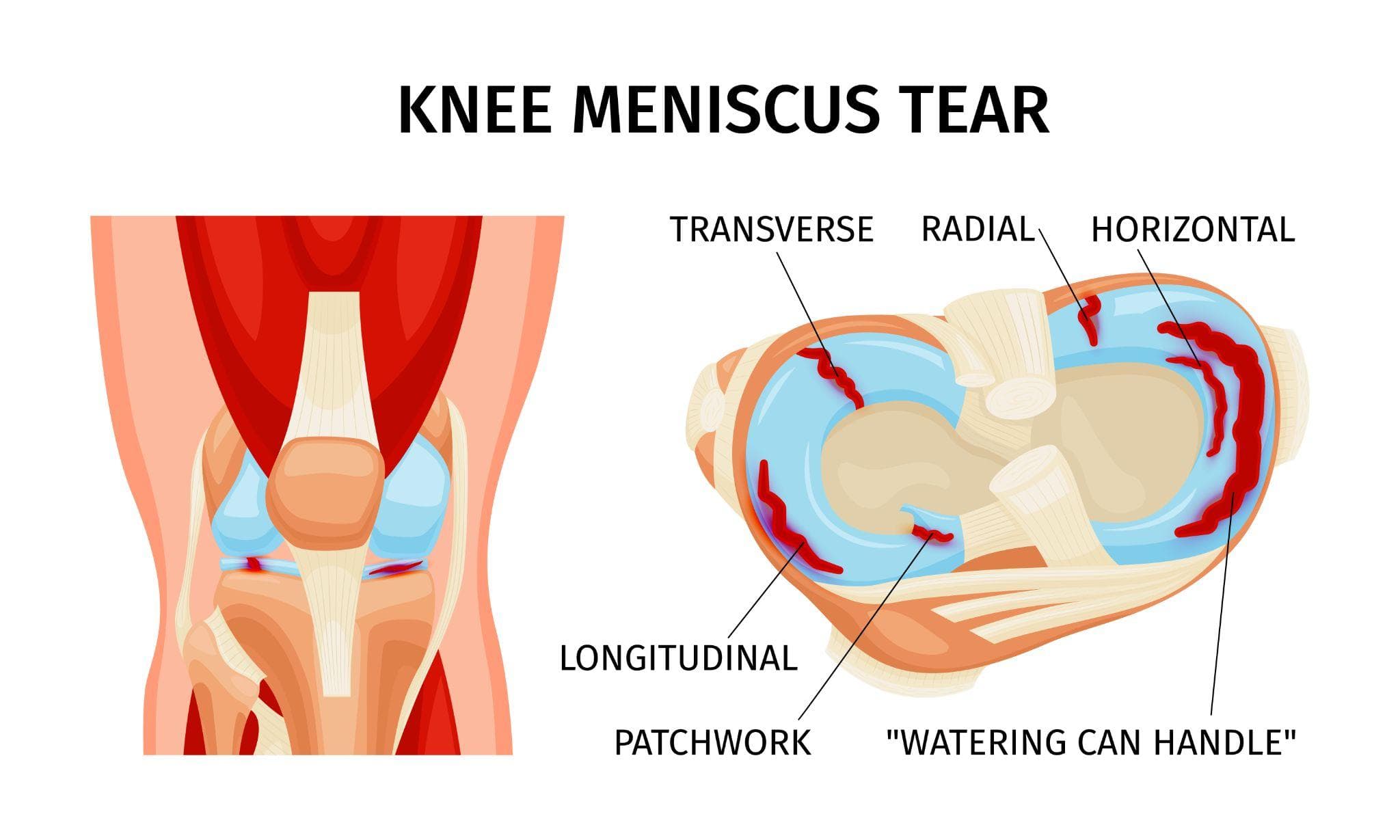
The pain may also be indicative of tendinitis, bursitis, or an injury to the knee, which can be aggravated when the joint remains inactive over the period of sleep. Intense pain at night that causes disturbances to sleep, coupled with inflammation, redness, or lack of mobility, should prompt immediate assessment by a qualified medical professional.
Why Knee Pain Feels Worse At Night?
Several reasons lead to increased knee pain at night, and they work in combination to make pain more severe:
1. Decreased Activity And Joint Stiffness
Long periods of no movement occur during sleep or while you rest. Lack of movement can reduce joint lubrication, causing the knee to become stiff. This stiffness can be associated with pain or discomfort even during the slightest movements, such as turning over in bed.
2. Heightened Awareness Of Pain
The night offers less distraction as compared to daytime tasks. When there's no movement or thinking involved, the body and brain focus more on sensations in the body, causing the knee pain to be more prominent and difficult to overlook.
3. Inflammation Spikes At Night
Inflammation as that in Arthritis may increase at night due to variations in blood flow and hormone levels during the course of the day. Pain in the knee might feel throbbing, achy, or warm.
4. Poor Sleep Position
An uncomfortable sleep position can make knee pain worse. When legs are twisted or the knee joint isn't supported properly, it may cause more pressure and stress on the knee.
5. Underlying Diseases
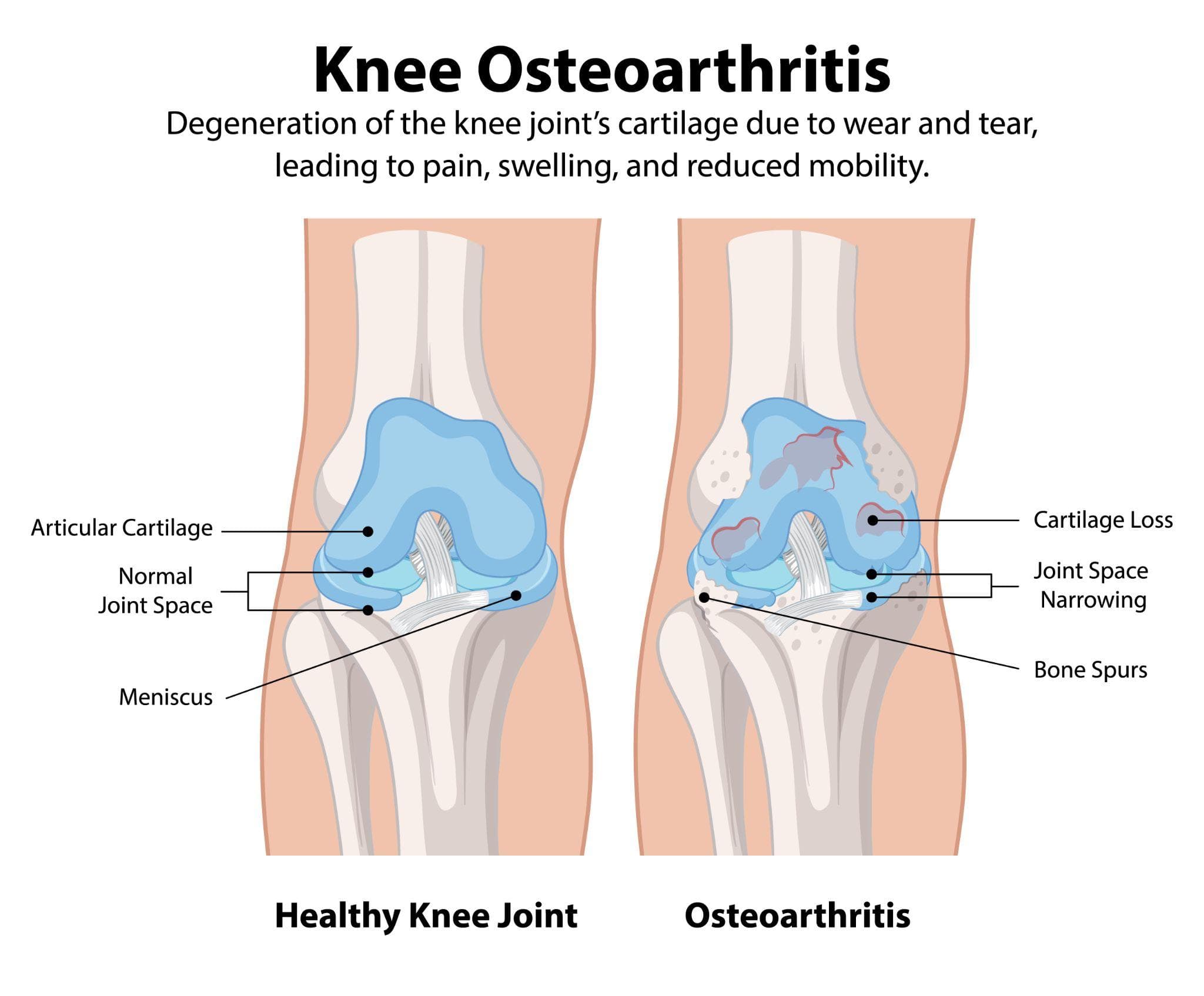
Shows the anatomical differences between a healthy knee and a knee with osteoarthritis with respect to its cartilage and joint space.
Certain conditions are typically associated with night knee pain:
- Osteoarthritis
- Rheumatoid Arthritis
- Bursitis
- Tendonitis
These conditions generally cause chronic pain, joint stiffness, and erosion and may increase during rest, while also severely impacting rest quality and overall physical functionality over a long period of time.
Symptoms Of Knee Pain At Night
Typical symptoms of nighttime knee pain are highly varied depending on the cause:
- Sharp, severe pain on movement.
- Dull ache on reclining.
- Stiffness upon resting and after periods of inactivity.
- Warmth and/or swelling in the knee joint.
- Sleep difficulties, being unable to find a position of comfort for the knee.
Long-term nighttime knee pain is typically the first sign that something deeper is going on. If the pain remains disruptive to sleep or becomes increasingly severe over time, it is strongly advised to get professional medical help. By seeing an expert like Dr. Mayank Chauhan in Noida, you can find the underlying cause of the pain and achieve the appropriate treatment to reduce your discomfort and restore comfortable movement.
What To Do To Relieve Knee Pain At Night?
Treating nighttime knee pain can include making a few simple lifestyle changes and using appropriate care:
1. Sleep Position
A pillow can be placed under the knee or between both knees to keep them aligned, which relieves the stress on the joint. It is usually beneficial to sleep on your back, slightly supporting the knees.
2. Ice Or Heat Therapy
While ice helps to reduce inflammation of the knee, heat therapy is used to relax tight muscles. Using ice or heat before sleep can help ease discomfort.
3. Gentle Stretches Before Sleeping
Stretching your knees before bed improves joint flexibility and alleviates stiffness, which prepares your joints for sleep and prevents them from experiencing pain throughout the night.
4. Maintain A Healthy Weight
Excess body weight increases the amount of pressure on the knees and can contribute to the progression of knee problems over time. A controlled body weight means less stress on the knees.
5. Staying Active
The more you use the knee joints throughout the day, the less stiffness you will experience at night. Activities that support knee joints include running and cycling.
6. Pain Relievers
While over-the-counter drugs and topical preparations are available to treat pain acutely, these drugs and topical remedies are not long-term solutions.
Risk Factors Contributing To Nighttime Knee Pain
Many risk factors may make you more susceptible to nighttime knee pain. These include:
- Wear and tear of knee joints occur and a higher chance of Osteoarthritis is incurred.
- Pressure placed upon the knees may become more prevalent and significant.
- Old injuries may result in recurring and recurrent pain in the knees.
- Joint stiffness results from prolonged inactivity.
- Joint stress caused by these may add undue pressure.
- Incorrect posture over time increases pressure.
- Chronic conditions like rheumatoid arthritis pain at night will be more prominent.
When To See An Orthopedic Specialist
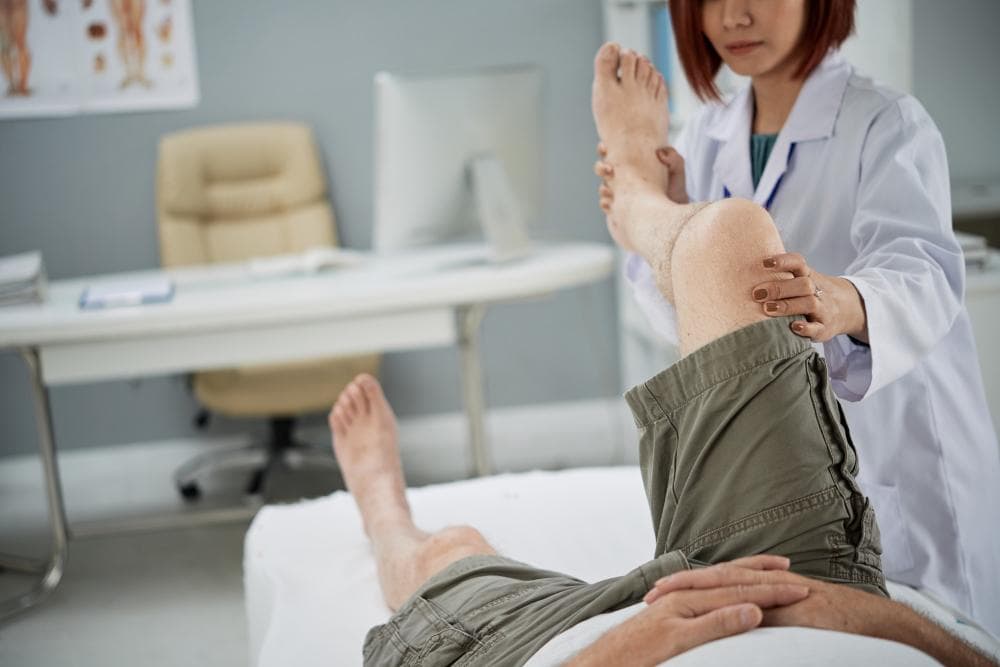
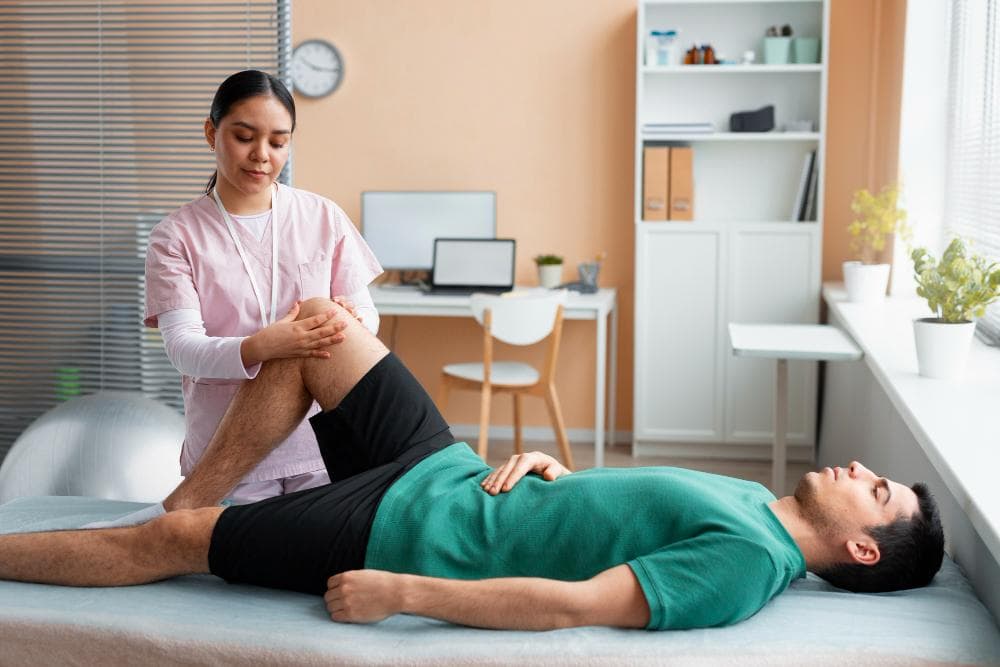
A doctor is examining a patient with knee pain.
While minor knee aches are often a minor matter, some symptoms can't be ignored:
- Pain that lasts for several weeks.
- Significantly swollen and/or red knees.
- The knee locks and will not bend or straighten.
- The knee buckles or feels unstable.
- Sleep is consistently disrupted due to pain.
These signs and symptoms of knee pain may be due to an underlying issue and should be looked at further.
Final Thoughts
Pain in the knees at night is mostly discomfort, but it can detract from quality of life by interfering with the restorative process of sleep, and is generally a result of joint stiffening or another condition that is worsened while at rest. This can be controlled by intervention and treatment, which, if undertaken, will result in less progression and more improvement in your problem.
If the pain continues to be an issue, consult a specialist like Dr. Mayank Chauhan, based in Noida, for diagnosis and treatment and to increase comfort, mobility, and quality of sleep.
Frequently Asked Questions (FAQs)
Is nighttime knee pain a warning sign for arthritis?
Yes, it can be if there is continuous pain, stiffening of the joints, and swelling of the affected joint.
What to do to minimize nighttime knee pain in the short term?
Place pillows under the knees whilst lying on the back, use heat and ice application, or light stretches.
When should we start worrying about knee pain at night?
When pain levels are very high, constant, and begin to interfere with the quality and length of sleep, one must seek the help of a medical professional.
Will the posture while sleeping affect my knee pain?
Yes, sleeping posture may cause more pain if it is incorrect for your knee condition, if unsupported, or if it is in an unnatural position.