Back Pain In Your 20s And 30s: Causes You Should Know

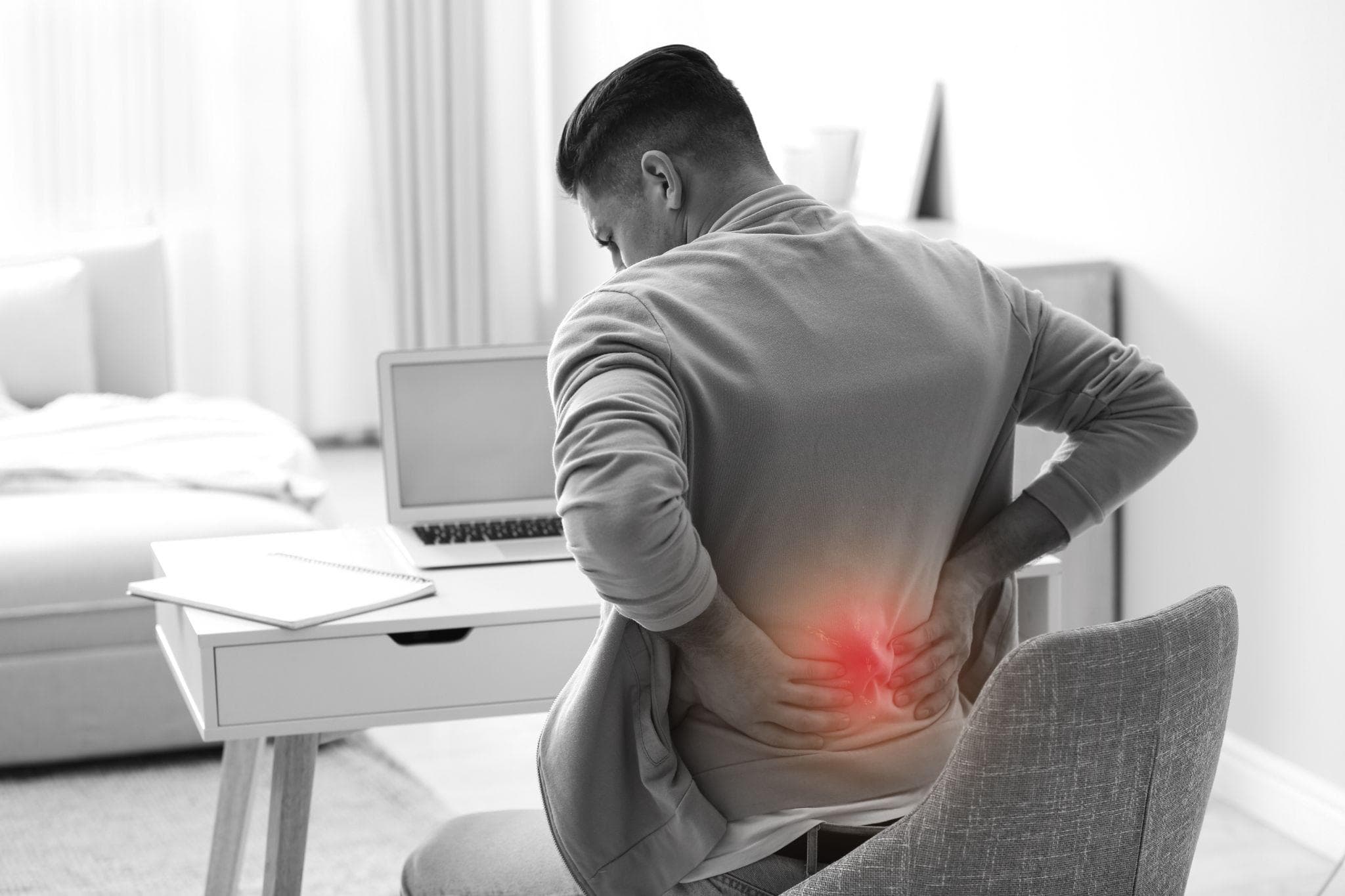
A woman is holding her back in pain.
Back pain no longer refers to that of old age. Nowadays, individuals in their 20s and 30s often experience this common symptom more than they think. Our backs are suffering in silence as we continue to spend more time at desks, with improper posture, and less exercise. Also, our stressed lives could have contributed to the deterioration of spinal health.
Often, most of us will tend to dismiss those first few symptoms of back pain as only temporary and not serious. However, failure to deal with the initial symptoms will result to long term pain and suffering that would disrupt everyday routines, work performance, and well-being.
Rather than letting it pass and thinking of it as insignificant, we should find out what causes it. Here in this guide, we shall take a look at the various causes of back pain in the younger generation, the symptoms we should look out for, and the time when we should seek help from an orthopedic specialist.
Why Back Pain Is Increasing In Young Adults?
The modern-day lifestyle is a primary contributor to this increase in back pain among younger people. Sedentary work habits, office-bound computer work, and generally low levels of exercise weaken the muscles that support our spines.
As these muscles grow weaker and less flexible, they cannot adequately support the spine, and as a result, you experience a general stiffening and pain even when performing basic daily actions. Long periods spent in a sitting position also increase the amount of constant strain on your lower back and your neck, because they are continuously compressed. This can lead to muscle imbalances and premature wear and tear.
Add to this the fact that modern office workers use poorly ergonomically set up equipment, such as unsupportive chairs and screens placed incorrectly in relation to the body, and it is easy to see why back pain is becoming so prevalent at such a young age. These lifestyle elements, along with many others such as skipping regular exercise routines, irregular sleep patterns, and added stresses, also contribute.
Difference Between Acute And Chronic Back Pain
Acute back pain is a type of pain that is short-term and typically found in 20- and 30-something people caused by sudden strain or minor injuries from any of a variety of causes; lifting something too heavy, a hard workout, or even sleeping in an awkward position. Acute pain often comes on suddenly and is felt as either sharp or tight and disappears in a few days or a couple of weeks with rest, basic treatment, and correct posture.
Chronic pain is persistent and lasts longer than 12 weeks, and is typically caused by long-term lifestyle factors rather than individual injuries. In young adults, chronic pain can often be associated with sitting at work for extended periods, poor posture, weak abdominal muscles, or minor injuries left untreated over a long period of time. It can be perceived as either dull and aching or more episodic or constant, and can radiate down to the hip or legs if a nerve is affected.
One of the more worrying aspects of chronic back pain at this age is that it is often caused in a very stealthy way. Many people put off seeing their GP for what they initially consider to be just minor pain, and this allows the problem to worsen. Issues with disc wear and long-term muscle strain could begin silently, making them much harder to identify. The key is early detection, so lifestyle changes must be made to prevent acute back pain from becoming chronic.
Common Causes Of Back Pain In Your 20s And 30s
Back pain in young adults often isn't a result of one particular factor but rather a cumulative effect of poor habits, physical strain, and a lifestyle that has gradually placed stress on the spine over a long period.
1. Poor Posture
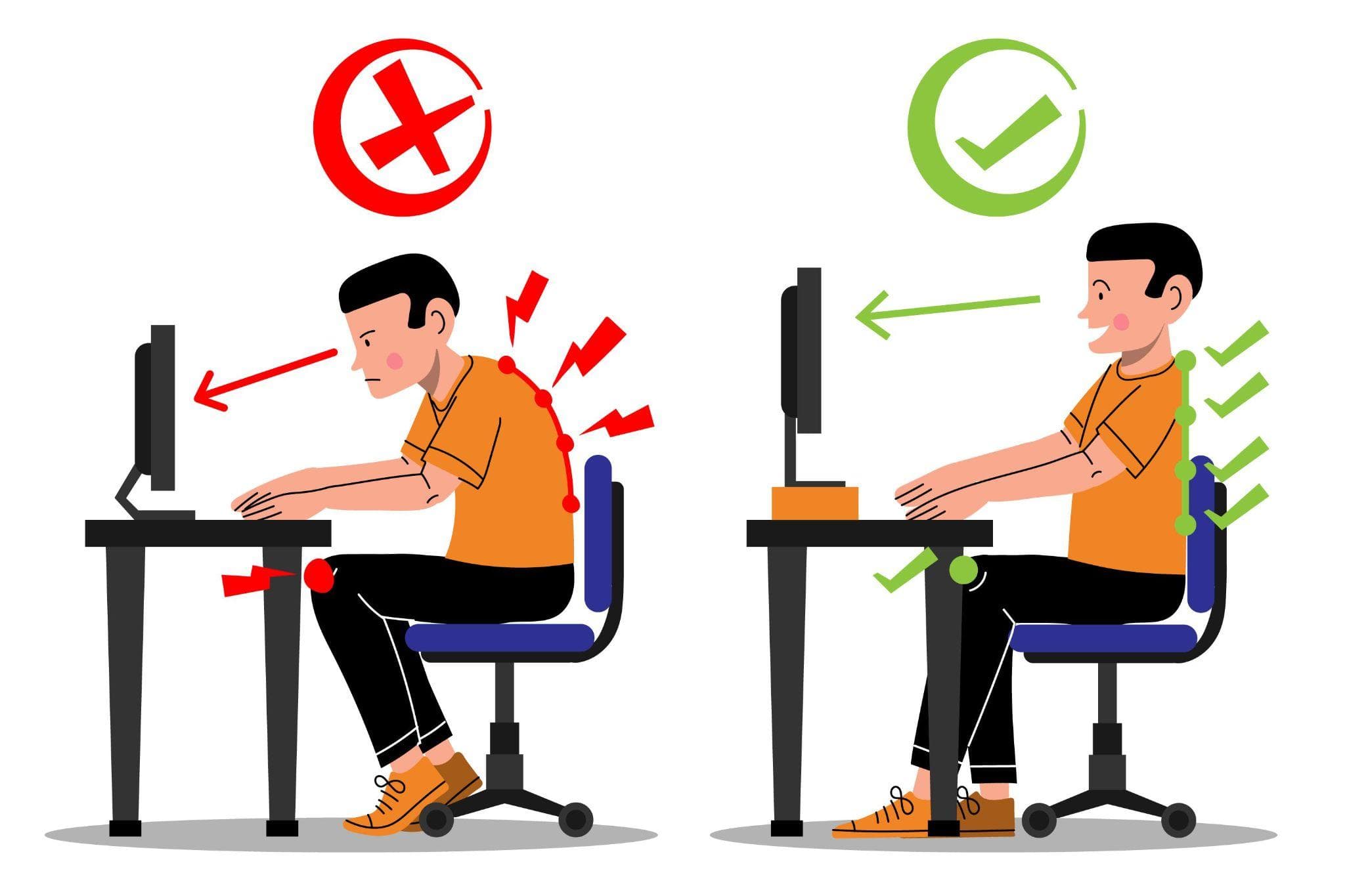
A comparison of a bad and good posture while sitting and working.
An erect posture when standing is vital to maintaining the natural curvature of the spine. Incorrect posture, particularly slumping over mobile phones, computer systems for extended periods of time, or simply a tendency to slouch, can lead to increased pressure being placed on the spine.
When the body is not properly aligned, the different muscles become overworked, or they weaken, leading to a lack of balance between these two. Over time, this will result in stiffness and prolonged pain, and sometimes spinal problems, often in the lower back or neck region, in later life.
2. Sedentary Lifestyles
Prolonged periods spent sitting in one position may result in weaker back muscles and loss of flexibility within the back muscles themselves. Lack of movement is a sure-fire way to have tighter back muscles and restricted blood circulation to the region of the body, which contributes to the tightness in back muscles.
When a person's back muscles are weak, it is common for even the simplest of movements, such as standing or walking around, to be the source of pain or discomfort within the back region.
3. Muscle Strain And Overexertion
Overexertion of back muscles due to sudden exercise, incorrect lifting form, or an increase in strenuous activity can often cause strains in the back muscles. For many young adults, especially at the gym or within sport environments, physical activity is undertaken without adequate warm-up and lifting techniques that are required to maintain a safe state of being. The effect is muscle tears that bring on muscle soreness and often result in sudden pain.
4. Herniated Or Bulging Disc
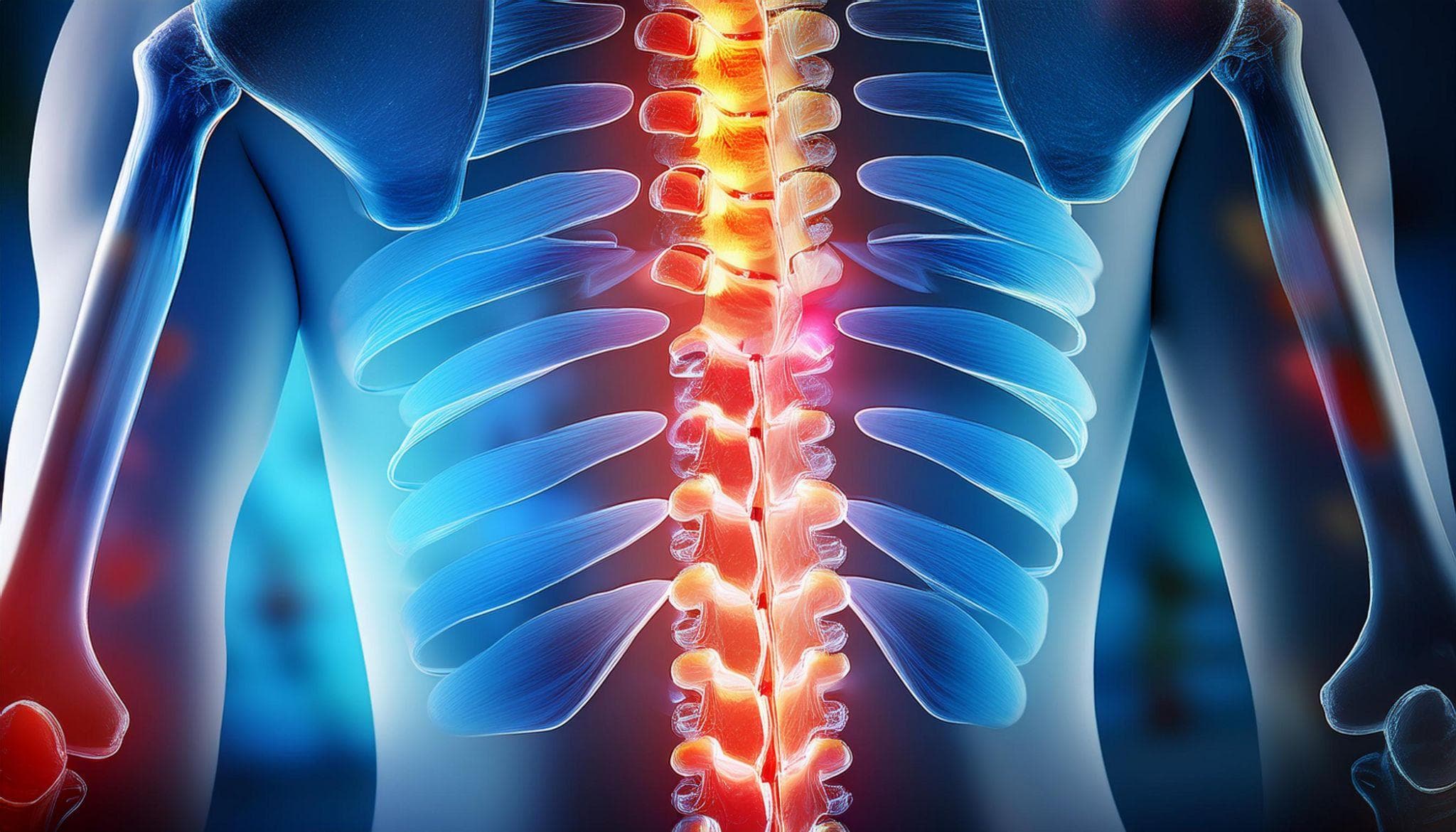
A slipped or bulging disc may result in pressing on neighboring nerves, which can cause pain that sometimes radiates out to the legs. In people aged in their early twenties and thirties, this is usually brought on by posture, sitting for a long time, and incorrect lifting, and in early stages may cause nerve symptoms like pins and needles, tingling, and loss of sensation.
5. Stress And Mental Health
Stress does not solely manifest in one's mind, but may be evident within the human body as well. When experiencing stress, the body can tense muscles unconsciously and thus place considerable strain upon the neck, shoulder, and back region. Over time, the constant strain causes stiffness and reduced mobility within the affected body area.
6. Lack Of Physical Activity
Reduced physical activity, especially a complete absence of it, will weaken a person's body muscles and reduce the flexibility within their body region. Lack of activity reduces support provided by the back muscles, thereby increasing chances of injury to the region, as well as contributing to overall poor posture and the development of lasting back problems at an earlier stage of life.
7. Poor Sleeping Habits
A non-supportive mattress or sleeping in an unnatural position may lead to muscle strain in the spine while the individual is asleep. Sleeping in a position that does not promote the natural spinal curve, or even having an unstable mattress, may contribute to muscle stiffness and pain when the individual first wakes. This will often become a recurring problem in the back, primarily in the lumbar region of the human body.
Warning Signs You Should Not Ignore
The following are red flags indicating that the pain might require medical intervention:
- The pain does not subside after several weeks: Discomfort that persists despite adequate rest may be a clue to other problems.
- Pain that spreads down into the legs: This is another signal that an injury might be compressing the nerves.
- Numbness or tingling: This generally signals nerve compression or injury.
- Inability to stand or sit for prolonged periods: If common everyday activities are becoming painful, pay attention.
How To Prevent Back Pain At A Young Age
Once you develop back pain, it is significantly harder to relieve it. However, preventing it at a young age isn't difficult at all:
- Ensure correct sitting posture.
- Ensure correct standing posture.
- Take periodic breaks while seated for extended periods.
- Exercise regularly to develop a strong abdominal core muscle.
- Invest in ergonomic chairs and workstations.
- Sleep on a good supporting mattress.
- Properly lift heavy objects.
A couple of small changes will have a long-term effect on maintaining the spine.
How Early Treatment Improves Recovery
Early treatment can make back pain a much easier and quicker thing to manage:
- Stops the back pain from becoming an ongoing, long-term problem.
- Reduces the chance of developing severe conditions such as disc damage and compression of nerves.
- Helps to achieve a more rapid recovery, and can be treated correctly much more quickly.
- Restores function and flexibility in the back quickly and easily.
- Reduces the chances of requiring pain-killing or surgical intervention.
- Can improve posture and address damaging lifestyle factors before they can inflict further injury.
- Builds up the strength and stability of the back for the long term.
Non-Surgical And Surgical Options For Back Pain
Back pain in young adults is mostly treatable using non-surgical methods, while surgical treatment is only applicable in cases of severe pain or long-lasting conditions.
1. Non-Surgical Options
- Physiotherapy - Strengthens muscles and improves flexibility, corrects faulty movement habits.
- Medication - Aids pain relief for a shorter duration, reduces inflammation.
- Lifestyle changes - Improve posture, manage weight, and modify activities.
- Exercise and core strengthening - Builds a spinal supporting musculature and aids in the prevention of recurrence of back pain.
- Ergonomic assessment - An appropriate workstation and bed setup can relieve strain.
- Heat and cold therapy - Reduces muscle strain and inflammation.
2. Surgical Options (In Necessary Cases)
It is usually resorted to when there is severe pain, persistent pain, and/or significant underlying structural pathology.
- Discectomy or microdiscectomy - Where portions of the herniated disk are removed to decompress neural structures.
- Spinal fusion - Indicated for significant degenerative disease or instability of the spinal segments.
- Minimally invasive surgeries - It involves less scarring and minimal trauma, and reduced recovery time.
When To See An Orthopedic Specialist

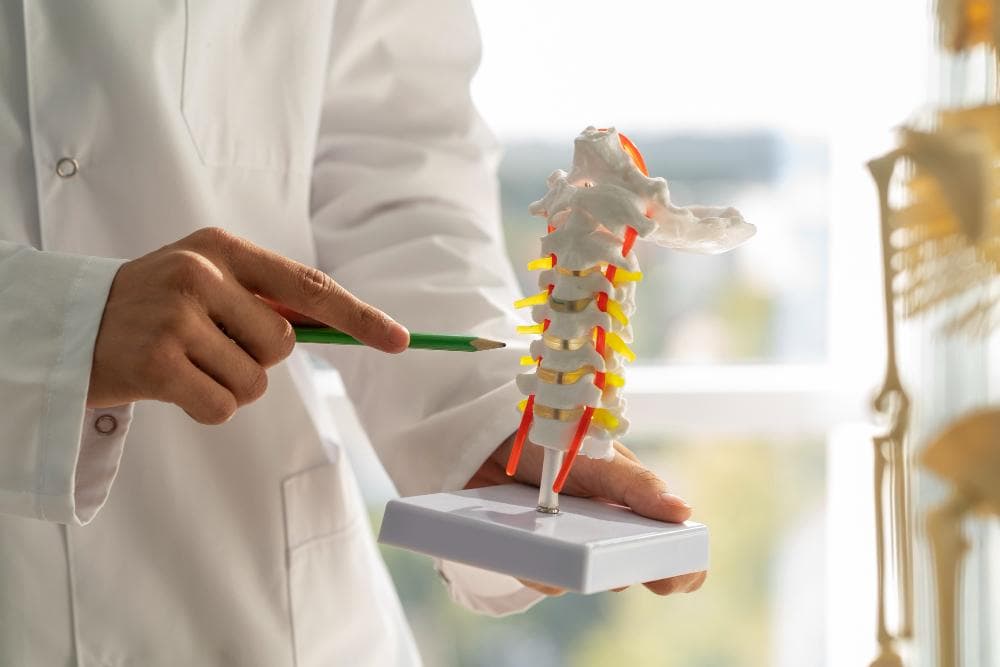
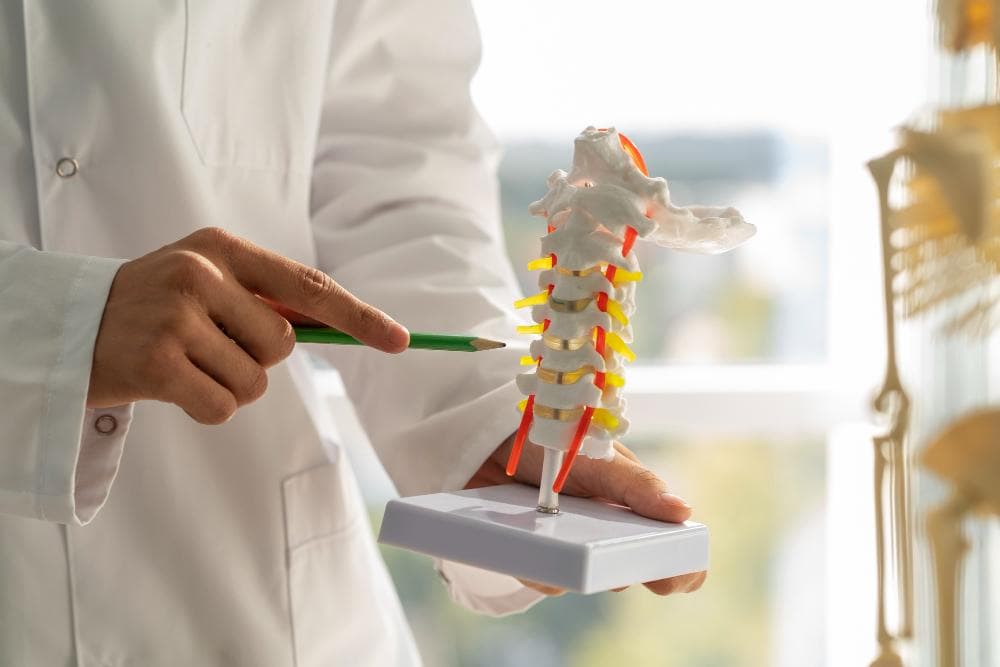
A doctor is examining the back of the patient.
If back pain is chronic, debilitating, or interfering with your daily life, you need to take action and get help. Seeking a specialist’s advice will ensure that your specific condition is accurately diagnosed and properly treated. This early intervention can sometimes prevent small problems from escalating into more severe, complex conditions.
Dr. Mayank Chauhan in Noida can be an excellent choice for accurate diagnosis and effective treatment due to his patient-centered approach and the high standard of orthopedic care he offers.
Final Thoughts
Back pain in your twenties and thirties is not uncommon these days, and it doesn’t have to develop into a lifelong issue. By learning the causes, acting quickly, and receiving appropriate treatment, individuals can learn how to control pain and prevent complications. A healthy back, good posture, and specialized care from experts can all contribute to an active and pain-free life.
If you are looking for a correct diagnosis and customized treatment, then Dr. Mayank Chauhan in Noida can offer you a new path. With a patient-centered attitude and a cutting-edge orthopedic treatment, early treatment would ensure a faster recovery from pain and full restoration of mobility, so that one could return to life.
Frequently Asked Questions
1. What causes back pain in your 20s and 30s?
Young people experience back pain due to poor posture, long sitting hours, lack of exercise, and daily habits.
2. Can back pain in your 20s be serious?
Yes, if left unchecked, your back pain can lead to chronic diseases such as a disc disorder or compressed nerves in later stages.
3. How to avoid back pain in your youth?
A proper posture, staying active and fit, strengthening your core muscles, and ergonomic posture will prevent back pain in youth.
4. When to consult a doctor for back pain?
A young person should consult a doctor if the pain persists for more than two to three weeks, if it intensifies, or if the pain travels to the legs.