A Complete Guide To Cervical Spondylosis

A man is holding his neck in pain.
Most people blame their neck pain on a bad night’s sleep or too many hours at the computer. But sometimes, there’s something deeper going on. Cervical spondylosis is actually a leading cause of lingering neck pain, especially as we age. It creeps up slowly and, if you don’t address it, can mess with your day-to-day life.
But cervical spondylosis is more than just an ache. It can make your neck stiff, bring on headaches, or send tingling down your arms. Office workers, anyone with lousy posture, or people glued to their screens are at higher risk.
Ignoring it won’t make it go away. Getting what’s really happening inside your spine matters. Here, we’ll break down what cervical spondylosis is, why it develops, and how to know when it’s time to see an orthopedic specialist.
What Is Cervical Spondylosis
Cervical spondylosis happens when the bones, discs, and joints in your neck start to wear out with age. This is pretty common as you get older. Over time, the discs between your neck bones lose moisture and flexibility. They get thinner, or tiny cracks form in them. That’s when you might notice your neck feels stiff or sore, and sometimes nerves get pinched, which can send pain down your arms.
Aging isn’t the only reason this happens. If you spend all day hunched over a computer, skip exercise, or put your neck through the same motions over and over, that can speed things up. Basically, it’s a mix of getting older and how you use your neck day to day.
How Cervical Spondylosis Develops?
Cervical spondylosis doesn’t happen overnight; it’s the result of years of wear and tear on your spine. As you age, the discs in your neck can dry out and lose their cushion, making your vertebrae rub together more. Your body tries to protect itself by forming bone spurs, but those bumps just crowd the space where nerves travel. Ligaments in your neck can also get thicker and stiffer, which means your neck doesn’t move like it used to. All these changes squeeze the nerves, which explains the pain, numbness, or weakness you might feel.
If you’re dealing with these symptoms, don’t ignore them. Dr. Mayank Chauhan in Noida knows how to get to the root of the problem and help you stay ahead of complications. Proper diagnosis and early care make all the difference.
Common Symptoms Of Cervical Spondylosis
Cervical spondylosis shows up differently for everyone, but a few symptoms pop up a lot. They usually creep in slowly, and if you ignore them, they don’t just disappear; they get worse.
1. Neck Pain And Stiffness
It’s that stubborn ache in your neck that doesn’t quite go away, and it’s even worse after hours at your desk or staring at your phone. Sometimes it’s a dull throb, other times it’s sharp enough to make you hesitate moving your head at all.
2. Headaches
Headaches are another big one, usually starting at the base of your skull and crawling upward. They’re not those quick, pounding headaches; these feel more like a steady ache that nags at you, especially after holding awkward positions or sitting hunched over a screen too long.
3. Shoulder And Arm Pain
The pain can spread too. Over time, it’s not just your neck; it may shoot down your shoulders, arms, or even into your hands. That’s the nerves getting squeezed, leading to anything from a sharp, stabbing pain to a burning, electric jolt.
4. Tingling Or Numbness
Nerve pressure also brings on that tingling or numbness. If you ever get that pins-and-needles feeling in your hands or fingers, then it can be just a little tingle, or other times you lose sensation and struggle to feel things properly.
5. Muscle Weakness

A woman is holding a coffee mug.
Muscle weakness is another sign, especially in your hands or arms. Tasks you never thought twice about, like gripping your coffee mug, typing, or even picking up something light, suddenly feel awkward or tough.
6. Reduced Range Of Motion
And, there’s the limited range of motion. Your neck might fight you when you try to turn your head fully, or it just feels plain stiff after you wake up or stay in one spot for a while.
Sure, these symptoms might start mild, but they’ll slowly chip away at your normal routine if you let them. Spot them early, and don’t brush them off, as it makes a big difference.
Causes And Risk Factors
Cervical spondylosis mostly comes with age, as your spine just wears out over time. But that's not the whole story.
- The discs and joints in your neck break down naturally as you get older.
- If you spend hours hunched over your phone or slouched at a desk, you put extra strain on your neck.
- When you don’t move much or exercise, the muscles that are supposed to hold your spine steady get weak. That makes things worse.
- Some jobs or hobbies force you to move your neck the same way over and over. That adds up over time.
- If you’ve hurt your neck before, you’re more likely to wear it out faster than someone who hasn’t.
Treatment For Cervical Spondylosis
How you treat cervical spondylosis really comes down to how badly your symptoms mess with your daily life. The main idea is simple: cut down pain, get your neck moving again, and stop things from getting worse.
1. Physiotherapy
Physical therapy is at the heart of treatment. Therapists work to strengthen your neck and shoulders, fix poor posture, and boost flexibility. Stick with it, and over time you’ll notice less stiffness and a smoother-moving neck.
2. Medications
To ease the pain and swelling, doctors turn to painkillers or anti-inflammatories. These help, especially when symptoms flare up, but meds work best when you combine them with other strategies, like exercise.
3. Lifestyle Changes
Small daily changes go a long way. Sit up straight, especially if you’re glued to your phone or computer. Set up an ergonomic desk, and keep moving. Staying active and paying attention to posture takes a lot of stress off your neck and can slow down the condition.
4. Heat And Cold Packs
Use a heat pack to relax tight muscles and get blood flowing. When things swell or the pain is sharp, reach for a cold pack to calm things down and numb the ache.
5. Surgical Treatment
Sometimes conservative treatments just don’t cut it, especially if serious nerve compression sticks around or you start losing strength. That’s when surgery finally comes into the conversation. The goal is to take the pressure off nerves or the spinal cord and let you get back to normal. It can take a while to recover, but when pain or nerve problems won’t quit, it’s worth it.
Exercises And Lifestyle Tips
Managing cervical spondylosis isn’t just about medical treatment, as your daily habits matter just as much. Simple changes in how you sit, move, and arrange your workspace can really ease strain on your neck and keep things from getting worse.
1. Good Posture
How you hold yourself during the day makes a huge difference. Make sure your back stays straight, and your shoulders relaxed, whether you’re at your desk, on your phone, or standing around. Slouching and always peering down at screens just add more pressure to your neck, so try to be mindful and break those habits.
2. Take Frequent Breaks
Don’t glue yourself to your chair all day. If you’re standing or sitting in the same position for too long, your neck stiffens up and starts aching. Get up, stretch, or just move around every half hour or so. Even small movements help your muscles stay loose and your blood flow.
3. Neck Exercises
Moving gently and doing regular stretches and range-of-motion movements really help keep everything flexible. Strengthening the muscles around your neck can make a real difference. Learn the exercises properly to avoid doing more harm than good.
4. Ergonomic Workspace
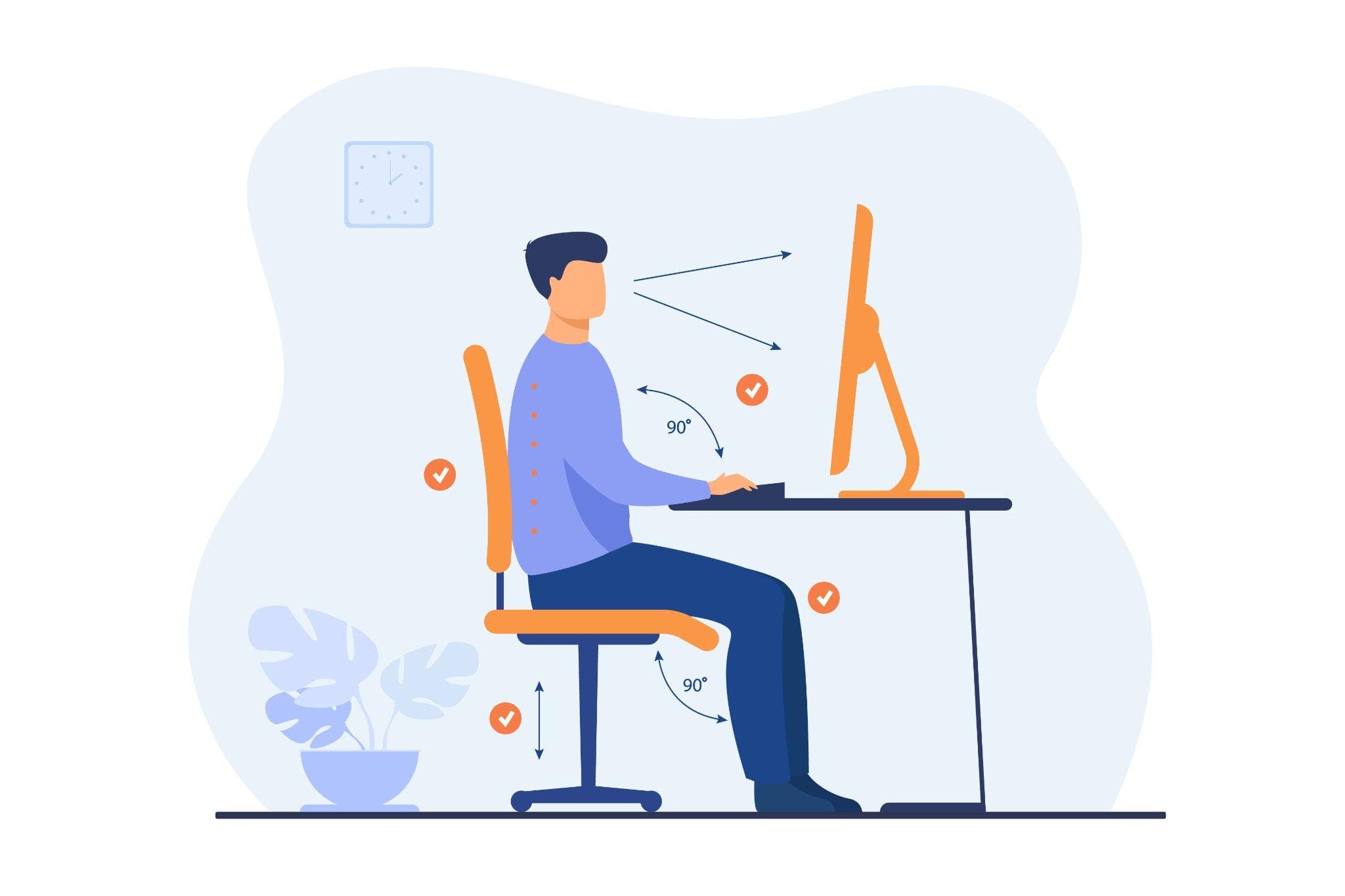
An illustration showing a correct ergonomic workspace.
Take a hard look at your workspace, too. Is your screen at eye level? Is your chair set up to support your back? These adjustments make day-to-day tasks so much easier on your neck. Create a setup that works with your body, not against it.
Little changes like these might not seem like much at first, but if you stick with them, they can really ease your symptoms and help your neck feel better in the long run.
When Should You See an Orthopedic Specialist?
Some symptoms really aren’t things you want to brush off.
- Neck pain that sticks around for more than a few weeks isn’t normal.
- When discomfort travels into your arms or shoulders, don’t ignore it.
- If you keep noticing tingling or numb sensations, it’s time to get that checked.
- If you are having trouble lifting or gripping things, then that’s a red flag.
- Feeling unsteady or off-balance when you walk isn’t something to overlook.
Final Thoughts
Cervical spondylosis is pretty common, but that doesn’t mean you should ignore it. Taking action early keeps things from getting worse and messing with your day-to-day life. A smart mix of physiotherapy, lifestyle tweaks, and good medical advice helps you stay active and manage symptoms well.
If you’re dealing with orthopedic problems and want real expertise, you should check out Dr. Mayank Chauhan in Noida. He’s known for his advanced skills and actually puts patients first. So, if you are stuck with neck pain, stiffness, or those annoying nerve issues, throwing off your day, then he will help you get moving again. You end up with lasting relief, better movement, and a spine that actually feels healthy.