ACL, PCL & Ligament Reconstruction: What To Expect
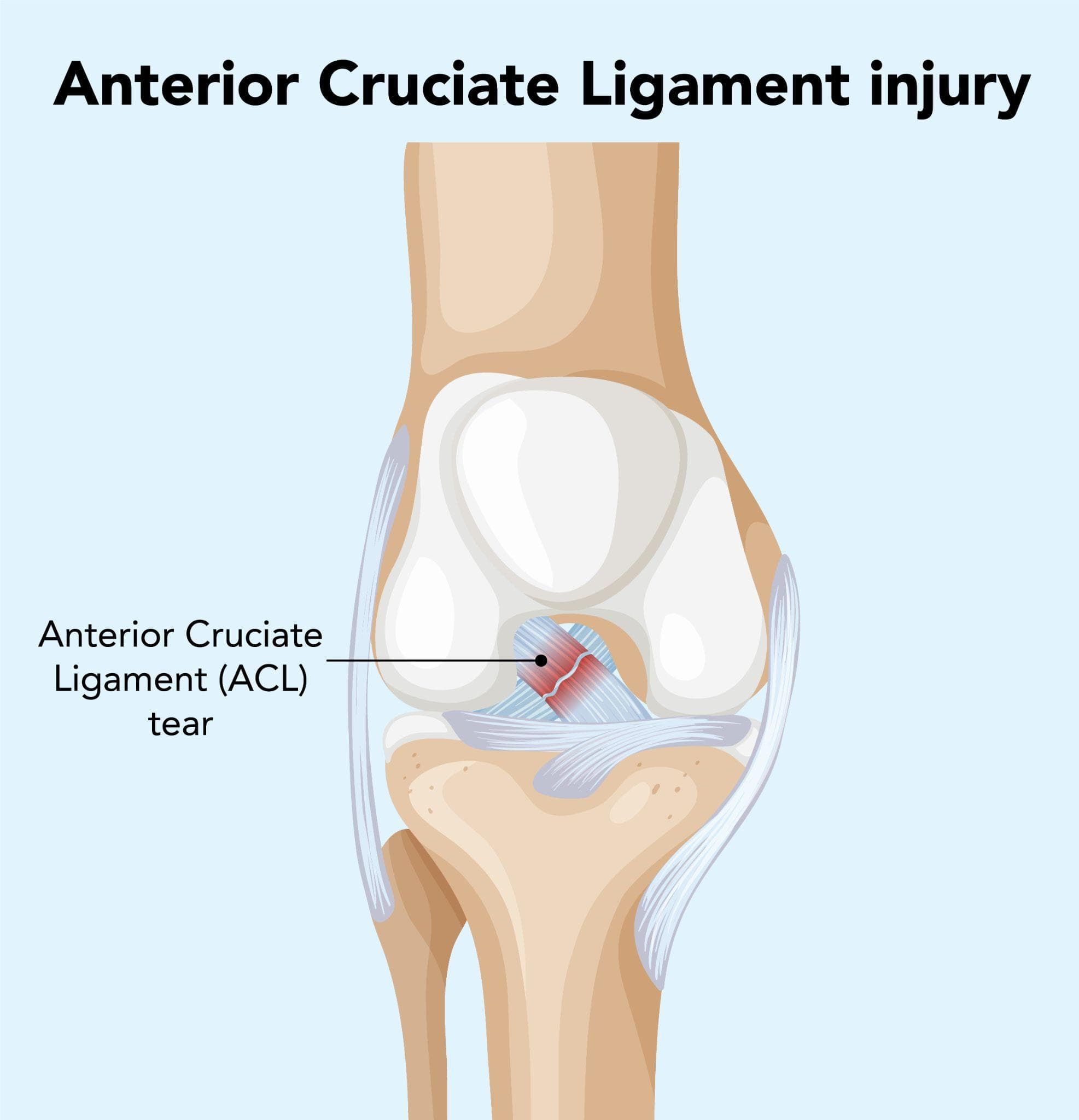
Diagram showing ACL injury.
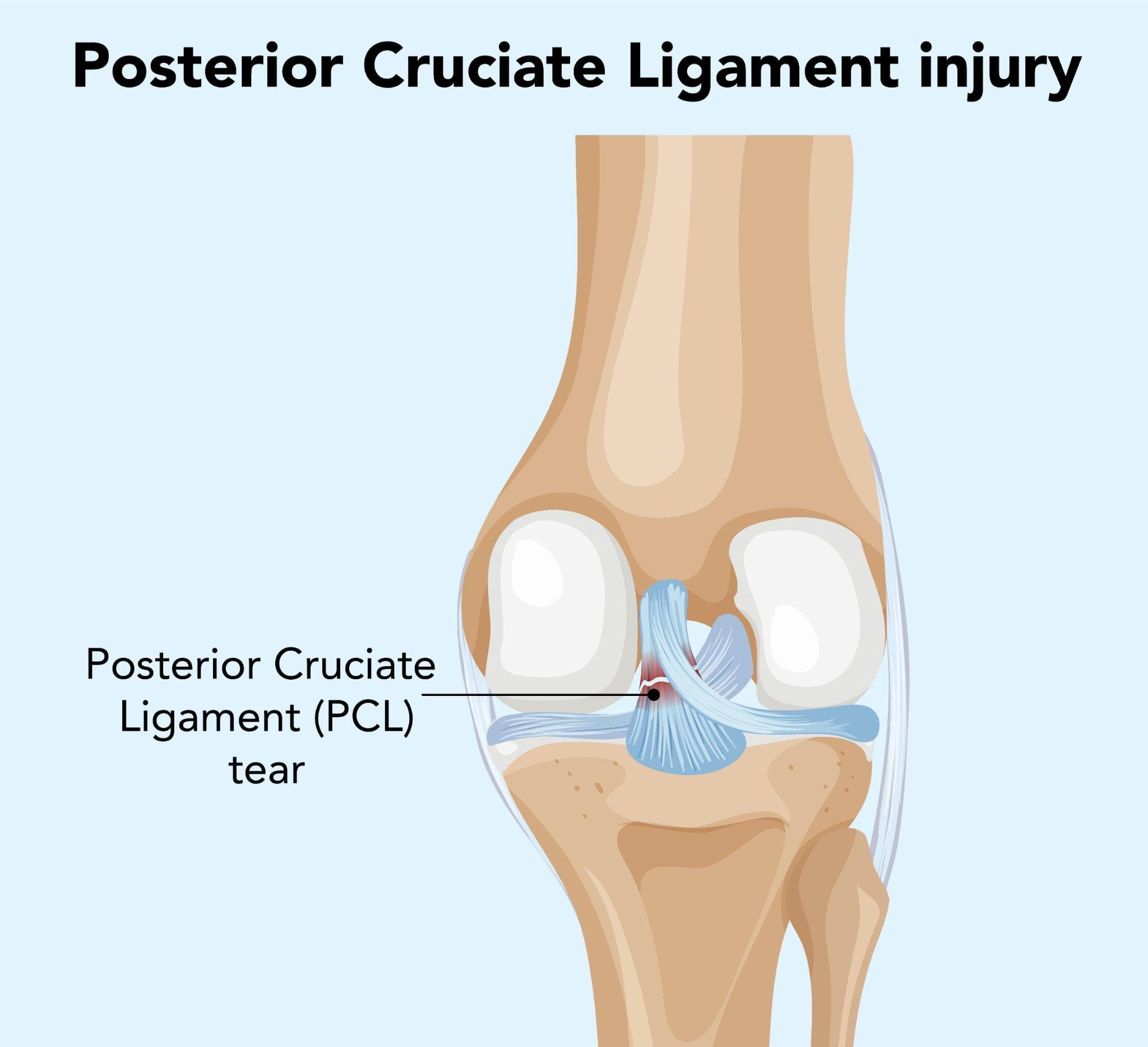
Diagram showing PCL injury.
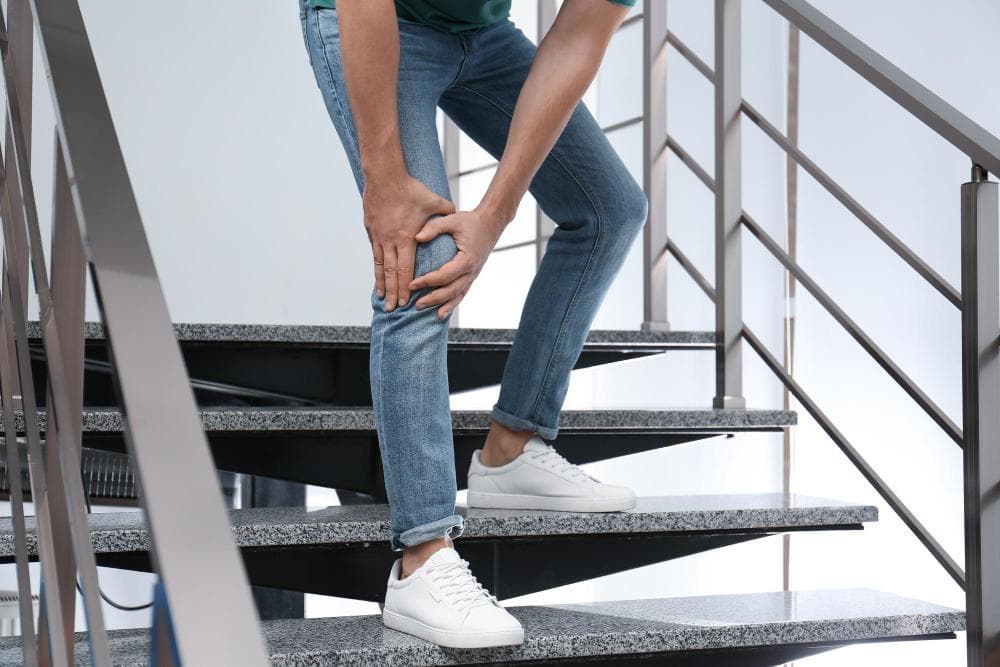
Ligament injuries around the knee not only damage the ability to move but also affect balance and confidence in performing simple tasks, such as walking or climbing stairs. Tears in the ACL or PCL, or other knee ligaments, happen a lot, especially if one plays sports, has an accident, or twists the knee the wrong way. Some smaller injuries bounce back with rest and physio, but when a ligament tears badly or snaps completely, one usually needs reconstruction surgery to get that stability and strength back.
But ligament reconstruction isn’t just about patching up the knee. It’s really about helping one get back to a normal life, like walking, playing sports, or just moving around without worrying the knee will give out again. Knowing what the surgery involves and what recovery actually looks like makes a huge difference. It lets one prepare for what’s ahead and, honestly, get better results.
So, in this guide, let’s walk through what ACL, PCL, and other ligament reconstruction really mean, when one actually needs surgery, how the recovery process unfolds, and why having a skilled orthopedic team in the corner matters so much.
ACL, PCL & Knee Ligaments
The knees rely on a set of tough ligaments to keep everything steady while one moves.
- The ACL, or anterior cruciate ligament, keeps the knee from sliding too far forward or twisting the wrong way.
- The PCL, or posterior cruciate ligament, stops the shinbone from moving backward.
- MCL and LCL support the inner and outer sides of the knees.
If one messes up any of these ligaments, they will notice pain, swelling, and the knee might feel wobbly or weak. Walking or playing sports gets a lot harder, too.
Process During Ligament Reconstruction Surgery
Ligament reconstruction surgery aims to get the knee working and feeling stable again.
Replacement Of Torn Ligament
Surgeons do this by taking out the damaged ligament and swapping it with a graft, usually a piece of tendon from the body or, sometimes, from a donor. Which one they use depends on the situation and what fits best.
Minimally Invasive Procedure
They usually go for a minimally invasive approach these days. That means small cuts and special tools, so there’s less damage to the knee, and one bounces back faster. The main goal here is to keep the knee from giving out when one moves or puts weight on it.
Restoration Of Knee Stability
By fixing what’s really causing the problem, the surgery cuts down on pain and swelling. It also helps protect the rest of the knee joint. When the knee doesn’t wobble around, one is less likely to mess up the cartilage or develop arthritis too soon.
Safe Return To Activities And Personalized Planning
With the ligament fixed and with the right rehab, one can get back to daily life and even sports, safely and steadily. Of course, doctors don’t just use a one-size-fits-all approach. They look at the age, how active one is, and how bad the injury is, and then plan the surgery to give the best shot at a full recovery.
Recovery After ACL, PCL & Ligament Reconstruction
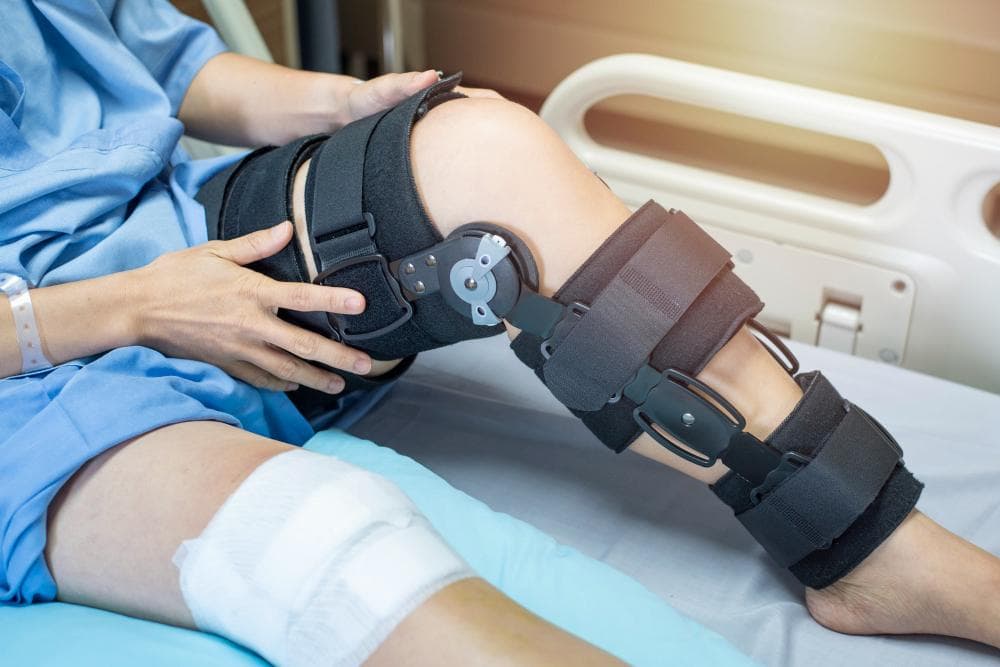
A patient is wearing a knee brace.
Recovery after ACL, PCL, and other ligament reconstruction takes time, and it takes a lot of patience, so patients should not rush for quick results.
- At first, one is just getting the pain and swelling under control.
- Start moving the knee a little, nothing wild, just enough to keep things from getting stiff. Most people need crutches or a brace to get around.
- Once past that, rehab kicks in. This part’s all about rebuilding strength in the muscles around the knee and working on balance.
- Start moving more, taking on a bit more each day.
- Eventually, one will get back to regular life, like walking around, doing errands, all that.
- Sports and tougher stuff come later, but only when the knee’s ready.
- Sticking with a good rehab plan matters a lot.
- It helps one trust the knee again and cuts down the chances of messing it up a second time.
Role Of Physiotherapy
Physiotherapy plays a huge role in getting back on one's feet after ligament surgery.
- During rehab, one will work on stretching the knee so it bends and straightens smoothly.
- One will build up the muscles around the joint, which takes pressure off the healing ligament. Balance and coordination exercises help one trust the knee again, moving without the fear of it giving out.
- And the sooner one tackles stiffness, the less likely they will be to deal with scar tissue down the road.
Skipping or trying to speed through rehab is risky. If one rushes it, they set themselves up for another injury or a longer recovery.
For specialised physiotherapy treatments and amazing care for your knee, visit Dr. Mayank Chauhan in Noida.
Benefits Of Timely Reconstruction
Getting ligament reconstruction done at the right moment and sticking with a solid rehab plan really pays off for the knees and keeps one moving well.
Restores Knee Stability
Reconstruction steadies the knee, so one doesn’t get that wobbly, unpredictable feeling anymore. One can trust the leg again, which just makes getting around feel easier.
Reduces Risk Of Cartilage Damage
Fixing the instability early shields the cartilage around the knee. It lowers the chances of bigger joint problems down the road.
Helps In Better Movement
A repaired ligament means smoother movement and stronger, more coordinated legs. Every day stuff like walking, climbing stairs, and even just standing up, gets less frustrating.
When one combines surgery with proper rehab, they can ease back into sports and active hobbies more safely.
The sooner one talks to a specialist, the quicker one gets answers and a plan. Early diagnosis leads to better treatment and, honestly, better results for the knee in the long run.
When To See An Orthopedic Specialist
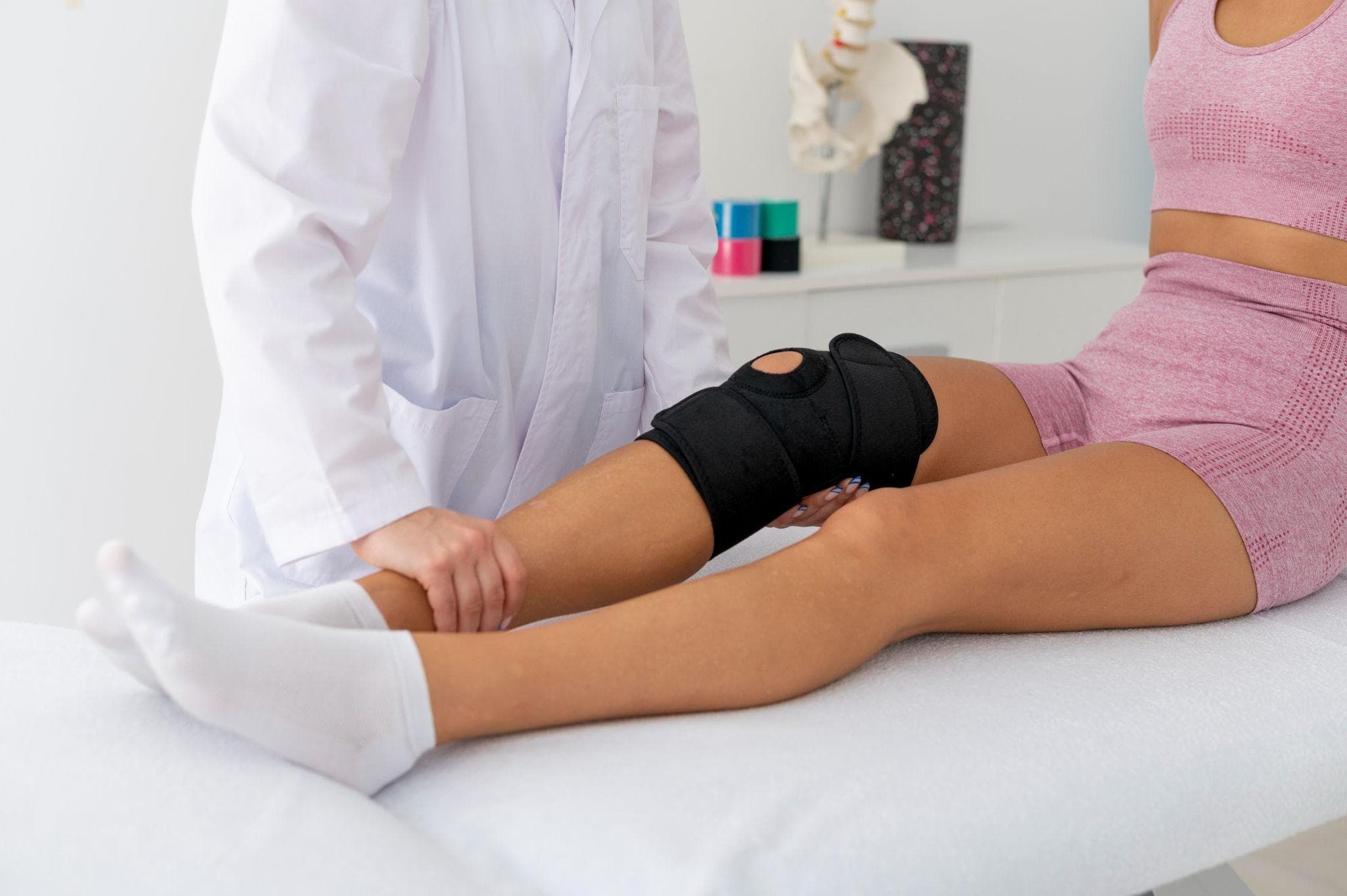
A doctor is doing physiotherapy on her patient.
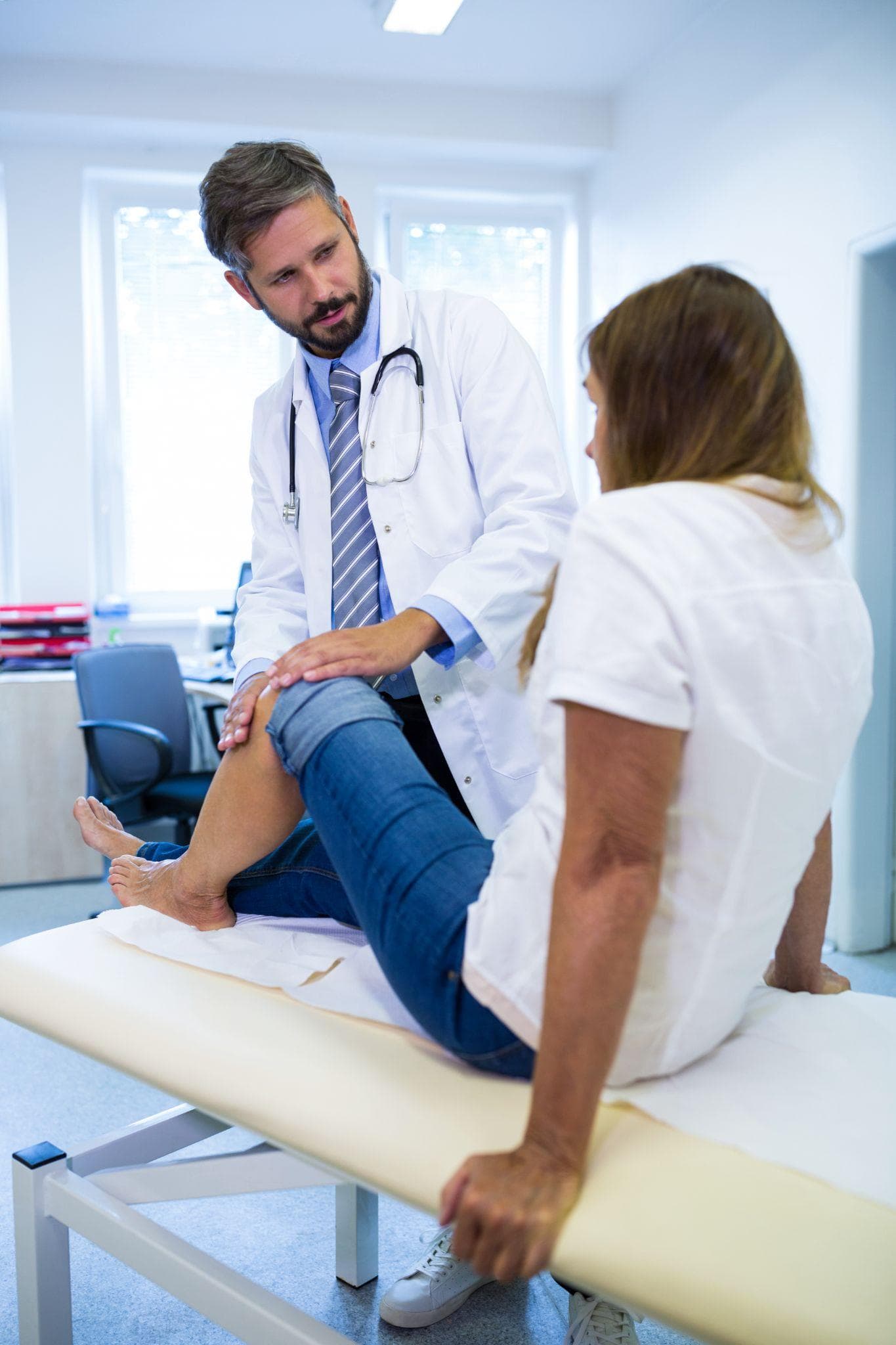
Maybe the knee keeps giving out, one can’t bend it as it used to, or the pain just won’t quit, even after rest or physiotherapy. These are all strong signs that one needs expert help. The sooner one gets a real diagnosis, the sooner they will know how bad the ligament damage is and what they actually need, whether that’s rest, rehab, or maybe even surgery. Getting seen early really sets up for a better, faster recovery.
Final Thoughts
ACL, PCL, and other ligament injuries can really throw one's life off track if one ignores them. But here’s the good news, getting ligament reconstruction and following a solid rehab plan gets the knee working again and helps one trust the body. When one gets the right orthopedic care and sticks to recovery, one can get back to living, moving, and doing what they love, without pain holding them back.
If one wants expert advice and a treatment plan that actually fits life, Dr. Mayank Chauhan in Noida offers care built on real experience and a focus on keeping the joints strong for the long run.