Robotic Knee Replacement Recovery Timeline - What To Expect Week By Week
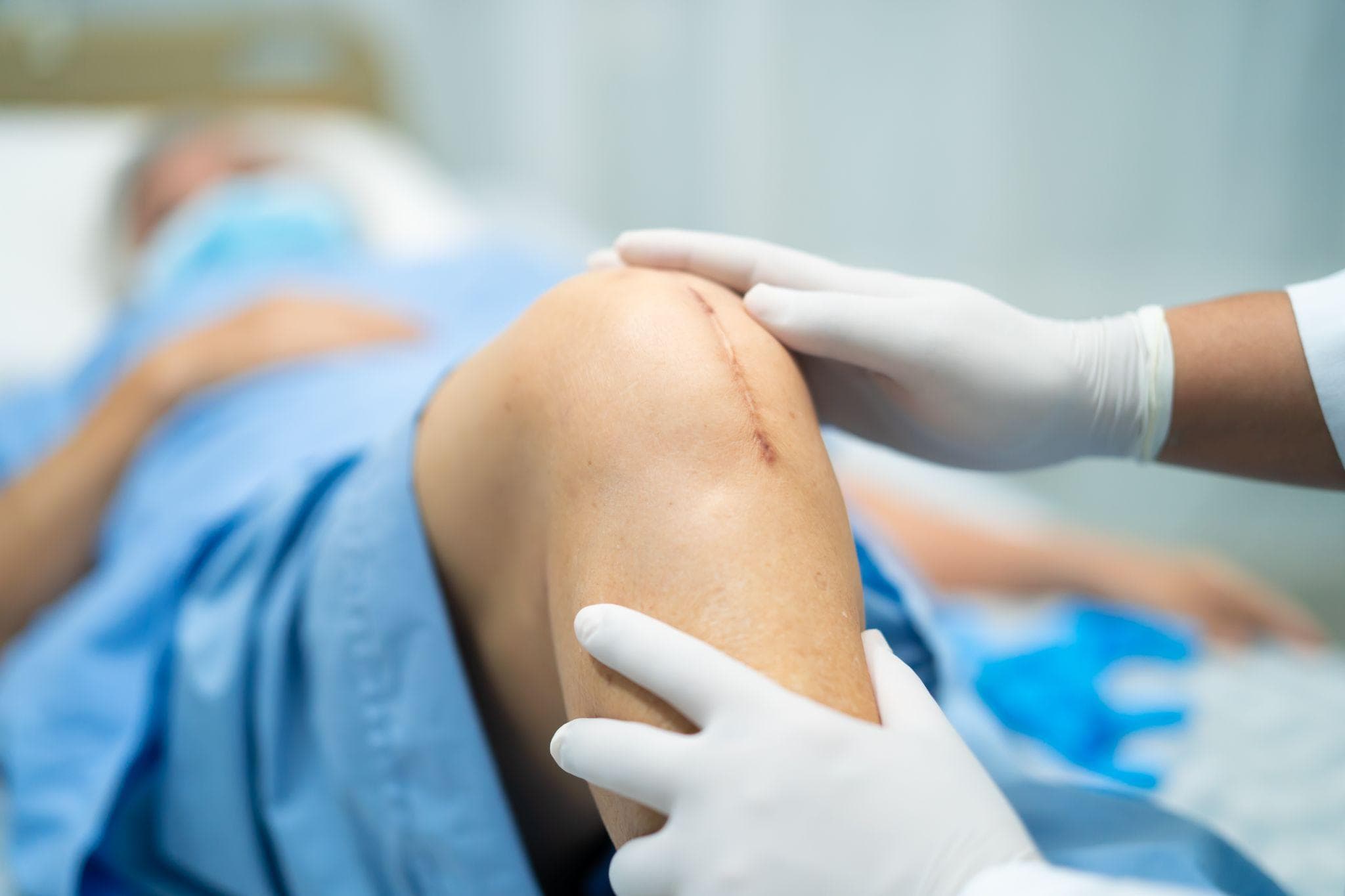
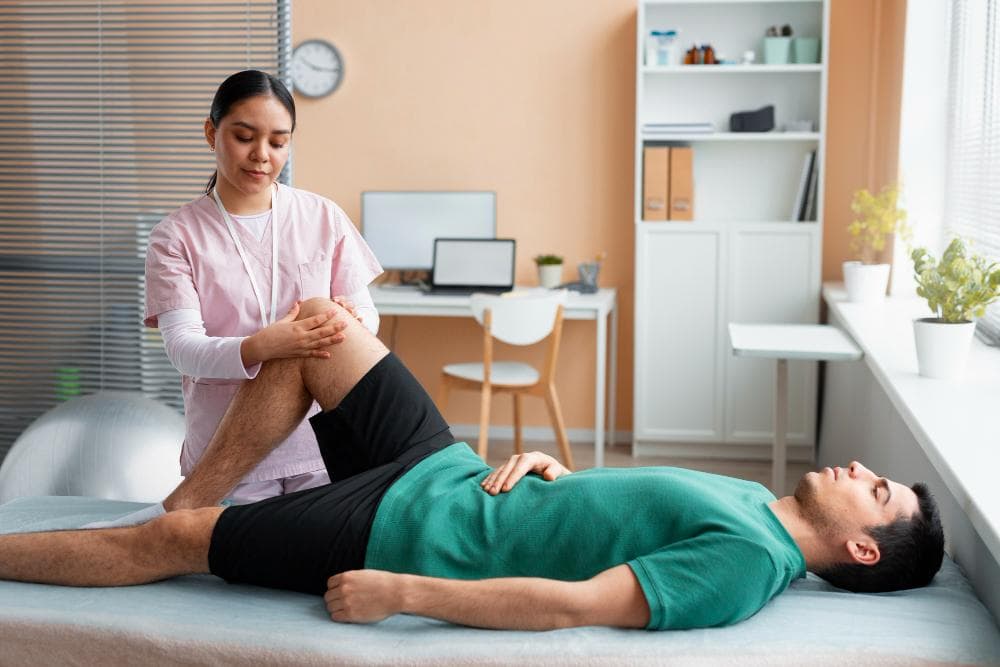
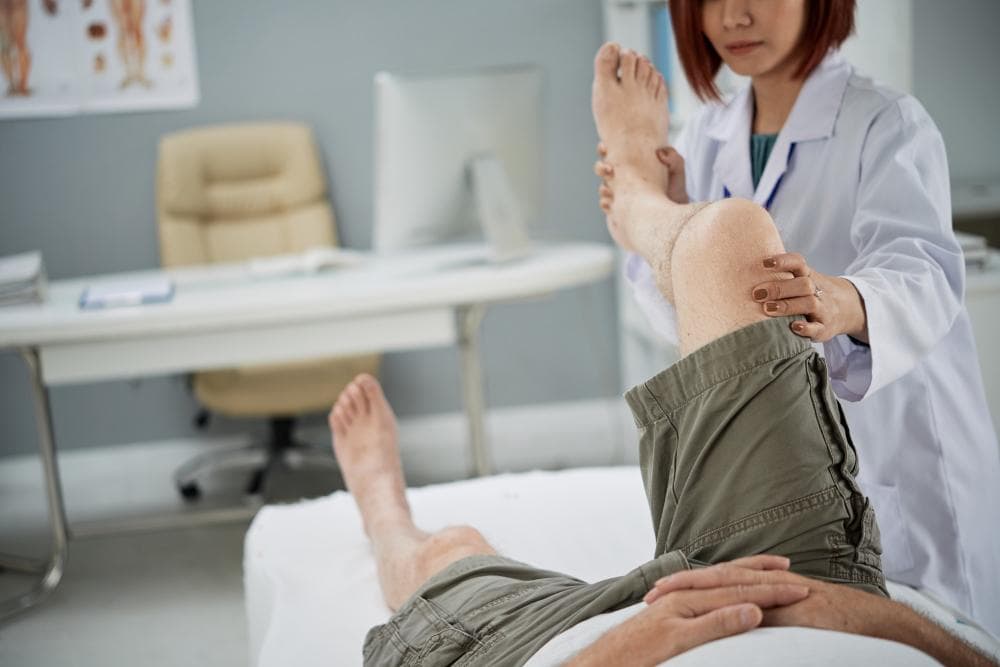
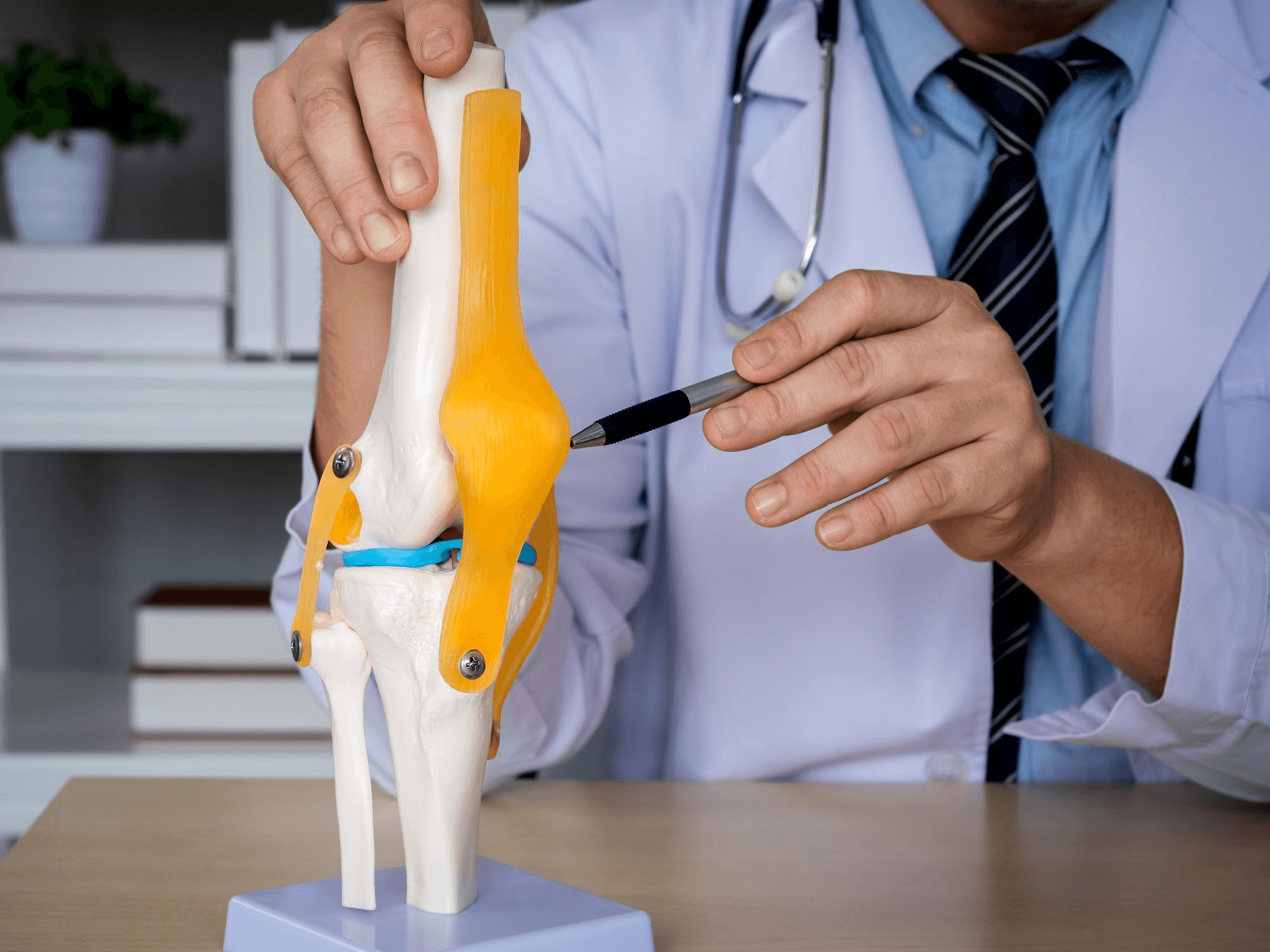
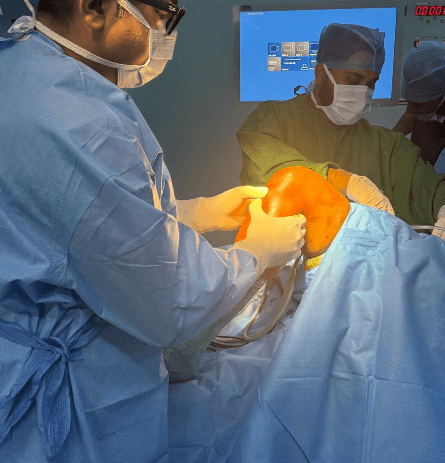
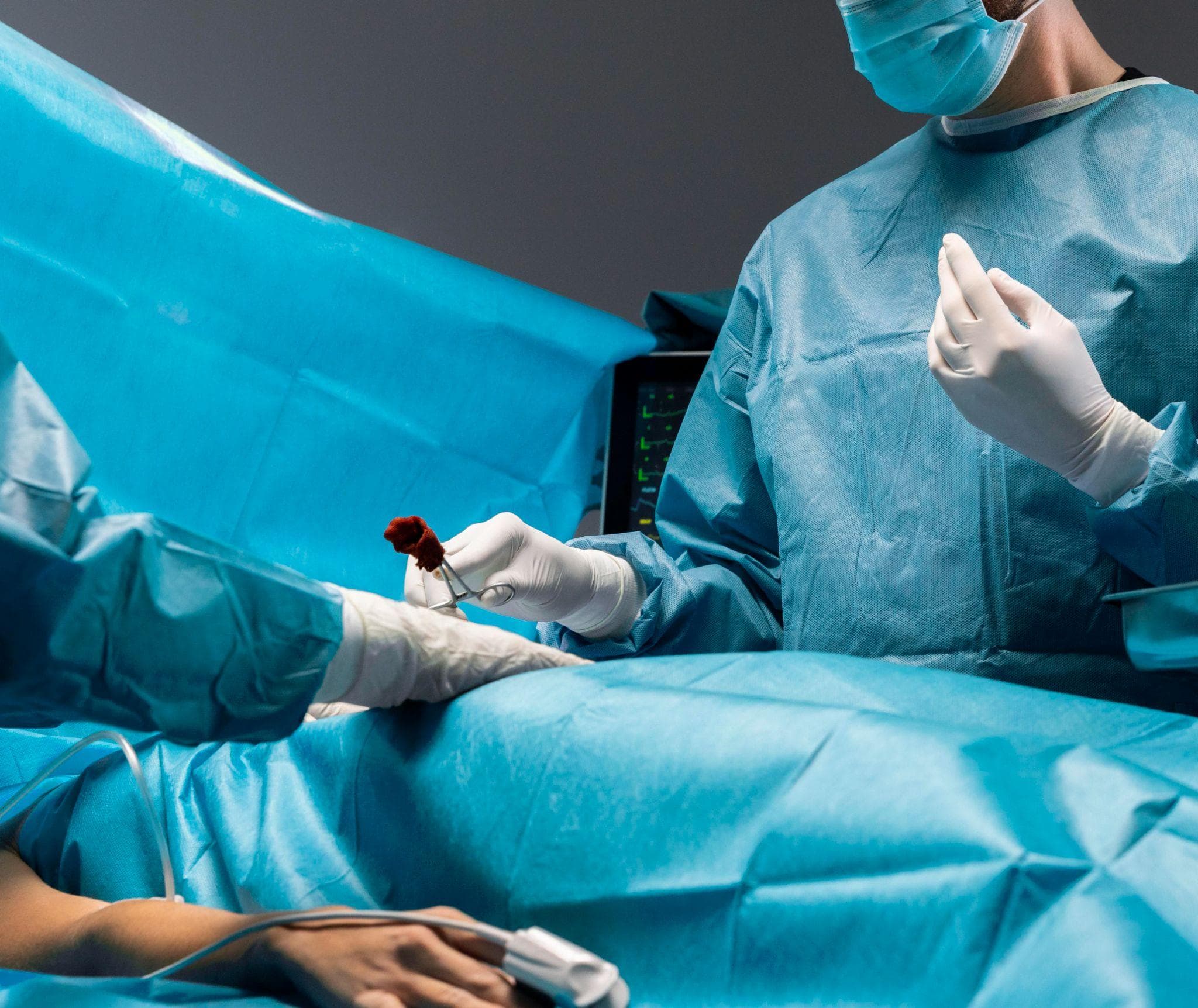
A healthcare professional examining a knee after total knee replacement surgery during recovery.
One of the most common things patients ask after a robotic knee replacement — or before they decide to have one — is what the recovery actually looks like. Not the optimistic "most patients do very well" version. The real version. What will the first morning feel like? When can I climb stairs? When can I drive? When will the pain stop? When will it feel normal?
This guide gives you an honest, detailed, week-by-week account of the recovery journey after robotic-assisted total knee replacement — specific to the Indian patient experience, with realistic timescales and clear guidance on what the milestones are and what to do if you're not hitting them.
Why Robotic Knee Replacement Recovery May Be Faster
Before getting into the timeline, it is worth briefly explaining why recovery from robotic knee replacement tends to be somewhat faster than from conventional surgery — because the difference is mechanical, not magical.
The precision of robotic-guided bone cuts means:
- Less soft tissue trauma: When bone cuts are precisely confined to the planned zone, the surrounding muscles, tendons, and ligaments are disturbed less. Less trauma means less post-operative pain and swelling.
- More accurate implant positioning: A correctly positioned implant from Day 1 means the knee begins loading and moving as designed — rather than compensating for minor malalignment.
- Potentially earlier functional confidence: Patients often report that the new knee feels stable and "natural" earlier — attributed to better rotational alignment and ligament balance.
Multiple studies confirm that robotic knee replacement patients tend to experience less post-operative pain, shorter hospital stays, and earlier functional milestones than conventional surgery patients — though by 3–6 months, the gap between the two groups narrows considerably.
The Complete Week-by-Week Recovery Timeline
Day of Surgery and Day 1
In the recovery room:
After surgery, you wake up in the recovery area. The spinal anaesthesia (or general anaesthesia) is wearing off. A nerve block placed before or during surgery — the adductor canal block or genicular nerve block — keeps the knee comfortable for the first 12–18 hours. Most patients are surprised by how much less pain they feel than they expected immediately after surgery.
Vital signs (blood pressure, oxygen saturation, pulse) are monitored. A drain in the knee collects surgical blood and is typically removed within 24–48 hours.
DVT prevention begins immediately: Blood-thinning injections or tablets start on the day of surgery or the morning after. Compression stockings and pneumatic compression boots on the calves are used in the hospital to prevent blood clot formation.
Physiotherapy — Day 1:
Within 6–12 hours of surgery, a physiotherapist comes to the bedside. This is not optional — it is one of the most important moments of recovery.
Day 1 exercises:
- Ankle pumps: Rhythmically flexing and pointing the foot. Starts blood circulation through the calf veins, reducing DVT risk. Done for 2 minutes every hour while awake.
- Quadriceps sets: Tightening the thigh muscle with the knee flat. Prevents muscle atrophy.
- Straight leg raises: With the knee locked straight, lift the entire leg 30 cm off the bed. Tests early quadriceps function.
First standing and walking:
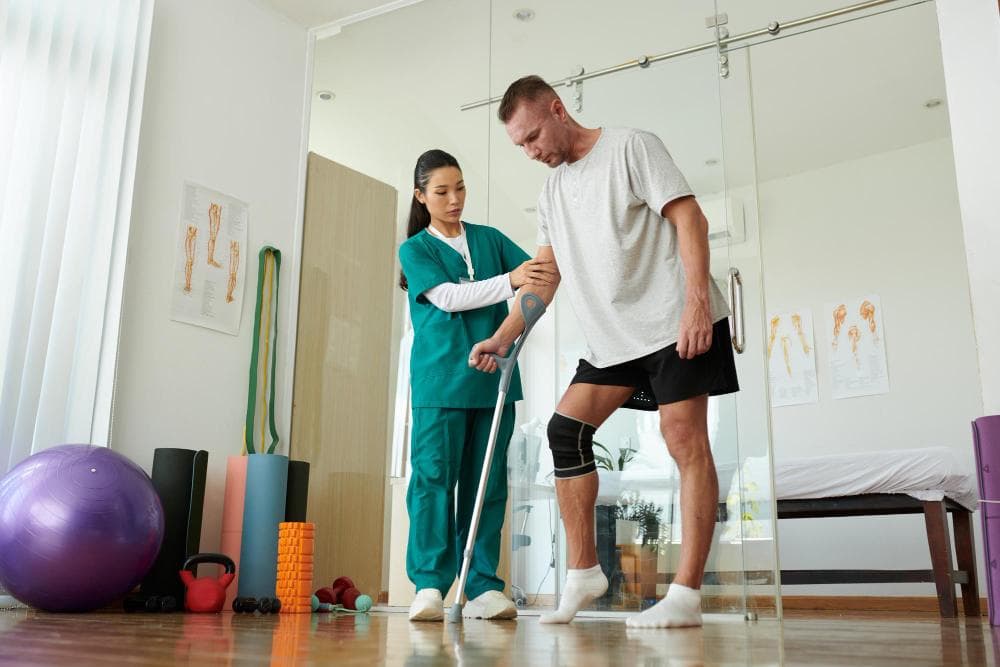
Many robotic knee replacement patients stand and take their first assisted steps with a walker on Day 1 itself — either in the evening or by Day 2 morning at the latest. This is not about heroics — early standing is clinically essential for preventing DVT, stimulating circulation, and beginning the process of retraining the neuromuscular system.
The first walk is typically 5–10 metres with a frame, assisted by the physiotherapist. It will feel strange — the knee is swollen, the muscles are unfamiliar with the new joint — but it is safe.
Week 1 — Hospital and Home Transition
Hospital stay (Days 1–4):
Most robotic knee replacement patients are discharged on Day 3 or Day 4, compared to Day 4–5 for conventional surgery. Before discharge:
- Walking 50–100 metres with a frame independently
- Managing stairs (with assistance)
- Full extension (completely straightening the knee) — this is the most important early milestone
- At least 60–70 degrees of knee flexion (bending)
- Wound in good condition, no signs of infection
Discharge medications typically include:
- Oral pain medication (paracetamol + mild opioid)
- Anti-inflammatory (if not contraindicated)
- Blood-thinning medication (continues for 2–4 weeks)
- Stool softener (opioids cause constipation)
At home in Week 1:
- Walking with a frame: 5–10 minutes, 3–4 times per day
- Exercises: Ankle pumps, quad sets, straight leg raises — every hour while awake
- Elevation: Keep the leg elevated above heart level when resting — this dramatically reduces swelling
- Ice: Ice pack wrapped in cloth applied for 15–20 minutes after each walk — reduces swelling and pain
- Wound care: Keep the wound dry until review; report any increasing redness, warmth, or discharge
What Week 1 feels like:
Honestly, tiring and uncomfortable. The nerve block has worn off. The pain is real and managed with medication. Getting up and down from a chair requires effort and coordination. Sleep is interrupted. Many patients feel emotional during this week — the enormity of having had surgery, the frustration of limited movement, and the anxiety about whether recovery is on track all combine.
This is normal. The first week is the hardest. The trajectory from here is consistently upward.
Week 2 — The Swelling Peak and First Real Progress
Swelling typically peaks in Week 2. This surprises many patients who expected improvement — instead, the knee looks more swollen at 10–14 days than at discharge. This is normal. Surgical swelling increases as the body's healing processes peak. The swelling then begins to gradually reduce from around Day 14 onwards.
Physiotherapy milestones — Week 2:
- Flexion target: 80–90 degrees of knee bending. This allows sitting comfortably on a normal chair and getting in and out of a car.
- Extension: Full 0 degrees maintained — the knee should lie completely flat on the bed.
- Walking distance: Increasing to 15–20 minutes per session, 2–3 times daily
- Heel slides: Lying on back, sliding the heel toward the buttock to actively work on flexion
- Wall slides: Standing with back against the wall, gently bending the knee — adds gravity-assisted flexion
Transition from frame to stick:
Many patients transition from a walking frame to a single stick (held in the hand opposite the operated knee) at the end of Week 2 or early Week 3 — as strength and confidence improve.
What helps most this week:
The combination of ice after exercise, regular short walks (never pushing to the point of sharp pain), consistent home exercises, and leg elevation when resting. The temptation to rest more because of swelling should be resisted — gentle, consistent movement is what reduces swelling most effectively in this phase.
Follow-up appointment:
Most surgeons schedule the first post-operative review at 10–14 days — wound review, suture or staple removal, X-ray to confirm implant positioning, and physiotherapy assessment.
Week 3–4 — Building Independence
This is the week where recovery starts feeling like progress rather than endurance.
What changes in Weeks 3–4:
- Swelling begins to visibly reduce
- Morning stiffness starts being the main complaint rather than constant pain
- Walking distances increase — 20–30 minutes at a time becomes achievable
- Stairs become more manageable: going up leading with the non-operated leg; going down leading with the operated leg ("up with the good, down with the bad" — this rule helps distribute load appropriately)
- Many patients transition off walking aids entirely by the end of Week 4, or are using a stick only outdoors
Flexion milestone: 90–100 degrees at 4 weeks. At 90 degrees, getting in and out of most chairs and cars is comfortable. At 100 degrees, low sitting surfaces become manageable.
Driving:
For left knee replacement patients, driving an automatic transmission is possible from around 4 weeks if the surgeon confirms adequate strength and response time. For right knee replacement — generally 6–8 weeks. Manual transmission requires longer. Always confirm with your surgeon before driving.
Sleep:
Most patients notice sleep improving in Weeks 3–4. A pillow under the ankle (not the knee — under the knee prevents full extension) keeps the leg in a comfortable position. The knee should be kept as flat as possible when lying down — propping the knee in a slightly bent position causes a flexion contracture.
Week 5–8 — Transition to Normal Life
Walking: Most patients are walking 30–45 minutes daily without any walking aid by Week 6. The gait (walking pattern) is normalising — the slight limp of early recovery reduces as quadriceps strength improves and confidence increases.
Outpatient physiotherapy:
Sessions in this phase focus on:
- Progressive quadriceps and hamstring strengthening
- Step-up and step-down exercises (using a low step)
- Balance and proprioception training
- Stationary cycling — usually cleared from Week 4–6, and is a highly recommended activity for building knee flexion and quadriceps strength with minimal joint impact
Flexion milestone: 110–120 degrees by 6–8 weeks. At 110 degrees, most daily activities are comfortable. At 120+ degrees, low sitting (car seats, sofas) becomes easier.
Return to work:
Desk-based work: Most patients return to office or home office work at 4–6 weeks. Physical or manual work: 8–12 weeks with restrictions.
Swelling:
Residual swelling persists through this phase — the knee may be noticeably swollen after a day of activity, particularly in the afternoon. This is normal and gradually reduces over months. Post-activity icing (15 minutes) continues to be helpful.
Month 3 — The Functional Threshold
Month 3 is the milestone that most patients look forward to, and in most cases, it delivers.
What most patients achieve by 3 months:
- Walking 30–60 minutes comfortably on flat surfaces
- Climbing stairs without holding a railing (though slowly)
- Returning to most daily activities — cooking, light gardening, shopping trips, attending social functions
- Driving freely (confirmed with surgeon)
- Flexion: 110–120 degrees in most patients
- Swelling present only after significant activity; absent at rest
What the knee feels like at 3 months:
Functional but not yet fully "normal." Most patients describe it as a working knee that they are still learning to trust. Some activities — prolonged walking, low sitting, getting up from the floor — are still effortful. The knee is not yet the natural, unconsidered joint it will become by 6–12 months.
Psychological adjustment:
Around 3 months, many patients experience a period of frustration — they expected to be "recovered" by now, but still notice limitations. This is a normal part of the process. Neuromuscular adaptation — the process by which the brain fully integrates the new joint mechanics — takes 6–12 months. The knee continues improving substantially after Month 3.
Month 4–6 — Continued Strengthening
Physiotherapy becomes less frequent (patients transition to a home programme). Exercise focus shifts toward endurance and higher-function activities — swimming is typically cleared from Month 3–4, outdoor cycling from Month 3, and low-impact gym activities from Month 4.
Flexion milestone: Most patients reach 120–130 degrees by Month 6.
The swelling question:
By Month 4–5, swelling is minimal during routine activities and present only after very prolonged or demanding ones. By Month 6, most patients report that the knee feels comfortable the morning after a long day.
Activities typically cleared by 6 months:
Swimming, cycling, walking any distance, golf (walking the course), light doubles tennis, hill walking, yoga (with modifications), and most daily work activities.
Month 6–12 — Maximum Recovery
The final phase of recovery is the one that surprises patients most — because the knee continues improving well after they thought it was "done."
What patients notice in this phase:
- A continued softening of the scar line (it becomes less raised, less sensitive)
- Reduction in the numbness on the outer side of the knee (some residual numbness is permanent — a small nerve is divided during the incision)
- Increasing natural integration — the knee starts being used without conscious thought
- Swelling becomes a thing of the past for most patients
At 12 months:
- 90% or more of patients report they are very satisfied with the outcome
- Pain relief from the arthritis that drove them to surgery is typically complete
- Walking, stairs, and daily activities are unrestricted
- The artificial knee functions as a natural part of the body
Activities to Permanently Avoid After Robotic Knee Replacement
To protect the implant and maximise longevity:
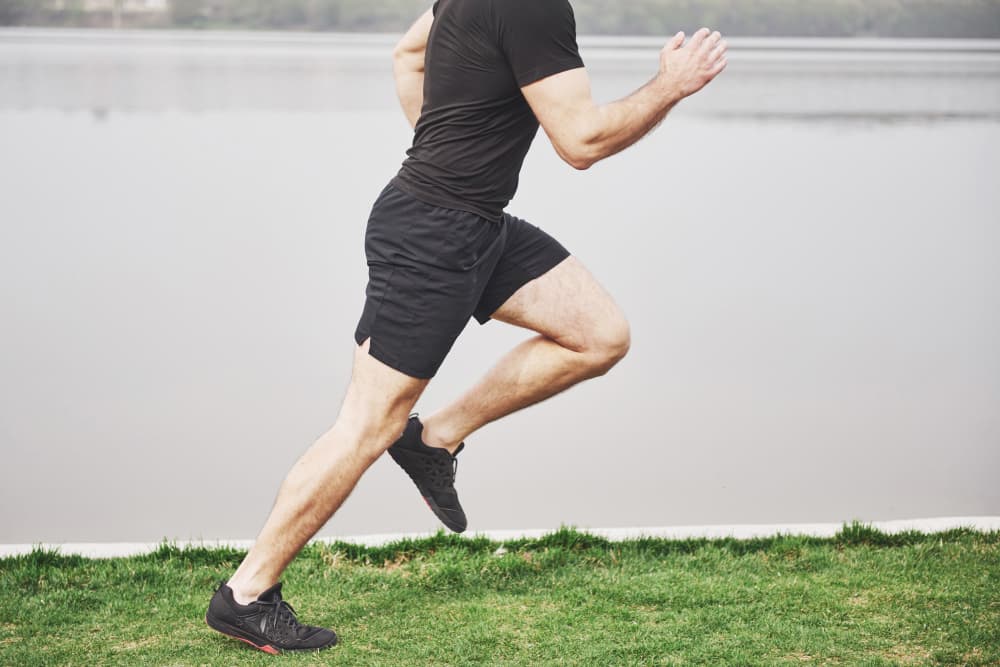
- Running and jogging — high impact accelerates implant wear
- Contact sports (football, kabaddi, wrestling)
- Deep squatting beyond 90 degrees with weight
- Kneeling on the operated knee for prolonged periods
- High-impact jumping activities
Permanently safe:
Swimming, cycling, walking any distance, golf, gentle yoga, doubles tennis, social dancing, hill walking, light gym work.
Red Flags — When to Call Your Surgeon
Call immediately for:
- Sudden increase in swelling with heat and redness (possible infection)
- Calf pain with leg swelling (possible DVT)
- Chest pain or breathlessness (possible pulmonary embolism — emergency)
- Wound discharge that increases or becomes purulent
- Fever above 38.5°C after the first week
- A fall directly onto the operated knee
Robotic Knee Replacement Recovery in Noida — Dr. Mayank Chauhan at Prakash Hospital
Dr. Mayank Chauhan, Senior Orthopedic Surgeon at Prakash Hospital, Sector 33, Noida, performs robotic-assisted knee replacement and follows each patient through their entire recovery journey — with structured post-operative physiotherapy, milestone-based follow-up appointments, and clear guidance at every stage.
For patients preparing for robotic knee replacement in Noida or Greater Noida, or those who are mid-recovery and have questions about their progress, a consultation provides specific, personalised guidance.
To book a consultation, call the number listed on the website. Consultation hours: Monday to Saturday, 10 AM to 8 PM | Sunday, 10 AM to 2 PM.
The Bottom Line
Robotic knee replacement recovery is a structured journey — predictable in its arc even if variable in its exact timing. Week 1 is the hardest. Week 2 brings the swelling peak. Weeks 3–4 bring the first real independence. Month 3 is the functional threshold. Months 6–12 are when the knee truly becomes part of you.
The patients who recover fastest are those who start their exercises immediately, walk consistently from Day 1, commit to outpatient physiotherapy, and resist the urge to either do too much or too little.
To consult Dr. Mayank Chauhan, Senior Orthopedic Surgeon in Noida, call the number listed on the website.