Is Your Joint Pain A Sign Of Avascular Necrosis?

A person sitting on the floor holds their painful knee, which is highlighted in red to indicate discomfort.
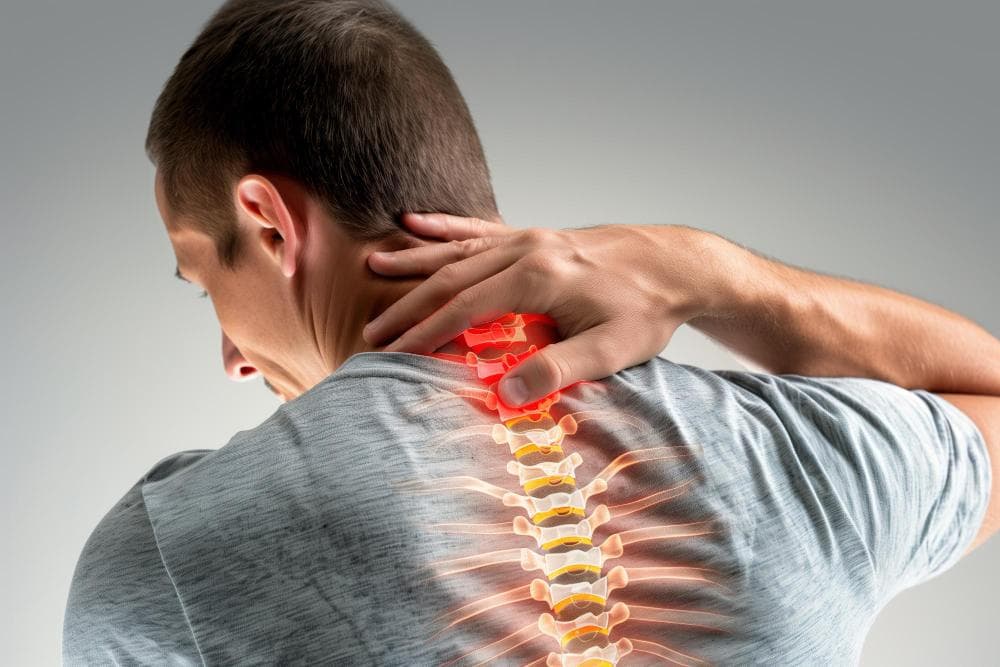
Joint pain. Everybody feels it, everybody experiences it, and everyone seems to brush it aside. They always say it is because they worked hard all day, they are getting old, or simply tired. And, most of the time, they might just be right. Sometimes, the chronic, aching, deep joint pain that is almost always there could be something more serious, such as avascular necrosis.
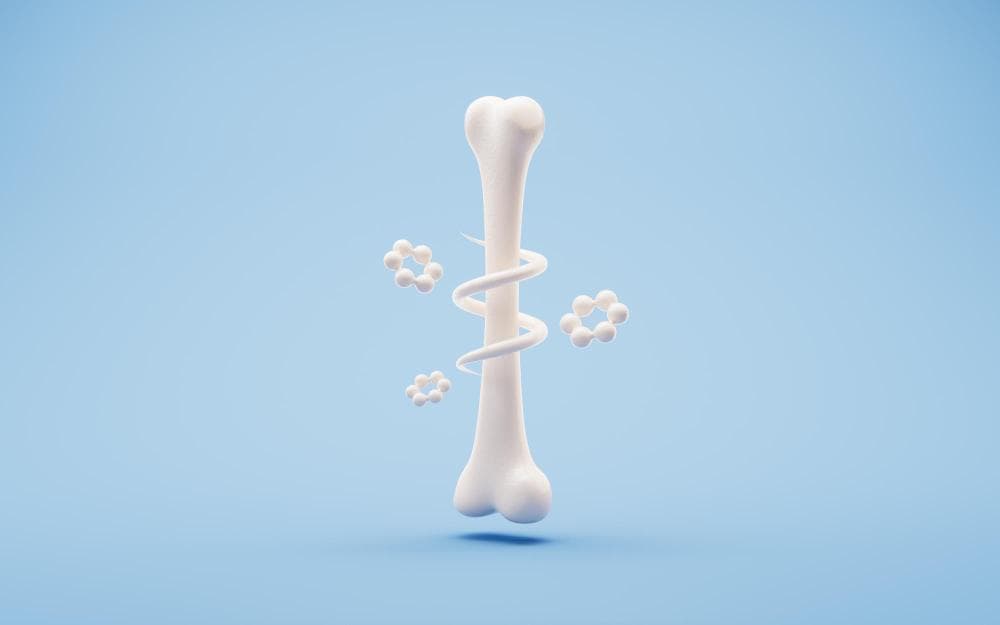
Avascular necrosis, which is otherwise known as AVN, may not be a condition that many of us know about, but it can quietly destroy our joints as time progresses. The reason is the fact that the flow of blood to the bone is disrupted or totally cut off, as a result of which the tissue composing the bone begins to deteriorate and die off. With the progression of time, the bone's structural integrity is compromised, and if not detected in the early stages, it will even lead to the collapse of the joint.
AVN is not very noticeable initially, and it all usually starts with mild pain, some amount of stiffness, or the joints hurting on and off, which we are likely to neglect until things take an ugly turn. In this article, we aim to shed some light on what exactly AVN is, how it can be detected, and when it is advisable to visit an orthopaedic specialist.
What Is Avascular Necrosis?
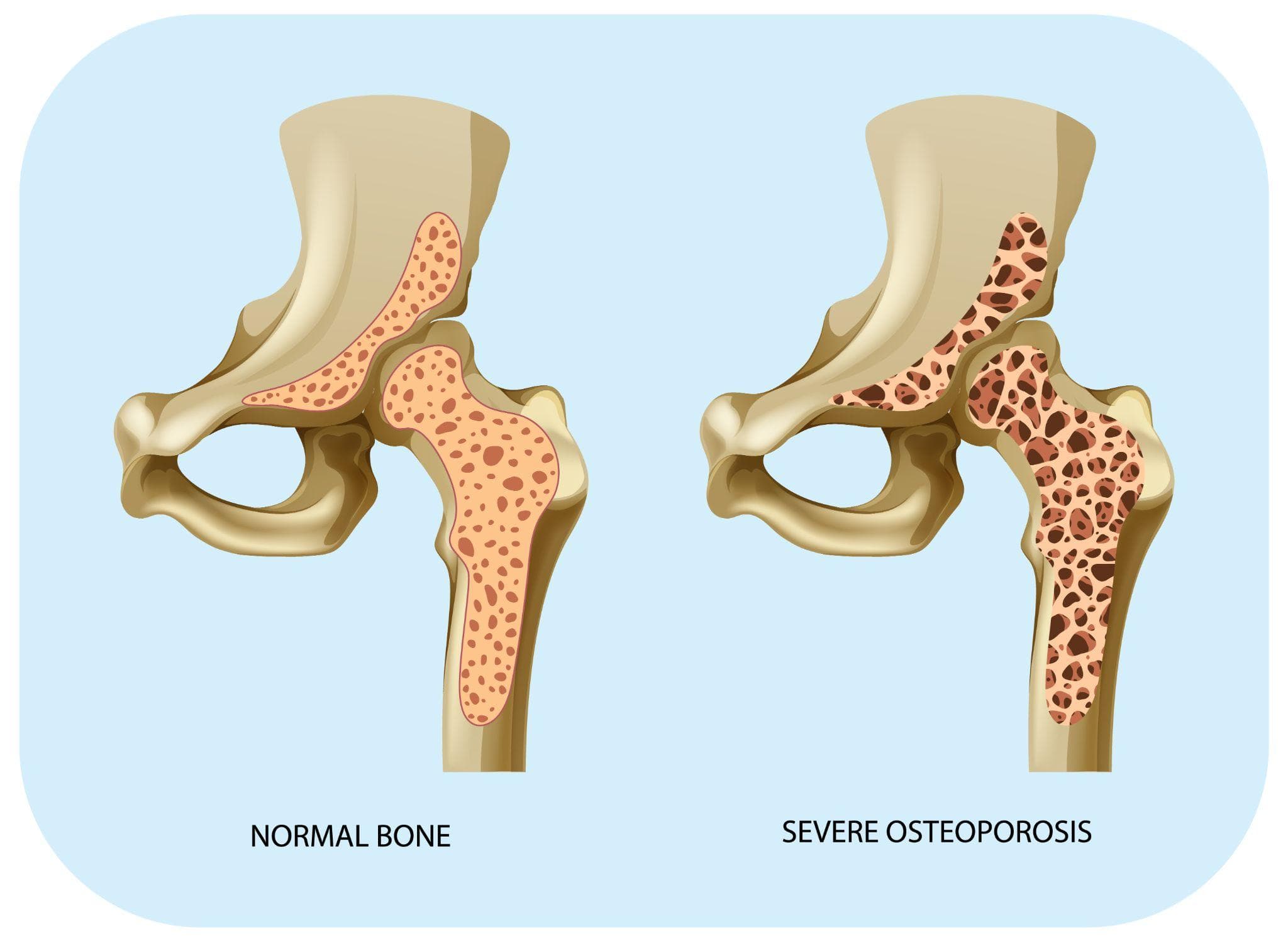
Avascular necrosis is a condition in which the body of the bone begins to die because there is no blood flowing through it. Like all body tissues, bones require a supply of blood to remain alive. The interruption of the blood flow makes the bones start to become weak. Tiny cracks can appear in the bones, and over time, they can crumble or collapse. Avascular necrosis most often affects the hip, shoulder, knees, or ankles. The hip is the site most commonly involved, and even everyday actions like sitting and walking can become quite painful.
How Avascular Necrosis Develops?
Avascular necrosis does not appear rapidly and often takes place over a long period of time.
The lack of blood initially causes the bone to degenerate. In the initial phases of the disease, no pain may be felt. However, as the condition progresses, the actual structure of the bone begins to fall apart. This can eventually cause the joint surfaces to collapse, and pain will become severe, causing restricted mobility. The progression of the disease hurts everyday life.
Common Causes Of Avascular Necrosis
A variety of conditions cause AVN due to a lack of blood flow. Knowing them will help prevent and treat.
1. Injury/Trauma
Damage from fractures or joint dislocations to the blood vessels that supply the bone. Loss of blood supply affects bones and causes them to not have proper blood circulation, which will not support the tissue and can lead to damage.
2. Steroid Use
Long-term use of steroid medication (corticosteroids) is another major cause of avascular necrosis. This medication raises blood fat levels and can contribute to small vessels blocking over a period of time, leading to loss of blood flow to the bones.
3. Too Much Alcohol
Excessive drinking is known to impair the body's ability to supply blood properly to bones. Drinking alcohol can lead to a buildup of fatty deposits in the blood vessels that inhibit blood flow.
4. Health Conditions
Medical conditions that affect blood flow will make you susceptible to AVN. Some examples include Sickle Cell Disease, Lupus, and blood-clotting disorders, which limit the blood supply.
5. Lack Of Blood Flow
Sometimes, avascular necrosis occurs, and there is no known cause. This is known as Idiopathic AVN. This condition can still develop even if there are no contributing factors to its existence.
Risk Factors That Increase The Chances

A hand holding a lit cigarette with smoke rising, set against a blurred green background.
Factors which may not directly cause AVN but greatly increase the chances of having it include:
- Smoking - Smoking affects blood vessels and circulation generally, so it may affect circulation to the bone.
- Radiation therapy - Damages blood vessels and bone in an area, and so in turn increases the risk of avascular necrosis over the longer term.
- Chronic disease - It states, e.g., diabetes and high cholesterol, are risk factors that can affect the health of the blood vessels.
- Organ transplantation patients - They often require long-term treatment with steroids, thus increasing the risk factors.
Early Signs And Symptoms
One of the greatest obstacles with avascular necrosis is that symptoms can develop so insidiously.
- Slight joint pain - Discomfort begins and can often be described as mild pain when weight is applied to the affected joint.
- Pain with movement - Certain tasks, such as walking, climbing stairs, or lifting, can initiate pain.
- Joint stiffness - Tightness in the affected joint is common and is typically worse after a period of rest.
- Decreased range of motion - Movement becomes progressively more limited.
- Constant and increasing pain - The discomfort can progress so that pain is felt even when the joint is not being used.
Stages Of Avascular Necrosis (AVN)
Avascular Necrosis (AVN) has stages from initial damage to the bone to joint collapse, if it goes untreated.
- Stage 1 (Early stage) - No change in X-ray, early bone damage present on MRI, mild or no symptoms.
- Stage 2 (Bone changes start) - Bone starts to weaken, joint shape normal, joint movement causes more pain.
- Stage 3 (Early collapse) - Minor cracks occur in the bone, the bone may start to collapse, and joints feel more stiff and painful.
- Stage 4 (Joint damage) - Joint collapses, significant pain, decreased mobility, changes on imaging.
- Stage 5 (Arthritis) - Significant joint damage and arthritis usually occur, with joint replacement surgery needed.
To know what treatment is needed at which stage, a consultation with an orthopedic specialist will clear all the confusion. At Noida, Dr. Mayank Chauhan provides effective care for avascular necrosis. He also includes a focus on the early stages, regeneration of damaged tissue, and surgery if needed. Patients will have the expectation of less pain and increased joint functionality as Dr. Chauhan focuses on long-term recovery.
Which Joints Are Commonly Affected?
Although any joint can be affected by avascular necrosis, some are more susceptible than others, as the required consistent blood supply for this joint to be in a healthy state and bear body weight.
1. Hip Joint
The most commonly affected joint with avascular necrosis is the hip joint, where the patient will usually feel a deep pain in the groin region, upper thigh, or buttock area. When walking, standing, or weight bearing, this pain will typically worsen, and in later stages will affect the simplest of movements, such as sitting or walking up the stairs.
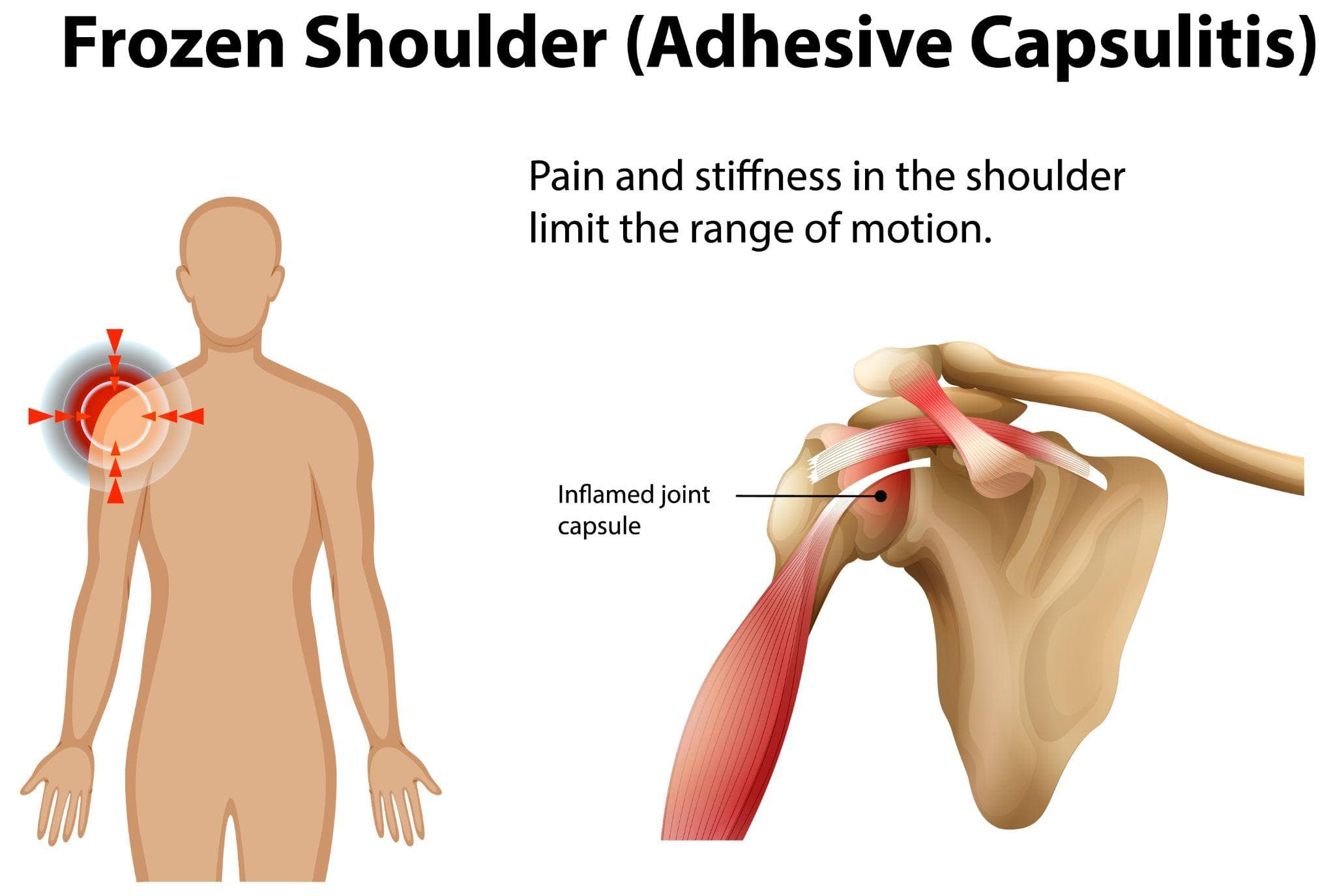
2. Shoulder Joint
In the shoulder, avascular necrosis will lead to difficulty with simple arm movements, and the patient will experience pain in their shoulder when reaching up for an object, carrying it, or reaching above their head. As the condition progresses, a stiffening will often occur that will affect the patient's ability to carry out basic tasks such as combing their hair and dressing themselves.
3. Knee Joint
The pain in the knee with avascular necrosis occurs when walking, and/or standing, or sitting with a bent knee for extended periods. The patient will often suffer from swelling in their knee and stiffness that, over time, could give the patient the feeling that the knee is unsteady or weak and affect general mobility.
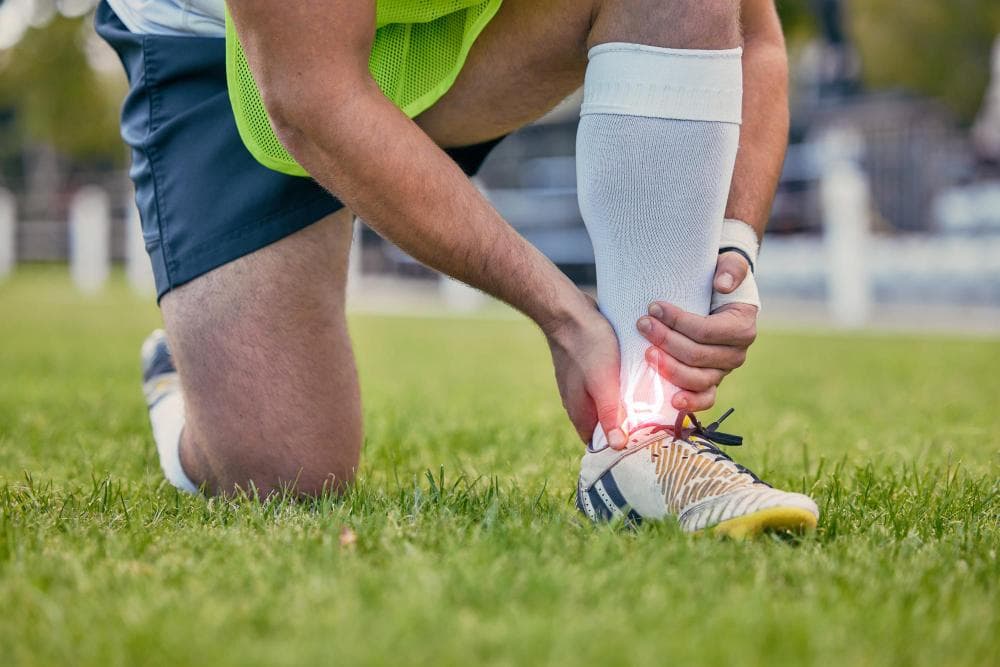
4. Ankle Joint
The ankle is affected less frequently, but with this type of AVN, the patient will usually experience pain while walking or performing any kind of weight-bearing task and find that they can become off-balance more easily; the gait will also be compromised, and the patient is at a higher risk of falling.
5. Multiple Joint Involvement
More than one joint may be affected at once or in sequence with avascular necrosis. Those with factors that contribute to avascular necrosis, such as taking steroid medication for an extended period, or those with medical conditions, may develop this at multiple joints. If more than one joint becomes involved, it can severely impact a patient's mobility and their general quality of life.
Treatment Options For Avascular Necrosis
Treatment for avascular necrosis is based on the stage of the condition and the amount of bone damage. It is generally aimed at reducing pain, slowing the deterioration of bone tissue, and maintaining the functionality of the joint.
1. Medications
Painkillers will be prescribed to reduce the pain, as well as drugs for reducing inflammation. Some medications that will help improve blood flow to the bone or will help slow the bone damage are prescribed.
2. Activity Modification
Actions that are likely to place pressure on the injured joint should be avoided. Patients are generally advised to restrict activities that involve weight-bearing. Patients might also be advised to use aids such as crutches to help reduce the stress on the joint.
3. Physiotherapy
Physiotherapy will assist in improving joint mobility and strengthening surrounding muscles while maintaining the flexibility of the joint. It is a vital part of recovery from avascular necrosis, and is an extremely useful way of maximizing joint function.
4. Advanced And Regenerative Therapies
Recent advancements in medical science have paved the way for treatments aimed at repairing and regenerating bone tissue instead of solely focusing on managing symptoms.
5. Stem Cell Therapy
This novel form of treatment uses bone marrow derived from the patient to encourage bone healing and regeneration. The stem cells from the patient can enhance the blood supply and assist in new bone formation. Research indicates that stem cell therapy combined with surgical methods such as core decompression may lead to improved joint function and slower progression of the disease.
6. Platelet-Rich Plasma (PRP) Therapy
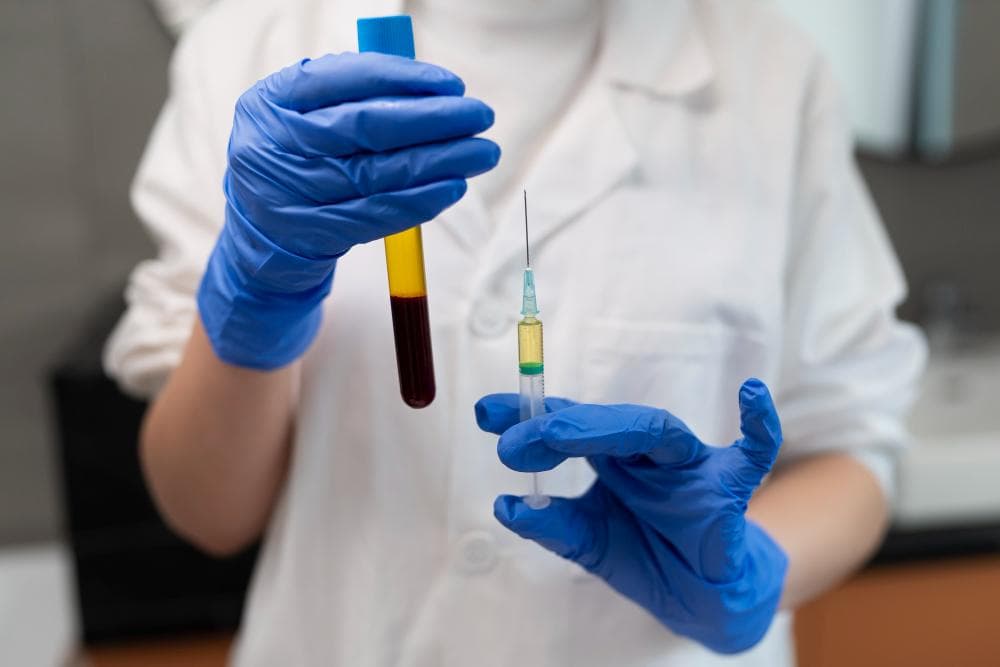
A healthcare professional shows a test tube with red fluid and a syringe filled with yellow fluid, wearing blue gloves.
PRP therapy is a method that utilizes concentrated platelets from the patient's own blood in order to accelerate healing. These growth factors contained within platelets assist in healing the affected tissues and reducing inflammation in early-stage avascular necrosis.
7. Bone Marrow Aspirate Concentrate (BMAC)
This is a form of injectable concentrate of the patient's own bone marrow, used to aid in bone regeneration alongside the procedure itself.
8. Growth Factors And Tissue Engineering Therapies
Emerging regenerative therapies employ growth factors and biomaterials to accelerate bone regeneration. These methods work to re-establish the blood supply and stimulate the body's natural healing process of the diseased bone.
9. Core Decompression
A portion of the inner bone is removed to decrease pressure and enhance blood supply to the bone. This treatment is only successful in the early stages and is often performed with regenerative therapies.
10. Bone Grafting
Healthy bone is implanted into an area to promote healing and provide stability to the area, and also serves to give support.
11. Joint Replacement
If the joint is fully collapsed, then a joint replacement (e.g., hip replacement) may be the only available option and is a useful treatment for reducing pain and restoring joint function.
When To Visit An Orthopedic Expert
Some types of joint pain may indicate more than temporary discomfort.
- Weeks of pain are more serious.
- Trouble performing simple everyday activities should concern you.
- Pain while sitting is of concern.
- Past significant steroid use, previous trauma to the joint.
Final Thoughts
Joint pain is not always a sign of something serious that must be addressed with surgery, but it should not be overlooked. Avascular necrosis is an example of a situation in which it is imperative to seek immediate medical intervention, as its progression can lead to significant long-term damage to the joint. Taking a proactive approach can limit long-term damage and potentially reduce the need for extensive future treatment and procedures.
It can only be by seeking the opinion of a trusted and experienced orthopedic specialist like Dr. Mayank Chauhan in Noida that an individual can gain peace of mind and a successful treatment plan to ease symptoms and maintain their desired level of lifestyle.
Frequently Asked Questions (FAQs)
1. Does avascular necrosis cure itself?
No, avascular necrosis never heals and typically progresses without medical intervention.
2. Is joint pain indicative of AVN?
No, most joint pain does not mean that AVN is present; however, if joint pain is worsening or consistent, please get it checked out.
3. How can you diagnose avascular necrosis?
AVN is best diagnosed with MRI, where changes in bone are most obvious early on.
4. Is avascular necrosis an emergency condition?
Yes, if untreated, this condition will cause destruction and collapse of the joint.