Knee Replacement Alternatives - 9 Non-Surgical Options To Try Before Surgery
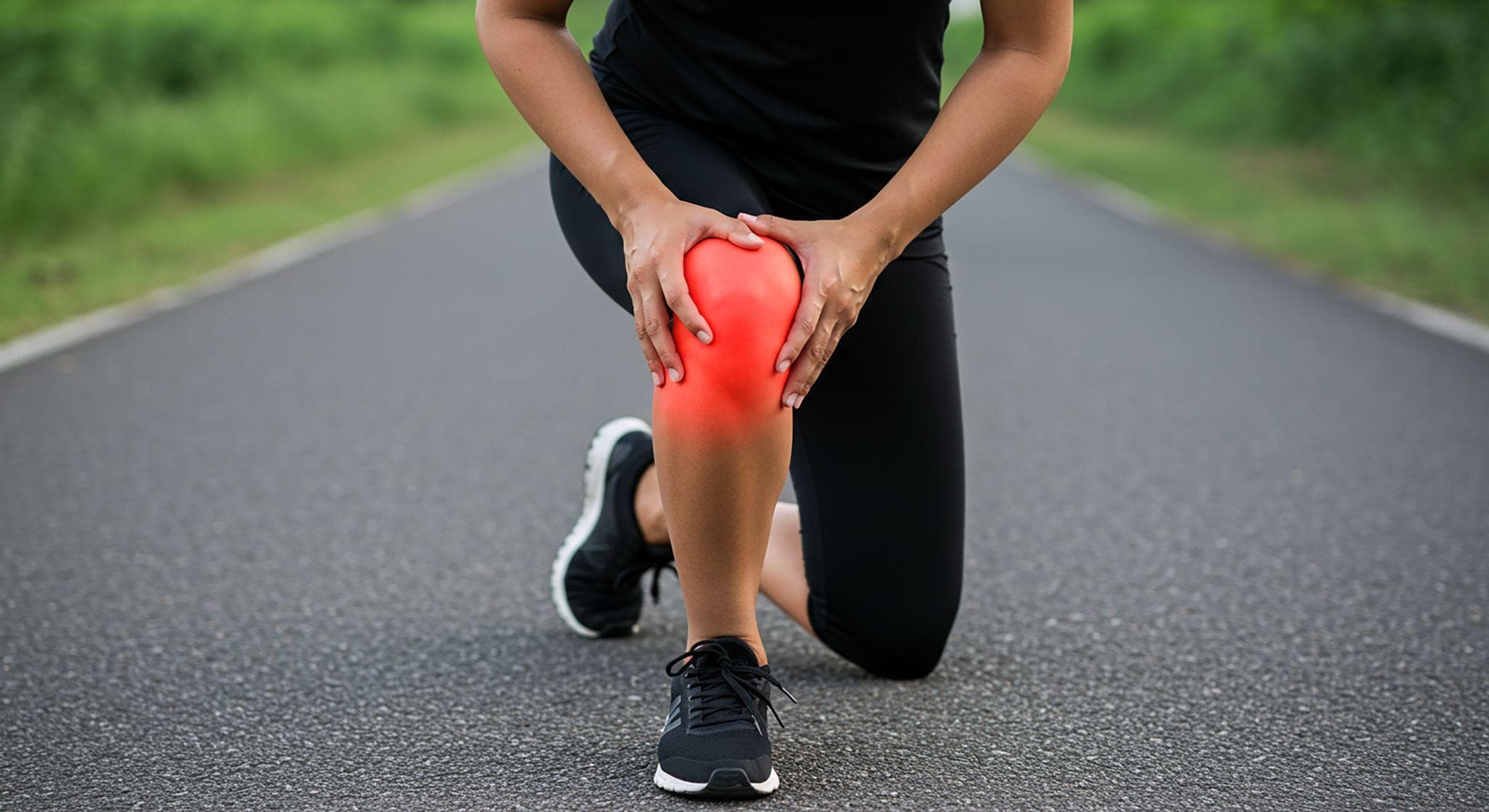
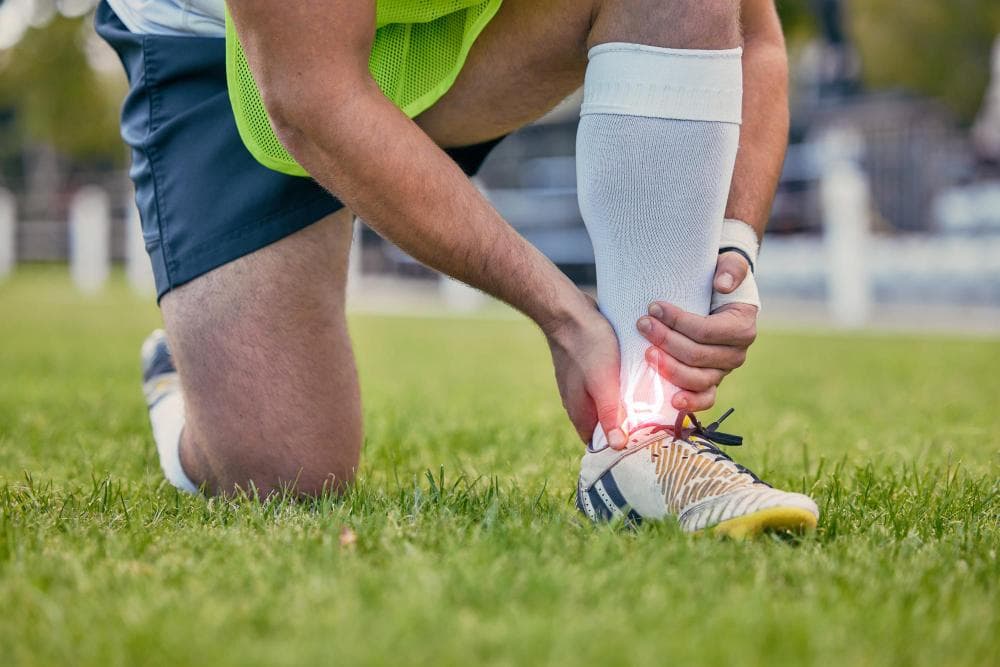
A person holding their knee while running, indicating pain or strain during physical activity.
The decision to have knee replacement surgery is significant. Major surgery. Significant recovery. A commitment of months of rehabilitation. For many patients dealing with knee arthritis, the natural first question is not "when can I have the operation?" but "what else can I try first?"
That's a healthy question to ask. A responsible orthopedic surgeon should always explore non-surgical options before recommending joint replacement, and the truth is that for a significant number of patients, those options work well enough to delay surgery by years, or to avoid it altogether. This guide covers nine non-surgical alternatives to knee replacement, explains how each works, who benefits from each, and, equally important, what they cannot achieve, so you can set realistic expectations before starting any of them.
The Starting Point: Understanding What You're Working With
Before getting into specific alternatives, it helps to understand what non-surgical treatment can and cannot achieve.
What it can do:
- Reduce pain significantly.
- Improve function and quality of life.
- Slow the progression of arthritis.
- Delay the need for surgery by months to years.
- In some patients with mild-to-moderate arthritis, provide sustained relief that makes surgery unnecessary.
What it cannot do:
- Regrow cartilage that has been destroyed (no current non-surgical treatment reliably regenerates significant amounts of articular cartilage).
- Reverse bone-on-bone arthritis (Grade 4 OA).
- Fix significant structural deformity, a severely bowed or knocked knee cannot be corrected without surgery.
- Replace the function of knee replacement for patients with end-stage disease.
If your X-ray shows Grade 4 osteoarthritis with bone-on-bone contact, significant deformity, and you're in constant pain that is waking you at night, non-surgical treatment may provide temporary relief, but it will not be transformative. For that patient, surgery is the appropriate answer. But for the many patients with Grade 2–3 arthritis who haven't fully explored non-surgical options, there is a lot more available than painkillers and physiotherapy.
Alternative 1: Weight Management
This is the most impactful non-surgical intervention available for knee arthritis and the most underestimated. The knee bears roughly 2.5–3 times body weight during walking. On stairs, that multiplies to 3.5–4 times. Squatting puts 7–8 times body weight through the knee. This means that every kilogram of body weight lost reduces the load on each knee by approximately 4 kilograms with each step. Over the course of a day, thousands of steps that cumulative load reduction is enormous.
Multiple clinical studies have confirmed that weight loss of even 5–10% of body weight produces clinically meaningful reductions in knee pain and improvements in function. In patients with mild-to-moderate arthritis who are significantly overweight, weight management is not just helpful; it is probably the most powerful single intervention available.
For Noida's population, where urban lifestyles, desk jobs, and the dietary patterns of a growing middle class have created rising rates of obesity, this is particularly relevant. A proper nutrition consultation alongside orthopedic management is worth considering.
Best for: Overweight patients with Grade 1–3 knee OA.
Realistic outcome: Significant pain reduction, improved function, and delay in progression.
Limitation: Requires sustained lifestyle change, not a passive treatment.
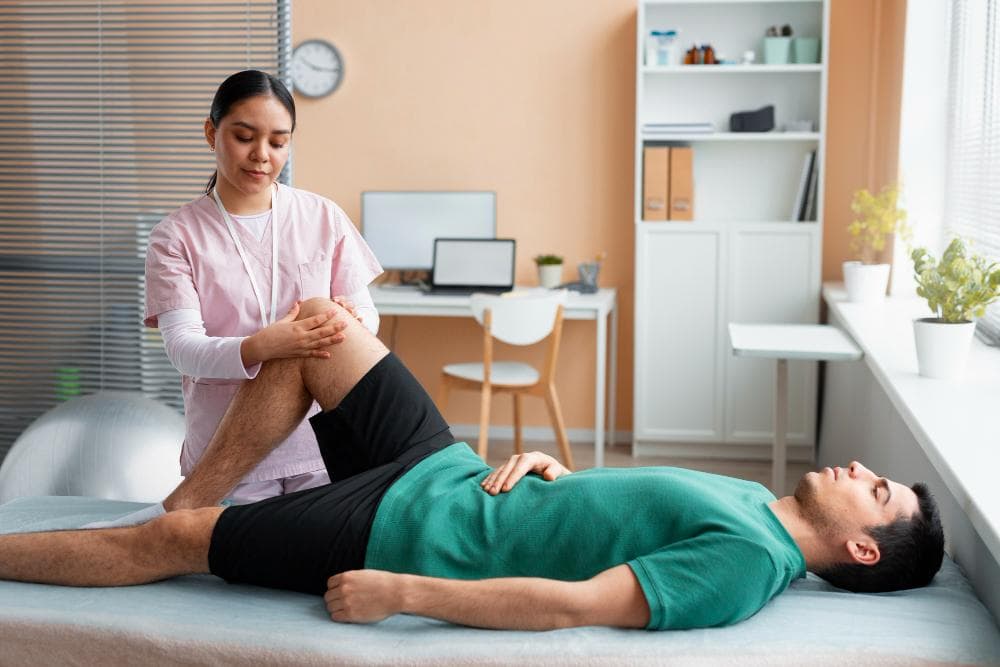
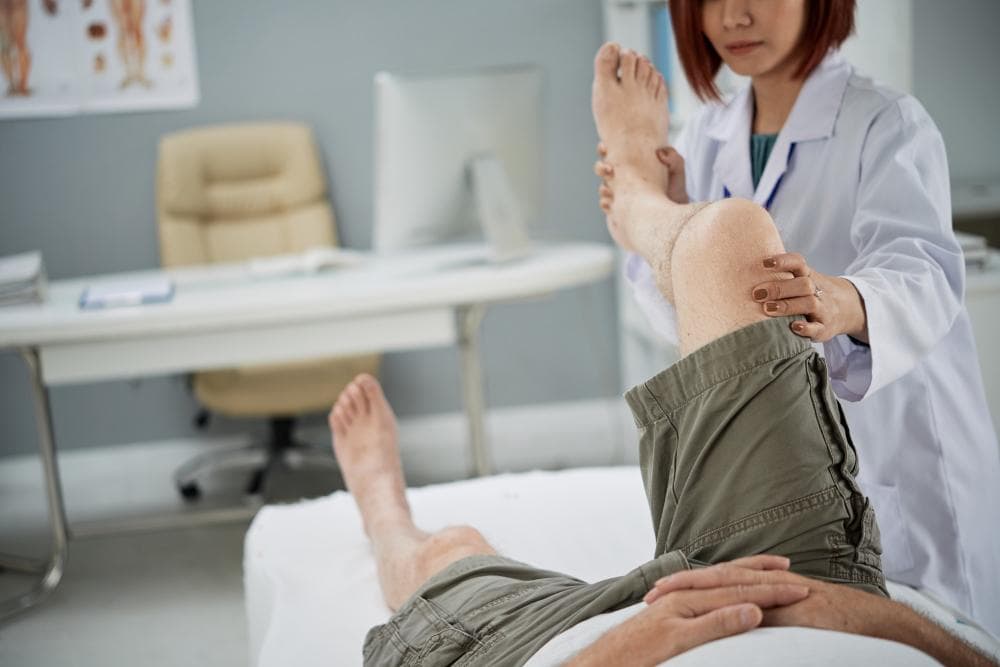
Alternative 2: Structured Physiotherapy
The word "physiotherapy" is used loosely; a patient who does 10 minutes of hot packs and ultrasound twice a week is not receiving the same thing as a patient on a structured 12-week programme of targeted strengthening and functional rehabilitation.
Properly delivered physiotherapy for knee arthritis focuses primarily on strengthening the quadriceps and hamstrings. These muscle groups act as shock absorbers for the knee joint. When they are strong, they take the load off the arthritic joint surface with every step. In patients with significant quadriceps weakness (which is nearly universal in knee OA), targeted strengthening produces measurable pain reduction and functional improvement.
The ESCAPE-pain programme and the GLAD (Good Life with osteoArthritis in Denmark) programme, both structured exercise-based approaches specifically for knee OA, have demonstrated clinically significant benefits in multiple large trials.
Key exercises in a proper knee OA physiotherapy programme:
- Seated leg raises and quad sets - Begin rebuilding quadriceps without joint loading.
- Mini wall squats - Progress to functional loading.
- Step-up and step-down exercises - Functional strengthening
- Hip abductor strengthening - Improves frontal plane alignment of the knee.
- Balance and proprioception training - Reduces fall risk and joint stress.
- Aquatic physiotherapy - Excellent for patients where land-based exercise is too painful initially.
Best for: All stages of knee OA, particularly Grade 1–3.
Realistic outcome: 30–50% reduction in pain in patients who comply with full programmes; improved function and delay in surgery.
Limitation: Requires consistency; benefits are lost if exercise is stopped.
Alternative 3: Activity Modification
This is not the same as "stopping exercise." Activity modification means choosing activities that maintain fitness and joint health without adding harmful mechanical load.
Activities to favour:
- Swimming and aquatic exercise - Buoyancy removes body weight from the joint while allowing a full range of motion.
- Cycling (stationary or outdoor) - Low impact, excellent quadriceps strengthening, circulates joint fluid.
- Walking on flat, even surfaces - Maintains general fitness without the impact loading of running.
- Tai Chi - Shown in multiple studies to reduce knee OA pain, improve balance, and reduce fall risk.
Activities to limit or avoid during arthritis flares:
- Running and jogging are high-impact loads.
- Jump sports (basketball, volleyball)
- Prolonged stair climbing.
- Deep squatting with heavy loads.
The goal is not inactivity, it's smarter activity. Completely stopping movement makes arthritis worse, not better.
Alternative 4: Assistive Devices - Braces And Walking Aids
Knee braces: For patients with predominantly medial (inner) compartment knee OA, the most common pattern is an unloader brace that is specifically designed to shift load away from the arthritic compartment toward the healthier lateral compartment. Studies show significant pain reduction with consistent use. The limitation is compliance; they are somewhat bulky, and many patients don't wear them as consistently as required.
A simple compression sleeve is appropriate for mild arthritis and swelling. It provides proprioceptive feedback (helps the joint "know" its position) and reduces swelling, though it doesn't address the underlying load.
Walking sticks and canes: A walking stick used correctly (in the hand opposite the painful knee) reduces load on the arthritic knee by 25–30% during walking. For elderly patients and those with moderate-to-severe arthritis, a properly fitted cane is both therapeutic and protective against falls. Many patients resist using a cane because of perceived stigma. This is worth addressing directly. The functional benefit is real.
Appropriate footwear: Footwear significantly affects knee loading. High heels increase knee joint load substantially. Worn-down shoes provide poor shock absorption. Flat, supportive footwear, particularly with good medial arch support or orthotic insoles, can reduce knee load and improve pain during walking.
Best for: All stages of OA; unloader braces are most effective for isolated medial compartment OA.
Realistic outcome: Moderate pain reduction, improved walking tolerance, and fall protection for elderly patients.
Limitation: Compliance with brace use; sizing must be correct for benefit.
Alternative 5: Corticosteroid (Steroid) Injections
Steroid injections into the knee joint are among the most rapidly effective and widely used treatments for knee OA pain. A corticosteroid (typically methylprednisolone or triamcinolone) is injected directly into the joint under sterile conditions, sometimes with ultrasound guidance to confirm accurate placement.
What they do: Corticosteroids are powerful anti-inflammatory agents. A single injection into the knee typically produces significant pain relief within 3–7 days. For many patients, particularly those experiencing a significant flare of arthritis, the relief is dramatic.
How long does it last? Typically 3–6 months, though this varies. Some patients get 8–12 months of relief; others find 6–8 weeks. Response is not fully predictable.
How many can you have? Most guidelines suggest a maximum of 3–4 injections per year in the same joint, and not more than 3 injections over a lifetime in a patient who may eventually need joint replacement. Long-term frequent steroid injections have some evidence of increasing cartilage degradation and potentially affecting surgical outcomes if repeated too frequently.
Best for: Moderate-to-severe OA flares; patients who need pain relief to participate in physiotherapy; elderly patients managing symptoms without surgery.
Realistic outcome: Fast, significant, but temporary pain relief.
Limitation: Not curative; effect diminishes with repeated injections; frequency limits apply.
Alternative 6: Hyaluronic Acid Injections (Viscosupplementation)
Hyaluronic acid (HA) is a natural component of joint fluid. In arthritic joints, the concentration and quality of hyaluronic acid degrade the joint fluid loses its lubricating and shock-absorbing properties. Viscosupplementation involves injecting synthetic hyaluronic acid into the joint to restore lubrication. Brand names include Synvisc, Ostenil, Durolane, and Cingal, among others. Some preparations are given as a single injection; others as a course of 3 consecutive weekly injections.
What the evidence shows: The evidence for viscosupplementation is more mixed than for steroid injections. Some large studies show significant benefit; others show marginal benefit beyond placebo. The current consensus is that a subset of patients, particularly those with mild-to-moderate OA who haven't responded adequately to steroids, do benefit meaningfully. The effect tends to be slower in onset but longer lasting than steroid injections, typically 6–12 months.
Viscosupplementation is particularly popular for elderly patients who want to delay surgery and have reached the frequency limit for steroid injections.
Best for: Mild-to-moderate OA; patients beyond steroid frequency limits; elderly patients delaying surgery.
Realistic outcome: Gradual improvement over 4–8 weeks; 6–12 months of benefit in responding patients.
Limitation: Not effective for all patients; response is not predictable.
Alternative 7: PRP (Platelet-Rich Plasma) Therapy

Doctor injecting PRP (Platelet-Rich Plasma) into a senior woman's knee.
PRP has become one of the most discussed non-surgical treatments for knee arthritis in Delhi NCR over the past several years, and for good reason. The evidence base, while still growing, is more positive than for many other regenerative approaches.
What it is: The patient's own blood is drawn and centrifuged to concentrate the platelets. Platelets contain growth factors, biological signalling molecules that promote tissue repair and modulate inflammation. This platelet-rich concentrate is injected into the knee joint.
What the evidence shows: Multiple systematic reviews and meta-analyses have found that PRP produces statistically significant improvements in pain and function compared to saline placebo and comparable or superior results compared to hyaluronic acid, particularly in patients with mild-to-moderate OA. A 2023 Cochrane review noted that PRP is likely effective for reducing pain in knee OA, particularly in the short to medium term.
PRP is not a cure. It does not regenerate destroyed cartilage. But it appears to reduce inflammation, slow cartilage degradation, and improve the joint environment, producing functional improvement that can last 12–18 months in responding patients.
Who responds best: Patients with mild-to-moderate OA (Grade 1–3). Grade 4 bone-on-bone arthritis is unlikely to respond meaningfully to PRP.
How many injections: Typically, a course of 3 injections over 3 weeks, sometimes with a single maintenance injection at 6–12 months.
Best for: Younger patients with early-to-moderate OA who want to delay surgery; patients who have not responded adequately to steroid or HA injections.
Realistic outcome: 12–18 months of improved pain and function in responding patients.
Limitation: Not covered by all insurance policies; not effective for advanced (Grade 4) OA.
Alternative 8: Supplements - Glucosamine And Chondroitin
These are the most widely used supplements for knee arthritis in India. The evidence is genuinely mixed; large trials have shown inconsistent results, with some showing benefit and others failing to demonstrate superiority over placebo.
The current position of most orthopedic guidelines: glucosamine and chondroitin may be beneficial for some patients, particularly in the early stages of OA. They are safe, and some patients report clear subjective improvement. They are not disease-modifying in the sense of regenerating cartilage, but they may slow the rate of cartilage breakdown.
The practical view: They are inexpensive and safe. If a patient wants to try them for 3 months and finds benefit, continuing is reasonable. If there is no improvement after 3 months, there is no strong clinical reason to continue.
Omega-3 fatty acids (fish oil, flaxseed) have anti-inflammatory properties and a reasonable evidence base for modest benefit in inflammatory joint pain. These are worth considering as part of an anti-inflammatory dietary approach.
Best for: Early OA as part of a broader management plan.
Realistic outcome: Modest benefit in some patients; no harm in trying.
Limitation: Inconsistent evidence; not a substitute for physiotherapy or injection therapy.
Alternative 9: Thermal Therapy, TENS, And Lifestyle Modifications
Heat and cold: Heat (warm soaks, heating pads) before activity reduces stiffness and improves range of motion. Cold (ice packs) after activity reduces post-exercise swelling and pain. Simple, cheap, effective for daily symptom management, not curative but a genuine quality-of-life improvement.
TENS (Transcutaneous Electrical Nerve Stimulation): A small device that delivers electrical impulses through skin electrodes, interfering with pain signals. Some patients find meaningful benefit; others do not. Safe, non-invasive, and worth trying.
Smoking cessation: Smoking reduces blood flow to joint cartilage and accelerates OA progression. For patients who smoke, cessation is an important, if underemphasised, intervention.
Anti-inflammatory diet: Reducing refined carbohydrates, sugar, red meat, and seed oils while increasing omega-3-rich foods, turmeric, ginger, green vegetables, and fruit reduces systemic inflammation, which contributes to arthritis pain. Covered in more detail in a separate guide on the anti-inflammatory diet for arthritis.
Building Your Personal Non-Surgical Plan
The most effective approach to non-surgical knee management is not picking one option from this list; it's combining several in a structured plan tailored to your specific severity, age, and lifestyle. A typical evidence-based non-surgical management plan for moderate knee OA might include:
- Weight loss goal (if relevant) with dietary guidance.
- Structured 12-week physiotherapy programme.
- Activity modification (cycling and swimming replacing high-impact activities).
- An appropriate knee brace or footwear modification.
- A course of steroid or hyaluronic acid injection for pain control during the physiotherapy phase.
- PRP for appropriate candidates wanting longer-term biological treatment.
- Glucosamine supplementation with 3-month review.
- Anti-inflammatory dietary adjustments.
This combination, properly implemented, can produce very significant improvements even in patients with moderate arthritis and meaningfully delay or sometimes avoid the need for surgery.
When To Accept That Surgery Is The Right Answer
Non-surgical treatment should be given a genuine try, not a half-hearted attempt. But when the following criteria are met, surgery becomes the appropriate course of action:
- Pain is present at rest and wakes you from sleep.
- X-rays show Grade 4 bone-on-bone arthritis.
- Multiple non-surgical options have been properly tried over 3–6 months without adequate relief.
- Daily function is significantly impaired despite treatment.
- Quality of life is measurably reduced.
At that point, continuing to push non-surgical options is not being conservative; it's being insufficiently responsive to what the patient is actually experiencing.
Getting The Right Guidance In Noida
Dr. Mayank Chauhan, Senior Orthopedic Surgeon at Prakash Hospital, Sector 33, Noida, evaluates every knee patient individually, assessing not just the X-ray grade but the patient's age, activity level, weight, goals, and what treatments have already been tried before making any surgical recommendation.
For patients who are not yet at the surgical threshold, Dr. Chauhan provides structured non-surgical management plans. For patients who genuinely need surgery, he provides an honest assessment of that, too. To book a consultation and understand exactly where your knee stands and what your best options are, call the number listed on the website.
The Bottom Line
A picture of a young man standing and holding his right knee with both hands as if he were in pain. The man is wearing black shorts, and the background is plain white.
Surgery is not the only answer to knee arthritis, and for many patients, it's not the first answer. Nine well-evidenced non-surgical options can provide significant relief, slow disease progression, and delay or avoid surgery for months to years. But these alternatives work best when they're properly combined, consistently implemented, and guided by a specialist who understands what each one can and cannot achieve.
To consult Dr. Mayank Chauhan, Senior Orthopedic Surgeon in Noida, call the number listed on the website.