Knee Deformities Explained: Signs You Shouldn’t Ignore
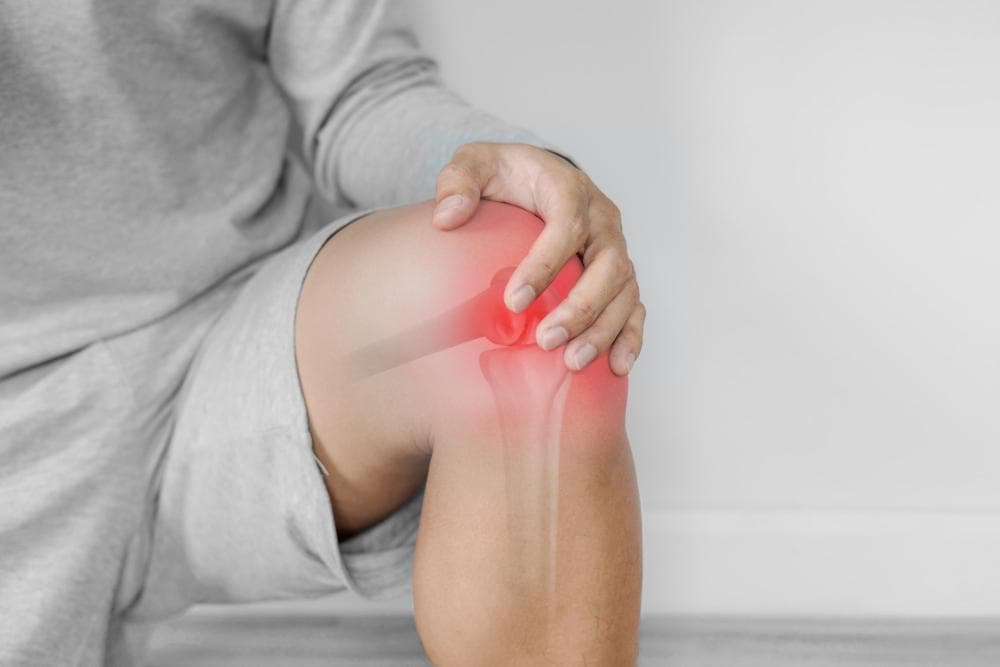
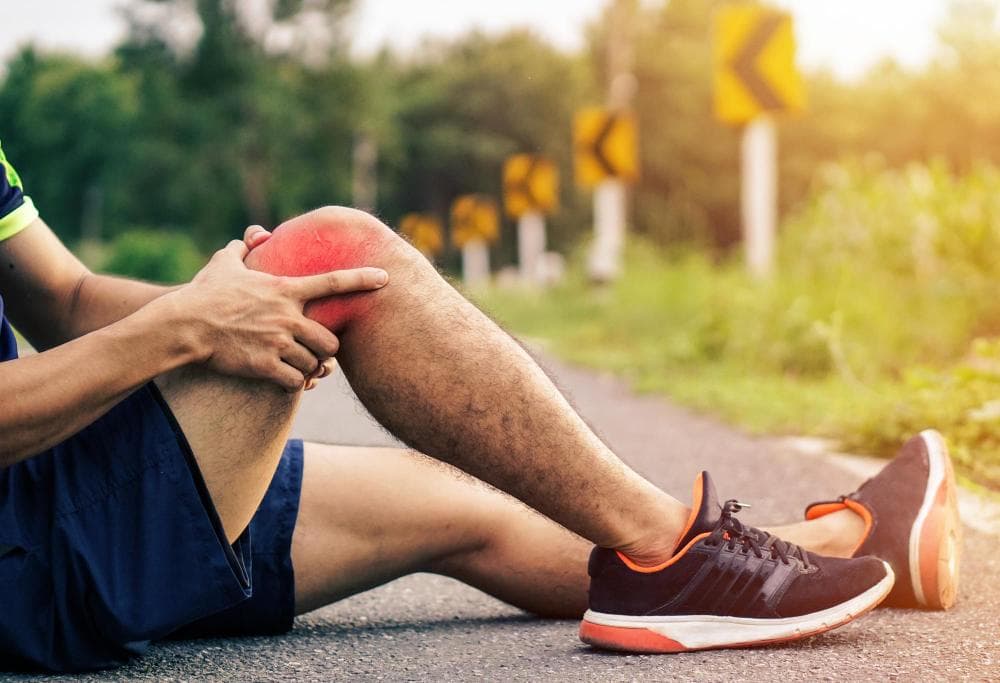
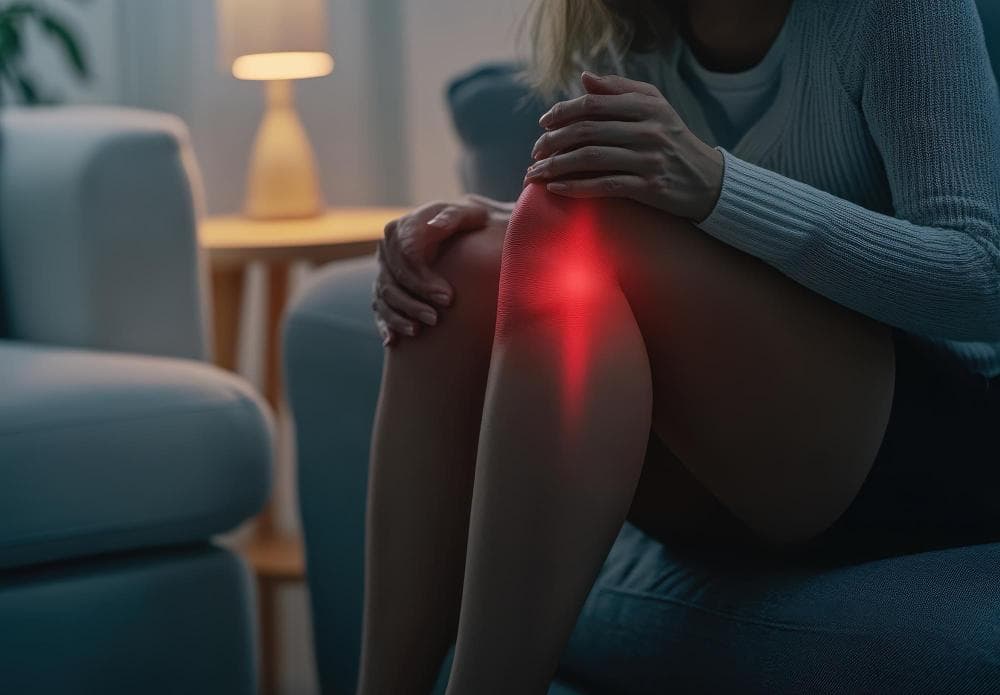
Person sitting on the floor, holding their knee in pain; the highlighted knee is red.
Knee deformities may not be noticed in the beginning, particularly when they appear to be insignificant, and there's no pain involved. But, structural changes in the knee joint can eventually affect one's posture, gait, and the general joint's health. Without being treated, they might result in chronic pain, instability, or even premature degeneration of the joint.
Age is not always a factor. A child might develop deformities as part of its growing process, whereas an adult's could result from either an injury, arthritis, or long-term strain. Therefore, a few early signs must not be ignored, so as to avert complications and preserve one's locomotion.
The only way to make a real difference is to do away with visible changes or a degree of discomfort and obtain immediate care and attention. In the following lines, you can learn what a knee deformity is, what its causes and symptoms are, and when you should actually consider consulting an orthopedic doctor.
What Are Knee Deformities?
A knee deformity is defined as an inappropriate alignment or architecture of the knee joint. Knee alignment is considered healthy when it is straight with an equal distribution of load through the joint; abnormal alignment and posture result in deformities that can affect a person's gait and stability. The primary types of knee deformities include:
- Bow Legs (Genu Varum) - This is characterized by the knees staying apart while the ankles are together, making the legs appear to be bowed.
- Knock Knees (Genu Valgum) - This is characterized by the knees appearing to knock together while the ankles remain separate.
- Knee Hyperextension (Genu Recurvatum) - This is characterized by the knee bending backward, causing an abnormal strain to the knee ligaments and joint.
- Windswept Deformity - A compound condition whereby one knee is inwardly rotated (knocked knee) and the other outwardly rotated (bow-legged). Is relatively rare but can have a pronounced effect on a person's posture and balance.
- Flexion Deformity of the knee - In this deformity, the knee is not able to extend and therefore remains partially flexed. This is caused by tightness of the musculature of the thigh, injury, or an ongoing articular disease.
Causes Of Knee Deformities
Several things cause the knee to be out of line or turn in or out of proper alignment. Most causes are related to the growth patterns of childhood or lifestyle-related factors, which in turn impact how the bones develop, how they take the weight, and how the joint maintains correct alignment.
1. Birth Or Development Disorders
A birth problem, or a problem that develops while growing, can cause problems. During growth in childhood, the bones still develop from the plates inside them, and if any imbalances occur in these plates, such as bow legs, knock knees, etc. Can occur. Generally, minor problems in children correct as they grow up, but if they become permanent, or develop more, a visit to the doctor is needed.
2. Vitamin Deficiencies
Your bones will not develop correctly without nutrients, and a deficiency in Vitamin D and Calcium can make your bones become weak and your bones become too soft. This will lead to the knees taking on an incorrect shape. Rickets can form from Vitamin D deficiency in childhood.
3. Joint Disease And Damage
In adults, the knee joint deteriorates over time due to conditions like osteoarthritis, where the padding on the knee joint becomes thin. The joint can then change its alignment as the weight is not distributed as easily as before, and this eventually leads to the bones getting put out of place.
4. Trauma And Injury
An injury such as a broken bone or a torn ligament in the knee can damage the bone, and this can put it out of alignment. If this heals badly it will cause the knee to look out of line, it will put it out of line. Minor injuries could also contribute to it eventually, over a longer period of time.
5. Lifestyle And Body Weight
Being overweight has a great impact on the knees, constantly placing strain on them, thus increasing the likelihood of them wearing out faster, and this can then put them out of alignment, especially if an unhealthy or sedentary lifestyle is kept up. Lack of muscle support can also contribute, due to lifestyle not including enough exercise, or due to poor posture.
Signs And Symptoms You Shouldn’t Ignore
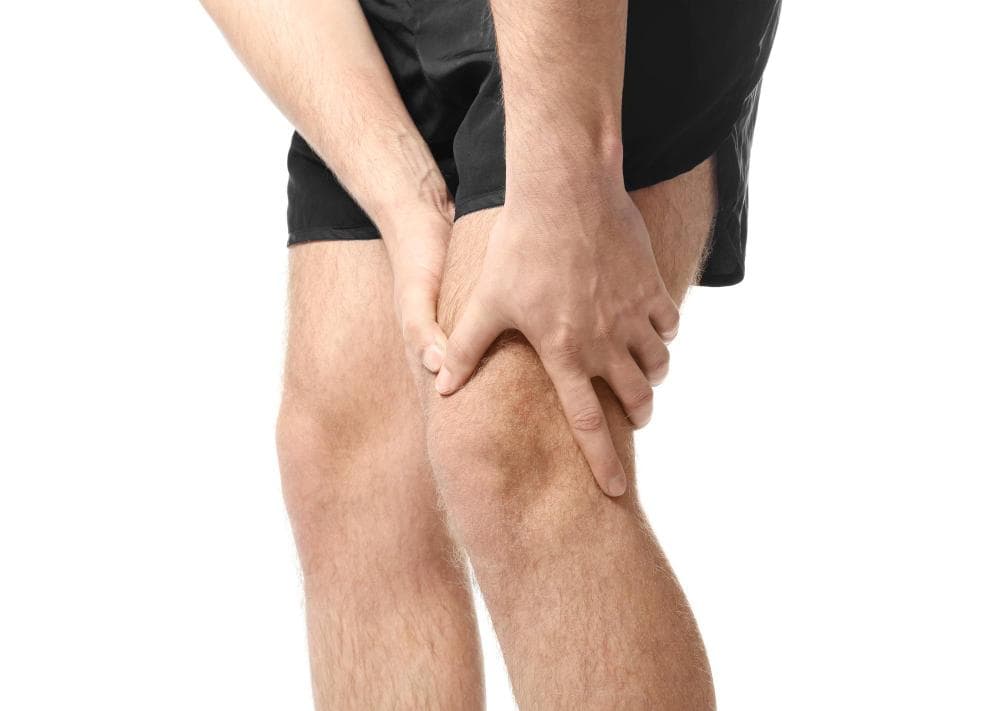
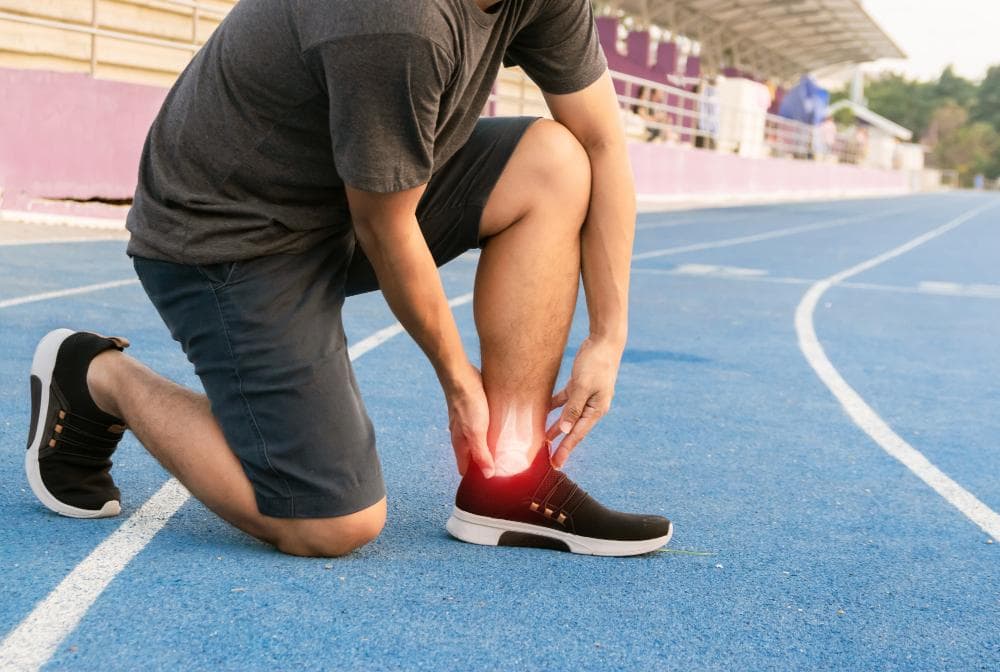
Person standing, holding knee in pain, picture is on a white background.
These conditions generally develop over time, but there are a few early symptoms that can signal the progression of these knee deformities.
- Visible misalignment - A change in shape and/or position in one or both of the knees will be the first noticeable symptom.
- Knee pain - May be moderate at first and become severe with strenuous activity or standing for extended periods of time.
- Gait impairment - Limping or an inability to walk in a consistent gait can signify that an abnormality has developed.
- Stiffness in the joint - Stiffness that usually occurs after sitting for a prolonged period of time is also a sign of potential deformity.
- Lack of full mobility - The knee cannot be bent and straightened in a complete motion.
- Recurrent instability - The knee becomes weak at various intervals.
How Knee Deformities Affect Daily Life?
Without intervention, knee deformities can affect everyday living, activities, and the general quality of life.
- Problems walking and standing up for extended periods of time.
- A higher chance of falling because of balance.
- Overstressing of surrounding joints, i.e., the hip and ankles.
- Earlier than expected development of joint wear.
In the longer term, day-to-day activities, i.e., climbing stairs and sitting down in chairs, can become problematic.
Diagnosis Of Knee Deformities
Accurate assessment of the cause and magnitude of the deformity is vital for diagnosis.
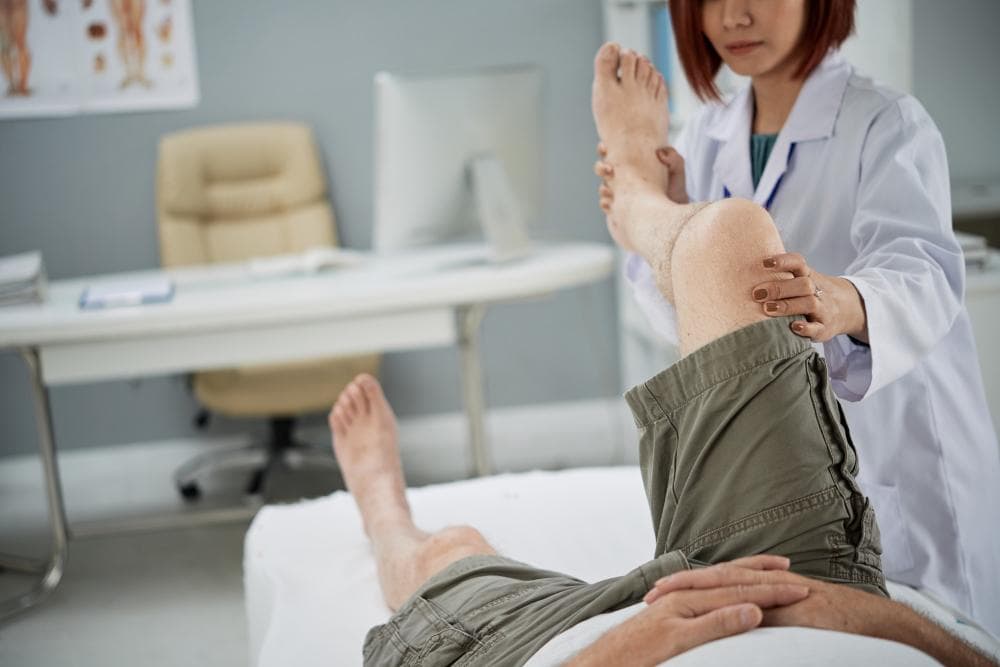
- Physical examination - The position of the patient and the way he walks, and the positioning of joints are observed.
- Imaging examinations - X-rays, scans of advanced technologies, may help view bone alignment and joint condition.
- Gait analysis - It aids in understanding how gait and weight-bearing are influenced.
To get a correct diagnosis and have treatment tailored as per requirements, consult an orthopaedic with high experience like Dr. Mayank Chauhan from Noida.
Treatment Options For Knee Deformities
Treatment approaches to knee deformities vary depending on the severity of the deformity, the age of the patient, and the reason for the knee deformity. Medical and physical therapy treatment addresses the visual deformity, as well as corrects alignment, manages pain, and improves function.
1. Physiotherapy
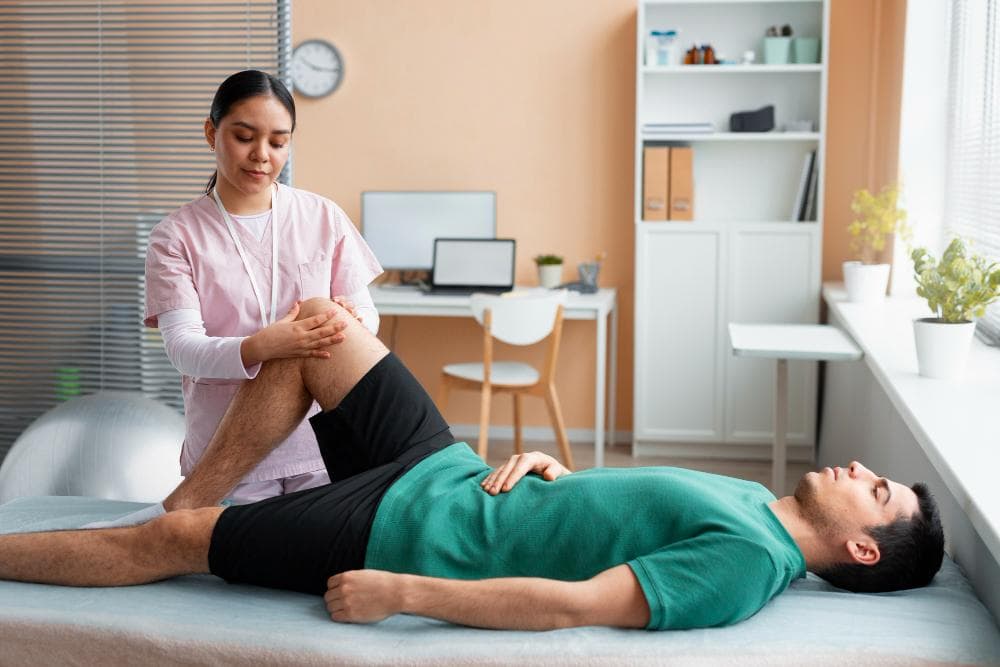
Physiotherapy is often an important treatment in the management of knee deformities. By strengthening the muscles that support the knee, particularly the quadriceps and hamstrings, proper alignment can be promoted. The physiotherapy program will address flexibility, balance, gait, and improve knee motion. Over time, physiotherapy will decrease stress on the joint and increase control over movement.
2. Bracing And Support
Braces and orthotics can be used to help guide the knee into its proper alignment. In children, braces can help to realign the bones as they grow. For adults, bracing may help to limit further progression of deformity and provide stability to improve function.
3. Medication
Medication use is for symptoms associated with the knee deformity. It is primarily used for pain and inflammation associated with the knee deformity, but it is not a correction of the deformity itself. With the reduction of pain, it may allow greater function in therapy.
4. Lifestyle Modifications
The patient may implement a number of lifestyle changes in order to better manage knee deformity. Weight loss decreases excessive stress on the knee, and the avoidance of impact activities can further prevent injury. Low-impact exercise, such as swimming and walking, is beneficial for maintaining motion in the joint.
5. Osteotomy
Osteotomy is a joint-preserving procedure that involves surgically dividing the bone to realign the anatomy of the joint. It is intended to help redistribute weight-bearing stresses more equally about the knee, in turn relieving pain and slowing joint wear and tear. Osteotomy is frequently recommended for younger or active individuals with certain deformities.
6. Knee Replacement Surgery
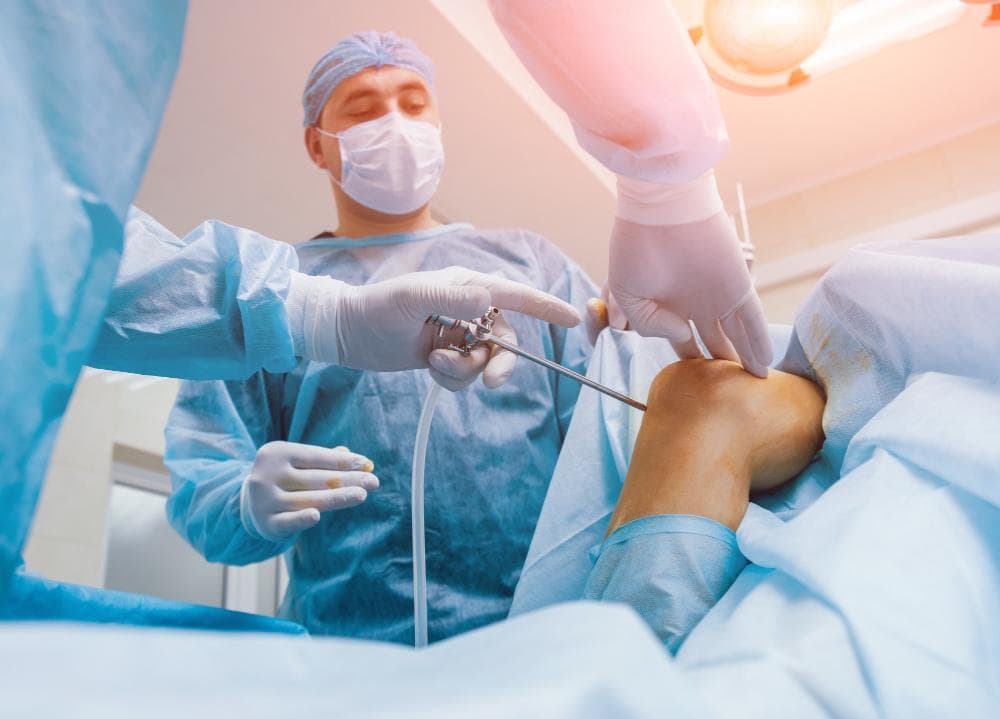
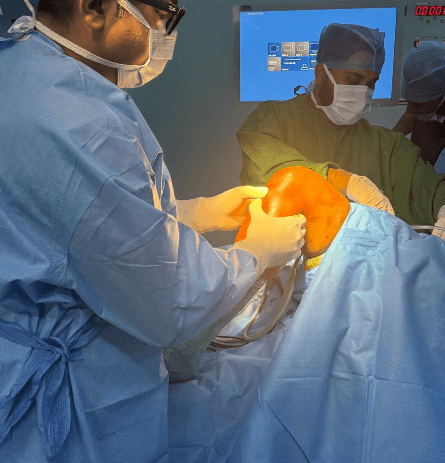
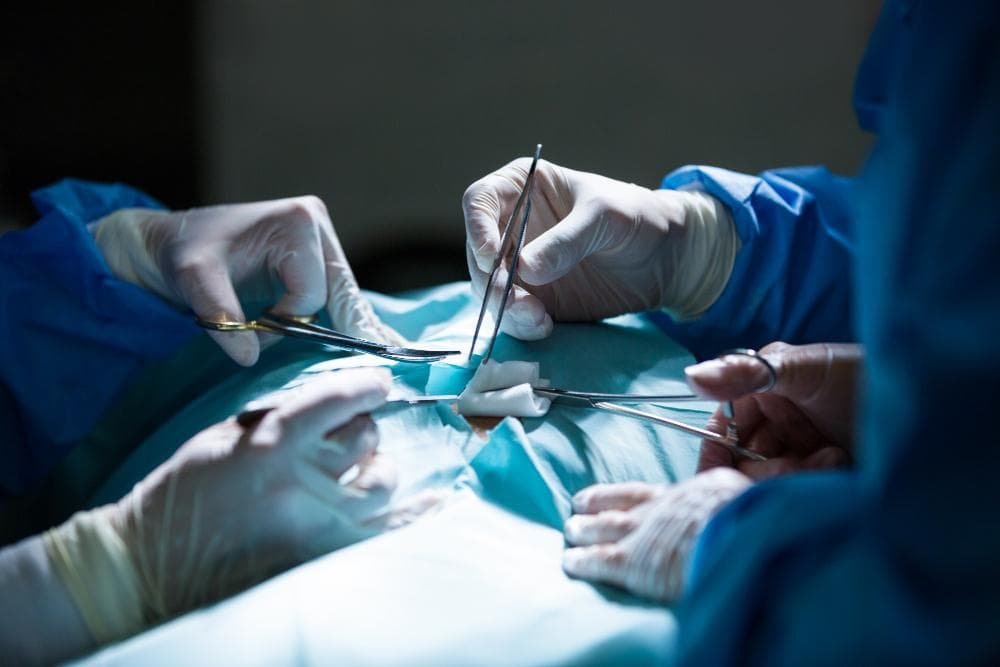
Two surgeons operating on a person's knee in a hospital.
In cases where there has been severe damage to the joint, replacement is considered. Here, the damaged joint is substituted for artificial parts, and correct alignment is restored with loss of function and increased pain (which has been present for a significant duration), the usual reason for consideration.
It is important for knee deformities to be identified at an early stage. If treated early, a deformity will not be progressive, and good mobility can be achieved. In most cases, the development of a surgery will be prevented or at least postponed.
Prevention Tips For Better Knee Health
Not all the deformations are preventable, but some measures can be taken to minimize the risk.
- Maintain normal body weight.
- Keep your body active through appropriate exercise.
- A balanced and healthy diet promotes bone strength.
- Prevent undue strain and wrong posturing.
- Treat any injury early.
When To See An Orthopedic Specialist
There are signs that we must never ignore. It is imperative to visit the doctor to get your condition properly assessed and diagnosed, for the following:
- If the pain doesn't resolve itself after a few weeks, you have something to be worried about.
- If you see your knee becoming noticeably misshapen, you should act quickly.
- It is difficult for you to sit, walk, or climb stairs. These are also important indicators that should not be neglected.
- Your joint balance may not be as healthy as it seems if you keep falling.
- You are unable to bend or move your knee fully, which may only exacerbate if ignored.
Final Thoughts
Knee deformities are more than simply a structural problem; they have a profound impact on our mobility, confidence, and the overall long-term health of the joint. Being aware of the early signs and seeking treatment can save you from experiencing significant complications in the future.
In most cases, deformities can be managed with proper treatment; in some situations, they may even be corrected entirely. Early diagnosis is always key to treatment and can often prevent the need for any more invasive procedures.
For evaluation and treatment from an experienced surgeon in Noida, consider consulting Dr. Mayank Chauhan, an expert who aims to restore your knee's alignment, ease your discomfort, and get you back to enjoying life's activities.
Frequently Asked Questions (FAQs)
1. Causes of adult knee deformity?
Common causes include arthritis, injury, obesity, and degeneration of the joint.
2. Are knee deformities treatable without surgery?
Yes, mild to moderate deformities can be treated with physiotherapy, bracing, and altering lifestyle factors.
3. Are knee deformities painful?
Initially, they may not cause pain, but pain, stiffness, and discomfort are typically experienced as the condition progresses.
4. Who should be seen for knee deformity?
A doctor should be consulted if there is obvious misalignment, constant pain, and difficulties with walking.