Life After ACL Surgery - Return to Sport, Recovery Milestones and Long-Term Knee Health
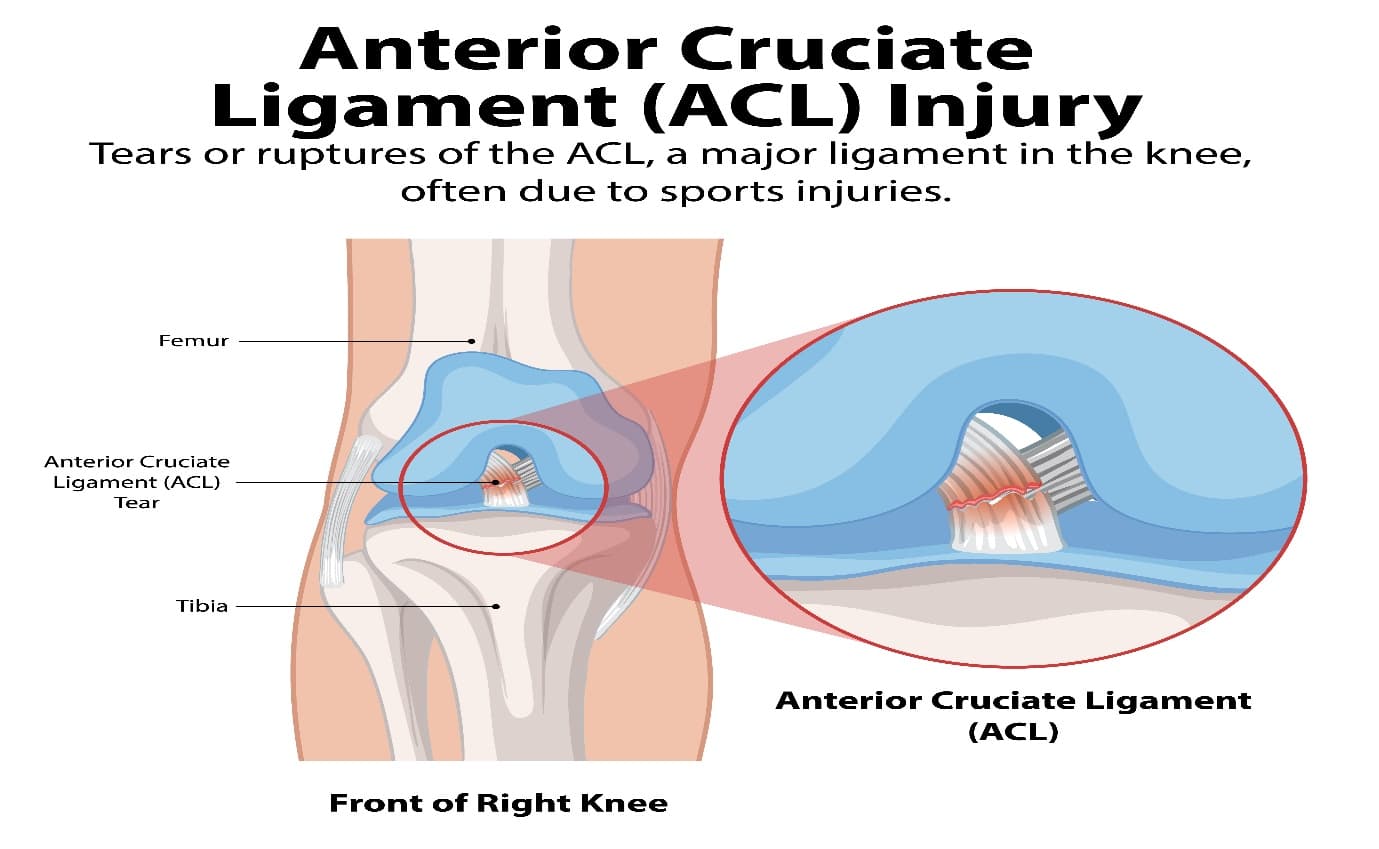
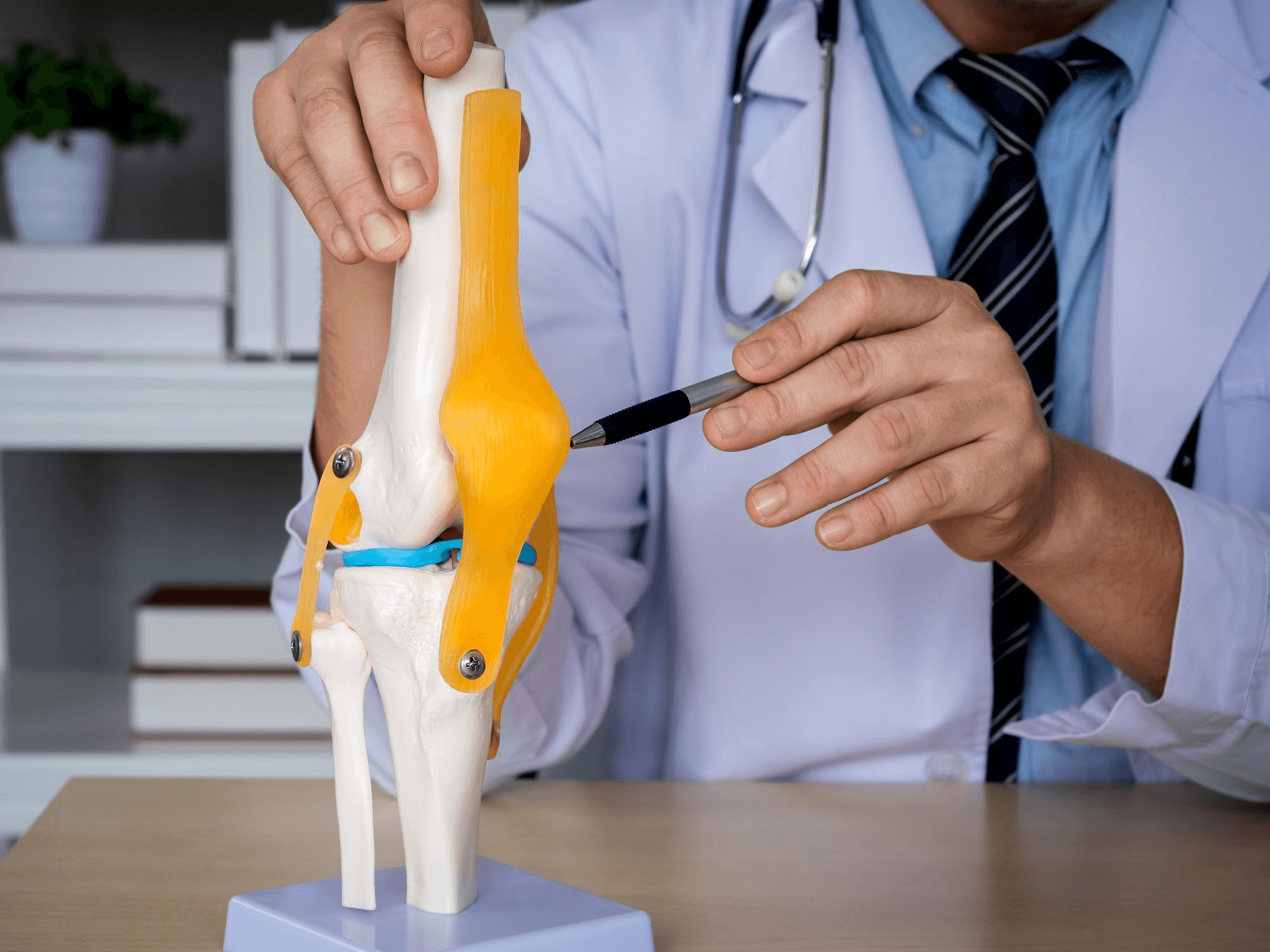
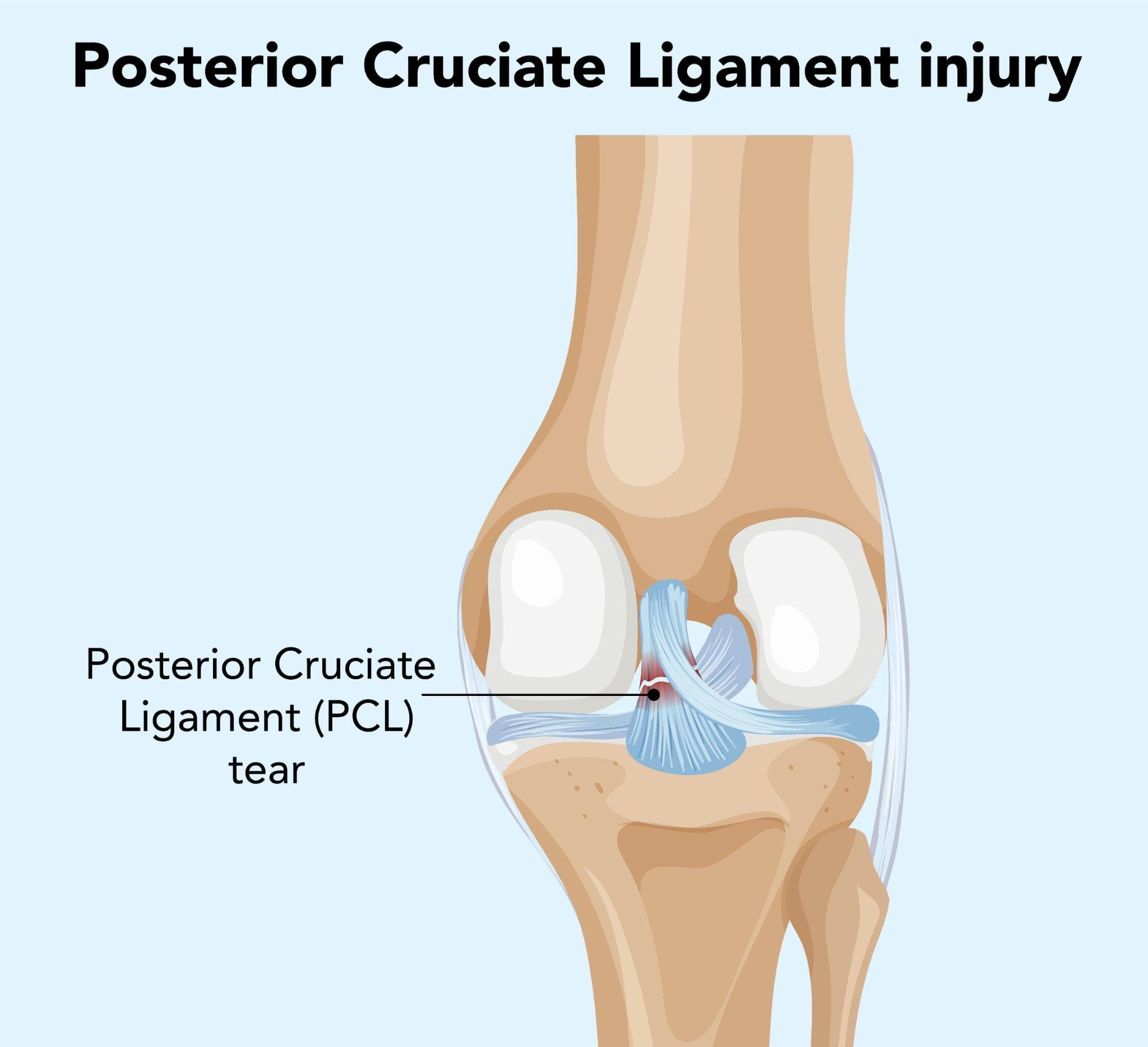
Detailed medical illustration of an anterior cruciate ligament (ACL) injury in the knee.
ACL reconstruction is a major procedure — but it is also, for the right patients, one of the most reliably successful operations in sports medicine. The majority of well-motivated patients who undergo ACL reconstruction and complete their rehabilitation return to sport at or near their pre-injury level.
Yet the recovery is long, the milestones are demanding, and the psychological journey — the frustration of slow progress, the fear of re-injury, the performance anxiety — is often as challenging as the physical rehabilitation. Understanding what the recovery actually involves, what the milestones are, and what determines whether you return to sport fully and safely makes the entire process more manageable.
This guide covers life after ACL surgery from the day after the operation to 12 months and beyond — written for athletes and active patients in Noida who want to understand exactly what they're getting into.
The Graft — Why Recovery Takes So Long
The fundamental reason ACL recovery takes 6–9 months is biological: the graft must undergo a process called ligamentisation.
When the graft (typically a hamstring or patellar tendon graft from your own body) is placed in the knee, it is mechanically strong but biologically dead — it has no blood supply, no nerve supply, and no living cells. Over the following months, the body gradually repopulates the graft with living tissue. New blood vessels grow into it (revascularisation). New fibroblasts (connective tissue cells) migrate in and begin laying down new collagen. The dead tendon graft is slowly replaced by tissue that more closely resembles the original ACL.
The problem is timing: the graft actually becomes weaker before it becomes stronger. In the early weeks after surgery, the graft still has some mechanical strength from the original tendon structure. By approximately 6–8 weeks, the original tendon structure has been broken down as part of the revascularisation process, but the new ACL-like tissue has not yet formed — this is the "ligamentisation valley," the period of minimum graft strength. By 6 months, significant ligamentisation has occurred. By 9–12 months, it is more complete — though some studies suggest the process continues for 2 years.
This biology is why:
- The return-to-sport timeline is 6–9 months minimum — not based on how you feel, but on when the graft is structurally ready
- Return to sport before 6 months dramatically increases re-tear risk
- The rehabilitation programme is designed to progressively load the graft in a way that stimulates ligamentisation without overloading the vulnerable early graft
The Week-by-Week Recovery Programme
Week 1–2 — Protection and Swelling Control
What happens:
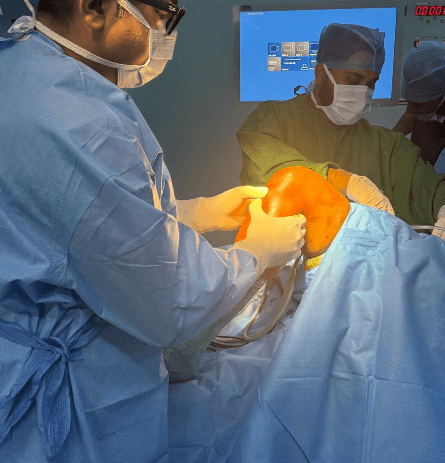
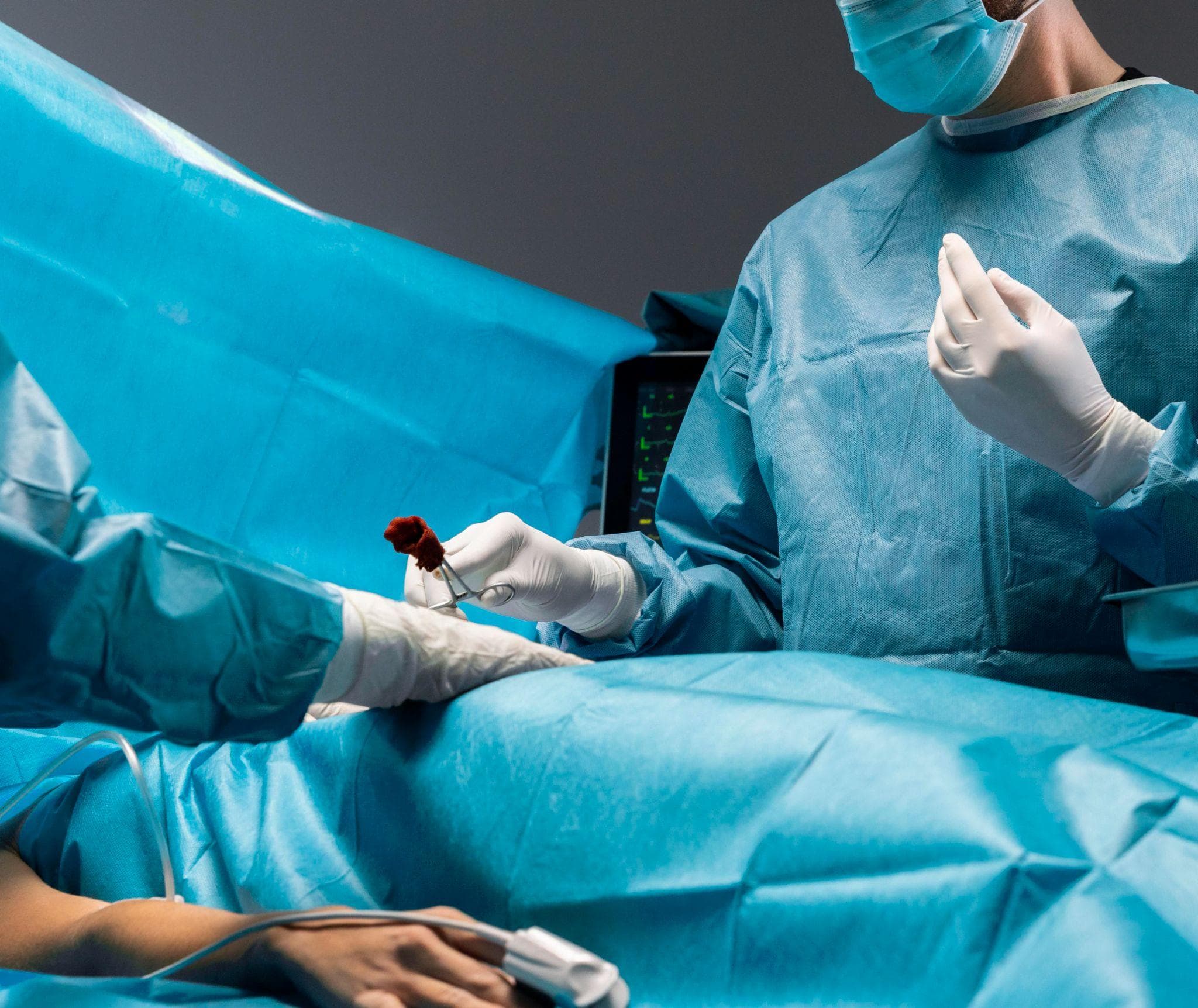
Surgery is done arthroscopically — you wake up with small incisions (under 1 cm each) and a bulky dressing. Most patients are discharged the same day or after one night.
The goals of Weeks 1–2:
- Control swelling and pain — ice, elevation, anti-inflammatory medication
- Protect the graft — avoid positions that stress the early graft (deep flexion beyond 90 degrees, full extension against resistance)
- Quad activation — the most critical early exercise. Quad sets (tightening the thigh muscle with the knee flat) prevent muscle atrophy and set the foundation for all subsequent recovery.
- Straight leg raises — maintaining quadriceps function without loading the knee
- Walking with crutches — full weight-bearing from Day 1 in most protocols, with crutches for balance
The extension priority:
Full knee extension (completely straightening the knee to 0 degrees) must be achieved in Weeks 1–2. Extension loss — the knee not fully straightening — is one of the most common early complications of ACL surgery and leads to long-term functional problems. Do not allow the knee to rest in any slightly bent position. Sleep with the leg straight.
Week 3–6 — Building Range of Motion
Crutches are typically discontinued when the patient can walk without a limp — usually by Week 3–4.
Goals:
- Flexion: Gradually increase knee bending to 120 degrees by Week 4–6
- Strength: Progress from quad sets and straight leg raises to cycling on a stationary bike (cleared from approximately Week 4 when flexion is adequate — typically 100+ degrees)
- Gait: Walk with a normal heel-toe pattern, no limp
Week 6–12 — Strength Building
The most demanding phase of rehabilitation from a physical standpoint.
Goals:
- Quadriceps strength — the biggest priority. Multiple studies show that patients who return to sport before achieving 90% quadriceps symmetry (compared to the non-operated leg) have significantly higher re-tear rates.
- Progressive resistance exercises: leg press, step-ups, Bulgarian split squat, single-leg squat
- Hip strengthening: gluteus medius and gluteus maximus — critical for controlling femoral rotation and reducing valgus loading at the knee on landing
- Proprioception training: balance board, single-leg standing, progressively unstable surfaces
- Stationary cycling: from Weeks 4–6. Outdoor cycling: from Month 2–3.
- Straight-line jogging: typically cleared from Month 3–4 when strength criteria are met
Month 3–5 — Running and Agility
Return to straight-line running:
The transition from cycling to running is a significant milestone. Running puts significantly more impact force through the knee than cycling. The criteria for initiating running are usually:
- No significant swelling with daily activities
- Single-leg hop test: can hop on the operated leg for a distance equal to at least 70–80% of the non-operated leg
- Quadriceps strength symmetry: 70%+ (to begin running; 90%+ for sport)
Running progression:
Starting with walk-jog intervals (1 minute walking, 30 seconds jogging), progressing over 4–6 weeks to continuous running, then increasing speed and distance progressively.
Agility and direction changes:
Side-shuffles, cutting movements, and pivoting — the specific movements that originally tore the ACL — are introduced progressively from Months 4–5. These must not begin until the athlete can run comfortably at full speed in a straight line.
Return-to-sport criteria at Month 5–6:
Not time alone — functional criteria. These typically include:
- Quadriceps strength symmetry index: 90%+ (measured on an isokinetic dynamometer, or estimated by hop testing)
- Single-leg hop test: 90%+ limb symmetry
- Triple-hop for distance: 90%+
- Crossover hop: 90%+
- Patient-reported confidence: 90%+ on ACL-RSI (psychological readiness to return to sport scale)
If these criteria are not met at 6 months — which is common — the return-to-sport date is pushed back until they are. Time alone does not determine return to sport. Criteria determine it.
Month 6–9 — Return to Sport
Full sport return is typically at 6–9 months — 9 months is generally safer than 6 months for most athletes, particularly in high-demand sports with cutting and pivoting.
Studies have consistently shown that returning at 9 months rather than 6 months significantly reduces re-tear risk — even when functional criteria are met at 6 months. The additional time allows further ligamentisation and neuromuscular adaptation.
Return-to-sport progression:
- Full training — non-contact first (training drills but no contact, match situations)
- Full training with contact
- Full competitive match play
The final milestone is not surgery — it is performing in match conditions with full confidence in the knee.
The Psychological Recovery — Often the Hardest Part
The physical recovery from ACL surgery gets most of the attention. The psychological recovery is less discussed but equally important — and often the limiting factor in a successful return to sport.
Fear of re-injury:
At 6–9 months, many athletes are physically ready to return to sport. But they are afraid. The memory of the original injury — the pop, the immediate instability, the helplessness — creates a conditioned fear response to pivoting, landing, and the specific movements that caused the original tear.
This kinesiophobia (fear of movement) is not weakness. It is a normal response to a significant trauma. And it is measurable — validated tools like the ACL-RSI (Return to Sport after Injury Scale) quantify an athlete's psychological readiness. Athletes who return with high fear scores have higher re-injury rates than those who return with high confidence.
Strategies for psychological readiness:
- Graduated exposure to the feared movements — systematically and progressively performing cutting, pivoting, and landing in controlled training settings before competitive play
- Working with a sports physiotherapist who specifically addresses movement confidence
- Goal-setting and milestone tracking — the progressive achievement of physical criteria builds justified confidence
- In some athletes, formal psychological support (sports psychology) significantly accelerates readiness
The frustration of slow progress:
ACL recovery does not progress in a straight line. There are weeks of minimal apparent improvement between major milestones. Understanding that this is normal — and that rehabilitation progress is cumulative even when it doesn't feel like it — helps athletes maintain the consistency that determines outcomes.
Re-Tear Risk — Protecting the New ACL
The overall re-tear rate after ACL reconstruction is approximately 5–10%. In young athletes (under 25) returning to high-demand sports, it is higher — some studies show 15–25% in this demographic.
Factors that increase re-tear risk:
- Returning to sport before 9 months
- Returning before functional criteria are met (strength and hop symmetry < 90%)
- Young age and high-level competitive sport
- Female gender (due to the same biomechanical factors that caused the original tear)
- Allograft (cadaver) graft — higher re-tear rates than autograft in young active patients
- Previous ACL injury on either side
Protecting the new ACL:
- Neuromuscular training programmes (FIFA 11+, PEP programme) — specifically designed to reduce ACL re-injury risk by improving landing mechanics, hip and quadriceps control, and movement patterns
- Maintaining quadriceps and hip strength long-term — not just through rehabilitation but as a permanent conditioning priority
- Avoiding early return to sport regardless of how the knee "feels."
Long-Term Knee Health After ACL Reconstruction
Arthritis risk:
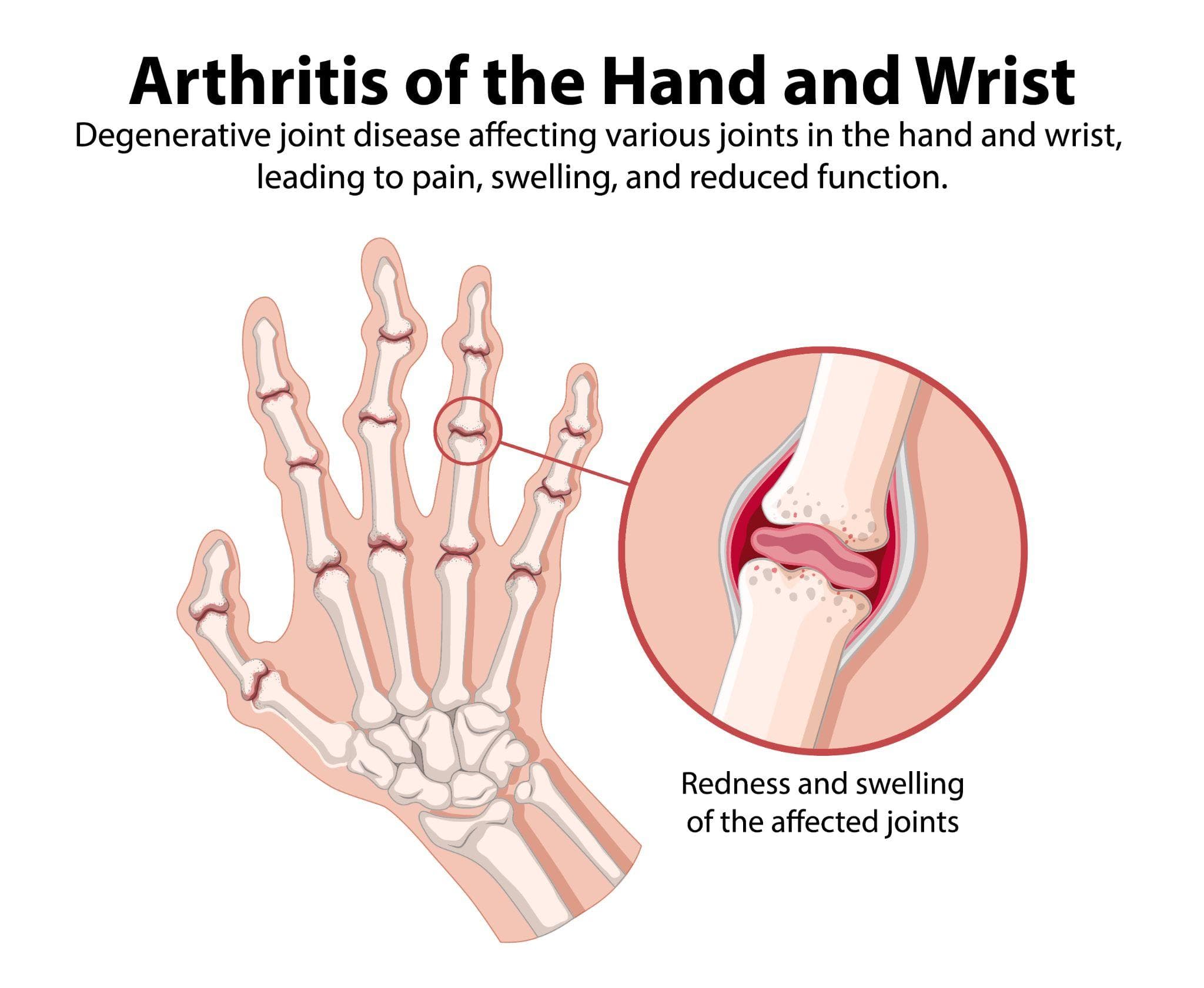
An ACL injury — even with successful reconstruction — increases the long-term risk of knee osteoarthritis. Studies consistently show that ACL-injured knees develop OA at higher rates than uninjured knees, even with surgery. This risk is increased by:
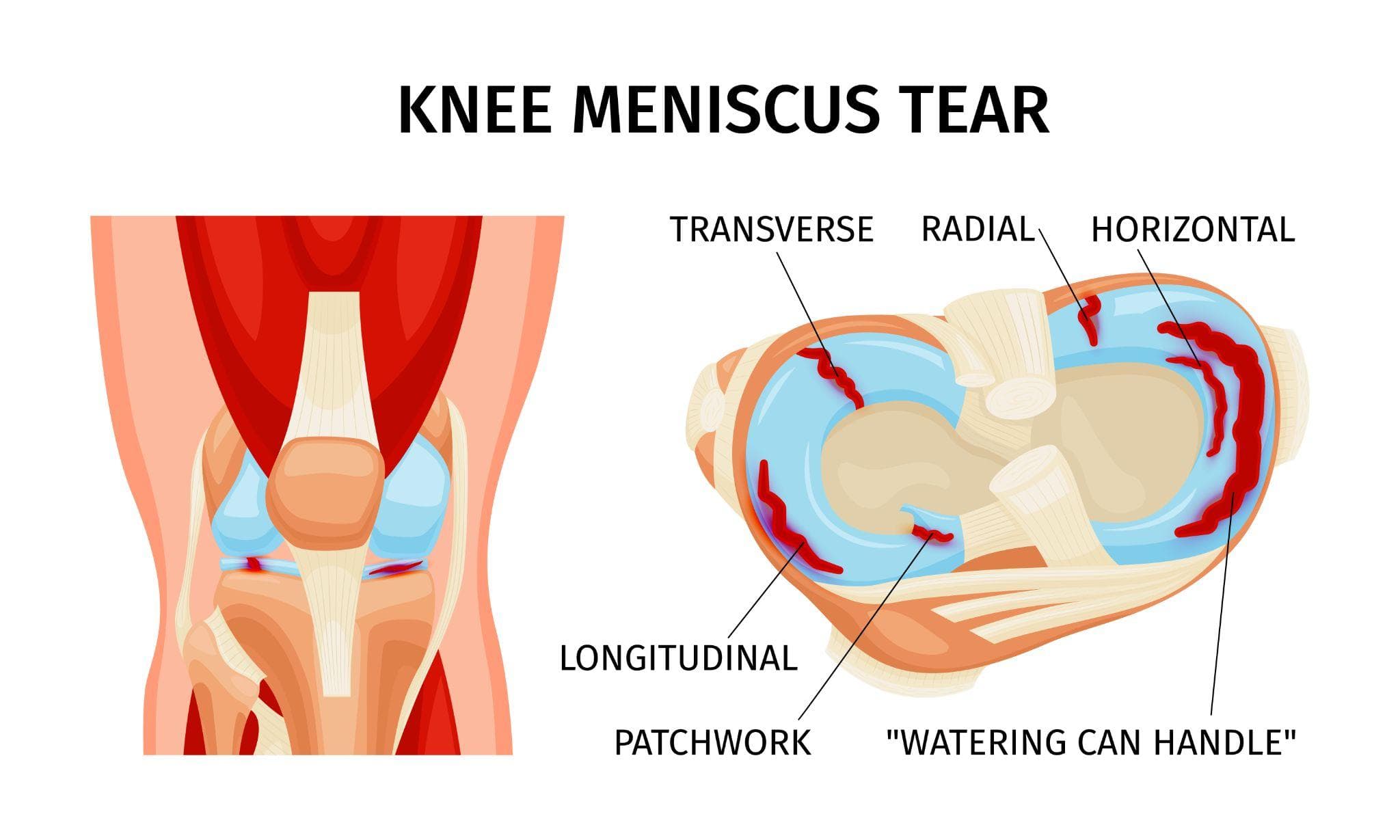
- Associated meniscal injury (the most important factor — meniscal loss significantly accelerates cartilage wear)
- Bone bruising at the time of the original injury
- Altered joint mechanics
Minimising long-term arthritis risk:
- Maintaining a healthy body weight
- Continuing with low-impact exercise long-term (swimming, cycling)
- Protecting the meniscus at the time of ACL reconstruction — repair rather than removal wherever possible
- Maintaining quadriceps strength — the muscle's shock-absorbing function protects the articular cartilage
ACL Recovery in Noida — Dr. Mayank Chauhan at Prakash Hospital
Dr. Mayank Chauhan, Senior Orthopedic Surgeon at Prakash Hospital, Sector 33, Noida, performs ACL reconstruction and guides patients through the complete recovery pathway — from surgical planning and graft selection through structured return-to-sport testing.
For athletes in Noida and Greater Noida who have undergone ACL surgery and are mid-rehabilitation, a consultation provides an objective assessment of where recovery stands against expected criteria — and identifies any elements of the programme that need adjustment.
For patients yet to have surgery, the pre-operative consultation covers graft selection, expected timeline, and what the rehabilitation commitment looks like — so there are no surprises in the months ahead. To book a consultation, call the number listed on the website.
The Bottom Line
ACL recovery is a 9-month commitment, not a 6-month procedure. The graft must ligamentise. The muscles must reach 90%+ symmetry. The athlete must be psychologically ready. These criteria are not bureaucratic — they directly determine re-injury risk. The athletes who do best after ACL reconstruction are those who take the rehabilitation as seriously as any other aspect of their sport — consistently, patiently, and objectively.
To consult Dr. Mayank Chauhan, Senior Orthopedic Surgeon in Noida, call the number listed on the website.