Knee Replacement For Diabetic Patients - Risks, Precautions, And How To Optimise Outcomes
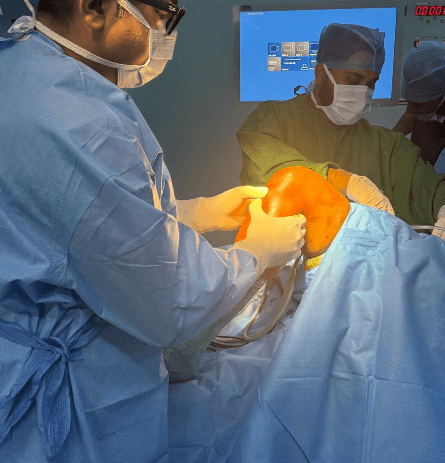
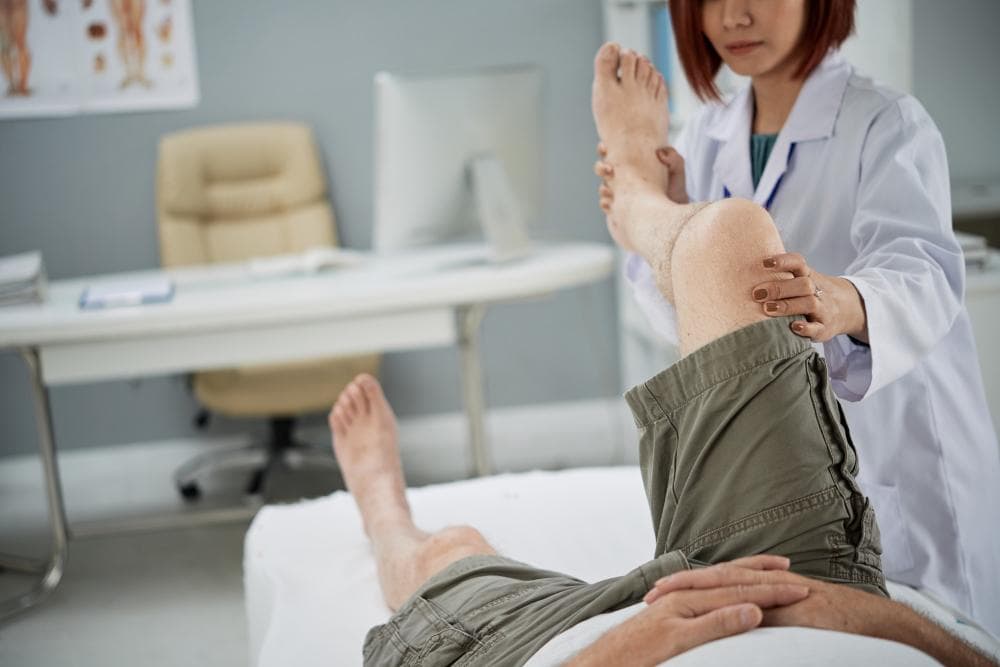
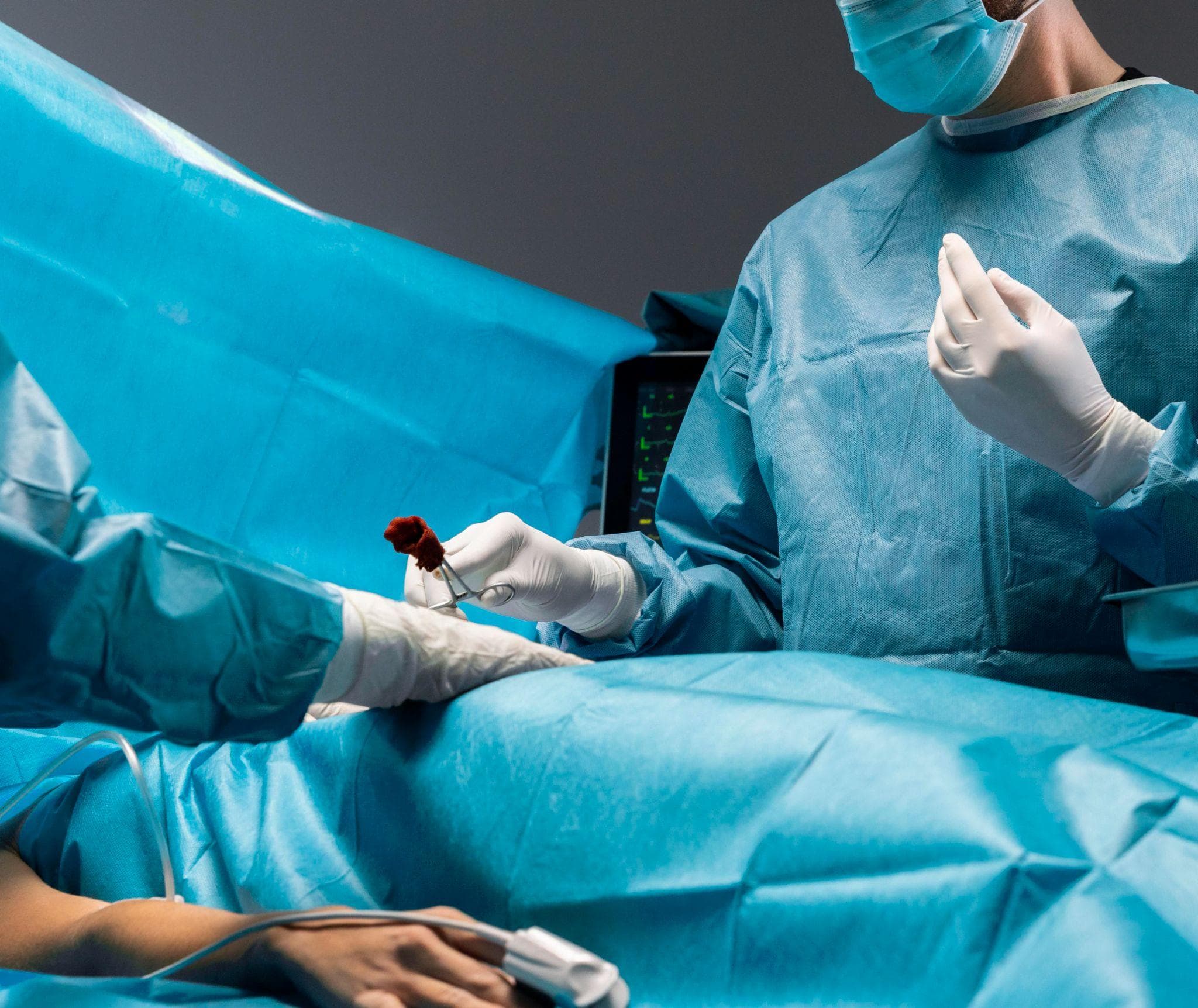
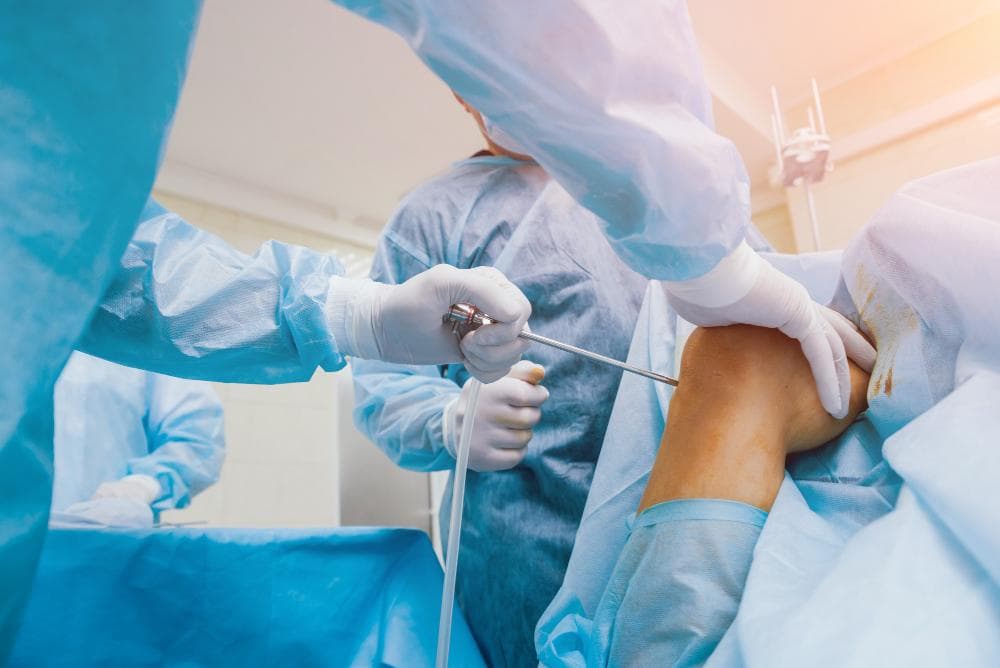
Orthopedic doctor performing knee replacement surgery.
India has the world's second-largest diabetes burden, with over 77 million adults living with Type 2 diabetes as of the latest estimates. In Noida's urban population, the prevalence of diabetes among adults over 40 is particularly high, driven by sedentary lifestyles, caloric excess, and strong genetic predisposition.
The overlap between diabetes and knee arthritis is substantial. Diabetes independently increases the risk of OA through multiple mechanisms: obesity-related joint load, altered collagen metabolism, and the inflammatory effects of chronic hyperglycaemia on cartilage. As a result, orthopaedic clinics in Noida see a very high proportion of patients with diabetes who also need knee replacement.
The question is not whether diabetic patients can have a knee replacement. They can, and the results are generally good. The question is what the specific risks are, what additional preparation is required, and what both the surgeon and the patient need to do to achieve the best possible outcome.
How Diabetes Affects Surgical Risk - The Mechanisms
Diabetes affects several systems that are critical to surgical safety and recovery:
1. Wound Healing
High blood glucose impairs virtually every aspect of wound healing:
- Neutrophil function: Elevated glucose impairs the ability of white blood cells to migrate to infection sites and kill bacteria, reducing the body's first-line defence against surgical site infection.
- Collagen synthesis: Glucose metabolic byproducts (AGEs - advanced glycation end products) cross-link and stiffen collagen, impairing the matrix formation needed for wound healing.
- Angiogenesis: Diabetic microangiopathy (small vessel disease) reduces the blood supply to healing tissue wounds in diabetic patients, who are less vascularised and heal more slowly.
- Peripheral neuropathy: Reduced sensation means wound problems may go unnoticed until more advanced.
The result: Diabetic patients have wound complication rates (delayed healing, dehiscence, superficial infection) that are 2–3 times higher than non-diabetic patients after knee replacement.
2. Infection Risk
Surgical site infection (SSI) is the most feared complication of joint replacement. In non-diabetic patients, periprosthetic infection rates are approximately 1–2% — a complication that typically requires revision surgery, prolonged antibiotics, and can ultimately result in joint explantation in severe cases. In diabetic patients with poor glucose control (HbA1c > 8–9%), SSI rates can be 3–4 times higher. This increased risk comes from:
- Impaired immune function (as above).
- Elevated blood glucose provides a growth medium for bacteria (many bacteria thrive in a high-glucose environment).
- Poor wound healing, creating prolonged wound exposure.
- Pre-existing skin flora changes in diabetic patients.
3. Perioperative Glycaemic Management
Surgery creates significant physiological stress; the stress response elevates cortisol, adrenaline, and glucagon, all of which raise blood glucose. In diabetic patients, this perioperative glucose elevation is more pronounced and more difficult to control than in non-diabetic patients. Uncontrolled perioperative hyperglycaemia is directly associated with:
- Higher SSI rates
- Longer hospital stays
- Higher cardiovascular complication rates
- Poorer functional outcomes
Managing blood glucose across the perioperative period before surgery, during surgery, and in the recovery period requires coordinated planning between the orthopedic surgeon, the anaesthesiologist, and the physician or diabetologist managing the patient's diabetes.
4. Cardiovascular Risk
Diabetes significantly increases cardiovascular risk. Coronary artery disease, cardiomyopathy, and autonomic neuropathy all increase perioperative cardiac complication risk. Any diabetic patient being considered for elective knee replacement should have a full cardiovascular assessment, including ECG, echocardiogram, and, where indicated, a cardiology consultation, before surgery.
5. Delayed Nerve Recovery
Peripheral neuropathy, nerve damage from chronic hyperglycaemia, affects post-operative recovery in two ways. First, altered pain sensation makes it harder to distinguish post-operative pain from complications. Second, reduced proprioception (joint position sense) impairs the neuromuscular retraining that is essential for walking after knee replacement.
HbA1c - The Key Metric Before Surgery
HbA1c (glycosylated haemoglobin) measures average blood glucose over the preceding 2-3 months. It is the most important pre-operative parameter for diabetic patients planning knee replacement. Why HbA1c matters:
Multiple studies have identified HbA1c as the strongest predictor of post-operative complication risk in diabetic joint replacement patients. The relationship is a sliding scale:
| HbA1c Level | Risk Category |
|---|---|
| Below 7% | Well-controlled — acceptable surgical risk |
| 7–8% | Moderately controlled — discuss with diabetologist; optimise if possible |
| 8–9% | Poorly controlled — significant increase in complication risk; optimise before surgery |
| Above 9% | High risk — postpone elective surgery until better control is achieved; mandatory diabetologist review |
The current consensus: Most orthopedic surgical guidelines recommend an HbA1c of 7.5-8% or lower as the threshold for elective joint replacement, with lower being better. Surgery above an HbA1c of 9% should generally be deferred pending better glycaemic control, unless there is a compelling reason to proceed.
Important caveat: HbA1c thresholds are guides, not absolute rules. A patient with HbA1c of 8.5% who is otherwise medically optimised, non-obese, a non-smoker, and well-motivated may have a better surgical outcome than a patient with HbA1c of 7.5% who is obese, smokes, and has poor nutritional status. The full clinical picture matters.
Pre-Operative Optimisation - The Essential Steps
For diabetic patients planning knee replacement in Noida, pre-operative optimisation is not just recommended, it is essential for achieving good outcomes. A structured approach should begin at least 4–8 weeks before the planned surgery date.
1. Blood Sugar Control
The primary goal is reaching the target HbA1c before surgery. If current control is inadequate:
Review current medications:
- Is the patient on metformin, sulphonylureas, GLP-1 agonists, SGLT-2 inhibitors, insulin, or a combination?
- Are all medications being taken correctly?
- Are there barriers to medication compliance that can be addressed?
Metformin perioperative management: Metformin is typically stopped 48 hours before surgery (risk of lactic acidosis in the perioperative state) and restarted after surgery when the patient is eating and drinking normally, and kidney function is confirmed to be adequate. This gap in metformin therapy may require temporary dose increases in other medications.
SGLT-2 inhibitors (dapagliflozin, empagliflozin): Must be stopped at least 3–4 days before surgery, due to the risk of euglycaemic diabetic ketoacidosis perioperatively.
Insulin: Managed carefully through the perioperative period, typically a reduced basal insulin dose the night before and morning of surgery, with blood glucose monitoring every 2 hours and correction as needed.
Diabetologist involvement: For any patient with HbA1c above 8% planning elective knee replacement, a pre-operative diabetologist consultation to optimise the regimen specifically for the perioperative period is the standard of care.
2. Weight Optimisation

A man standing on weighing scale.
Obesity and diabetes frequently coexist, and obesity independently increases surgical complication risk. Where possible, pre-operative weight reduction improves both blood sugar control and surgical outcomes. Even 5% weight loss in the 6–8 weeks before surgery has measurable benefits.
3. Nutritional Assessment
Diabetic patients are at higher risk of malnutrition, particularly protein deficiency, which impairs wound healing and immune function. Pre-operative nutritional screening with supplementation (protein supplements, micronutrient assessment), where deficiency is identified, reduces post-operative complications.
4. Dental Clearance
Any active dental infection, including poor dentition with chronic periodontal disease, must be treated before elective joint replacement. Bacteria from the mouth can seed the bloodstream during dental procedures (including routine dental cleaning) and colonise the new joint implant, causing periprosthetic infection. Full dental clearance is mandatory.
5. Smoking Cessation
Smoking impairs wound healing, increases infection risk, and worsens glycaemic control. Ideally, smoking cessation should occur at least 6 weeks before elective surgery. Nicotine replacement therapy or pharmacological support can help.
Perioperative Blood Glucose Management
The target blood glucose range during and immediately after surgery is typically 140–180 mg/dL (7.8–10 mmol/L). This range is:
- Low enough to minimise infection risk and support wound healing.
- High enough to avoid hypoglycaemia, which is dangerous and more difficult to detect in the sedated or post-operative patient.
The anaesthesiologist and surgical team monitor blood glucose every 1–2 hours during and immediately after surgery, with insulin correction as needed. Post-operatively, blood glucose monitoring continues 4 times daily until the patient is eating and drinking normally and their pre-operative medication regimen can be resumed.
Post-Operative Care Specific To Diabetic Patients
Wound monitoring: The wound in a diabetic patient requires more frequent and more careful monitoring than in a non-diabetic patient. Any redness, warmth, swelling, or discharge beyond what is expected should be reported immediately. Do not wait for the scheduled follow-up if wound concerns arise.
Blood glucose during recovery: The stress of surgery and the inflammatory response of healing both elevate blood glucose. Blood glucose monitoring should continue twice daily for the first 2 weeks at home, with the patient's physician or diabetologist reviewing and adjusting medications as needed.
Foot care: Patients with diabetic peripheral neuropathy have reduced sensation in the feet. The risk of pressure sores or skin breakdown from the compression stockings, supportive devices, or contact with surfaces during physiotherapy should be monitored carefully.
DVT risk: Diabetes independently increases thrombotic risk. DVT prophylaxis (anticoagulation) is continued for the full recommended period, typically 2–4 weeks.
Expected Outcomes - Are Results Different In Diabetic Patients?
The short answer: with proper optimisation, outcomes in well-controlled diabetic patients are very good but somewhat inferior to non-diabetic patients on average. In well-controlled patients (HbA1c < 7–8%):
- Wound complication rates are only modestly higher than those of non-diabetic patients.
- Infection rates remain at or close to the 1–2% baseline.
- Functional outcomes, pain relief, walking ability, and patient satisfaction are comparable to those of non-diabetic patients.
- These patients can and should proceed with knee replacement when clinically indicated.
In poorly controlled patients (HbA1c > 9%):
- Wound complication rates are 3–4 times higher.
- Infection rates increase significantly.
- Functional recovery is slower.
- Patient satisfaction scores are lower.
The message is clear: The outcome in a diabetic patient is substantially determined by how well-controlled the diabetes is at the time of surgery.
Knee Replacement For Diabetic Patients In Noida - Dr. Mayank Chauhan At Prakash Hospital
Dr. Mayank Chauhan, Senior Orthopedic Surgeon at Prakash Hospital, Sector 33, Noida, routinely performs knee replacement in diabetic patients with a structured pre-operative optimisation protocol that includes HbA1c assessment, coordination with the treating diabetologist, nutritional and dental clearance, and a detailed perioperative glucose management plan.
For diabetic patients in Noida and Greater Noida who have been told they need knee replacement and are concerned about their diabetes-related risks, a consultation with Dr. Chauhan will:
- Assess current glycaemic control and its implications for surgical risk.
- Identify what optimisation steps are needed before surgery can proceed safely.
- Coordinate with your diabetologist for perioperative management.
- Set realistic expectations for recovery in the context of diabetes.
To book a consultation, call the number listed on the website. Consultation hours: Monday to Saturday, 10 AM to 8 PM | Sunday, 10 AM to 2 PM.
The Bottom Line
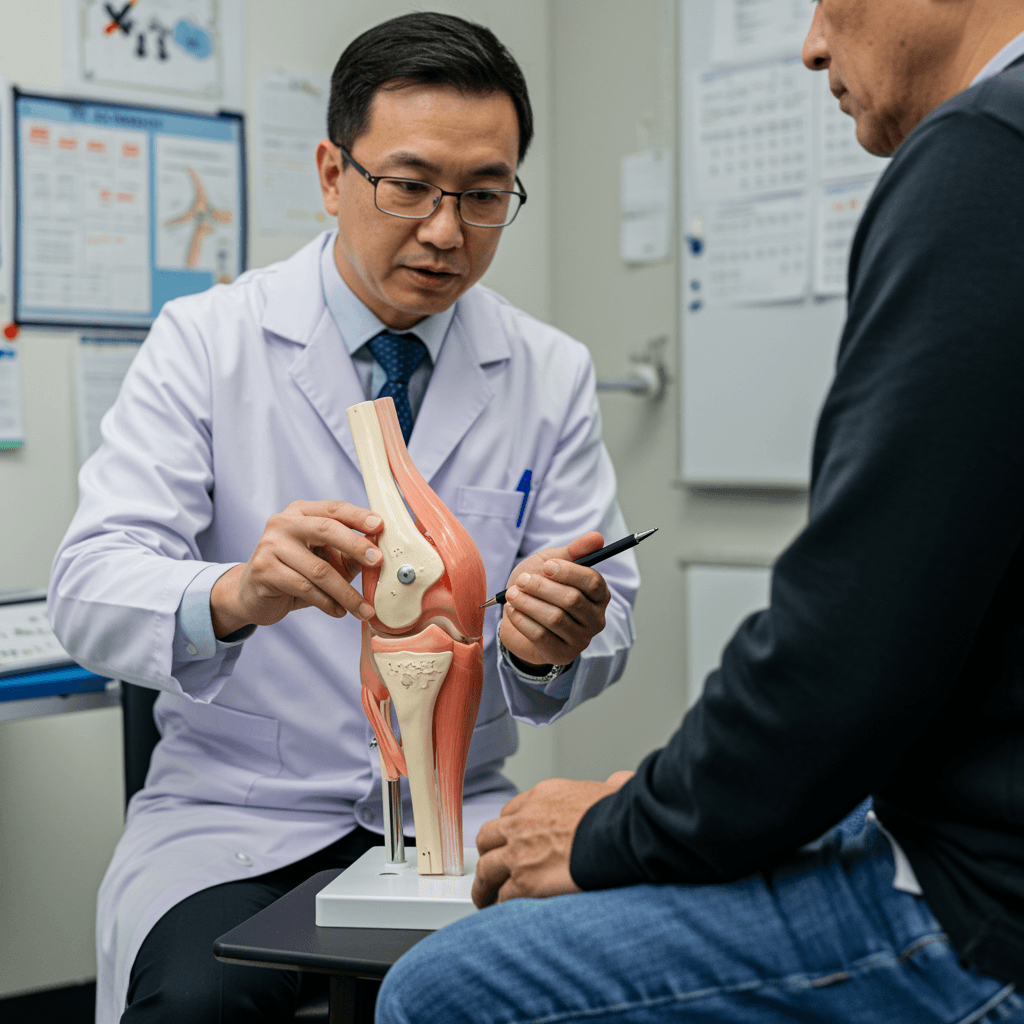
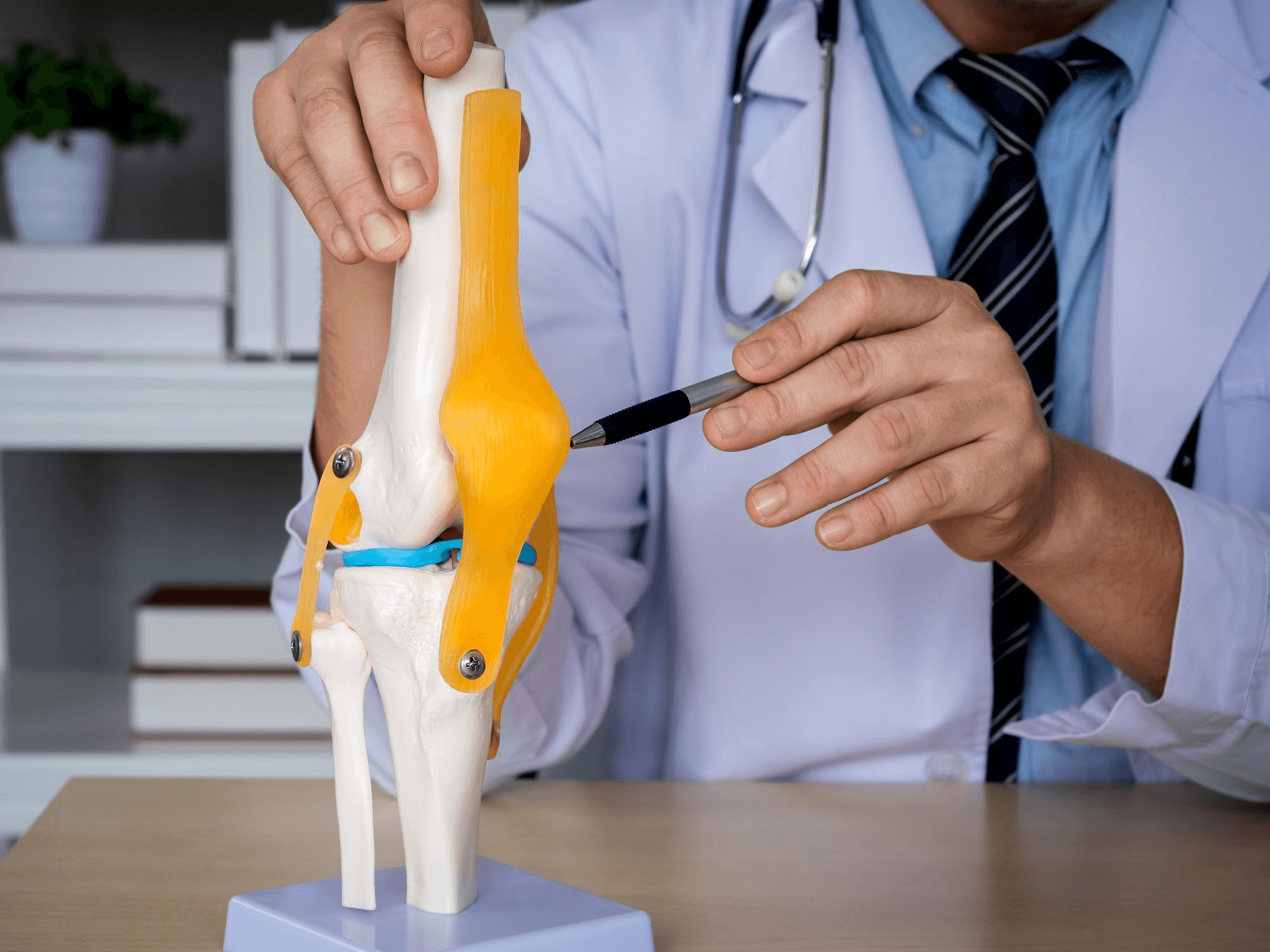
An orthopedic doctor explaining knee joint anatomy to a patient during consultation.
Diabetes does not prevent knee replacement, but it significantly affects the risk profile and requires careful pre-operative optimisation to achieve the best possible outcome. HbA1c control is the single most important modifiable factor. Well-controlled diabetic patients achieve excellent outcomes from knee replacement. Poorly controlled diabetic patients have significantly higher complication rates that are largely preventable with adequate preparation. Get your sugar controlled. Get your team coordinated. Then get your knee replaced with confidence.
To consult Dr. Mayank Chauhan, Senior Orthopedic Surgeon in Noida, call the number listed on the website.