Runner's Knee and Shin Splints - Causes, Treatment, and Getting Back to Running
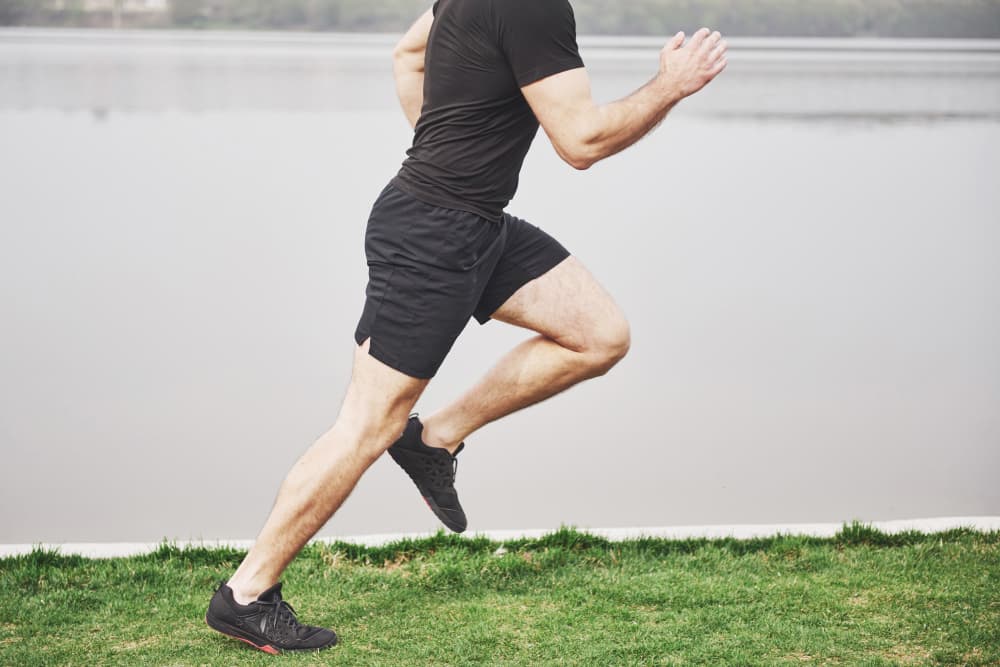
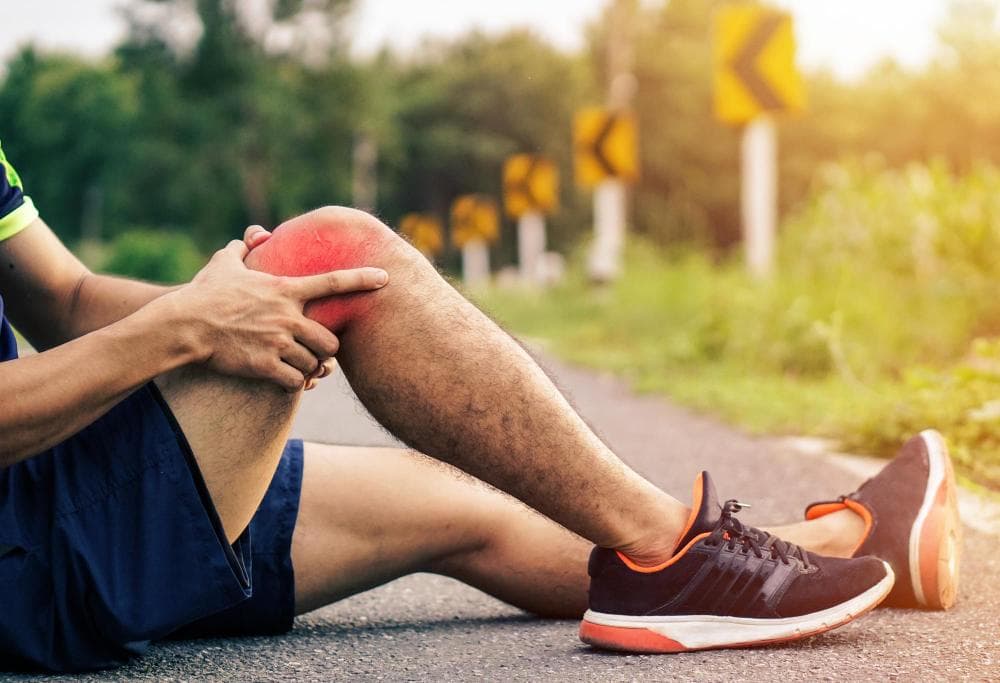
A young man is running.
Running has become one of the most popular fitness activities in Noida. Residents of every sector — from the early morning circuits around Sector 50's parks to the evening runs along the Hindon Cut and the flat routes through Sectors 62 and 63 — have embraced running as accessible, low-cost exercise. Running apps have gamified distance targets. Corporate running clubs and local races have created community.
And running injuries have followed. The two most common are runner's knee (patellofemoral pain syndrome) and shin splints (medial tibial stress syndrome). They are not the same condition, but they share critical similarities: both are overuse injuries, both are largely preventable, both are frequently mismanaged, and both have the same most common cause — doing too much, too soon, without adequate preparation.
Runner's Knee — What It Is and Why It Happens
What Is Runner's Knee?
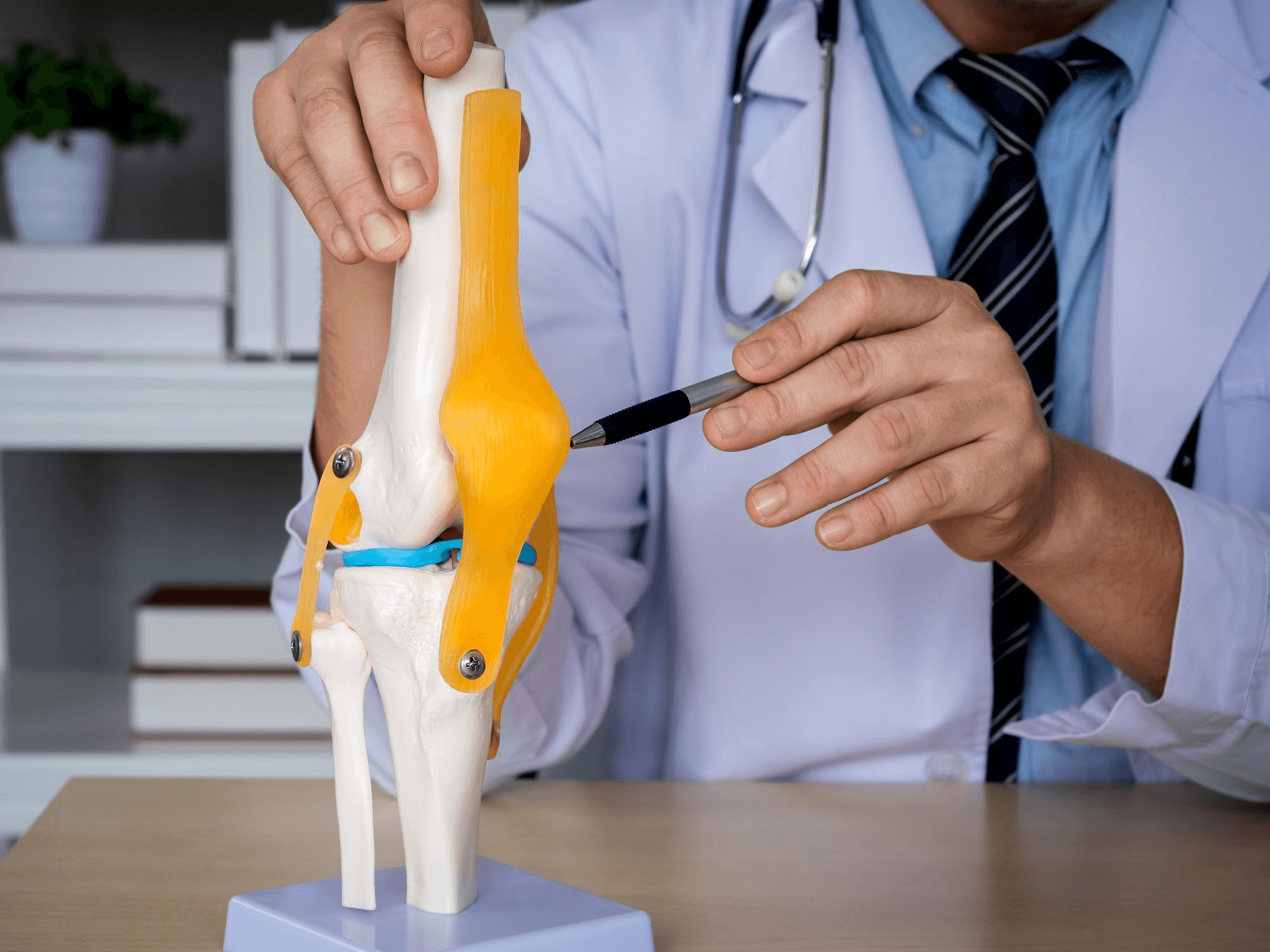
Runner's knee — more precisely called patellofemoral pain syndrome (PFPS) — is pain arising from the interface between the kneecap (patella) and the femur (thigh bone) behind it. The kneecap slides within a groove on the front of the femur during knee flexion and extension — running, stairs, squatting, and cycling all require this movement. When the patella tracks incorrectly — either consistently tilted to one side, compressed too tightly against the femur, or moving with an uneven load distribution — the cartilage surface of the kneecap is overloaded and produces pain.
Runner's knee accounts for approximately 25% of all running injuries. It is the most common knee complaint in runners — more common than meniscal tears, IT band syndrome, or ligament injuries.
What It Feels Like
Location: Pain at the front of the knee — around or behind the kneecap. Not on the sides (which would suggest ligament/IT band issues) and not inside the joint (which would suggest meniscal pathology).
Character: Aching pain that:
- Comes on with running, particularly downhill running (the highest load on the patellofemoral joint), and with stair climbing
- Gets progressively worse during long runs — often absent for the first kilometre and then building
- Is particularly bad with sustained knee flexion: sitting in a cinema for 2 hours, driving for a long period, squatting
- Is accompanied by a sensation of stiffness after prolonged sitting (the "theatre sign" — pain when the knee is in sustained flexion)
- May be associated with a crunching sensation (crepitus) when bending the knee
What it is NOT:
- Joint swelling (runner's knee does not cause significant effusion)
- Giving way (instability)
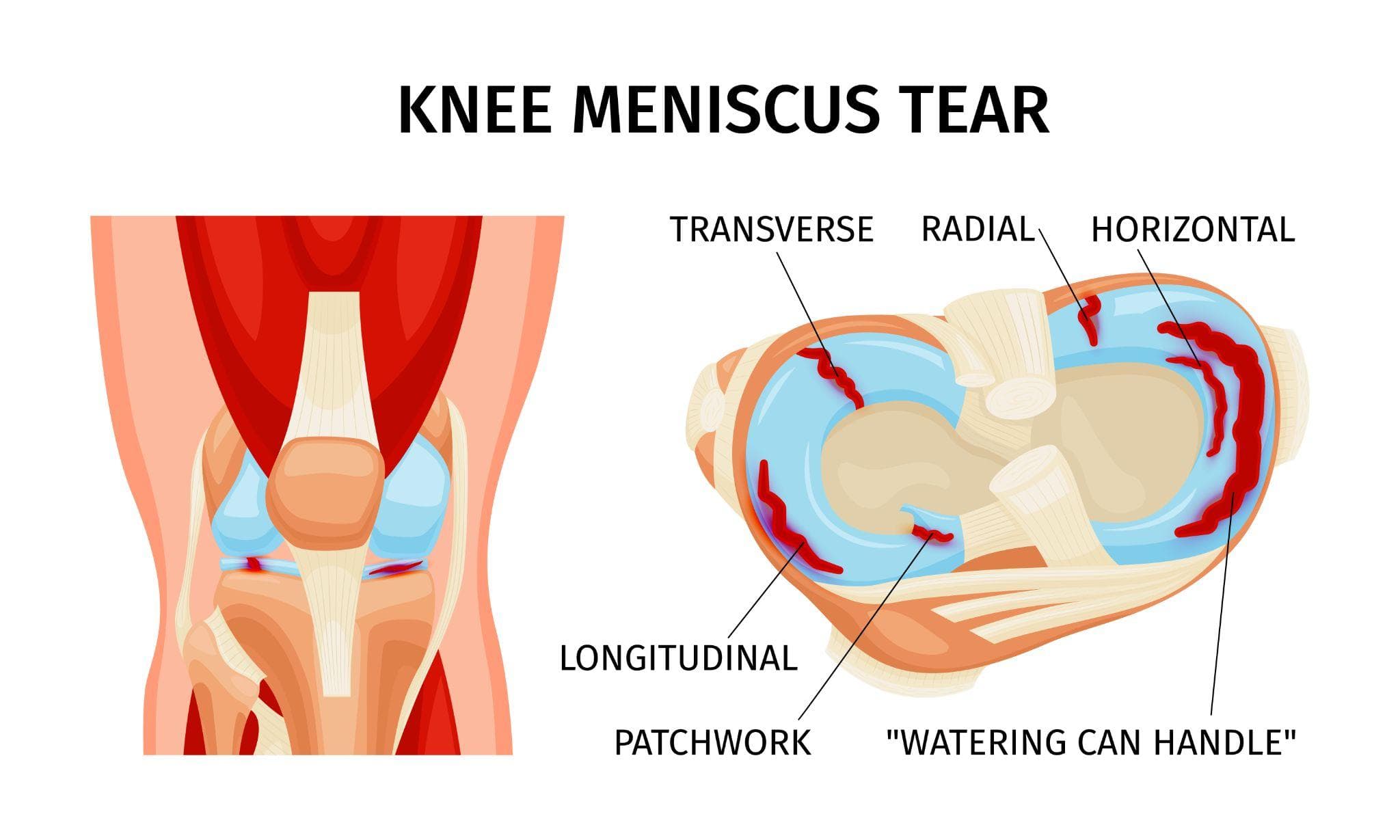
- A locking sensation (which suggests meniscal pathology)
- Pain at the back of the knee (popliteal region)
Why Runner's Knee Happens — The Biomechanical Chain
Runner's knee is rarely caused by a problem at the kneecap. It is almost always caused by a biomechanical problem elsewhere in the kinetic chain — affecting how load is transmitted to the kneecap.
Hip abductor weakness (the most common cause):
The gluteus medius muscle controls the lateral position of the hip and knee during the stance phase of running. Weak hip abductors allow the hip to drop (Trendelenburg gait) and the knee to collapse inward (dynamic valgus) — a knock-kneed position that tilts the patella laterally and increases compression of the lateral patellofemoral facet. This is the single most important mechanical cause of runner's knee and the most important target of rehabilitation.
Quadriceps weakness or imbalance:
The quadriceps controls the speed of knee flexion during landing and the force of push-off. Relative weakness of the VMO (vastus medialis oblique — the teardrop-shaped muscle on the inner knee) compared to the lateral quadriceps allows the patella to pull laterally, increasing the lateral compression.
Tight IT band and lateral retinaculum:
The IT band (iliotibial band — a thick fibrous band running down the outer thigh) attaches indirectly to the lateral patella through the lateral retinaculum. Tightness in the IT band pulls the patella laterally, increasing lateral compression.
Foot pronation (flat feet):
Excessive inward rolling of the foot (overpronation) during running transmits upward through the tibia, causing internal tibial rotation, which in turn causes the knee to collapse inward — increasing patellofemoral stress.
Training errors:
Sudden increases in mileage, adding speed work or hill running without adequate base conditioning, and running on cambered roads (which tilt the foot and increase knee stress) all increase patellofemoral loading beyond the cartilage's adaptive capacity.
Treatment of Runner's Knee
Phase 1 — Reducing Load and Pain (Weeks 1–3)
Relative rest: Stop running temporarily — not complete rest, but cessation of the specific activity causing symptoms. Swimming and cycling (on a properly fitted bike) are typically pain-free alternatives that maintain cardiovascular fitness.
Ice: 15–20 minutes after any activity that loaded the knee.
NSAIDs: For the first 7–10 days to reduce the inflammatory component.
Taping: McConnell patellar taping — a specific taping technique that repositions the patella medially — provides immediate pain relief in many patients and is a useful bridge while muscle strengthening takes effect.
Phase 2 — Addressing the Cause (Weeks 3–8)
The definitive treatment of runner's knee is addressing the biomechanical cause. Without this, symptoms return as soon as running resumes.
Hip strengthening — the most important component:
- Clamshells: Side-lying, bending both knees to 90 degrees, rotating the top knee open like a clamshell. Targets gluteus medius.
- Side-lying hip abduction: Lifting the top leg upward while keeping the hips stacked. Gluteus medius.
- Single-leg bridge: Lying on your back, one knee bent — lift the hips off the floor and hold. Gluteus maximus and medius.
- Monster walks with resistance band: Walking sideways with a resistance band around the ankles, maintaining a slight squat position. Gluteus medius and minimus.
- Single-leg squat: Standing on one leg, lowering slowly — trains the gluteus medius to control knee alignment during the stance phase of running.
VMO activation:
- Terminal knee extension (TKE) with resistance band: Standing with a resistance band behind the knee — straightening the knee fully against the band, emphasising the VMO.
- Step-ups: Particularly step-ups to a box with slow, controlled descent — eccentrically load the VMO.
IT band stretching:
- Standing IT band stretch (crossing the unaffected leg in front, leaning to the unaffected side)
- Foam rolling the IT band (though this does not stretch the band itself — it addresses the myofascial tissue around it)
Footwear and orthotics:
If significant foot pronation is identified, a structured athletic shoe with medial support or custom orthotic insoles can reduce the tibial internal rotation that contributes to patellofemoral stress.
Phase 3 — Return to Running (Weeks 6–12)
Return to running follows a graded protocol. Key principles:
- Begin on flat surfaces at reduced speed and distance (50% of pre-injury volume)
- Increase weekly mileage by no more than 10% per week
- Avoid hills and speed work until fully pain-free on flat surfaces
- Address running form — particularly cadence (step rate). Increasing cadence by 5–10% reduces patellofemoral loading per step.
Cadence tip for Noida runners: Most recreational runners run at 150–160 steps per minute. Increasing to 170–180 steps per minute (use a metronome app) shortens the stride length slightly, reduces overstriding, and reduces patellofemoral impact per step. This single adjustment makes a meaningful difference for many runners' knee patients.
Shin Splints — What They Are and Why They Happen
What Is Medial Tibial Stress Syndrome?
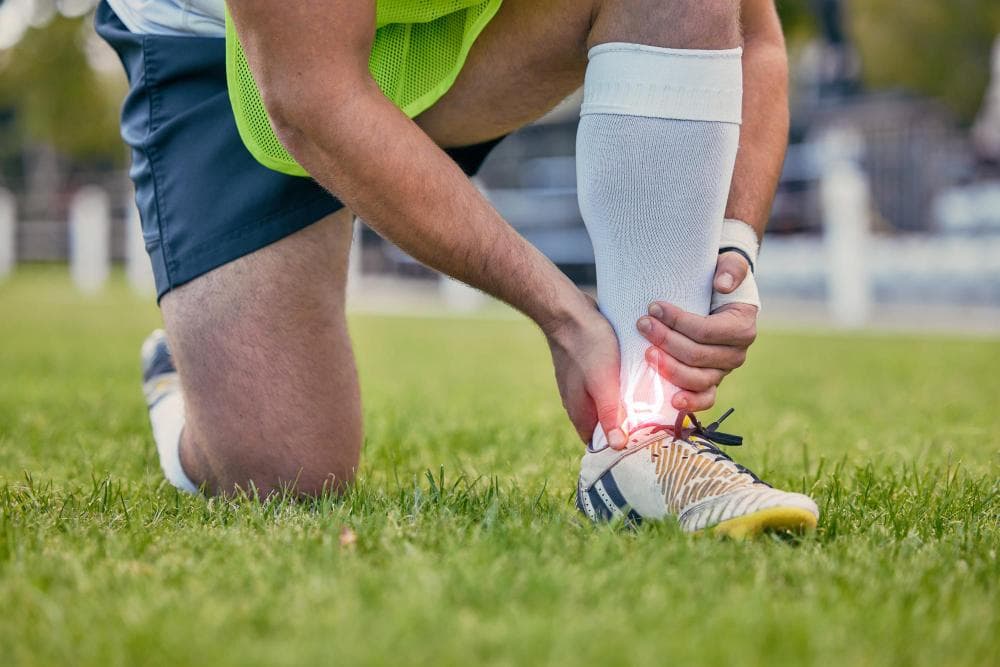
Shin splints — medically called medial tibial stress syndrome (MTSS) — are pain along the medial (inner) border of the tibia (shin bone), caused by overloading of the muscles, tendons, and periosteum (bone lining) of the inner shin. It is the most common running overuse injury globally, accounting for 10–20% of all running injuries and up to 60% of all lower-limb overuse injuries.
The pain occurs along a length of the inner shin — typically the lower 1/3 to 2/3 of the tibia. It is diffuse over several centimetres — not point-specific (which would suggest a stress fracture — an important distinction).
What Shin Splints Feel Like
- Diffuse pain along the inner shin — dull ache
- Worst in the first 1–2 kilometres of a run, sometimes easing as the muscles warm up
- Returning as fatigue accumulates over longer distances
- Tender on palpation over the inner tibial border — again, over a length (not a single pinpoint)
- Stiff and sore first thing in the morning
Critical distinction from tibial stress fracture:
A stress fracture produces point tenderness — a single specific spot that, when pressed, reproduces the exact pain. Shin splints produce diffuse tenderness over a wider area. When in doubt, MRI definitively distinguishes the two — this matters because stress fractures require load cessation while shin splints can be managed with reduced load.
Why Shin Splints Happen
The most consistent causes in Noida's running community
Training errors — the primary cause:
Sudden increases in running volume, sudden addition of speed work, or resumption of running after a break at the previous level. The tibia remodels to running load — but this remodelling takes 6–8 weeks to catch up with a sudden increase. The mismatch between load and adaptation produces MTSS.
Running surface:
Running predominantly on concrete or asphalt (the surface of most roads and footpaths in Noida) increases tibial impact load. Softer surfaces — grass, compacted earth, rubberised athletic tracks — reduce this significantly.
Footwear:
Worn-out running shoes lose their cushioning and shock absorption. Running shoes should be replaced approximately every 400–500 km of use — a parameter most recreational runners ignore.
Overpronation:
Excess inward rolling of the foot increases the bending stress on the tibia, contributing to MTSS. Supportive footwear and orthotics reduce this.
Muscle weakness and tightness:
Weak calf muscles, weak hip abductors, and tight ankle dorsiflexion (reduced ankle flexibility) all alter running biomechanics in ways that increase tibial loading.
Vitamin D and calcium deficiency:
Bone remodelling requires adequate calcium and Vitamin D. Deficiency — very common in Noida's urban population — reduces the bone's capacity to repair stress-related microdamage. This is why MTSS (and stress fractures) can occur at lower training loads in nutritionally deficient runners.
Treatment of Shin Splints
Phase 1 — Reduce Load
Reduce or stop running — not necessarily complete rest. Switching to cycling or pool running (running in water with a float belt) maintains cardiovascular fitness while completely unloading the tibia.
Ice: 15–20 minutes after activity.
NSAIDs: First 5–7 days for acute symptoms.
Compression: A compression sleeve over the shin can reduce pain during activity in the subacute phase.
Phase 2 — Address the Cause
Calf strengthening:
- Calf raises: Standing on a step, lowering the heel below the step and raising onto the toes. Start double-leg, progress to single-leg. 3 sets of 15–20 repetitions.
- Eccentric heel drops: The most important exercise for shin splints — lowering slowly on the affected leg, returning on both. Targets the eccentric loading of the soleus and tibialis posterior.
Hip and gluteal strengthening:
The same exercises as for runner's knee — hip weakness contributes to MTSS as well. Clamshells, hip abduction, single-leg bridges.
Ankle mobility:
Restricted ankle dorsiflexion (stiff ankle) forces the runner to pronate more aggressively during foot strike — increasing tibial loading. Ankle mobility drills and calf stretching address this.
Footwear assessment:
Check that shoes are not worn beyond their useful life. Consider gait analysis — many Noida running stores (in DLF, Sector 18, Sector 63 malls) offer basic gait analysis with footwear recommendations.
Nutritional review:
Check Vitamin D and calcium intake — particularly in runners who train indoors or early in the morning without adequate sun exposure.
Phase 3 — Return to Running
The same progressive protocol as for runner's knee — begin at 50% of pre-injury volume, increase by 10% per week, monitor symptoms.
The 10% rule applies specifically to shin splints: never increase weekly running mileage by more than 10% from the previous week. This is the single most effective prevention strategy.
Prevention — How Not to Get Either Injury Again
For both runner's knee and shin splints, the most effective prevention strategy is the same
- Progress mileage gradually — maximum 10% per week
- Strengthen the hip abductors, gluteals, and calves consistently — not just when injured
- Rotate running surfaces — not exclusively concrete
- Replace running shoes every 400–500 km
- Warm up before and cool down after every run — 5 minutes of dynamic movement before, 5 minutes of stretching after
- Rest days — at least 2 non-running days per week to allow tissue recovery
Running Injury Assessment in Noida — Dr. Mayank Chauhan at Prakash Hospital
Dr. Mayank Chauhan, Senior Orthopedic Surgeon at Prakash Hospital, Sector 33, Noida, evaluates running injuries including runner's knee, shin splints, and the more serious stress fractures that can accompany both conditions — ensuring the correct diagnosis before prescribing treatment.
For Noida runners with persistent knee or shin pain that is limiting training, a clinical assessment distinguishing PFPS from other knee pathology and MTSS from stress fracture determines the specific treatment pathway. To book a consultation, call the number listed on the website.
The Bottom Line
Runner's knee and shin splints are both overuse injuries with the same root cause — loading the tissue faster than it can adapt. Both respond very well to load reduction and targeted strengthening, particularly of the hip abductors and calves. And both recur without addressing the biomechanical deficits that allowed them to develop.
The goal is not just to get back to running — it is to run more intelligently.
To consult Dr. Mayank Chauhan, Senior Orthopedic Surgeon in Noida, call the number listed on the website.