What Is Joint Reconstruction Surgery? Procedure, Benefits & Recovery
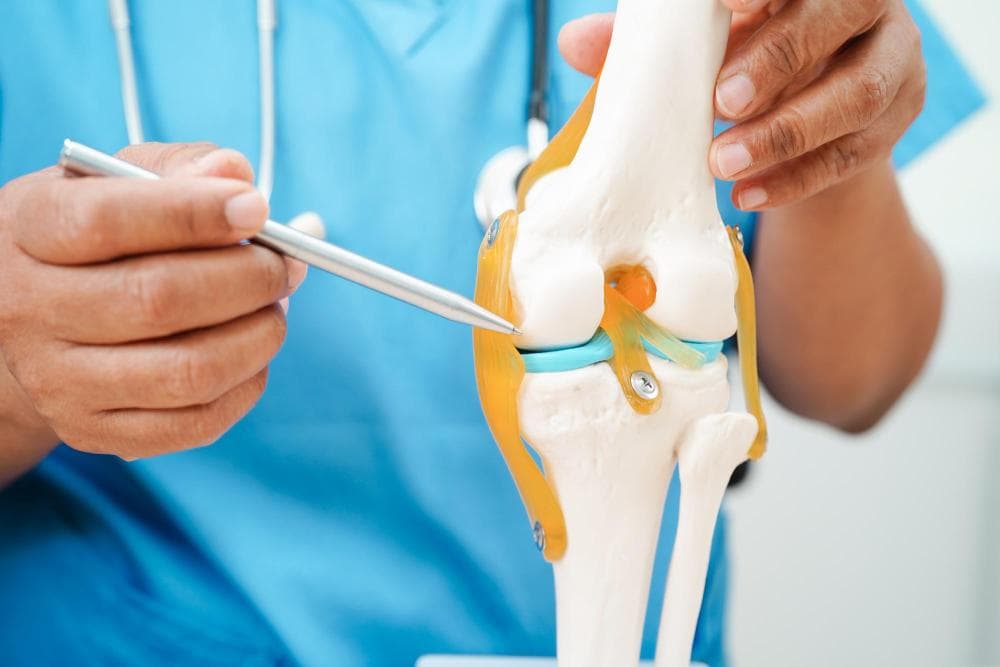
Doctor explaining the knee joint model.
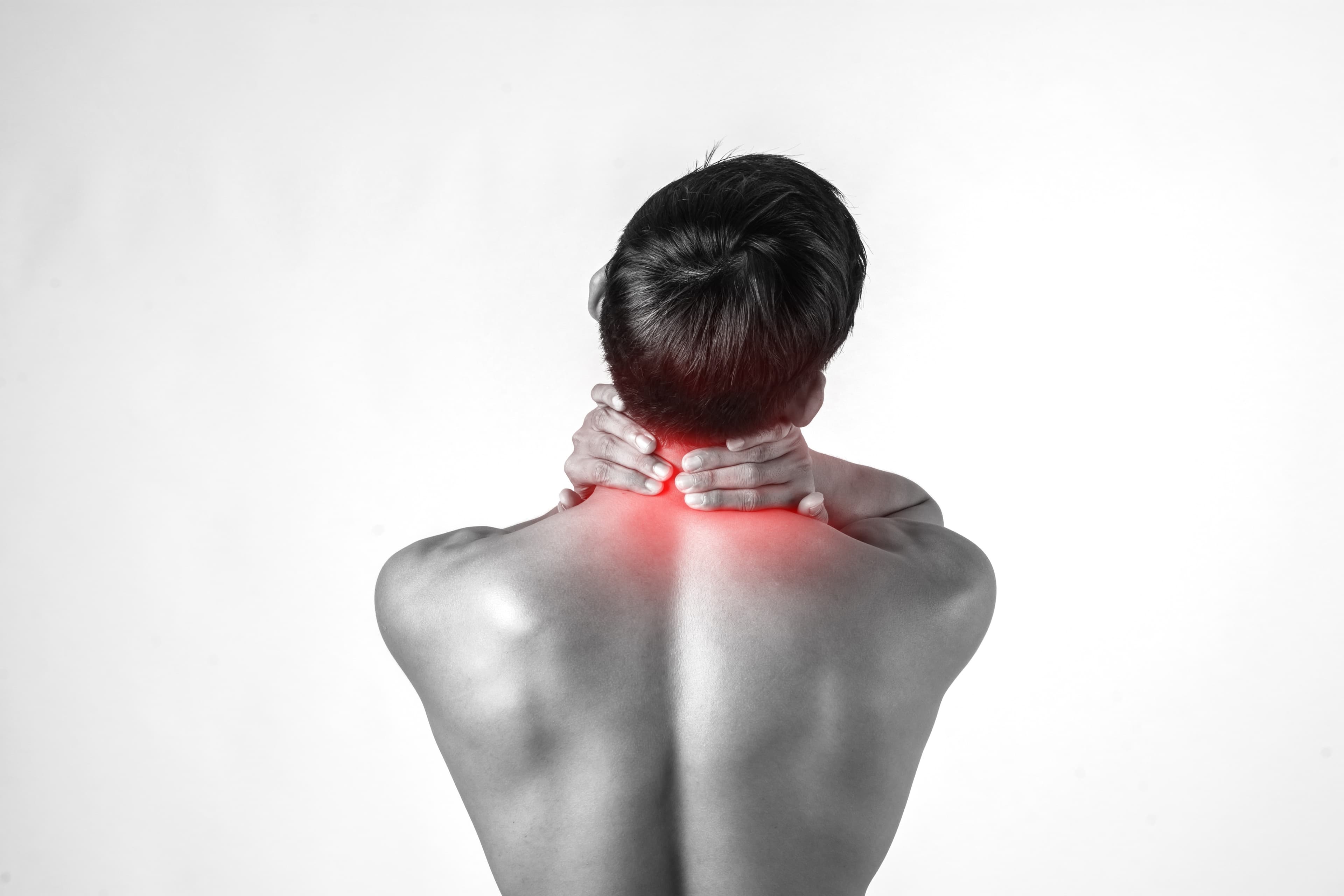
Most people will assume that a certain amount of joint pain is going to be encountered as they get older, and it's just a condition they will have to live with. However, when an area of the joint is badly damaged, it will be impossible to use simple pain relief methods. This is where joint reconstruction surgery will be called upon.
It will not be merely a question of the amount of pain incurred, but will also focus on the joint's functionality. Essentially, it will be used to improve a patient's quality of life and allow them to undertake everyday tasks. Whether due to wear and tear or injury, when all other treatments have been exhausted, joint reconstruction surgery may be the long-term answer.
Instead of treating symptoms, this is a surgical procedure that aims to reconstruct the actual joint itself, restoring its correct function. In this guide, we shall learn what joint reconstruction surgery entails, what its advantages and effects are, and when to make it your final option.
What Is Joint Reconstruction Surgery?
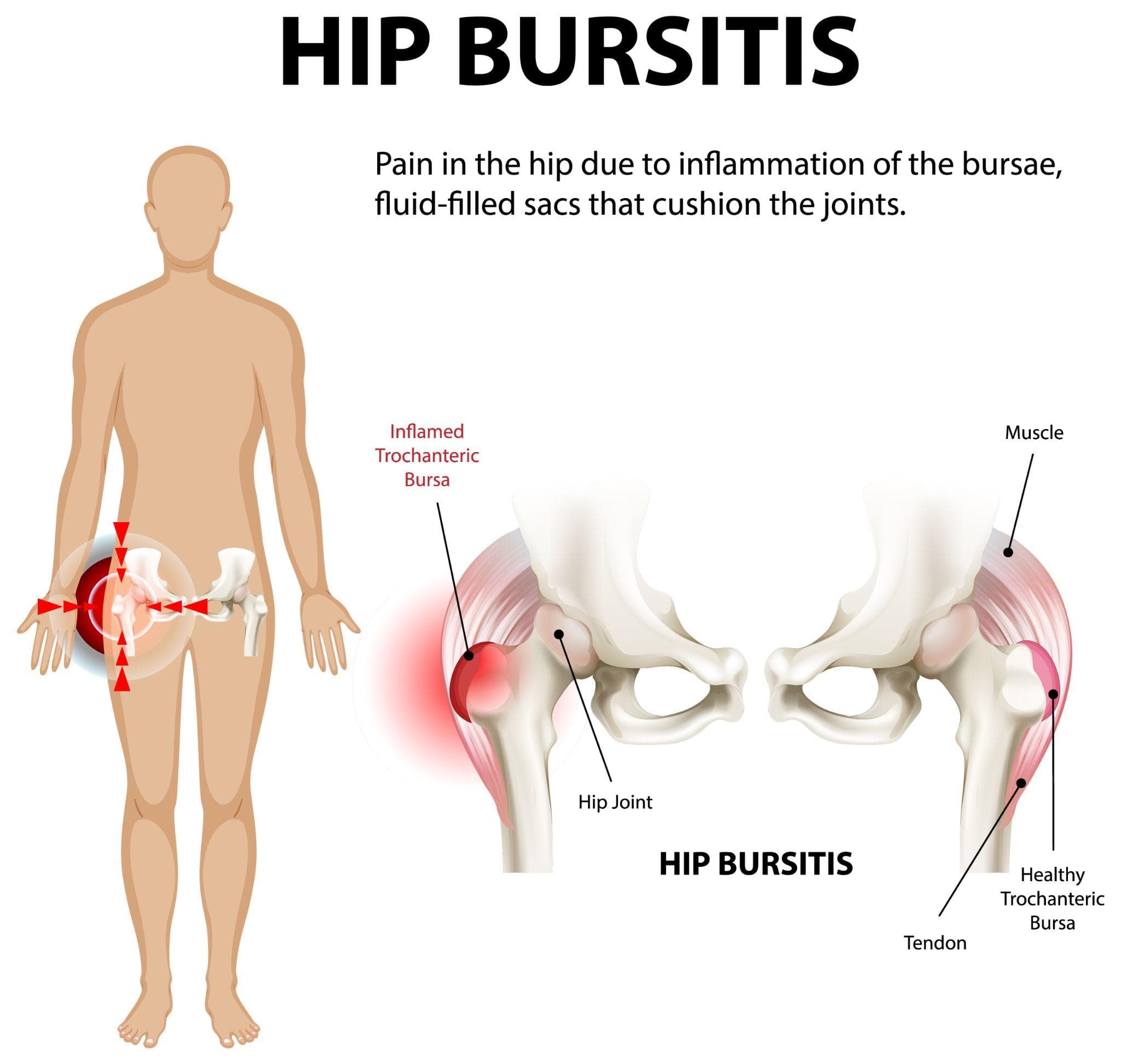
Joint reconstruction surgery is a procedure used to replace or repair a damaged joint, so it works again like a normal one. This surgery often takes place on a joint such as the hip, shoulder, elbow, or knee.
It is all about alleviating the pain, improving mobility, and functioning as normally as possible again. The surgeon might remodel, repair, or totally replace the joint with a synthetic implant depending on the patient's needs.
This type of surgery is most often indicated when surgical options have failed to relieve patients' symptoms and non-surgical methods such as medication, physical therapy, or adjustments in living habits no longer help patients function without discomfort.
How Does Joint Reconstruction Surgery Work?
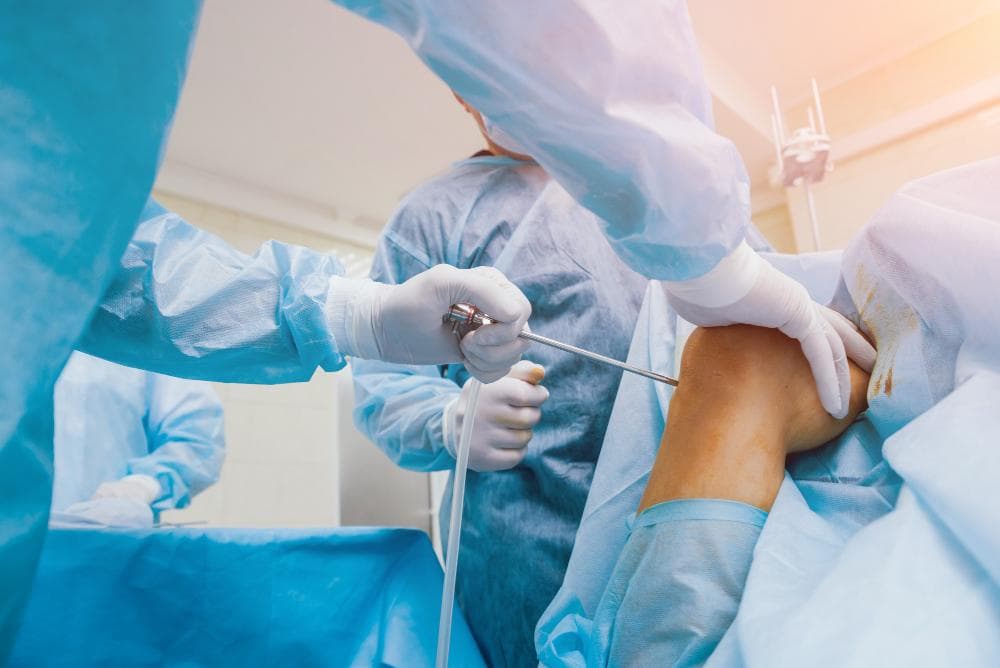
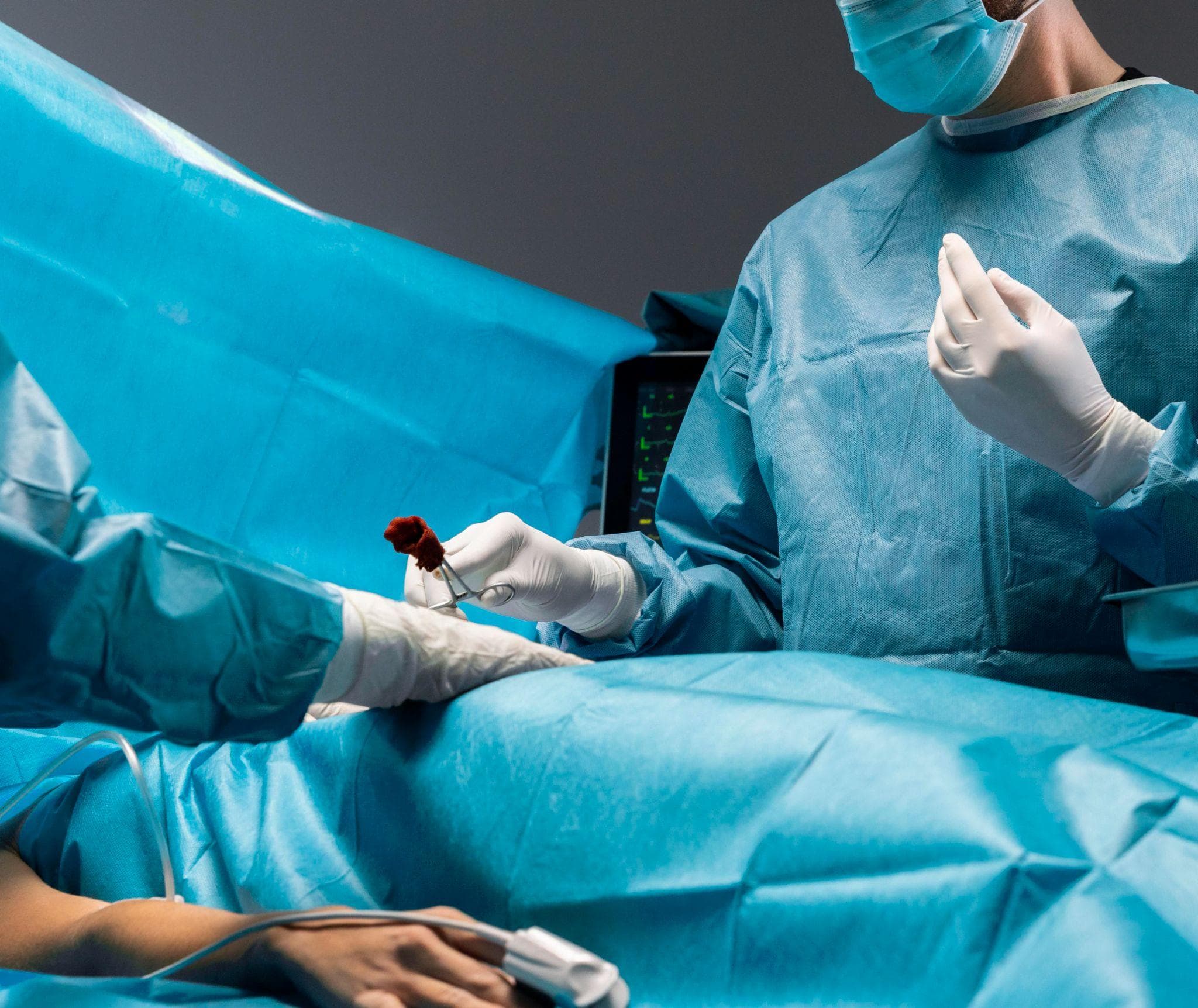
The process starts with a complete assessment. An orthopedic consultant will examine the joint, look at past history, and may suggest tests such as X-rays and MRIs. Depending on how badly damaged the joint is, a surgical plan is then drawn up that best suits your condition. In the operation, a surgeon will then:
- Remove cartilage or bone that has been damaged.
- Refashion and restore the joint.
- Or in some cases, replace the joint with an artificial joint.
After the surgery, rehabilitation is very important. Physiotherapy exercises will build up muscle strength and joint mobility over a few weeks. For good treatment and care of joint-related disorders, one can consult Dr. Mayank Chauhan in Noida.
Types Of Joint Reconstruction Surgery
The type of joint reconstruction surgery performed depends on the type of joint being repaired and the extent of damage present. All types of surgery are intended to replace or repair damaged joint structures while retaining as much of the natural joint as possible.
1. Total Joint Replacement
This type of surgery involves the removal of the entire damaged joint structure and the insertion of an artificial implant comprising either metal, plastic, or ceramic components. It is usually recommended for highly damaged joints, particularly the knee and hip, when there has been significant loss of cartilage and significant limitation in daily activity. A total joint replacement is the best option for many, and will give the longest, pain-free duration and the greatest increase in mobility possible.
2. Partial Joint Replacement
Partial joint replacement consists of replacing only the damaged part of the joint, leaving the remaining bone and cartilage undamaged. It is only used when only one part of the joint is degenerated or damaged. Because less of the joint is being replaced, it usually leads to a faster rate of recovery and results in more natural joint mechanics.
3. Joint Resurfacing
This is a method of joint resurfacing where a damaged joint surface is reshaped and then capped with metal instead of removing the joint itself. It is generally reserved for the younger or more athletic patient, as it will leave behind more natural bone and more natural mechanics. Hip joints are commonly repaired by resurfacing.
4. Ligament Reconstruction
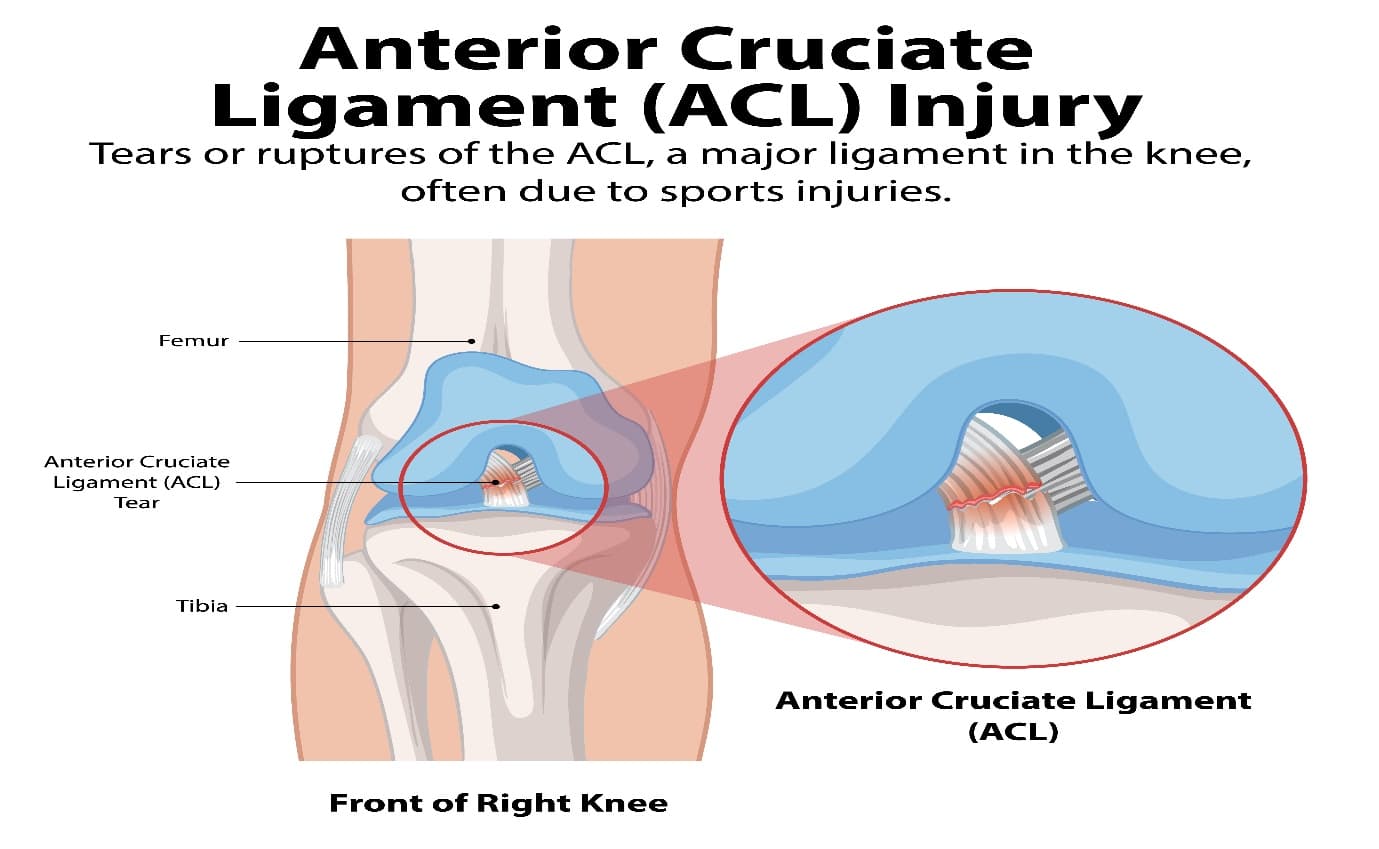
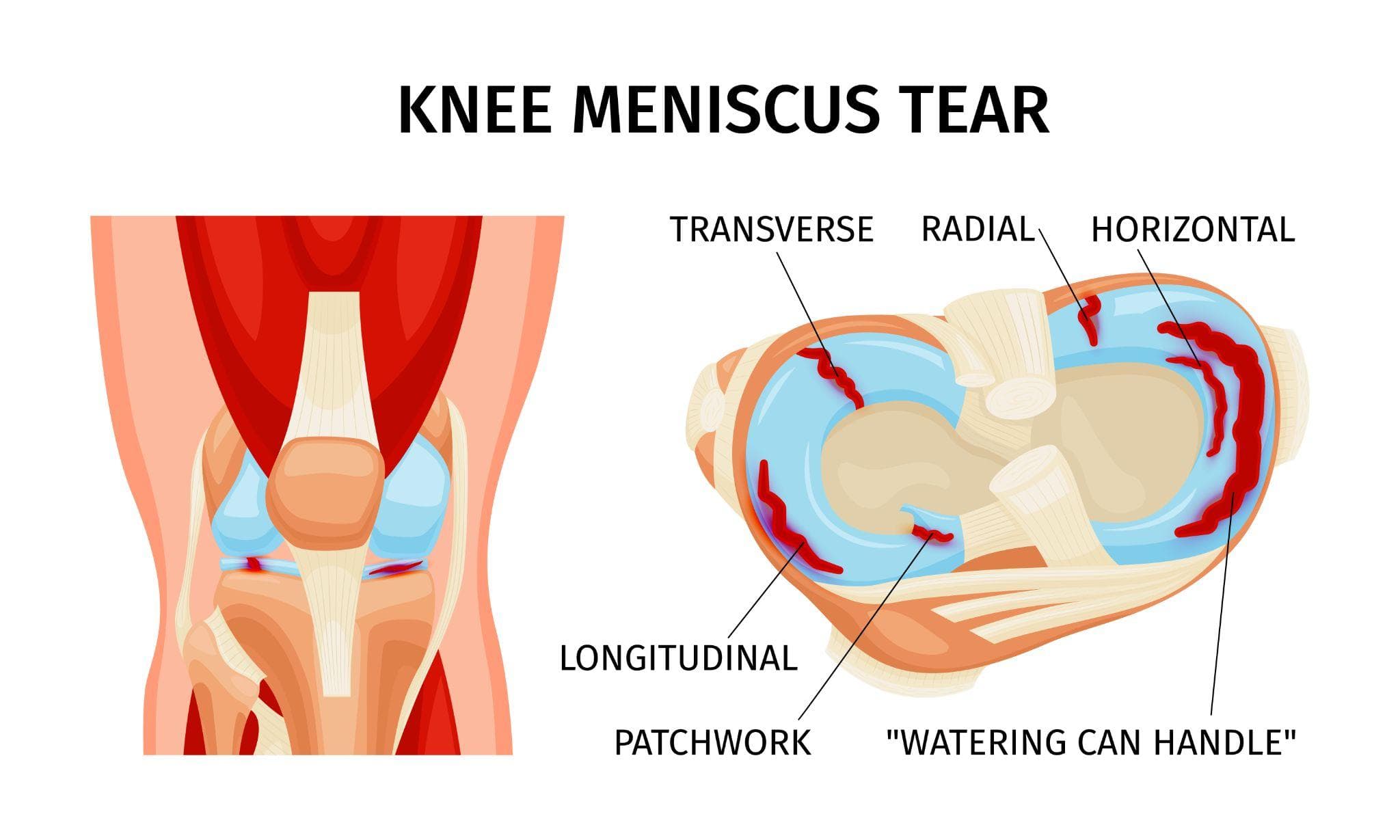
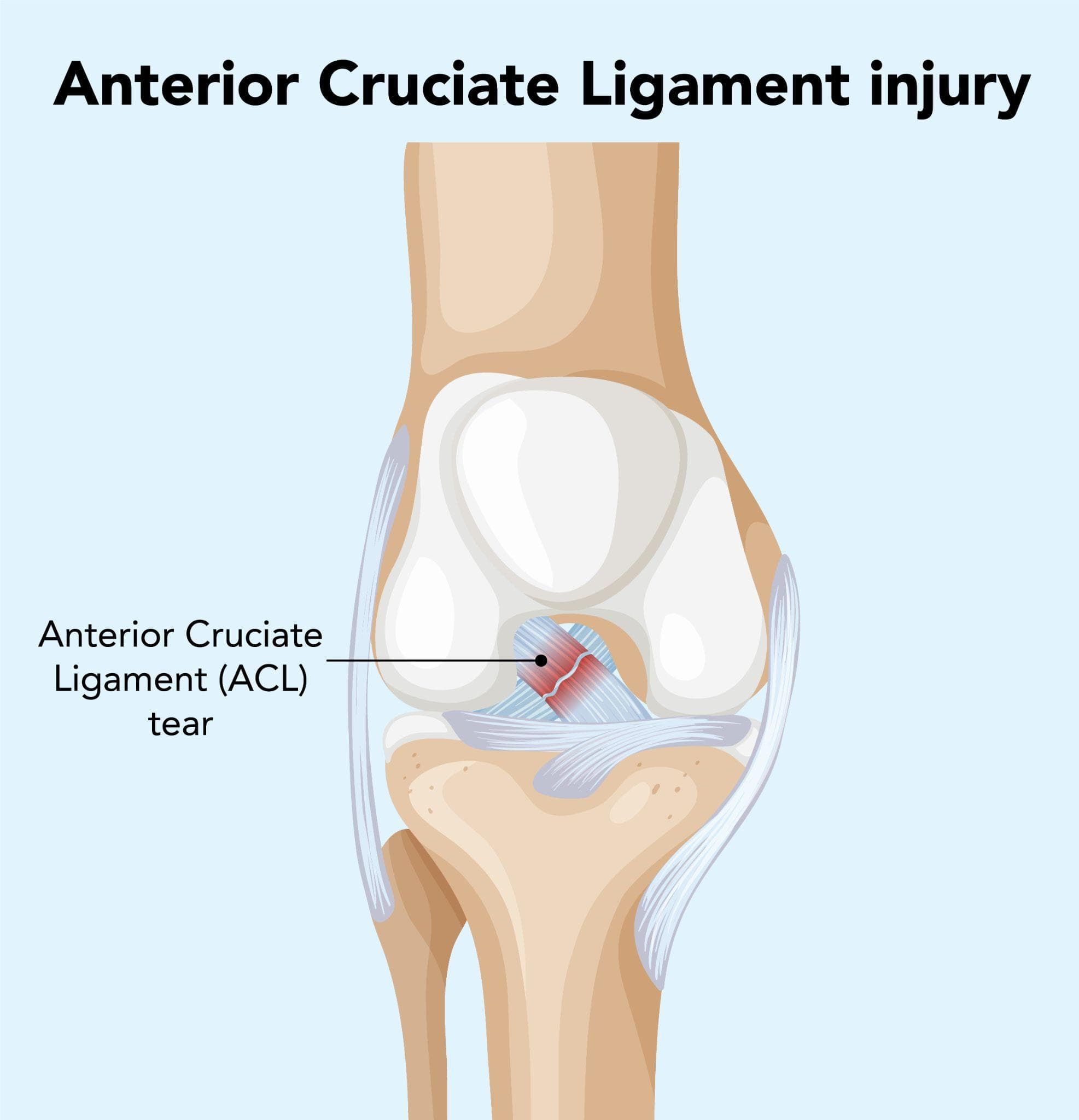
Illustration showing an ACL tear in the knee joint.
Ligament reconstruction occurs when a damaged ligament is ruptured or torn and cannot provide stability to a joint. This surgery is conducted to replace the damaged ligament with a graft that is either sourced from elsewhere in the patient's body or from a donor. The most common area for this surgery is the knee for reconstruction of the Anterior Cruciate Ligament.
Key Benefits Of Joint Reconstruction Surgery
The main advantages of Joint reconstruction surgery are:
- The primary reason why people have joint reconstruction is to eliminate pain and experience improved comfort during everyday tasks.
- When a joint is reconstructed, it allows you to move it more fluidly.
- Joint reconstruction provides long-term mobility and can therefore enhance your quality of life by making everyday tasks, such as walking or climbing stairs, pain-free.
- Joint reconstruction provides a permanent solution and can help maintain your joint function over the long-term.
- A reconstructed joint will be more stable and resistant to future injury than your damaged joint was.
Conditions That May Require Joint Reconstruction
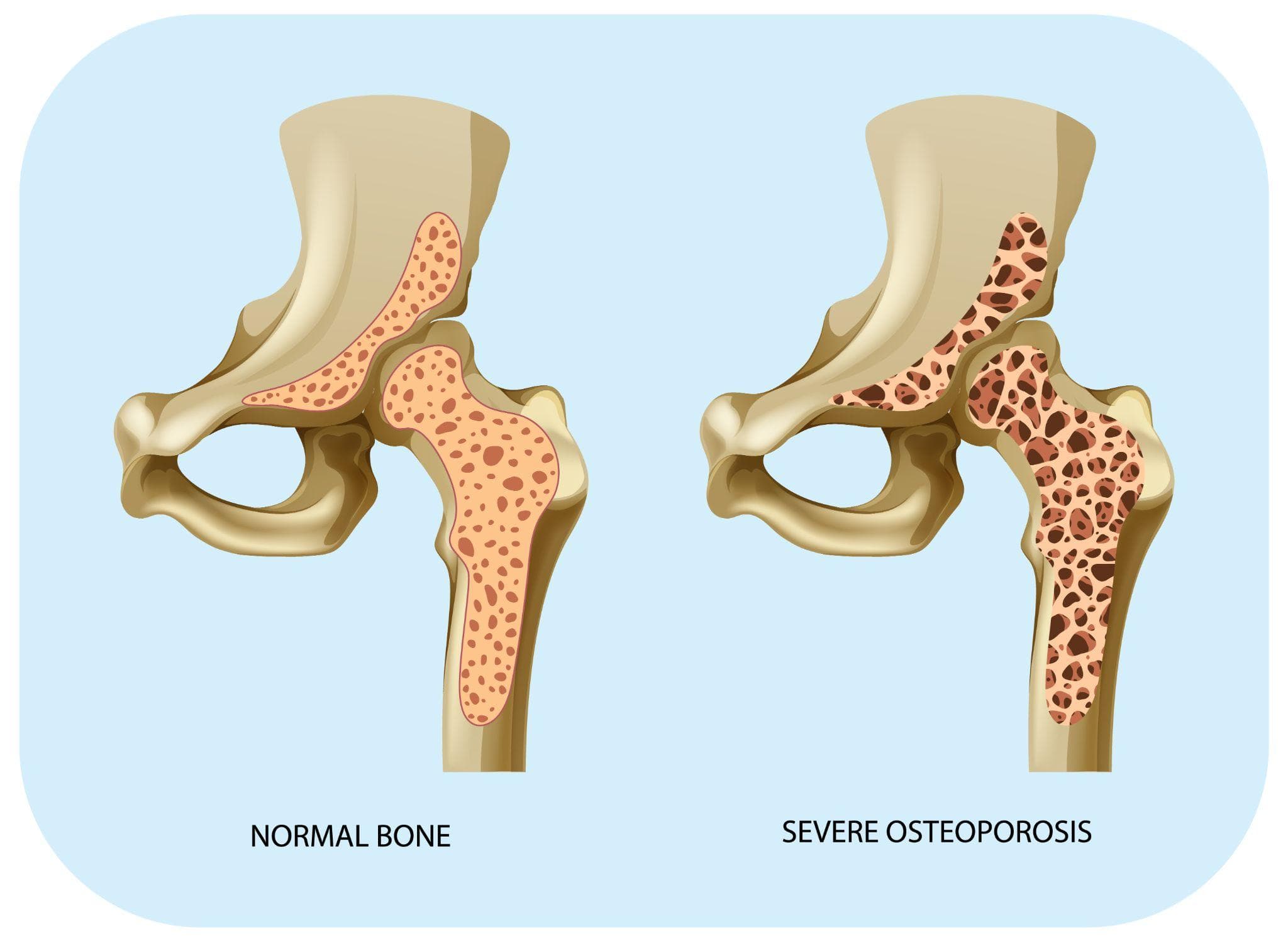
This type of surgery is performed once the joint has been significantly damaged, leading to functional impairment. This type of surgery is commonly suggested when the pain, rigidity, or instability of the joint can't be controlled by other forms of medical therapy. Several conditions require joint reconstruction to either relieve the pain or restore the function of the joint.
1. Osteoarthritis
This is a type of condition that causes wear and tear to the cartilage cushioning in joints, making them become worn away over the years, causing bone to rub against bone. The outcome is pain, stiffness, and swelling in the joint. Once this condition becomes severe enough, it will need to be surgically reconstructed to ease the pain and mobility of the affected joint.
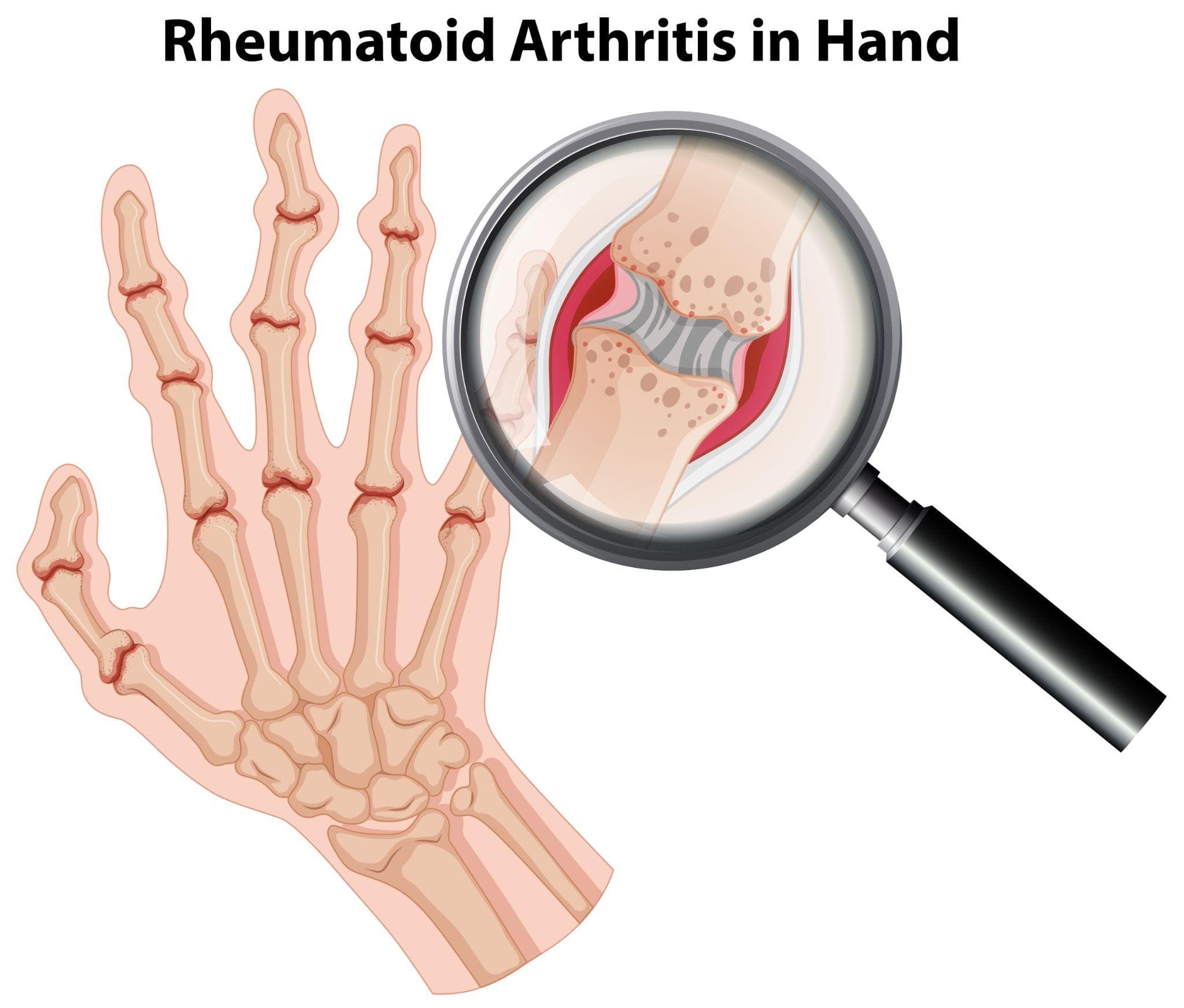
2. Rheumatoid Arthritis
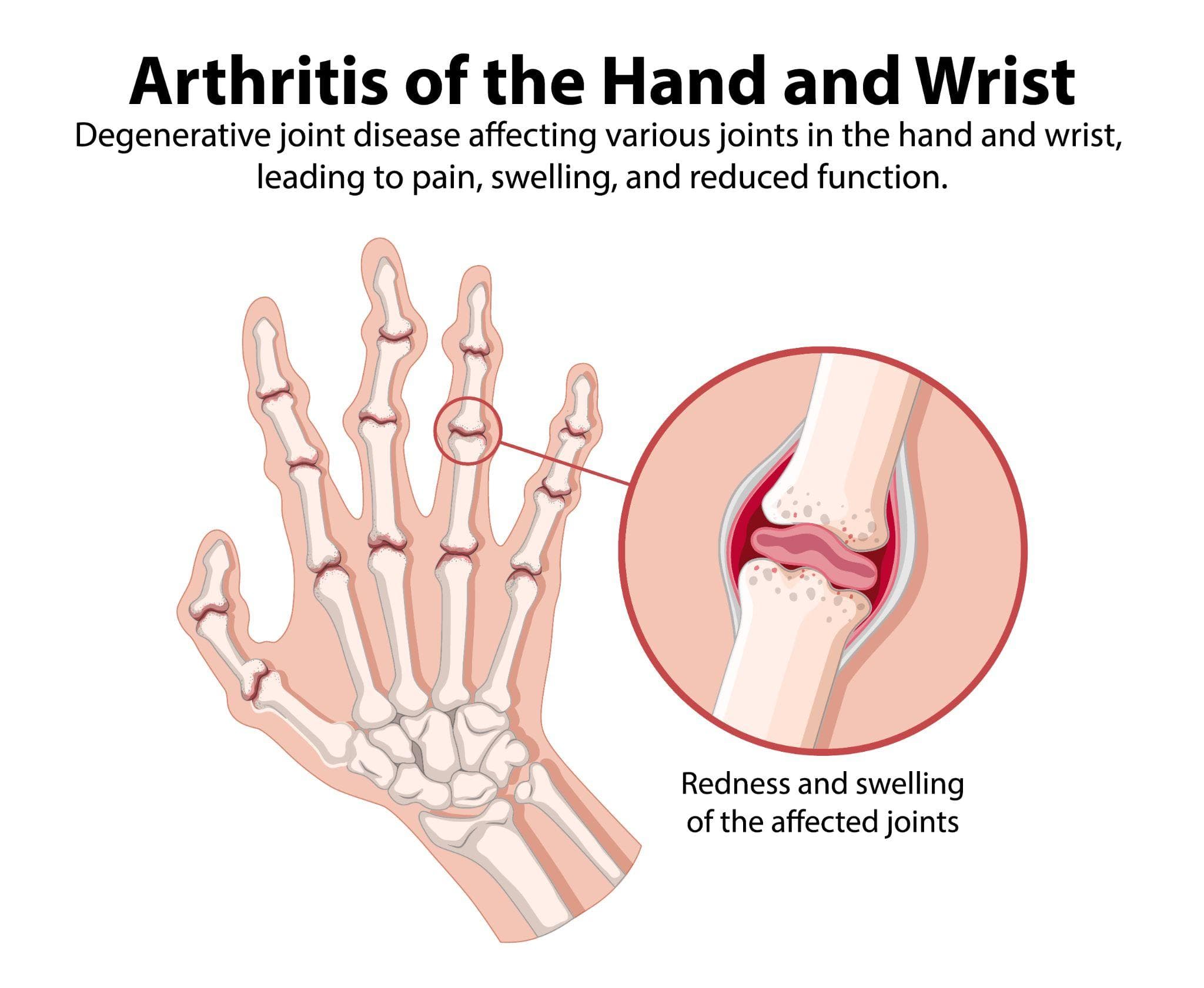
This autoimmune condition causes inflammation of joints, causing tissue around the joint to become inflamed and damaged, resulting in deformities in the joint and chronic pain. Once the joints are severely damaged by the inflammation, surgery is considered as a remedy.
3. Severe Joint Injuries
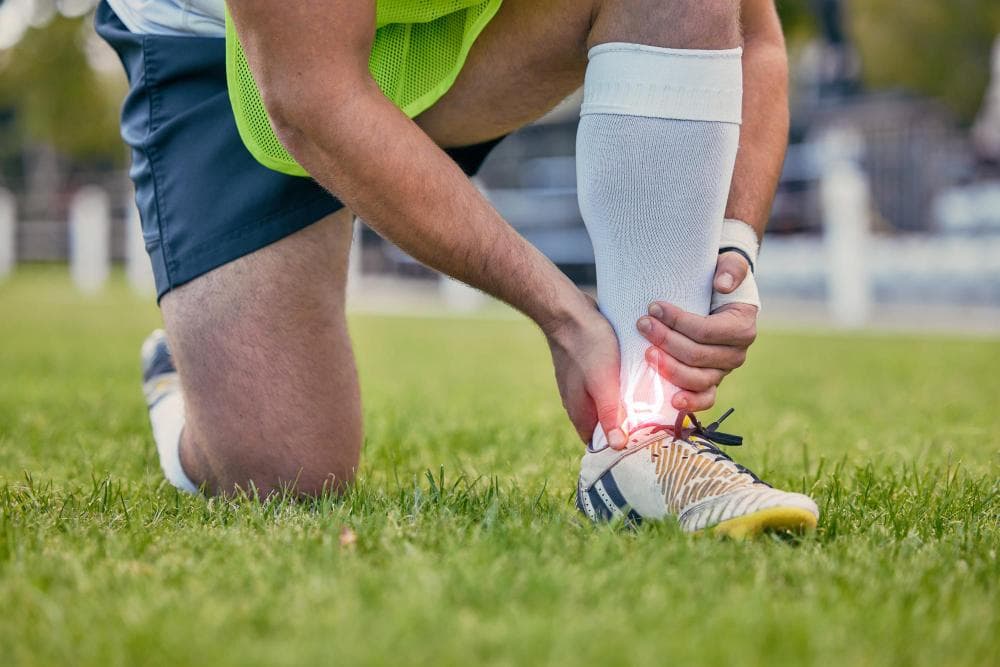
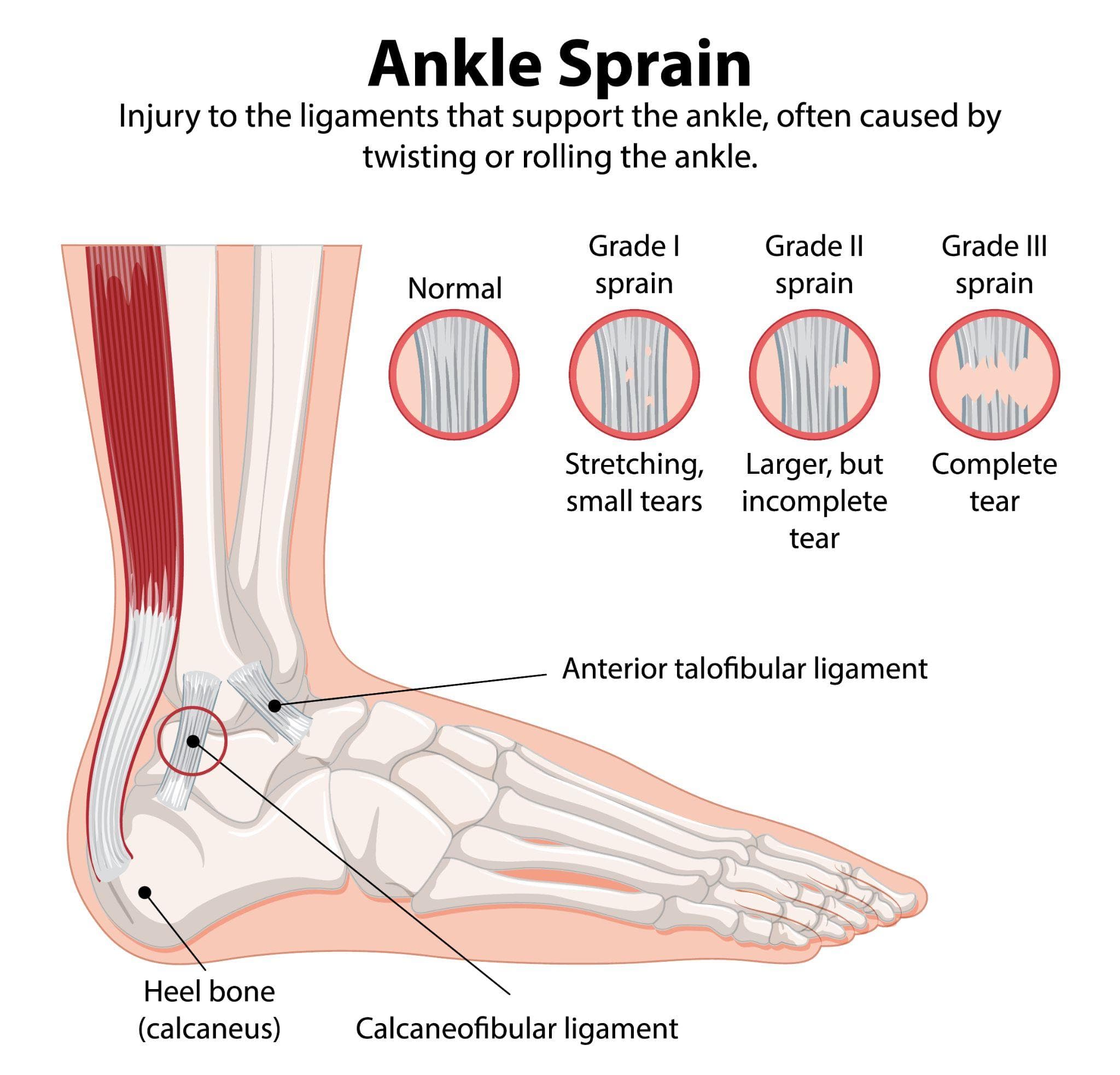
Fractures, dislocations, and tears to the ligaments are common when undergoing trauma or major injury. If the joint has not healed properly or becomes unstable due to injury, surgery might be required to realign and reconstruct the joint. Injuries like this most commonly occur due to sporting injuries.
4. Degenerative Joint Diseases
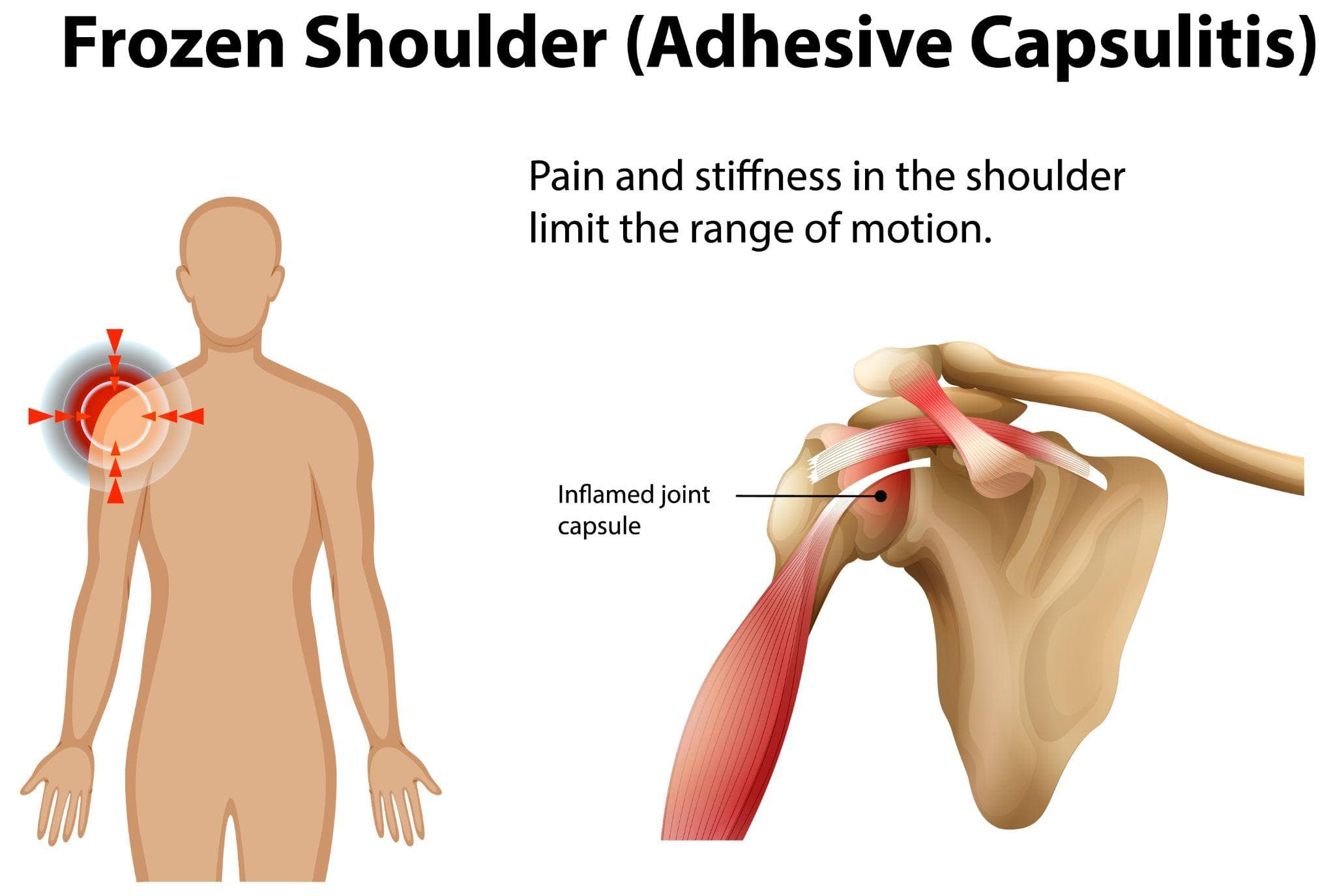
This is a disease that deteriorates the structures within a joint over time, causing the joint to lose cartilage and become stiff and painful due to the wear and tear of constant usage or aging. It is one of the most common conditions causing pain in the joint as you age.
5. Failed Previous Surgery
In certain cases, an earlier operation on the joint may have failed, or it continued to deteriorate, and surgery to rebuild the damaged joint structures is considered.
Recovery After Joint Reconstruction
The recovery process can be long and differ among individuals.
- First few weeks of recovery: The patient needs to rest, control pain, and limit motion.
- Physiotherapy and rehabilitation: An exercise program would be recommended to help regain strength, flexibility, and mobility in the joint.
- Return to daily life: Normal activities will be gradually resumed. It usually takes a few weeks to months, depending on the surgical procedure.
- Final stage of recovery: This stage would take a few months; however, the benefits are everlasting. The patient should always follow his/her doctor's recommendations for the best results.
Risks And Precautions
Risks of surgery, like any operation, are low but present, including:
- Infection
- Blood clots
- Wear of the implants over time
- Transient stiffness
These are best avoided with excellent medical care and regular follow-ups.
When To Consider Joint Reconstruction Surgery?

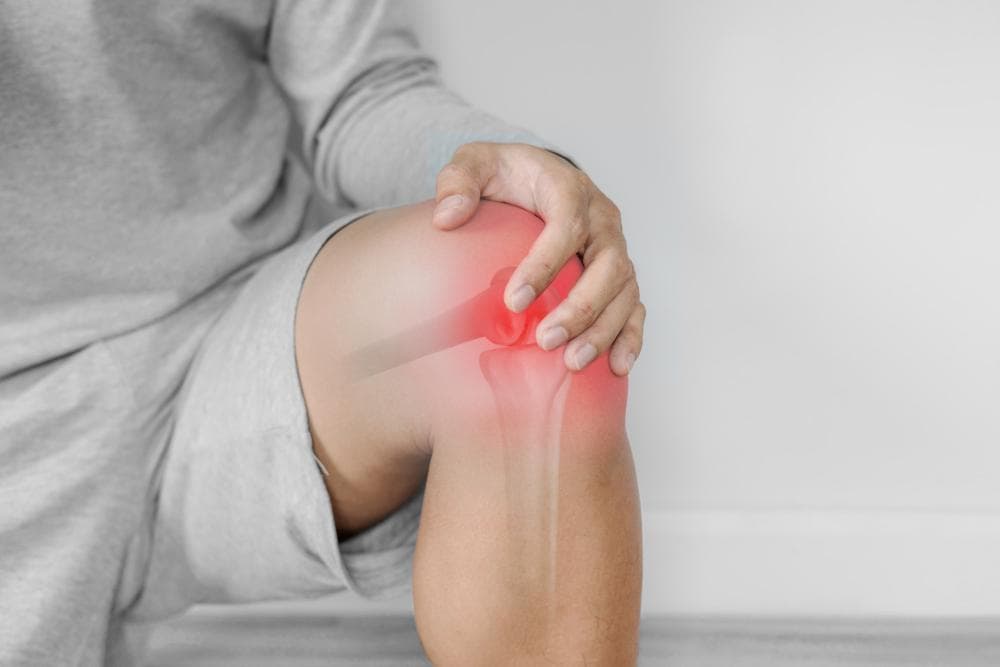
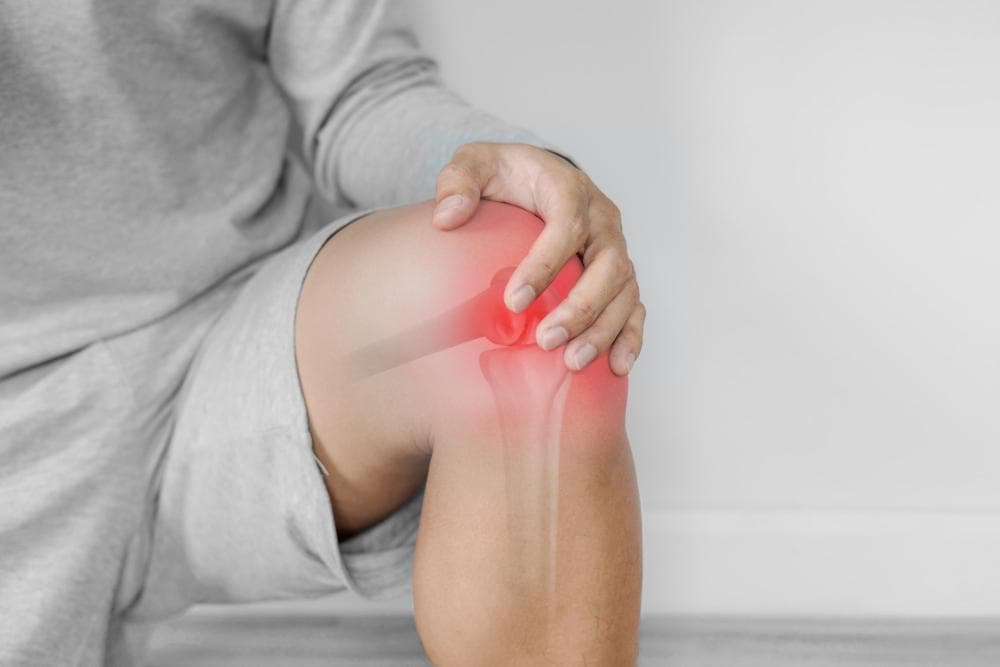
A man is holding his knee in pain.
There are a few factors that might make someone think about surgery:
- This is where the pain will not go away with medication or therapy.
- This is when movement is difficult in the joint, and everyday activities cannot be done easily.
- The shape of the joint may begin to look different or change shape.
- Where a decrease in everyday life due to pain is beginning to occur.
Final Thoughts
Surgery to replace a joint is much more than just replacing the joint itself; it also aims to bring about changes that contribute to a better and more independent lifestyle for individuals suffering from several medical conditions. It allows a person to move with more ease and with confidence and to experience an absence of pain.
An early diagnosis and proper treatment can certainly go a long way. This is made possible with the help of an orthopedic expert who provides one with accurate treatment and recovery. With the aid of Dr. Mayank Chauhan in Noida, one can move forward towards a life free of pain.
Frequently Asked Questions (FAQs)
1. How long is the expected lifespan of joint reconstruction surgery?
The success rate of joint reconstruction ranges from 15 to 25 years or more, and the lifespan will vary based on the type of surgery performed and lifestyle factors.
2. Is joint reconstruction surgery painful?
It is performed under anesthesia, and pain experienced after surgery can be controlled with medicine and care.
3. How long does joint reconstruction surgery take to heal?
It will take several weeks to recover from the initial surgery and months of physical rehabilitation for the patient to recover fully.
4. When is the optimal time for a joint reconstruction surgery procedure?
This should be done when the movement and flexibility are decreasing as a result of stiffness, and the pain associated with it is having a negative impact on normal daily life and has not responded to conservative therapy.