Sciatica: Symptoms, Causes & Treatment

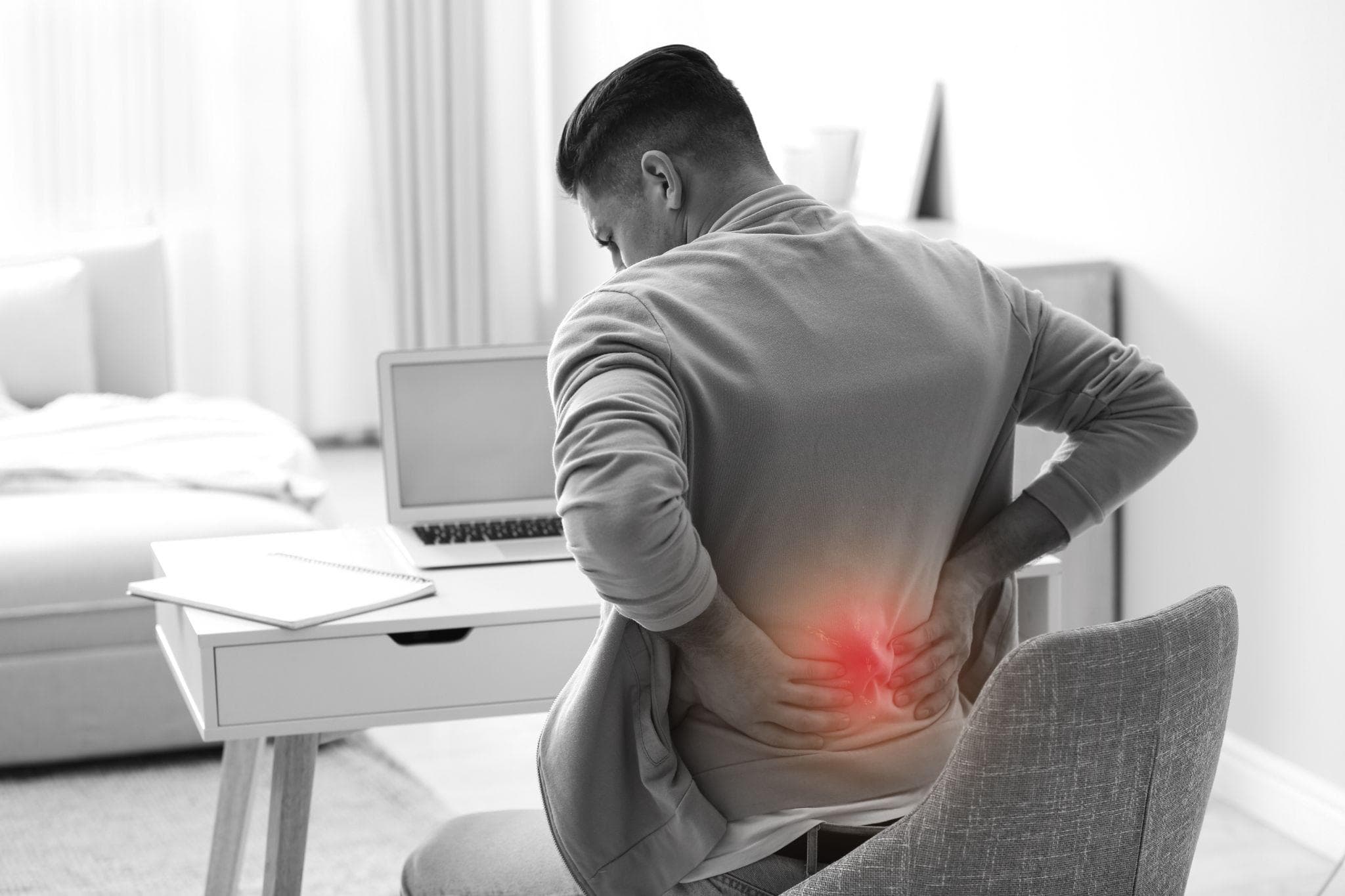
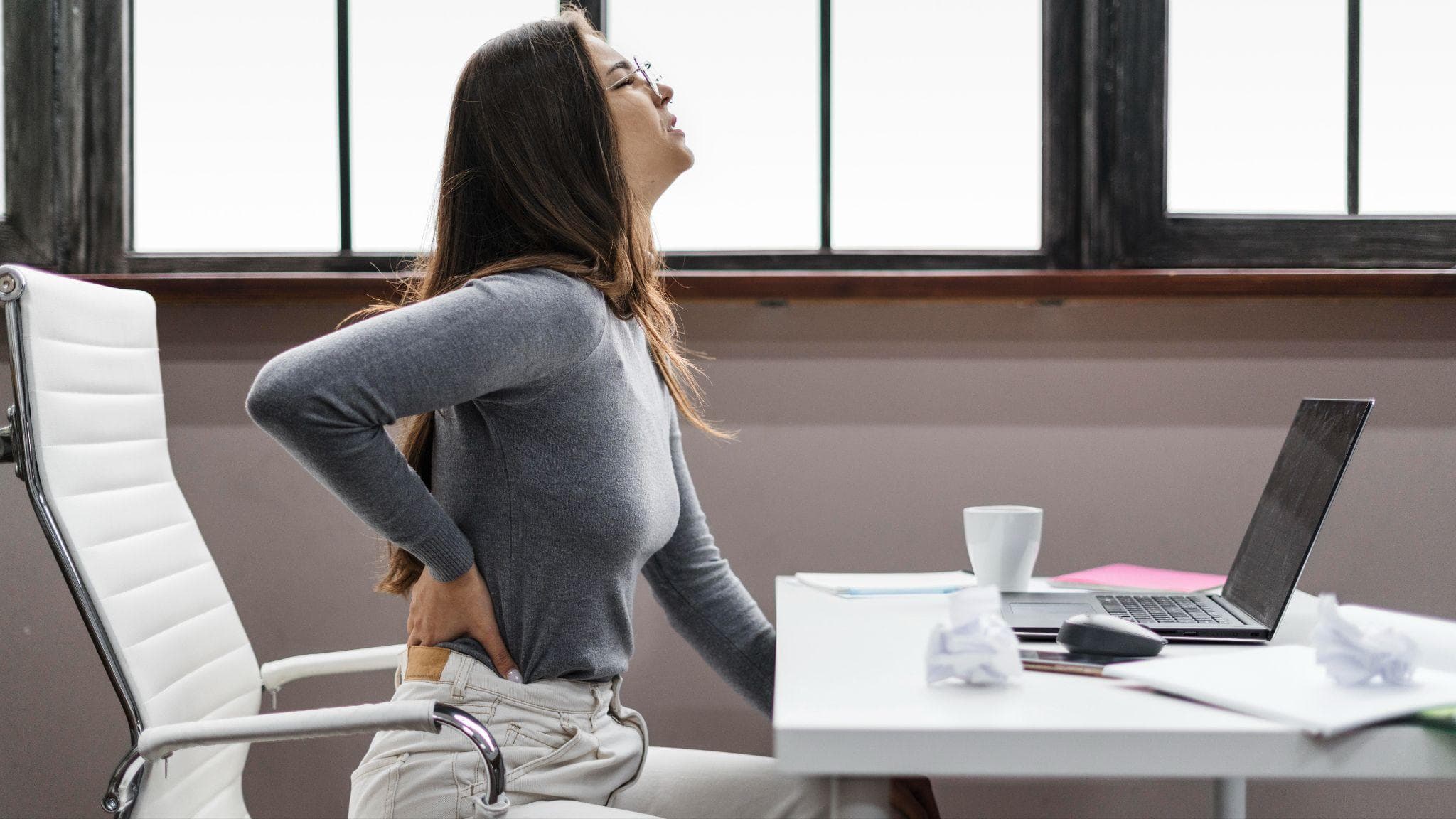
A woman is holding her lower back in pain.
When lower back pain shoots down your leg, it’s usually not just a pulled muscle. Often, it’s sciatica. That happens when something irritates or compresses the sciatic nerve, which is the longest nerve in your body, stretching from your lower back through your hips, all the way down each leg.
Sciatica doesn’t feel the same for everyone. Sometimes it’s a dull ache, sometimes it’s a sudden, stabbing pain. It can bring numbness, tingling, or even weakness in your leg. Simple things like sitting, walking, or just bending over get tough.
Still, sciatica isn’t all doom and gloom. Most people get better with the right treatment, some changes in daily habits, and a bit of physiotherapy. The more you know about the symptoms, causes, and treatment options, the easier it gets to handle the pain and get back to a normal life.
In this guide, you’ll get a clear look at what sciatica is, what sets it off, which symptoms matter, and when it’s time to see an orthopedic specialist.
What Is Sciatica?
Sciatica is pain that starts when something irritates or squeezes the sciatic nerve. This nerve runs from your lower back, through your hips and buttocks, all the way down your legs. When the nerve gets pinched or inflamed, you feel pain that shoots along its path; sometimes it’s just a dull ache, other times it’s sharp or intense. Most people feel it on one side of the body, not both.
It’s important to remember: sciatica isn’t a disease by itself. It’s a sign that something else is wrong, like a herniated disc or wear and tear in the spine.
Common Signs Of Sciatica
Sciatica doesn’t always feel the same for everyone. For some, it’s just a nagging ache. For others, it can be tough to even get out of a chair.
1. Lower Back Pain
Usually, the pain starts in your lower back, then creeps into your buttocks or legs.
2. Radiating Leg Pain
That sharp, burning pain shooting down from your lower back through your buttocks and all the way to your leg is classic sciatica.
3. Numbness Or Tingling
A lot of people notice tingling, numbness, or that weird “pins and needles” feeling in their leg or foot.
4. Muscle Weakness
Sometimes, your leg or foot just doesn’t want to cooperate. You might have trouble walking, standing, or lifting your foot.
5. Pain That Gets Worse When You Sit
Sitting for too long ramps up the pressure on your sciatic nerve, which usually just makes everything hurt more.
Dr. Mayank Chauhan in Noida will give you expert advice and advanced treatment options for sciatica and spine conditions. If you get the treatment from him, you will feel better. The treatments will reduce the pain in your body, and you can do everyday things easily.
What Causes Sciatica?
Sciatica kicks in when the sciatic nerve gets squeezed, irritated, or inflamed. This nerve starts in your lower back, runs through your hips and buttocks, and then shoots down each leg. When something presses on it, you can feel pain, numbness, or that classic tingling all along its path. A bunch of different back problems and muscle issues can set this off.
1. Herniated Or Slipped Disc
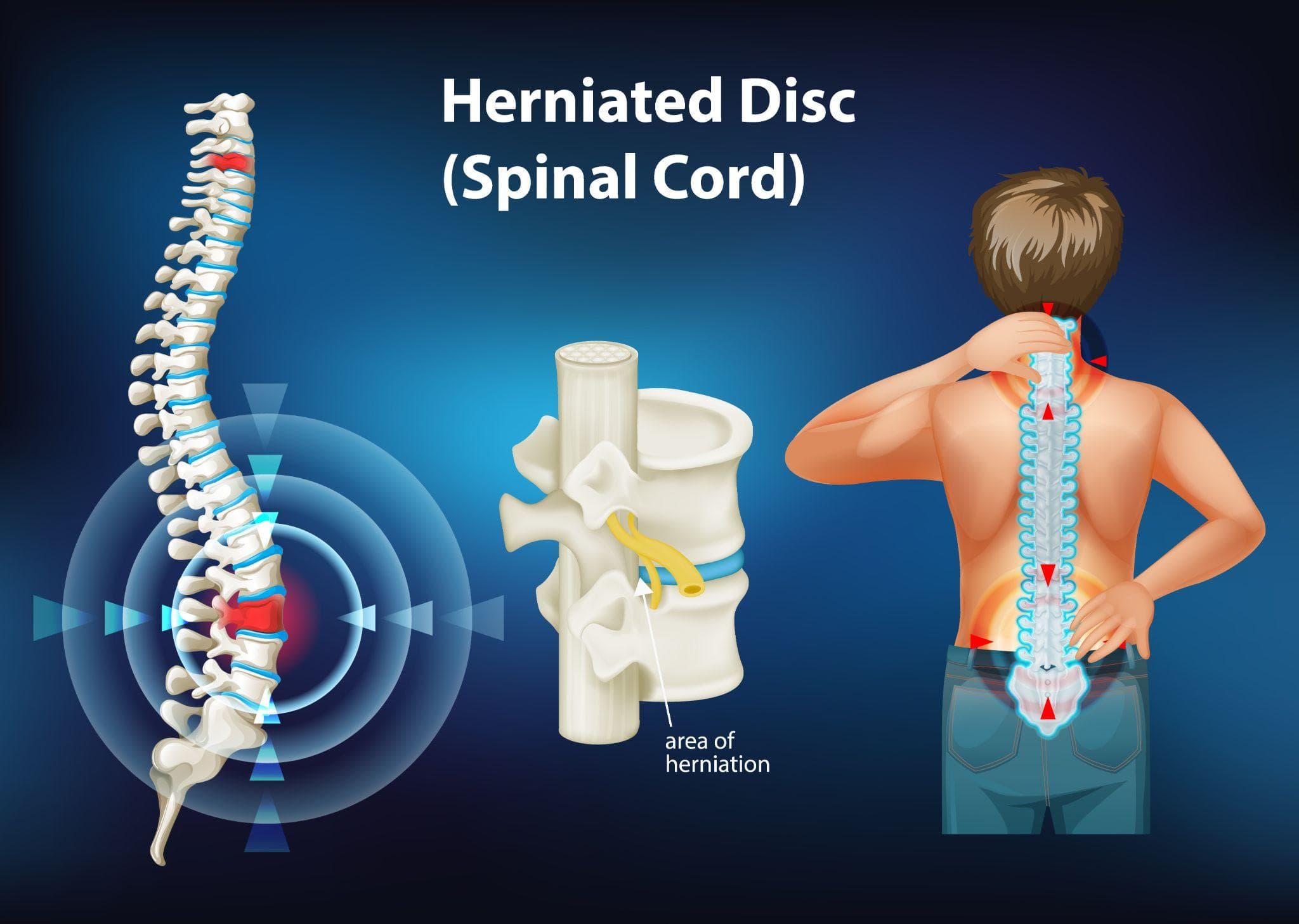
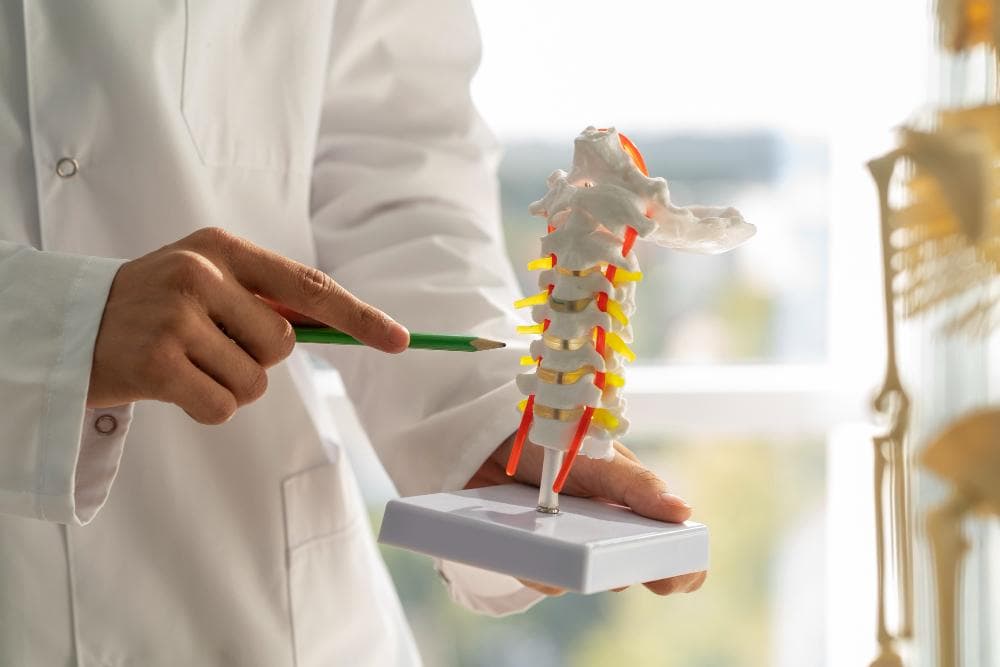
Illustration explaining a herniated spinal disc.
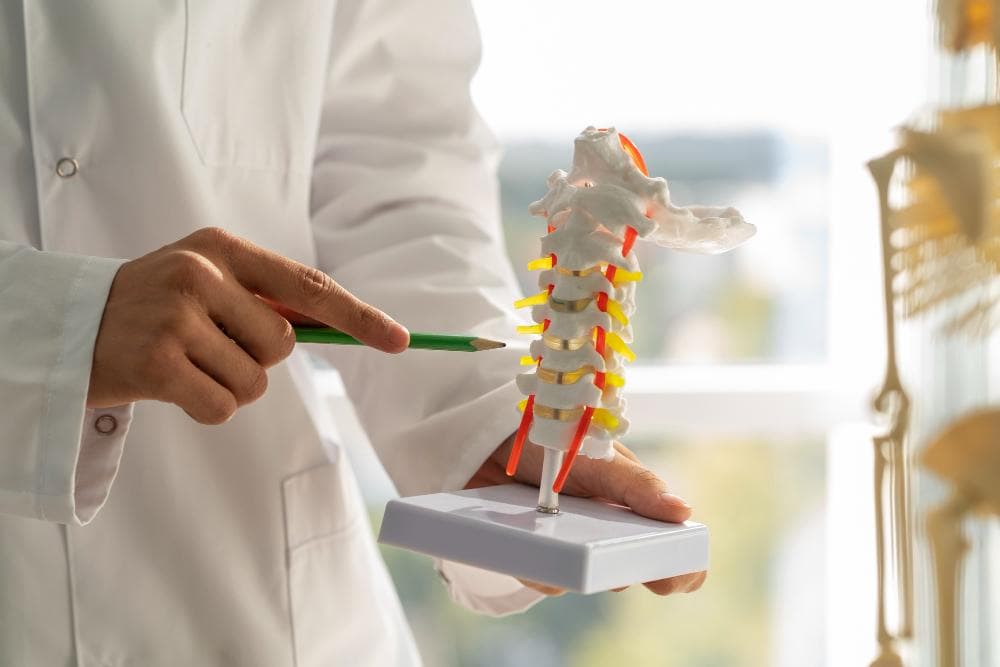
A herniated (or slipped) disc is probably the main culprit. Think of the discs between your vertebrae as shock absorbers; they keep your spine flexible and cushioned. But if you’re getting older, lifting something heavy, or you suddenly strain your back, these discs can bulge or even rupture.
When that happens, the soft inside of the disc pushes out and presses directly on the nerves, including the sciatic nerve. That’s what sends pain shooting from your lower back down your leg.
2. Spinal Stenosis
This is when the spaces inside your spine start to narrow. It’s a pretty common problem as people get older because, let’s face it, the spine just wears out over time. When the canal tightens up, it squeezes the nerves, including the roots of the sciatic nerve. That’s when you end up with leg pain, numbness, or weakness.
3. Degenerative Disc Disease
As you age, your spinal discs dry out and lose their bounce, and it’s called degenerative disc disease. When the discs get thinner or weaker, the bones in your spine move closer together, which means more chances for the nerves to get pinched. If it’s the sciatic nerve roots that get caught, you can expect lingering lower back pain and sciatica.
4. Piriformis Syndrome
It sits deep in your buttocks, helping your hips move. Sometimes, this muscle tightens up or gets inflamed. When that happens, it puts pressure on the sciatic nerve running right underneath (or sometimes even through) the muscle. That’s piriformis syndrome. You’ll notice pain starting in your butt and running down your leg.
5. Injury Or Trauma
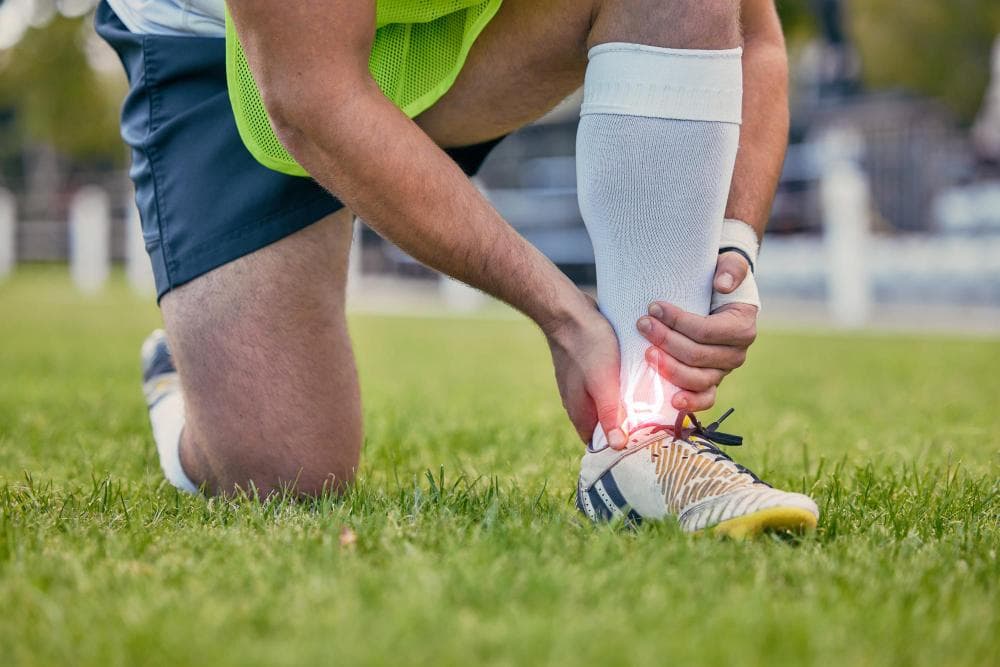
Injuries like falls, accidents, or hits from sports can bring on sciatica, too. Damage to your spine, muscles, or the tissues around them can cause swelling or shift things just enough to pinch the sciatic nerve. When that’s the case, pain usually comes on fast after the injury and gets worse when you move a certain way.
Risk Factors For Sciatica
Some things can make you more likely to get sciatica. Certain things can increase your chances of developing sciatica. For example, the risk of sciatica is higher when you get older because your spine changes, as you age. Here are some things that can increase your risk of getting sciatica:
- Age is a factor because, as you get older, your spine is more likely to change in ways that can cause sciatica.
- If you sit around all day, you are more likely to get sciatica because sitting for long periods can hurt your lower back.
- Lifting things the wrong way can also cause sciatica because it can strain your spine and lead to sciatica.
- Being overweight is another thing that can increase your risk of getting sciatica because it puts stress on your lower back.
- Having diabetes can also increase your risk of getting sciatica because it can cause nerve damage and lead to sciatica.
Treatment Options For Sciatica
Treating sciatica is about easing the pressure on the sciatic nerve, reducing pain, and getting you moving again. The way to treat it depends on what's causing it and how bad it is. Most of the time, sciatica gets better with treatments that don't involve surgery. If it's really severe, you might need to consider medical procedures.
1. Rest And Activity Modification
Taking breaks to rest can help calm down the nerve especially when the pain first starts. Don't stay inactive for too long. Doing activities like taking a gentle walk and avoiding heavy lifting or sitting for too long can help you get better.
2. Physiotherapy
Physiotherapy is really helpful in managing sciatica. A physiotherapist might suggest some stretching exercises, strengthening routines, and posture correction to take the pressure off the nerve. These exercises help you become more flexible, support your spine, and lower the chances of sciatica coming back.
3. Medications
Doctors might prescribe pain relievers or anti-inflammatory medications to control pain and swelling. In some cases, they might also recommend muscle relaxants to ease muscle tension and make you feel more comfortable while you recover.
4. Hot And Cold Therapy
Using packs can help reduce inflammation when the pain first starts. Heat therapy, on the other hand, helps relax tight muscles and improve blood flow. Both methods can provide relief.
5. Lifestyle Changes
Keeping a healthy weight, staying active, and improving your posture can help reduce strain on your spine. These changes support long-term recovery. Might help prevent sciatica from coming back.
6. Surgical Treatment
If the pain persists for a time or you experience nerve damage, surgery might be recommended to remove the pressure on the sciatic nerve. This is usually considered only when other treatments don't provide relief.
When To See An Orthopedic Specialist
It is ideal to see an orthopedic specialist if the sciatica is not getting better, with home care. Certain symptoms are serious.
- Pain lasting longer than a few weeks. The doctor can figure out what is wrong.
- One should not ignore very bad pain, as it becomes hard to do things.
- If you have numbness or your leg is weak all the time, it could mean that a nerve is damaged.
- Difficulty controlling the bladder or bowels is very serious. It is not common. It can happen, and needs to be taken care of.
Preventing Sciatica
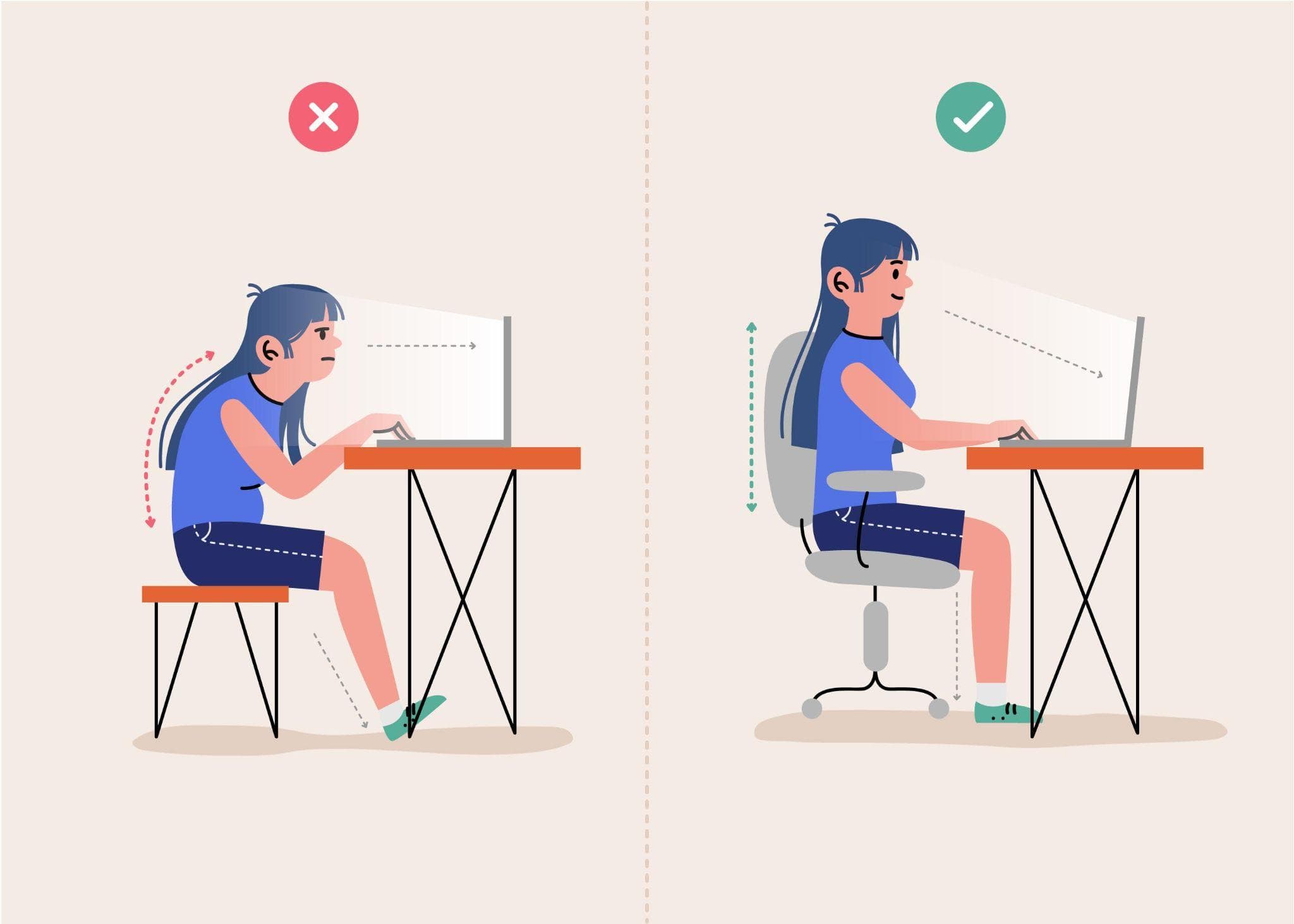
A comparison showing how to sit properly on a chair while working.
There are things one can do to reduce the chance of getting sciatica. To stay healthy, one should:
- Maintain posture while sitting and standing.
- Exercise regularly to make your back and core muscles strong.
- Lifting heavy things the right way.
- Do not sit for too long without getting up.
- Keep your weight under control.
These things help keep the spine healthy and do not put too much pressure on the sciatic nerve.
Final Thoughts
Sciatica is very painful. It can really mess up your life. If you find out what is wrong with you and get the right treatment, you will probably get better. If you notice the symptoms early and do something about what's causing them, you can stop the problem from getting worse.
If you have pain in your lower back or leg that will not go away, and it is affecting your life, you should go see a specialist. This is the way to get better.
You can go see Dr. Mayank Chauhan in Noida. He will figure out what is wrong with you and help you get the right treatment for sciatica. With the medical care, physiotherapy, and advice on how to live your life, people with sciatica can move around easily again, feel less pain, and do their normal activities without worrying about sciatica.