What Is Arthritis? A Complete Guide to Types, Causes, Symptoms, and Treatment

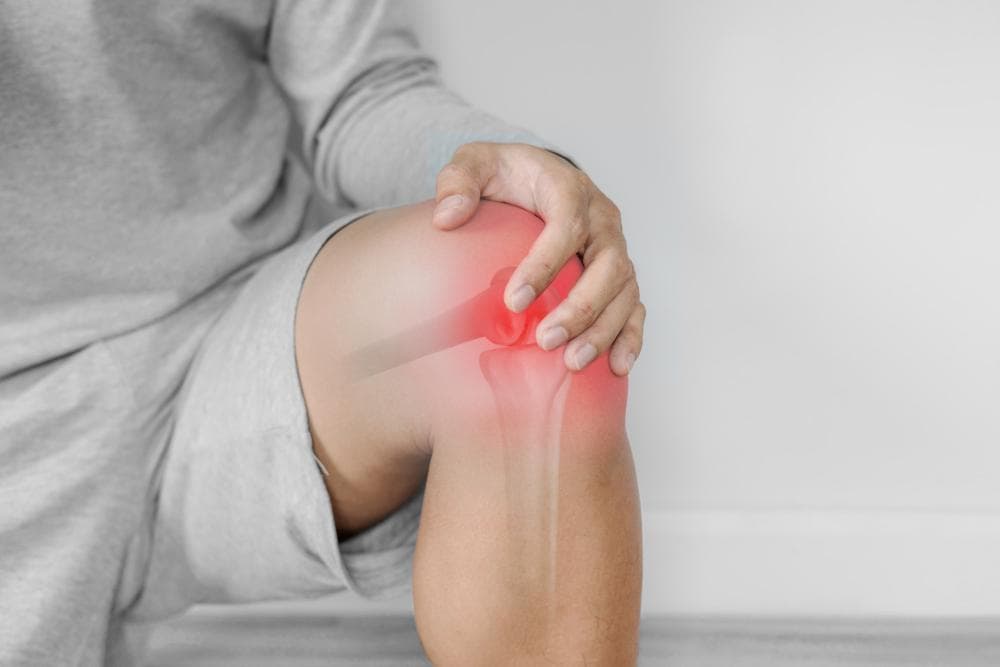
A patient sits in a clinic while a doctor assesses the knee to check for pain, swelling or joint issues.
Most people think arthritis is something that only happens to old people. It isn't. A 28-year-old runner can have it. A 35-year-old office worker can have it. Even children get diagnosed with a form of it called juvenile idiopathic arthritis. Arthritis doesn't care much about age — and in India, it's far more common than most people realize.
More than 180 million people in India live with some form of arthritis. That number is higher than the combined count of people affected by diabetes, AIDS, and cancer in the country. Around 14% of the Indian population visits a doctor every year specifically because of this joint disease. And yet, a huge number of people either ignore the early signs or dismiss the pain as something that will go away on its own.
It usually doesn't.
So, What Exactly Is Arthritis?
The word "arthritis" comes from the Greek: arthron (joint) and itis (inflammation). Put simply, arthritis is joint inflammation — but that two-word definition doesn't do it justice.
Arthritis is actually an umbrella term for more than 100 different conditions that affect joints, the tissues surrounding joints, and sometimes other connective tissues throughout the body. Some forms attack the cartilage between bones. Others trigger the immune system to attack the joint lining. Some are caused by excess uric acid crystals settling into the joints. The mechanism varies widely depending on the type — but the experience for the patient is often similar: pain, stiffness, swelling, and reduced ability to move.
What makes it tricky is that arthritis isn't always a single, clean diagnosis. It can show up gradually over years, or it can flare up suddenly. The joints most commonly affected are the knees, hips, hands, wrists, and spine — though it can hit virtually any joint in the body.
The Most Common Types of Arthritis in India
1. Osteoarthritis (OA) — The Wear-and-Tear Type
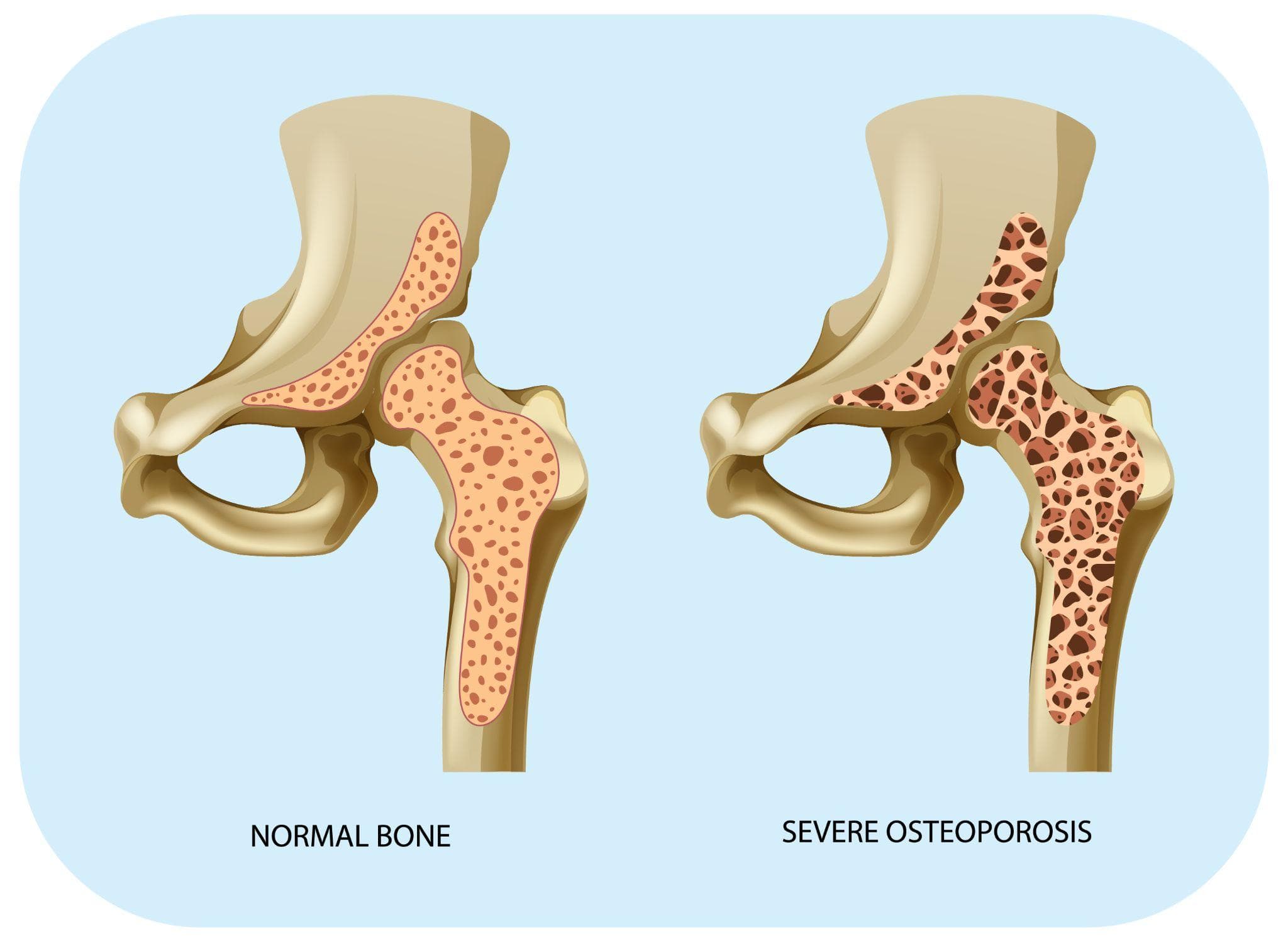
This is by far the most prevalent form of arthritis in India. Osteoarthritis occurs when the cartilage — the protective cushion between bones — gradually breaks down over time. Once that cushion is gone, bone rubs against bone, which causes pain, swelling, and stiffness.
OA affects roughly 15 million adults every year in India, with a prevalence ranging from 22% to 39%. It most commonly shows up in the knees, hips, and hands. People who are overweight, physically inactive, or have had previous joint injuries are at higher risk.
The condition doesn't happen overnight. It's a slow, progressive process. Many patients with OA reach a point where knee replacement surgery or hip replacement surgery becomes the most effective option for restoring quality of life.
2. Rheumatoid Arthritis (RA) — The Immune System's Mistake
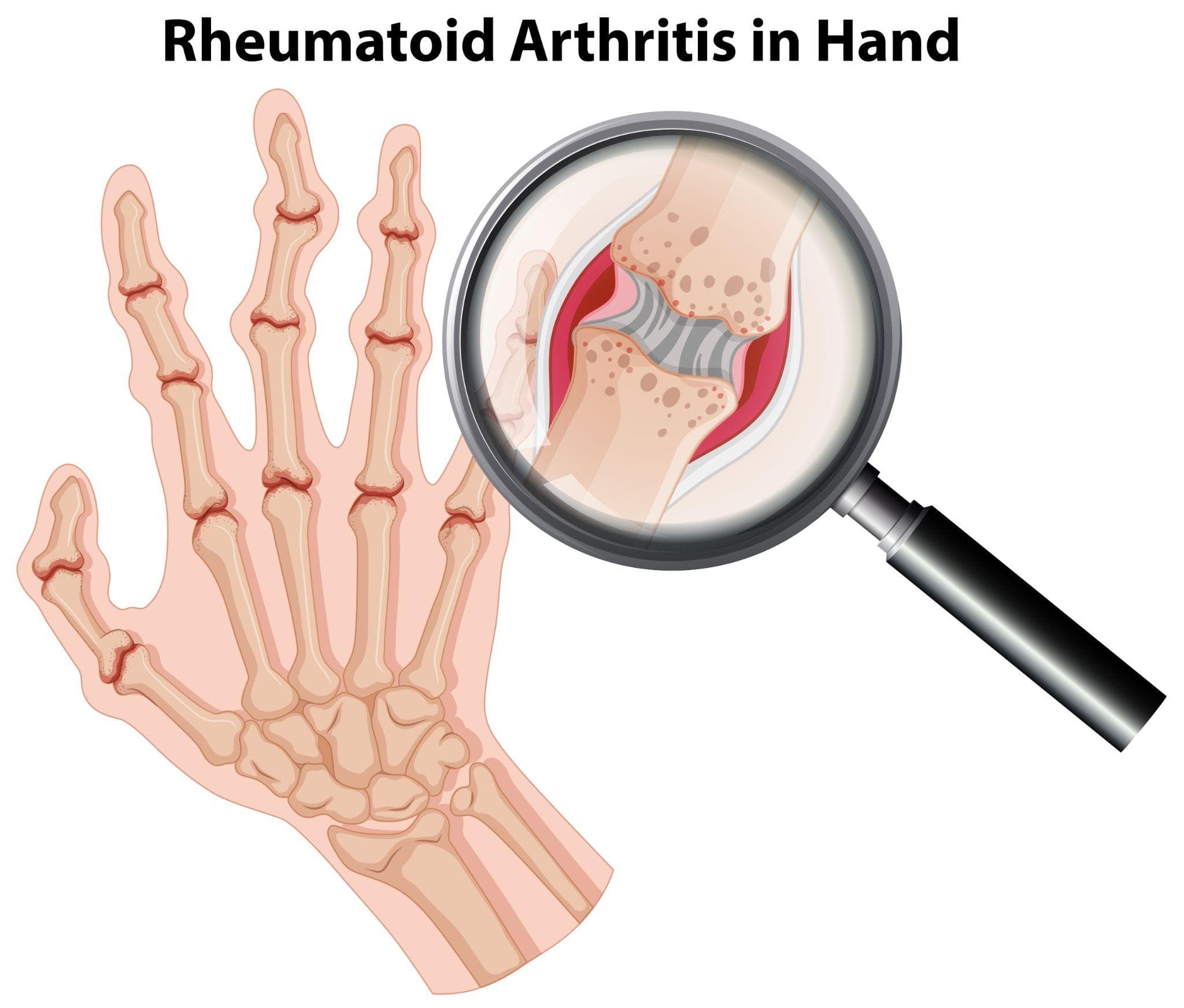
Rheumatoid arthritis is an autoimmune disease. The body's immune system, which is supposed to fight off infections, gets confused and starts attacking the synovial lining of the joints instead. This causes chronic inflammation that, if left untreated, can permanently damage the joints.
RA is more common in women than in men — studies across Indian laboratories consistently show this pattern. The condition usually affects smaller joints first (fingers, wrists) and can eventually spread to larger joints. Around 70% of RA patients in India are also affected by anxiety and depression, which speaks to how deeply this condition impacts daily life.
3. Gout — When Uric Acid Crystals Attack
Gout is a form of arthritis caused by the buildup of uric acid crystals in the joints. It tends to hit suddenly and severely — most famously in the big toe, though it can affect the ankle, knee, and wrist too. The pain during a gout flare-up is described by patients as one of the most intense they've ever experienced.
High uric acid levels are more commonly detected in North India, according to data from SRL Diagnostics, which analyzed over 6.4 million arthritis-related samples across the country.
4. Psoriatic Arthritis
This type of arthritis develops in some people who have psoriasis — a skin condition that causes red, scaly patches. Not everyone with psoriasis gets psoriatic arthritis, but when it does occur, it can cause significant joint damage over time.
5. Ankylosing Spondylitis
This form primarily targets the spine, causing inflammation in the vertebrae. Over time, it can lead to the fusion of spinal bones, causing the spine to become rigid. It's more common in young men and often begins with lower back pain and stiffness.
6. Reactive Arthritis
Reactive arthritis develops as a response to an infection somewhere else in the body — commonly a urinary tract, gut, or sexually transmitted infection. It often resolves on its own within weeks or months, but in some cases, it becomes chronic.
What Causes Arthritis?
There's no single answer. Arthritis has multiple causes, and they vary by type. That said, there are several well-established risk factors:
Age — The risk of most types of arthritis increases with age. Cartilage naturally becomes thinner and less resilient over time.
Gender — Women are more likely to develop rheumatoid arthritis and osteoarthritis. Men are more prone to gout.
Genetics — A family history of arthritis raises your likelihood of developing it. Certain genes are associated with higher susceptibility to RA and other inflammatory types.
Excess Weight — Carrying extra weight puts additional stress on weight-bearing joints, particularly the knees and hips. This accelerates cartilage breakdown in osteoarthritis. Studies in India specifically found that obesity is a significant predictor of knee OA, especially in women.
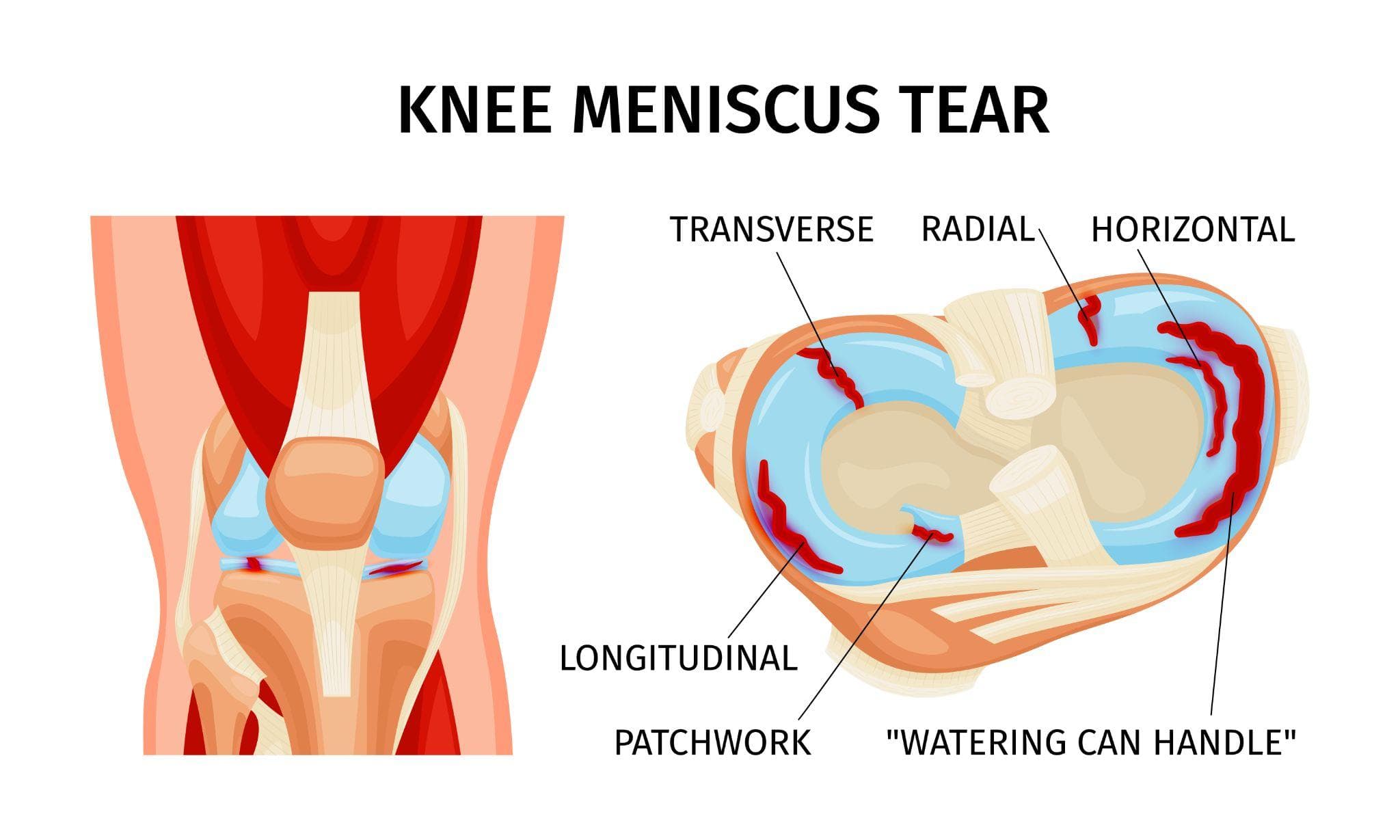
Previous Joint Injury — People who have had sports injuries, fractures, or ligament tears are more likely to develop arthritis in those joints later in life. This is something seen frequently in orthopedic practice — a football player's old ACL injury returning as knee arthritis a decade later.
Occupation — Jobs that involve repeated joint stress, heavy lifting, or prolonged squatting are associated with higher arthritis risk.
Diabetes and Hypertension — Indian studies have identified these as independent risk factors for knee osteoarthritis.
Smoking — Tobacco use is linked to a higher risk of rheumatoid arthritis and can worsen inflammation overall.
Common Symptoms — What to Actually Watch For
The symptoms of arthritis vary depending on the type, but these are the signs most commonly reported:
- Joint pain — can be constant or intermittent, worse after rest or after prolonged use
- Stiffness — especially in the morning or after sitting for a long time
- Swelling around one or more joints
- Redness and warmth over the affected joint
- Reduced range of motion — difficulty bending the knee, raising the arm, or gripping objects
- Fatigue — more pronounced in inflammatory types like RA
- Crepitus — a grinding or crackling sensation when the joint moves
One thing worth noting: arthritis symptoms can fluctuate. You might have weeks where things feel manageable, followed by flare-ups where pain becomes significantly worse. This pattern causes many people to delay seeking help — which is the wrong call, because untreated arthritis tends to worsen over time.
When Should You See a Doctor?
This is the question many people avoid asking. Here's a practical answer
See an orthopedic specialist if:
- Joint pain has lasted more than a few weeks and isn't improving
- Pain is affecting your ability to do daily tasks — walking, climbing stairs, cooking
- You notice visible swelling, redness, or heat around a joint
- You're experiencing morning stiffness that takes more than 30 minutes to ease
- You've had a previous joint injury and now notice increasing pain in that area
- You're waking up at night because of joint pain
Many people in Noida and Greater Noida consult Dr. Mayank Chauhan at Prakash Hospital specifically because they've been putting up with joint pain for months or years before finally getting it properly assessed. Early diagnosis genuinely changes outcomes — particularly for inflammatory arthritis like RA, where starting treatment early can prevent permanent joint damage.
How Is Arthritis Diagnosed?
An orthopedic surgeon will typically take a thorough history, perform a physical examination, and order tests to understand what type of arthritis is present. Common investigations include:
Blood Tests — Tests like ESR (Erythrocyte Sedimentation Rate), CRP (C-Reactive Protein), Rheumatoid Factor (RF), and Anti-CCP antibodies help identify inflammatory or autoimmune forms of arthritis. Uric acid levels are checked when gout is suspected.
Imaging — X-rays show joint space narrowing and bone changes. MRI gives a clearer picture of soft tissue, cartilage, and early changes that X-rays might miss. CT scans can provide detailed images of complex joints.
Joint Fluid Analysis — In some cases, a sample of fluid from the joint is analyzed to check for infection, crystals (in gout), or other markers.
The diagnosis matters because treatment for osteoarthritis looks very different from treatment for rheumatoid arthritis. Getting a precise answer upfront avoids years of guesswork.
Treatment Options for Arthritis
There's currently no cure for most forms of arthritis — but that doesn't mean it can't be managed well. The goal of treatment is to reduce pain, preserve joint function, and prevent further damage.
Non-Surgical Treatments
Medications — Anti-inflammatory drugs (NSAIDs) are commonly used to reduce pain and swelling. For RA and other autoimmune types, disease-modifying antirheumatic drugs (DMARDs) can slow the disease process. Corticosteroid injections can provide short-term relief for inflamed joints.
Physical Therapy — Exercises that strengthen the muscles around joints take pressure off the joint itself. A good physiotherapy program can significantly improve function and reduce pain in OA patients.
Weight Management — Losing even a modest amount of weight reduces load on the knees and hips in a way that medications alone cannot match.
Lifestyle Changes — Low-impact exercise (swimming, cycling, walking), heat or cold therapy, and dietary adjustments can all help manage symptoms day to day.
Surgical Treatment
When non-surgical options no longer provide adequate relief — or when joint damage has become severe — surgery becomes the right conversation to have.
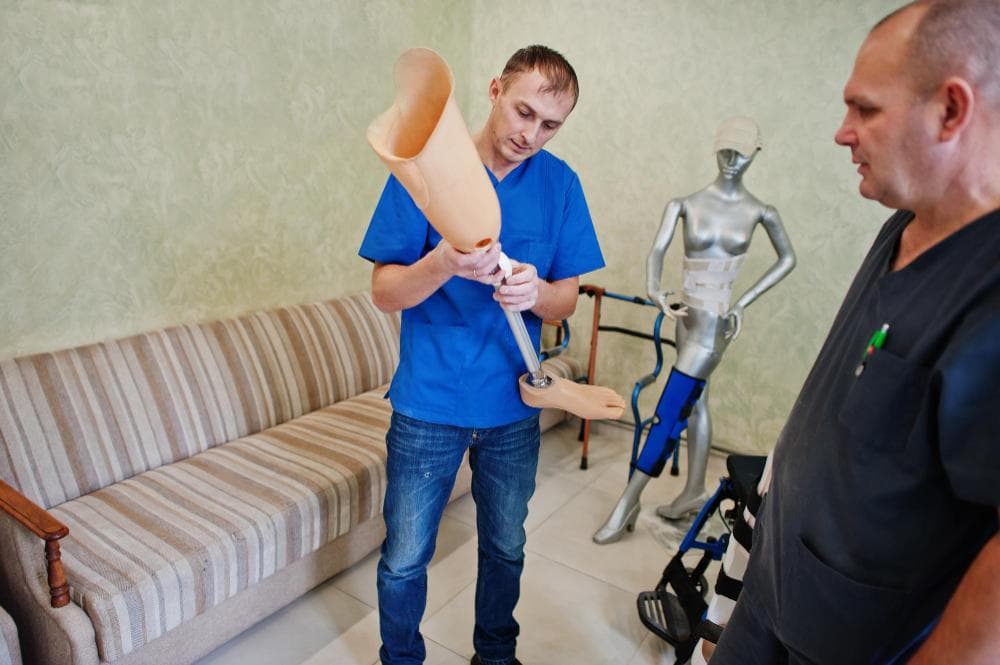
Joint Replacement Surgery is the most common surgical intervention for advanced osteoarthritis. In a knee replacement or hip replacement, the damaged joint surfaces are removed and replaced with precisely fitted artificial components made of metal, ceramic, or durable plastic. Dr. Mayank Chauhan specializes in joint replacement surgery at Prakash Hospital, Noida, using advanced techniques including computer-assisted and minimally invasive approaches that aim for faster recovery and better outcomes.
Joint Reconstruction is appropriate in cases where the joint isn't fully worn but has been significantly damaged — often in younger patients or those with post-traumatic arthritis.
The decision to proceed with surgery is never taken lightly. A thorough evaluation, including imaging and functional assessment, is always done first. Many patients are surprised to find that surgery isn't immediately recommended — conservative management is always explored first.
Can Arthritis Be Prevented?
Completely preventing arthritis isn't always possible — some genetic and age-related factors are simply outside our control. But there are concrete steps that reduce risk:
- Maintain a healthy weight to protect weight-bearing joints
- Stay physically active — inactivity accelerates joint degeneration
- Avoid smoking; it raises the risk of RA and worsens inflammation
- Protect your joints during sports with appropriate gear and technique
- Treat injuries properly — a poorly healed ligament tear can become a source of arthritis years down the line
- Get regular check-ups if you have a family history of arthritis
Arthritis and Quality of Life — The Bigger Picture
Living with untreated arthritis is genuinely hard. It affects sleep, mood, work, and the ability to do simple things most people take for granted — standing up from a chair, climbing a flight of stairs, playing with your children. The emotional toll is real and often underappreciated.
But arthritis doesn't have to mean accepting a diminished life. With the right diagnosis, the right treatment plan, and the right specialist, most patients with arthritis can maintain an active, productive life. The key is not waiting until things get desperate.
Consult an Orthopedic Specialist in Noida
If you're experiencing persistent joint pain, stiffness, or swelling in Noida, Greater Noida, or anywhere across Delhi NCR, getting a professional assessment is the most important next step. Dr. Mayank Chauhan, Senior Orthopedic Surgeon at Prakash Hospital, Sector 33, Noida, has over 15 years of experience in diagnosing and treating all forms of arthritis — from conservative management to complex joint replacement surgery.
He holds an international fellowship from Hallym University Hospital, South Korea, and a prestigious SICOT Fellowship in Arthroplasty from Mumbai — bringing a level of exposure and expertise that matters when joint health is on the line.
To book a consultation, call +91 7303245544.
Clinic hours: Monday to Saturday, 10 AM to 8 PM | Sunday, 10 AM to 2 PM
Location: D-12, 12A, 12B, Sector 33, Noida (next to ISKCON Temple)
Frequently Asked Questions (FAQs) About Arthritis
Q1. Is arthritis only an old person's disease?
No — and this is one of the most common misconceptions. While the risk does increase with age, arthritis can affect people in their 20s and 30s, and even children. Juvenile idiopathic arthritis is a recognized condition in kids. Young athletes who've had previous joint injuries are also at higher-than-average risk of developing arthritis in those joints later.
Q2. Can arthritis be cured completely?
For most types of arthritis, there is currently no complete cure. However, that doesn't mean the condition can't be managed very effectively. With the right treatment plan — medication, physiotherapy, lifestyle changes, and, in advanced cases, surgery — most patients can live active, comfortable lives. Early diagnosis makes this significantly easier.
Q3. What is the difference between osteoarthritis and rheumatoid arthritis?
Osteoarthritis is a wear-and-tear condition where cartilage breaks down over time, usually due to age, weight, or previous injury. Rheumatoid arthritis is an autoimmune disease where the body's immune system attacks the joint lining. They feel similar in terms of pain and stiffness, but the cause, progression, and treatment are quite different — which is exactly why getting a proper diagnosis matters.
Q4. How do I know if my joint pain is arthritis or just a muscle strain?
Muscle strains typically heal within a few days to a couple of weeks with rest. Arthritis pain tends to be persistent, often worse in the morning, and associated with joint stiffness or swelling. If your pain has been going on for more than three to four weeks and isn't improving, it's worth seeing an orthopedic specialist rather than guessing.
Q5. Can arthritis affect organs other than joints?
Yes, some forms can. Rheumatoid arthritis, for instance, can affect the eyes, lungs, heart, and skin if it's not controlled. Psoriatic arthritis can cause skin and nail changes. This is one reason why treating inflammatory arthritis early is important — the consequences of leaving it unmanaged can go beyond joint damage.
Q6. Is surgery always required for arthritis?
Not at all. Surgery is usually the last resort, considered only when conservative treatments — physiotherapy, medications, injections, and lifestyle changes — have not provided enough relief and the joint damage is severe. Most arthritis patients are managed well without surgery for many years. When surgery does become the right option, procedures like knee or hip replacement have very high success rates.
Q7. Which joints are most commonly affected by arthritis in India?
The knee joint is by far the most commonly affected, followed by the hip, hand, and spine. Knee osteoarthritis is particularly prevalent in India, partly due to lifestyle factors like frequent use of Indian-style toilets, prolonged squatting, and high rates of obesity in urban populations.
Q8. Can diet help with arthritis?
Diet alone won't cure arthritis, but it can play a supporting role. An anti-inflammatory diet — one that includes plenty of fruits, vegetables, whole grains, and omega-3 fatty acids (found in fish, flaxseed, and walnuts) — may help reduce inflammation levels. Avoiding processed foods, excess sugar, and alcohol is also generally recommended. For gout specifically, reducing purine-rich foods like red meat and alcohol can significantly reduce flare-ups.
Q9. Should I avoid exercise if I have arthritis?
This is a very common fear — and it works the other way around. Staying sedentary actually worsens arthritis because the muscles around the joint weaken, putting more load on the joint itself. Low-impact exercises like swimming, cycling, and walking are usually recommended. A physiotherapist or orthopedic surgeon can guide you on what's appropriate for your specific type and severity of arthritis.
Q10. When should I see an orthopedic surgeon instead of a general physician for joint pain?
A general physician is a good first point of contact. However, if your joint pain is persistent, affecting function, or involving visible swelling and deformity, an orthopedic specialist's assessment becomes important. An orthopedic surgeon has the training and tools to accurately diagnose the type of arthritis, order the right investigations, and recommend whether you need conservative care or surgical intervention.
The information in this blog is for general educational purposes only and does not substitute for professional medical advice. Always consult a qualified orthopedic surgeon for diagnosis and treatment specific to your condition.