Reviewed by Dr. Mayank Chauhan
हिंदी में संबंधित लेख:नोएडा में नी रिप्लेसमेंट सर्जरी
Knee Replacement Surgery In Greater Noida - A Patient's Guide To Getting It Right
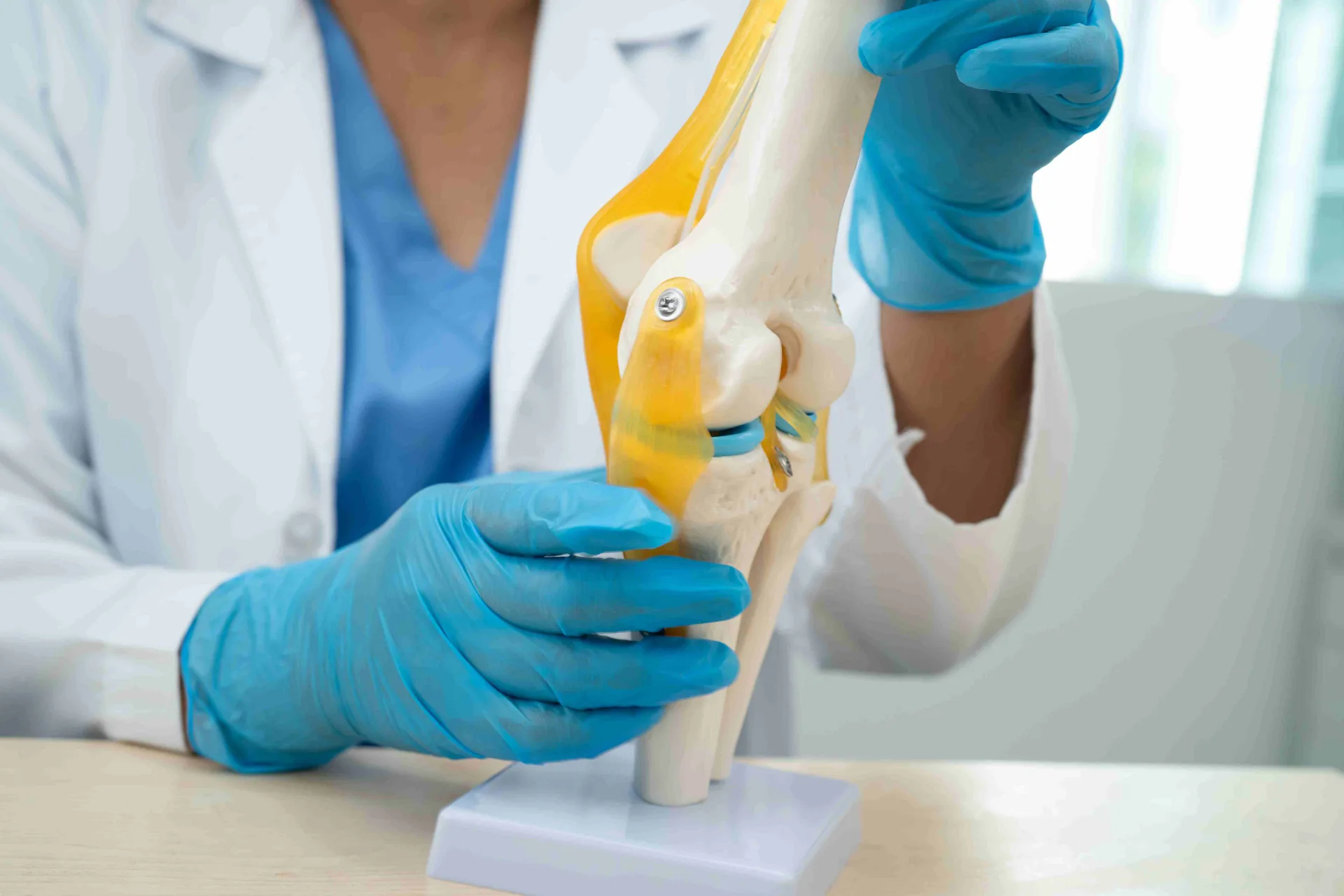
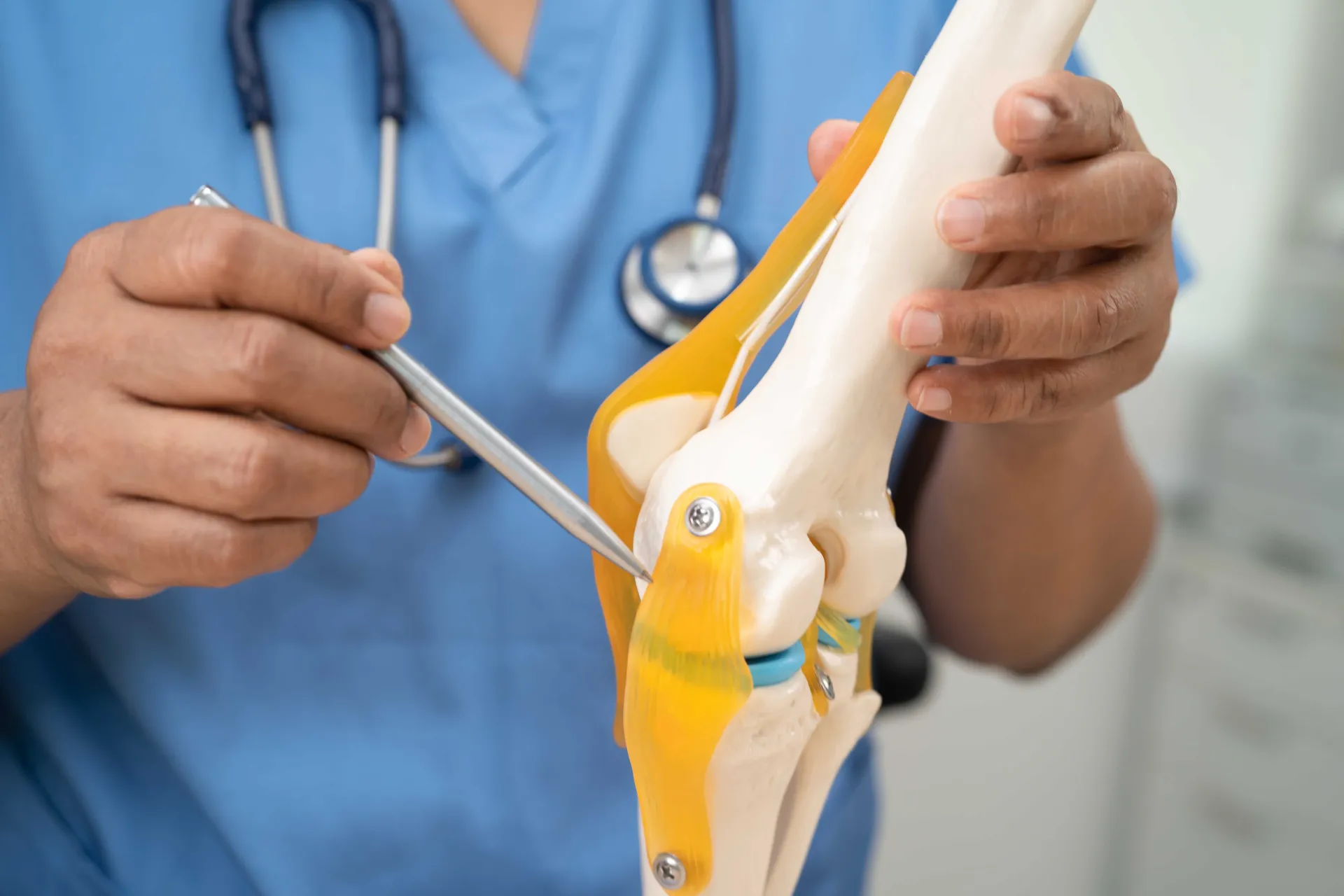
Surgeon showing a knee joint model to the patient while explaining types of knee surgery, including partial and total knee replacement.
Greater Noida has changed a great deal in the last decade. What was once primarily a developing suburb of Delhi NCR has grown into a city with its own substantial population, including professionals, families, and a fast-growing elderly community. With that growth has come a significant increase in demand for high-quality orthopedic care, particularly knee replacement surgery.
The challenge for patients in Greater Noida is not that good care is unavailable. It's knowing how to find it, how to evaluate it, and how to make an informed decision about something as consequential as joint replacement surgery. This guide is for those patients living in Greater Noida, Noida Extension, Greater Noida West, and surrounding areas who are dealing with knee arthritis and want to understand their options properly before making any decisions.
Why Knee Problems Are So Common In Greater Noida
Greater Noida's demographic profile creates the conditions for high rates of knee arthritis.
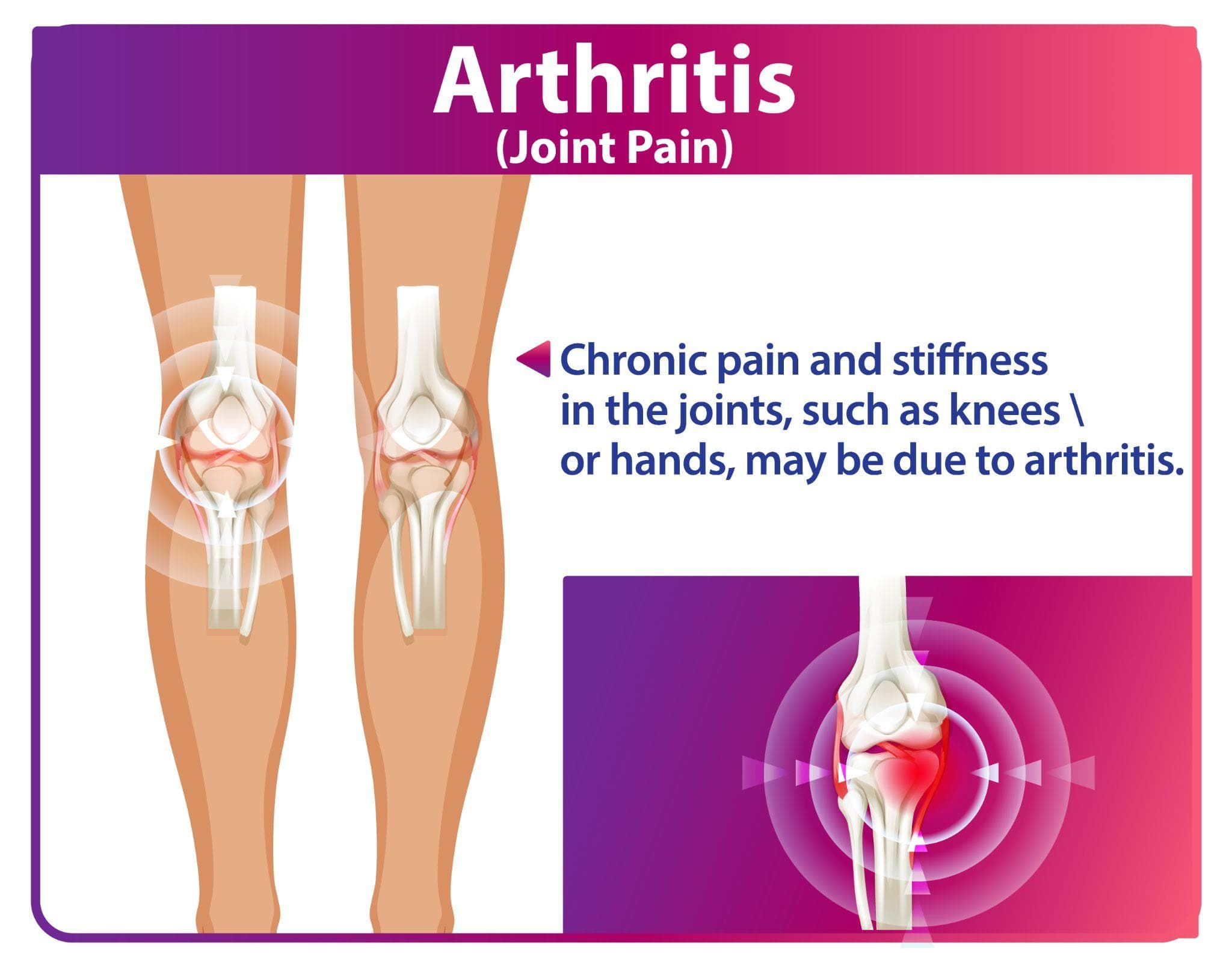
The elderly population: Greater Noida has a large number of people over 60, many of whom relocated from smaller towns and cities to be near their children. This population is at the highest natural risk for osteoarthritis; the cartilage simply wears down over decades, and at some point, most people will have some degree of knee degeneration.
The corporate workforce: Noida Extension and Greater Noida West house large residential communities where many residents commute long distances daily, spend eight to ten hours at desks, and have very little structured physical activity. Prolonged sitting with poor posture accelerates lower-limb joint degeneration and leads to early-onset osteoarthritis in people in their 40s and 50s.
Obesity: Greater Noida, like urban India, has broadly seen rising rates of obesity. For every kilogram of excess body weight, the knee joint bears approximately 4 kilograms of additional load during walking. Over the years and decades, this dramatically accelerates cartilage breakdown.
Sports and injury: With Greater Noida's growing infrastructure, gyms, parks, sports facilities, and the cricket culture, sports injuries affecting the knee are common. Untreated or inadequately treated ACL tears, meniscus injuries, and fractures frequently lead to post-traumatic arthritis years later.
When Is Knee Replacement Surgery The Right Decision?
Knee replacement is not a decision made lightly, and no responsible orthopedic surgeon in the Noida or Greater Noida region will recommend it without careful evaluation. It's a major surgery with a significant recovery period. But for the right patient, it's transformative. Knee replacement is typically recommended when:
Conservative treatment has been genuinely tried and has failed. This means physiotherapy done consistently and not just once or twice. Pain medication is used appropriately. Injections tried (steroid, hyaluronic acid, or PRP). Weight loss is attempted if relevant. If all of these have been given a fair trial and the pain remains significant, the conversation moves to surgery.
X-rays show advanced arthritis. The gold standard for deciding on knee replacement is still the plain weight-bearing X-ray. Grade 3 or Grade 4 osteoarthritis with significant or complete loss of joint space and bone-on-bone contact typically indicates that non-surgical options are near the limits of their usefulness.
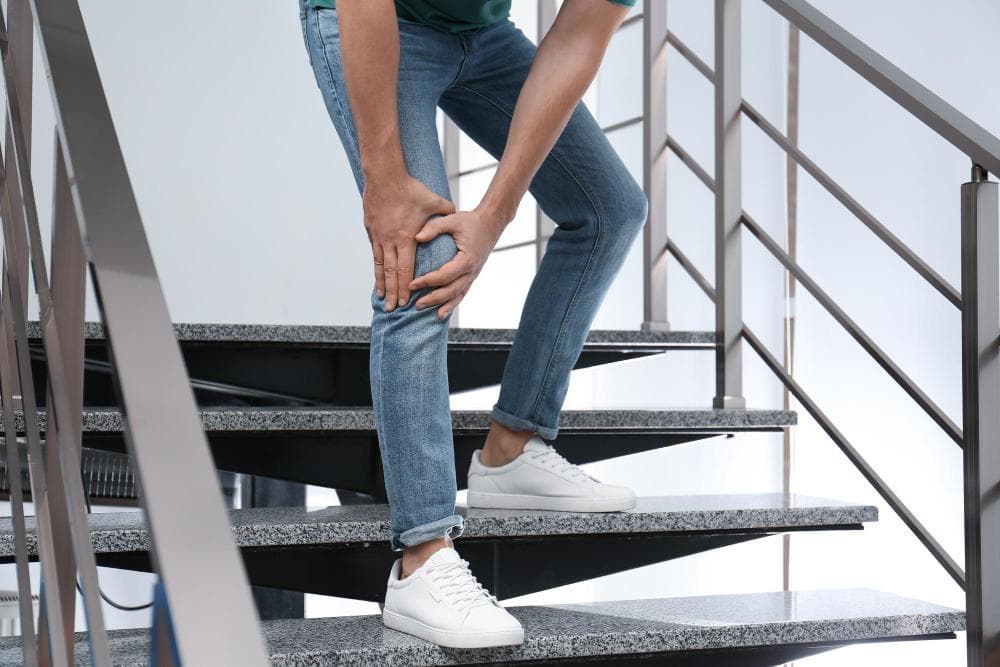
Quality of life is significantly impaired. Pain that wakes you at night. Inability to walk to the market without stopping. Difficulty climbing the stairs to your apartment. Dependence on family members for basic activities. These are indicators that the threshold for surgical intervention has been reached.
The patient is in reasonable general health for surgery. Pre-existing conditions like diabetes and hypertension don't automatically disqualify someone from knee replacement; they need to be well-controlled beforehand. A proper pre-operative medical evaluation will determine fitness for surgery.
Age is not, by itself, a reason to delay surgery. A 55-year-old with Grade 4 arthritis and severe functional limitation should not wait until they're 65 to have knee replacement "because they're too young." Equally, a healthy 75-year-old with advanced arthritis is a suitable candidate. The decision is based on the condition and its impact, not on a birthdate.
Types Of Knee Replacement Available In Greater Noida
Today, patients in Greater Noida have access to several advanced knee replacement options designed to reduce pain, restore mobility, and improve overall quality of life.
1. Total Knee Replacement (TKR)
The most commonly performed procedure. All three compartments of the knee, the inside (medial), outside (lateral), and front (patellofemoral), are resurfaced. For patients with widespread arthritis affecting the whole joint, this is the standard of care.
Modern total knee replacement implants in India are available in standard grades and in high-flex designs specifically developed for the Indian patient lifestyle, allowing greater bending angles (up to 150 degrees) that make sitting cross-legged and using Indian-style toilets possible.
2. Partial Knee Replacement (Unicompartmental / UKR)
When arthritis is genuinely confined to just one compartment, most commonly the inside of the knee, a partial replacement is a suitable option. Only the damaged compartment is resurfaced. The procedure is less invasive than total replacement, recovery is generally faster, and the knee often feels more natural post-surgery.
Not every patient with medial compartment arthritis is suitable for partial replacement. Criteria include adequate bone quality, intact cruciate ligaments, and no significant arthritis in the other compartments. A careful pre-operative assessment determines eligibility.
3. Robotic-Assisted Knee Replacement
Available at select centres in Noida and Delhi NCR, robotic-assisted surgery uses CT-based pre-planning and a surgeon-guided robotic arm to achieve greater precision in implant positioning. This is particularly beneficial for younger, more active patients where implant alignment and longevity are priority concerns.
What To Expect: The Complete Surgical Journey
Understanding the complete surgical journey helps patients feel more confident, prepared, and informed about every stage of treatment and recovery.
1. Pre-Operative Phase (2–4 Weeks Before Surgery)
A comprehensive pre-operative assessment includes physical examination, standing knee X-rays, blood tests, ECG, and a medical fitness evaluation. Any poorly controlled chronic conditions, diabetes, hypertension, anaemia, are addressed before surgery is scheduled. Patients are advised to:
- Optimise nutrition, particularly protein and Vitamin D intake.
- Reduce body weight if possible.
- Stop blood-thinning medications (aspirin, warfarin) as directed by the surgeon; the timing depends on the specific medication.
- Do pre-operative physiotherapy ("prehab") to strengthen the leg muscles, which significantly improves post-operative recovery speed.
2. Surgery Day
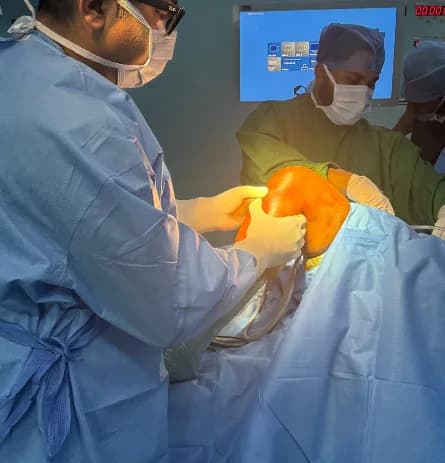
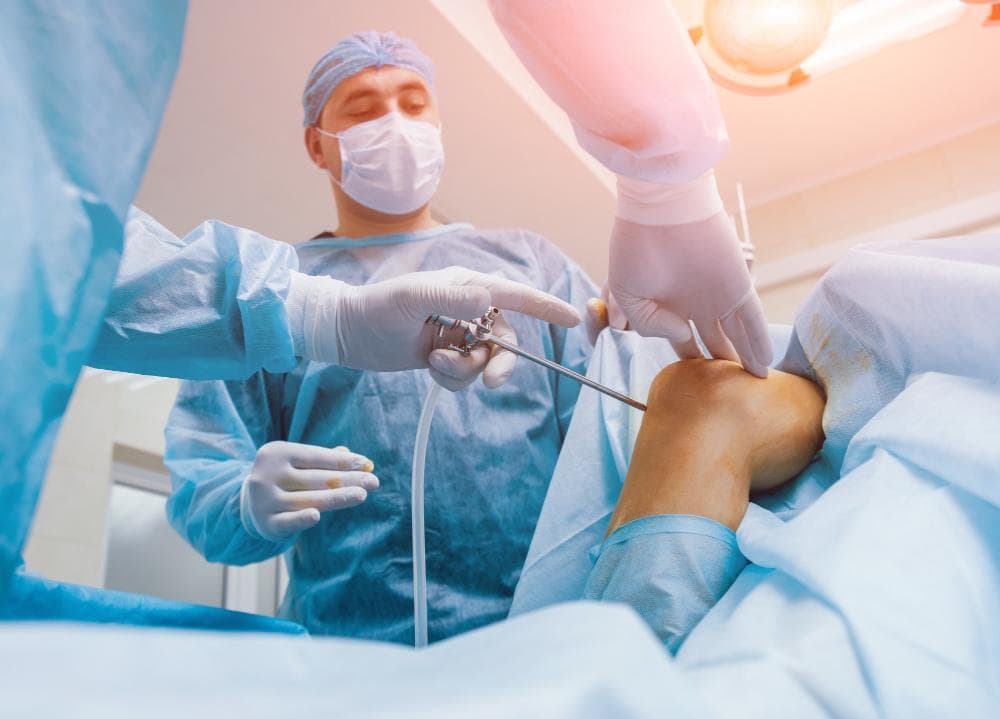
Orthopedic doctor performing knee replacement surgery.
Patients are admitted the morning of surgery. The operation is performed under spinal or general anaesthesia and takes 90 minutes to 2 hours. The surgeon removes the damaged bone and cartilage surfaces and fits the prosthetic components with precision alignment. Post-surgery, patients go to a recovery room for 1–2 hours before being moved to a regular ward.
3. Hospital Stay (3–5 Days)
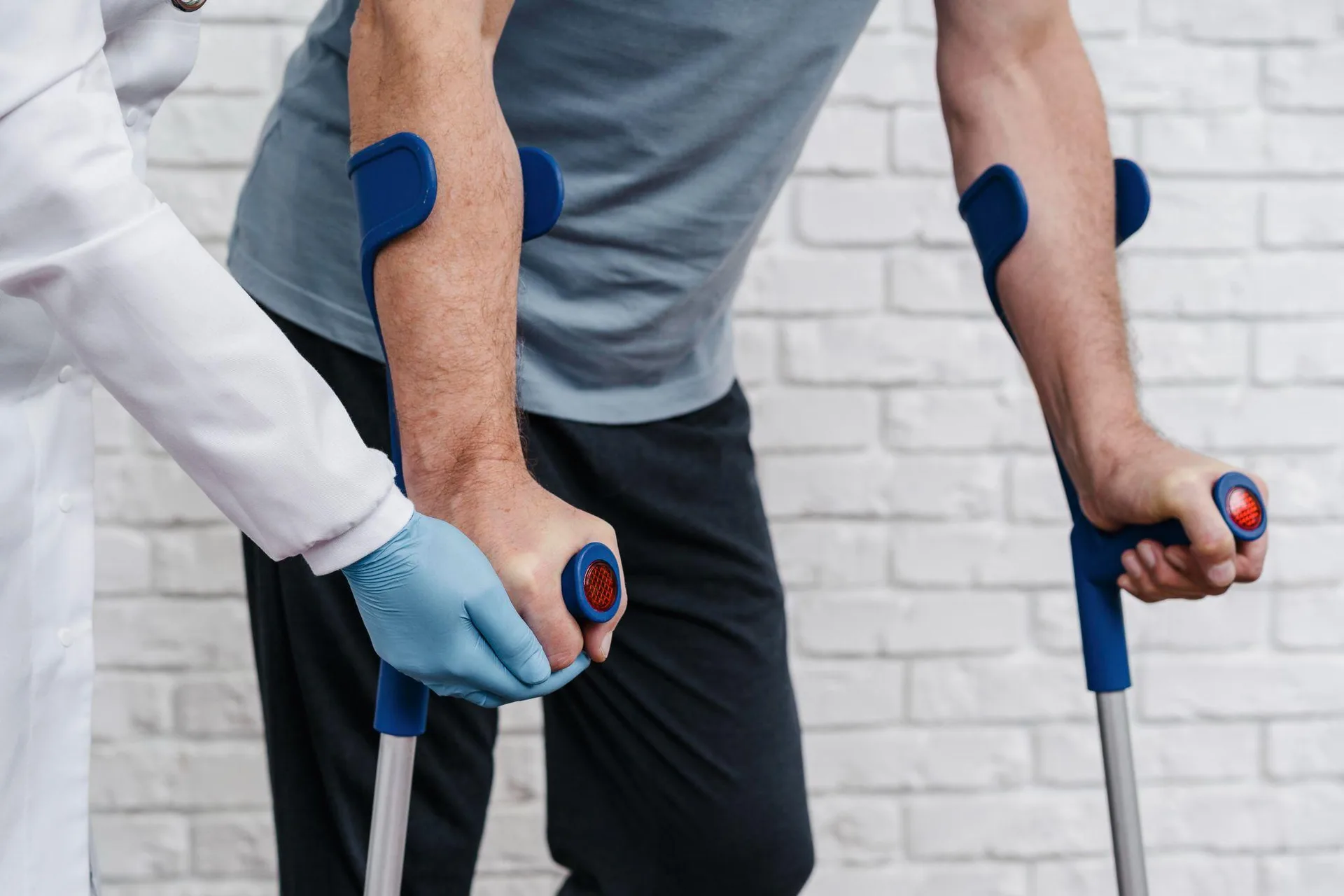
Physiotherapy begins within 12-24 hours. By discharge, most patients are walking with a walker, bending the knee to approximately 60–70 degrees, and managing basic activities with assistance. Blood-thinning injections (to prevent clots) are taught to patients or their family members for use at home. These are continued for 2–4 weeks post-discharge.
4. Recovery At Home
The full recovery timeline runs from 3 to 6 months. The critical period is the first 6–8 weeks, during which consistent physiotherapy, proper wound care, adequate nutrition, and appropriate activity levels all contribute to the outcome.
Choosing An Orthopedic Surgeon In Greater Noida Or Noida
Greater Noida patients have options; both hospitals within Greater Noida and specialists based in nearby Noida (Sector 33, Sector 62) who are easily accessible. When evaluating surgeons, prioritise:
- Subspecialty focus in joint replacement (not a general orthopedic surgeon for whom knee replacement is one of many procedures).
- Volume of knee replacements performed annually.
- Hospital infrastructure: a proper laminar airflow OT, high-quality implant options, dedicated physiotherapy, and rehabilitation support.
- Post-operative follow-up system.
- Clear, patient-centred communication style.
Dr. Mayank Chauhan, Senior Orthopedic Surgeon at Prakash Hospital, Sector 33, Noida, is one of the most accessible and experienced knee replacement specialists for patients based in both Noida and Greater Noida. His clinic is easily reachable from Greater Noida West, Noida Extension, Surajpur, and the surrounding areas.
Dr. Chauhan specialises in total knee replacement, partial (unicompartmental) knee replacement, bilateral knee replacement, and robotic-assisted procedures. Every patient undergoes a thorough evaluation before any surgical recommendation is made. Non-surgical management, physiotherapy, injection therapy, and lifestyle guidance are always explored first for patients who have not yet reached the surgical threshold.
Patients from Greater Noida, Greater Noida West, Noida Extension, Bisrakh, and Surajpur regularly consult at Prakash Hospital, Sector 33. To book a consultation with Dr. Mayank Chauhan, call the number listed on the website.
Common Questions From Greater Noida Patients
1. Can I have knee replacement surgery if I have diabetes?
Yes, but your diabetes needs to be well-controlled before surgery. High blood sugar levels increase the risk of infection and slow wound healing. A proper pre-operative assessment will include blood sugar management as part of the preparation.
2. How soon can I get back to normal life?
Most patients managing a desk job are back at work by 6–8 weeks. Physical activity, including walking, is dramatically better within 3 months. Full recovery, where the knee feels like a natural part of your body, typically happens by 6 months.
3. Will I be able to climb stairs after knee replacement?
Yes. Stair climbing is typically possible from week 3–4 with a railing, and independently by 6–8 weeks. The technique leading up with the good leg, leading down with the operated leg, is taught by physiotherapy.
4. Can I travel from Greater Noida for surgery in Noida?
Absolutely. Most Greater Noida patients who choose Prakash Hospital in Sector 33, Noida, find it a straightforward journey. Postoperatively, follow-up appointments are typically scheduled at 2 weeks, 6 weeks, 3 months, and 6 months, and are manageable with assistance.
5. Is insurance accepted?
Most major health insurance plans cover knee replacement surgery, including the implant cost up to policy limits. Cashless facilities are available at Prakash Hospital for most insurance providers. The hospital's team can assist with pre-authorisation and claims guidance.
The Bottom Line
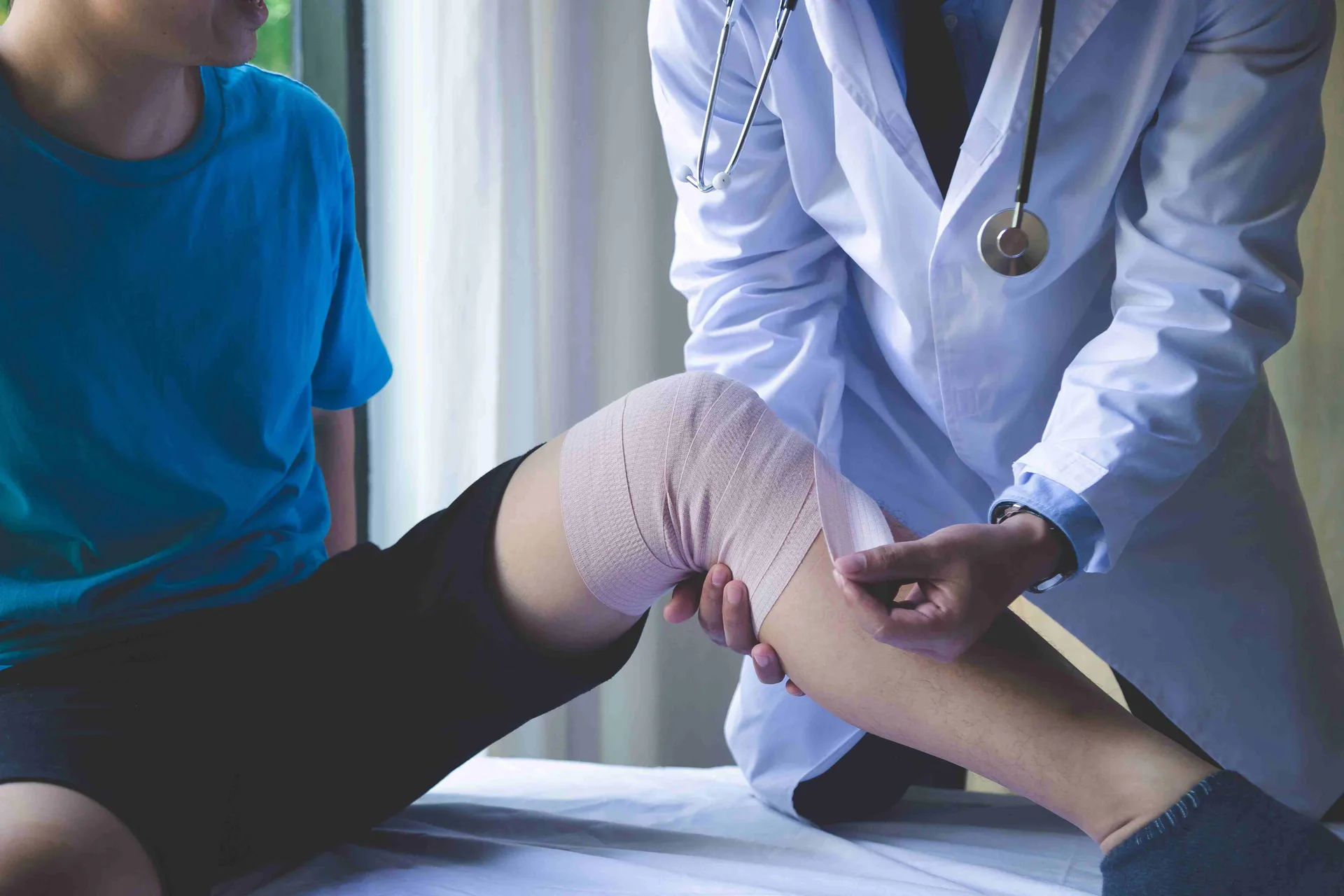
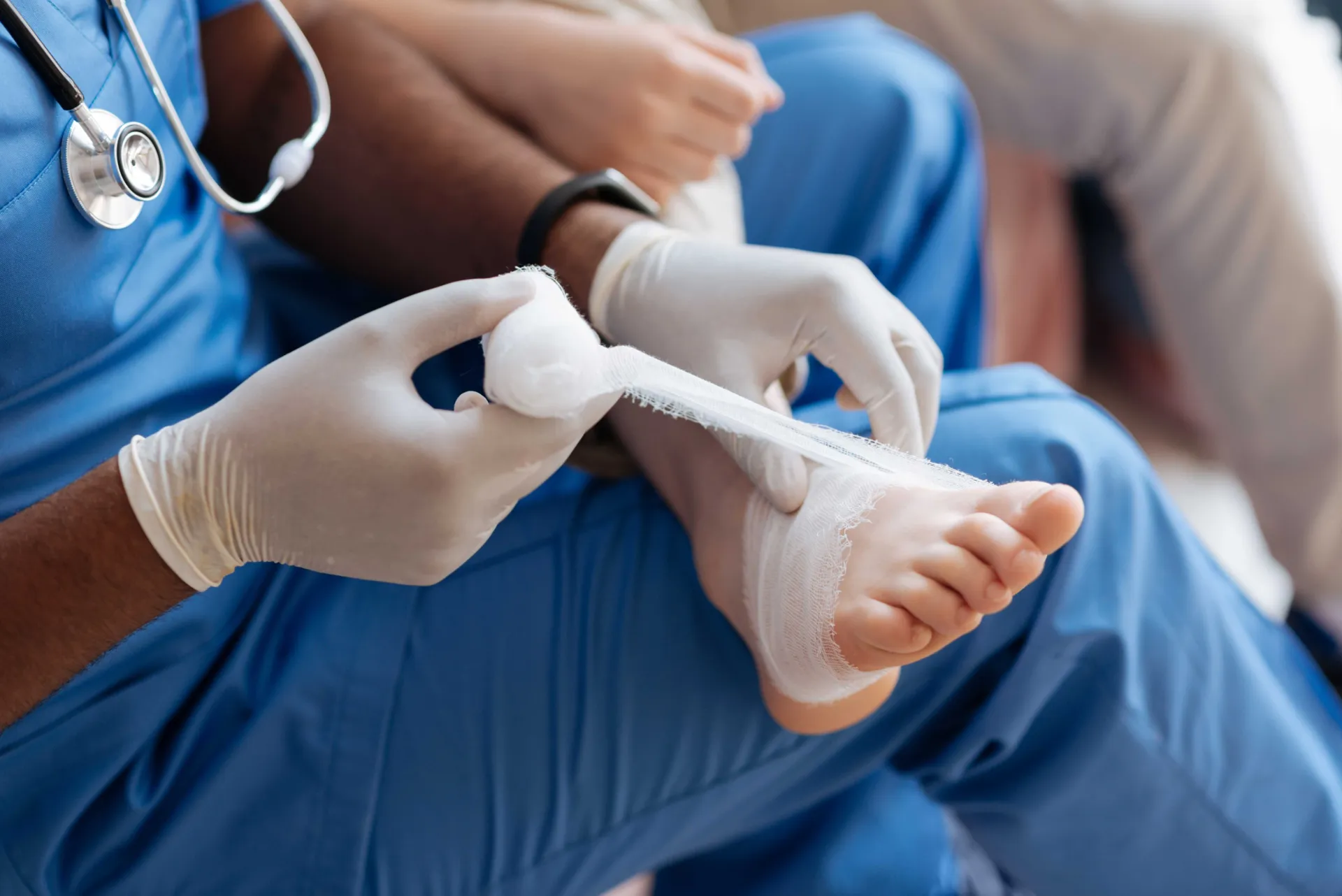
Doctor applying a bandage to a patient’s leg after knee replacement surgery.
Knee replacement surgery in Greater Noida is accessible, and the quality of care available has improved significantly over the past decade. But the outcome of any joint replacement surgery depends on three things: the right diagnosis, the right surgeon, and the patient's commitment to recovery. Get those three right, and knee replacement delivers exactly what it promises: freedom from chronic pain, a dramatic improvement in mobility, and a quality of life that most patients thought they'd lost permanently.
If you're in Greater Noida and dealing with knee pain that's affecting your daily life, take the first step: get a proper orthopedic evaluation. To book a consultation with Dr. Mayank Chauhan, Senior Orthopedic Surgeon at Prakash Hospital, Sector 33, Noida easily accessible from Greater Noida. Call the number listed on the website.