Physiotherapy For Arthritis - How Exercise Helps When Resting Hurts

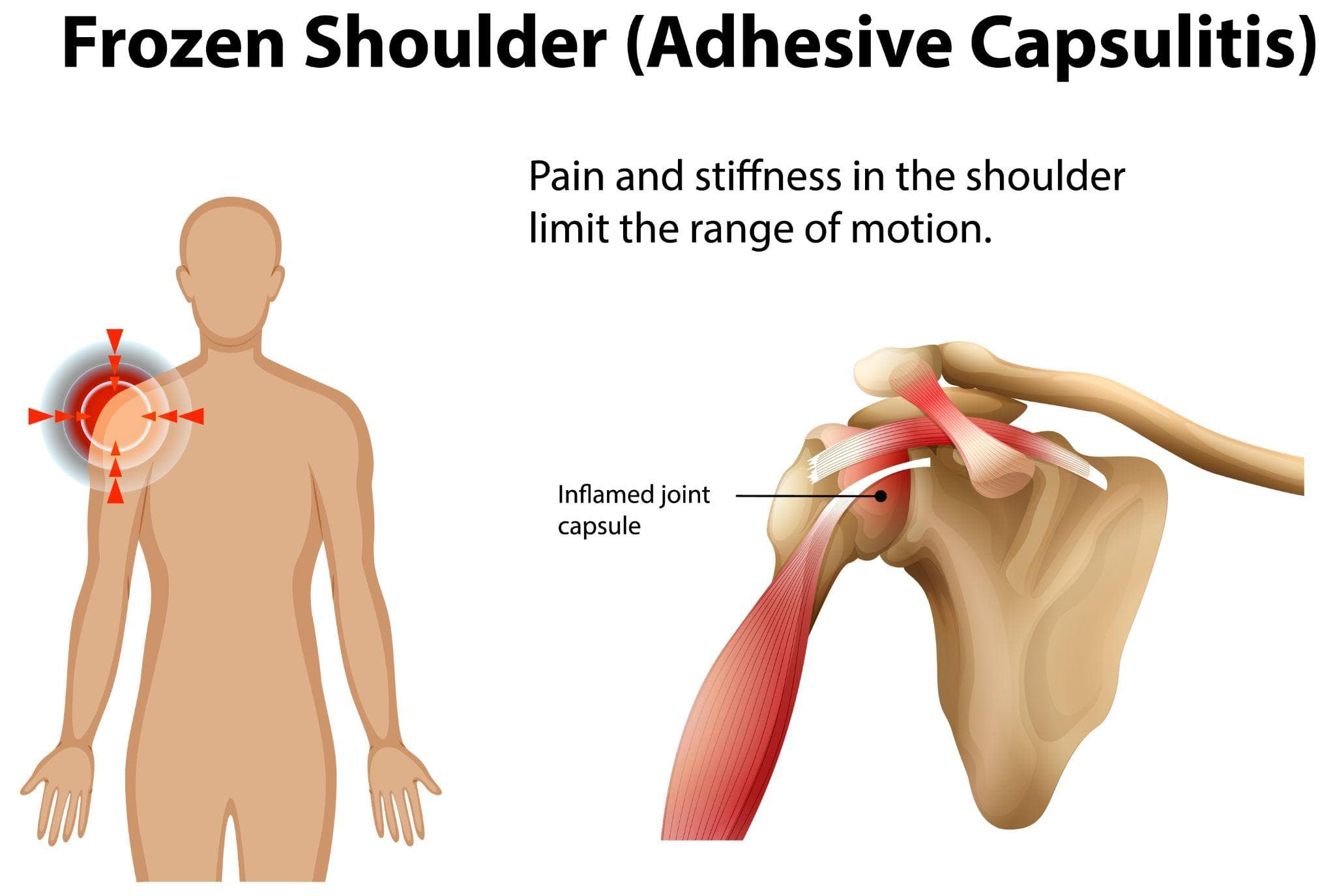
A physiotherapist assists a patient with guided shoulder mobility exercises during rehabilitation. The treatment aims to improve joint flexibility and reduce stiffness after injury.
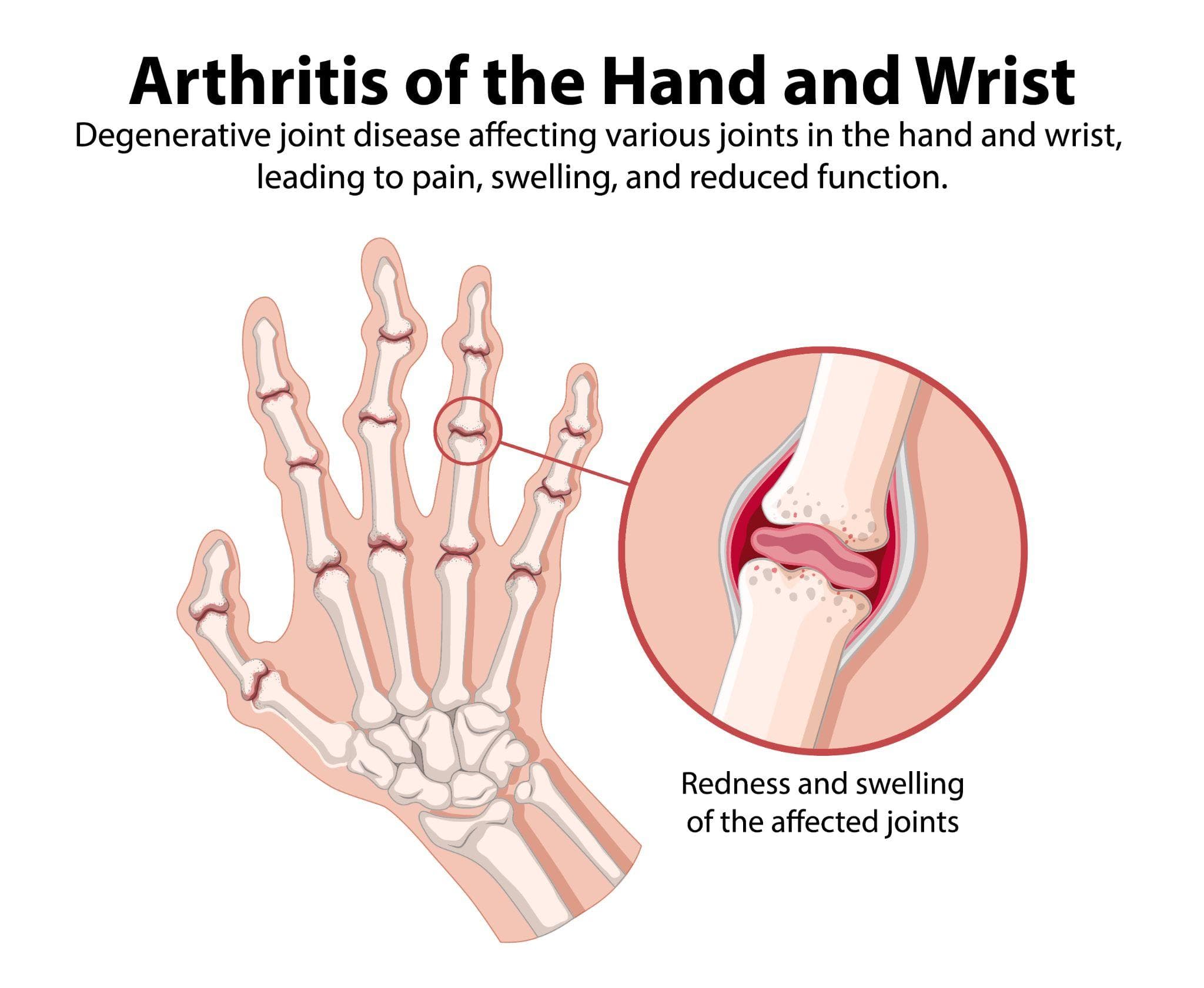
There is a deeply embedded but profoundly wrong belief about arthritis in India: that rest is the treatment. Painful joints should be protected through inactivity. That exercise will accelerate the wear and grind the cartilage down faster, and make things worse.
This belief causes measurable harm every day in Noida and across India. Patients with manageable osteoarthritis become increasingly sedentary, their muscles weaken, their joints become stiffer and more painful, and what was moderate arthritis progresses faster than it needed to.
The evidence says the opposite of what most patients believe: movement is medicine for arthritic joints. The right kind of exercise, delivered as structured physiotherapy, is one of the most evidence-backed treatments for both osteoarthritis and rheumatoid arthritis. This blog explains why and what a proper physiotherapy programme for arthritis actually involves.
Why Rest Makes Arthritis Worse?
Understanding the biology of arthritis helps explain why rest is counterproductive.
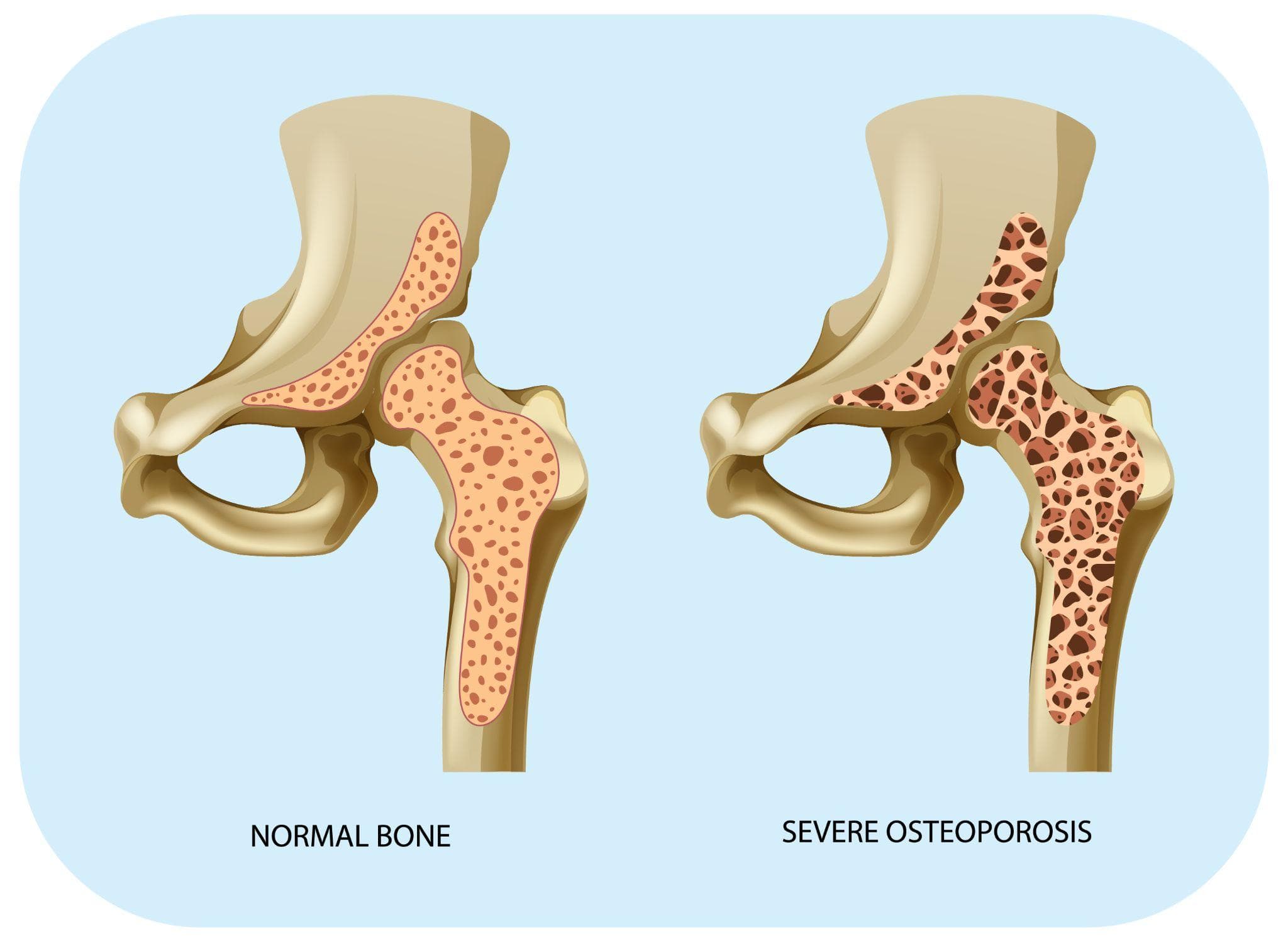
Articular cartilage has no blood supply. It receives oxygen and nutrients through the diffusion of synovial fluid, the fluid that lubricates the joint. This diffusion is driven by joint movement and load variation. When the joint moves through its range of motion, it compresses and releases the cartilage like a sponge, drawing fluid in and out. This is the primary mechanism through which cartilage is nourished. Prolonged inactivity starves the cartilage of nutrition and accelerates its degeneration.
Muscle weakness increases joint load. The muscles surrounding a joint, particularly the quadriceps around the knee and the gluteal muscles around the hip, act as shock absorbers. A strong quadriceps can absorb 30–40% of the compressive load during walking, protecting the knee's articular surface. Weak muscles transfer that load directly to the diseased cartilage.
Studies have confirmed that patients with knee OA have significantly weaker quadriceps than matched controls without OA, and that the degree of quadriceps weakness correlates with the severity of pain and functional disability. Strengthening these muscles produces measurable pain reduction, not because the cartilage has changed, but because the joint is being protected more effectively.
Inactivity drives systemic inflammation. Physical inactivity is associated with elevated systemic inflammatory markers (CRP, IL-6), the same mediators that worsen arthritis pain and accelerate cartilage breakdown. Regular exercise reduces systemic inflammation in a dose-dependent manner. For RA patients, particularly, exercise has been shown to reduce disease activity scores beyond its mechanical effects on the joint.
What Physiotherapy For Arthritis Actually Involves
"Physiotherapy" is an umbrella term that, in the context of arthritis, varies considerably from a hot pad and ultrasound (minimal benefit) to a structured, evidence-based exercise programme (significant benefit). Here's what a well-designed arthritis physiotherapy programme looks like.
1. Initial Assessment
A qualified physiotherapist begins with a thorough assessment:
- Range of motion measurements in all planes
- Strength testing (particularly quadriceps, hamstrings, hip abductors)
- Gait analysis: Does the patient lean to one side? Is there an antalgic (pain-avoidance) gait?
- Functional assessment: Can they sit to stand? Climb stairs? Walk how far?
- Identification of aggravating and relieving factors
This assessment establishes the baseline and guides the specific exercise prescription. Two patients with the same arthritis grade may have very different exercise programmes based on their individual muscle weakness patterns, functional limitations, and pain levels.
2. Range-Of-Motion (Flexibility) Exercises
The goal is to maintain and progressively restore the full range of motion of the arthritic joint.
For knee OA:
- Heel slides (lying on back, sliding the foot towards the buttock to achieve knee flexion)
- Prone knee bends (lying face down, bending the knee towards the buttock)
- Terminal knee extension (fully straightening the knee)
For hip OA:
- Hip flexion and extension in lying
- Hip abduction and adduction
- Gentle hip rotation
Range-of-motion exercises should be performed gently, through a comfortable range, without forcing through severe pain. Mild discomfort with movement is acceptable and expected initially. Sharp, severe pain with movement is a signal to reduce the range.
3. Strengthening Exercises - The Most Important Component
This is the evidence-based core of arthritis physiotherapy. For knee OA, key targets:
Quadriceps: The most important muscle group for knee OA. Strong quadriceps reduce joint loading by up to 40%.
Seated leg raises (isometric and isotonic)
Mini wall squats (45-degree), progress as strength improves
Step-ups (forward and lateral), use a low step initially
Hamstrings: Balance the quadriceps and provide posterior knee stability
Seated hamstring curls
Prone hamstring curl
Hip abductors (gluteus medius): Critical for controlling knee alignment during walking, weakness causes valgus knee collapse, increasing medial compartment load
Side-lying leg raises
Clamshells
Standing hip abduction
For hip OA, key targets:
- Gluteus medius and minimus (hip abductors)
- Gluteus maximus (hip extensors)
- Hip flexors stretching, not strengthening (usually tight in OA)
For hand/finger OA:
- Grip strengthening with therapy putty
- Pinch strengthening
- Range of motion through all finger joints
For RA specifically: Strengthening programmes must be adapted to disease activity. During flares, gentle range-of-motion only. During remission, progressive resistance exercise is beneficial and safe. Multiple studies have shown that resistance training does not worsen RA disease activity.
4. Aerobic Exercise - The System-Level Intervention
Beyond specific joint exercises, aerobic exercise provides systemic benefits that directly reduce arthritis pain and progression:
- Reduces systemic inflammation (lowers CRP, IL-6)
- Promotes weight loss (reducing joint load)
- Improves mood and sleep (both disrupted by chronic pain)
- Strengthens the cardiovascular system (relevant because RA significantly increases cardiovascular risk)
Best aerobic options for arthritis patients:
- Swimming and water aerobics: The gold standard buoyancy removes 90% of body weight from joints, allowing full aerobic exercise without joint loading. Particularly excellent for severe OA.
- Cycling (stationary or outdoor): Low-impact, excellent quadriceps strengthening, good aerobic conditioning. Minimal knee joint loading if the seat height is correct.
- Walking: Appropriate for mild-moderate OA on flat surfaces. High-impact running is not appropriate.
- Tai Chi: Multiple well-designed studies have confirmed that Tai Chi reduces knee OA pain and improves balance and proprioception with minimal joint impact.
Target: 150 minutes of moderate-intensity aerobic activity per week. This does not need to happen all at once; 30 minutes on 5 days a week, or shorter sessions more frequently, achieve the same benefit.
5. Manual Therapy

A woman in a physiotherapy session, guided by a therapist who helps her perform controlled exercises or stretches.
Hands-on techniques performed by the physiotherapist:
- Joint mobilisation: Gentle, graded oscillatory movements of the arthritic joint, within the pain-free range. Reduces stiffness, improves range of motion, and has a neurological pain-reducing effect.
- Soft tissue release: Massage and myofascial release of the muscles surrounding the joint, particularly helpful for the tight iliotibial band in knee OA and the hip flexors in hip OA.
- Patellar mobilisation: In knee OA with patellofemoral involvement, specific mobilisation of the kneecap can significantly reduce anterior knee pain.
Manual therapy works best when combined with exercise; it is not effective as a standalone treatment.
6. Physical Modalities - The Supporting Role
Heat, ice, TENS, and ultrasound are commonly used in physiotherapy sessions for arthritis. Their evidence base is modest; they provide symptom relief that allows the patient to engage more effectively with exercise, but they do not drive the biological improvement that exercise does.
Heat: Reduces stiffness, increases tissue extensibility. Useful before exercise to prepare the joint. A warm shower or heat pack before the morning exercise routine is a simple and genuinely helpful addition.
Ice: Reduces post-exercise swelling and pain. Useful after exercise sessions if the joint becomes more painful. 15–20 minutes of a cold pack applied over a cloth.
TENS: Some patients find good short-term pain relief from transcutaneous electrical nerve stimulation. Safe, non-invasive, and worth trying for pain management alongside exercise.
7. Functional Training And Education
A good physiotherapy programme extends beyond the clinic:
- Gait training: For patients with significant antalgic gait, specific walking retraining reduces abnormal joint loading.
- Activity modification education: How to pace activities, avoid prolonged static postures, and structure the day to minimise flares.
- Home exercise programme: The exercises must transfer from the clinic to the home; otherwise, the benefit is lost between sessions. A written programme with clear instructions (or a demonstrated video) is essential.
- Use of assistive devices: Appropriate footwear, walking aids, orthotics, and knee supports when indicated, which reduce joint load meaningfully.
The ESCAPE-Pain And GLAD Programmes - Structured Evidence-Based Approaches
Two structured exercise programmes specifically designed for knee OA patients have the strongest clinical evidence base.
ESCAPE-pain (Enabling Self-management and Coping with Arthritic Pain through Exercise): A group programme combining education, coping strategies, and progressive exercise. Multiple UK trials demonstrate significant and sustained improvements in pain and function.
GLAD (Good Life with osteoArthritis in Denmark): A programme specifically structured around neuromuscular exercise and patient education. Demonstrated consistent benefit in large Danish patient populations. Now being implemented in several Indian hospital physiotherapy departments.
For arthritis patients in Noida, ask whether your physiotherapy team is familiar with structured OA exercise protocols, not just generic "physiotherapy for knee pain."
How Long Should Physiotherapy Continue?
The typical course of supervised physiotherapy for arthritis is 8–12 weeks, enough to establish a programme, build strength progressively, and educate the patient to continue independently. But arthritis management through exercise is not a course with an endpoint; it is a lifestyle change. The patients who do best are those who incorporate daily or near-daily exercise into their routine indefinitely, understanding that stopping exercise allows the benefits to reverse.
Physiotherapy And Arthritis Management In Noida - Dr. Mayank Chauhan At Prakash Hospital
Dr. Mayank Chauhan, Senior Orthopedic Surgeon at Prakash Hospital, Sector 33, Noida, integrates physiotherapy guidance into every arthritis consultation. For patients at every stage of arthritis, from early disease where exercise is the primary treatment, to post-surgical rehabilitation, a structured physiotherapy programme is recommended and explained. To book a consultation for arthritis management, call the number listed on the website.
The Bottom Line

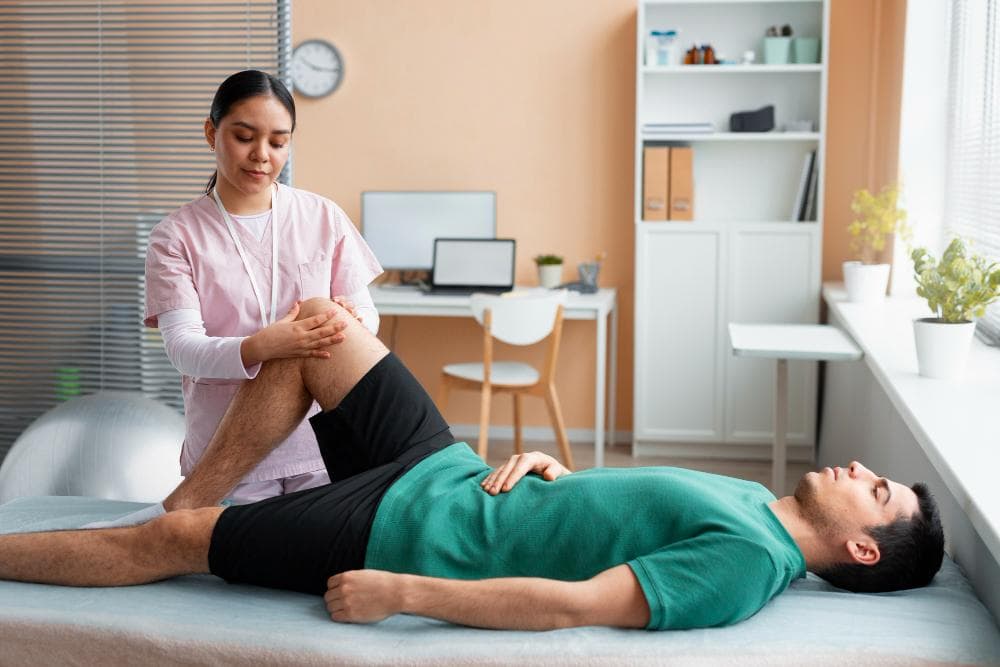
A patient performs supervised leg physiotherapy exercises to regain strength, mobility, and balance after a leg fracture.
Physiotherapy and exercise are not optional extras in arthritis management; they are the central treatment. For mild-to-moderate OA, a structured exercise programme produces pain and function outcomes comparable to NSAIDs, without the side effects. For RA, exercise reduces disease activity and systemic inflammation alongside medication. Rest does not help arthritic joints. Movement, the right kind, in the right amount, does.
To consult Dr. Mayank Chauhan, Senior Orthopedic Surgeon in Noida, call the number listed on the website.