Achilles Tendon Injury: Causes, Symptoms & Treatment
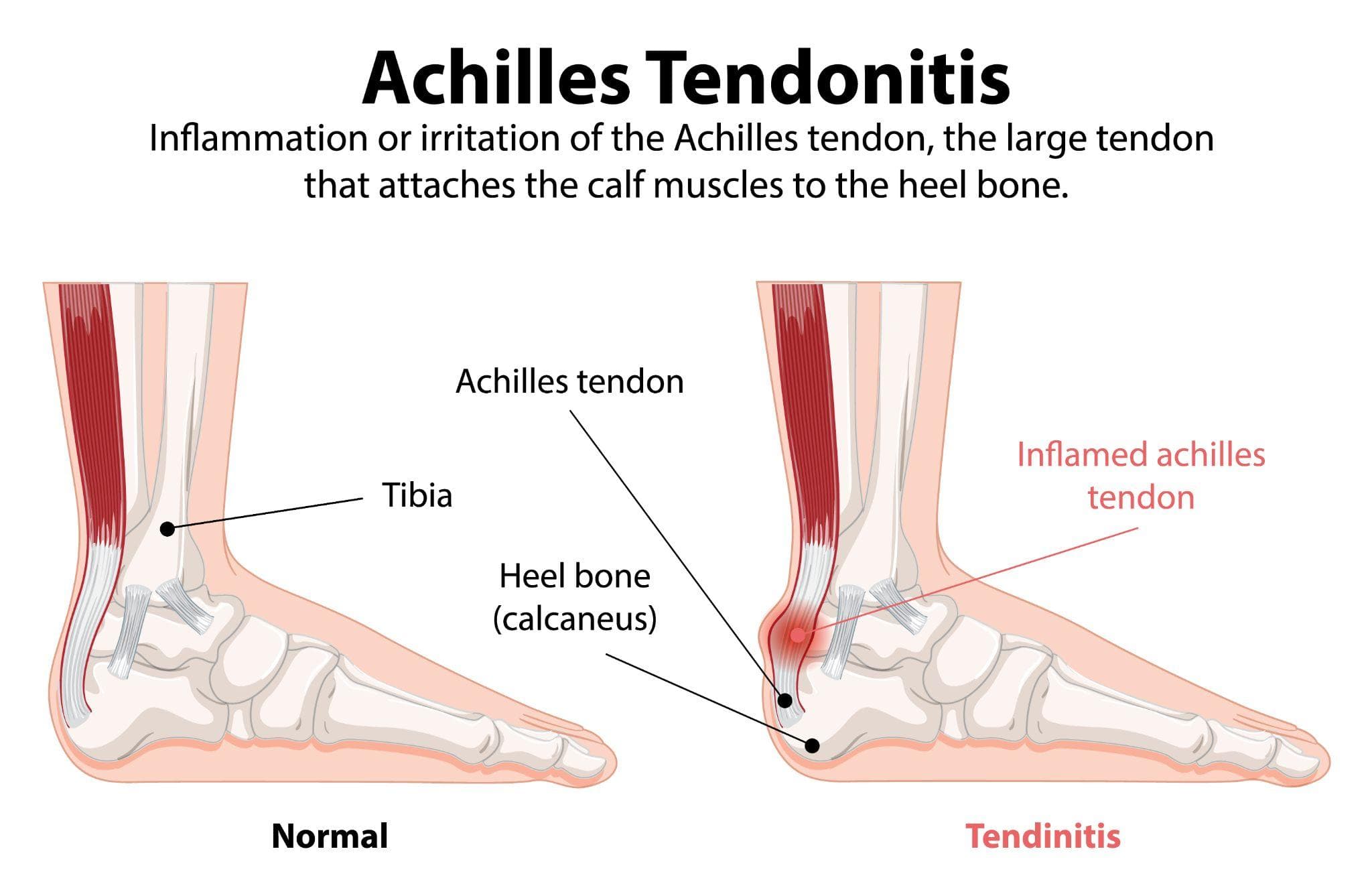
Diagram comparing a normal and inflamed Achilles tendon.
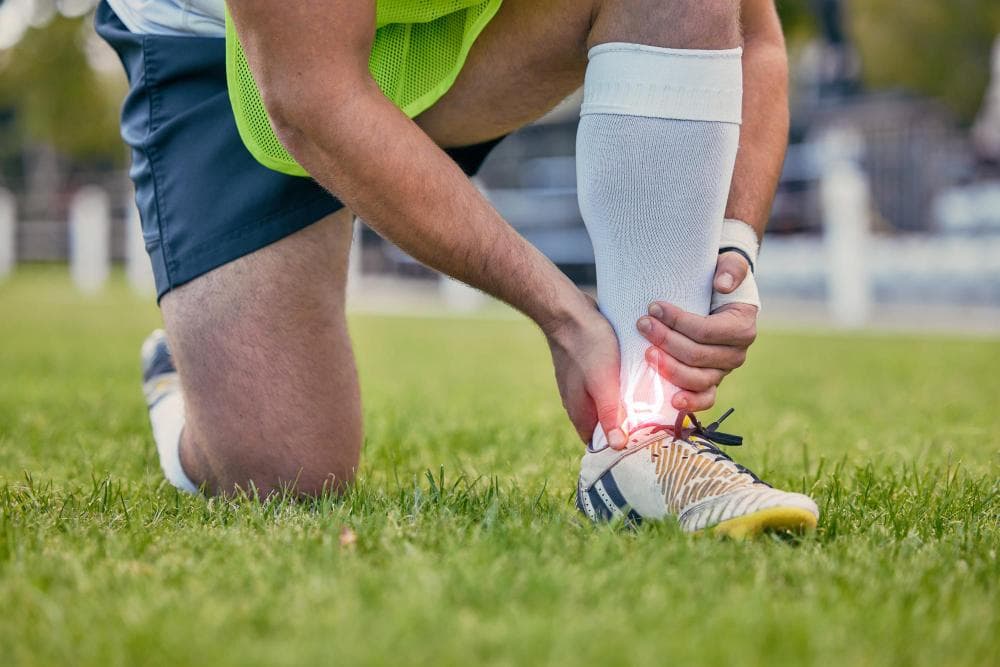
Achilles tendon injuries might sound uncommon to many, especially in relation to sports or running injuries, but contrary to popular belief, they're more frequent than one may think! It's not only runners or sportspeople that suffer from them, but normal day-to-day activities, such as walking, running up stairs, or simple twists and turns, can also place strain on this major tendon.
The Achilles tendon connects your calf muscles to your heel bone and is primarily used in running. A sore Achilles tendon can occur when there is irritation, inflammation, or tearing of this tendon, causing pain in and around the ankle and foot, and this pain can often worsen over time if left untreated.
Ignoring what could be a serious injury to this tendon is certainly not recommended. Catching it early and receiving appropriate treatment can mean a much more comfortable and less painful recovery. In most cases, an Achilles tendon injury will heal without complication. In this guide, we'll discuss the different causes, symptoms, and treatments for this common ailment.
What Is An Achilles Tendon Injury?
The Achilles tendon is the thick band of tissue that attaches the muscle in the back of the leg to the heel bone. When this tendon is stretched, inflamed, or ripped, this injury is called an Achilles tendon injury.
Injuries range from inflammation of the tendon (tendinitis) to complete ruptures of the tendon itself. This tendon carries many loads, for example, running, walking, and jumping, and overloading this tendon will weaken it and therefore damage it.
Common Causes Of Achilles Tendon Injury
Some specific causes of this injury include: overload of the tendon due to repeated stresses, excessive demands made on the tendon, and overloading of the tendon. Learning about the causes of this injury can assist in both the prevention of the injury and its appropriate management.
1. Overuse And Repetitive Stress
Activities that place continued stress on the Achilles tendon, such as running and jumping or using stairs, may be a cause of this injury. The continued load placed on the tendon causes micro tears within the tendon, which, if not allowed to heal, result in inflammation and irritation.
2. Sudden Increase In Activity
This injury can be attributed to a sudden increase in workout activity levels. During a quick rise in intensity and duration, the tendon does not have sufficient time to adapt to the increased load. This can weaken the structure of the tendon.
3. Tight Calf Muscles
A decrease in the flexibility of calf muscles can create a pull that is placed on the Achilles tendon during movement. This is known as having a "pull" on the Achilles tendon.
4. Improper Footwear
Poor arch support, lacking cushioning, or heel stability can all lead to uneven distribution of load on the Achilles tendon. This can be further worsened by wear and tear.
5. Age-Related Wear And Tear
Over time, with aging, the blood supply to the Achilles tendon decreases, and the strength and flexibility of the tendon reduce.
Symptoms Of Achilles Tendon Injury
Symptoms of an injury to the Achilles tendon will depend on the degree of damage. Some of the typical indications include:
- Sharp, throbbing, or dull pain at the back of the heel. This will typically worsen during activity.
- The tendon will feel very stiff during the first movements after long periods of rest or at night.
- The tendon will look and feel swollen.
- Pain upon touching the tendon, which will indicate inflammation.
- Activities like walking, running, and climbing stairs will become increasingly difficult and painful.
- A popping noise at the back of the heel that signifies a rupture. This will be accompanied by immediate sharp pain and inability to move.
Early diagnosis avoids many complicated problems. Get an assessment by Dr. Mayank Chauhan in Noida and a tailored treatment plan to regain mobility and get you an active and pain-free life again.
Treatments For Achilles Tendon Injury

A woman is taking medical pills in her hand.
The goal of treating Achilles tendon injury is to relieve pain and inflammation, encourage healing, and restore strength and mobility. The treatment varies with the severity of the injury, from simple self-care to the use of more complex medical treatment.
1. Rest And Activity Modification
Resting and allowing enough time for the tendon to heal are crucial. Pain is relieved when high-impact activities like running, jumping, and walking for long hours are stopped. Instead, low-impact activities like swimming and cycling are often recommended.
2. Ice And Pain Relief
Icepacks placed on the injured area for 15-20 minutes every day will ease pain and inflammation. Icepacks are most helpful in the early stage of injury or after activities.
3. Physiotherapy
Physiotherapy plays an important role in long-term healing and strengthening of the tendon. Stretches and strengthening exercises performed as part of a physiotherapy program help the tendon regain strength and elasticity and correct any incorrect movement patterns that might have led to the injury.
4. Medications
Anti-inflammatory medications such as NSAIDs will help to relieve pain and inflammation. Pain relief should be combined with other treatments.
5. Supportive Footwear And Orthotics
Supportive footwear, such as cushioned shoes, will relieve stress on the Achilles tendon. Heel lifts or custom orthotics may be advised to promote alignment of the foot.
6. Immobilisation (if required)
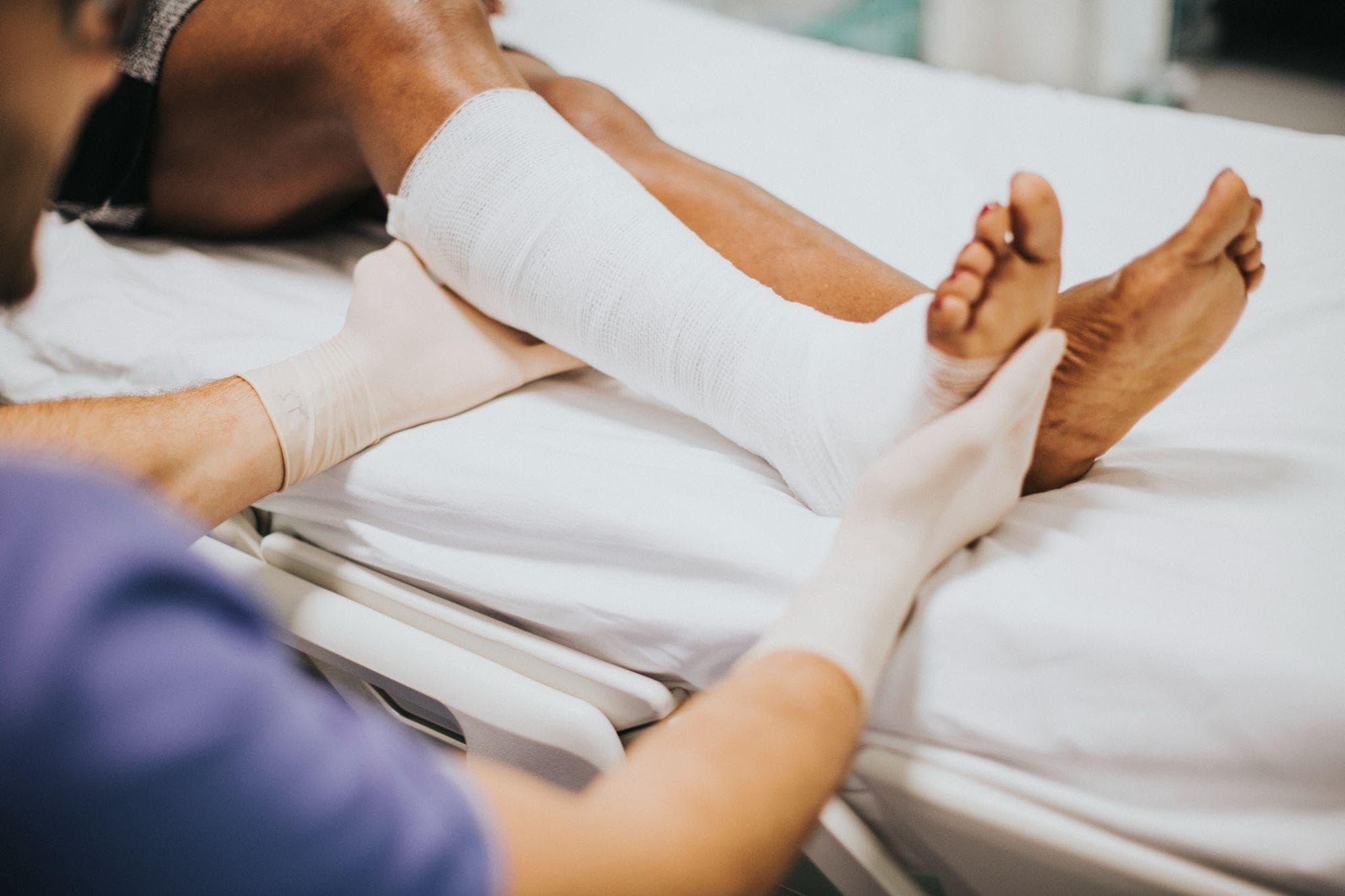
In moderate cases of Achilles tendon injury, a walking boot or brace can be used for some time to keep the tendon protected and help to recover properly.
7. Surgery (in severe cases)
Surgery may be performed for tendon rupture and in cases where other treatments do not work. Once surgically repaired, a rehabilitation program is needed to ensure full strength and mobility of the tendon.
Physiotherapy For Achilles Tendon Injury
Physiotherapy has an essential role in the healing process by decreasing pain and improving strength and flexibility.
- Loosen tight calf muscles and reduce strain on the Achilles tendon.
- Support the ankle by developing muscles.
- Hands-on treatment increases mobility.
- A gradual return to an activity program is important.
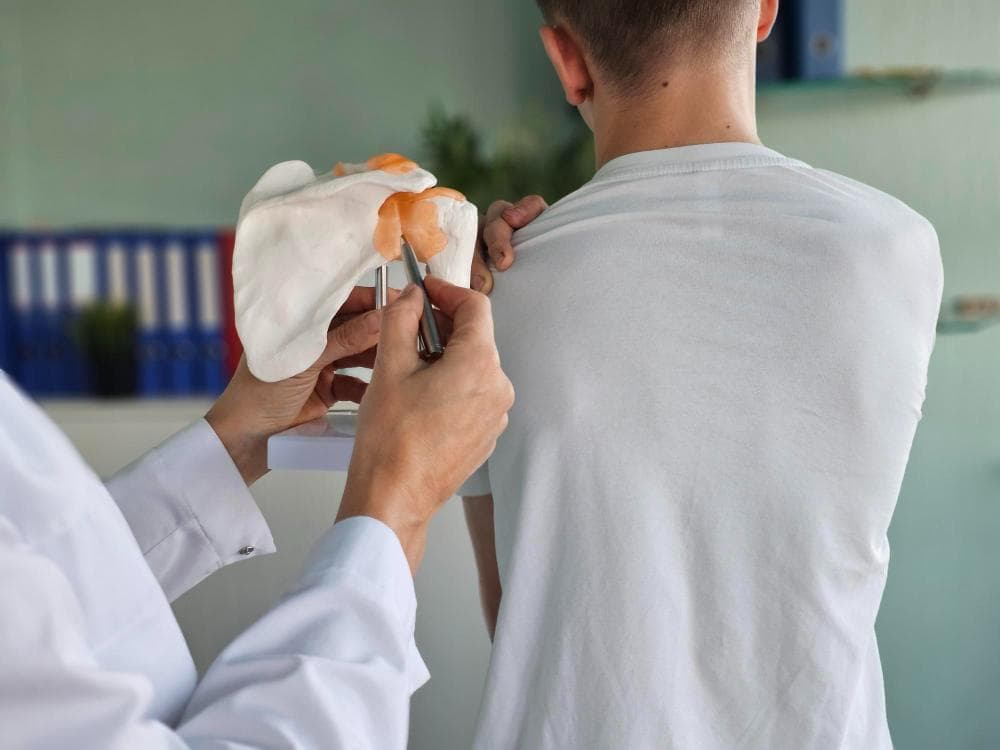
When To Visit An Orthopedic Specialist
The signs below are those that shouldn't be overlooked.
- More than two weeks of persistent pain may be a sign that there is a more serious underlying problem.
- Continued inflammation of the tendon means that the problem isn't being resolved on its own.
- If walking is causing pain, it may be time to visit a professional.
- A snap or pop followed by intense pain signifies the tendon is likely ruptured and requires medical attention.
Prevention Of Achilles Tendon Injury
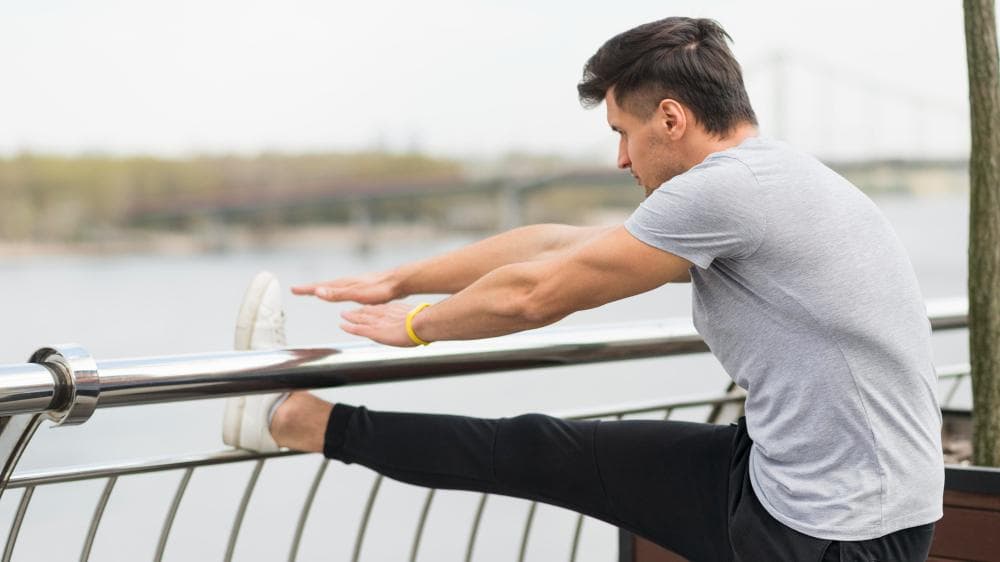
A man is doing a stretching exercise.
Preventing Achilles tendon injury is achievable through simple daily routines.
- Stretching muscles
- Warm up muscles before activity
- Don't increase exercise levels too quickly
- Appropriate shoes
- Weight maintenance
Final Thought
An Achilles tendon problem is initially minor, but if overlooked, it can escalate and pose severe threats to the overall body's functional capacity, and hence requires medical care at an early stage to prevent such future risks.
In case you get a similar problem and get it treated by the required measures, rest, and physiotherapy, you will recover sooner and perform your daily activities. The problem must be controlled by the people themselves by attending to the problem before it becomes worse.
For receiving optimal and personal medical assistance, people can consult Dr. Mayank Chauhan, in Noida for achieving pain free moving life.
Frequently Asked Questions (FAQs)
How long do Achilles tendon strains take to heal?
Mild strains can take a few weeks to recover, but a more serious injury may take several months to return to full function.
Can I still walk with a strained Achilles tendon?
Yes, although walking may cause pain and should be kept to a minimum to avoid making the injury worse.
Is it advisable to massage an injured Achilles tendon?
A gentle massage could be beneficial; direct pressure should not be applied to a painful Achilles tendon unless under the direction of a health care professional.
Is a rupture of the Achilles tendon or a torn Achilles tendon the worse of the two?
A complete rupture is a more serious injury than a partial tear, and often requires surgery.