Why Does Joint Pain Get Worse In Winter? An Orthopedic Surgeon Explains
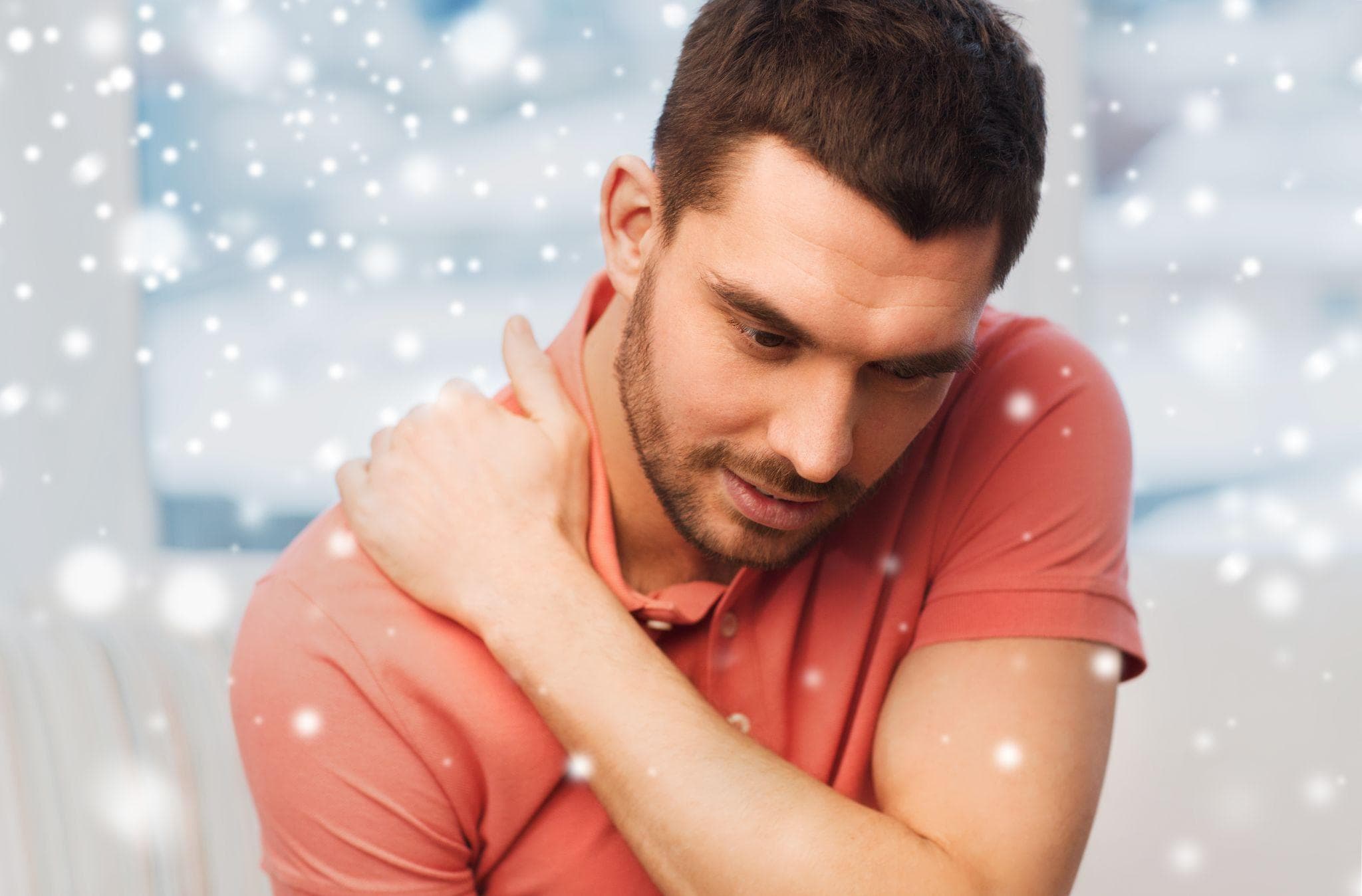
A man experiences neck pain during cold weather, highlighting winter-related joint and muscle discomfort.
Every winter in Noida, orthopedic clinics fill up faster than usual. Patients who had been managing their knee arthritis reasonably well through October start showing up in November and December, saying things have gotten noticeably worse. The morning stiffness lasts longer. The aching starts earlier in the evening. Sleep is more disrupted.
This is not a coincidence or imagination. Cold weather genuinely affects joint pain, particularly in people who already have arthritis, previous joint injuries, or musculoskeletal conditions. And Noida's winters, with temperatures regularly dropping to 5–8°C between December and February and dense morning fog, create the conditions for this effect to play out quite predictably.
The good news: understanding why it happens makes it much easier to manage. And management in winter, done correctly, can be remarkably effective.
The Science Behind Cold Weather And Joint Pain
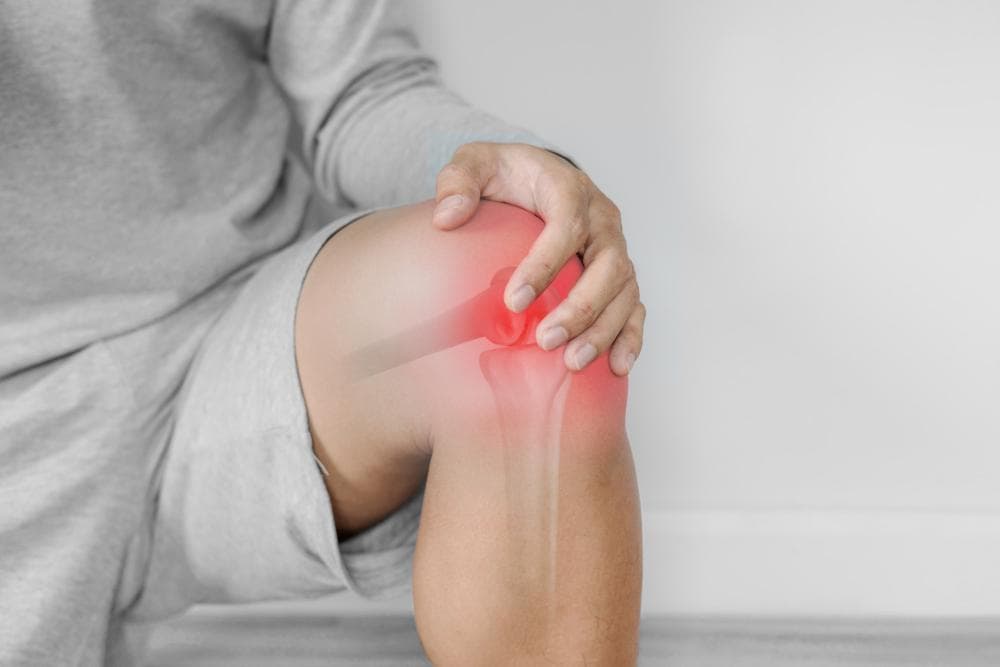
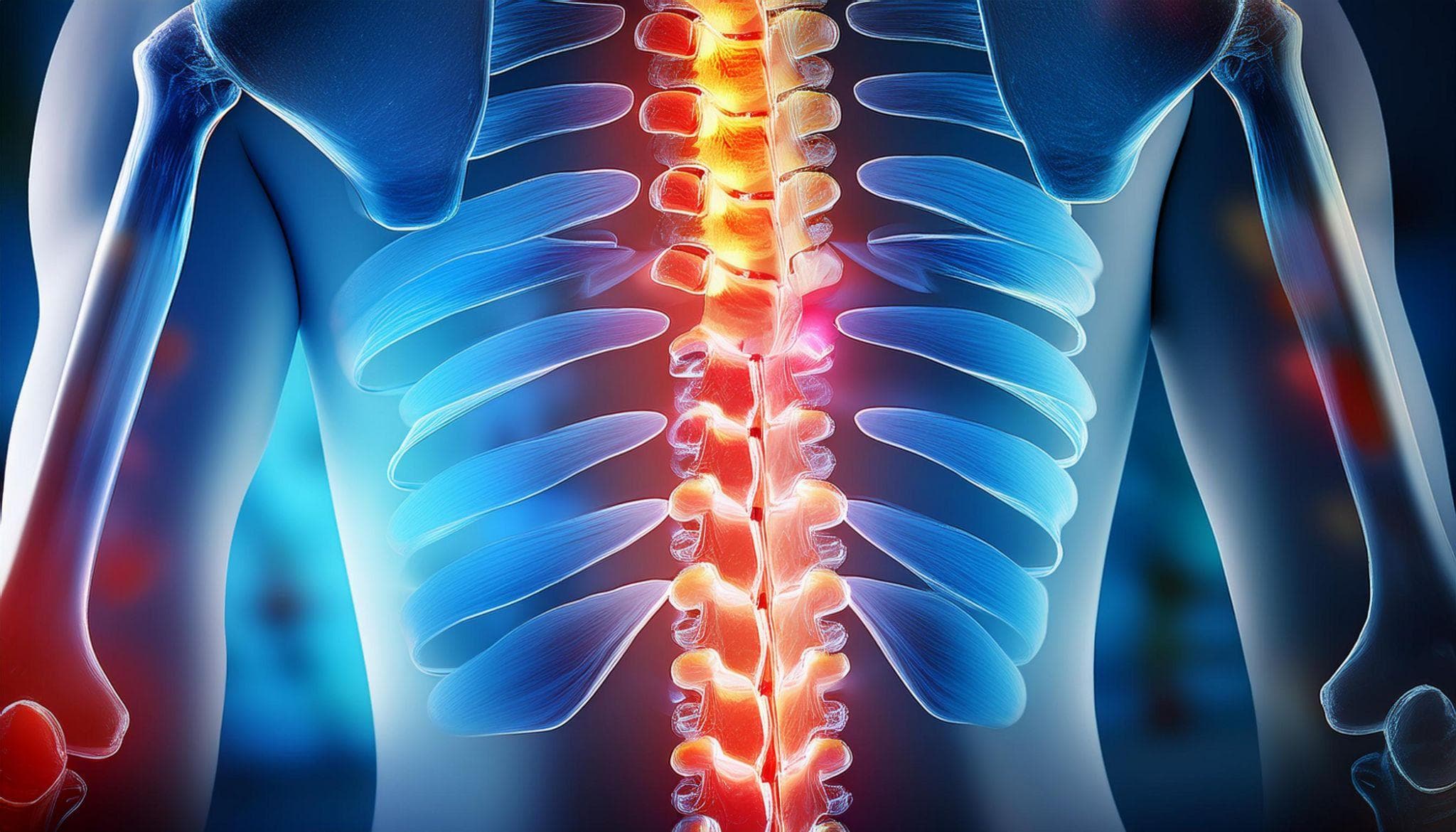
Cold weather can affect joints and surrounding tissues, often leading to increased stiffness, discomfort, and pain in people with existing orthopedic conditions.
1. Synovial Fluid Gets Thicker
Inside every joint is synovial fluid, the natural lubricant that allows smooth movement between joint surfaces. Think of it as the oil in an engine. In cold weather, this fluid becomes more viscous, thicker, and less free-flowing. Just as engine oil becomes sludgy in cold temperatures, joint fluid that's thicker doesn't lubricate as effectively. The result is increased friction between joint surfaces, which translates to stiffness and pain.
This effect is particularly noticeable first thing in the morning, when the joint has been still through the night, and the fluid hasn't been circulated by movement.
2. Barometric Pressure Changes Affect Joint Tissue
This one surprises many patients, but it's clinically well-supported. Barometric pressure (atmospheric pressure) drops before cold fronts and winter weather systems. This reduced external pressure allows the tissues inside the joint, such as the synovial fluid, cartilage, and the joint capsule itself, to expand very slightly.
In a healthy joint, this expansion is imperceptible. But in an arthritic joint where there is already inflammation, restricted space, and sensitised nerve endings, that small expansion produces noticeable discomfort. This is why many people with arthritis or old injuries genuinely can "feel a storm coming" before the weather changes; they're not imagining it, and the physiological mechanism is real.
3. Blood Flow Redirects Away From Extremities
When the body is exposed to cold, it prioritises keeping the core warm. Blood flow is redirected from the extremities, hands, feet, and to some extent the knees and other peripheral joints, toward the vital organs. Less blood flow to the joint means less warmth, less nutrient delivery, and reduced circulation of the immune cells that help manage local inflammation.
This is why hands and knees tend to feel particularly stiff and uncomfortable in cold weather; they're among the first areas to experience reduced circulation.
4. Muscles And Tendons Stiffen
Cold temperatures cause muscles and tendons to contract and become less elastic. Tight muscles around a joint put more mechanical stress on the joint surfaces, acting like a force amplifier rather than the shock absorbers they're meant to be when properly warmed and flexible. This muscle tightening also changes gait. People subconsciously move differently in cold weather, with shorter steps, a hunched posture, and tensed muscles. These compensatory patterns put uneven load on joints and contribute to pain.
5. Nerves Become More Pain-Sensitive
Cold reduces the threshold at which nerve fibres fire pain signals. In practical terms, this means that the same degree of pressure or inflammation that wouldn't register as significant pain in warm weather will produce a more intense pain signal in cold weather. It's not that the joint is more damaged in winter; it's that the same amount of damage hurts more.
6. Physical Inactivity Compounds Everything
Winter in Noida brings shorter days, lower temperatures, and dense morning fog that makes outdoor exercise uncomfortable and often impossible. People who walk regularly in summer stop walking. People who go to gyms drop off. The result is reduced muscle conditioning, reduced joint lubrication through movement, and reduced blood flow.
Movement is one of the best things for arthritic joints. It pumps synovial fluid around the joint surface, maintains cartilage nutrition, and keeps the surrounding muscles strong. Winter inactivity removes this benefit precisely when the joints need it most.
Vitamin D Deficiency Makes It Worse
Noida gets plenty of sunshine in theory. But most working adults spend the bulk of daylight hours indoors, and in winter, the sun angle reduces effective UV exposure even for those who do go outside. The result is that Vitamin D deficiency is widespread in Noida's population, and it peaks in winter.
Vitamin D plays a direct role in musculoskeletal health. It's needed for calcium absorption, bone density maintenance, and muscle function. Low Vitamin D levels are associated with increased joint pain, muscle weakness, and a lower threshold for arthritic symptoms. This is a commonly missed factor in patients who report winter joint pain worsening significantly. A simple blood test, 25-OH Vitamin D, confirms deficiency, and supplementation is inexpensive and effective.
Who Is Most Affected?
Winter joint pain worsening is most pronounced in patients who already have:
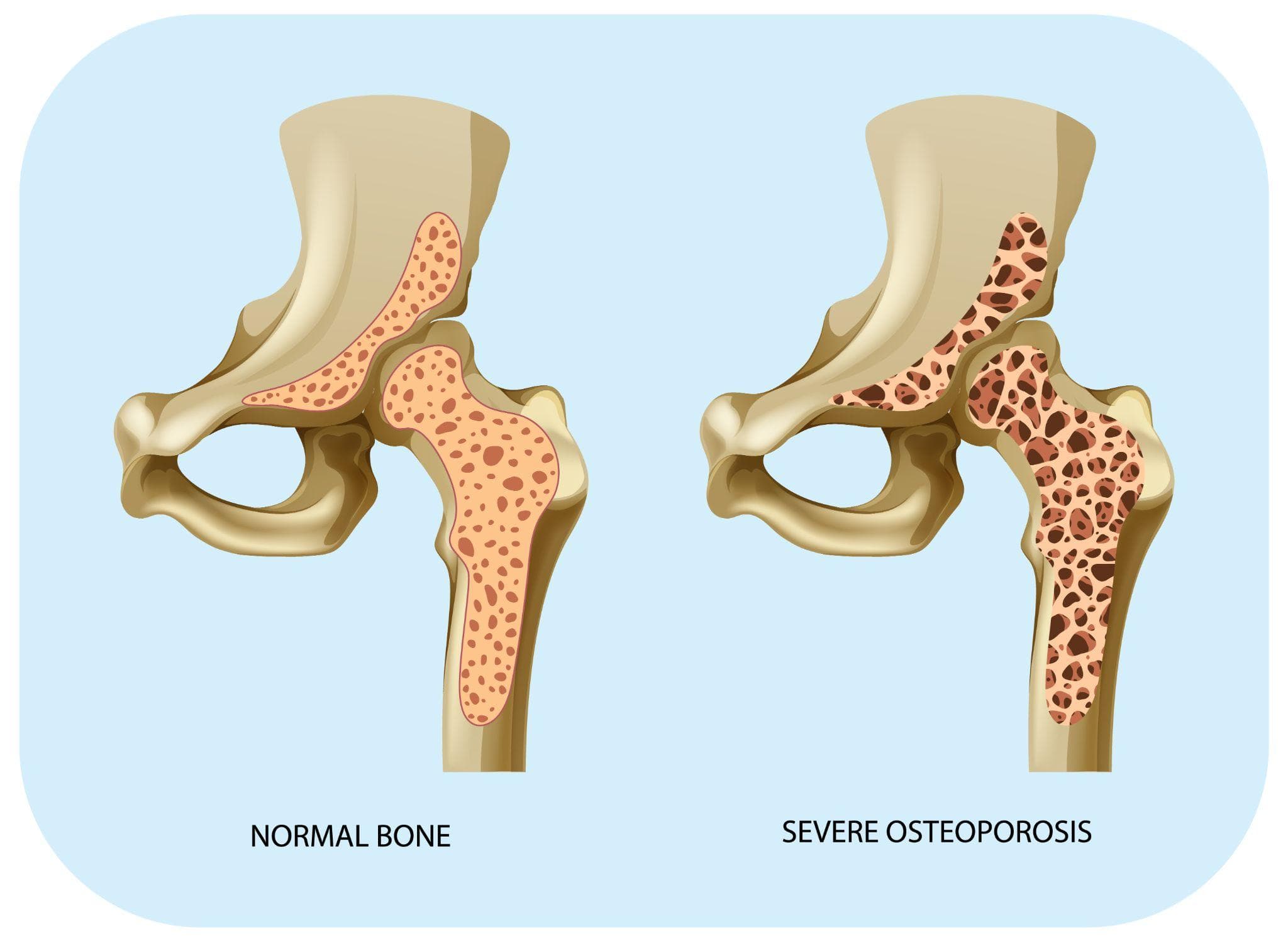
- Knee or hip osteoarthritis
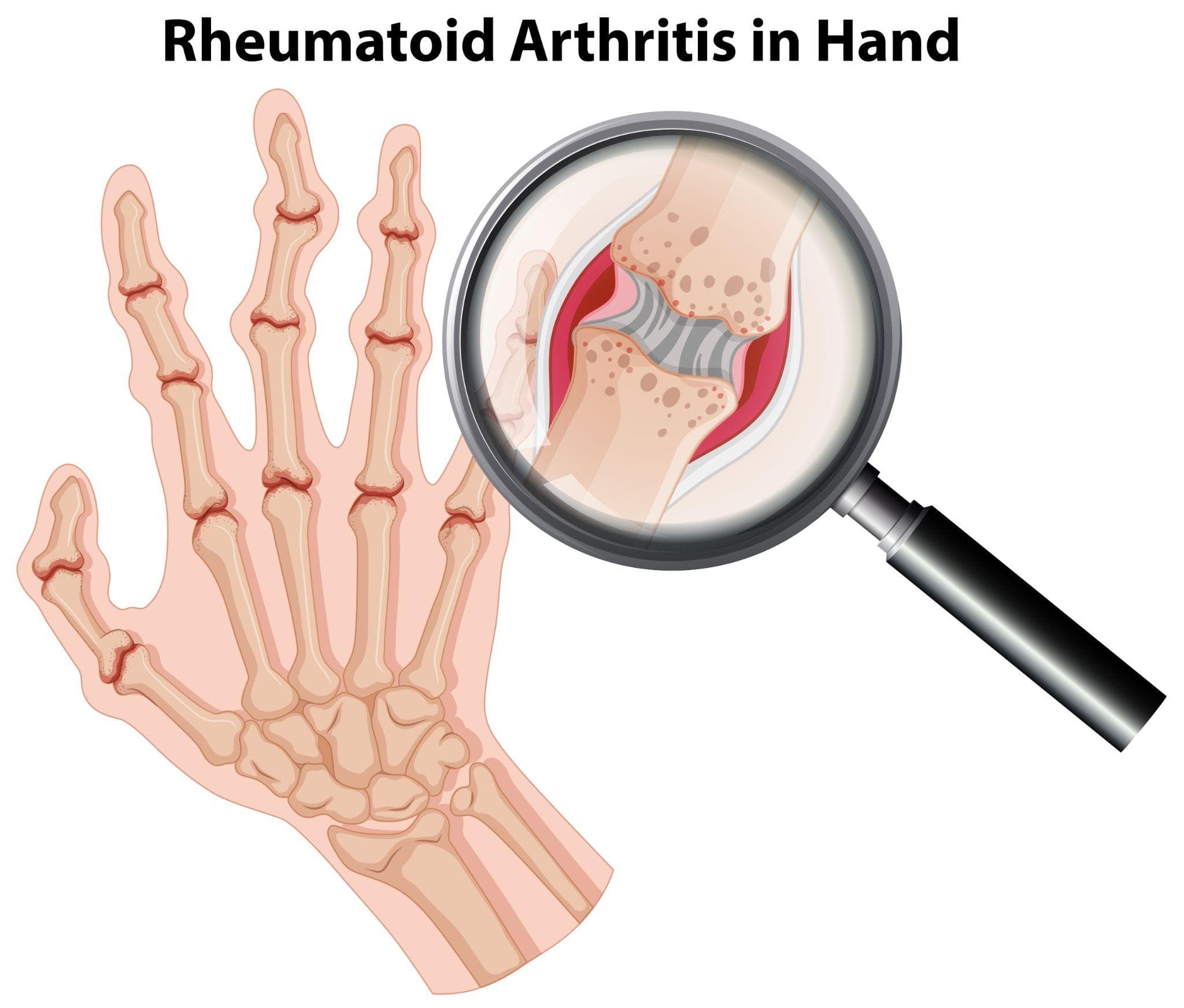
- Rheumatoid arthritis (RA flares are commonly triggered by weather changes)
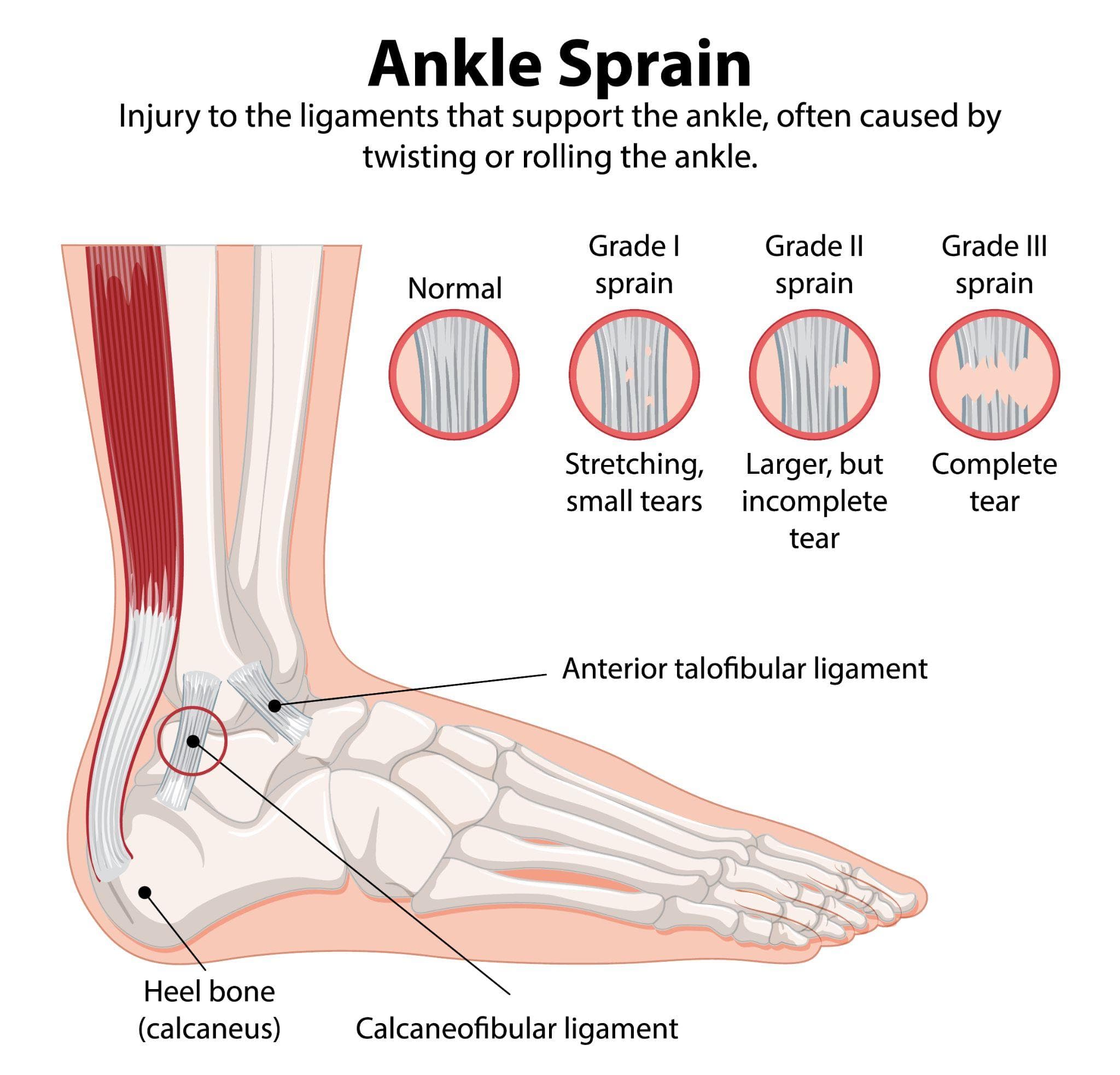
- Old sports injuries or previous fractures - scar tissue and healing bone are particularly sensitive to pressure and temperature changes.
- Gout - cold weather and increased indoor consumption of certain foods (rich festive meals, alcohol) trigger gout attacks in winter.
- Fibromyalgia - cold weather significantly worsens widespread musculoskeletal pain in fibromyalgia patients.
Even people without diagnosed joint conditions can experience worsening muscle and joint stiffness in winter, particularly if they're sedentary and spend long hours in poorly-heated environments.
What Actually Helps - Practical Winter Joint Management
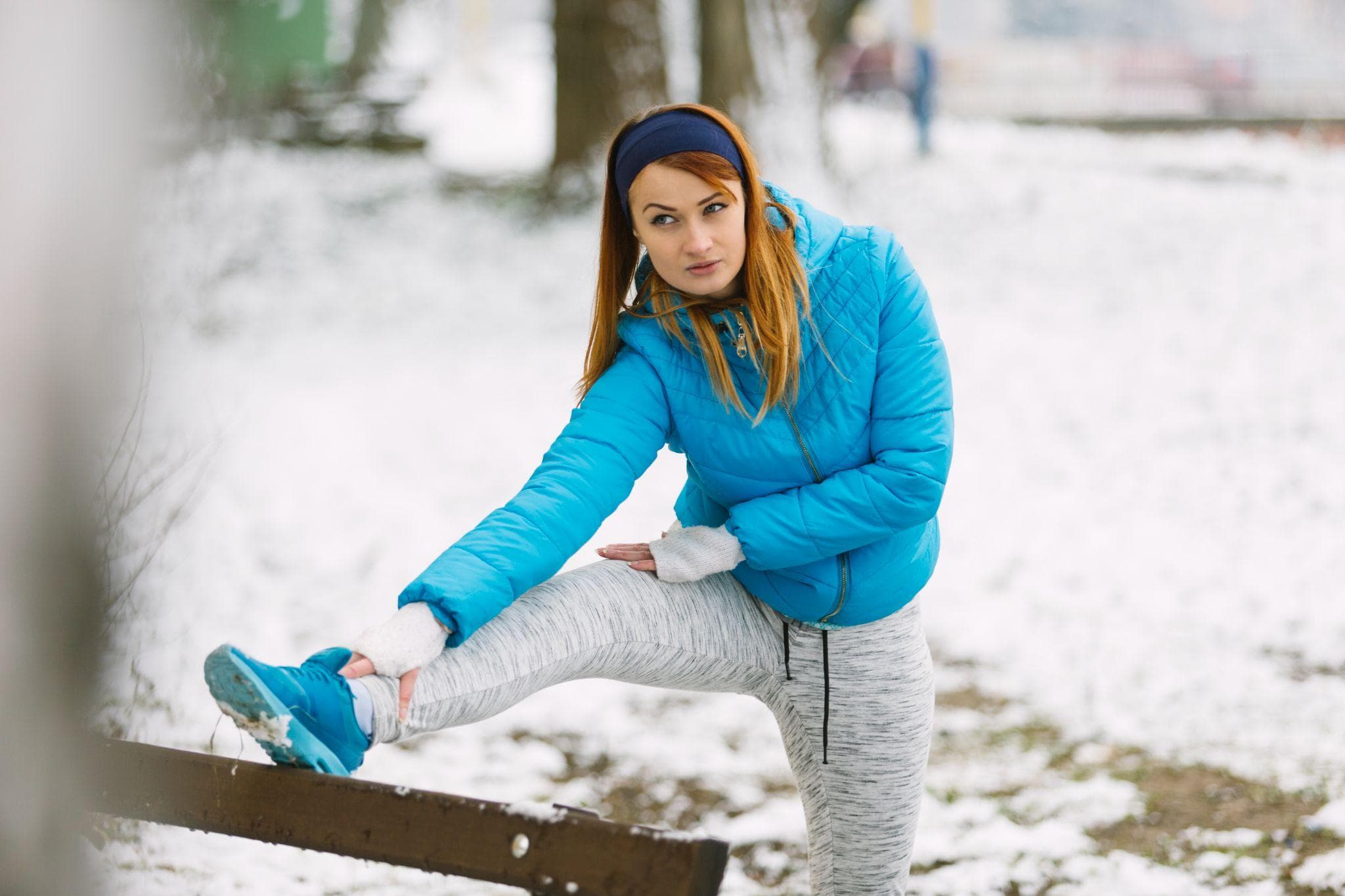
A woman stretches her leg outdoors in a snowy winter setting, highlighting the importance of warming up muscles and joints in cold weather.
Managing joint pain during winter requires practical lifestyle adjustments, regular movement, and proper joint care to reduce stiffness and maintain mobility.
1. Keep Moving - But Adapt How You Move
This is the single most important thing. Stopping exercise in winter because it's cold is exactly the wrong response for someone with arthritis. The goal is to shift from outdoor activity to indoor alternatives:
- Indoor walking: Walk the corridors of your building, a mall, or an indoor market.
- Home exercises: Simple seated exercises, ankle pumps, knee extensions, quad sets, heel slides, done daily, maintain joint health without requiring you to brave morning fog.
- Stationary cycling: If accessible, even 15–20 minutes at low resistance is excellent for arthritic knees, as it circulates joint fluid and builds quadriceps strength without impact.
- Swimming: A warm pool is among the best possible environments for arthritic joints. Water supports the body weight, warm water relaxes muscles, and the full range of motion required for swimming or aquatic walking is therapeutic.
- Yoga and stretching: Gentle yoga adapted for joint health maintains flexibility and reduces muscle tension.
The goal in winter is to maintain activity levels as close to summer levels as possible, through adapted forms of exercise.
2. Warmth Is Medicine
Keeping joints warm in winter genuinely reduces pain and stiffness. This means:
- Thermal leggings and knee warmers: Widely available in Noida's winter clothing markets, these maintain local warmth at the knee throughout the day, even indoors.
- Heating pads: A heating pad on the knee or hip for 15–20 minutes before attempting movement reduces stiffness significantly. Do not sleep with a heating pad risk of burns.
- Warm baths or showers: Morning warmth before starting the day reduces the morning stiffness peak. Many arthritis patients find that a 10-minute warm shower before attempting stairs or going out makes the first hour of the day dramatically easier.
- Keeping the home adequately warm: Indoor temperatures significantly below 20°C are not comfortable for arthritic joints. If heating is limited, prioritise keeping the rooms where the patient spends most time reasonably warm.
3. Adapt Your Morning Routine
Mornings are hardest for arthritic patients in winter. Joint fluid is at its most viscous, muscles are at their coldest, and barometric pressure effects peak overnight. Practical morning adaptations:
- Don't get up immediately and try to walk, lie in bed, and do gentle ankle and knee movements for 5 minutes first.
- Take pain medication with a small amount of water before attempting to get up if pain is severe.
- Warm shower before any significant activity.
- Build extra time into morning routines. Rushing an arthritic joint that hasn't warmed up leads to pain and potential falls.
4. Diet And Supplement Adjustments For Winter
Anti-inflammatory foods to emphasise:
- Omega-3 fatty acids - found in fish (mackerel, salmon), chia seeds, walnuts, and flaxseed. These reduce joint inflammation. Fish is excellent, but walnuts and flaxseeds are widely available in Noida's winter markets.
- Turmeric - has well-documented anti-inflammatory properties. Haldi milk before bedtime is traditional and genuinely useful.
- Ginger - another anti-inflammatory that's been shown to reduce OA pain in some studies. Fresh ginger in tea or food is easy to incorporate.
- Green leafy vegetables and fresh fruits - Vitamin C is important for cartilage health.
What to moderate in winter:
- Rich, heavy festive foods and excess red meat both promote uric acid elevation and inflammation.
- Alcohol - a gout trigger, and also impairs sleep quality, which worsens pain perception.
Supplements to consider:
- Vitamin D - confirm deficiency with a blood test, then supplement appropriately.
- Calcium - particularly for postmenopausal women and elderly patients.
- Omega-3 capsules - if dietary intake is insufficient.
5. Medication Adjustments - Talk To Your Surgeon
Some patients find that their usual pain management is insufficient in winter. If your standard treatment is not controlling pain adequately through the cold months, talk to your orthopedic surgeon about temporary adjustments, a short course of oral NSAIDs, a steroid injection for a particularly painful joint, or a review of your physiotherapy programme for winter-adapted exercises. Do not simply double your medication dose without medical guidance.
When Winter Pain Is More Than Winter Pain
Winter-related joint pain worsening is real and manageable. But sometimes what a patient attributes to "winter" is actually disease progression, the arthritis has advanced, and the cold is simply making it more apparent. Signs that your winter joint pain needs proper evaluation, not just home management:
- Pain is significantly worse this winter compared to previous winters.
- Pain is present even at rest and through the night, not just with activity.
- Significant new swelling of the joint.
- The joint feels unstable, giving way with walking.
- Morning stiffness lasting more than an hour (suggests inflammatory arthritis).
- Pain in a joint that hasn't been affected before.
These findings warrant an orthopedic consultation, not because winter has caused damage, but because winter may be revealing damage that was already there and now needs to be assessed and addressed.
Dr. Mayank Chauhan - Managing Winter Joint Pain In Noida And Greater Noida
Dr. Mayank Chauhan, Senior Orthopedic Surgeon at Prakash Hospital, Sector 33, Noida, is familiar with the pattern of winter arthritis worsening in Noida's population. Consultations for arthritis flares, joint pain review, and assessment for appropriate winter management, including injection therapy and updated physiotherapy guidance, are available year-round. For patients already under Dr. Chauhan's care whose symptoms worsen significantly in winter, early consultation is preferable to waiting and managing with over-the-counter painkillers. To book a consultation, call the number listed on the website.
The Bottom Line

A woman wearing winter clothing showing joint stiffness and wrist pain aggravated by cold weather.
Cold weather doesn't cause arthritis. But it does make existing joint conditions more painful, more stiff, and more limiting. Understanding the specific mechanisms, such as thicker joint fluid, barometric pressure changes, reduced blood flow, muscle stiffening, and physical inactivity, points directly to the interventions that help. Keep warm. Keep moving. Eat anti-inflammatory foods. Check your Vitamin D. And if this winter is measurably worse than last winter, get a proper orthopedic evaluation. To consult Dr. Mayank Chauhan, Senior Orthopedic Surgeon in Noida, call the number listed on the website.