Prosthetics For Joints: How Artificial Joints Restore Movement
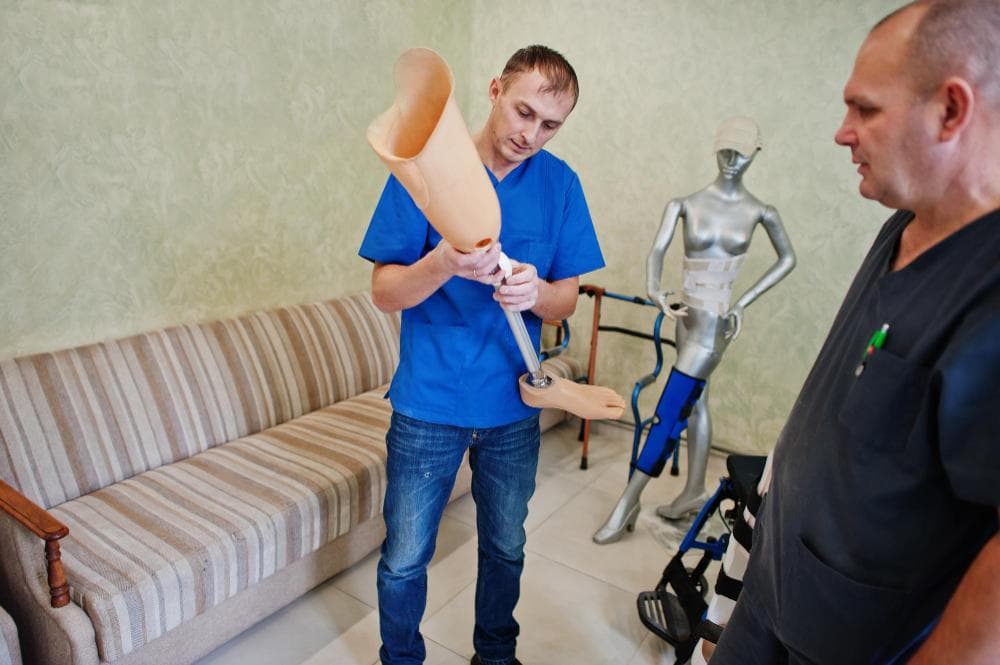
Two healthcare professionals examine a prosthetic limb in a medical office.
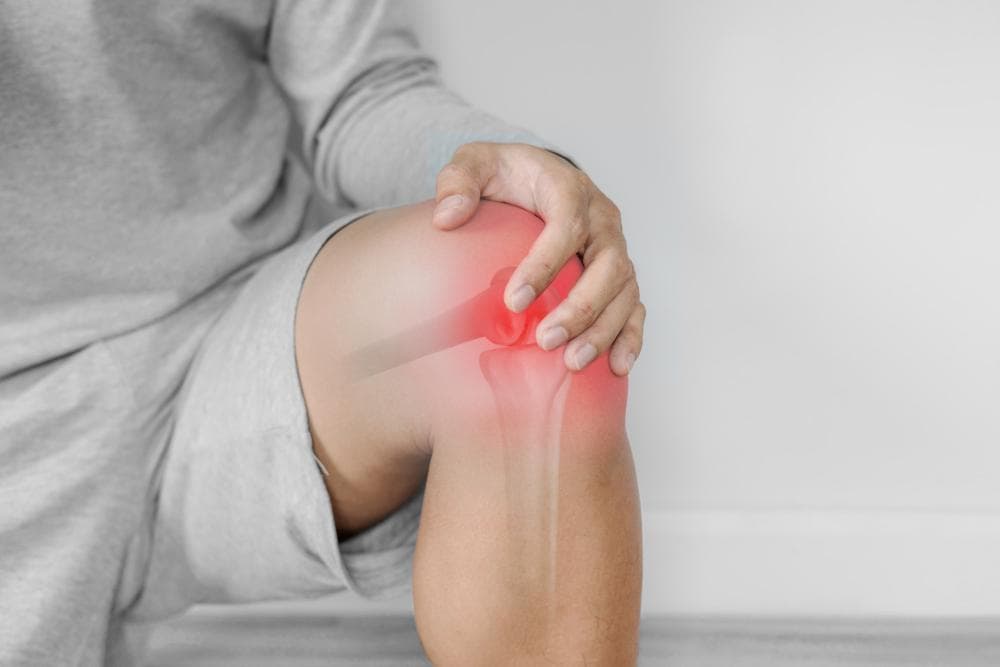
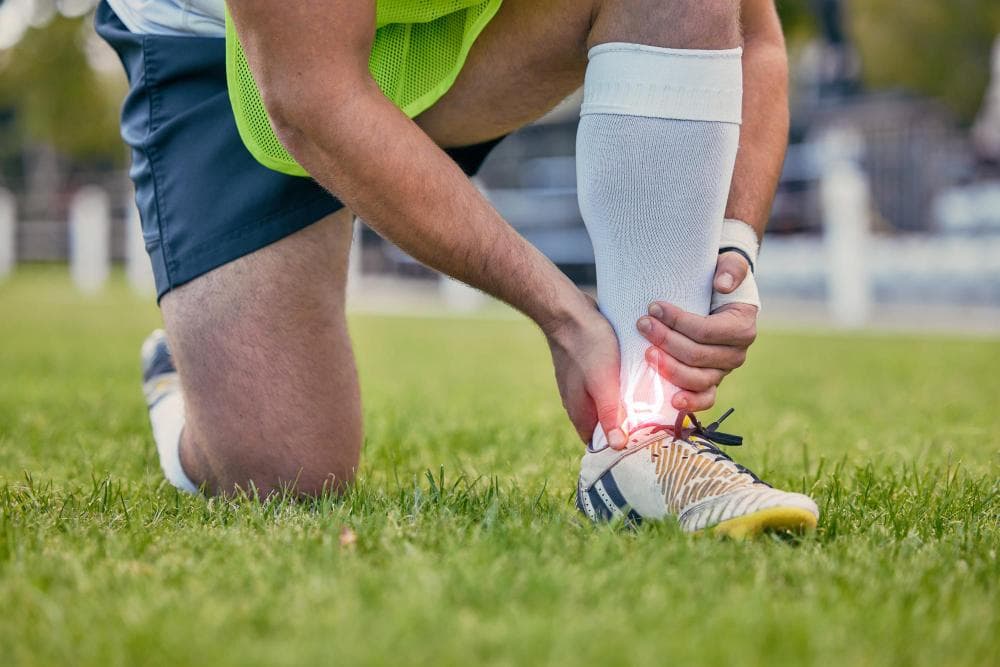
Joint pain and stiffness can slowly take over everyday life, making even simple movements feel difficult. Whether caused by injury, wear and tear, or conditions like arthritis, damaged joints can limit mobility and reduce overall quality of life. This is where prosthetics for joints step in as a game-changer.
Artificial joints are designed to replace damaged or worn-out parts of the body, helping restore movement, reduce pain, and bring back independence. Instead of living with discomfort, individuals can regain the ability to walk, bend, and move freely again.
In this guide, let’s understand how joint prosthetics work, their benefits, and when it’s the right time to consider them.
What Are Joint Prosthetics?
Joint prosthetics, also known as artificial joints, are medical implants used to replace damaged joints in the body. These prosthetics are typically made from durable materials like metal, ceramic, or high-grade plastic that mimic the natural movement of joints. They are most commonly used in:
- Knees
- Hips
- Shoulders
- Elbows
The goal is simple: reduce pain, restore function, and improve mobility so that the body can move naturally again.
How Artificial Joints Work?
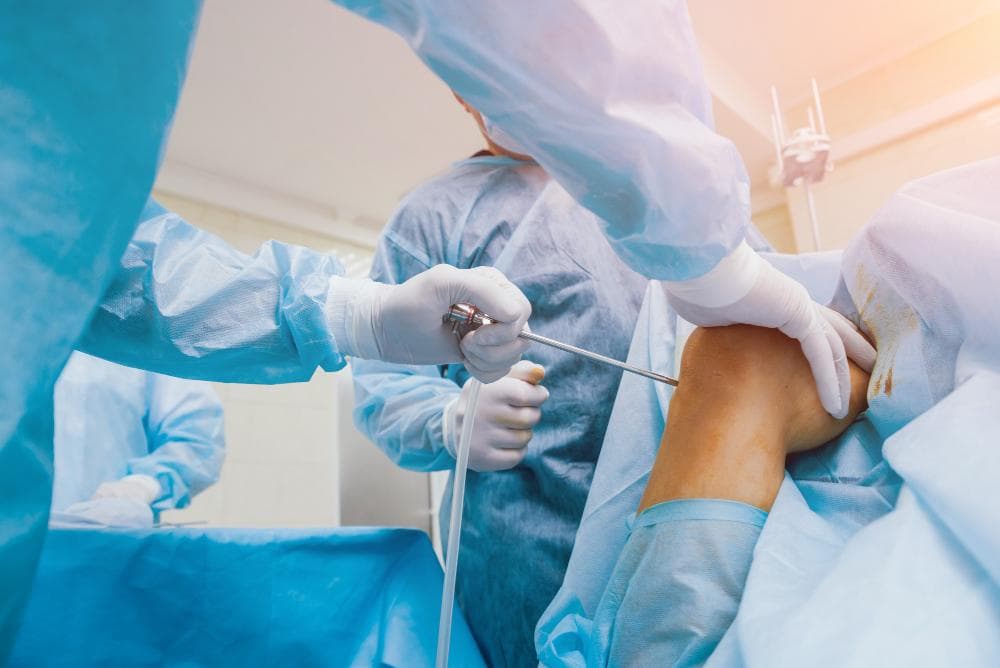
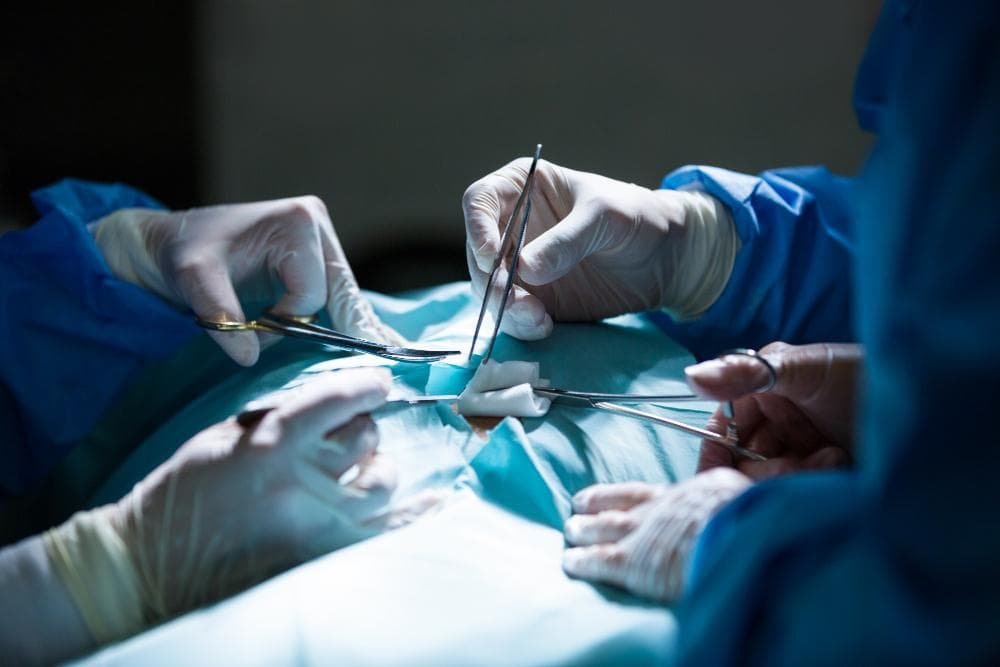
Artificial joints are designed to replicate the function of a natural joint. During surgery, the damaged cartilage and bone are removed and replaced with a prosthetic implant that allows smooth movement.
The prosthetic components fit together in a way that reduces friction and supports natural motion. Over time, the surrounding muscles and tissues adapt to the new joint, helping improve stability and strength. To ensure proper recovery and results, it is important to consult an experienced orthopedic specialist like Dr. Mayank Chauhan in Noida for accurate diagnosis and treatment planning.
Key Benefits of Joint Prosthetics
Joint replacement surgery offers long-term relief and significant improvements in daily life.
1. Pain Relief and Improved Comfort
Artificial joints eliminate the source of pain by replacing damaged surfaces, allowing individuals to move without constant discomfort.
2. Restored Mobility and Flexibility
Stiff and restricted joints regain their range of motion, making everyday activities like walking, climbing stairs, or lifting objects easier.
3. Enhanced Quality of Life
With reduced pain and better movement, individuals can return to normal routines, hobbies, and even light physical activities.
4. Long-Term Durability
Modern prosthetics are built to last for many years, making them a reliable solution for chronic joint issues.
5. Better Posture and Alignment
Joint replacements help correct alignment issues, improving posture and reducing strain on other parts of the body.
Conditions That May Require Joint Prosthetics
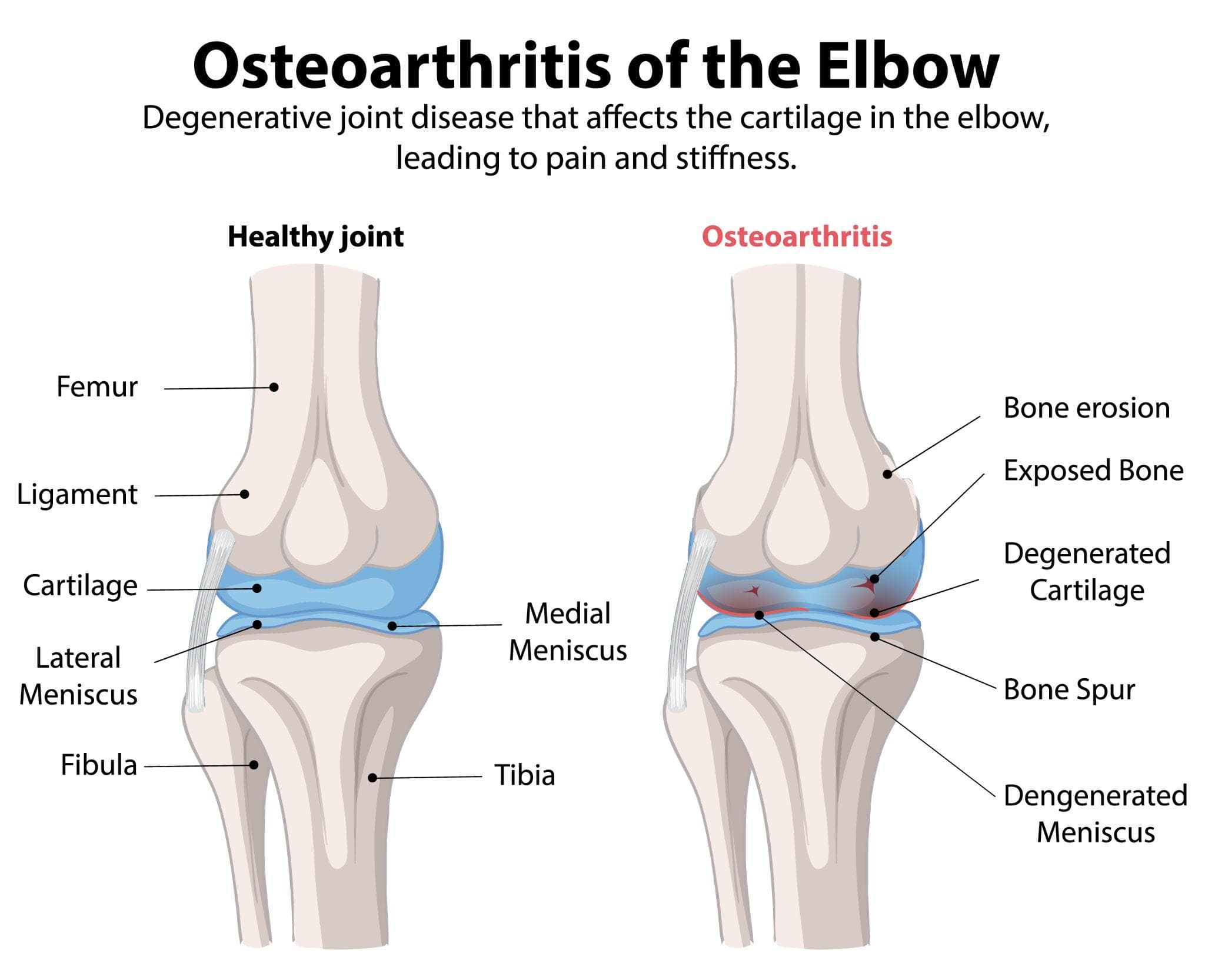
A diagram comparing a healthy elbow joint to one affected by osteoarthritis.
Joint prosthetics are often recommended when non-surgical treatments no longer provide relief.
- Osteoarthritis - Wear and tear over time can damage cartilage, leading to pain and stiffness in joints.
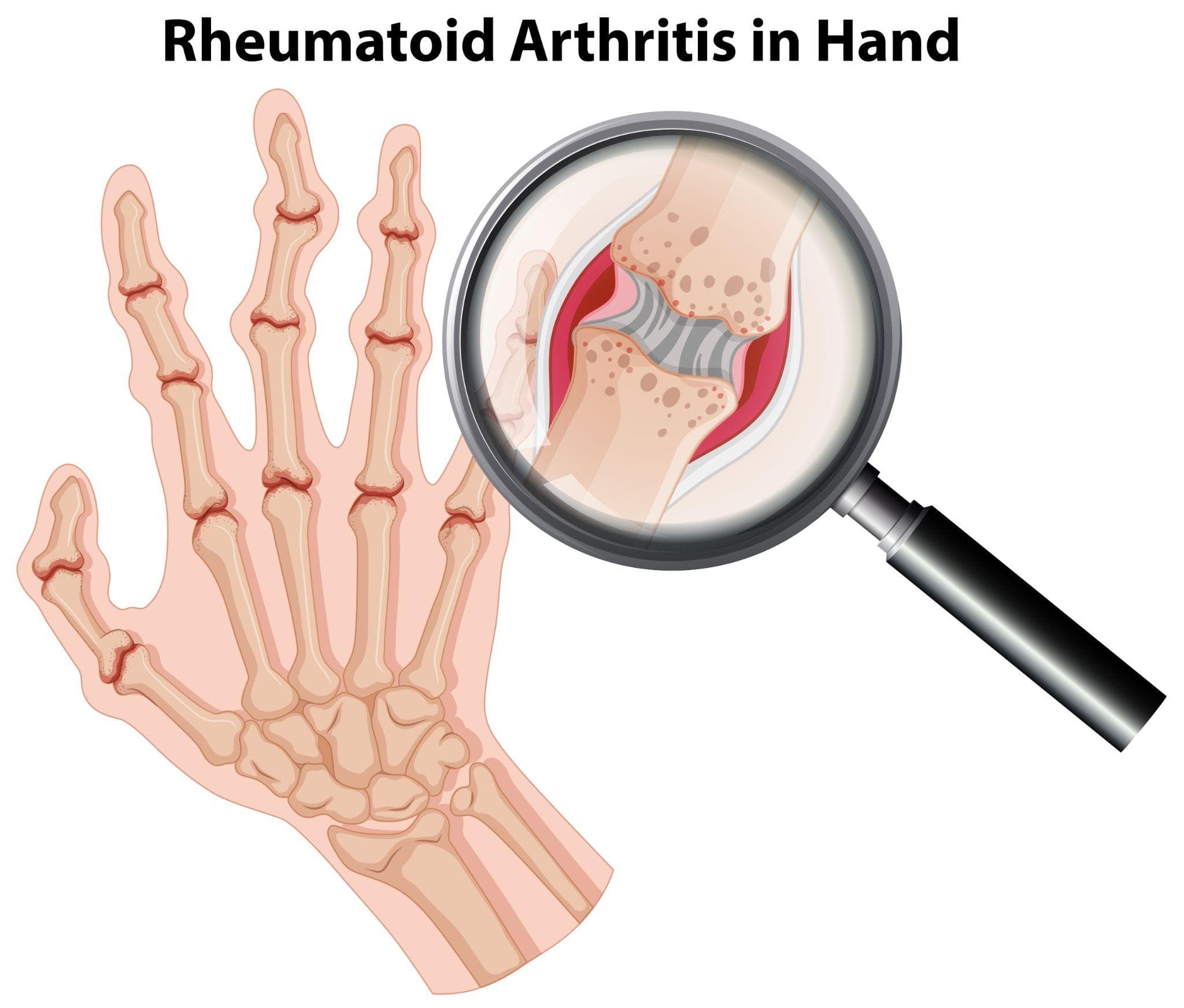
- Rheumatoid Arthritis - An autoimmune condition that causes inflammation and joint damage, often requiring surgical intervention in advanced stages.
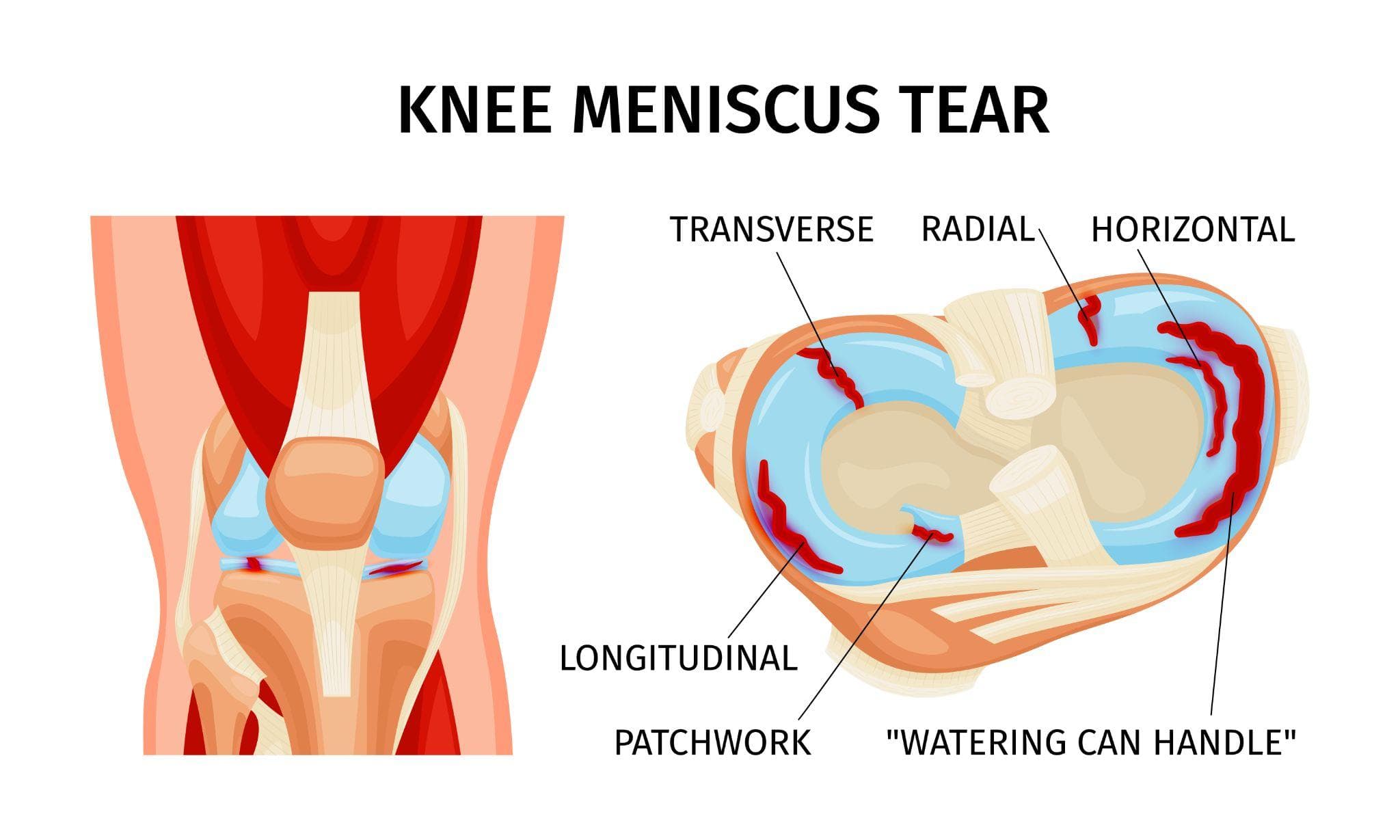
- Severe Joint Injuries - Fractures or trauma can permanently damage joints, making replacement necessary for proper function.
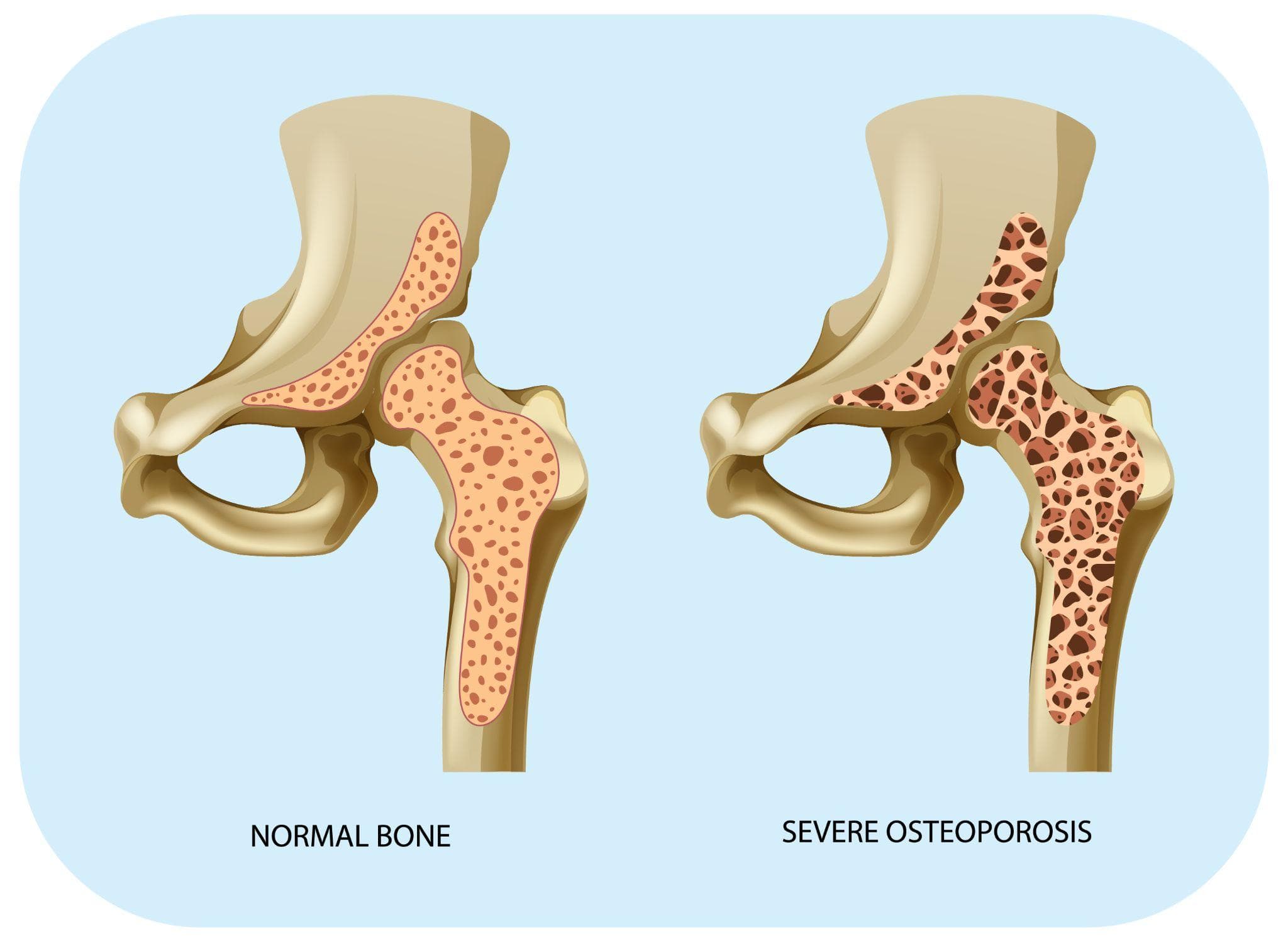
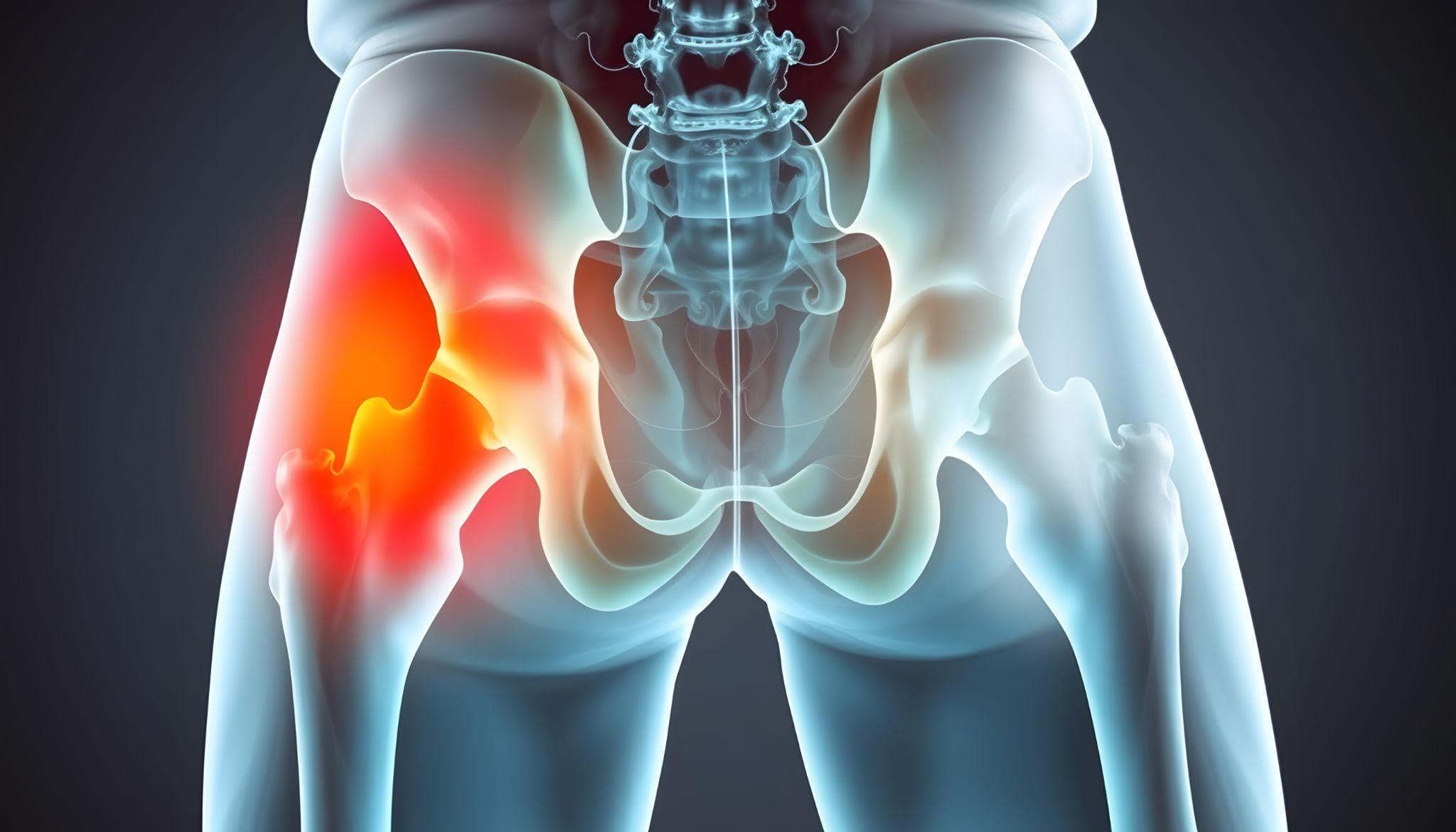
- Avascular Necrosis - Loss of blood supply to the bone can cause joint collapse, especially in the hip.
- Degenerative Joint Diseases - Conditions that progressively worsen joint health and limit mobility over time.
Types of Joint Replacement Procedures
Different joints in the body can be replaced depending on the severity of damage.
1. Knee Replacement
One of the most common procedures is helping restore walking ability and reduce chronic knee pain.
2. Hip Replacement
Improves mobility and relieves pain caused by arthritis or injury in the hip joint.
3. Shoulder Replacement
Restores arm movement and reduces pain in cases of severe shoulder damage.
4. Partial Joint Replacement
Only the damaged portion of the joint is replaced, preserving healthy tissue.
Recovery After Joint Replacement
Recovery plays a crucial role in the success of joint prosthetics. After surgery, patients typically undergo physiotherapy to regain strength and mobility. Exercises help improve flexibility, while guided rehabilitation ensures the joint functions properly.
Most individuals notice significant improvement within a few weeks, although full recovery may take a few months, depending on the procedure and overall health. Following medical advice, staying active, and maintaining a healthy lifestyle can greatly enhance long-term outcomes.
When to Consider Joint Prosthetics
Sometimes, the body signals that it may be time for a joint replacement.
- Persistent Joint Pain - Pain that does not improve with medication or therapy may indicate severe joint damage.
- Limited Movement - Difficulty in bending, walking, or performing daily tasks is a strong sign of joint dysfunction.
- Reduced Quality of Life - When joint issues start affecting independence and daily comfort, intervention becomes necessary.
- Failure of Non-Surgical Treatments - If physiotherapy, medications, or lifestyle changes no longer provide relief, surgery may be the next step.
Joint Prosthetics vs Non-Surgical Treatments
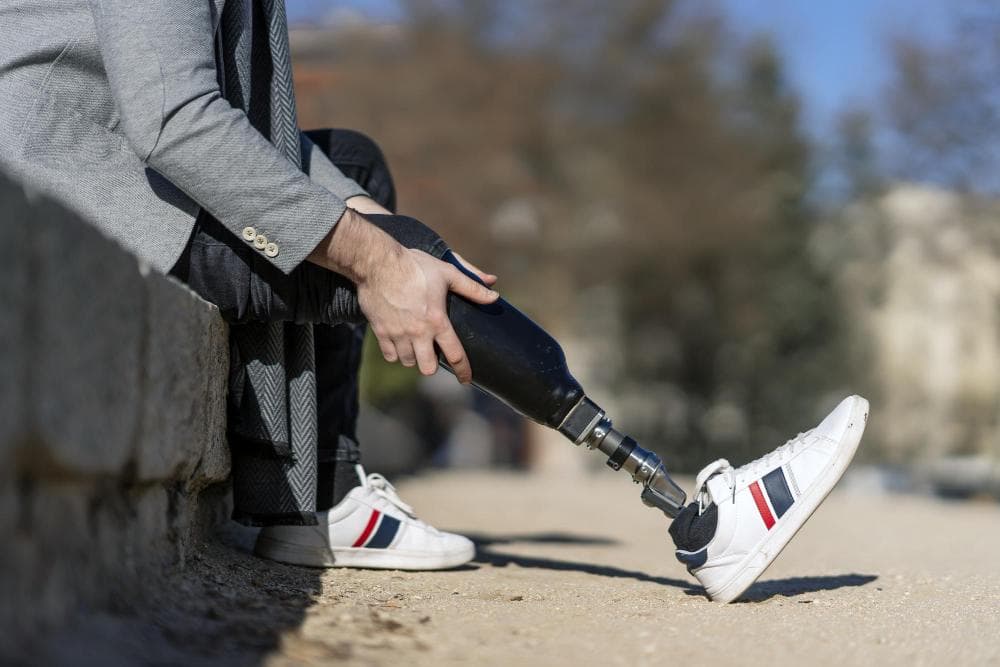
A man adjusts his shoe on a prosthetic leg while sitting on a stone ledge.
While medications and physiotherapy can help manage symptoms, they may not be enough in advanced cases. Joint prosthetics address the root cause by replacing the damaged joint entirely, offering long-term relief. Compared to ongoing medication use, it provides a more permanent solution. Although surgery involves recovery time, it often leads to better mobility, less pain, and improved overall function in the long run.
Final Thoughts
Joint prosthetics are not just about replacing a joint; they are about restoring freedom of movement and improving quality of life. With advancements in medical technology, artificial joints have become safer, more durable, and highly effective.
Early consultation and the right treatment approach can make a significant difference in outcomes. For those struggling with chronic joint pain or limited mobility, seeking expert guidance is the first step toward recovery.
Visit Dr. Mayank Chauhan in Noida for personalized care and advanced joint replacement solutions. With proper assessment and treatment, one can regain strength, move confidently, and return to a pain-free life.
Frequently Asked Questions (FAQs)
1. How long do artificial joint replacements last?
Most artificial joints last 15–25 years, depending on usage, lifestyle, and overall health.
2. Is joint replacement surgery painful?
The procedure is done under anesthesia, and post-surgery pain is manageable with medication and physiotherapy.
3. When is joint replacement necessary?
It is recommended when severe pain and stiffness limit daily activities and other treatments no longer work.
4. Can you live a normal life after joint replacement?
Yes, most people return to normal daily activities with improved mobility and significantly reduced pain.