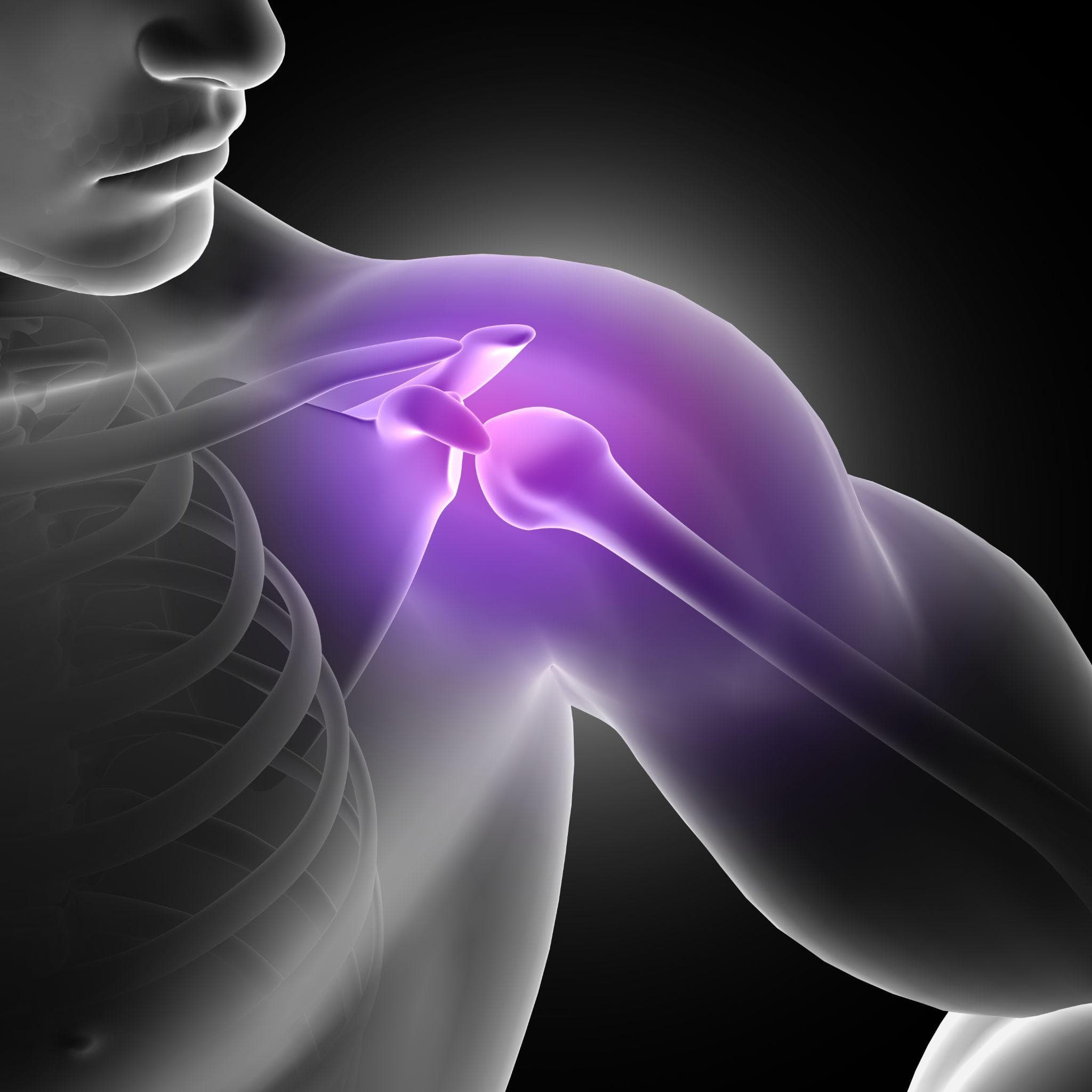
Juvenile Arthritis In Pediatric Patients: Signs Parents Shouldn’t Ignore
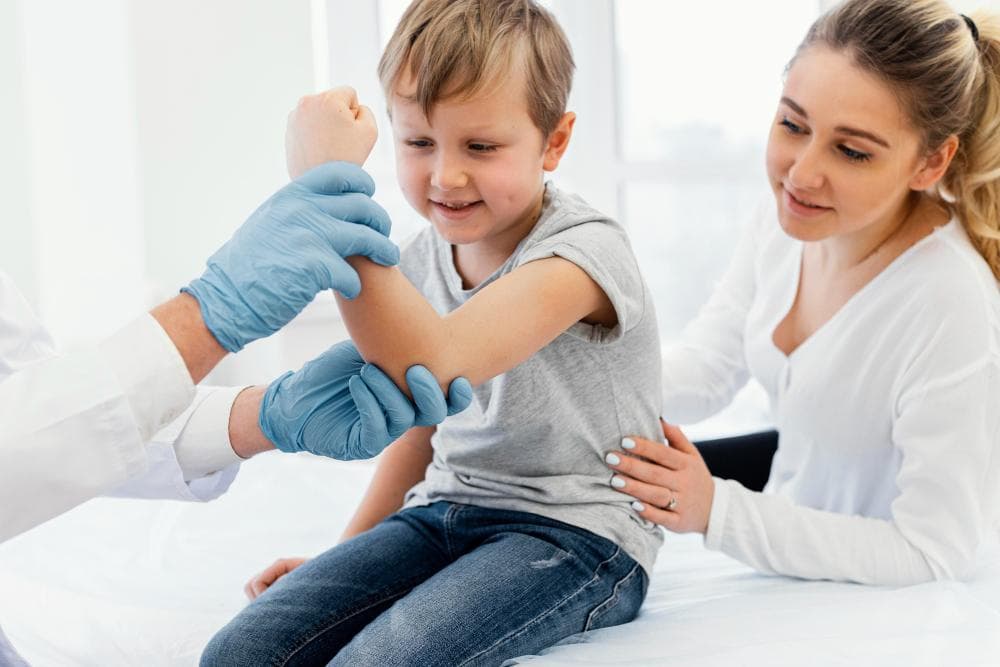
A healthcare worker checks a boy's arm while his mother provides reassurance.
Children are often full of energy, constantly moving, playing, and exploring. So when a child starts avoiding activities, complains of joint pain, or seems unusually stiff, it’s easy to brush it off as fatigue or a minor injury. However, these could be early signs of juvenile arthritis, a condition that needs timely attention.
Juvenile arthritis is not just an adult condition in a smaller body; it behaves differently in children and can impact growth, mobility, and overall well-being if ignored. Recognizing the early signs can make a significant difference in managing the condition effectively.
Instead of overlooking these symptoms, it’s important to understand what juvenile arthritis is, how it affects children, and when it’s time to seek professional help. In this guide, let’s explore the signs parents shouldn’t ignore and how early care can protect a child’s future health.
What Is Juvenile Arthritis?
Juvenile arthritis refers to a group of autoimmune and inflammatory conditions that affect children under the age of 16. In this condition, the immune system mistakenly attacks healthy joint tissues, leading to pain, swelling, and stiffness.
Unlike temporary aches or injuries, juvenile arthritis can persist for weeks or even months. It may affect one joint or multiple joints and, in some cases, even impact other parts of the body like the eyes or skin. The goal of treatment is to control inflammation, reduce pain, and help the child maintain normal growth and activity levels.
Common Signs Parents Shouldn’t Ignore
Early symptoms of juvenile arthritis can be subtle, which is why they’re often missed.
1. Persistent Joint Pain
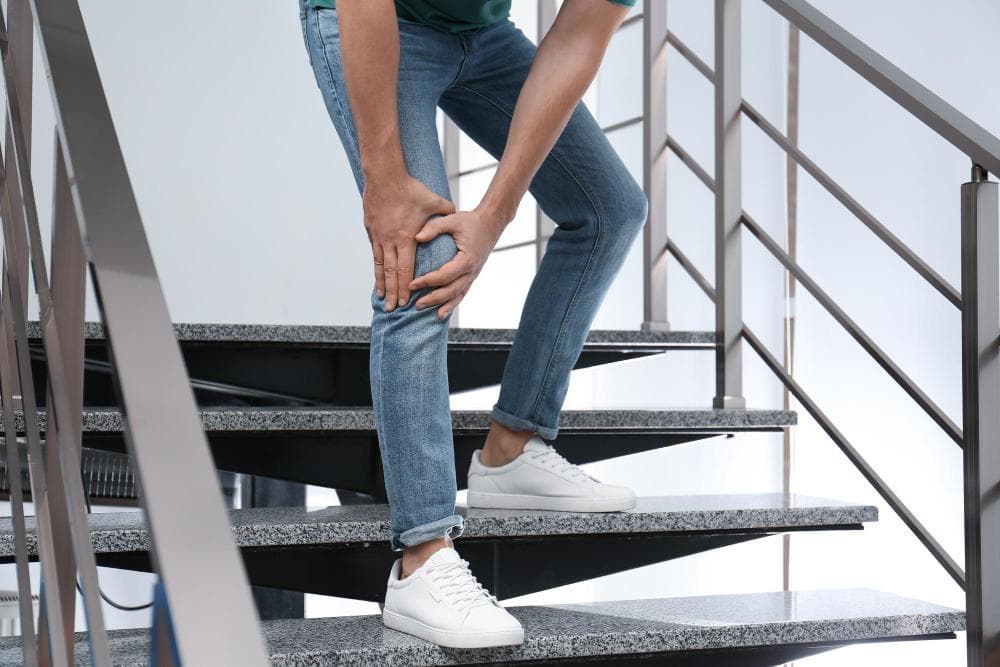
If a child complains of joint pain that lasts more than a few weeks, especially without any clear injury, it should not be ignored.
2. Morning Stiffness
Children with juvenile arthritis often feel stiff after waking up. They may walk awkwardly or take time to start moving comfortably.
3. Swelling In Joints
Visible swelling in knees, wrists, or ankles is a key sign. It may or may not be painful, but it usually persists.
4. Limping Or Reduced Activity
If a child starts limping or avoids playing and physical activities, it could be due to joint discomfort.
5. Fatigue And Irritability
Chronic inflammation can make children feel unusually tired or irritable without any obvious reason.
6. Fever And Rash
Some types of juvenile arthritis are associated with recurring fever and skin rashes, indicating systemic involvement.
Causes And Risk Factors
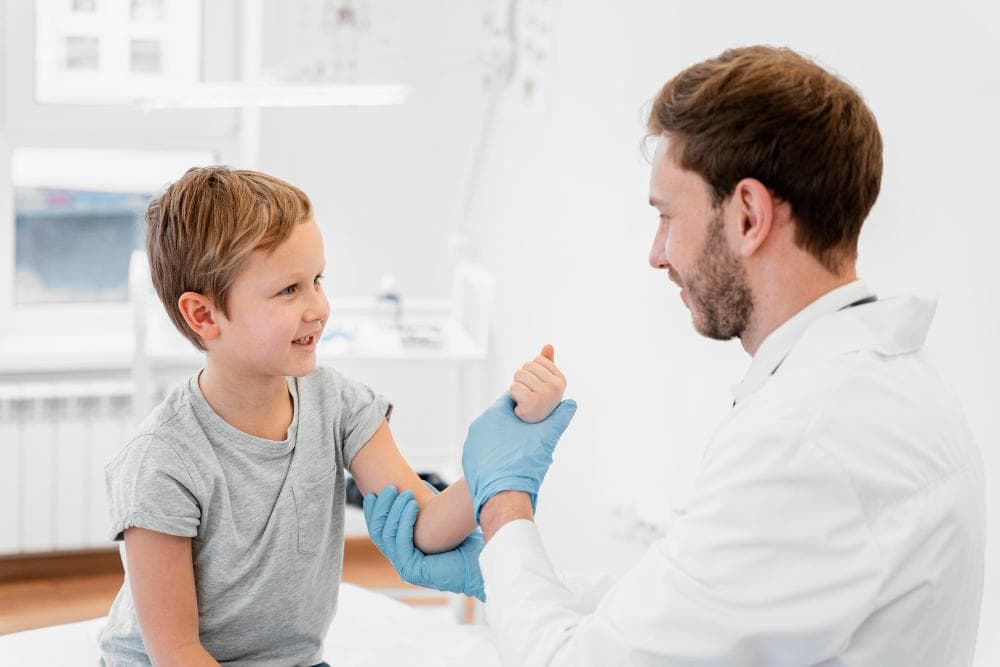
A healthcare professional examines a smiling boy's arm in a medical office.
The exact cause of juvenile arthritis isn’t fully understood, but it is linked to immune system dysfunction.
- The immune system mistakenly attacks healthy tissues
- Genetic predisposition may increase risk
- Environmental triggers like infections may play a role
It’s important to note that it is not caused by physical activity or minor injuries.
How Juvenile Arthritis Affects Children?
If left untreated, juvenile arthritis can lead to long-term complications.
1. Impact On Growth
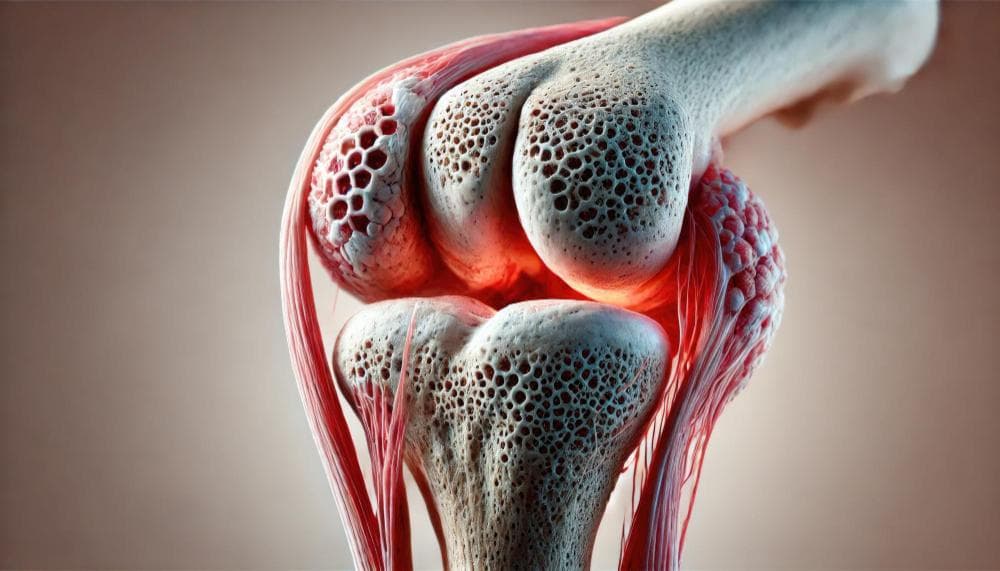
Chronic inflammation affects the growth plates (areas where bones grow), which can lead to:
- Uneven limb length (one arm or leg longer than the other).
- Delayed overall growth or shorter stature.
- Joint deformities due to prolonged swelling.
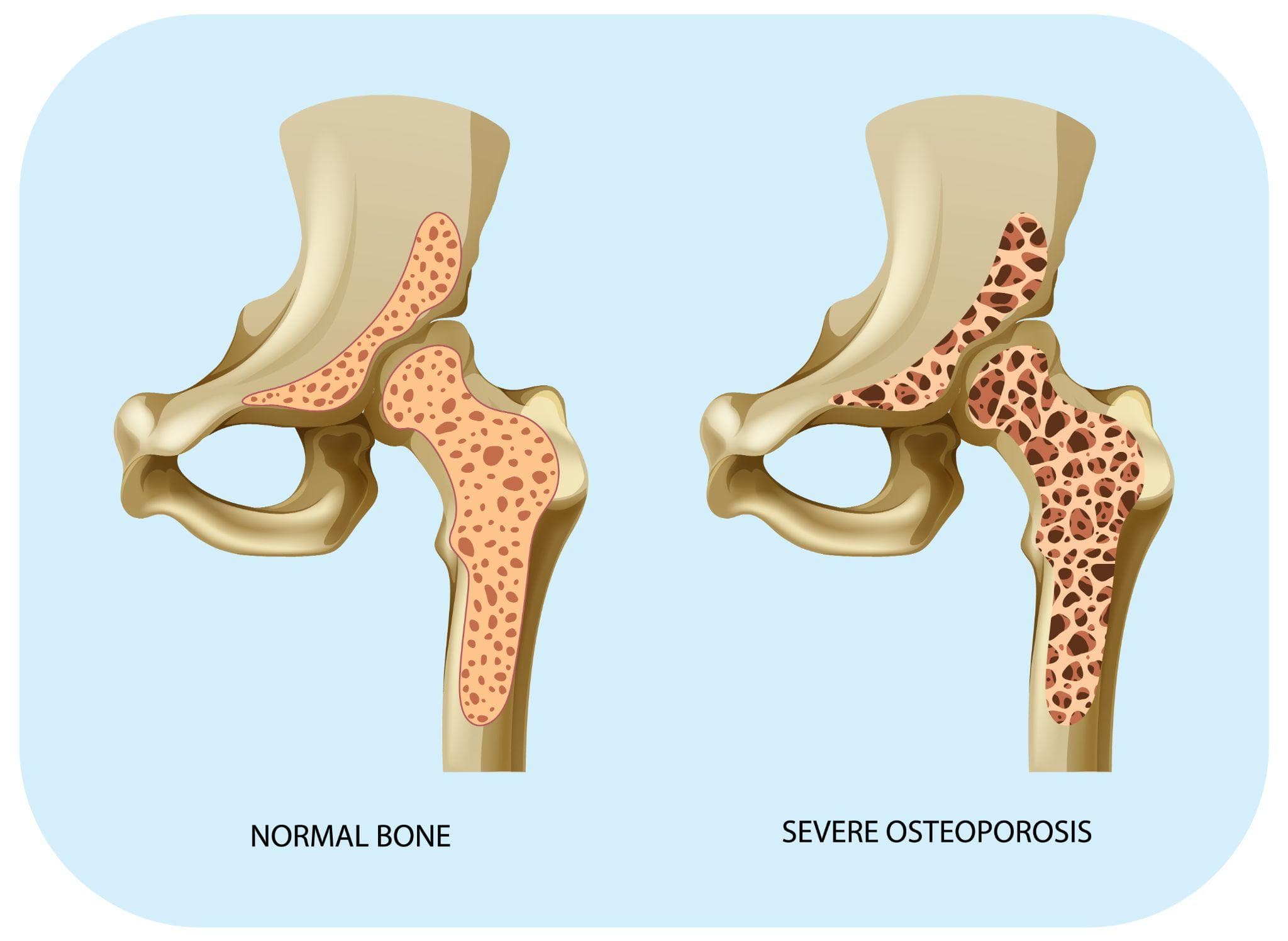
- Weak bone density increases the risk of fractures.
Additionally, long-term use of certain medications like corticosteroids may further influence bone strength and growth patterns.
2. Reduced Mobility
Children with juvenile arthritis often experience:
- Morning stiffness makes it difficult to start the day.
- Pain during movement discourages physical activity.
- Muscle weakness due to reduced use of affected joints.
- Difficulty in performing daily activities like writing, walking, or playing.
Over time, lack of movement can worsen joint stiffness, creating a cycle of pain and immobility.
3. Eye Complications
Some forms of juvenile arthritis are linked with inflammation in the eyes, particularly a condition called Uveitis.
- Often develops without noticeable symptoms initially.
- Can lead to blurred vision, light sensitivity, or eye pain.
- If untreated, it may cause permanent vision damage or even blindness.
Regular eye screenings are essential, even when the child has no visible eye issues.
4. Emotional Well-Being
Living with a chronic condition can take a toll on a child’s mental health:
- Feelings of frustration due to physical limitations.
- Lower self-esteem compared to peers.
- Social withdrawal, especially if unable to participate in sports or play.
- Increased risk of anxiety or depression.
Support from family, schools, and counseling can help children cope better emotionally.
5. Systemic Effects (Whole-Body Impact)
In some types, like systemic juvenile arthritis, inflammation can affect more than just joints:
- Recurrent fevers
- Skin rashes
- Swelling of lymph nodes
- Involvement of internal organs like the liver or spleen
This makes early diagnosis and medical management even more critical.
6. Long-Term Joint Damage
If inflammation remains uncontrolled:
- Cartilage (joint cushioning) can wear down
- Bones may erode or change shape
- Permanent joint damage can occur
- In severe cases, it may lead to disability in adulthood
Diagnosis And Evaluation
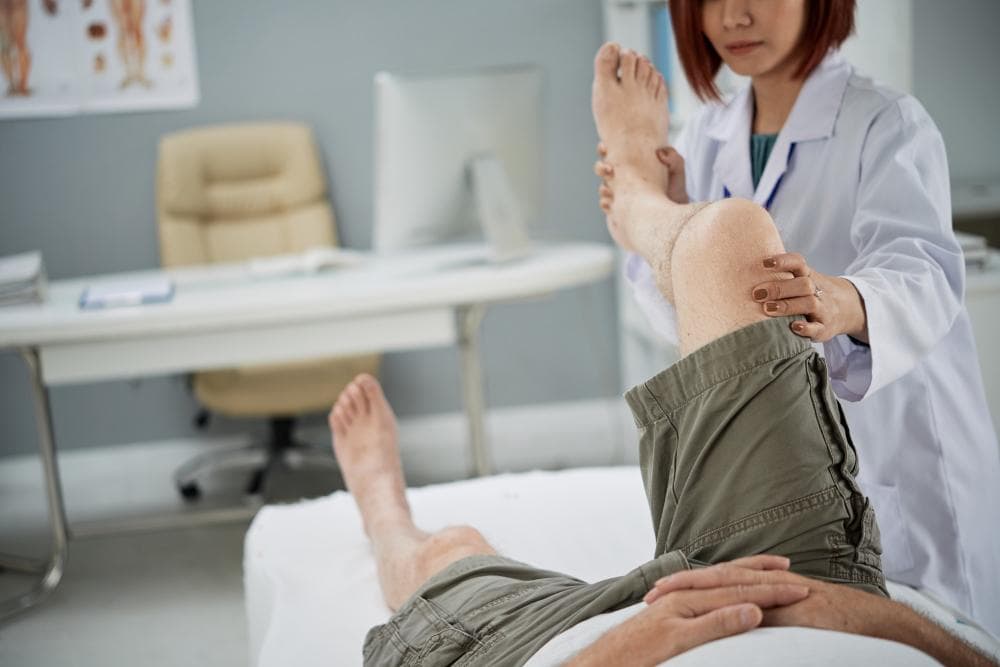
Diagnosing juvenile arthritis involves a detailed clinical evaluation. Doctors assess:
- Duration and pattern of symptoms
- Joint swelling and movement
- Blood tests to check inflammation markers
- Imaging tests like X-rays or MRI, if needed
Early diagnosis helps in starting treatment before complications develop.
Treatment Options
While there is no complete cure, the right treatment approach can effectively control symptoms, prevent complications, and help children maintain a normal, active lifestyle. Managing juvenile arthritis usually involves a combination of medical care, physical support, and daily habit adjustments.
1. Medications
Medications play a key role in reducing inflammation and managing pain. Doctors may prescribe anti-inflammatory drugs, disease-modifying agents, or other targeted therapies depending on the severity of the condition. These not only provide relief but also help slow down joint damage and prevent long-term complications when started early.
2. Physiotherapy
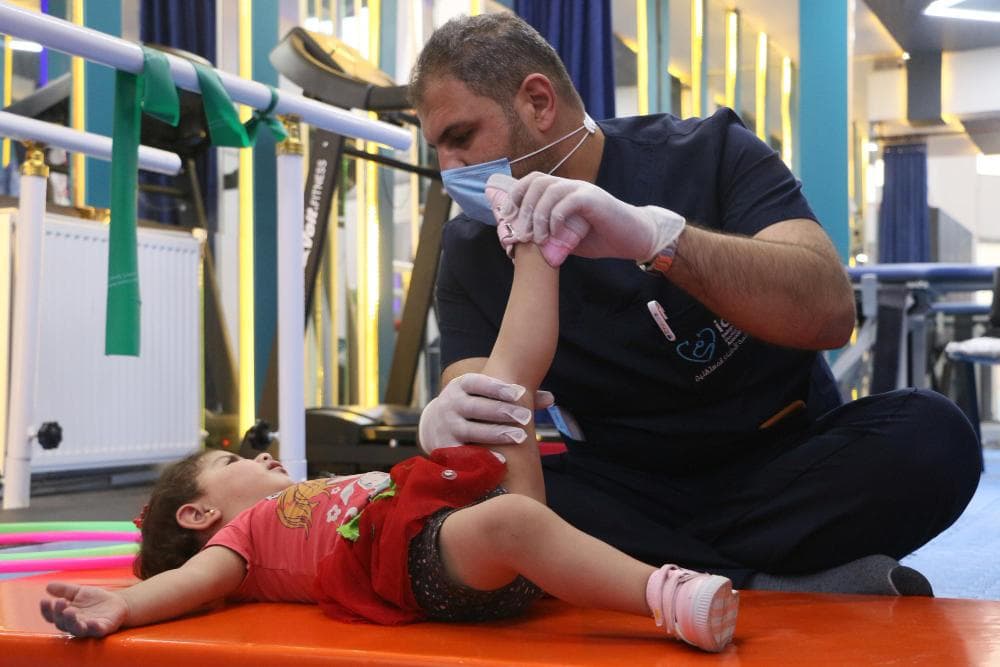
A healthcare worker assists a young girl with leg stretching during therapy.
Physiotherapy is essential for maintaining joint health and mobility. Through guided exercises, children can improve flexibility, build muscle strength, and reduce stiffness. It also helps in correcting movement patterns, ensuring that joints are not under unnecessary stress during daily activities.
3. Lifestyle Adjustments
Simple lifestyle changes can make a big difference in managing symptoms. Encouraging balanced physical activity keeps joints active without overstraining them, while a nutritious diet supports growth and immune health. Adequate rest is equally important, as it allows the body to recover and manage inflammation more effectively.
4. Regular Monitoring
Consistent medical follow-ups are crucial to track the progression of the condition. Regular check-ups help doctors adjust treatment plans based on the child's response. Early detection of any complications ensures timely intervention, keeping the condition under better control over the long term.
When To See An Orthopedic Specialist
Parents should consider medical consultation if:
- Joint pain lasts more than a few weeks
- Swelling or stiffness keeps coming back
- The child avoids physical activity
- There is an unexplained fever or rash
- Daily activities are getting affected
Early intervention can prevent long-term damage and help children lead an active life.
Final Thoughts
Juvenile arthritis may not always be obvious at first, but small signs can point to a bigger issue. Ignoring persistent joint pain or stiffness can delay treatment and increase the risk of complications. With timely diagnosis and the right care, children with juvenile arthritis can manage symptoms effectively and continue to grow, play, and thrive.
Consulting an experienced orthopedic specialist, such as Dr. Mayank Chauhan in Noida, ensures the child receives an accurate diagnosis, personalized treatment, and ongoing support for a healthier future.
Frequently Asked Questions (FAQs)
1. What are the early signs of juvenile arthritis in children?
Persistent joint pain, swelling, morning stiffness, and limping are common early signs parents should watch for.
2. Can juvenile arthritis go away on its own?
Juvenile arthritis may improve over time in some cases, but most children require ongoing treatment to manage symptoms.
3. Is juvenile arthritis curable?
There is no complete cure, but early treatment can effectively control symptoms and prevent joint damage.
4. When should a child see a doctor for joint pain?
If joint pain lasts more than 2 weeks or is accompanied by swelling or stiffness, a medical evaluation is