Rheumatoid Arthritis: The Hidden Cause Of Joint Pain And Stiffness
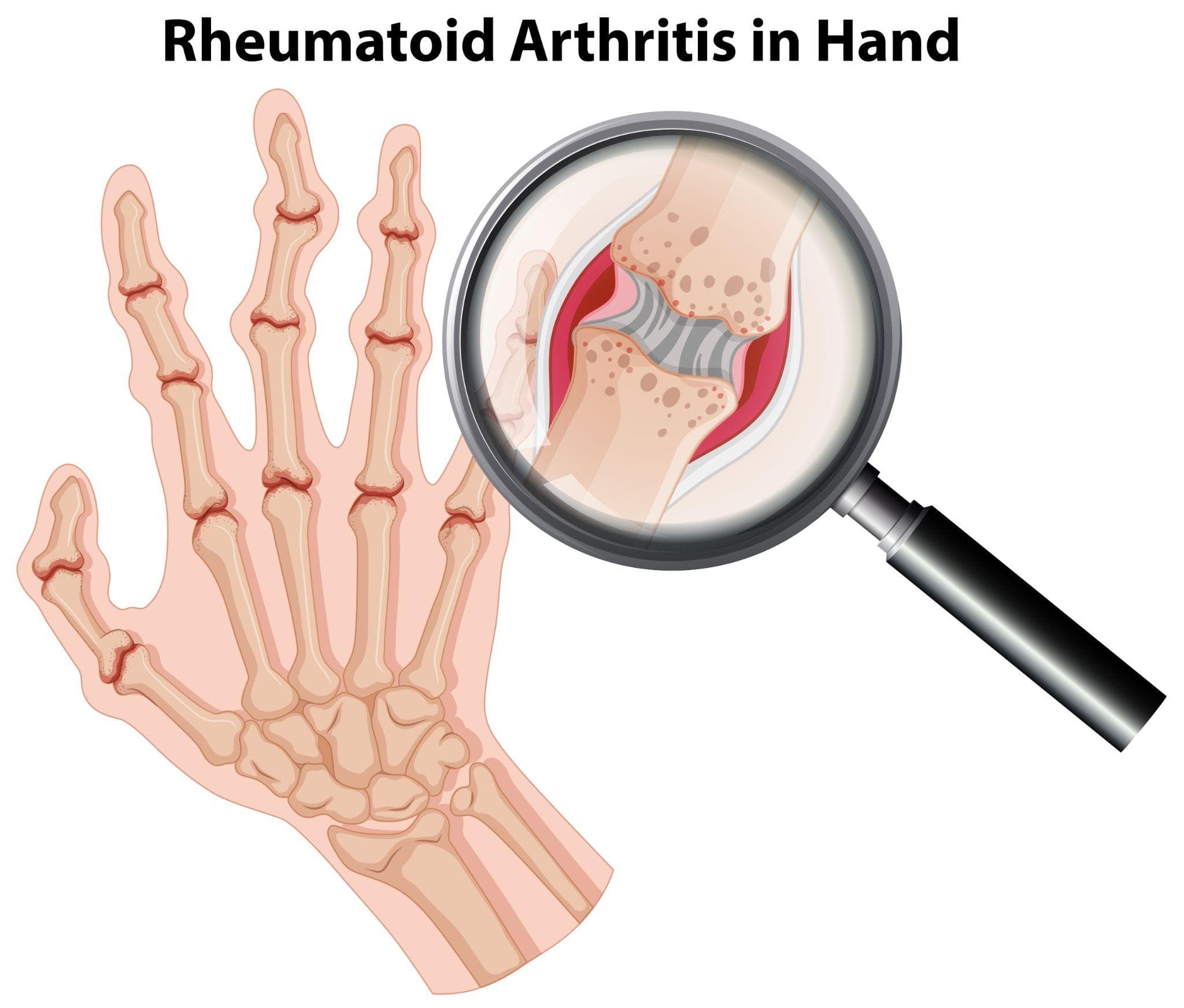
An illustration showing rheumatoid arthritis in a hand, featuring affected joints and a magnified view.
Many people assume joint pain is just a part of aging or the result of overuse. However, that’s not always the case. Sometimes, the real cause lies deeper within the body. Rheumatoid arthritis is one such condition that often goes unnoticed in its early stages but can significantly affect daily life if ignored.
It is not just about occasional pain or stiffness. Rheumatoid arthritis is an autoimmune condition where the immune system mistakenly attacks the joints, leading to inflammation, discomfort, and gradual damage.
This condition can impact people at any stage of life, making simple tasks like walking, holding objects, or even getting out of bed challenging. Understanding its early signs and seeking timely care can make a big difference in managing symptoms and maintaining mobility. In this guide, let’s explore what rheumatoid arthritis is, why it happens, its symptoms, and when it is important to consult an orthopedic specialist for proper care.
What Is Rheumatoid Arthritis?
Rheumatoid arthritis is a chronic inflammatory disorder that primarily affects the joints. It occurs when the immune system attacks the lining of the joints (synovium), causing swelling, pain, and stiffness. Unlike regular wear-and-tear arthritis, this condition can affect multiple joints at once and often appears symmetrically, meaning both sides of the body are involved. Over time, if left untreated, it may lead to joint deformity, reduced mobility, and even damage to surrounding tissues.
Why Rheumatoid Arthritis Happens?
The exact cause of rheumatoid arthritis is not always clear, but several factors contribute to its development:
- Autoimmune Response - The body’s immune system mistakenly targets healthy joint tissues, causing inflammation.
- Genetic Factors - A family history of autoimmune conditions may increase the risk.
- Hormonal Influence - It is more commonly seen in women, suggesting hormonal involvement.
- Environmental Triggers - Factors like smoking, infections, or prolonged stress may play a role in triggering the condition.
- Age Factor - Although it can occur at any age, rheumatoid arthritis is more commonly seen in middle-aged adults.
- Smoking and Tobacco Use - Smoking not only increases the risk but can also make the condition more severe and harder to treat.
- Obesity - Excess body weight may increase inflammation in the body and put extra stress on joints.
- Previous Infections - Certain viral or bacterial infections may trigger an abnormal immune response in some individuals.
- Weakened Immune Regulation - An imbalance in how the immune system functions can make it more likely to attack healthy tissues.
- Gender Differences - Women are more likely to develop rheumatoid arthritis, possibly due to hormonal and immune system differences.
- Occupational And Lifestyle Factors - Jobs or routines involving repetitive joint stress may worsen susceptibility in some cases.
Common Symptoms Of Rheumatoid Arthritis
Rheumatoid arthritis often begins subtly, which makes it easy to overlook. Over time, symptoms become more noticeable.
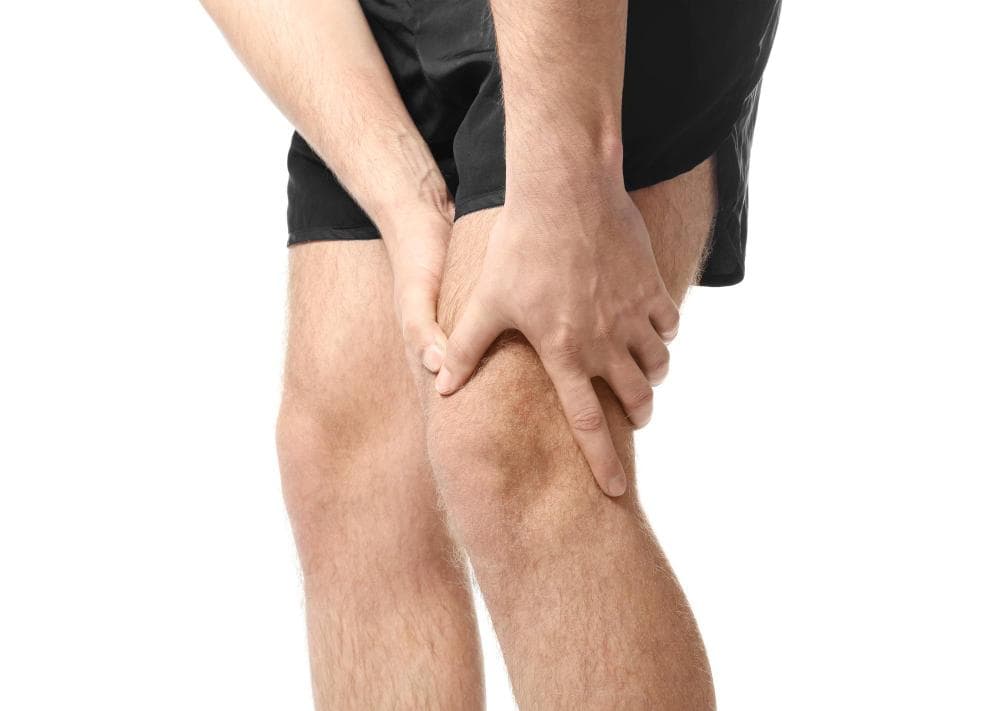
- Joint Pain And Swelling - Persistent pain along with visible swelling in joints, especially in hands, wrists, and knees.
- Morning Stiffness - Stiffness lasting more than 30 minutes after waking up is a key sign.
- Fatigue And Weakness - The body may feel constantly tired due to ongoing inflammation.
- Reduced Range of Motion - Joints may feel restricted, making movement difficult.
- Symmetrical Joint Involvement - Pain usually affects the same joints on both sides of the body.
How Rheumatoid Arthritis Affects Daily Life?

A young man runs up concrete stairs, captured from an overhead perspective.
Rheumatoid arthritis is not limited to joint discomfort; it impacts overall quality of life.
- Difficulty in Daily Activities - Simple actions like gripping objects, climbing stairs, or typing can become challenging.
- Loss of Strength - Muscle weakness around affected joints can reduce overall physical ability.
- Emotional Impact - Chronic pain and reduced mobility may lead to stress or frustration.
- Progressive Joint Damage - Without treatment, the joint structure may gradually deteriorate.
Treatment Options For Rheumatoid Arthritis
While there is no complete cure, early and consistent treatment can effectively manage symptoms, reduce inflammation, and slow down disease progression. A combination of medical care, therapy, and lifestyle changes often delivers the best results.
1. Medications
Medications form the first line of treatment and are essential in controlling the disease. They help reduce inflammation, relieve pain, and prevent long-term joint damage. Depending on severity, doctors may prescribe anti-inflammatory drugs, disease-modifying medications (DMARDs), or biologics to target the immune response more precisely.
2. Physiotherapy
Physiotherapy plays a key role in maintaining joint function and improving quality of life. It focuses on:
- Improving joint flexibility and range of motion
- Strengthening muscles around affected joints
- Reducing stiffness and pain
- Enhancing overall mobility and independence
Regular sessions help patients stay active and prevent further complications.
3. Lifestyle Modifications
Simple lifestyle changes can make a significant difference in managing symptoms:
- Maintaining a healthy weight to reduce joint stress
- Following an anti-inflammatory diet rich in fruits, vegetables, and omega-3 fatty acids
- Staying physically active with low-impact exercises
- Managing stress, which can trigger flare-ups
4. Assistive Devices
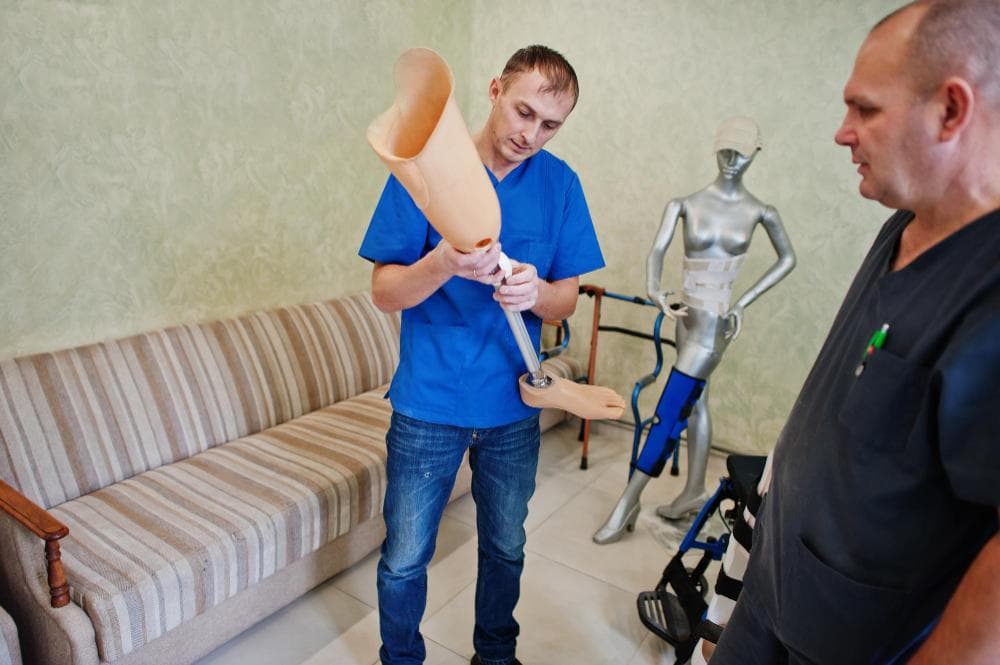
Supportive devices help reduce joint strain and make daily activities easier. These include:
- Braces and splints for joint support
- Orthotic footwear to improve alignment
- Ergonomic tools to reduce pressure during routine tasks
They are especially useful during flare-ups or in advanced stages.
5. Advanced Treatments
Modern regenerative treatments are being increasingly used in selected cases:
- PRP (Platelet-Rich Plasma): Uses the patient’s own blood components to promote healing and reduce inflammation
- Stem Cell Therapy: Aims to repair damaged tissues and improve joint function
These treatments may not be suitable for everyone, but they can offer benefits in specific conditions when guided by a specialist.
6. Pain Management Techniques
Managing pain is an important part of treatment:
- Heat and cold therapy to reduce stiffness and swelling
- Gentle stretching exercises to ease discomfort
- Relaxation techniques to manage chronic pain
7. Regular Monitoring And Follow-Up
Rheumatoid arthritis requires ongoing care and monitoring:
- Regular check-ups help track disease progression
- Treatment plans can be adjusted based on symptoms
- Early intervention prevents complications and joint damage
8. Surgical Options (In Severe Cases)
When conservative treatments are not effective, surgery may be considered:
- Joint repair to fix damaged tissues
- Synovectomy (removal of inflamed joint lining)
- Joint replacement in advanced cases
Surgery is usually the last option, but it can significantly improve function and reduce pain when needed.
Complications Of Untreated Rheumatoid Arthritis
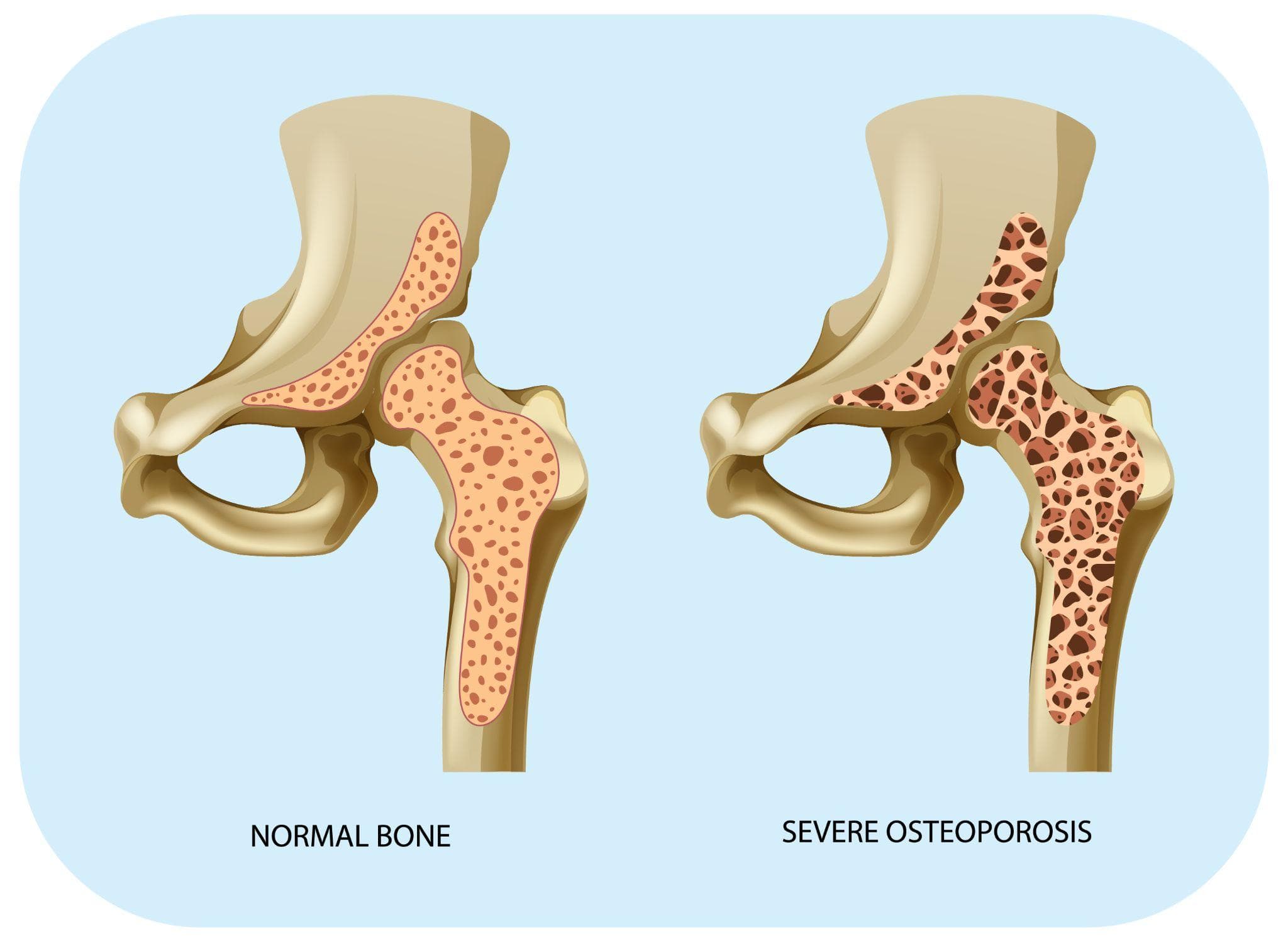
A comparison of normal bone versus severe osteoporosis in an anatomical illustration.
If rheumatoid arthritis is left untreated, it can lead to several serious long-term complications:
- Joint Deformity - Continuous inflammation can damage joints, causing visible deformities and loss of normal structure.
- Chronic Pain And Stiffness - Persistent inflammation leads to ongoing pain, making movement difficult and uncomfortable.
- Loss of Mobility - Gradual joint damage can limit movement and affect the ability to perform daily activities.
- Muscle Weakness - Reduced joint use and inflammation can weaken surrounding muscles over time.
- Increased Risk Of Osteoporosis - Chronic inflammation and reduced activity can lead to weaker bones.
- Cardiovascular Problems - Rheumatoid arthritis can increase the risk of heart disease due to prolonged inflammation.
- Lung Involvement - In some cases, it can affect lung tissue, leading to breathing issues.
- Nerve Compression - Swelling in joints may put pressure on nearby nerves, causing numbness or tingling.
- Fatigue and Reduced Quality of Life - Ongoing pain and inflammation can lead to constant fatigue and impact overall well-being.
- Joint Instability And Disability - Severe cases may result in permanent joint damage and long-term disability if not managed properly.
When To See An Orthopedic Specialist
Recognizing the right time to seek medical help is essential.
- Pain lasting more than a few weeks should not be ignored.
- Visible inflammation is a warning sign.
- If stiffness starts affecting daily tasks, it’s time for evaluation.
- Prolonged stiffness after waking up indicates underlying inflammation.
- A gradual increase in pain or reduced mobility needs medical attention.
To ensure proper diagnosis and effective treatment, consulting an experienced specialist is important. Visit Dr. Mayank Chauhan in Noida for expert care and a personalized treatment plan that focuses on reducing pain and restoring mobility.
Final Thoughts
Rheumatoid arthritis is more than just joint pain; it is a chronic condition that requires early attention and consistent care. Ignoring the symptoms can lead to long-term complications and reduced quality of life. With timely diagnosis, proper treatment, and supportive therapies like physiotherapy, individuals can manage symptoms effectively and continue leading active lives.
For accurate diagnosis and advanced treatment options, consulting Dr. Mayank Chauhan in Noida ensures comprehensive care tailored to individual needs, helping patients regain comfort, mobility, and confidence in their daily lives.
Frequently Asked Questions (FAQs)
Is rheumatoid arthritis curable?
No, rheumatoid arthritis is not curable, but early treatment can effectively manage symptoms and slow its progression.
Which joints are most affected by rheumatoid arthritis?
It commonly affects small joints like hands, wrists, and feet, usually on both sides of the body.
How is rheumatoid arthritis diagnosed?
It is diagnosed through clinical evaluation, blood tests, and imaging, such as X-rays or MRI scans.
Can rheumatoid arthritis go away on its own?
No, it is a chronic condition that requires ongoing management and medical care.