Joint Pain During Pregnancy - Causes, Safe Treatment, And When To See An Orthopedic Surgeon
A visibly tired pregnant woman sits on a couch, cradling her abdomen, to portray the common effects of anemia during pregnancy including weakness and dizziness.
Pregnancy is a time of extraordinary change in a woman's body, hormonal, mechanical, postural, and metabolic. Many of these changes directly affect the musculoskeletal system, and joint and back pain during pregnancy is, unfortunately, extremely common.
Studies in India have found that 30–70% of pregnant women experience back or pelvic pain during pregnancy. Many don't seek help because they assume it is "normal" and nothing can be done. Others are concerned about what treatments are safe during pregnancy. The good news: most pregnancy-related joint pain has clear causes, can be significantly managed, and does not require medication.
Why Pregnancy Causes Joint Pain
1. Relaxin - The Hormone Behind Ligament Laxity
The most important hormonal driver of pregnancy-related joint pain is relaxin, a hormone produced in increasing amounts from the first trimester, peaking in the early second trimester. Relaxin softens and loosens ligaments throughout the body, preparing for delivery by allowing the pelvis to expand as the baby passes through.
But relaxin doesn't selectively loosen only the pelvic ligaments. It affects all ligaments, including those stabilising the sacroiliac joints, the pubic symphysis, the lumbar spine, the hips, the knees, and the ankles. This generalised ligament laxity reduces joint stability and increases susceptibility to pain with loading and movement.
2. Weight Gain And Altered Biomechanics
The progressive weight gain of pregnancy, typically 11–16 kg over nine months, significantly increases the mechanical load on weight-bearing joints (lower back, hips, knees, ankles, and feet). The changing centre of gravity as the uterus grows causes progressive changes in posture:
- Increased lumbar lordosis (the lower back curves inward more than usual)
- Anterior pelvic tilt (the pelvis tips forward)
- Increased thoracic kyphosis (the upper back rounds)
- Forward head posture
These postural changes increase stress on the lumbar discs, sacroiliac joints, hip muscles, and knee joints, producing pain patterns that are directly related to the mechanical load rather than to any underlying joint disease.
3. Sacroiliac (SI) Joint Pain - The Most Common Specific Cause
The sacroiliac joint, where the sacrum (base of the spine) meets the pelvis, is particularly vulnerable during pregnancy. Relaxin loosens the SI joint ligaments; the growing uterus changes pelvic mechanics; weight gain increases load through the pelvis. SI joint pain feels like:
- Deep, aching pain in one or both buttocks, sometimes extending into the posterior thigh.
- Often described as a "deep hip" pain rather than in the hip joint itself.
- Worse with walking, climbing stairs, turning in bed, and asymmetric activities (standing on one leg).
- Particularly worse when rolling over in bed at night, a very characteristic complaint.
This is the most common cause of the "hip pain" that pregnant women in Noida describe, though it is not truly hip joint pain.
4. Symphysis Pubis Dysfunction (SPD)
The symphysis pubis is the cartilaginous joint at the front of the pelvis. Under the influence of relaxin, this joint becomes excessively mobile, producing a characteristic pain:
- Pain at the front of the pelvis, between the groin points.
- Worsening with activities that involve separating the legs, getting in and out of a car, climbing stairs, and putting on clothes while standing.
- A clicking or grinding sensation at the front of the pelvis.
- In severe cases, significant difficulty walking.
SPD is underdiagnosed in India; many patients are told their pain is "just pregnancy back pain" without a specific assessment.
5. Lower Back Pain - Lumbar Mechanical Pain
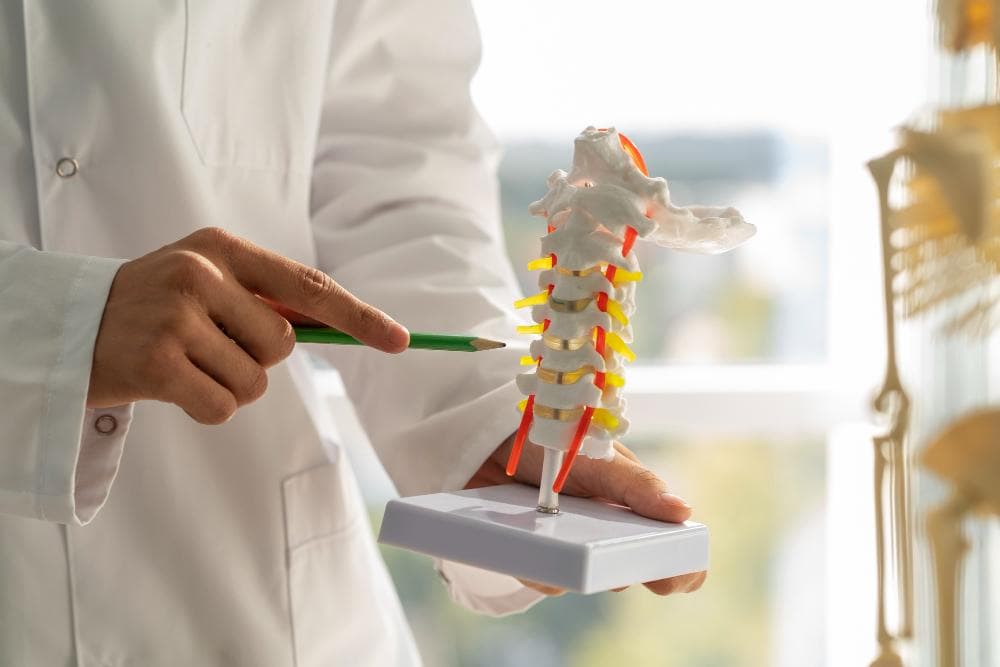
Almost universal in pregnancy, particularly in the second and third trimesters. The increased lumbar lordosis and anterior pelvic tilt stretch the posterior lumbar ligaments and increase facet joint loading. Combined with the progressive weakening of the abdominal core as the uterus grows, the lumbar spine loses its muscular support.
6. Round Ligament Pain
Sharp, stabbing pain on one or both sides of the lower abdomen and groin caused by stretching of the round ligaments that support the uterus. Common in the second trimester, especially with sudden movements (coughing, rolling over). Brief, sharp, and self-limiting. Not related to the musculoskeletal system but frequently confused with hip or groin pain.
7. Carpal Tunnel Syndrome
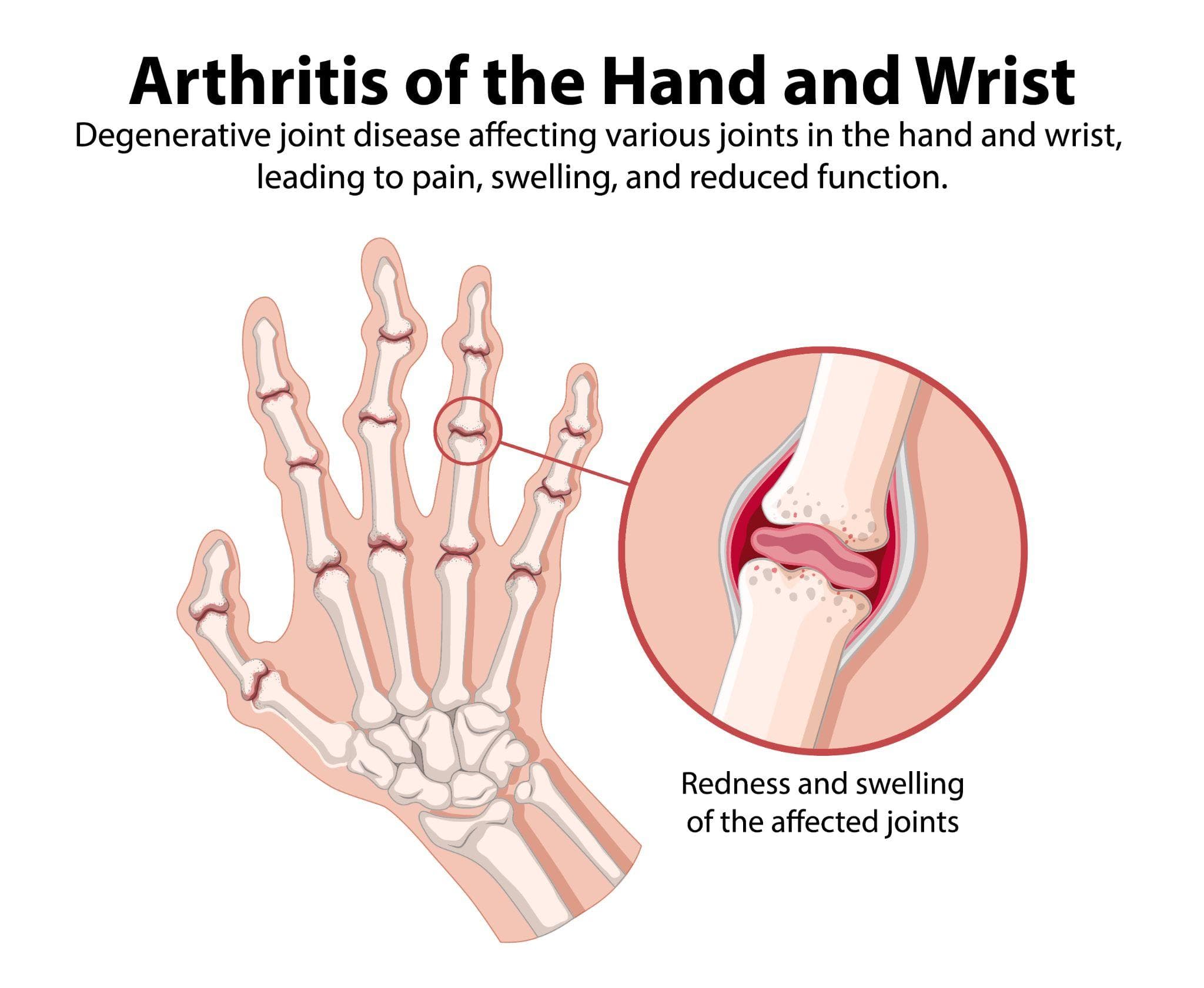
The hand and wrist swelling associated with pregnancy fluid retention compresses the median nerve in the carpal tunnel. Tingling, numbness, and pain in the thumb, index, and middle fingers particularly at night are very common in the third trimester. Usually resolves after delivery.
8. Knee Pain
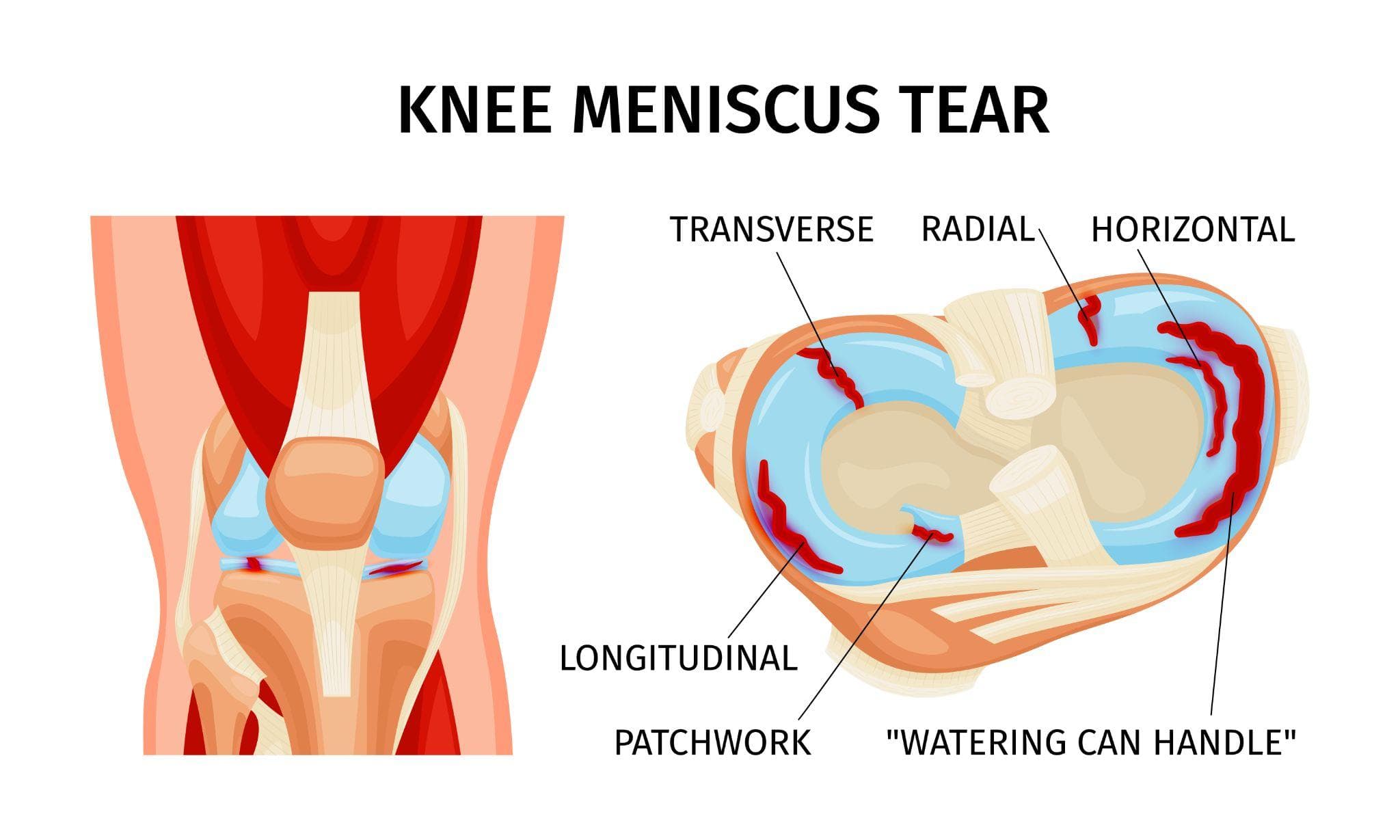
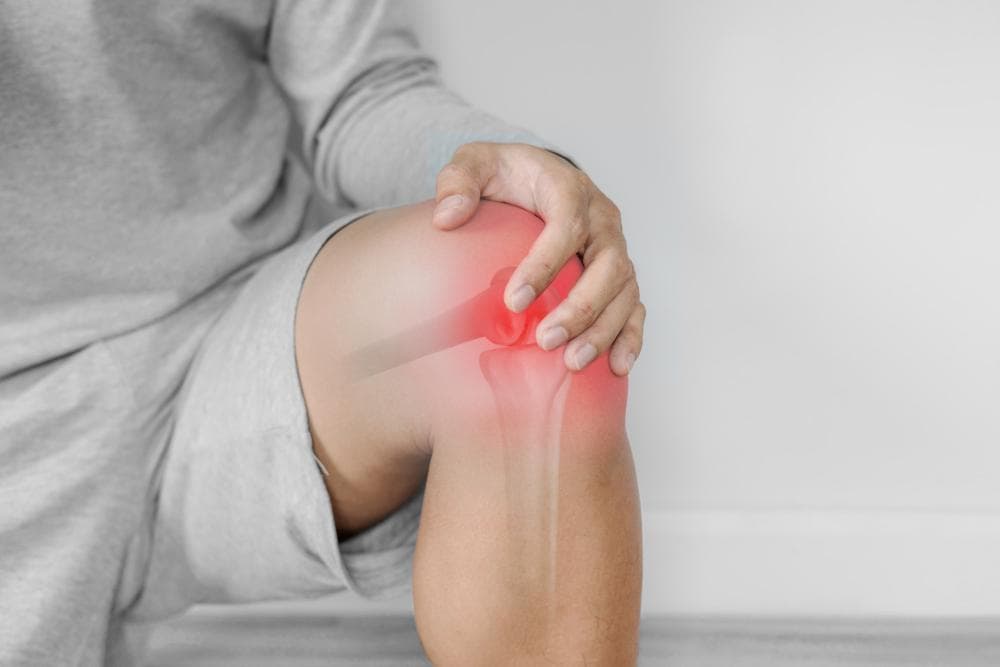
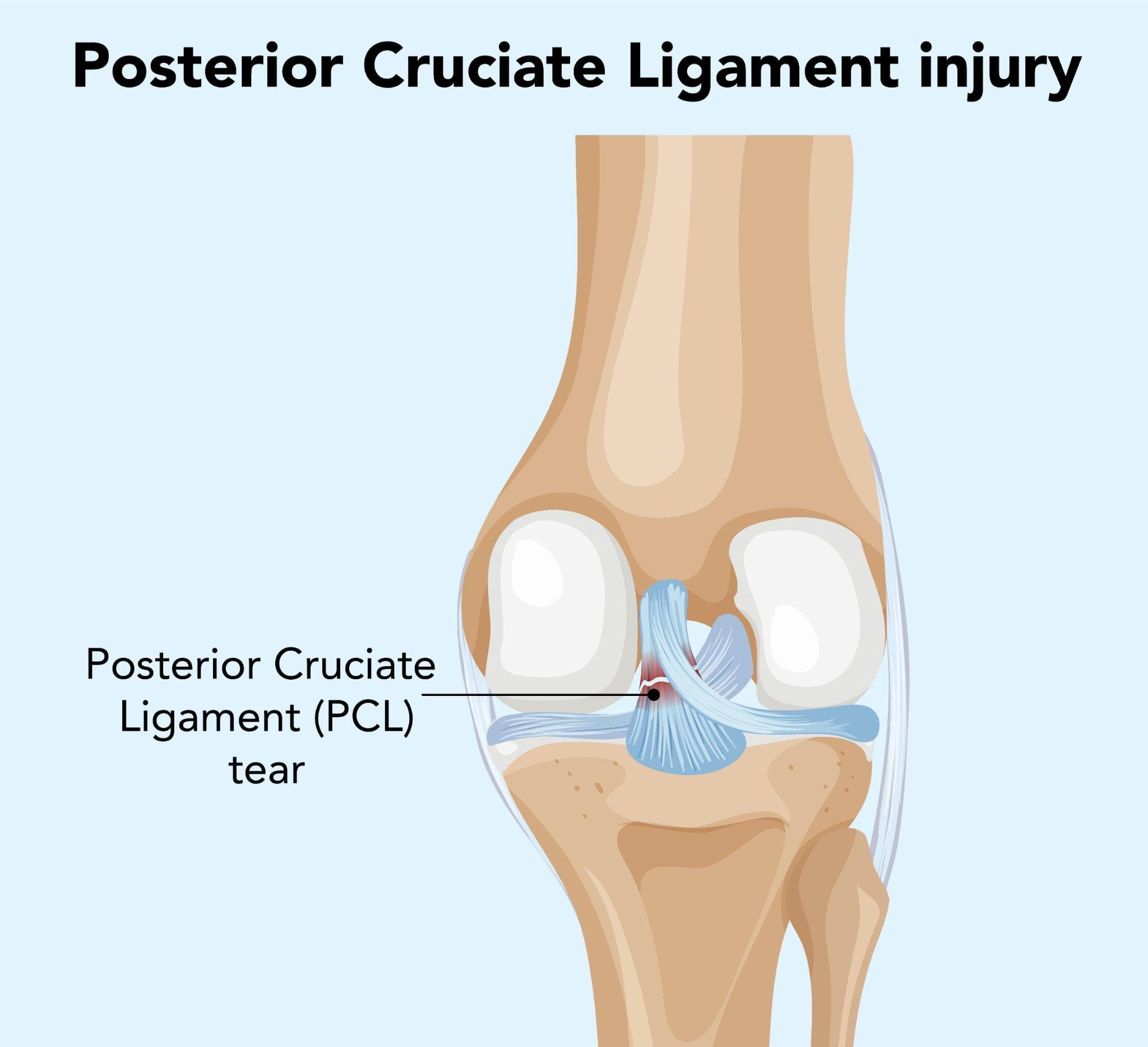
The increased weight and altered gait of pregnancy increase the load on the knee joint. Patellofemoral pain (pain around and under the kneecap) is common when the knee is loaded in a slightly different position due to the changed gait pattern. Pre-existing knee issues (early OA, previous injuries) may be aggravated during pregnancy.
What Is Safe To Do - Management Options During Pregnancy
1. Physiotherapy - The Most Important Treatment
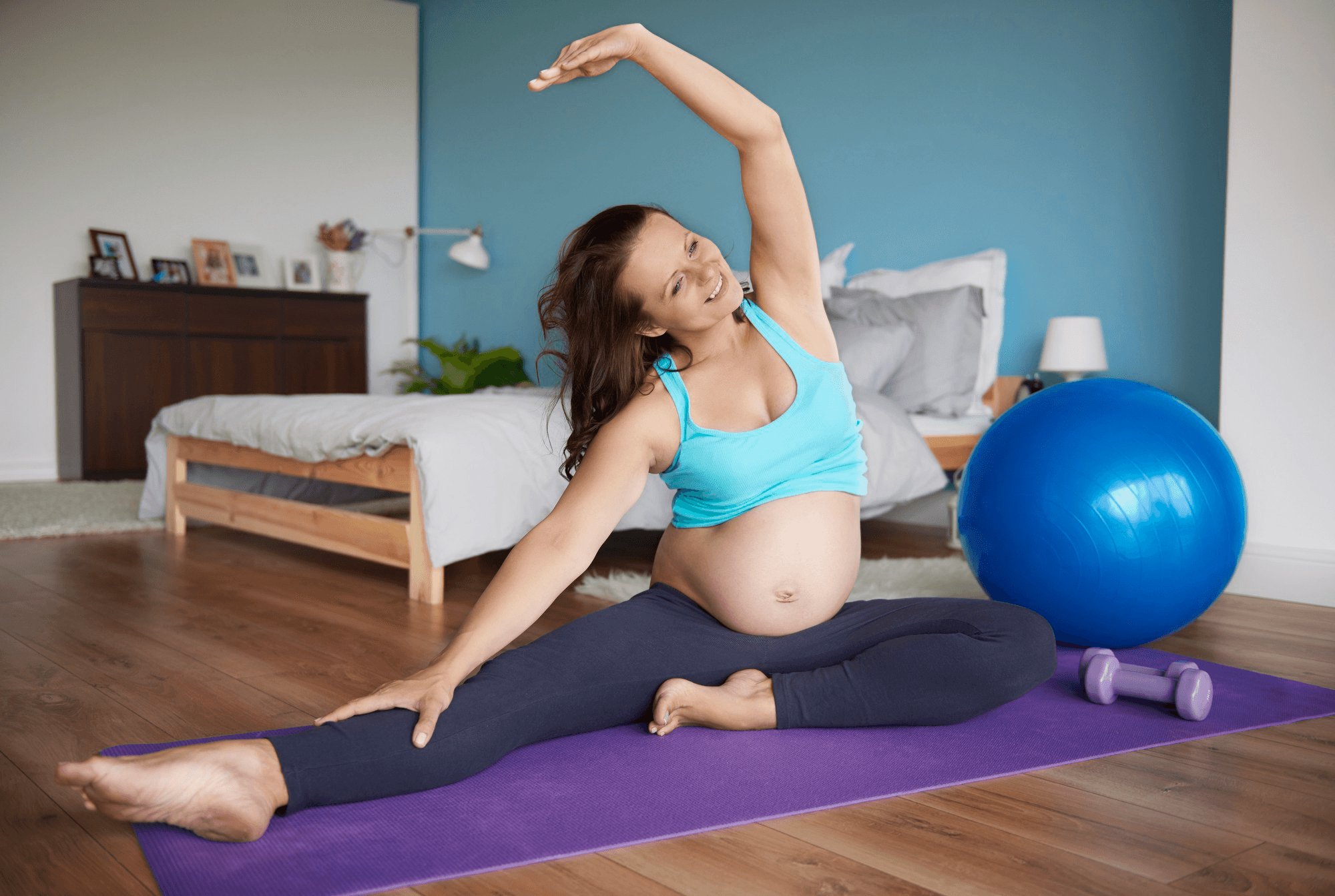
Pregnant woman exercising on a yoga mat with an exercise ball and dumbbells beside her, with a happy expression.
Physiotherapy is safe and highly effective for pregnancy-related musculoskeletal pain. A physiotherapist familiar with pregnancy conditions can provide: Specific exercises for SI joint pain:
- Pelvic tilts (gentle anterior and posterior)
- Clam exercises (side-lying hip abduction) strengthen the gluteus medius and reduce SI joint strain.
- Dead bug exercises (core strengthening without loading the lumbar spine).
- Hip circles and gentle pelvic mobility work.
For SPD:
- All exercises should be performed in symmetric positions. Exercises that separate the legs (wide squats, lunges) are specifically avoided.
- Aqua physiotherapy is excellent for SPD; buoyancy removes pelvic load.
- Pelvic girdle physiotherapy with a specialist is recommended for moderate-to-severe SPD.
For lumbar pain:
- Cat-cow stretches
- Pelvic tilts
- Side-lying knee-to-chest stretches
- Side-lying back stretches
- Gentle walking continued throughout pregnancy
2. Pelvic Support Belt / Maternity Belt
For SI joint pain and SPD, a maternity support belt worn around the pelvis (not the abdomen) provides compression and stability to the loosened pelvic joints. Reduces pain with walking and daily activity significantly in many patients. Should be fitted correctly, ideally with guidance from a physiotherapist, as incorrect positioning is common.
3. Sleep Position And Posture Modifications
- Sleep on the left side (improves uterine blood flow and reduces vena cava compression) with a pillow between the knees. This reduces pelvic rotation and SI joint stress significantly.
- Avoid prolonged standing in one position.
- Avoid asymmetric postures (standing on one leg, crossing legs while sitting).
- Support the lower back while sitting with a rolled towel or lumbar cushion behind the lower back.
4. Warm Soaks
Warm (not hot) baths or a warm wheat bag applied to the lower back or buttocks provides significant muscular relief and is completely safe during pregnancy.
5. Massage
Gentle pregnancy massage specifically by a therapist trained in prenatal massage, with the patient positioned in side-lying rather than prone, is safe and effective for musculoskeletal pain. Avoid deep tissue massage over the lower back, abdomen, and certain acupressure points.
What Is NOT Safe - Medications To Avoid
NSAIDs (ibuprofen, diclofenac, naproxen, aspirin): These are the most commonly used pain medications for joint pain, and they are CONTRAINDICATED during pregnancy, particularly in the third trimester. NSAIDs in the third trimester can cause premature closure of the fetal ductus arteriosus, a serious cardiac complication. They are also associated with an increased risk of miscarriage in the first trimester. Avoid entirely.
Corticosteroid injections: Should be avoided during pregnancy unless there is a compelling clinical need and the situation is discussed with the obstetrician. Not appropriate for routine joint pain management.
Most conventional arthritis medications: DMARDs (methotrexate, leflunomide), commonly used in RA, are contraindicated during pregnancy. Women with RA who are planning pregnancy should have their medication reviewed before conception.
Safe option: Paracetamol (acetaminophen) at standard doses is considered safe during pregnancy for pain management and can be used for musculoskeletal pain when physiotherapy alone is insufficient. Recent studies have raised questions about the long-term fetal effects of prolonged paracetamol use. The guidance is to use the lowest effective dose for the shortest time needed.
When to See An Orthopedic Surgeon During Pregnancy
Most pregnancy-related joint pain is managed appropriately by a combination of the patient's obstetrician and a physiotherapist. However, certain presentations warrant orthopedic evaluation:
- Severe or rapidly worsening pain that is disproportionate to the stage of pregnancy.
- Neurological symptoms - leg weakness, foot drop, bladder or bowel changes, which may indicate disc herniation or spinal pathology (rare but possible during pregnancy).
- Pre-existing orthopedic conditions - patients with known OA, scoliosis, previous spinal surgery, or hip dysplasia should have their orthopedic team aware of the pregnancy and involved in planning.
- AVN of the hip during pregnancy - a rare but recognised complication; hip pain that is severe and persistent warrants MRI evaluation.
- Pain that does not respond to standard physiotherapy and positional modifications after 4–6 weeks.
Post-Delivery - When Does Pregnancy Joint Pain Resolve?
For most pregnancy-related musculoskeletal pain, resolution follows delivery as relaxin levels normalise and the mechanical load decreases:
- Pelvic girdle pain and SPD: Most resolve within 3 months of delivery in the majority of patients. A minority develops chronic SI joint pain that persists.
- Lumbar pain: Often resolves fairly rapidly post-delivery, though breastfeeding posture (sustained forward flexion of the neck and back while feeding) can maintain or worsen upper and lower back pain.
- Carpal tunnel syndrome: Typically resolves within weeks to a few months of delivery as fluid retention normalises.
Physiotherapy continued post-delivery, particularly pelvic floor and core strengthening, significantly accelerates recovery and reduces the risk of persistent musculoskeletal problems.
Joint Pain In Pregnancy - Noida Orthopedic Guidance
Dr. Mayank Chauhan, Senior Orthopedic Surgeon at Prakash Hospital, Sector 33, Noida, provides evaluation and guidance for pregnant women with significant musculoskeletal pain working in coordination with the treating obstetrician to ensure safe, appropriate management. For pregnant patients in Noida and Greater Noida with significant joint pain that is not adequately managed with basic physiotherapy, a specialist orthopedic assessment can clarify the specific diagnosis and guide targeted, safe treatment. To book a consultation, call the number listed on the website.
The Bottom Line

Pregnant woman holding an ultrasound image
Joint pain during pregnancy is extremely common and almost always related to the hormonal and mechanical changes of pregnancy rather than underlying joint disease. Most cases respond very well to physiotherapy, positional modifications, and supportive devices. NSAIDs and most conventional pain medications are not safe during pregnancy. For significant or neurological symptoms, orthopedic evaluation is appropriate.
To consult Dr. Mayank Chauhan, Senior Orthopedic Surgeon in Noida, call the number listed on the website.