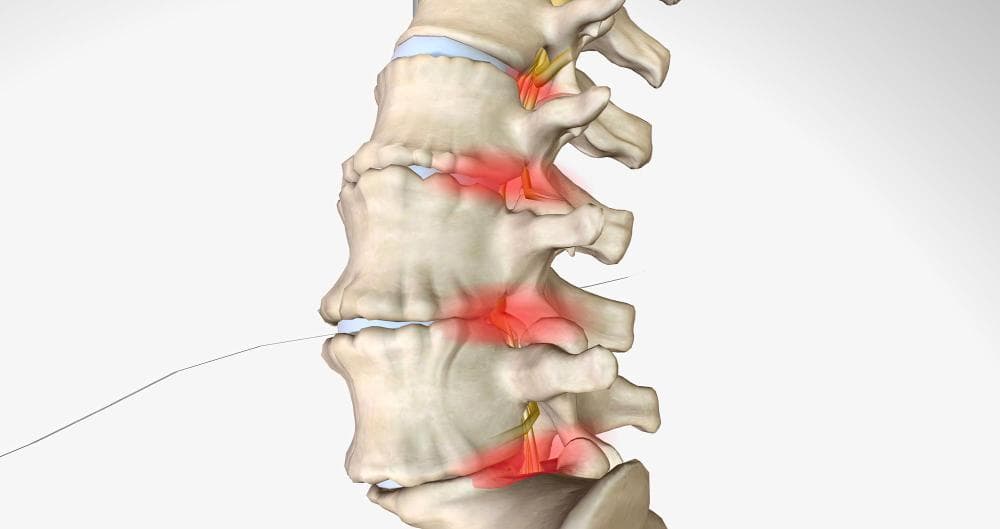
A Complete Guide To Knee Replacement Surgery
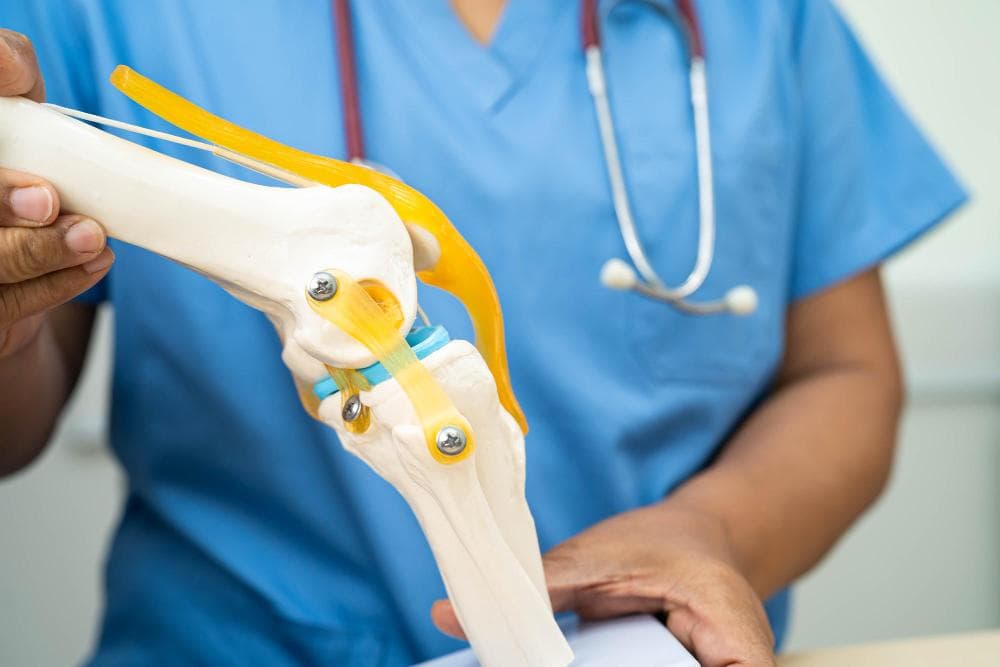
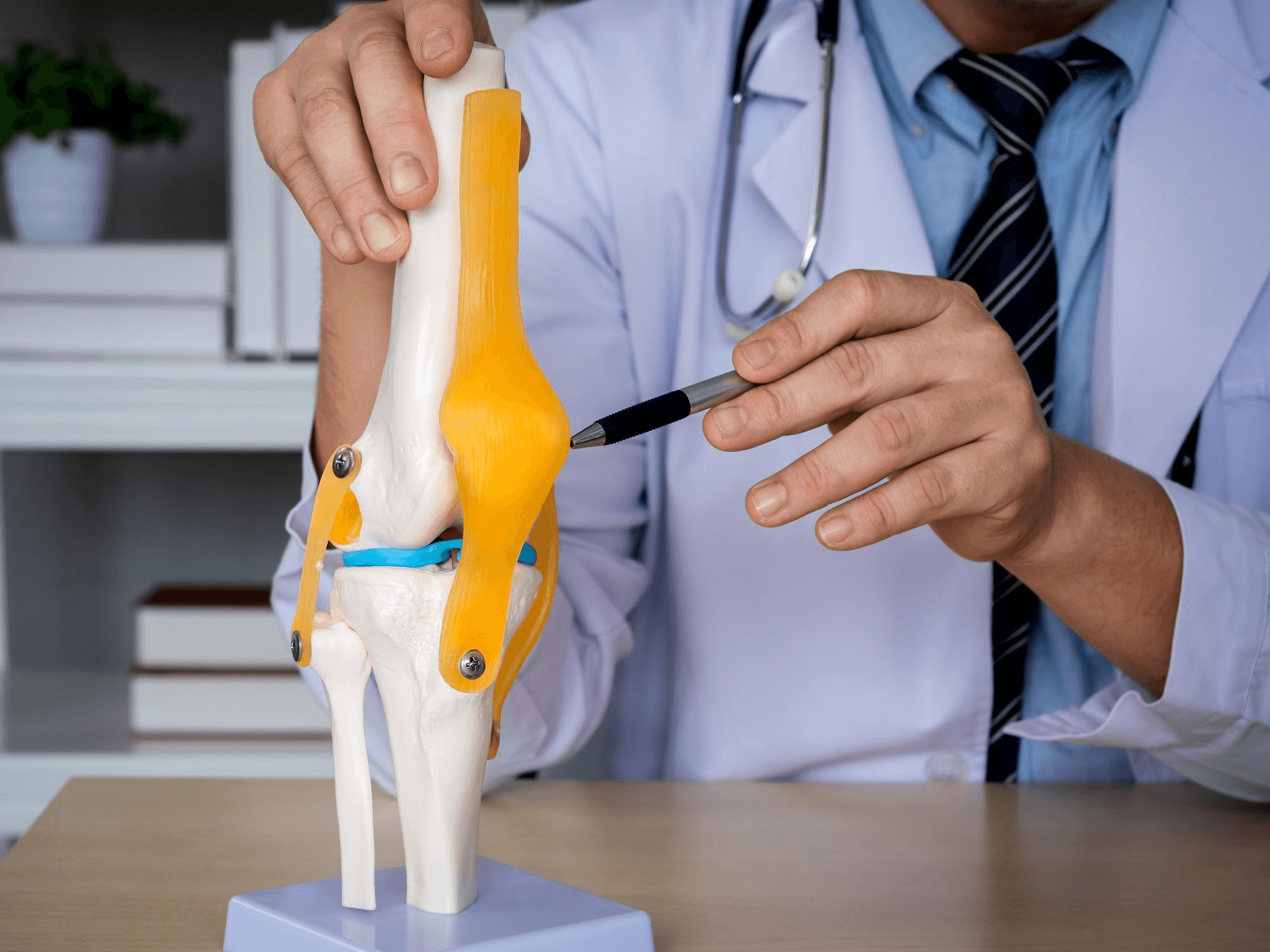
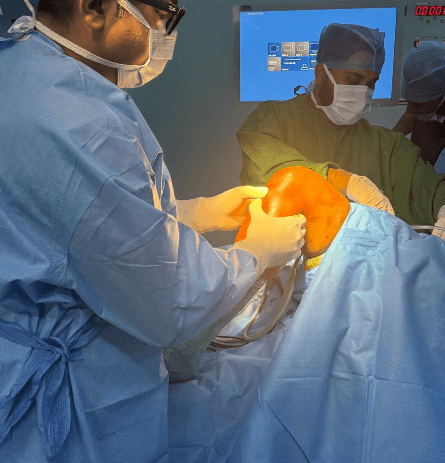
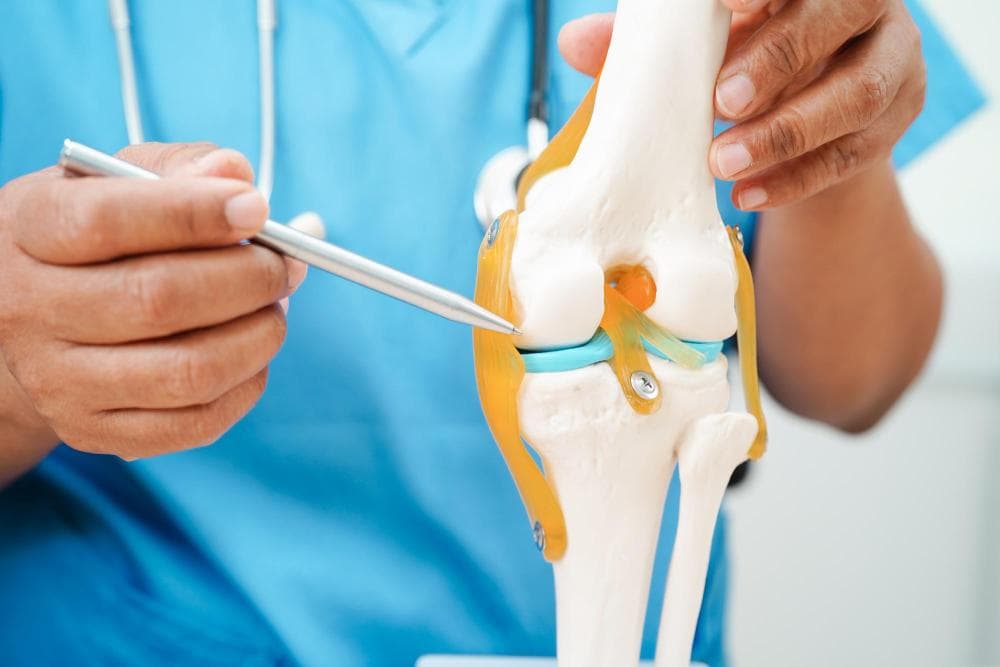
Doctor showing the knee joint model.
Pain in the knee can be so great that everyday tasks become a real burden. Walking, ascending and descending stairs, and sitting comfortably become obstacles when the knee joint has been significantly damaged. For the majority of people, including those who have suffered a serious injury or significant arthritis, surgery offers a long-term alternative to life with knee pain.
Knee replacement isn't merely pain relief; it restores independence and a higher quality of life, enabling individuals to move again and build stronger muscles for daily living. While other pain relievers and injections can provide short-term relief, the artificial joint replaces the damaged joint, causing the problems.
As advances are being made in surgical technology and techniques, the risk of this surgery is significantly decreased, giving the individual results for a longer period of time. Within this guide, you will learn more about the mechanics behind knee replacement surgery, the pros, and when to contact an orthopedic professional.
What Is Knee Replacement Surgery?
Knee replacement surgery or knee arthroplasty is an operation where a damaged or worn-out knee joint is substituted with a new artificial one. The operation is usually carried out when the knee joint is extremely damaged by problems like osteoarthritis, rheumatoid arthritis, or injury.
An artificial knee joint is designed to replicate the natural motion of a knee joint, and the knee replacement process aids in restoring painless movement and ease of life. The idea is to overcome pain and achieve restored mobility in the most hassle-free manner.
How Knee Replacement Surgery Works?
The orthopedic specialist conducts some basic examinations and tests (such as X-ray/ MRI) to review the current state of your knees and the patient's medical history before undergoing surgery.
An orthopedic surgeon removes the worn-out cartilage and bone at the ends of the bones of the knee joint and replaces the worn-out cartilage and bone at the ends of the bones of the knee joint by an artificial knee joint prosthesis made of metal, plastic, and ceramics. It is designed in such a way that it recreates natural knee motion.
A physical rehabilitation plan is mandatory after the surgery is completed to build strength, range of motion, and proper motion for the new joint with physiotherapy. For specialized, personalized care and knee replacement surgery, you can reach out to Dr. Mayank Chauhan in Noida.
Key Benefits Of Knee Replacement Surgery
There are many advantages of knee replacement surgery, particularly for individuals suffering from severe knee pain and limited mobility.
- The removal of the diseased parts of the knee joint helps in significantly reducing or eliminating knee pain.
- Patients can walk, climb stairs, and perform all everyday activities comfortably without restrictions.
- A decrease in the severity of pain and increased mobility enable the patient to live an active and more independent life.
- Modern knee implants used in knee replacement surgery have the potential to last for many years, giving the patient pain relief for a long time.
- It restores the knee joint alignment by correcting any deformation to it.
Conditions That May Require Knee Replacement
The most common reasons for someone to opt for a knee replacement include having symptoms from diseases or injuries that no longer respond effectively to medication, physiotherapy, or modifications to the person's lifestyle. Most commonly seen knee replacement indicators include:
1. Osteoarthritis
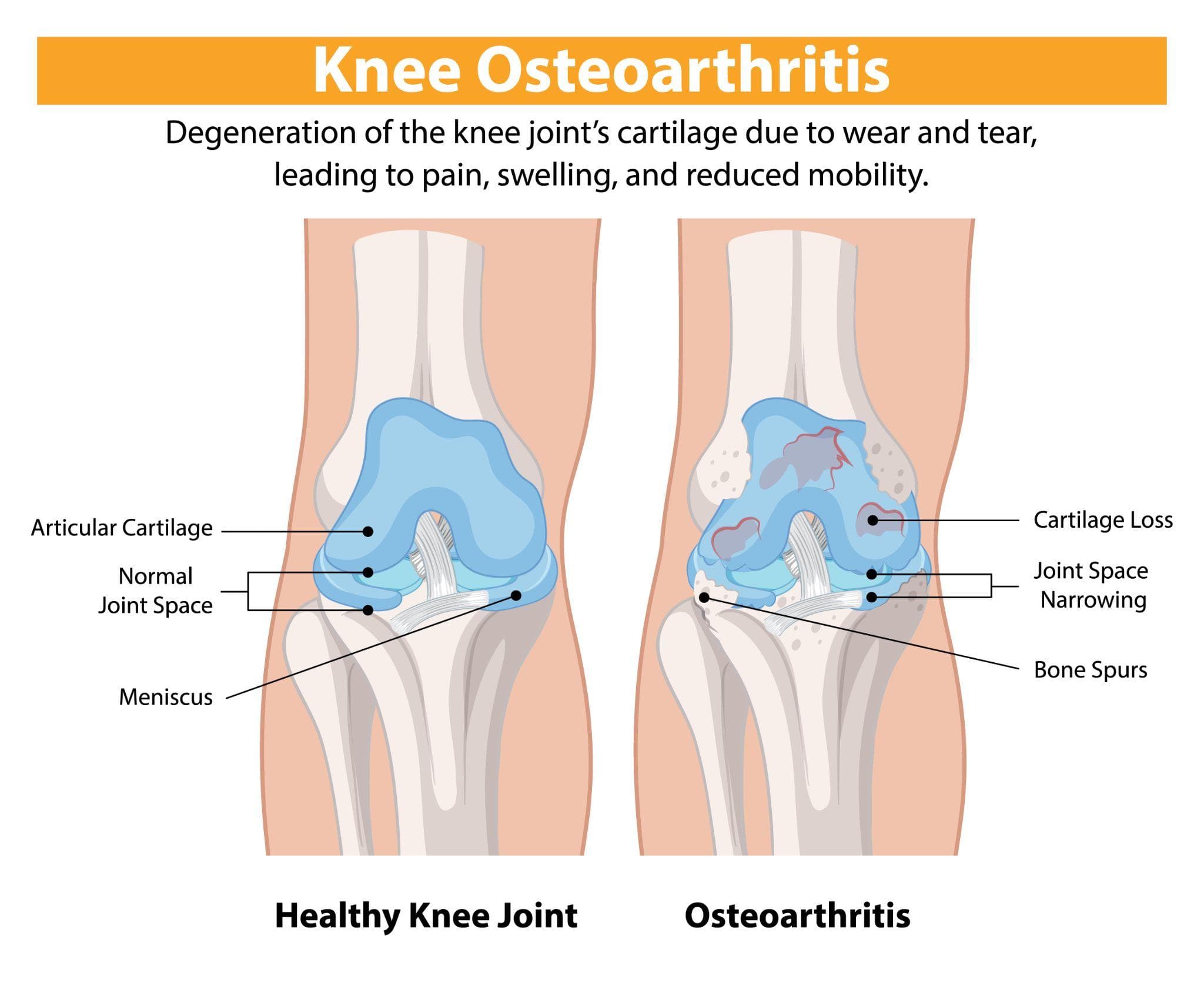
Healthy knee and osteoarthritis diagram.
Osteoarthritis happens to people when the cushioning cartilage, which protects the bones at either end of the knee, wears away. The ends of the bones begin to rub against each other, which can cause a patient to feel pain, experience swelling, reduced flexibility and mobility, along with general stiffness. In time, simple movements can become painful or too hard to do.
2. Rheumatoid Arthritis
This condition is the result of the immune system attacking the lining of the joint. It causes prolonged inflammation that can eventually damage the joint lining, bone, and surrounding tissue. Rheumatoid Arthritis tends to appear at a younger age compared to Osteoarthritis, and it can affect more than one knee at a time. In severe cases of the disease, surgery is required to restore movement.
3. Post-Traumatic Arthritis
Post-Traumatic Arthritis results after a significant injury to the knee, such as a fractured bone, damaged ligaments, or damaged cartilage, and the damage doesn't repair efficiently, causing further erosion and degradation of the knee joint, eventually producing a painful, stiff, and swollen knee.
4. Major Knee Injury
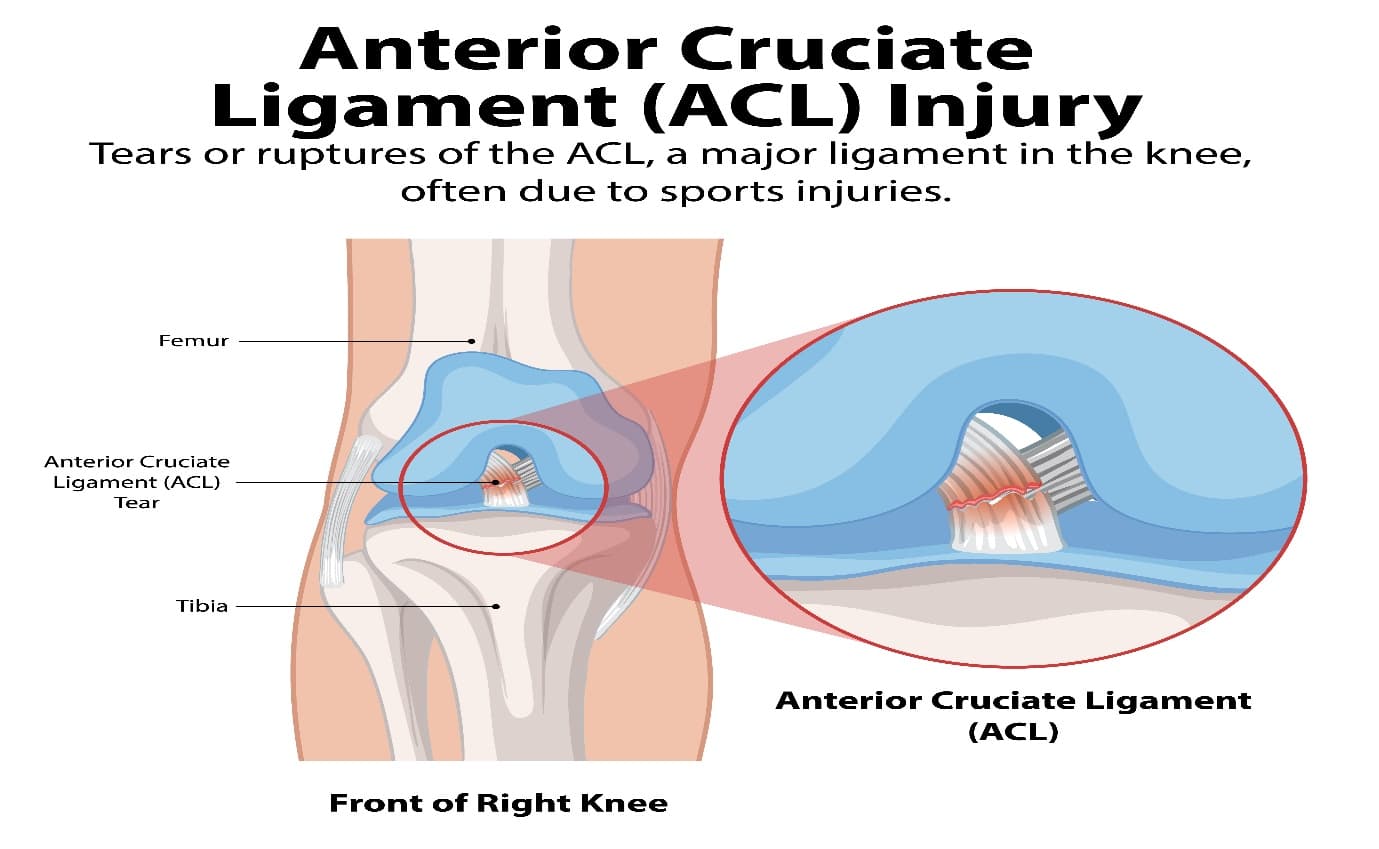
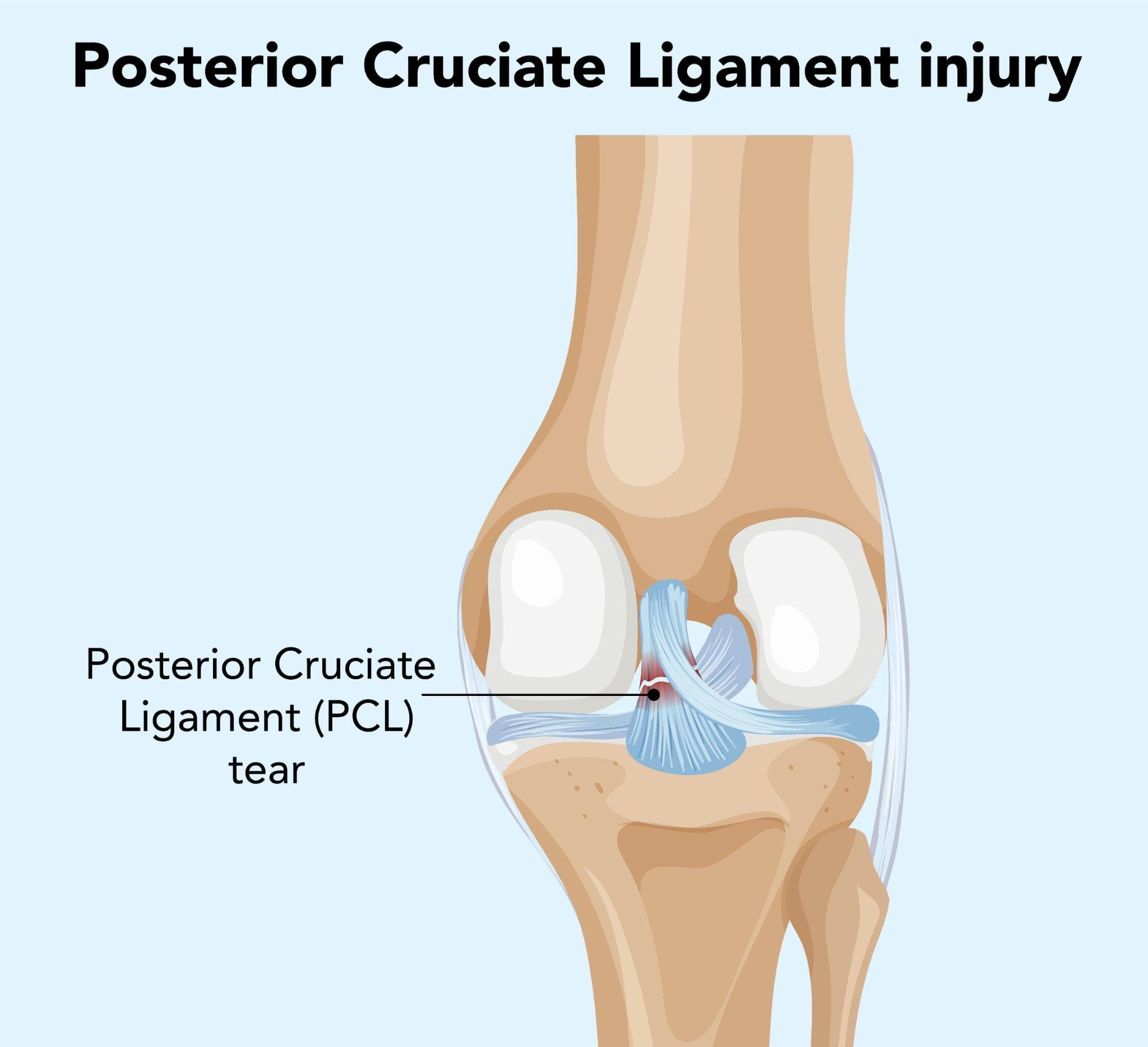
Severe injuries affecting the knee's ligaments or surrounding cartilage may cause a patient to have severe knee instability and wear. If this cannot be restored to a sufficient degree either via surgical repair or conservative management, then a knee replacement may be required.
5. Long-Term Stiffness And Pain
Long-term knee pain that is difficult to treat may be an indication of serious knee deterioration that could warrant a knee replacement. If pain persists and also limits the ability to perform day-to-day activities as well as sleep, then it might indicate severe wear that cannot be easily treated.
This is a list of the conditions that can warrant a knee replacement, a consult with an orthopaedic specialist can further clarify.
Types Of Knee Replacement Surgery
The different type of knee replacement is selected based on how many sections of the knee are damaged, along with the age, lifestyle, and state of the knee. More on each type of knee replacement:
1. Total Knee Replacement (TKR)
The most commonly performed procedure is the total knee replacement, where the whole of the knee joint is resurfaced with a replacement implant, which is made out of metal and plastic. Damaged cartilage, and also a small section of the top of the shin bone (tibia) and lower part of the thigh bone (femur), is taken out to be replaced with artificial implants, which help recreate the natural movement of the knee.
Often, the kneecap (patella) can be resurfaced to help regain movement. This should be considered by people who have severe arthritis throughout the knee. The result will be a major improvement in mobility, an excellent range of movement, better stability, and also a much improved comfort level with this particular surgery, and the implant can last for many years.
2. Partial Knee Replacement (PKR)
Partial knee replacement, or Unicompartmental is carried out on someone who has suffered damage only in a particular area of the knee and is, to all extents, a much smaller and less invasive operation than total knee replacement. Only the affected parts are removed and replaced with an artificial implant.
Patients will usually have a faster recovery rate and find there is less pain when recovering after this operation, and will also be more likely to retain their natural movement of the knee; however, this operation is only suitable for certain patients, and they have to be chosen very carefully.
3. Revision Knee Replacement
Revision knee replacement is a surgery that needs to be performed when a previous replacement becomes worn out or is loosened over time. This could be because it has become infected, it has just worn out, there is looseness and instability, or maybe a permanent ache has continued from the initial operation.
There could be many reasons to require a revision of the knee replacement, which may require a larger range of implants to be made specifically for such occasions. This can be more complicated to perform than initially, but in the long run, if there is a major concern with the current implant, then a revision of the knee replacement would be better in the long run.
The correct operation will depend on the extent of damage to your knees, as well as your age, lifestyle, and how your knee behaves before you decide that you will need an operation. These are all key factors that you need to discuss thoroughly with your orthopaedic surgeon before making a decision.
Recovery After Knee Replacement Surgery
It takes time and dedication, but rehabilitation can result in a successful recovery.
- Depending on your condition, you will usually be in the hospital for a few days after your operation.
- A program of regular physiotherapy will restore strength, flexibility, and movement.
- Normal activity can resume in a few weeks for many, although a full return may take up to a few months.
- Medication and therapy can effectively treat post-operative pain.
Risks And Complications
As with all surgery, there are risks involved with knee replacement, although they are quite rare. They include:
- Infection
- Blood clots
- Wear or loosening of the implant
- Nerve or blood vessel damage
These risks are reduced if a patient is careful to follow all of their doctor's recommendations and if they have surgery with a well-trained orthopedic surgeon.
When To Consider Knee Replacement Surgery
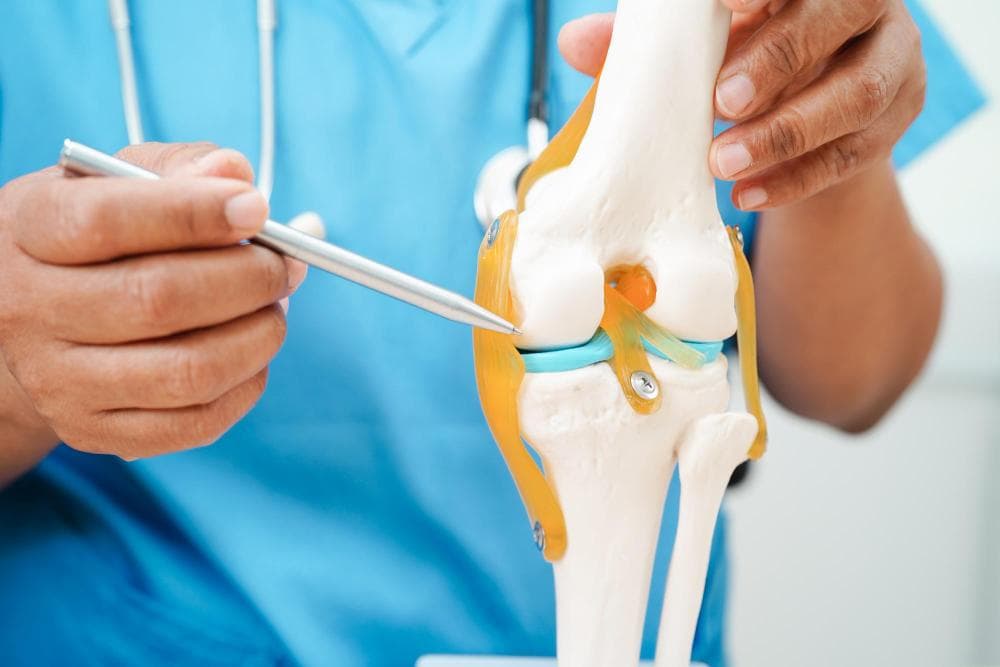
Doctor explaining the knee implant with a model.
Several symptoms might make you consider this operation:
- If your knee pain persists, then it is the main symptom of the need for an operation, where all medications, therapies, and changes in activities don't help to relieve the pain.
- Difficulties with daily activities, like walking, going up and down stairs, and standing for long periods.
- If there is stiffness in the knee joint, you cannot bend or extend your knee properly, which hinders your movement, then it is another symptom.
- When non-surgical methods fail, for example, physiotherapy and steroid injections, then the surgery steps in.
Final Thoughts
Knee replacement surgery is more than just surgery; it is the beginning of a life free from pain. For the patients who have been suffering from knee problems for so long, knee replacement can bring about amazing changes in mobility, comfort level, and lifestyle.
Early consultation and the right analysis are very important to choose the right type of surgery. Today, medical science is highly advanced, and knee replacement surgery is a proven and trusted method to cure knee problems effectively.
Patients are recommended to get a correct diagnosis and treatment by consulting Dr. Mayank Chauhan in Noida. At his clinic, patients can get the precise surgical method and the proper rehabilitation procedure.
Frequently Asked Questions (FAQs)
1. How long is a knee replacement supposed to last?
A knee implant can last about 15-20 years, but that may be affected by the level of activity or the person's general health.
2. Is knee replacement surgery painful?
Knee replacement surgery is done under anesthesia so that the person does not feel anything, but the post-surgery pain is managed through painkillers and physiotherapy.
3. How long does it take to recover from knee replacement surgery?
Most patients get back to their everyday normal lifestyle within 4-6 weeks. Full recovery might take several months, though.
4. Is it possible to have both knee joints replaced at the same time?
It may be possible to have both knee joints replaced together, but this may depend on the person's health and on the advice of a doctor.