A Complete Guide to Osteoarthritis
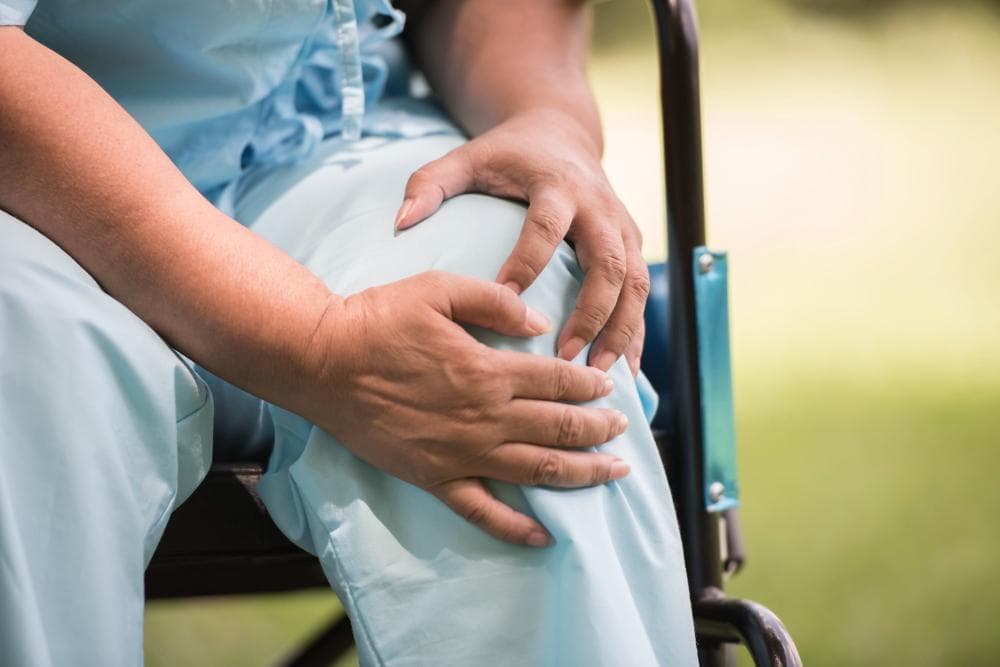
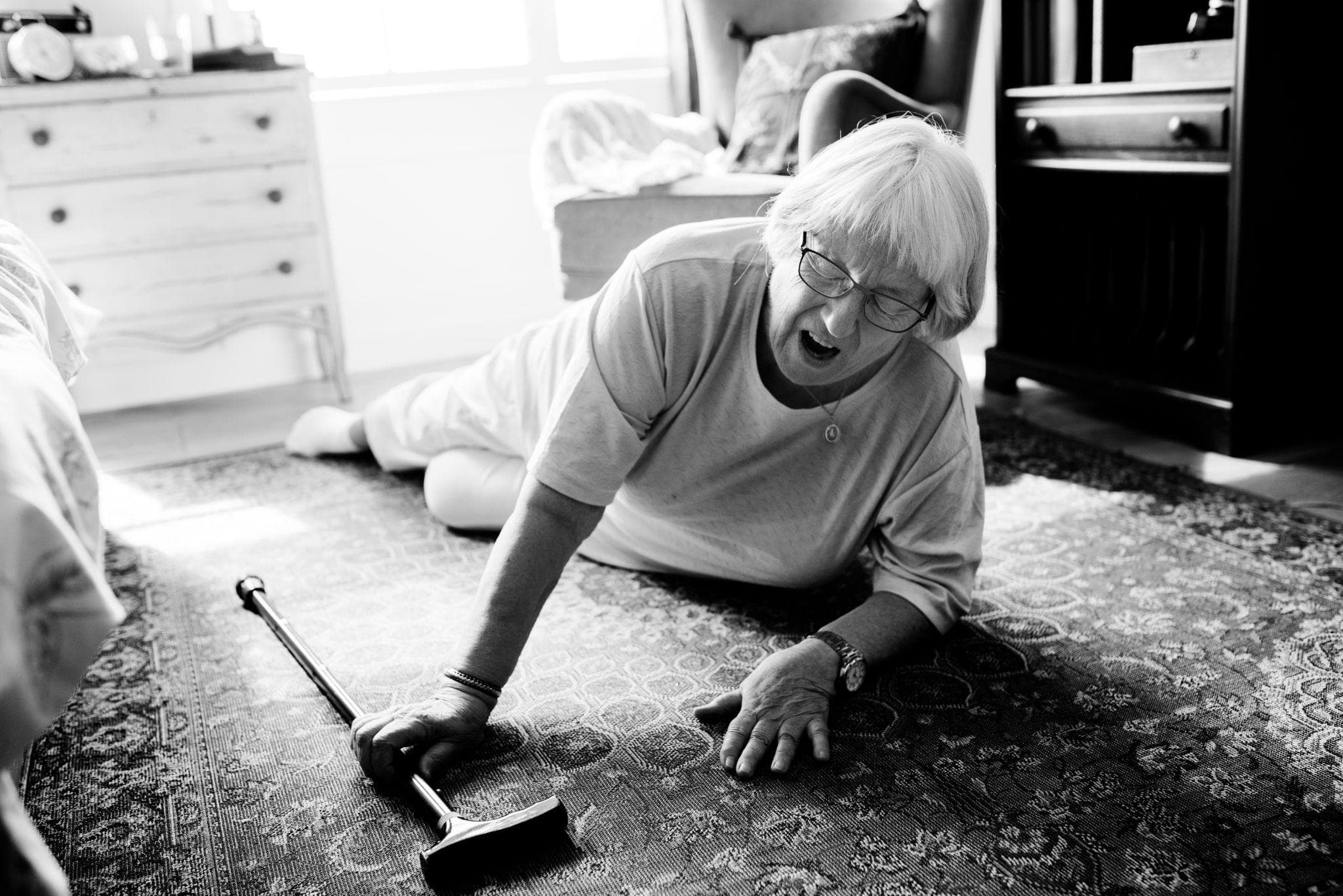
An elderly woman is having knee pain.
Osteoarthritis stands out as one of the most common joint disorders, affecting millions around the globe. It starts when the cartilage, the smooth, protective layer at the ends of your bones, begins to break down. Once that cushioning wears thin, bones grind directly against each other. That’s when pain sets in. Stiffness, swelling, and less freedom to move come next.
People often link osteoarthritis with aging, but it doesn’t just target the elderly. Anyone can develop it, especially if they’ve had joint injuries, carry excess weight, or put repeated stress on their joints. It shows up most often in the knees, hips, hands, and spine.
Unlike a sudden injury, osteoarthritis sneaks up gradually. Early on, you might just notice some stiffness when you wake up or a little soreness after activity. Ignore it, and the symptoms can ramp up, chipping away at your day-to-day life and mobility.
Spotting osteoarthritis early matters. The sooner you recognize and manage the symptoms, the better you can protect your joints and stay active. In this guide, we’ll break down what osteoarthritis is, why it happens, the signs to watch for, treatment strategies, and when it’s time to see an orthopedic specialist.
What Is Osteoarthritis?
Osteoarthritis eats away at the cartilage that lets your joints move smoothly. Lose that, and bones start to scrape together. Movements get stiff and painful. As the damage adds up, your body tries to patch things up by growing extra bits of bone spurs around the joint. But these only make things worse, further limiting movement and ramping up the swelling.
This isn’t something that happens overnight. Osteoarthritis usually creeps in bit by bit and keeps getting worse. You can’t turn it back, but if you catch it early and manage it well, you can cut down on the pain and keep your joints working better for longer.
What Causes Osteoarthritis?
A few common causes stand out when it comes to osteoarthritis.
1. Age
Age tops the list in these causes. As people get older, their cartilage takes a beating as decades of movement wear it down, so seniors face this problem more than younger folks.
2. Joint Injuries
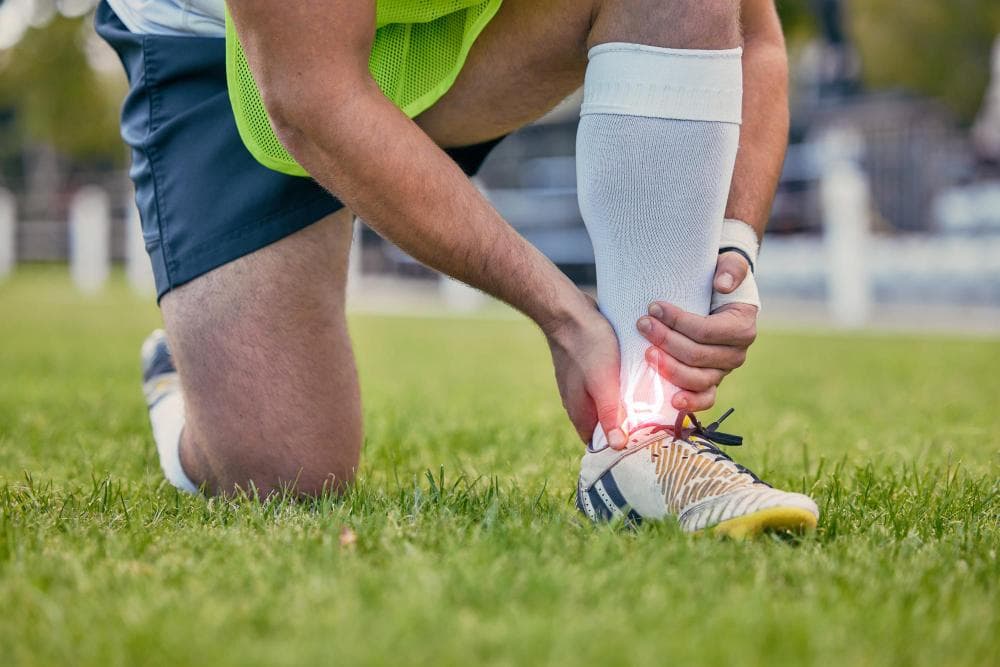
Old injuries play a role, too. Break a bone, tear a ligament, or dislocate a joint, and you set yourself up for osteoarthritis down the road. The damage lingers long after the original pain fades.
3. Obesity
Obesity’s another big cause. Carrying extra weight puts a lot of extra pressure on your knees and hips. Over time, that stress grinds away at the cartilage, speeding up the process.
4. Repetitive Stress On Joints
Some jobs or sports can make things worse. If you’re doing the same motion over and over, like lifting, squatting, twisting, you push your joints past their limit. Eventually, the cartilage can’t keep up.
5. Genetics
Genetics also comes into play. Sometimes osteoarthritis runs in families; your genes can make your cartilage weaker or your joints more prone to trouble.
Symptoms Of Osteoarthritis
Osteoarthritis doesn’t hit you all at once. It creeps in, almost quietly, as the cartilage in your joints wears away. At first, you might just notice a little discomfort after a long walk or some heavy lifting. Over time, though, the aches get harder to ignore. Everyday movements, like walking, reaching, even just getting out of bed, start to feel different.
1. Joint Pain
Pain stands out as the main sign of osteoarthritis. It shows up during movement or right after, and it’s not usually sharp. It’s more of a deep, persistent ache buried in the joint. Climbing stairs, carrying groceries, or simply walking can make it worse. Early on, resting helps. As things progress, the pain sticks around more often.
2. Stiffness
People often wake up to find their joints stiff, especially after sleeping or sitting still for a while. This stiffness usually eases once you get moving, but it can come back after you’ve been still for too long. Simple routines suddenly feel like a struggle.
3. Reduced Range Of Motion
Osteoarthritis makes you stiff. Suddenly, bending your knee, turning your neck, or just picking up your coffee mug isn’t smooth anymore. The joint fights back, and you notice it every time you try something as basic as tying your shoes.
4. Swelling Around The Joint
When cartilage gets damaged, your body reacts fast. Inflammation sets in, bringing swelling, tenderness, and maybe some extra warmth. Sometimes it’s obvious, sometimes it sneaks up on you, but either way, it turns ordinary movements into a chore.
5. Grinding Sensation
The grinding or clicking you feel when you move the joint. That’s the sound (and feeling) of bones rubbing together, since the cartilage that should cushion them has thinned out. It’s a reminder every time you bend or twist: something’s changed inside that joint.
Joints Most Commonly Affected By Osteoarthritis
Osteoarthritis tends to target certain joints more than others.
1. Knees
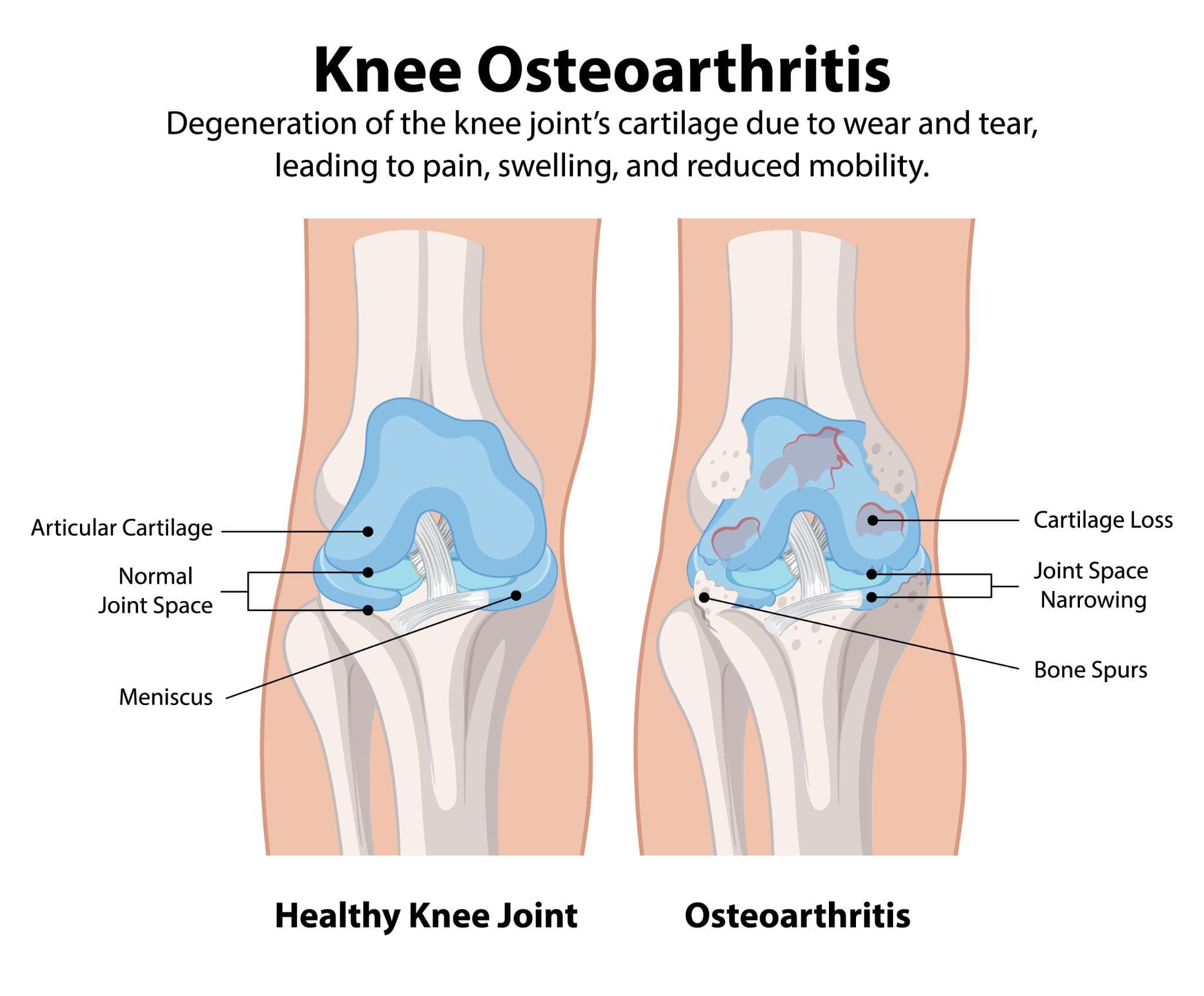
An anatomy diagram of the knee osteoarthritis.
The knees take a real beating. When osteoarthritis sets in, just getting around, like walking, climbing stairs, or even standing for a while, can suddenly feel like a challenge.
2. Hips
The hips aren’t far behind. Pain often shows up deep in the groin, sometimes spreading through the thigh or buttocks. It messes with how you walk, throws off your balance, and makes everyday movement frustrating.
3. Hands And Fingers
In the hands, osteoarthritis stiffens up the joints. Fingers swell, fine motor skills slip, and simple tasks, like buttoning a shirt or turning a key, demand more effort than they should.
4. Spine
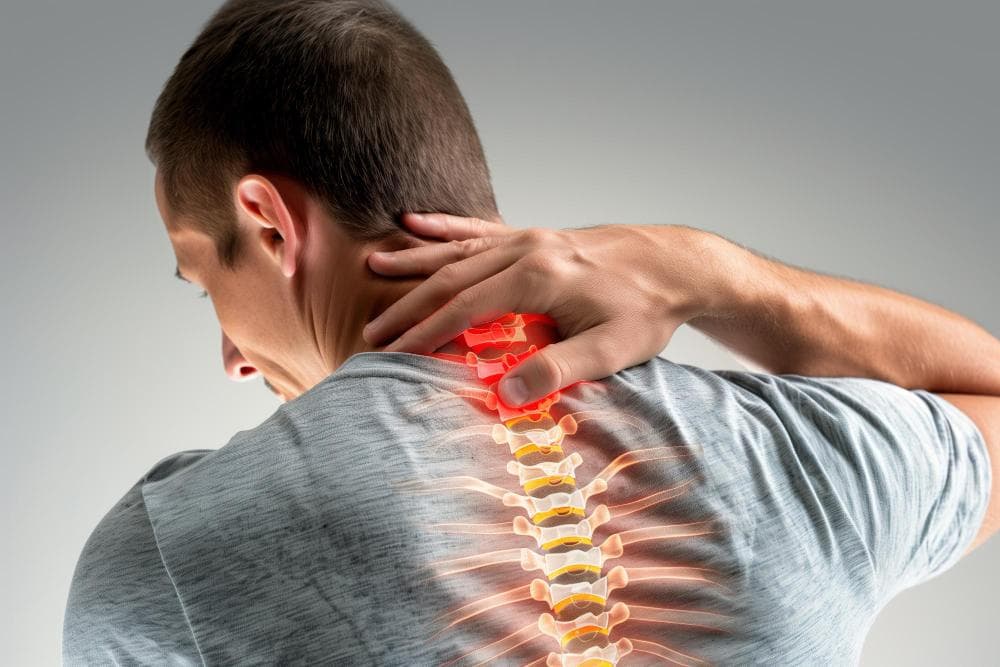
If osteoarthritis hits the spine, back pain usually follows. Stiffness creeps in, and sometimes nerves get irritated, adding sharp or shooting pain to the mix.
Treatment Options For Osteoarthritis
You can’t cure osteoarthritis, but you can manage it. The focus is on easing pain, keeping joints working, and slowing things down so you can stay active and live comfortably.
1. Lifestyle Modifications
Small changes in daily habits really help.
- Keeping your weight in check takes extra stress off your knees and hips.
- Staying active, like walking, swimming, and cycling, keeps joints loose and muscles strong.
- It’s best to skip activities that pound or twist your joints too much, since that only makes things worse.
2. Physiotherapy
Physiotherapy really makes a difference. A skilled physiotherapist doesn’t just give you a set of exercises, they teach you how to strengthen the muscles around your aching joints and keep your body moving. Going to sessions regularly helps loosen up stiff joints, sharpens your balance, and makes daily tasks less of a struggle.
3. Medications
Pain and swelling can take over your day, so doctors often reach for medication. You’ll see a lot of people using over-the-counter painkillers or anti-inflammatory drugs, and sometimes topical creams or gels go right on the joint to target pain where it hurts most.
4. Assistive Devices
Don’t underestimate the value of good support.
- Knee brace
- Shoe inserts
- Walking stick
These simple tools take pressure off your joints and help you keep your balance. If you’re living with knee or hip osteoarthritis, they’re more than convenient - they’re essential.
5. Surgical Treatment
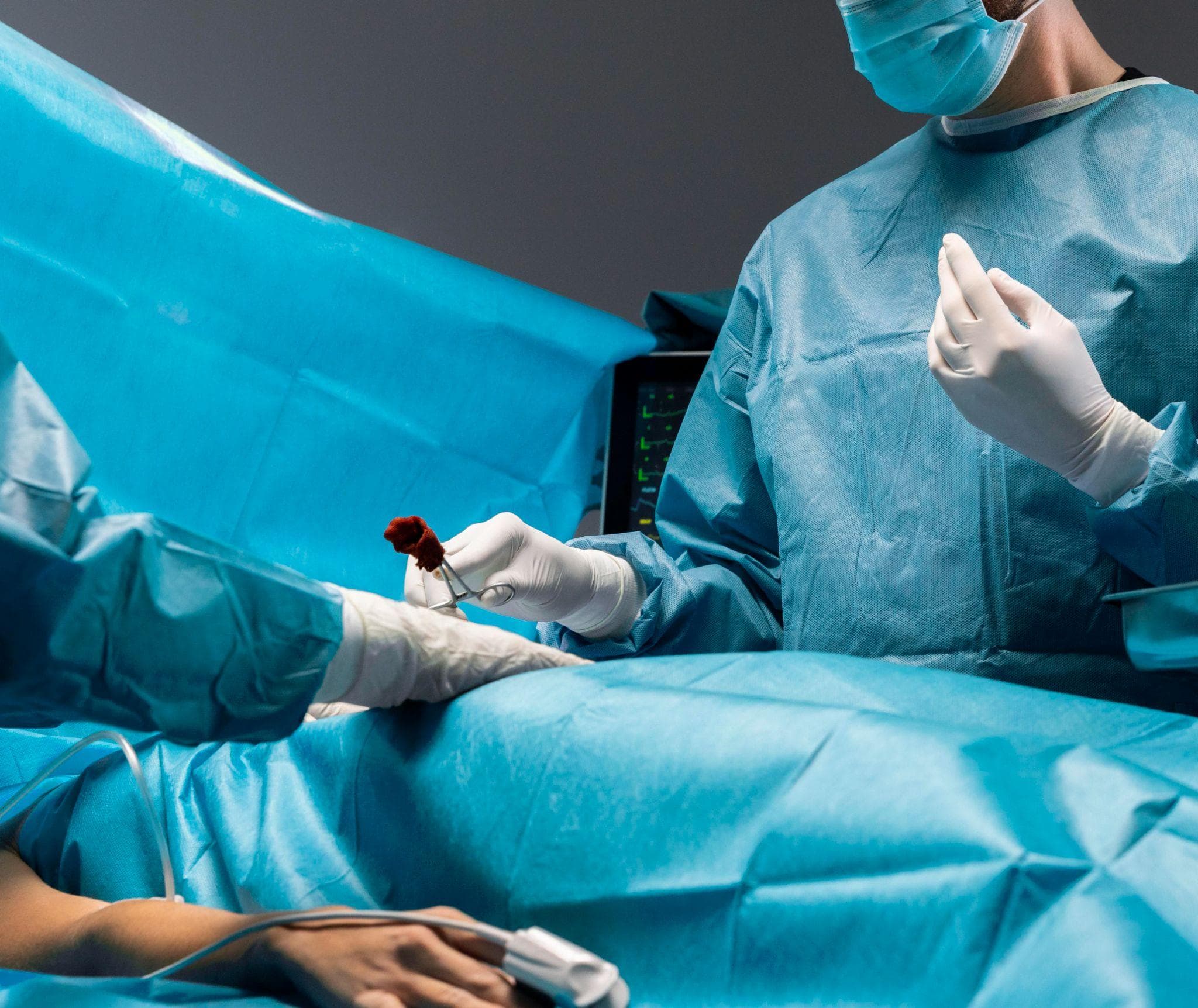
When pain just won’t quit, and nothing else works, surgery can finally bring relief. Whether it’s joint repair, realignment, or a full replacement, these procedures restore movement and let you get back to living. Doctors usually suggest surgery only when joint damage starts to seriously disrupt your daily life.
When To See An Orthopedic Specialist
Don’t wait if osteoarthritis starts messing with your daily routine - that’s your sign to get medical advice.
- If pain sticks around for weeks or keeps coming back, see a specialist.
- Struggling with basic things like walking, climbing stairs, or even gripping objects? It’s time for a check-up.
- Notice swelling or if your joint looks different? That can point to serious joint damage.
- Stiffness or loss of range of motion in a joint? Don’t wait. Early treatment stops problems from getting worse.
Reach out to an orthopedic specialist like Dr. Mayank Chauhan in Noida. He’ll pinpoint what’s wrong and set up a treatment plan that fits your needs.
Osteoarthritis Prevention Tips
A woman is exercising.
You can’t always stop osteoarthritis, but you can lower your risk or slow it down:
- Keep your weight in check.
- Stay active, like try low-impact exercises.
- Build up the muscles around your joints.
- Don’t put your joints through the same motions over and over.
- Treat joint injuries as soon as they happen.
Final Thoughts
Osteoarthritis affects a lot of people, but it doesn’t have to take over your life. Catching the early signs and acting quickly makes a real difference; you can keep pain in check, stay flexible, and protect your joints from getting worse. People who stick with their care routines, use physiotherapy, and follow good medical advice often stay active and comfortable for years.
If joint pain’s been dragging you down, Dr. Mayank Chauhan in Noida offers real answers. He’ll figure out exactly what’s going on and craft a treatment plan that fits your life. With his orthopedic expertise, you get less pain, better movement, and healthier joints for the long run.