Biomechanical Analysis For Sports Injury: Hidden Errors Affecting Performance
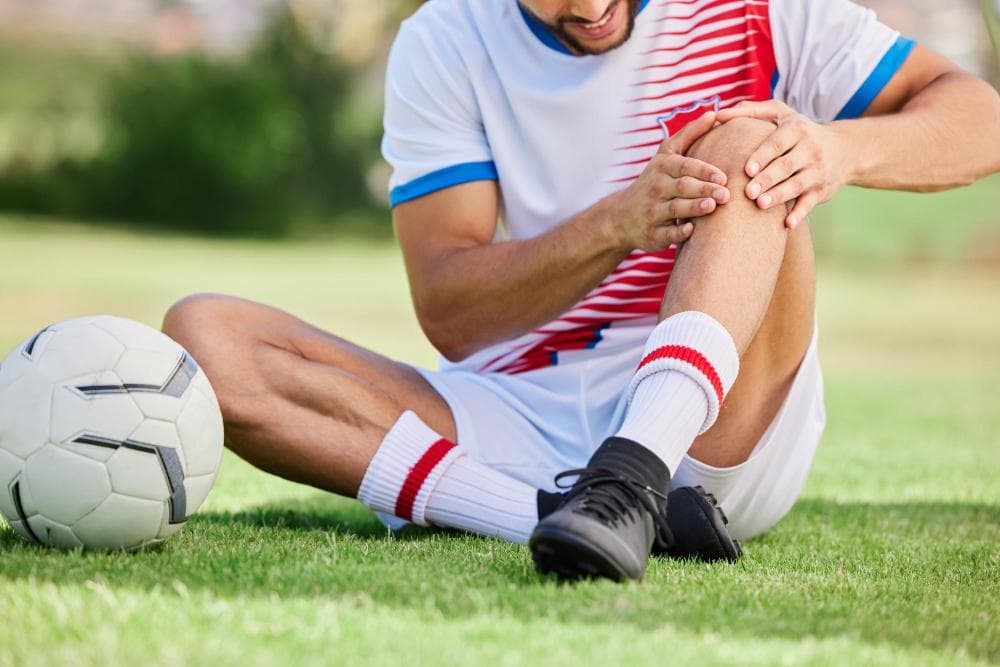
A soccer player sits on the grass, smiling and holding his knee near a ball.
People often assume sports injuries happen because of bad luck or overtraining, but that’s not always the case. In many situations, the real problem lies in how the body moves. Small, unnoticed errors in movement, like poor posture, incorrect running form, or muscle imbalance, can quietly build stress over time and eventually lead to injury.
This is where biomechanical analysis plays a crucial role. It focuses on identifying these hidden movement flaws that affect both performance and injury risk. Whether it’s an athlete aiming to improve efficiency or someone recovering from repeated injuries, understanding biomechanics can make a significant difference.
Instead of just treating the injury, biomechanical analysis looks deeper into how the body functions during movement. It helps correct faulty patterns, improves efficiency, and reduces the chances of future injuries.
In this guide, let’s explore how biomechanical analysis works, why it matters, and when it’s important to consult a specialist.
What Is Biomechanical Analysis?
Biomechanical analysis is the study of how the body moves during physical activity. It evaluates posture, joint motion, muscle function, and movement patterns to identify inefficiencies or abnormalities.
Using tools like motion analysis systems, video recordings, and physical assessments, specialists can break down movements in detail. The goal is simple: optimize performance, prevent injuries, and improve overall body mechanics. Rather than focusing only on symptoms, biomechanical analysis targets the root cause of the problem, like how the body is moving.
How Biomechanical Analysis Works?
The process begins with a detailed assessment of movement patterns. The specialist observes how a person walks, runs, jumps, or performs sport-specific actions. They evaluate posture, joint alignment, muscle strength, flexibility, and coordination. Advanced tools like slow-motion video analysis or pressure sensors may also be used to capture precise movement data. Based on these findings, a personalized correction plan is created. This may include targeted exercises, posture correction, gait training, and technique improvement.
For expert evaluation and treatment, consulting Dr. Mayank Chauhan in Noida ensures accurate diagnosis and effective recovery strategies tailored to individual needs.
Key Benefits Of Biomechanical Analysis
Biomechanical analysis not only helps in injury recovery but also enhances overall performance and long-term physical health.
- Identifies Hidden Movement Errors - Small mistakes in movement often go unnoticed but can cause major issues over time. Biomechanical analysis helps detect these subtle errors early.
- Injury Prevention - Correcting faulty movement patterns, it reduces stress on joints and muscles, lowering the risk of future injuries.
- Improved Sports Performance - Efficient movement means better speed, strength, and endurance. Athletes can perform at their peak with optimized mechanics.
- Faster Recovery From Injuries - Understanding the root cause ensures that recovery is more effective and reduces the chances of re-injury.
- Better Posture And Alignment - Correct alignment improves overall body function and reduces unnecessary strain during daily and athletic activities.
- Enhanced Muscle Coordination - It helps different muscle groups work together efficiently, improving balance and control.
Common Issues Detected Through Biomechanical Analysis
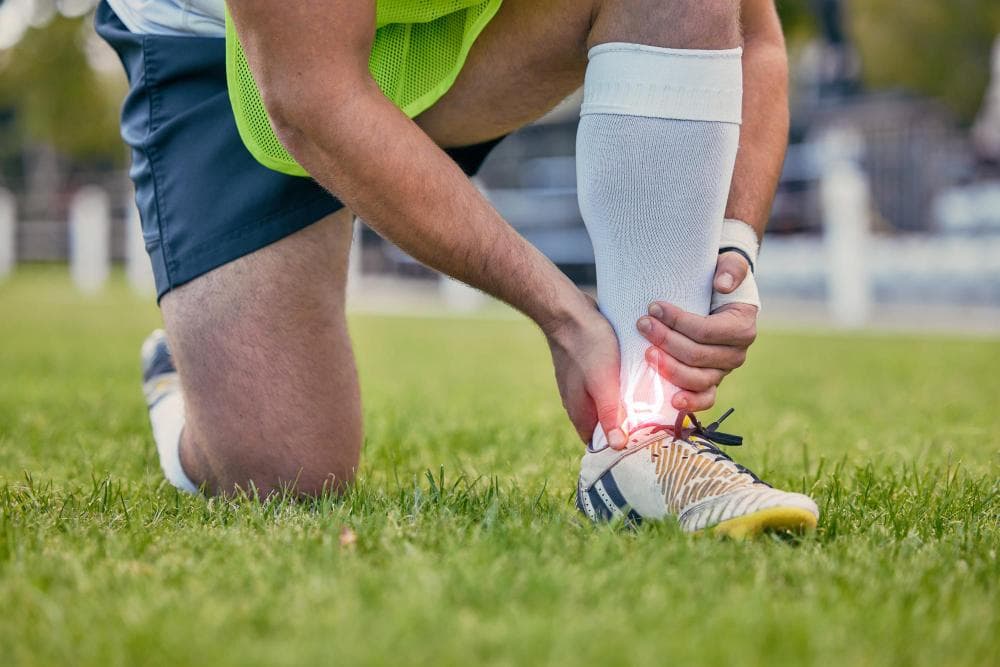
A soccer player kneels and holds his ankle in pain, with the injury area highlighted in red.
Biomechanical analysis helps identify various underlying problems that may not be obvious otherwise.
- Muscle Imbalances - When some muscles are stronger or tighter than others, it affects movement efficiency and increases injury risk.
- Poor Running or Walking Mechanics - Incorrect gait patterns can lead to stress injuries in the knees, hips, or ankles.
- Joint Misalignment - Improper joint positioning can cause uneven load distribution and long-term damage.
- Overuse Injuries - Repetitive stress due to faulty mechanics often leads to chronic conditions.
- Limited Mobility or Flexibility - Restricted movement in joints can alter natural movement patterns and lead to compensation injuries.
Techniques Used In Biomechanical Analysis
Various advanced and manual techniques are used to assess and correct movement patterns.
- Video Motion Analysis - Slow-motion video helps break down complex movements frame by frame for accurate evaluation.
- Gait Analysis - Examines walking or running patterns to detect abnormalities and inefficiencies.
- Force and Pressure Analysis - Measures how force is distributed across the body, especially in the feet, during movement.
- Functional Movement Screening - Assesses basic movement patterns to identify weaknesses, imbalances, or limitations.
- Corrective Exercise Programs - Customized exercises designed to fix identified issues and improve movement quality.
When To Consider Biomechanical Analysis
The body often shows clear signs when movement patterns are not functioning properly.
- Recurrent Sports Injuries - Repeated injuries in the same area often indicate underlying biomechanical issues.
- Persistent Pain During Activity - Pain that appears during running, jumping, or training should not be ignored.
- Decline in Performance - If performance drops despite consistent training, movement inefficiency could be the cause.
- Post-Injury Recovery - After an injury, correcting movement patterns is essential to prevent recurrence.
- Imbalance or Poor Coordination - Difficulty in balance or coordination may indicate improper muscle engagement.
Final Thoughts
A soccer player lies on the ground, clutching his arm in pain.
Biomechanical analysis is not just for elite athletes; it’s for anyone who wants to move better, perform efficiently, and stay injury-free. Hidden movement errors, if left uncorrected, can lead to long-term damage and repeated setbacks. By identifying and correcting these issues early, individuals can improve performance, prevent injuries, and maintain long-term physical health.
For expert guidance, visit Dr. Mayank Chauhan in Noida. With a detailed biomechanical assessment and personalized treatment approach, patients can achieve better movement, faster recovery, and a stronger, more resilient body.
Frequently Asked Questions (FAQs)
1. What is biomechanical analysis in sports?
Biomechanical analysis studies body movement patterns to identify errors that may cause injuries or affect performance.
2. How does biomechanical analysis help prevent injuries?
It detects faulty movement patterns early and corrects them to reduce stress on joints and muscles.
3. Who should get a biomechanical analysis?
Athletes, fitness enthusiasts, and anyone with recurring injuries or movement-related pain can benefit from it.
4. Can biomechanical analysis improve sports performance?
Yes, it enhances efficiency, balance, and coordination, leading to better overall performance.